

3.5 hours·English, Japanese
4.9(977)
Daikoku:Experience Tokyo's Car Culture in Iconic JDM Cars
Option: Street Racer Experience
Free cancellationHotel pickup includedSnap unlimited photos with our cars

Stop guessing when the cars show up. Local enthusiast drivers know the Daikoku parking area car meet schedule by heart - they time the highway run to hit the lot at peak hours, and reroute to Umihotaru or Tatsumi if police clear it early. Pick your night, book your ride, and stand among the GT-Rs and Supras instead of an empty deck.
"Spent the evening in cars and absolutely loved it. Huge thanks to our guides, especially Nikhil. They adapted perfectly to our group, super friendly the whole time."
Daikoku fills and empties on the whim of its owners and the police, with no timetable posted anywhere. Which night you pick, and when you leave your hotel, decides whether you catch a full deck or an empty one.
The meets are informal, so the only schedule is a rhythm: first cars arrive 5 to 6 pm, the main wave from 7 pm.
Saturday is the biggest and most varied night, and also the one police close earliest.
Sunday mornings from 6 to 10 am bring classics and supercars in daylight, with almost no closure risk.
No taxis, trains or rideshares serve the island, so return transport must exist before you arrive.
Rain thins the turnout but closes nothing; only typhoon warnings empty the lot.
Book a tour with a Friday or Saturday departure between 4:30 pm and 5 pm so you reach the lot while cars are still gathering, and let the guide reroute to Umihotaru PA or another meet spot if a closure hits.
Pull down the spiral ramp off the Bayshore Route at 6 pm and the deck can look half empty. That is the trick of Daikoku.
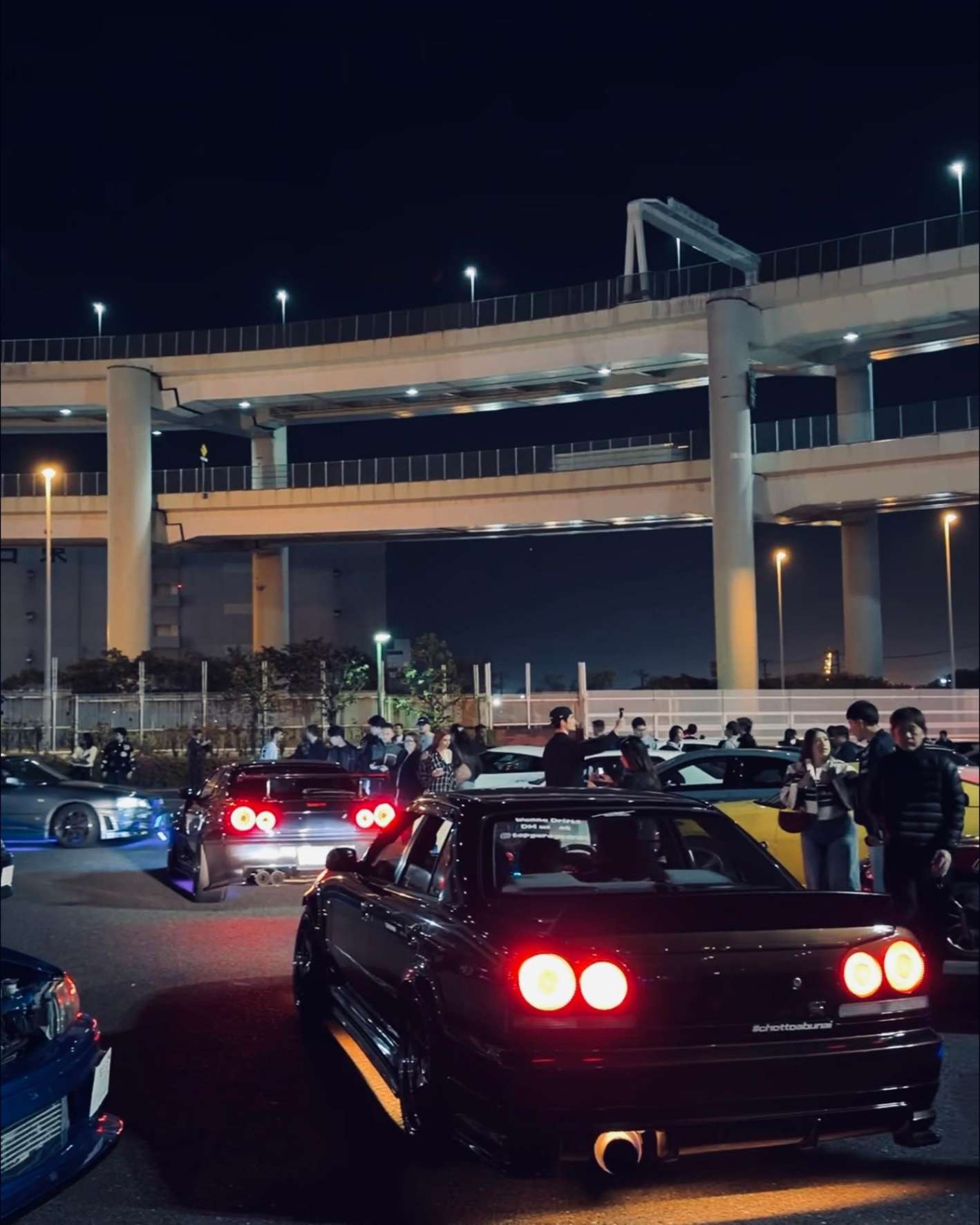
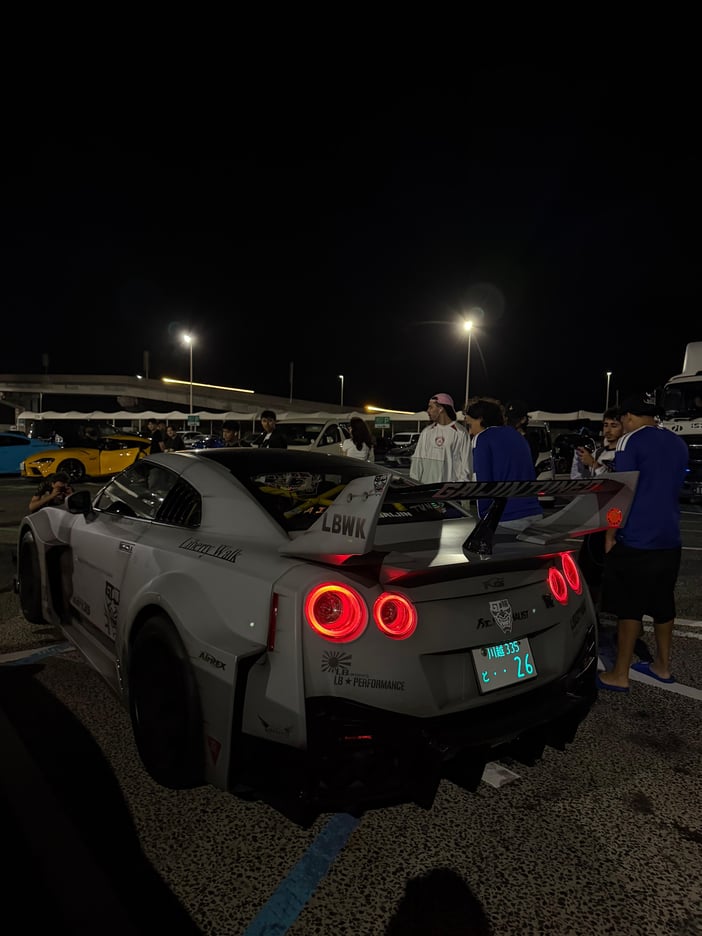
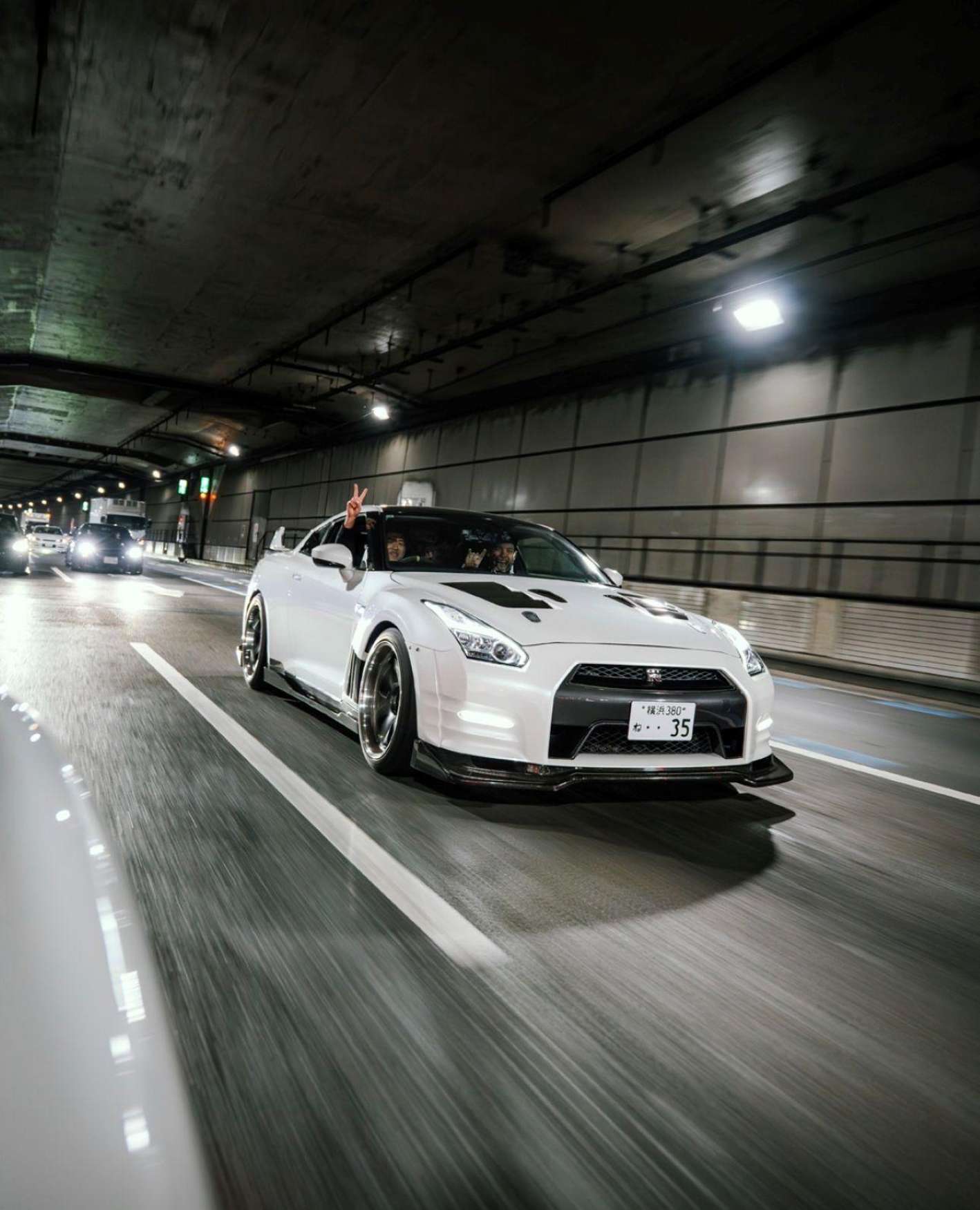
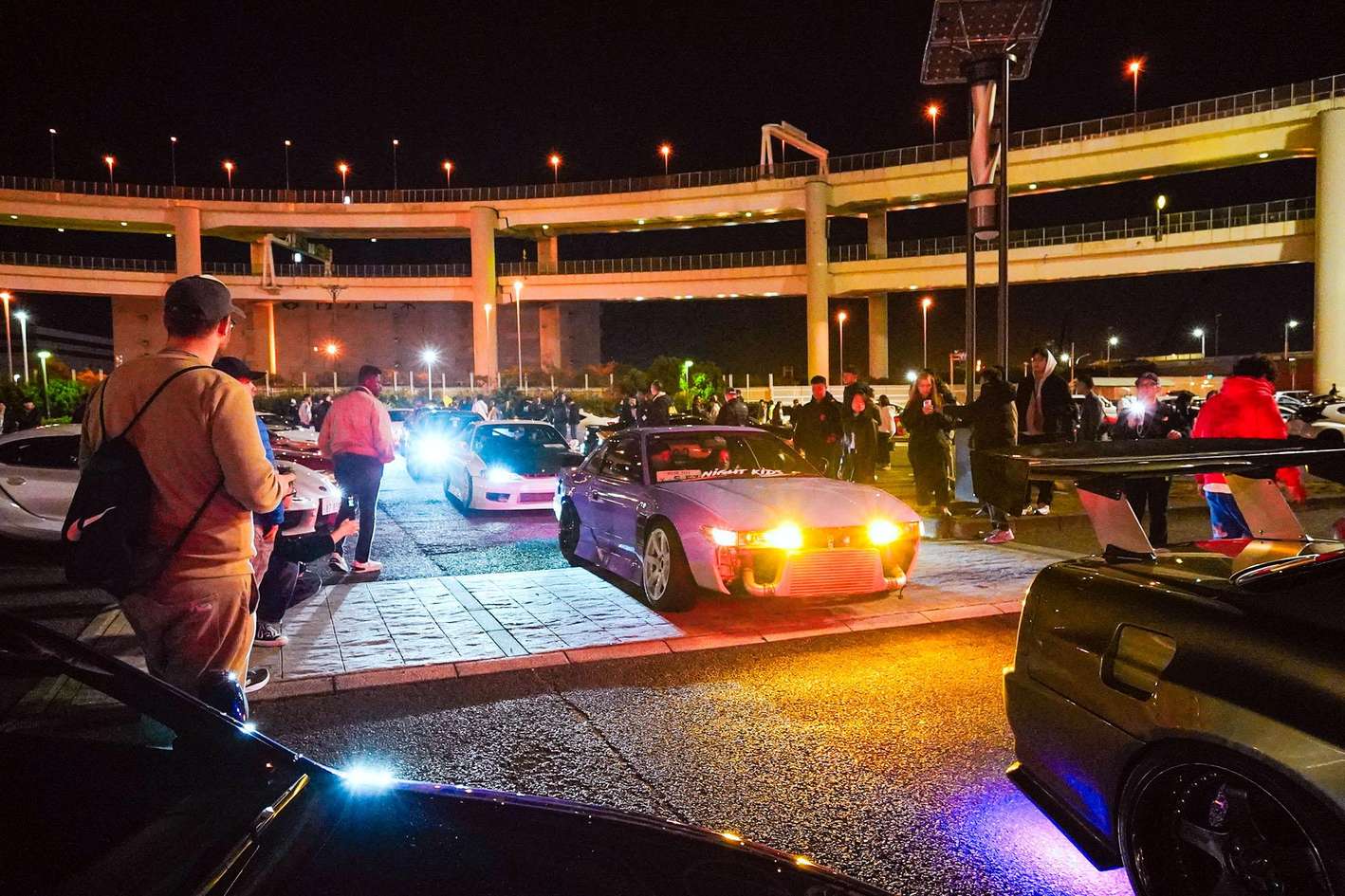
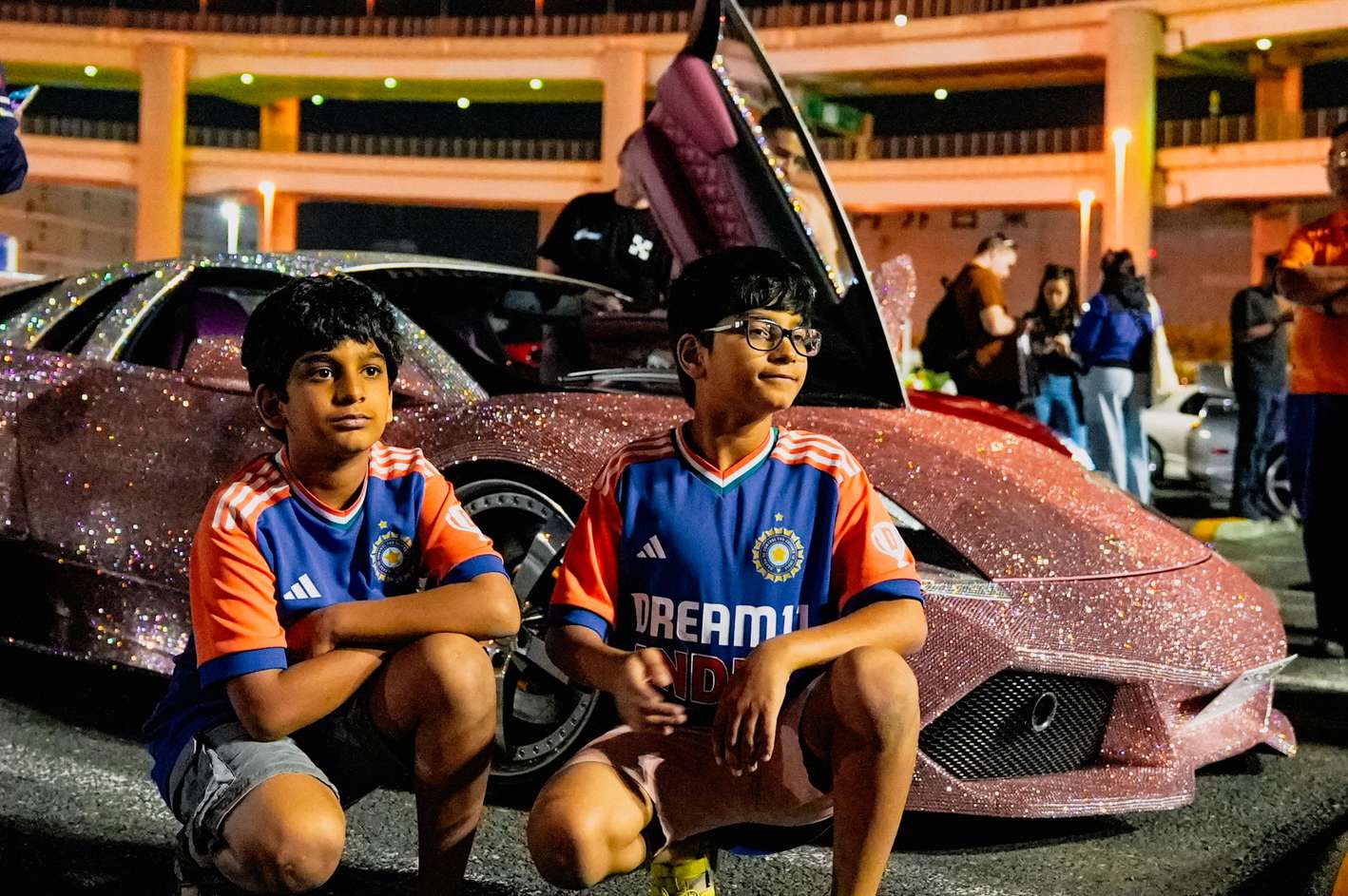
The first cars arrive between 5 and 6 pm, right around sunset, and the main wave rolls in from 7 pm. Within an hour a handful of builds becomes rows of Skylines, Supras and RX-7s with hoods up.
No timetable is posted anywhere, and that is not an oversight. The meets are informal gatherings inside a working expressway rest stop, with no organizer and no event permit, so nothing announces them. What exists instead is a rhythm.
First cars arrive before dusk
Main arrivals before police closures
Peak density when not closed
Crowds thin or move elsewhere
The two windows that matter are 7 pm, when you watch the lot fill, and 9 pm, which brings peak density or an already-cleared deck, depending on how the night has gone.
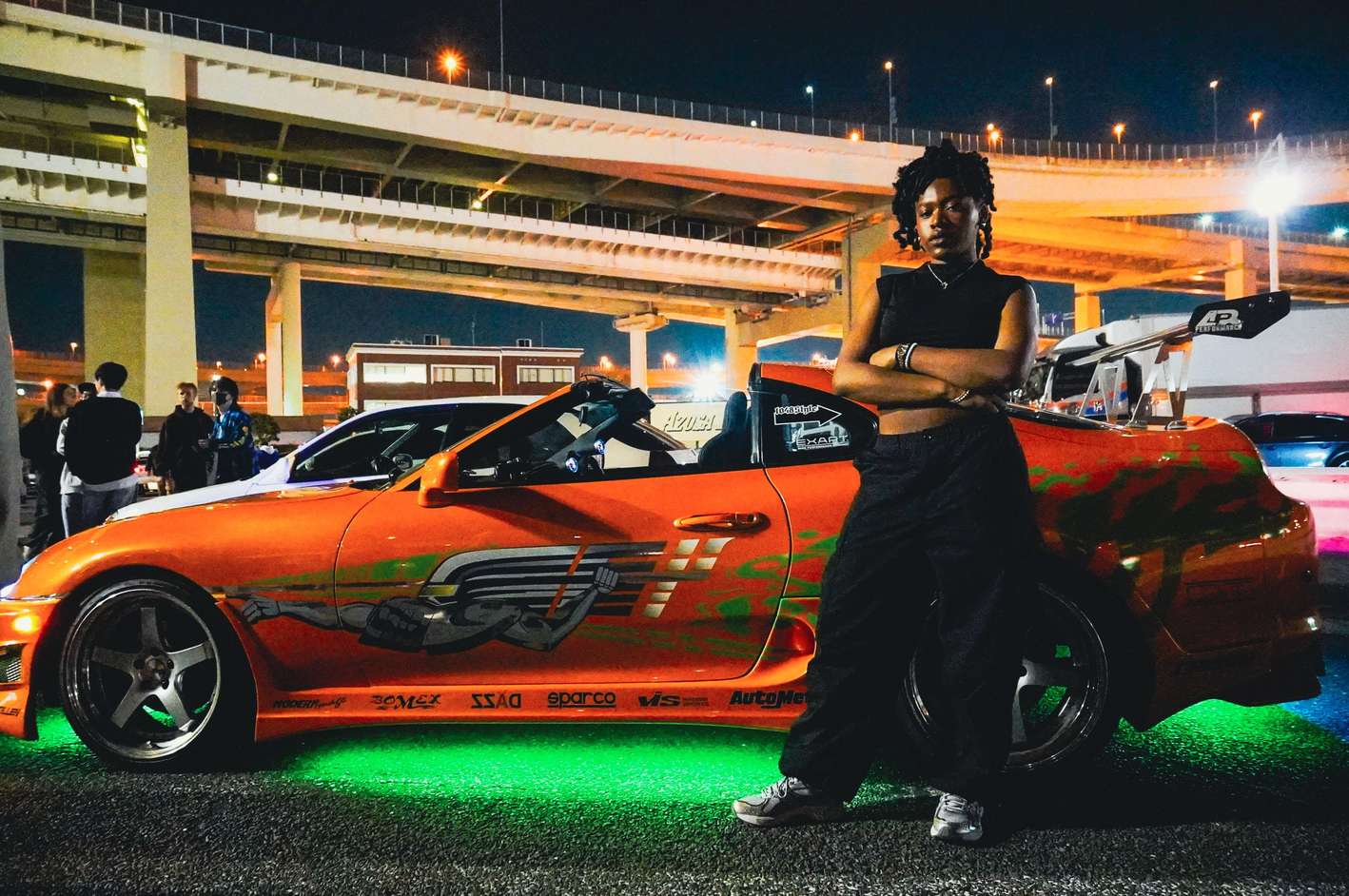
Friday has the friendlier feel. Local enthusiasts drive in straight from work, so the lot leans toward drift builds, tuned kei cars and modified daily drivers alongside the flagships, and the crowd stays manageable.
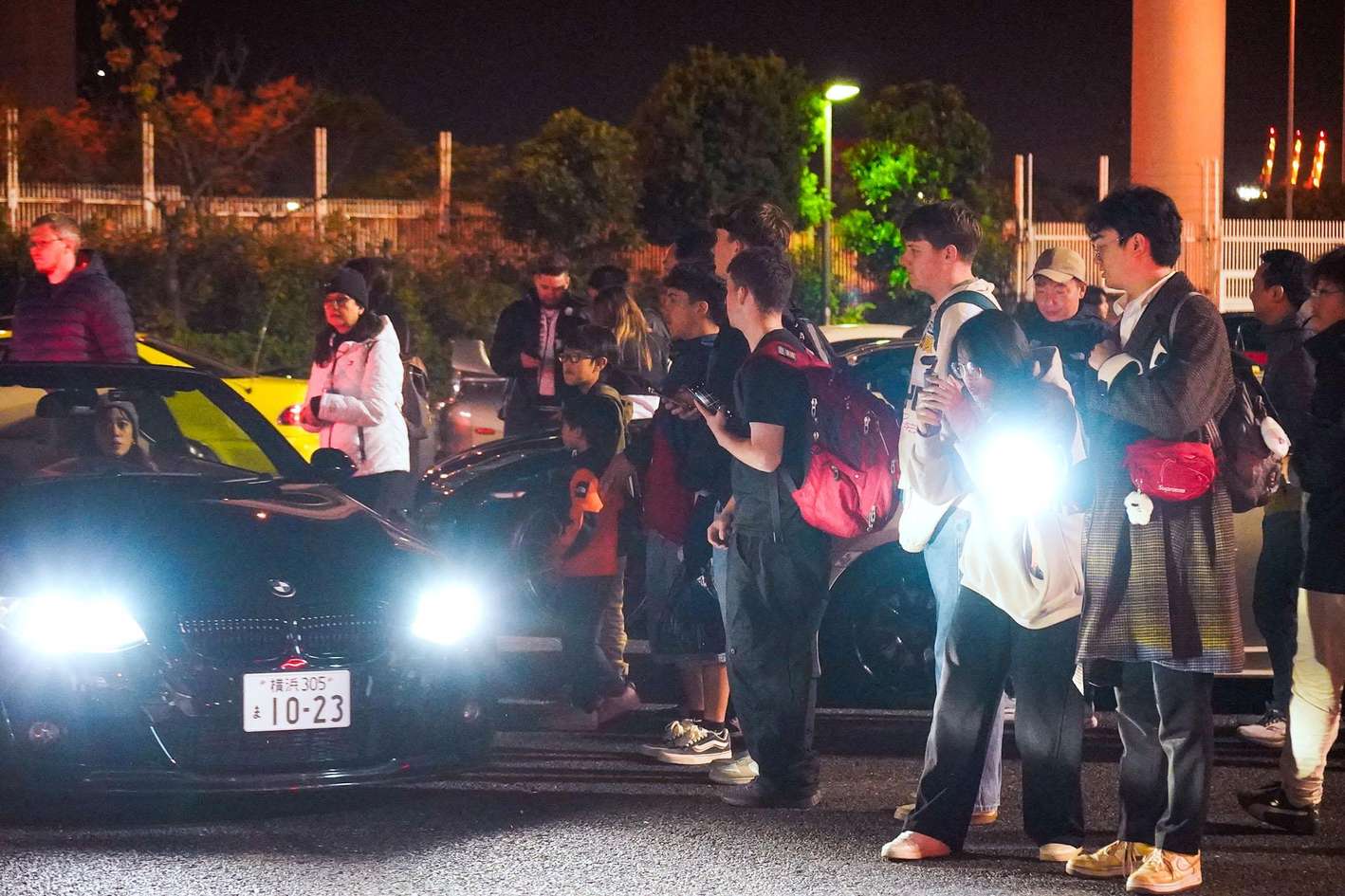
Saturday draws the biggest show of the week, an international crowd shoulder to shoulder around pristine Supras and Skylines and European exotics like Lamborghinis and Ferraris. Saturday also brings police closures earliest.
That is the trade-off behind every weekend visit. Friday and Saturday nights bring the most cars, and closures that often start between 7:30 and 8:30 pm can cut them short. Operators who know this schedule Friday departures between 4:30 and 5 pm, buying their guests time inside before the megaphones start.
Sunday evenings run a solid middle path, mixing modified JDM metal with exotic supercars.
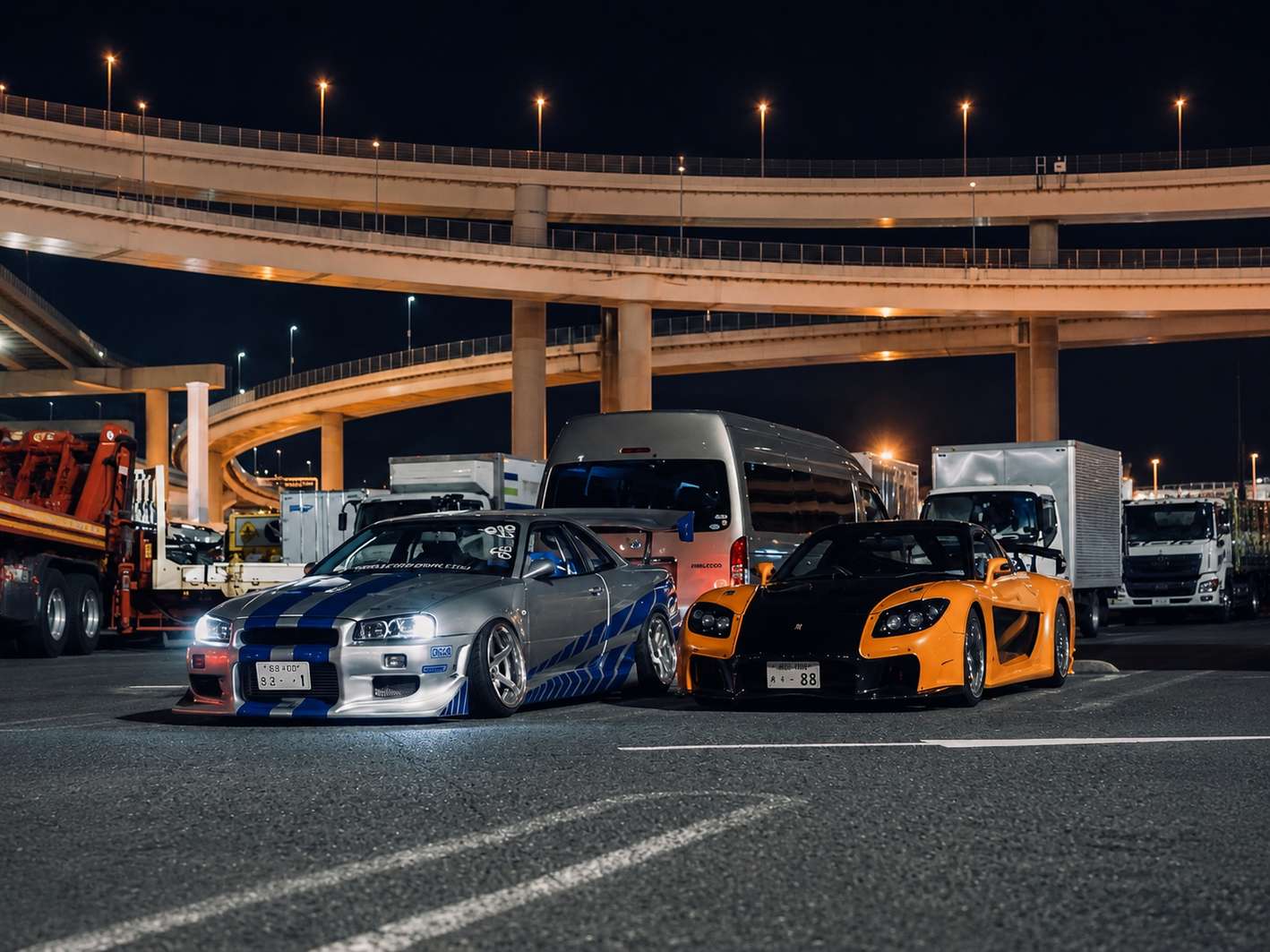
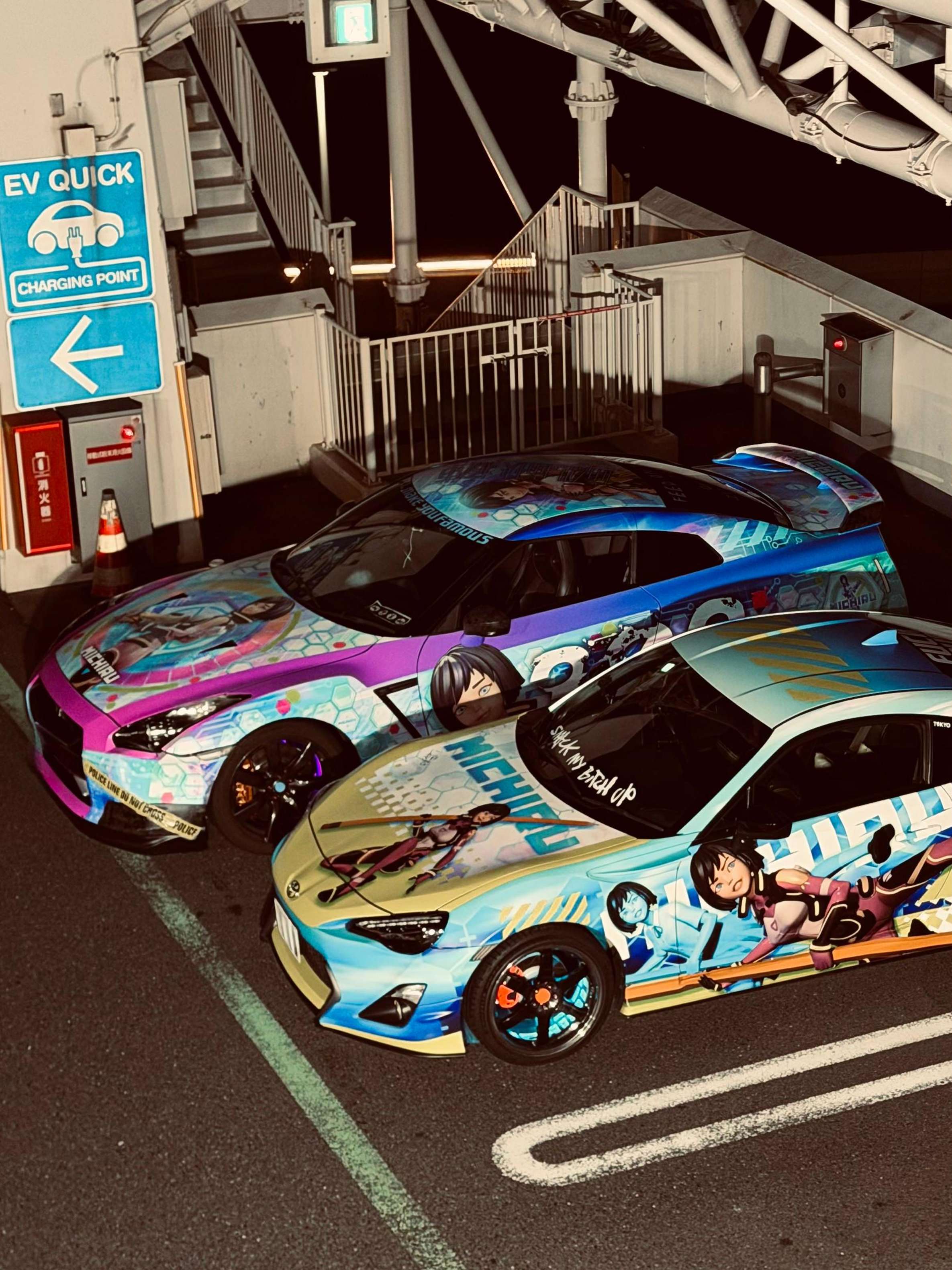
Sunday morning is Daikoku with the volume turned down. Classic and supercar meets gather between 6 and 10 am, peaking from 8 to 10 before the lot clears out by midday. Vintage Japanese classics, European supercars and luxury exotics idle in daylight while their owners chat about weekend drives ahead.
The difference runs deeper than the light. Weekend nights run hot and attract police; Sunday mornings see almost no police shutdowns. For photographers, the daylight and the calm crowd make the easiest shooting of the week. For travelers who would rather not end a night out at 1 am, it solves the schedule problem entirely.
It is still a morning, on a highway island in the bay. You will need an alarm and a plan for reaching the lot at dawn, and the guided Sunday tours usually cover both.
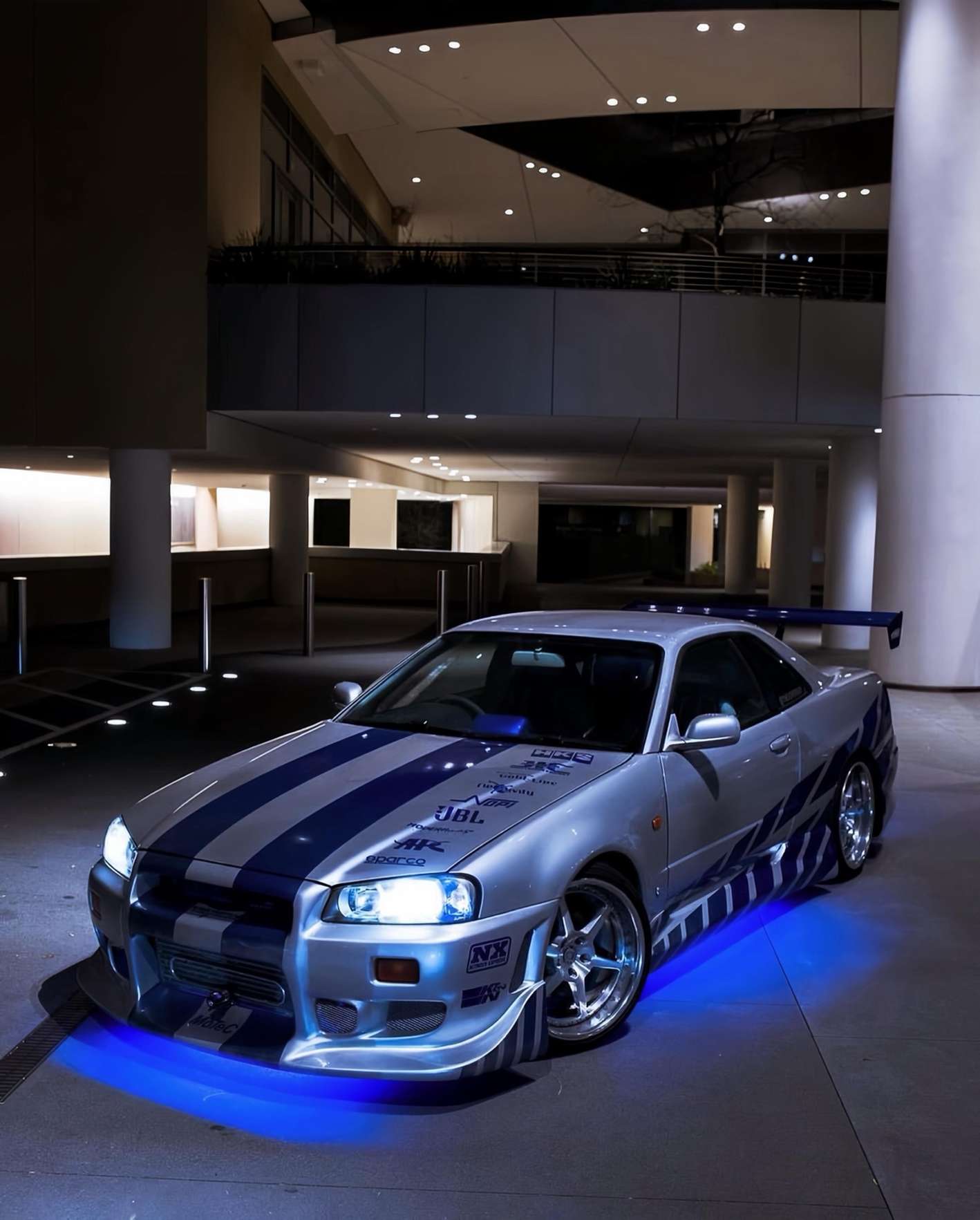
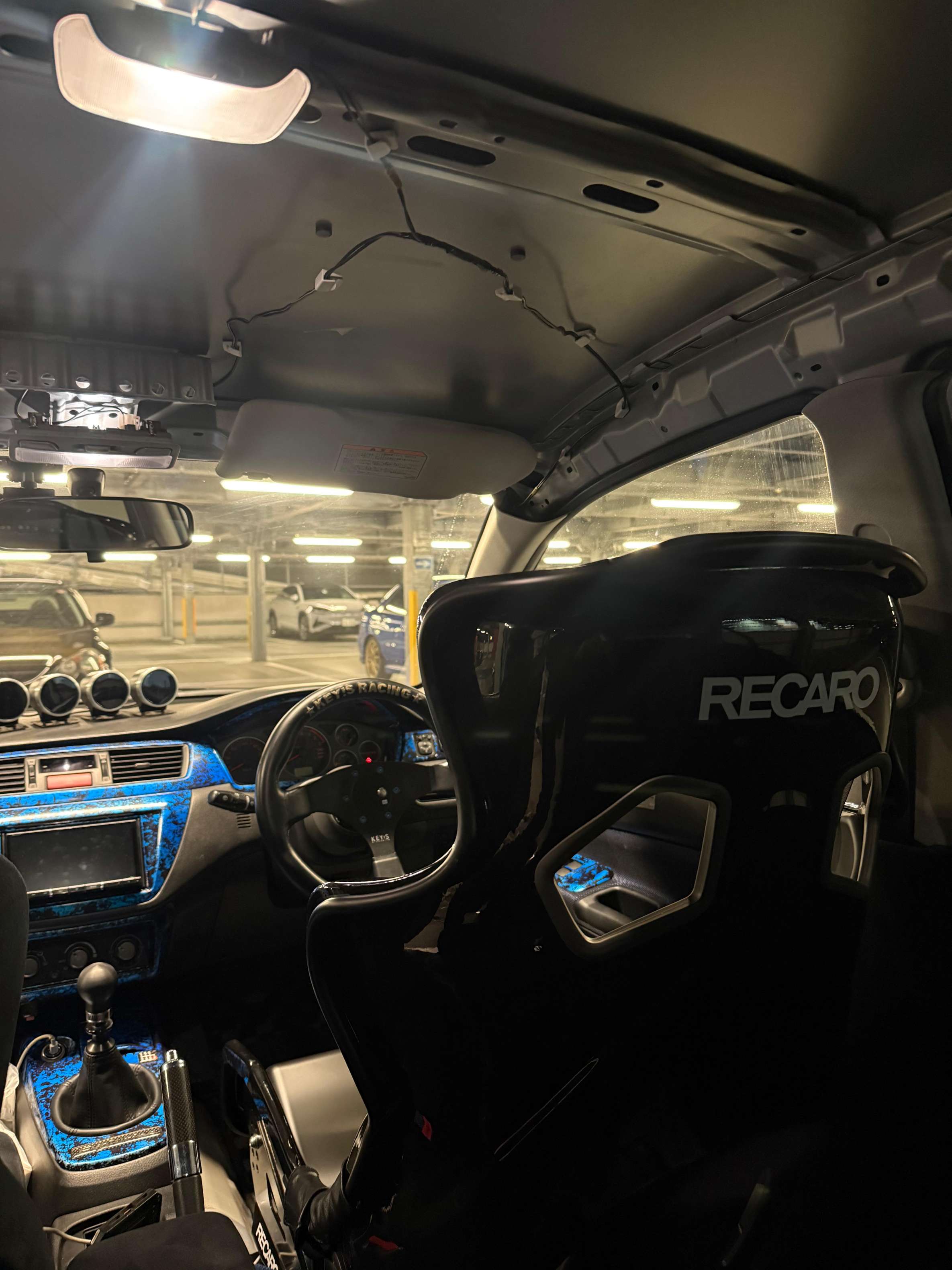
Weeknights get written off too quickly. Monday through Thursday brings smaller turnouts and almost no police closures, a relaxed pace where the lot rarely fills but rarely empties either.
People who went recently on a Monday and a Thursday described meets that were fairly populated, decent or even full; one visitor on a June weeknight found it thin.
The likeliest reading sits between the two: a weeknight at Daikoku usually delivers a real meet, just a quieter one, with room to walk and talk. If your trip only allows a Tuesday, go. If your dates are flexible, save the slot for a Friday or Saturday and take a weeknight as a second visit.
The bonus is certainty. On the nights when closures are rare, the schedule risk that shapes weekends mostly disappears.
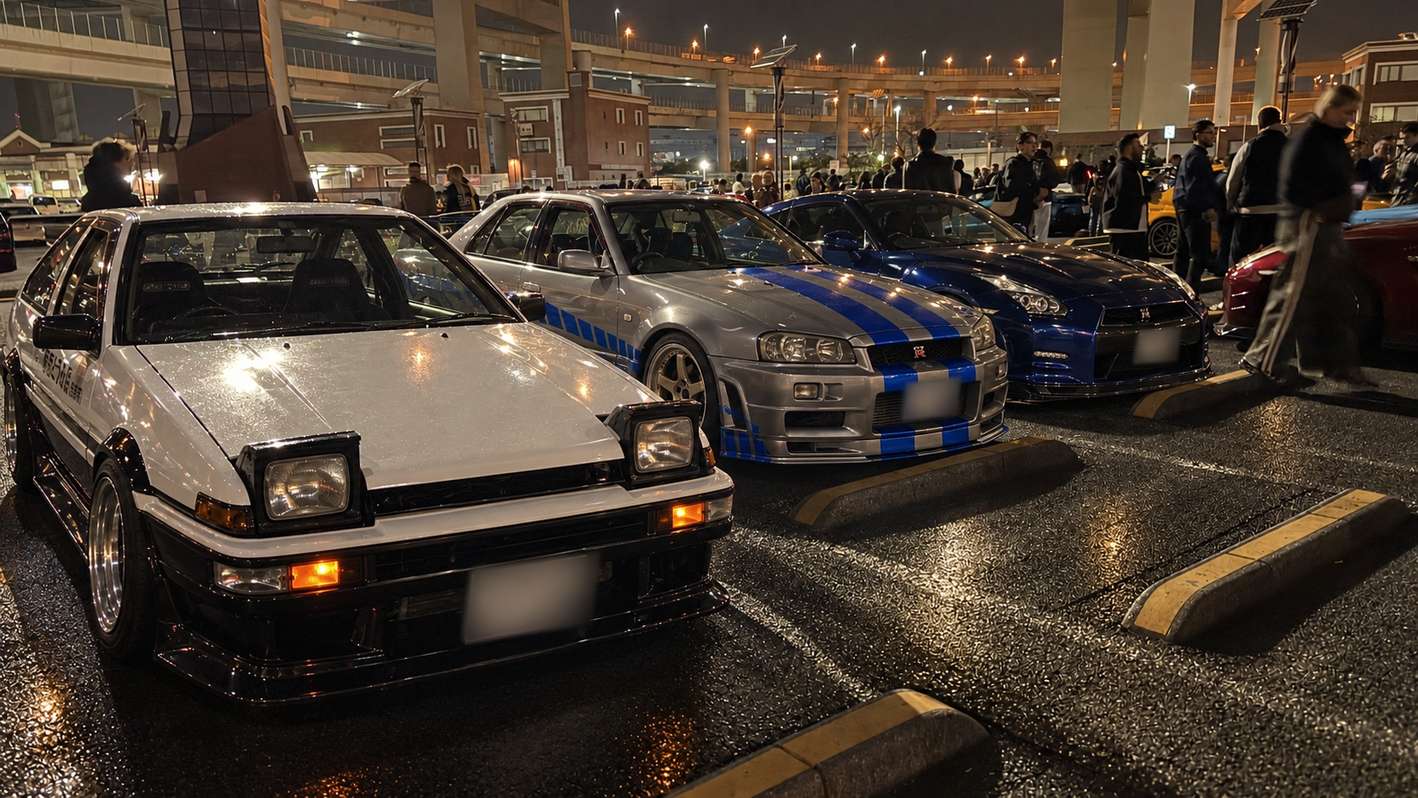
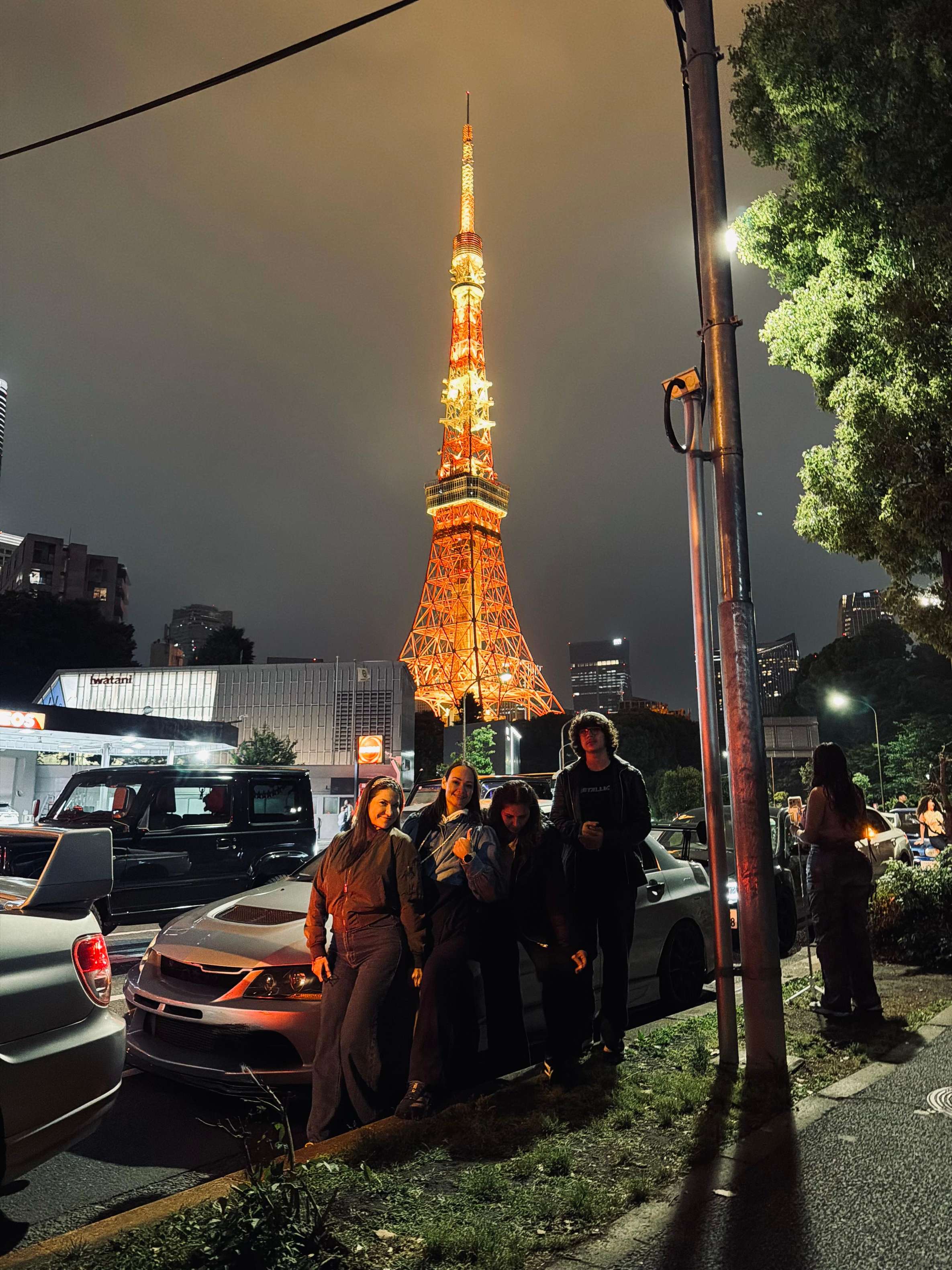
Every regular knows the moment. A loudspeaker crackles, announcements roll across the deck, and cars file back onto the expressway in a slow, orderly line. Police close Daikoku early on weekend nights to manage noise, overcrowding and blocked truck parking, often between 7:30 and 8:30 pm. Revving engines and disruptive behavior pull enforcement in faster.
When it happens, comply and leave promptly, without argument; watching and photographing cars is not the problem, but holding a closed deck is. The scene simply relocates.
Most of the lot migrates to Umihotaru PA on the Tokyo Bay Aqua-Line, where meets peak on Friday and Saturday between 8:30 pm and midnight. Others head to Tatsumi Dai-ichi PA on Route 9, occasionally Shibaura PA.
Guided tours build this into the plan, diverting to Umihotaru, Tatsumi or APIT Autobacs Shinonome when Daikoku shuts.
On Friday and Saturday nights Daikoku's small-vehicle access routinely closes from around 7:30 pm to 2 am for noise and overcrowding Arrive before 7:30 pm, or go with a driver who knows the backup lots
That is why the worth of a tour sits in the driver's plan. A guide who reroutes the same night keeps the evening alive, and Umihotaru's busiest stretch runs 9 to 10 pm, exactly when Daikoku's crowd lands there.
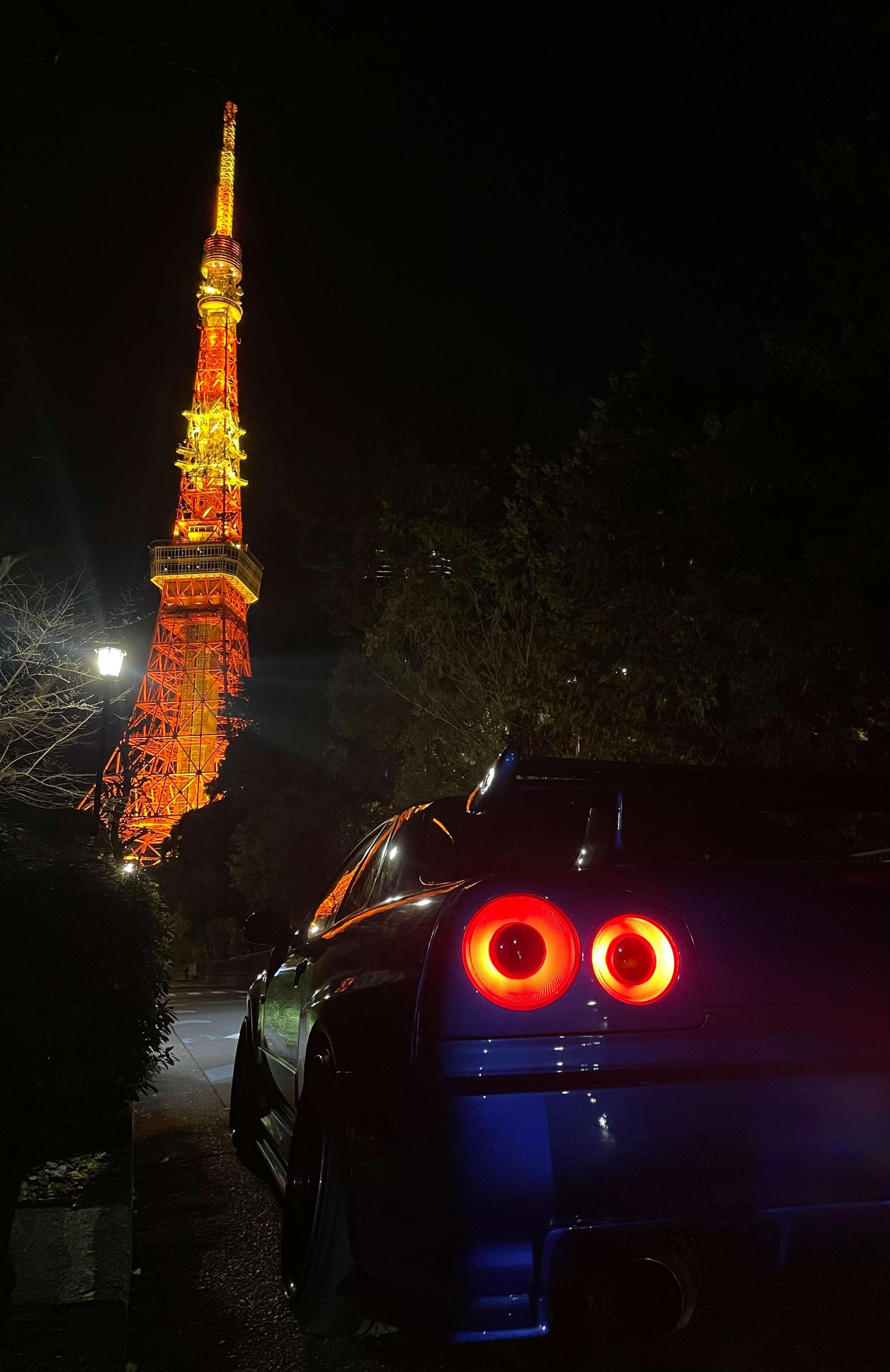
Daikoku sits inside an expressway interchange on a pier in the bay, and everything about that is unforgiving. There is no train, no bus stop, no taxi rank and no pedestrian gate. Driving or riding from central Tokyo takes about 40 minutes clear of traffic, more in the evening peak.
The return is where visits go wrong: taxis and rideshare apps cannot pick up passengers inside the parking area, so a one-way drop-off leaves you stranded on a highway island after midnight.
The broader access picture, from trains to Yokohama taxi stands, is covered in how to get to Daikoku Parking Area.
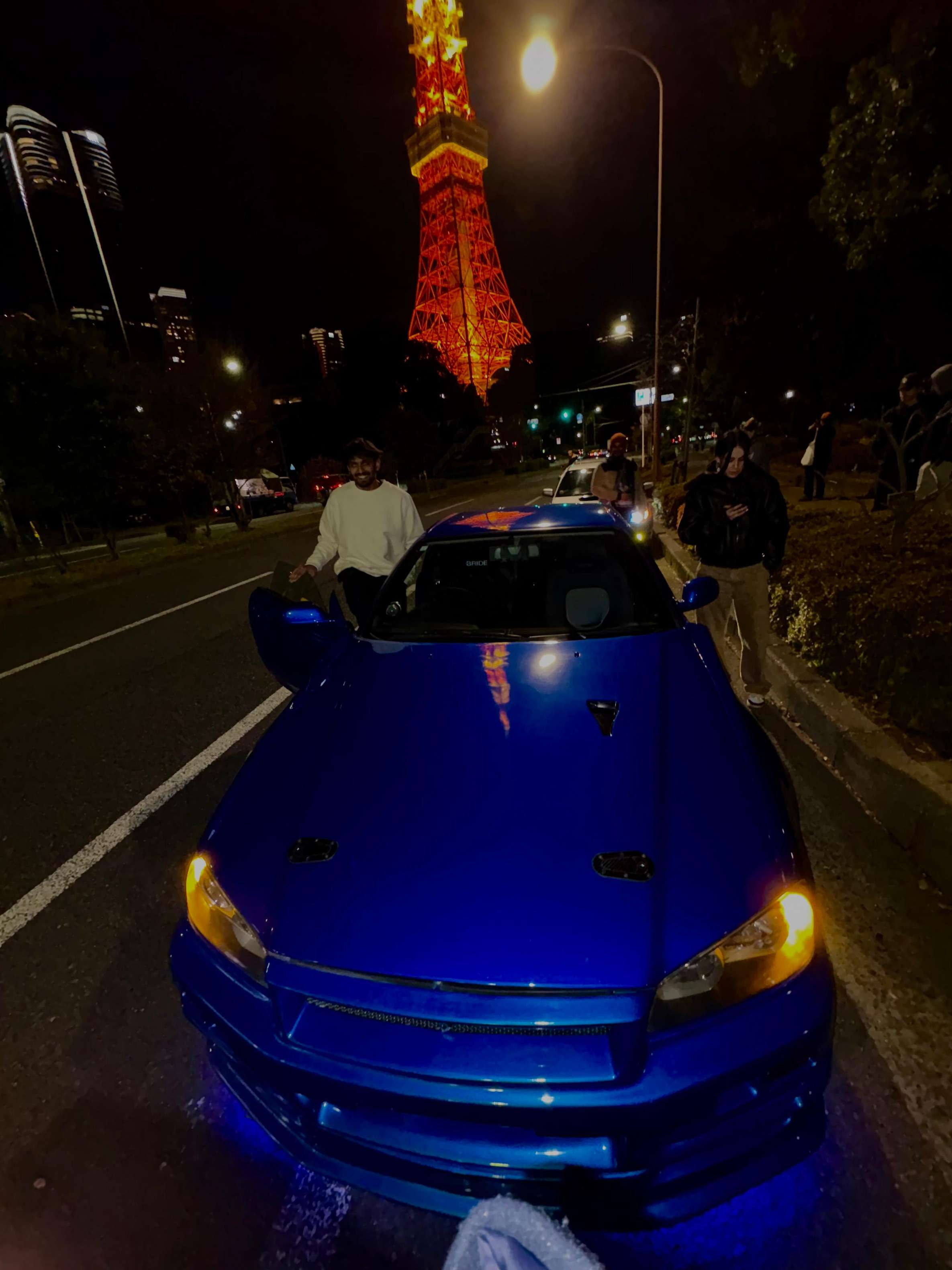
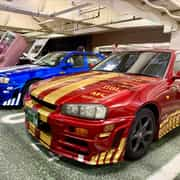
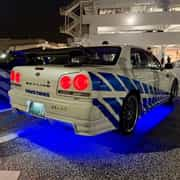
Round-trip transport has to exist before you arrive. A private option such as the 【R34】Daikoku PA Private Tour handles hotel pickup and drop-off across central Tokyo, so the island never holds you hostage.
Rain changes the crowd; the lot stays open. With no organizer there is nothing to cancel, and Daikoku keeps running through ordinary showers.
What thins is the guest list: classic cars, exotics and pristine show builds stay home, leaving dedicated regulars and domestic tuner cars on a wet deck. Some photographers chase exactly that, since wet pavement doubles every light on the lot.
The calendar matters more than the forecast in most months. From March through October, Tokyo sees 12 to 15 wet days a month, with May and June the wettest of the tour season. Winter runs drier, around 5 or 6 wet days monthly.
April: 5 out of 5 for how busy it gets.
Tap a month to read it.
Tours run in the rain as scheduled. Only typhoon warnings and severe storms empty the lot and push operators to reschedule or reroute.
The calendar has a second layer that locals use without thinking. Dates that echo a chassis number pull themed crowds to Daikoku: 7 July brings the RX-7 faithful, 6 August the AE86 faithful, and other dates work the same way for their own models.
On those nights the turnout swells with exactly the cars the date names.
The meets stay informal, so there is no published calendar to check, which is the frustration. But the pattern is well known among the drivers who run the tours, and a guide who knows the scene will tell you whether your travel dates overlap one.
If your trip happens to cover one of these dates, put it in the itinerary ahead of a generic weekend night. A themed meet gives you a lot full of one legend instead of a spread of many.
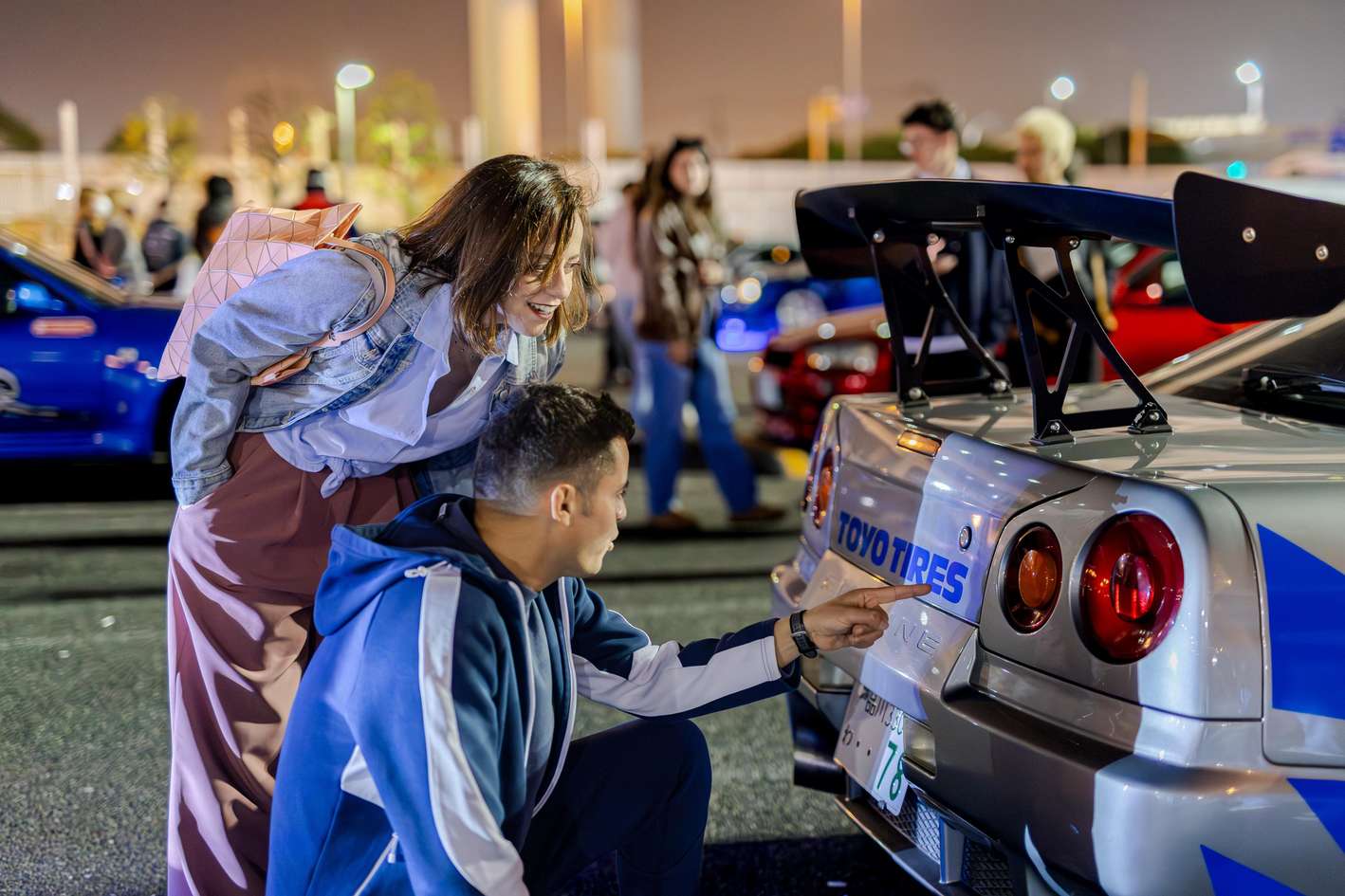
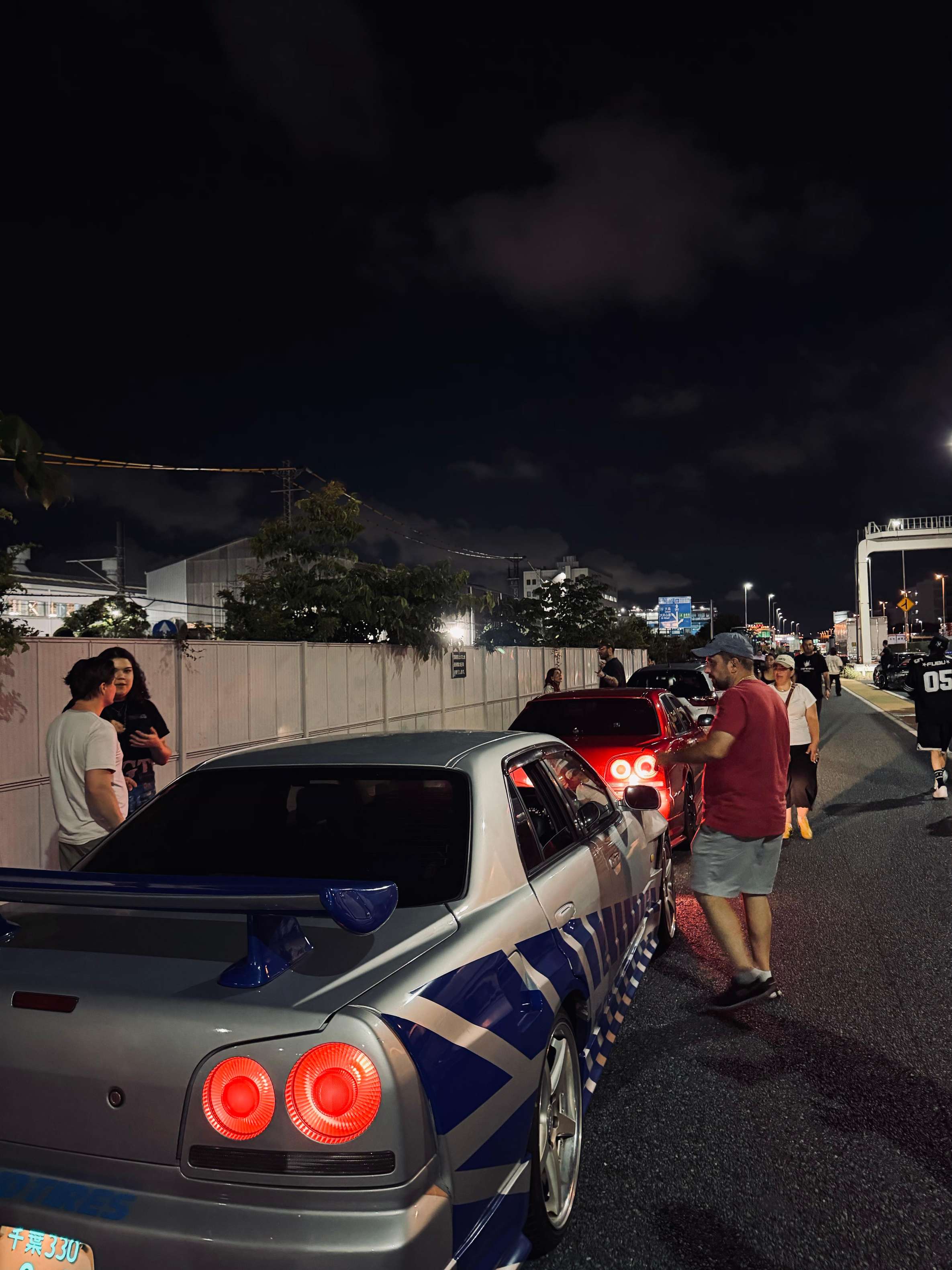
Work the night backwards from the closure clock. On Fridays, weekends and public holidays, leaving central Tokyo between 4:30 and 5 pm puts you on the lot around 6 to 6:30 pm, before the closures that start around 7:30 pm.
From Monday to Thursday, a 7:30 pm departure puts you in the lot ahead of the gathering peak, which lands around 9 pm because weeknight closures are rare and the crowd keeps building.
The peak sits earlier on weekends for the same reason in reverse: the closure clock pulls the crowd in sooner.
The drive itself runs 40 to 52 minutes clear, and the range is real: the bay approach gets longer the further west you start, closer to 40 minutes from Tokyo Station and about 52 from Shinjuku.
Friday evening rush hour adds 15 to 30 minutes each way. Leaving after 8 pm sidesteps the commuter jam, and a late slot around 11:45 pm gets the clearest roads of the night.
| Check | Why it matters | Our pick |
|---|---|---|
| Departure time matched to peak windows | Weekend lots close from around 7:30 pm | Weekend departures start early enough to beat the closures |
| A reroute plan if Daikoku closes | Closures happen at short notice, any weekend | The guide diverts the group to another car meet spot the same night |
| Return transport included | No taxi or rideshare can collect you from the island | Hotel pickup and drop-off come with the booking |
One tour built around exactly this arithmetic is the Tokyo: Fast & Furious Daikoku JDM Night Tour, whose driver times the C1 and Wangan run to the meet and narrates the culture and the etiquette along the way.
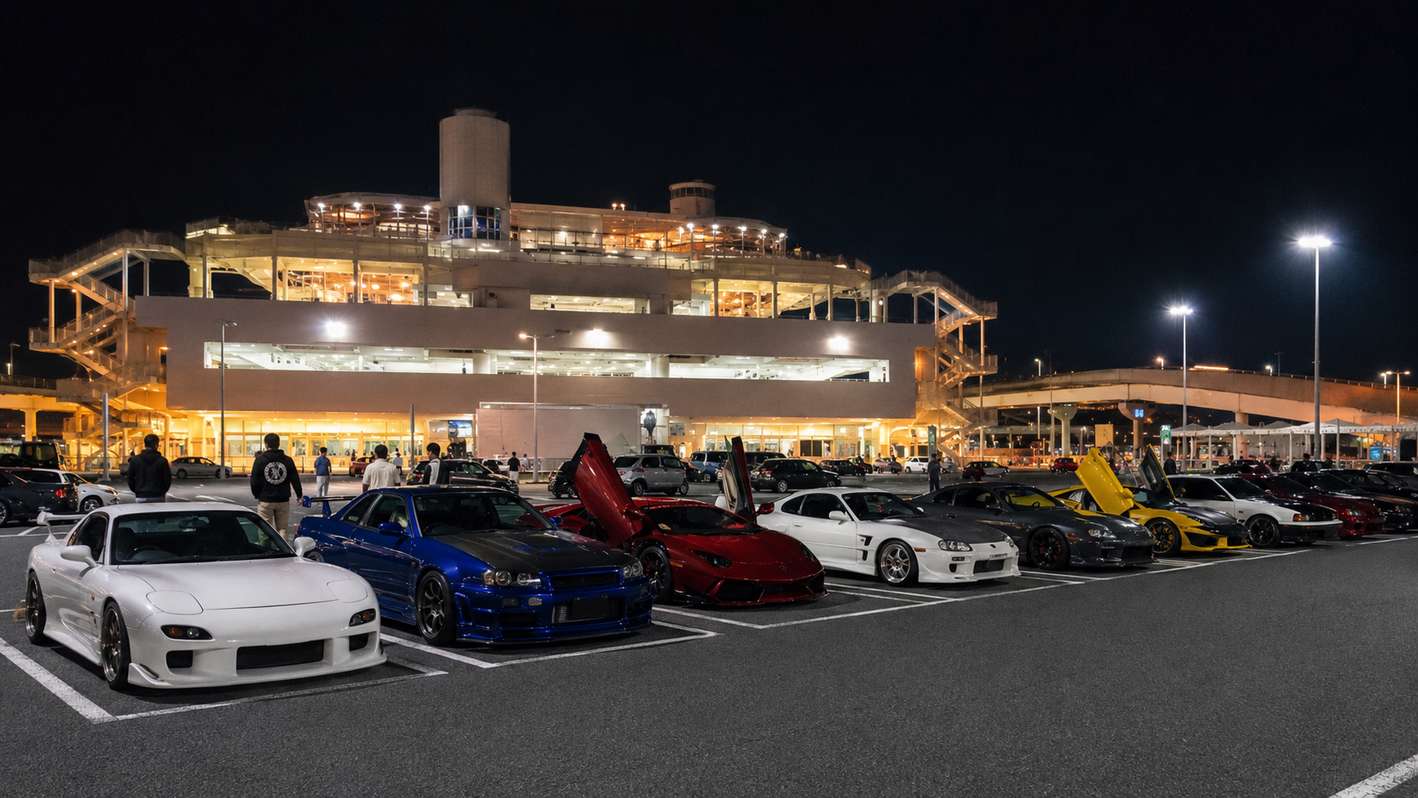
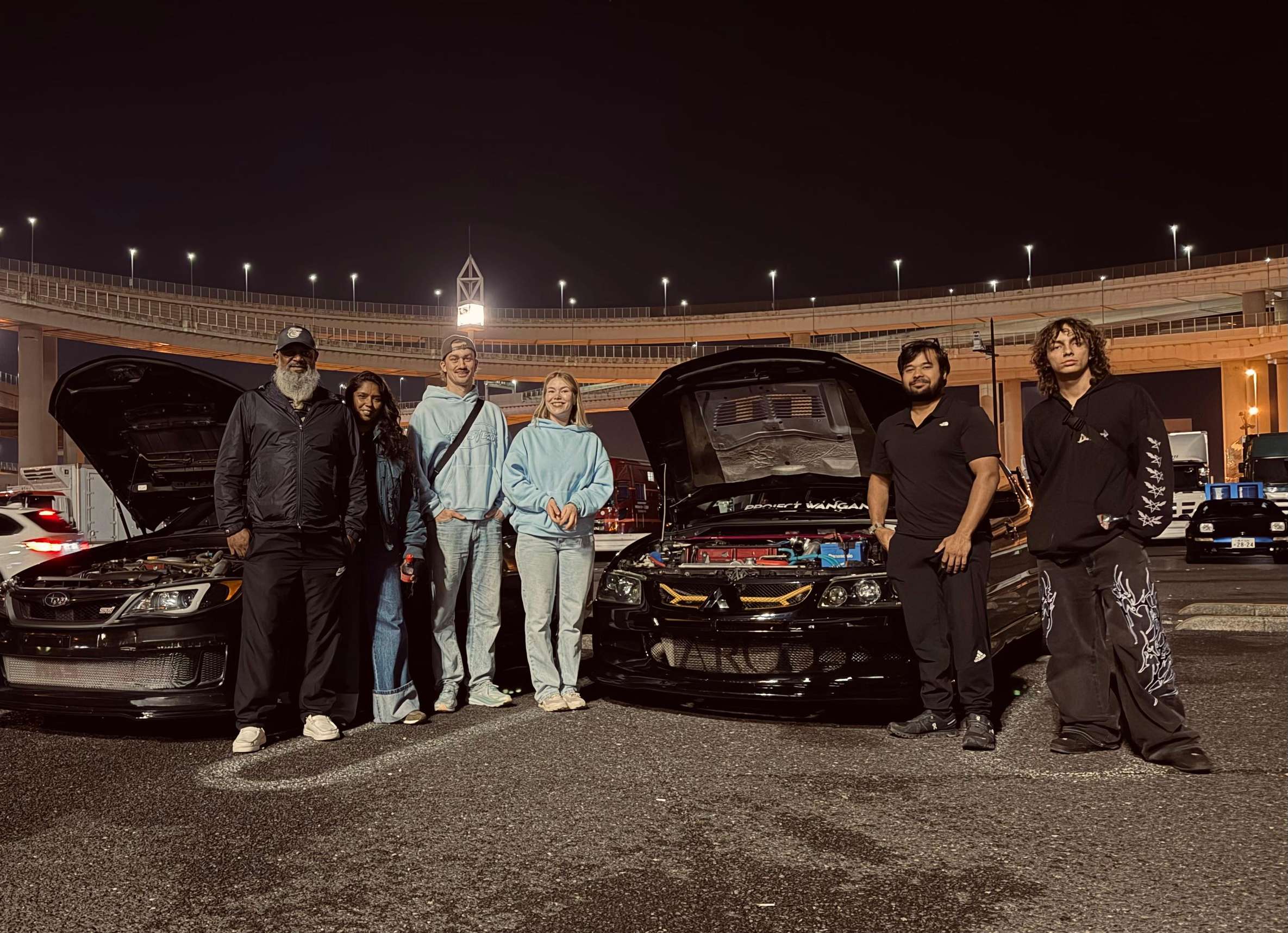
Daikoku only stays open to meets because the visitors behave, and the rules are unwritten but firm. Never touch, lean on or sit in a car without the owner's say-so, and keep metal watch faces off the paint.
Exterior photos are normally fine; ask before shooting interiors, faces or license plates, and accept a no without argument.
Keep your voice down. Truckers and families sleep in their cabs a few meters away, and loud music, shouting or running around reads as disrespect. Use the bins, buy a coffee at the rest-stop shop while you are there, and stay off the traffic lanes.
The one rule with teeth: never ask a driver to rev, burn out or drift. It is illegal, it draws police, and enough of it can shut the lot down for the entire community. When staff or officers give an instruction, follow it immediately. Do that, and the owners welcome you back.
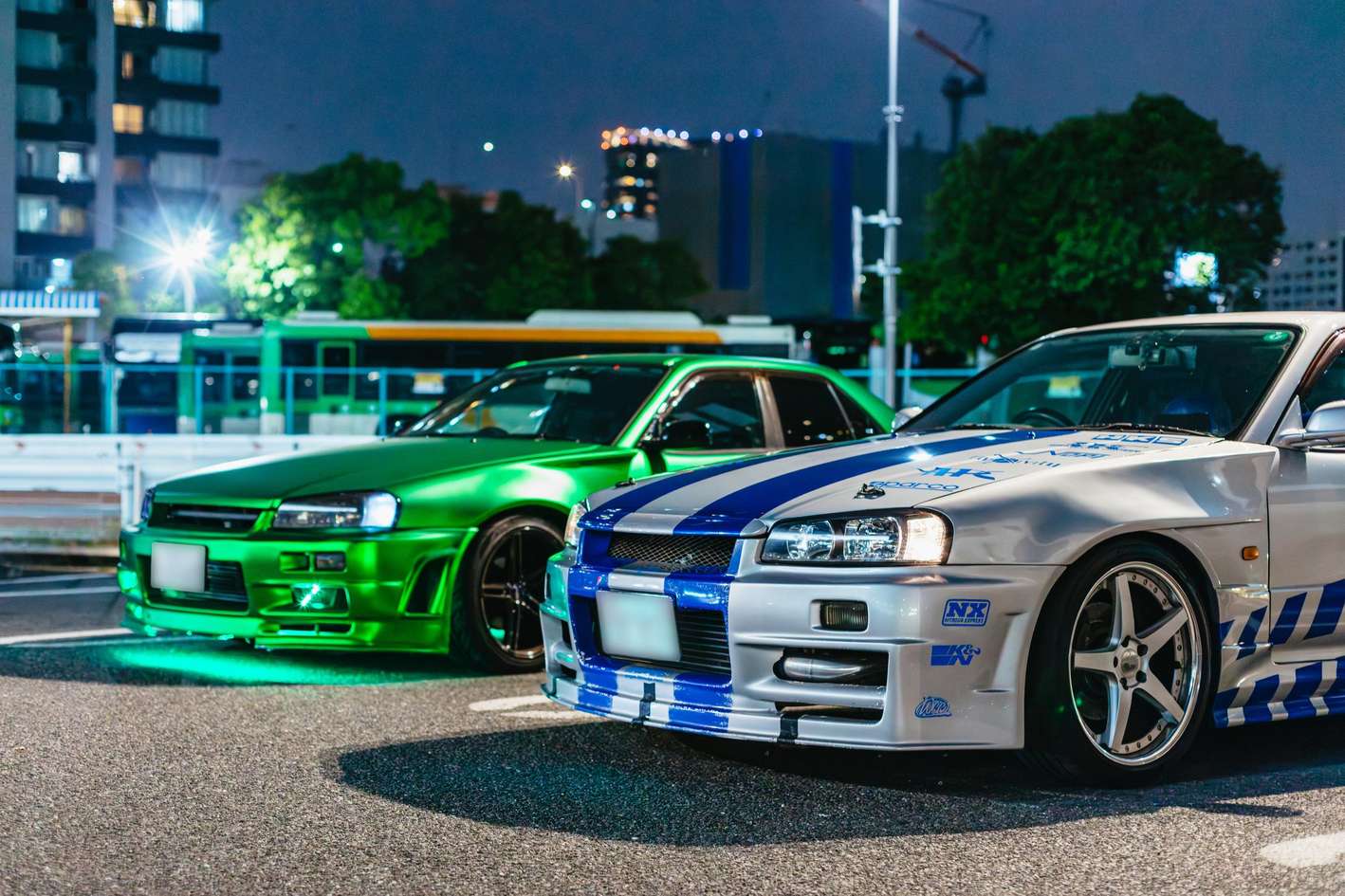
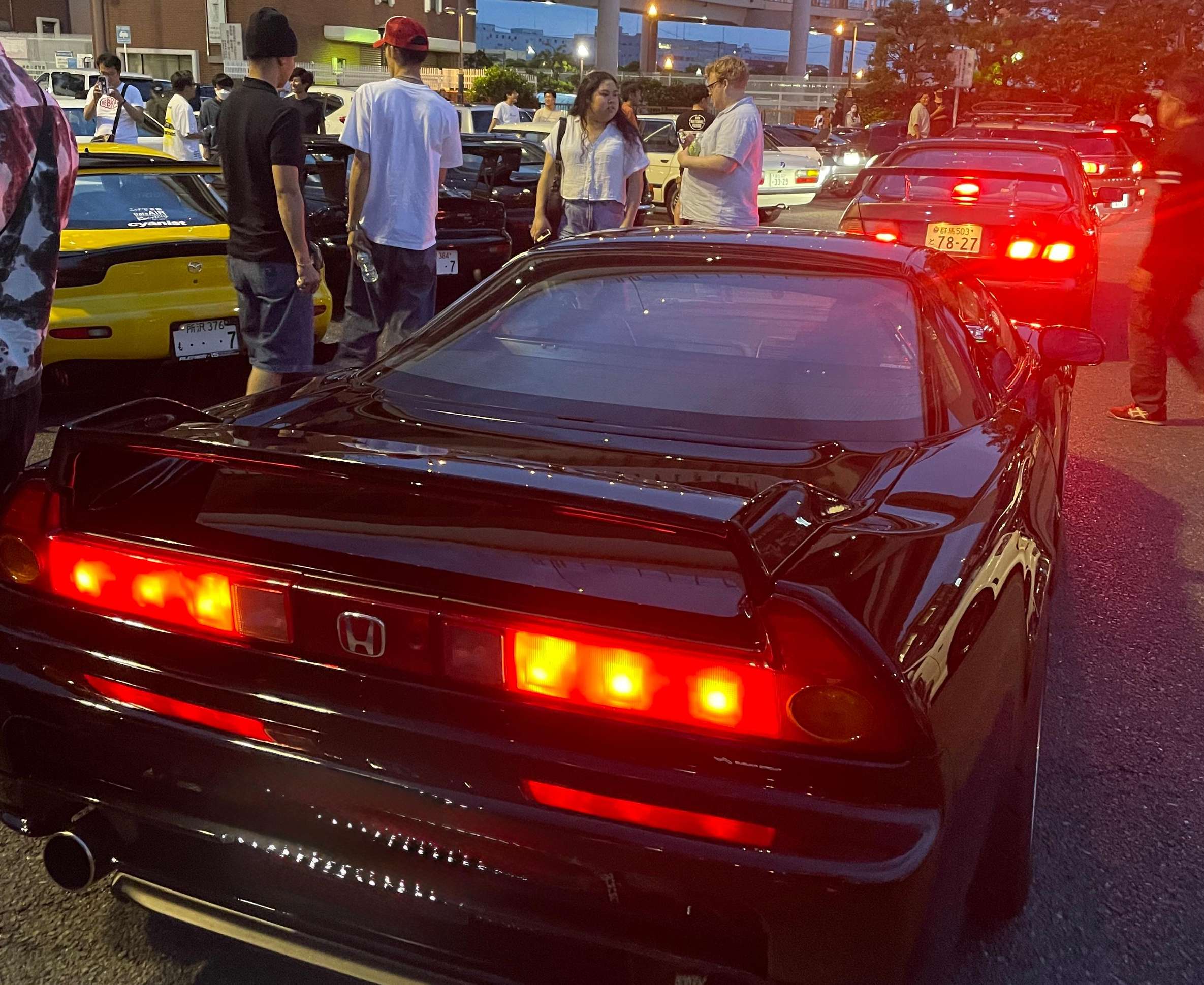
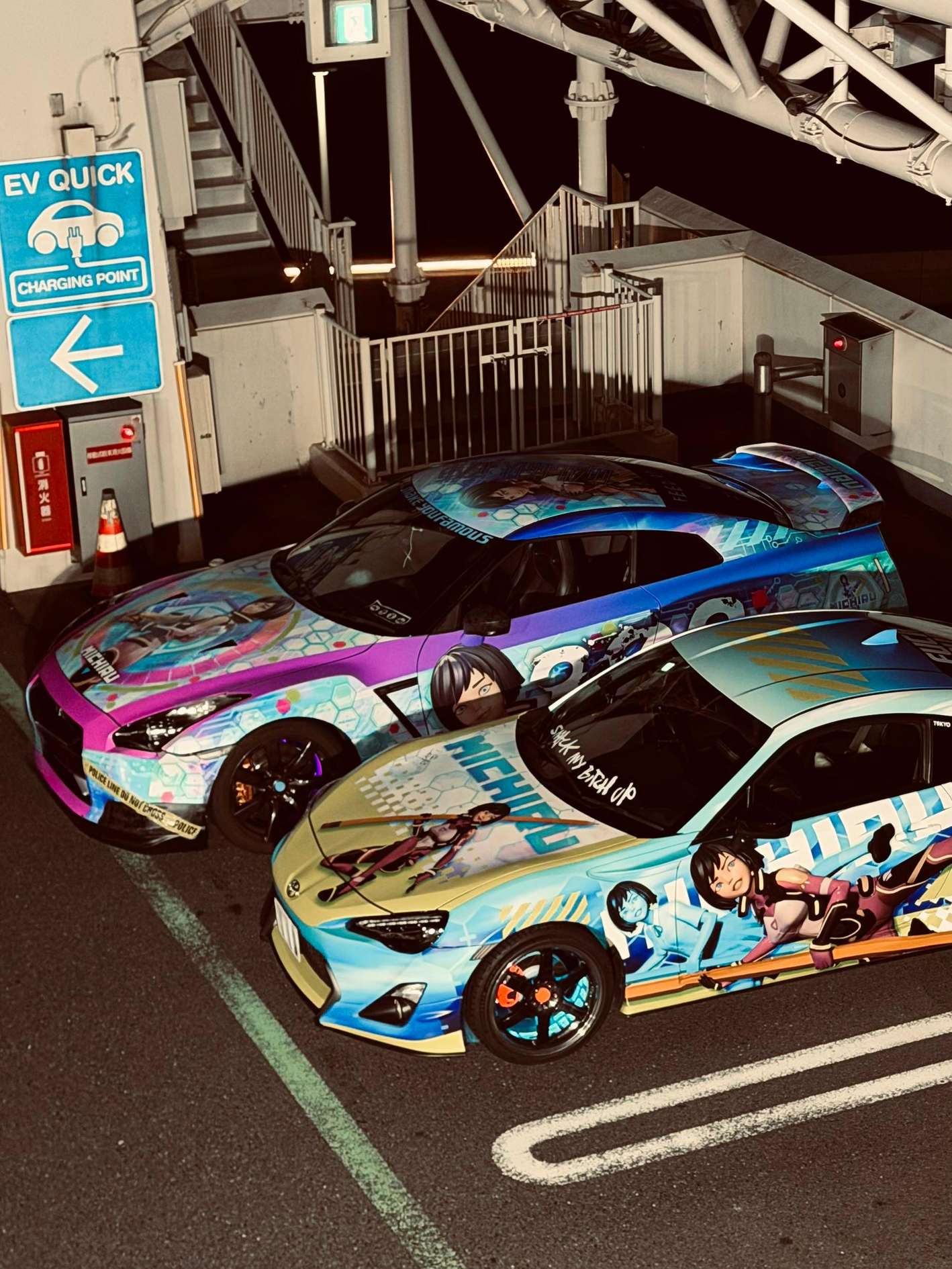
Build a car-culture day around the night. In Akihabara, you can walk into the UDX underground garage on foot for free and find itasha and classic JDM cars parked there, with gatherings liveliest on weekend afternoons and early evenings.
A few doors away, the GiGO arcades run linked Initial D cabinets, and Taito and GiGO branches in Akihabara and Shibuya carry Wangan Midnight Maximum Tune too.
Shibuya Carjack rolls on Saturday nights around 9 pm near Tower Records, a short walk from the Scramble Crossing, and the Daikanyama Morning Cruise fills the T-SITE car park on themed mornings, both watchable without a car.
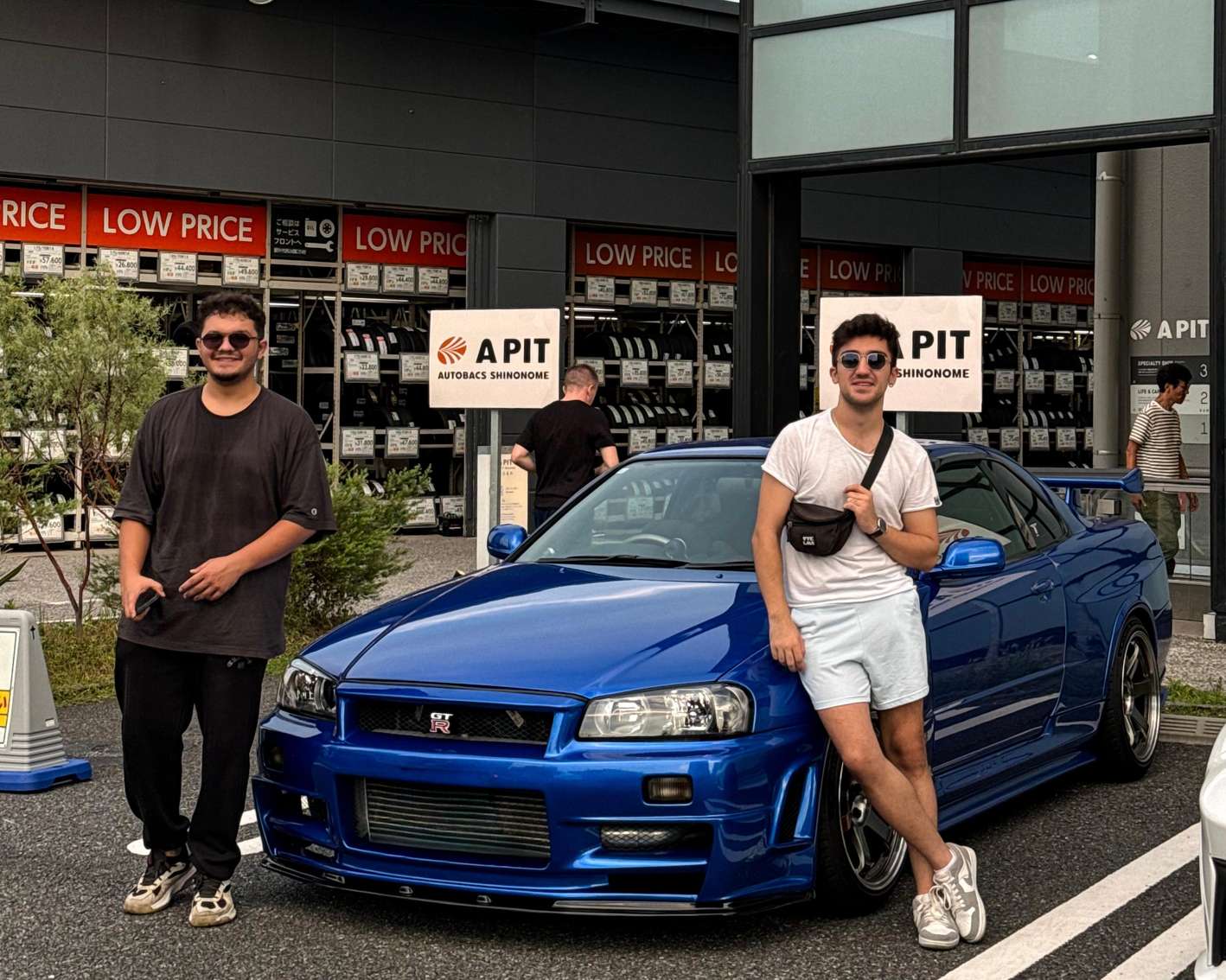
By day, A-PIT Autobacs in Shinonome stacks three floors of parts and gear, Nissan Crossing in Ginza is free to enter, and Liberty Walk's Harajuku shop sits on the train line.
Look at how close several of these sit to the waterfront where the tours gather. Odaiba and Mega Web are a short drive from the Shinonome shops, so a daytime loop pairs naturally with an evening meet, and a Saturday makes the easiest day to stack both.
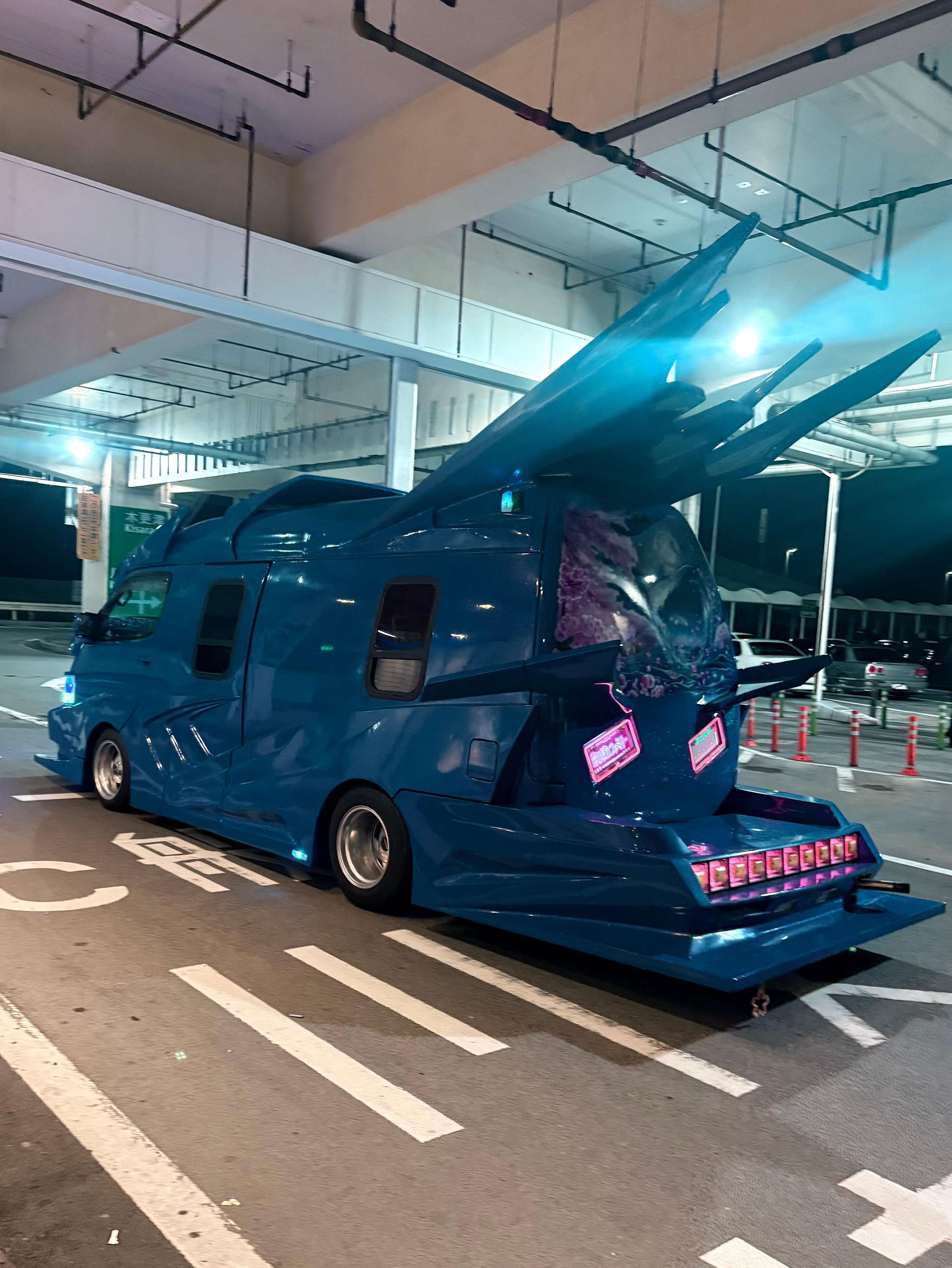
Renting a car for the night works, if your paperwork is in order before you collect the keys. You need your original passport and your original home-country license, plus an International Driving Permit under the 1949 Geneva Convention.
Holders of licenses from Switzerland, Germany, France, Belgium, Monaco, Taiwan and Austria go a different way: their domestic license plus an official Japanese translation.
Tolls come with a quirk of their own. Shuto Expressway charges distance-based tolls for ETC users, and a cash or card payer generally pays the maximum ETC rate at the barrier.
More entrances are going ETC-only, with the network aiming to convert all but a few mainline booths by spring 2028, so check your rental includes an ETC card.
A self-driver still faces the closure clock and the empty return trip. The rental solves the documents, not the schedule.
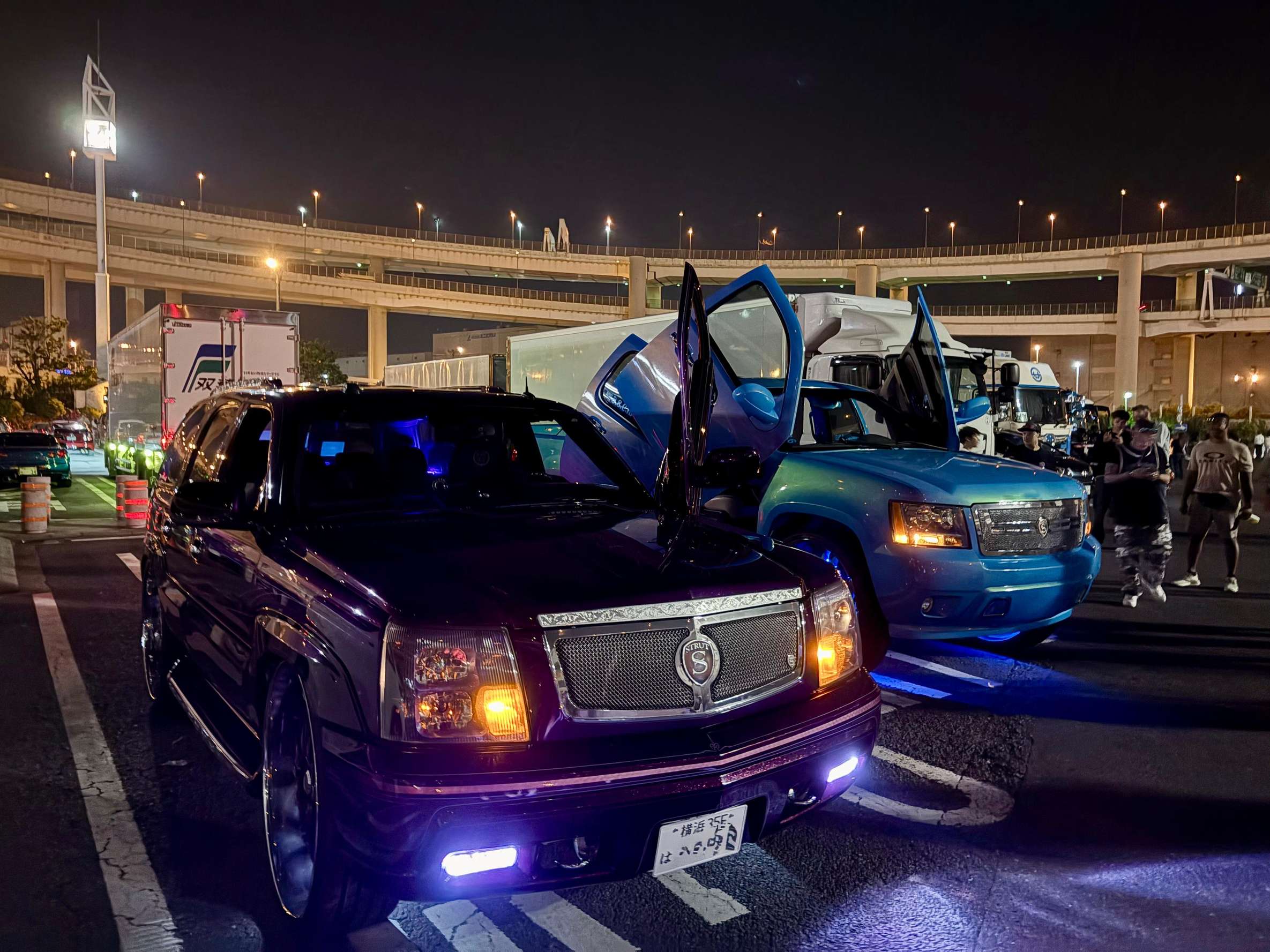
Daikoku rewards a plan and punishes a guess. Go on a Friday or Saturday with a 4:30 to 5 pm departure, or take Sunday morning for the calm version, and go with return transport already booked.
A tour with a driver who tracks closures turns the most unpredictable meet in Japan into an evening you can actually count on.
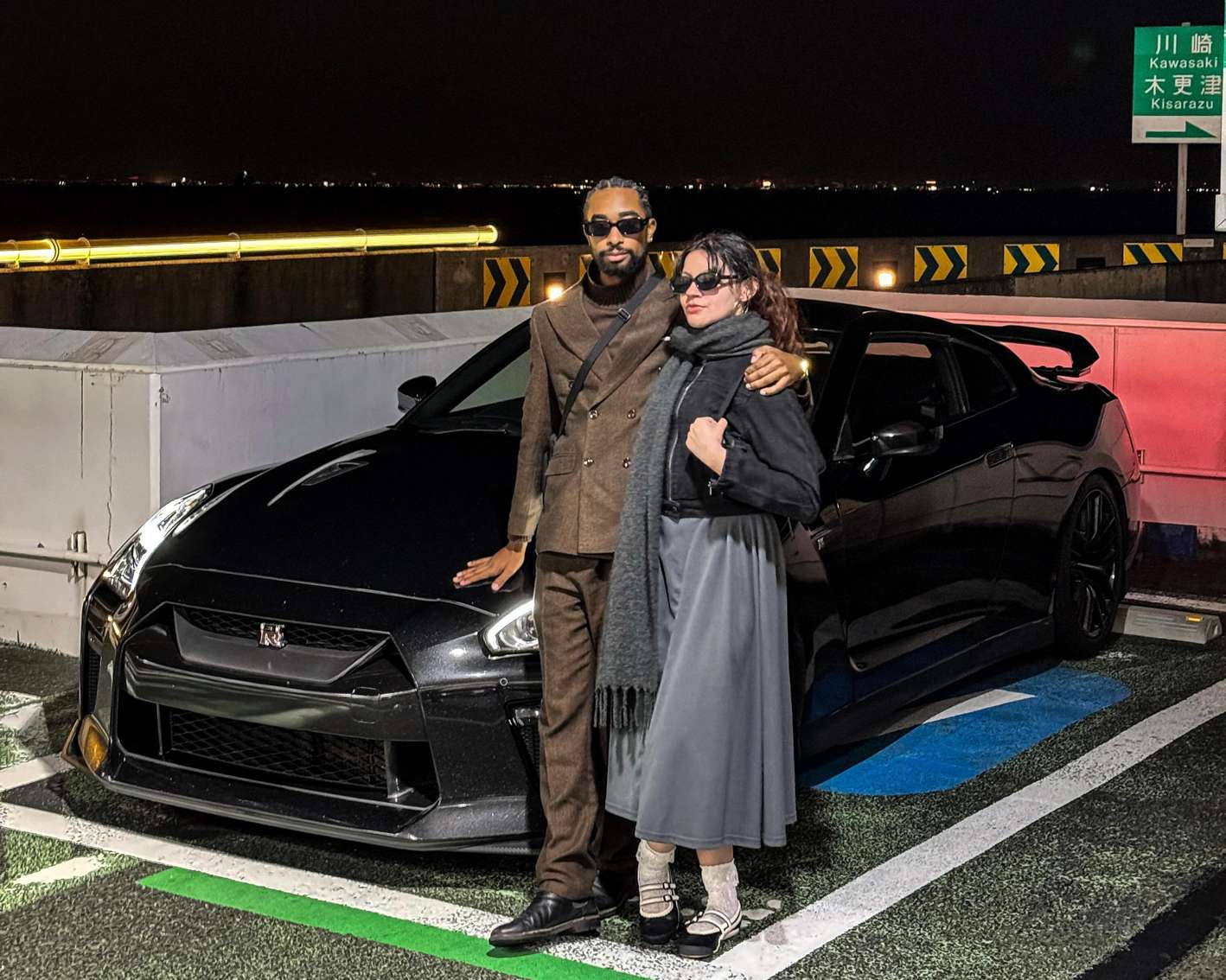
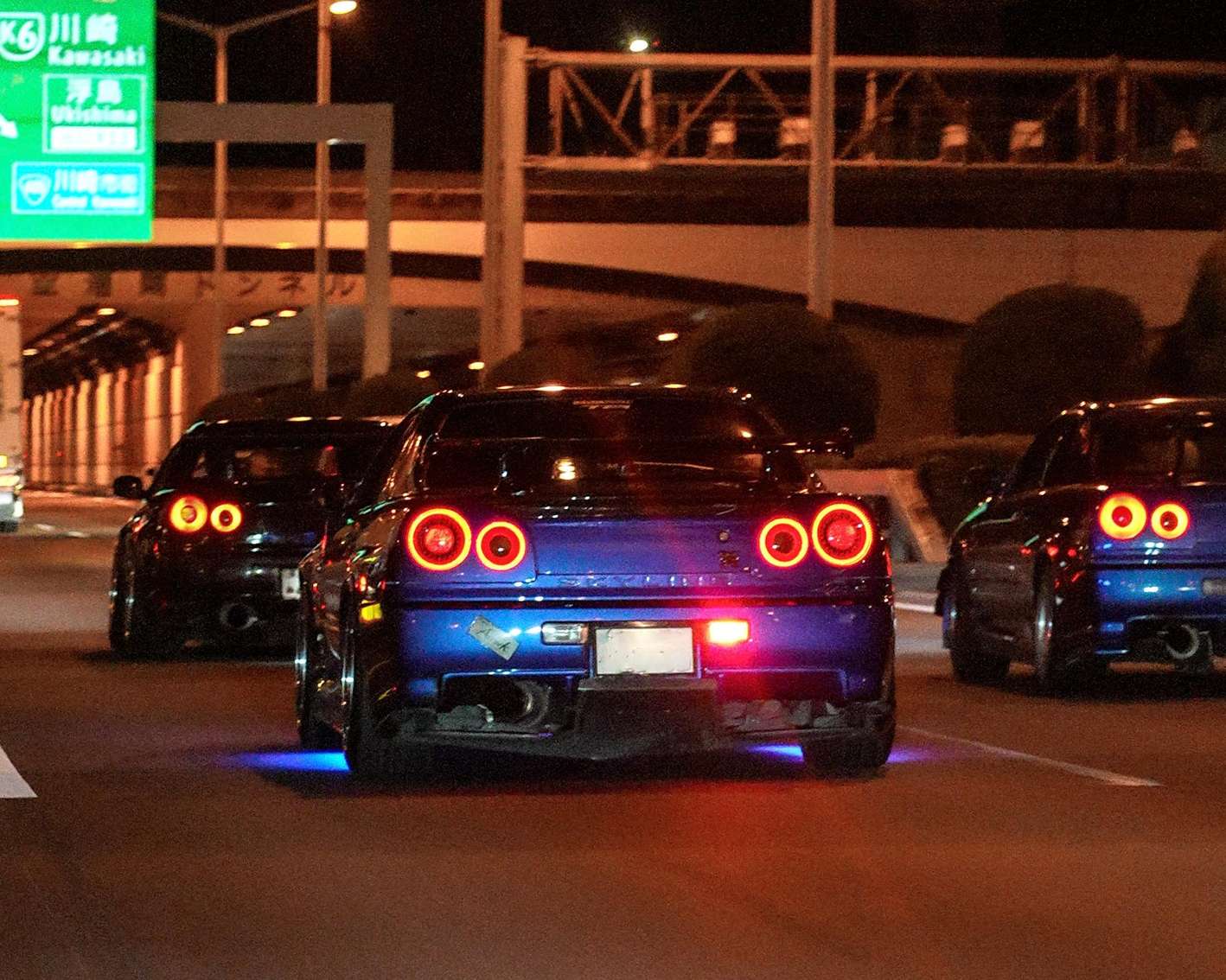
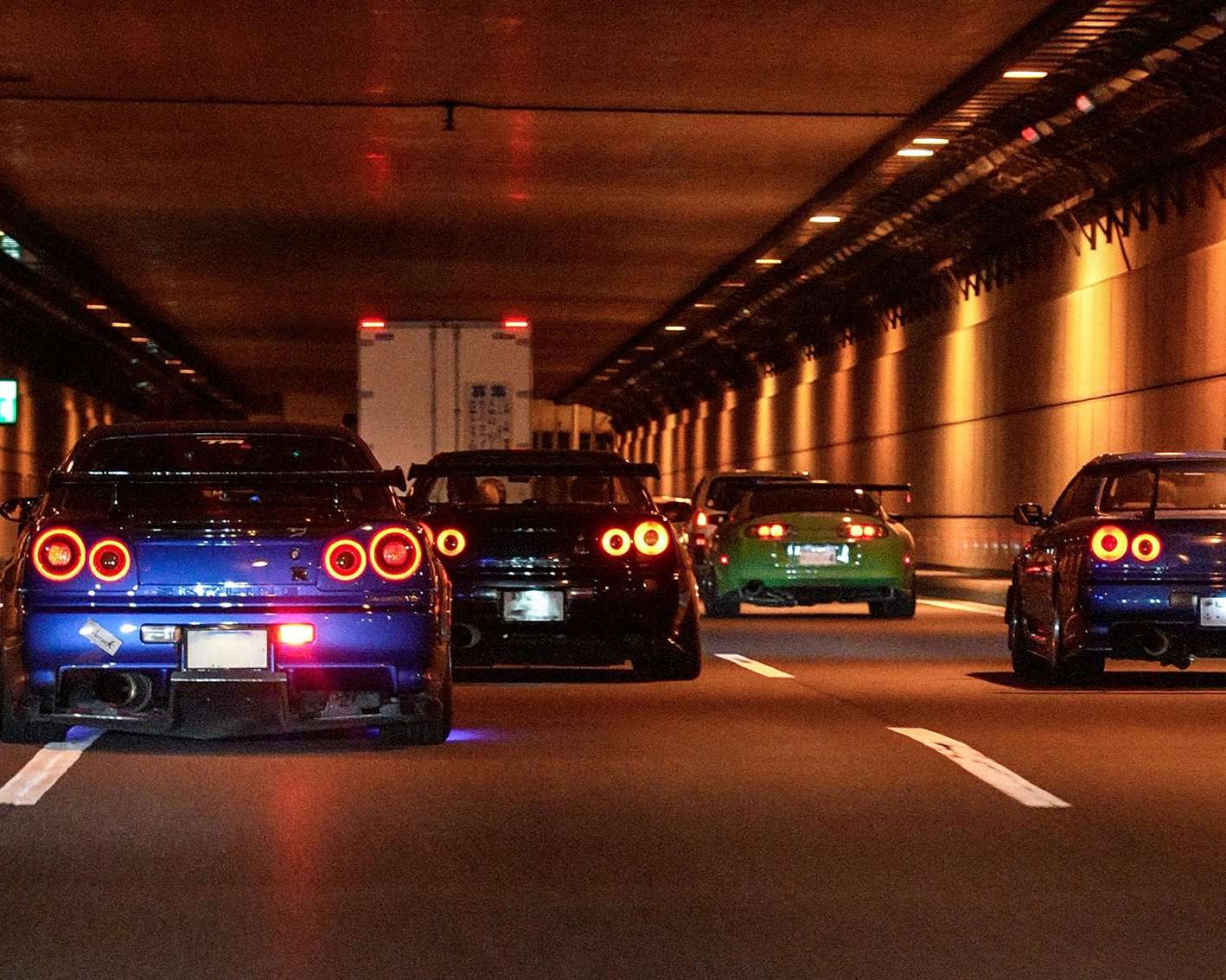

The full picture of Daikoku PA itself: what the lot feels like, which cars show up and how a meet unfolds.
Every way to reach the lot from Tokyo or Yokohama, and why trains, buses and walking cannot get you there.
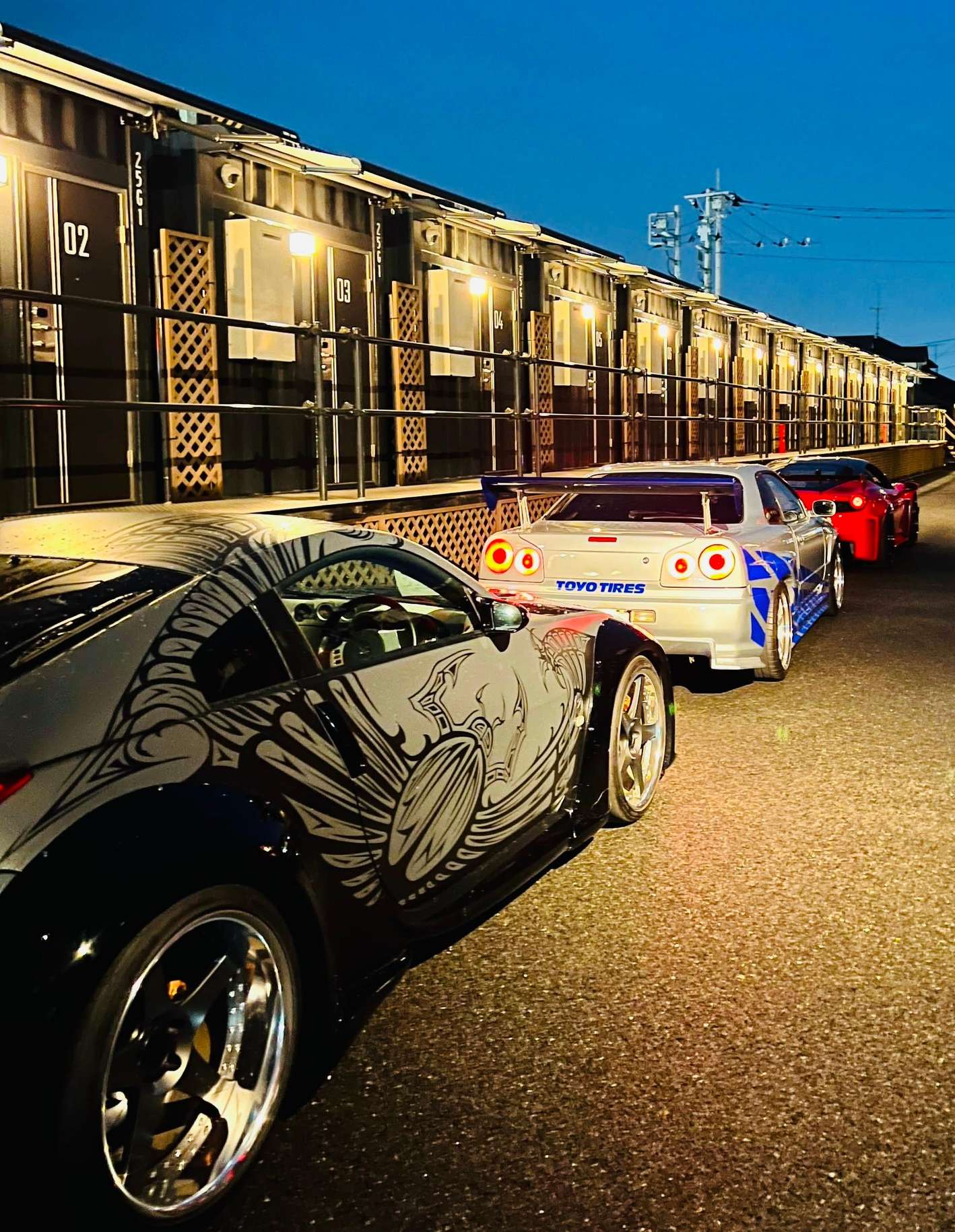
Guided night rides that time the expressway drive to reach Daikoku while the lot is at its busiest.
A chauffeured trip built around your own evening, with hotel pickup and stops you can adjust on the night.
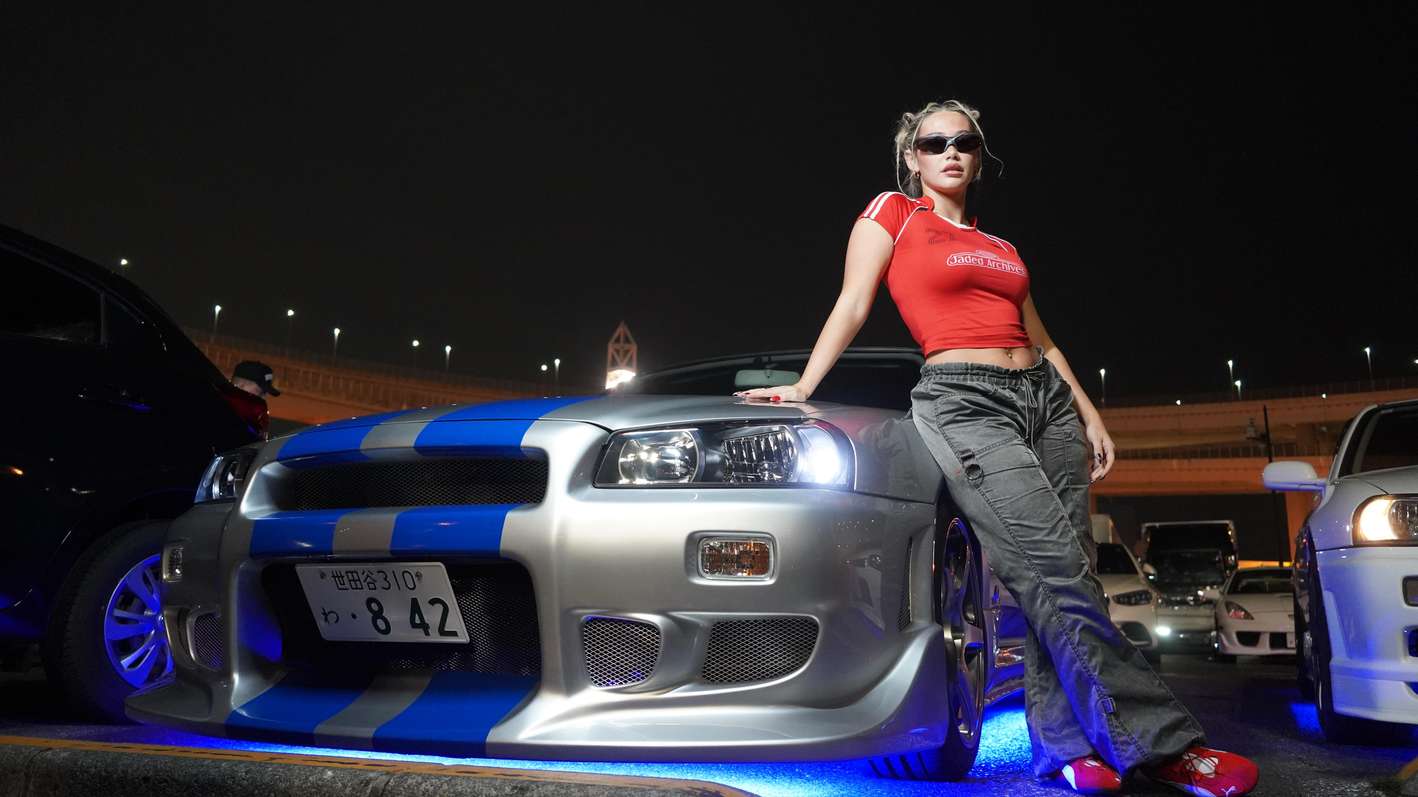
Take the wheel yourself in a rented JDM car and drive to Daikoku as part of a group convoy.
Night-by-night timing for every Tokyo car meet, so you can line up more than one lot across your stay.
The questions people ask before planning a night at Daikoku, with straight answers on times, days and closures.
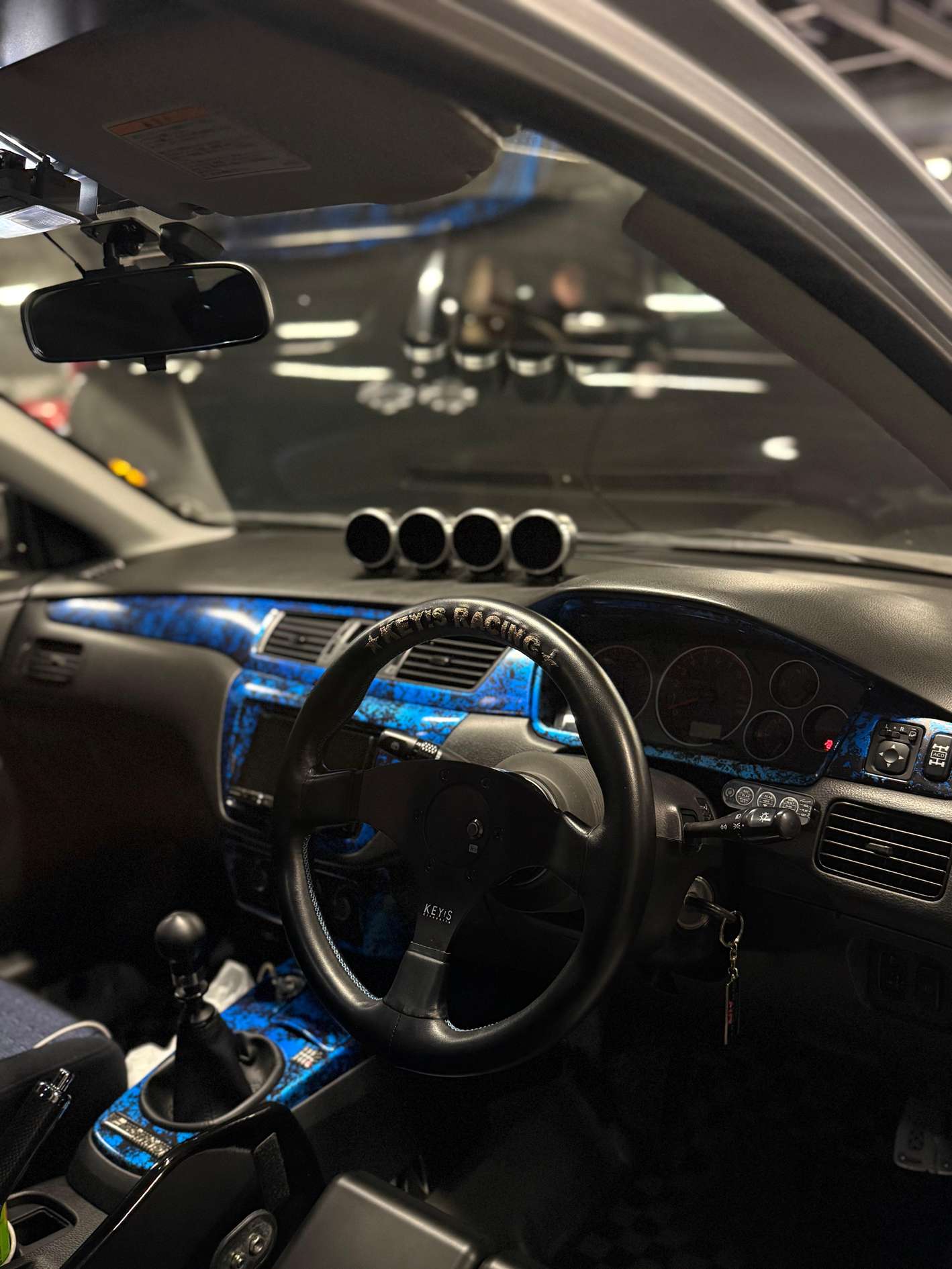 Tokyo2026
There is no official start time because the meet is informal. On Friday and Saturday nights the first modified cars roll in between 5 pm and 6 pm around sunset, and the main wave gathers from 7 pm onward.
Friday and Saturday nights are the busiest, with the gathering at its densest between 9 pm and 11 pm. That is when the widest variety of builds fills the deck, though it is also when police closures are most likely.
Friday has a grassroots, local feel with drift builds and modified daily drivers in a manageable crowd. Saturday is the big one: pristine Supras, Skylines, exotic supercars and a dense international crowd, plus the earliest police closures.
On Friday and Saturday evenings closures happen often, usually between 7:30 pm and 8:30 pm, when noise, crowding or blocked truck parking draw police in. Officers announce the dispersal over megaphones and cars clear out. Weekday closures are rare.
Yes. Monday to Thursday evenings bring smaller, quieter turnouts that rarely fill the lot, and recent visitors describe decent or full meets on Mondays and Thursdays. Go with lower expectations and you will still see tuned cars.
There is. Classic and supercar meets run Sunday mornings from 6 am to 10 am, peaking between 8 am and 10 am before clearing out by midday. The mood is calm and photo-friendly in daylight, with almost no risk of police shutting the lot.
The parking area runs 24 hours as an expressway facility, and the Lawson convenience store stays open around the clock. The food court, main shop and Daikoku Lounge operate 7 am to 9 pm. On Friday and Saturday, police closures cut access from 7:30 pm until 2 am.
Cars move on. Most owners head across the bay to Umihotaru PA on the Aqua-Line, while others go to Tatsumi PA or occasionally Shibaura. Guides who track live conditions reroute their groups to wherever the cars have gathered.
Have a ride arranged before you go. Taxis and rideshares cannot pick up from the highway parking island, and there are no trains or buses there, so anyone without a vehicle or a booked tour risks a long wait late at night.
No formal schedule exists to cancel. Rain thins the turnout because owners of classics, exotics and show cars keep them home, though some dedicated regulars still show up and wet pavement photographs well. Typhoon warnings or heavy snow can close the area entirely.
A guided run solves the timing problem. Tour operators shift weekend departures to 4:30 or 5 pm so you get time inside before police closures, and their drivers track the scene night by night, rerouting to Umihotaru or Tatsumi if Daikoku shuts early. Pick a date and book ahead.
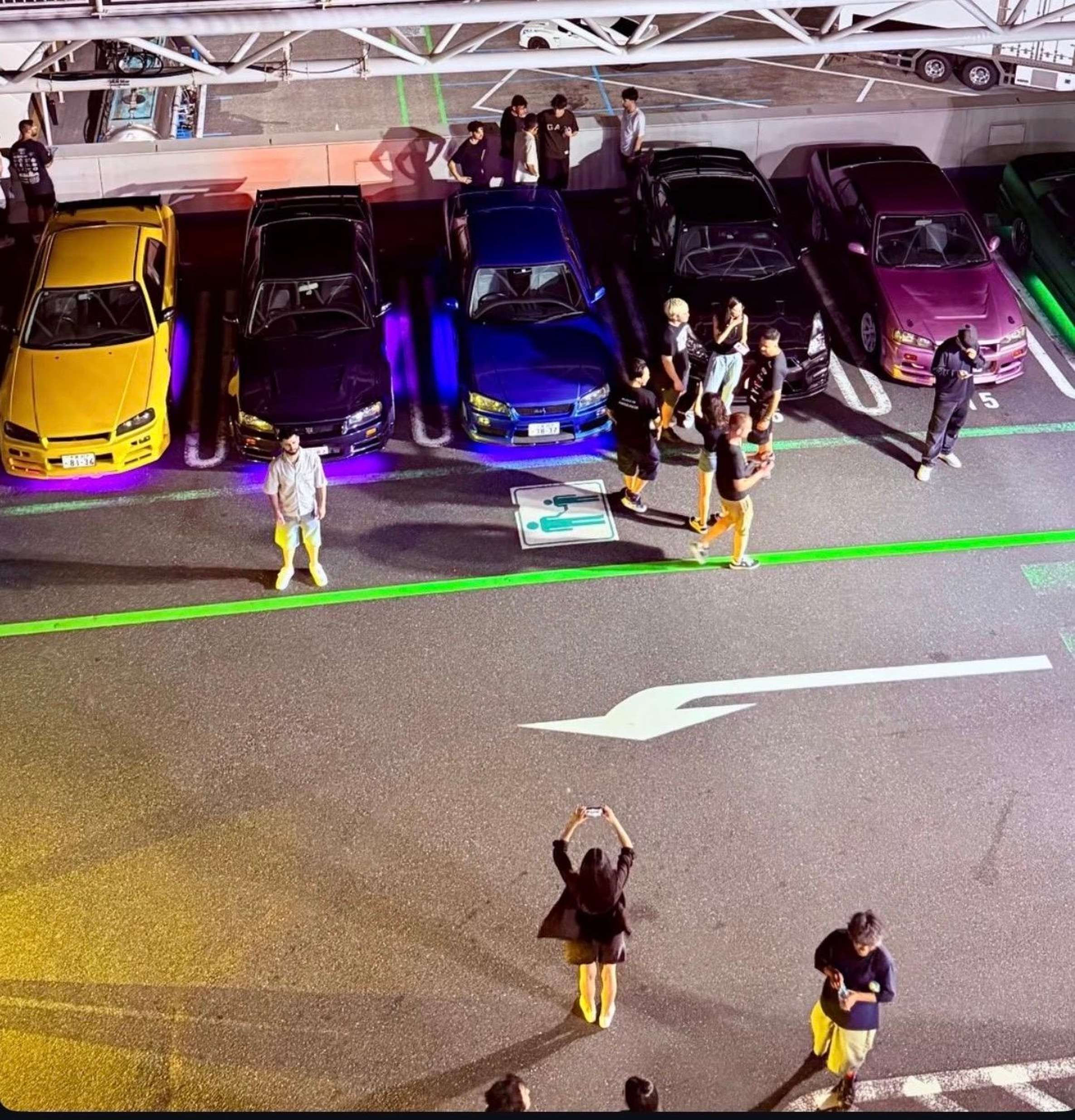
Ride the Wangan and C1 Loop to the Daikoku meet in a real R34 Skyline, with free cancellation up to 24 hours ahead, so you can lock in the right night with nothing to lose.