Umihotaru Parking Area Car Meet Schedule and Access
Pick your date and ride a modified JDM sports car across the Aqua-Line to the car meet up on Umihotaru Parking Area, the island in Tokyo Bay where crowds head when mainland lots close. Passionate local drivers handle the tolls, tunnels and late-night return while you watch the cars. Book ahead and lock in your night.
"Amazing JDM experience! Staff were so kind, happy to answer questions and share their passion for Japanese cars. They took photos of me with the cars. Easy meeting point, hotel drop-off included."
Each of these nights draws a different crowd. Here is what sets them apart, so you can pick the one that fits your evening.
Underground garageAkihabara, central Tokyo
Akihabara UDX
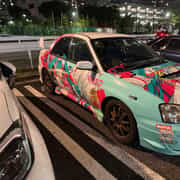
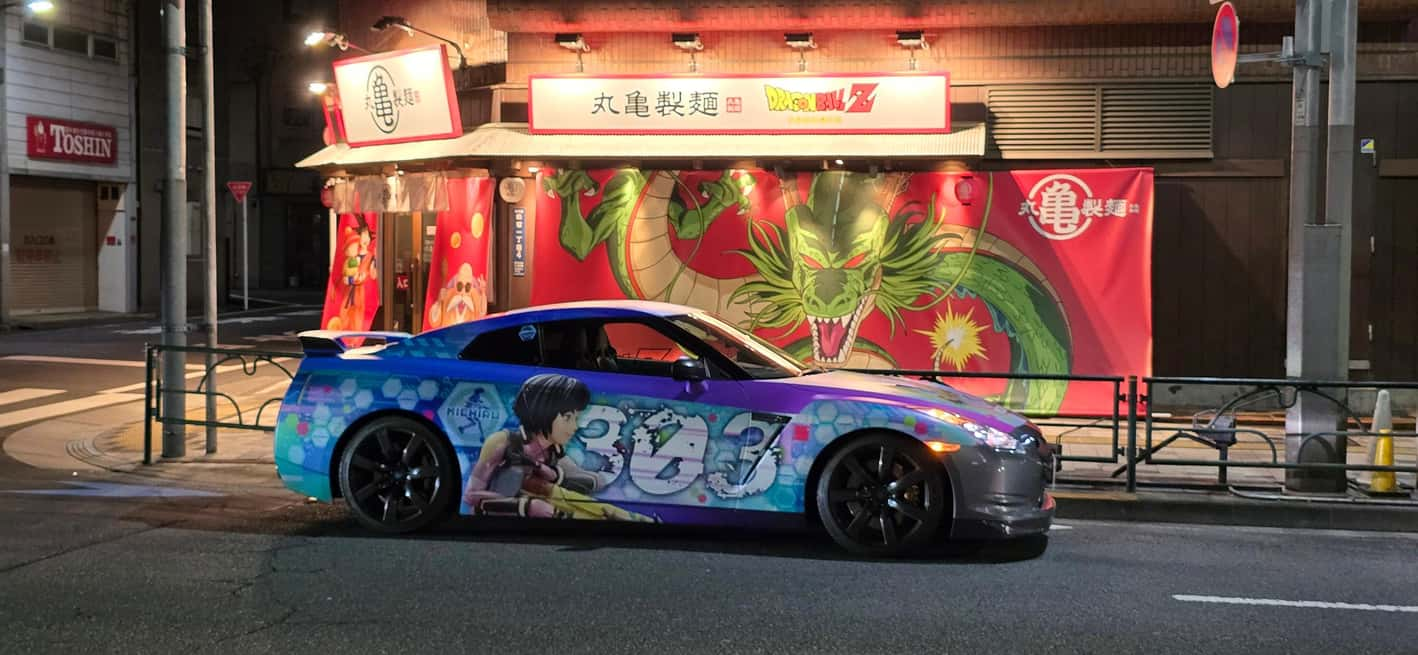
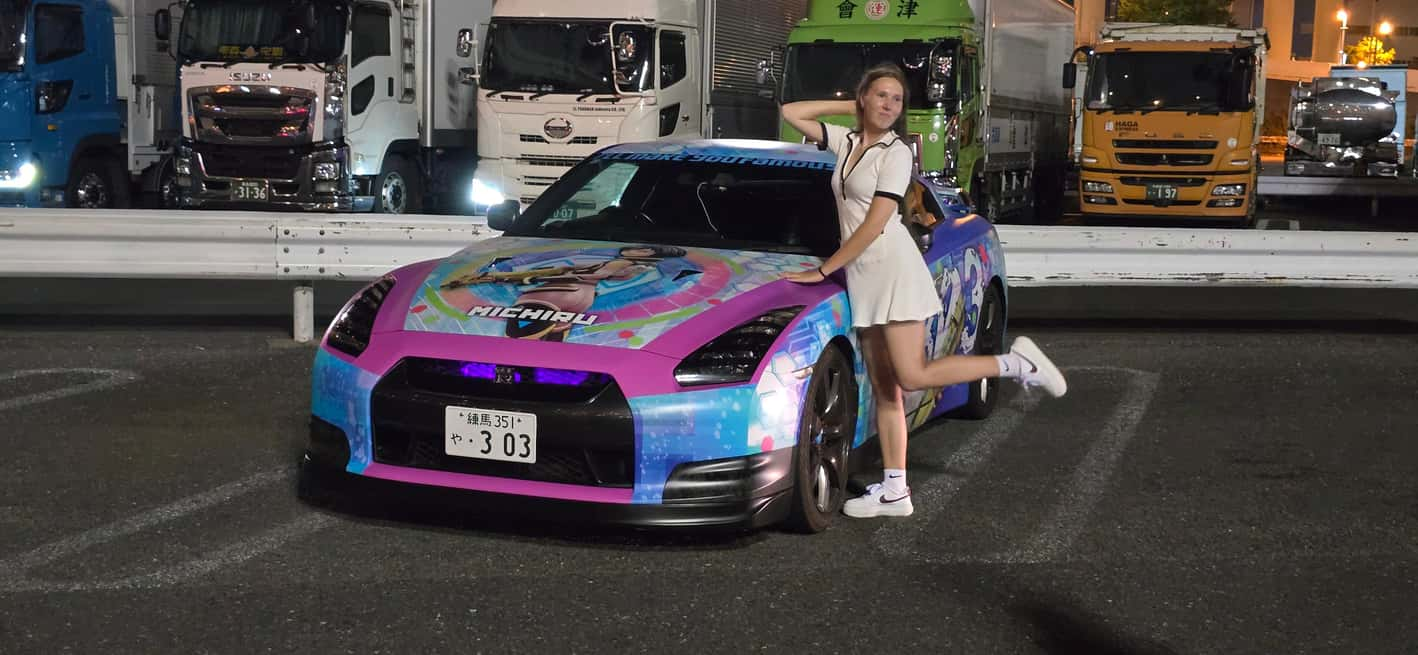
Anime-wrapped itasha builds, three minutes on foot from the station, free to walk in
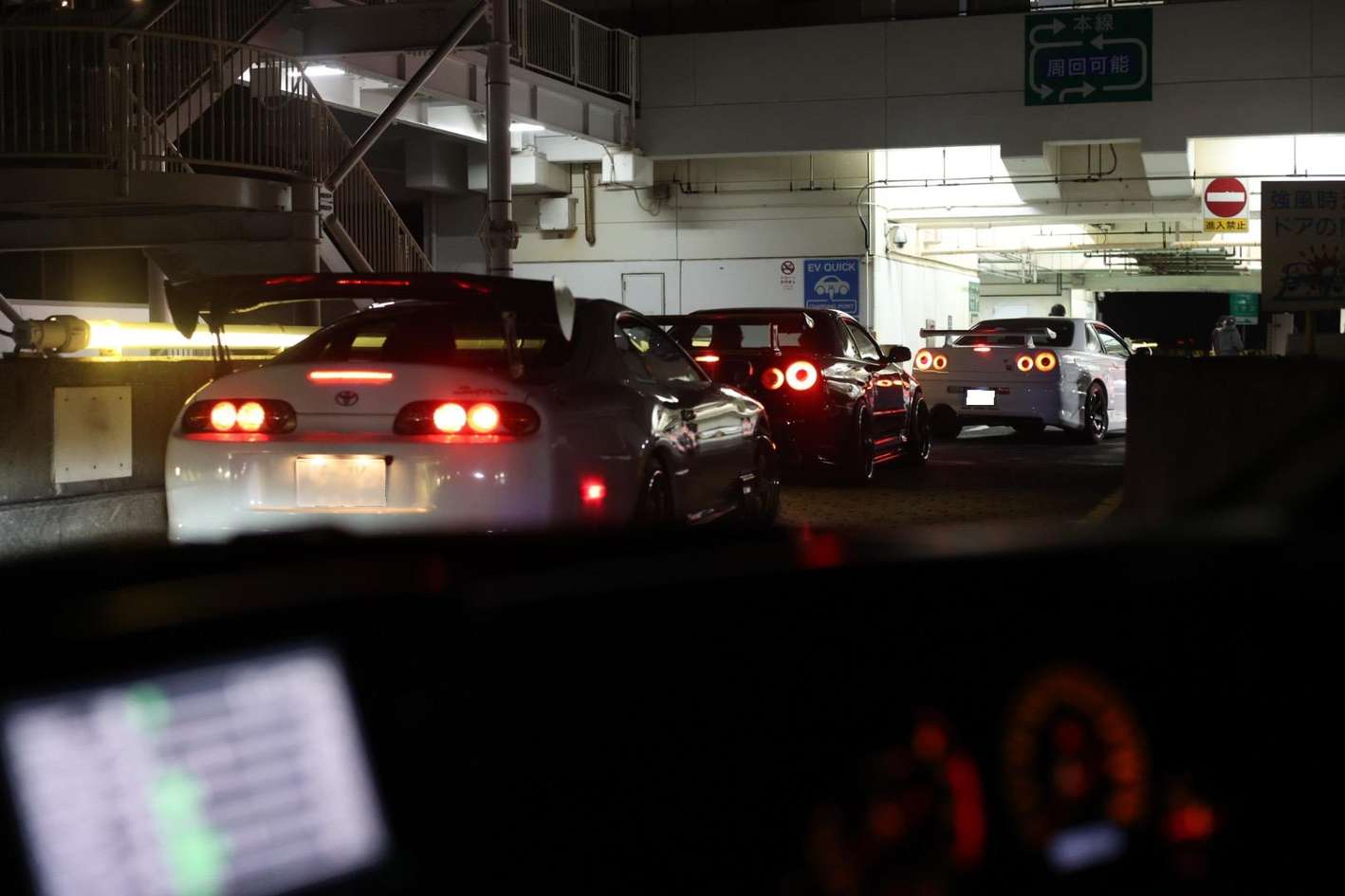
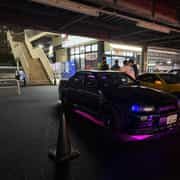
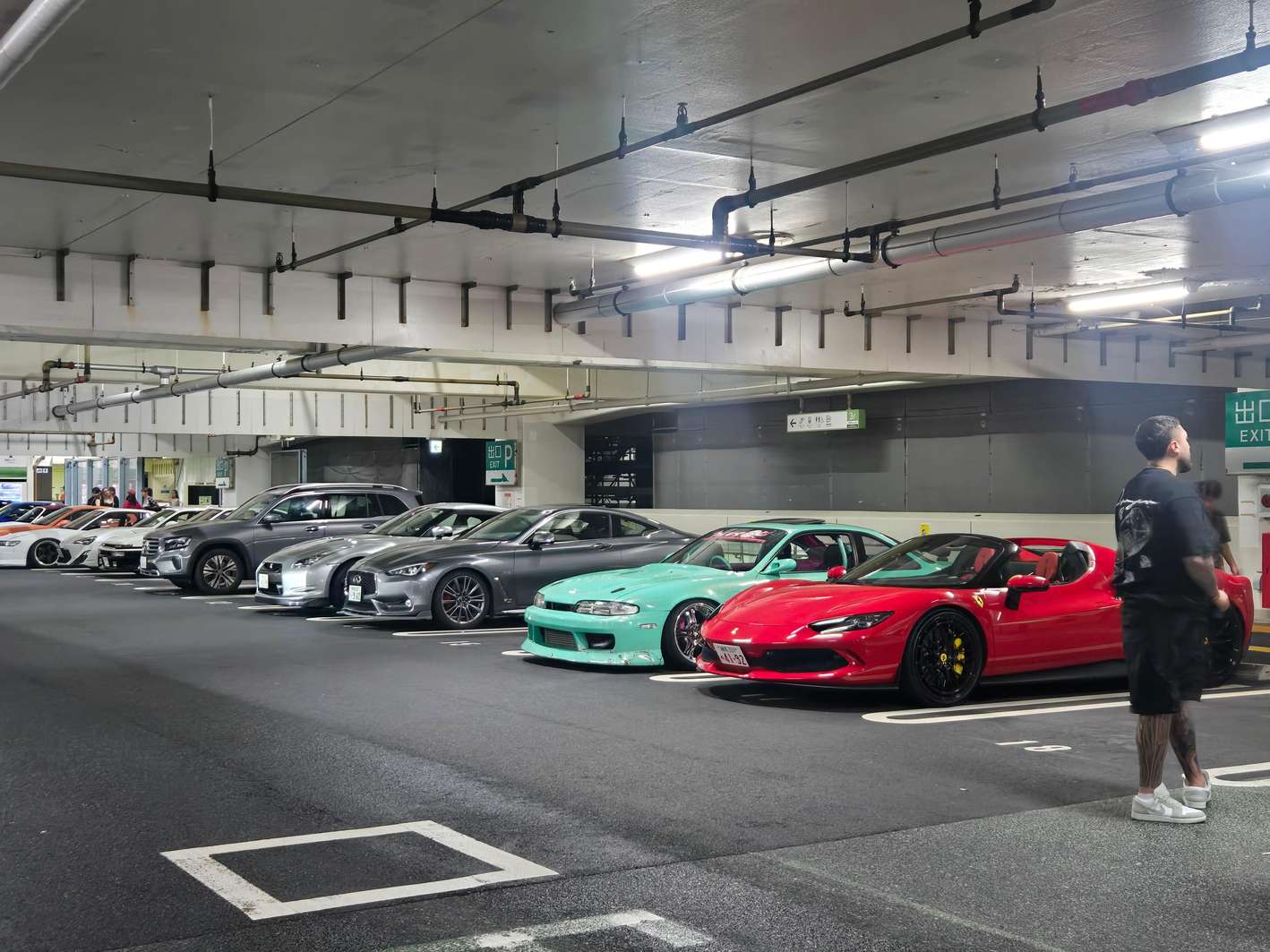
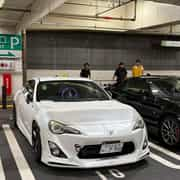
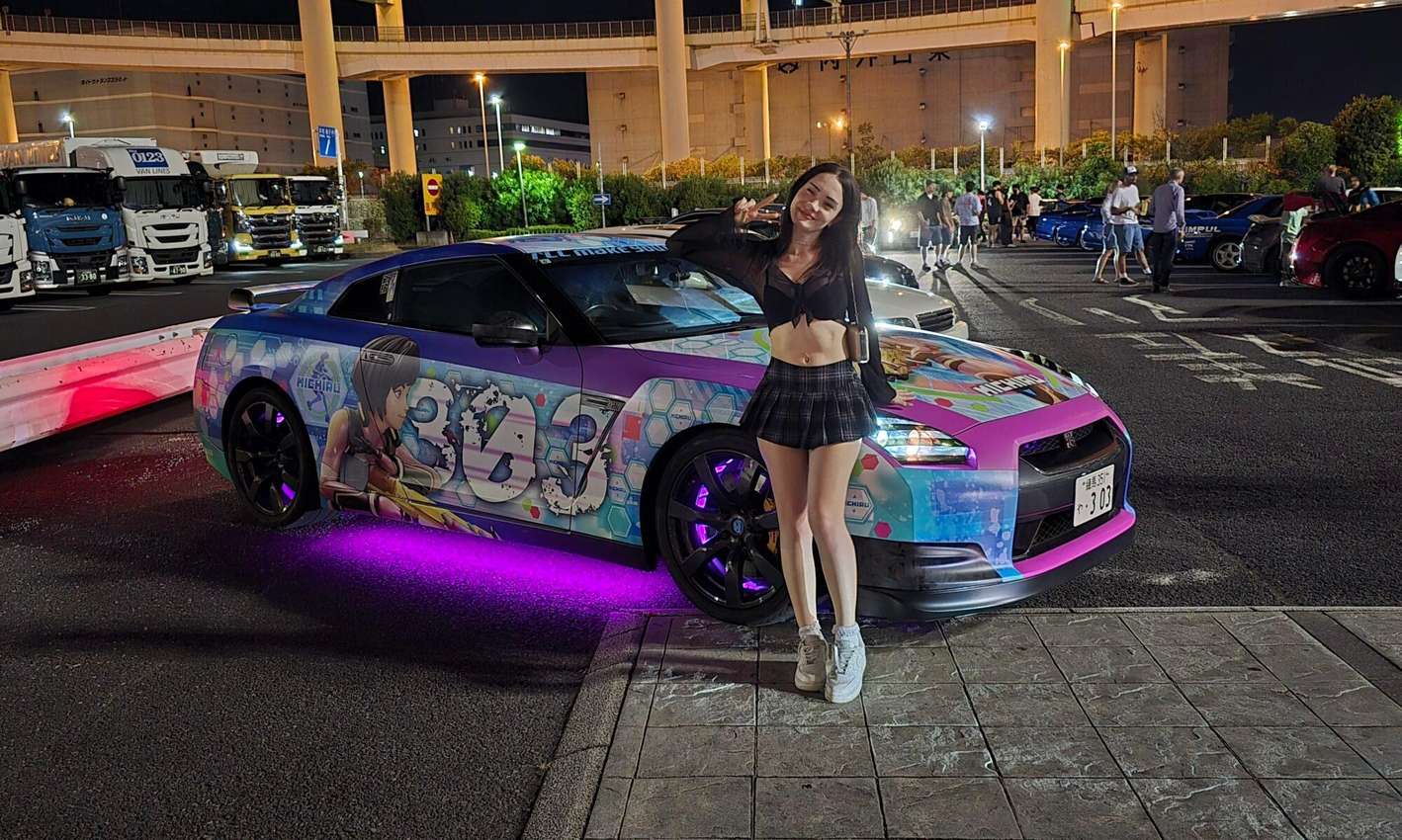
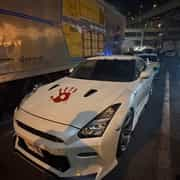
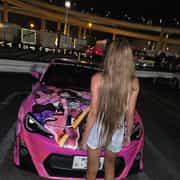
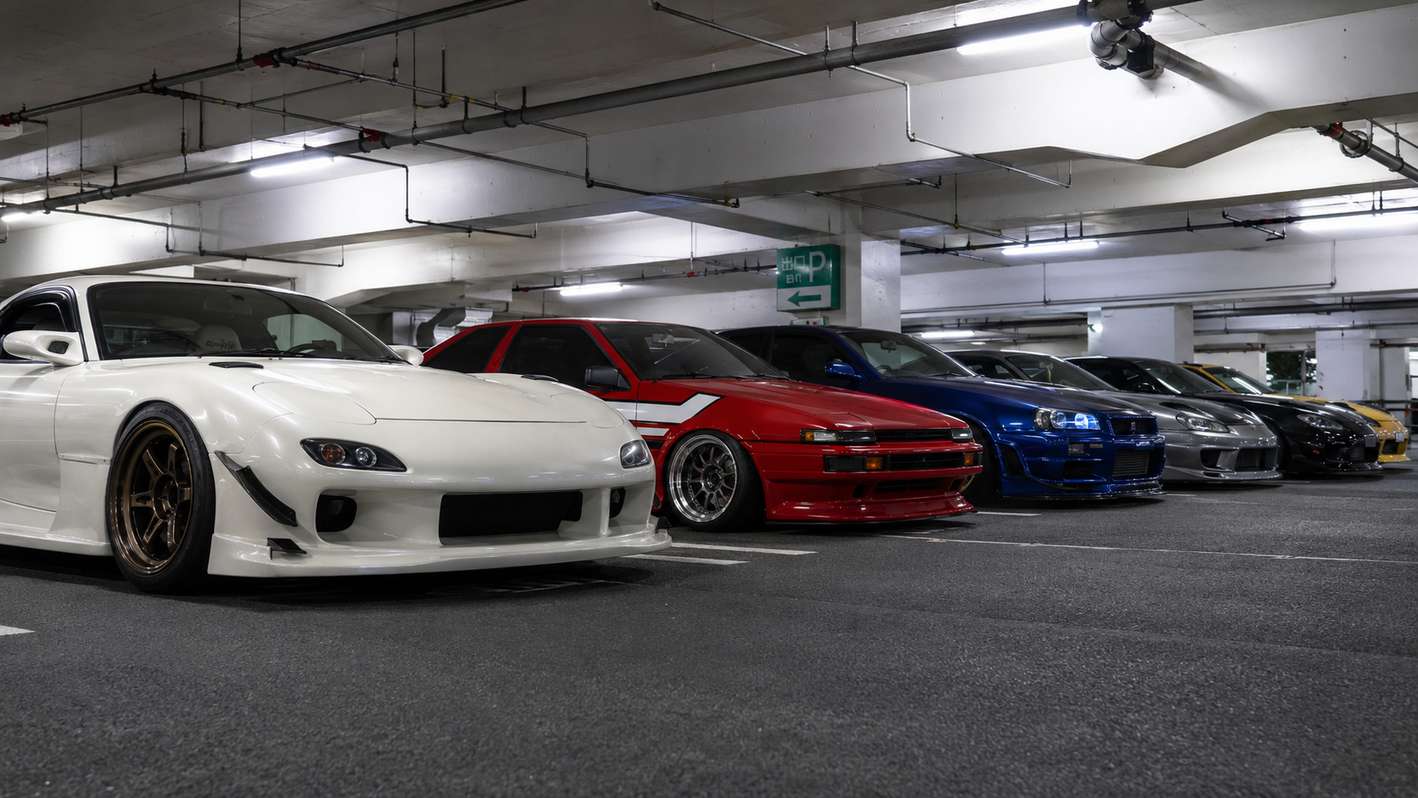
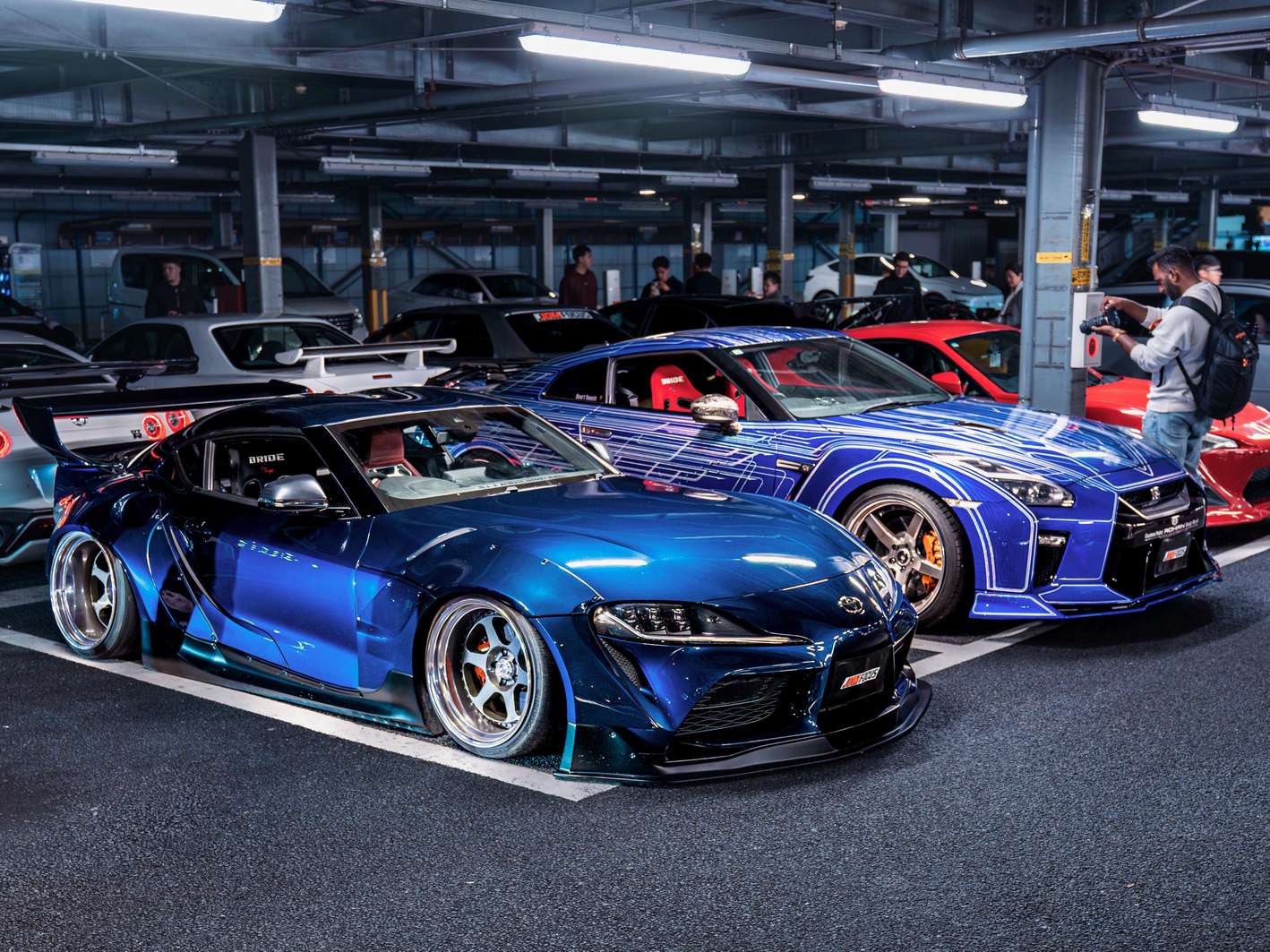
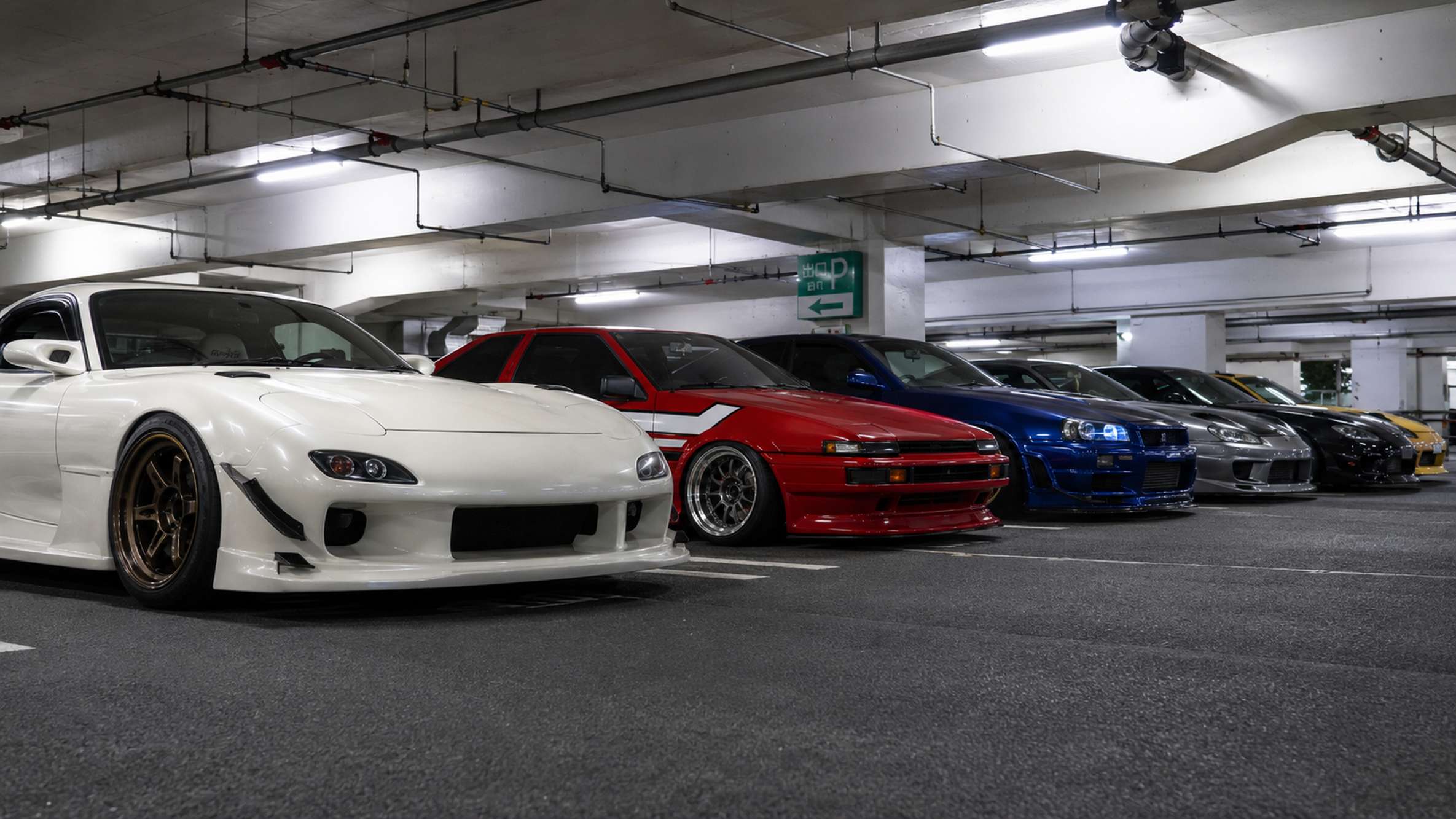
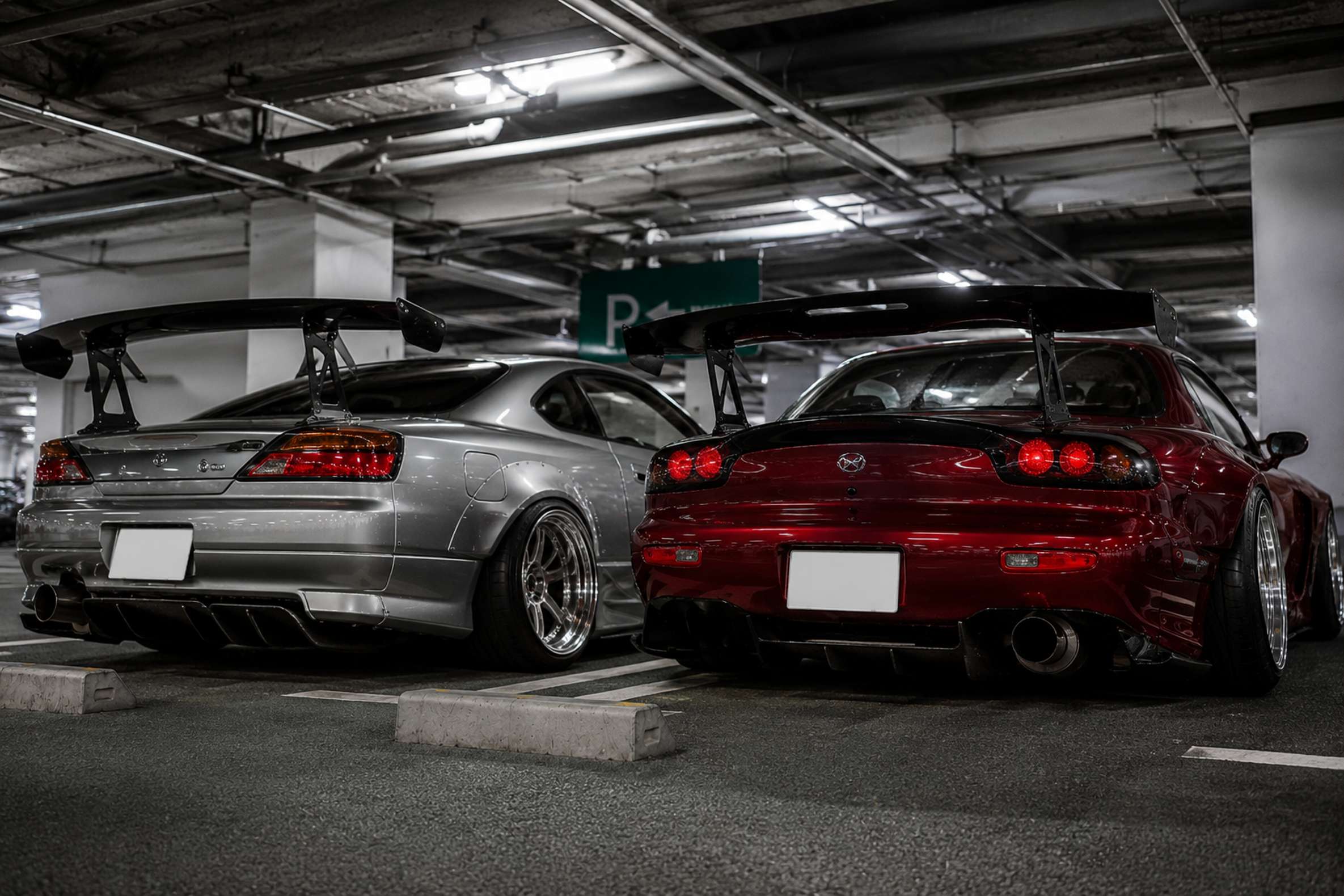
Ride the elevator down from UDX and the B2F deck holds the cars the scene grew up around: itasha wrapped in anime art and glossy tuner builds, parked under fluorescent light. Walking in costs nothing. JR Akihabara Station's Electric Town Exit gets you there across Akiba Bridge in about three minutes.
This is a working garage, so there is no fixed meet night. Friday and Saturday evenings give the best odds, with cars building after 8 pm and peaking around 10 pm to midnight, before hourly vehicle entry shuts at 10 pm.
Treat it as half an hour inside an Akihabara evening, and let a guided night tour supply the highway meet afterwards.
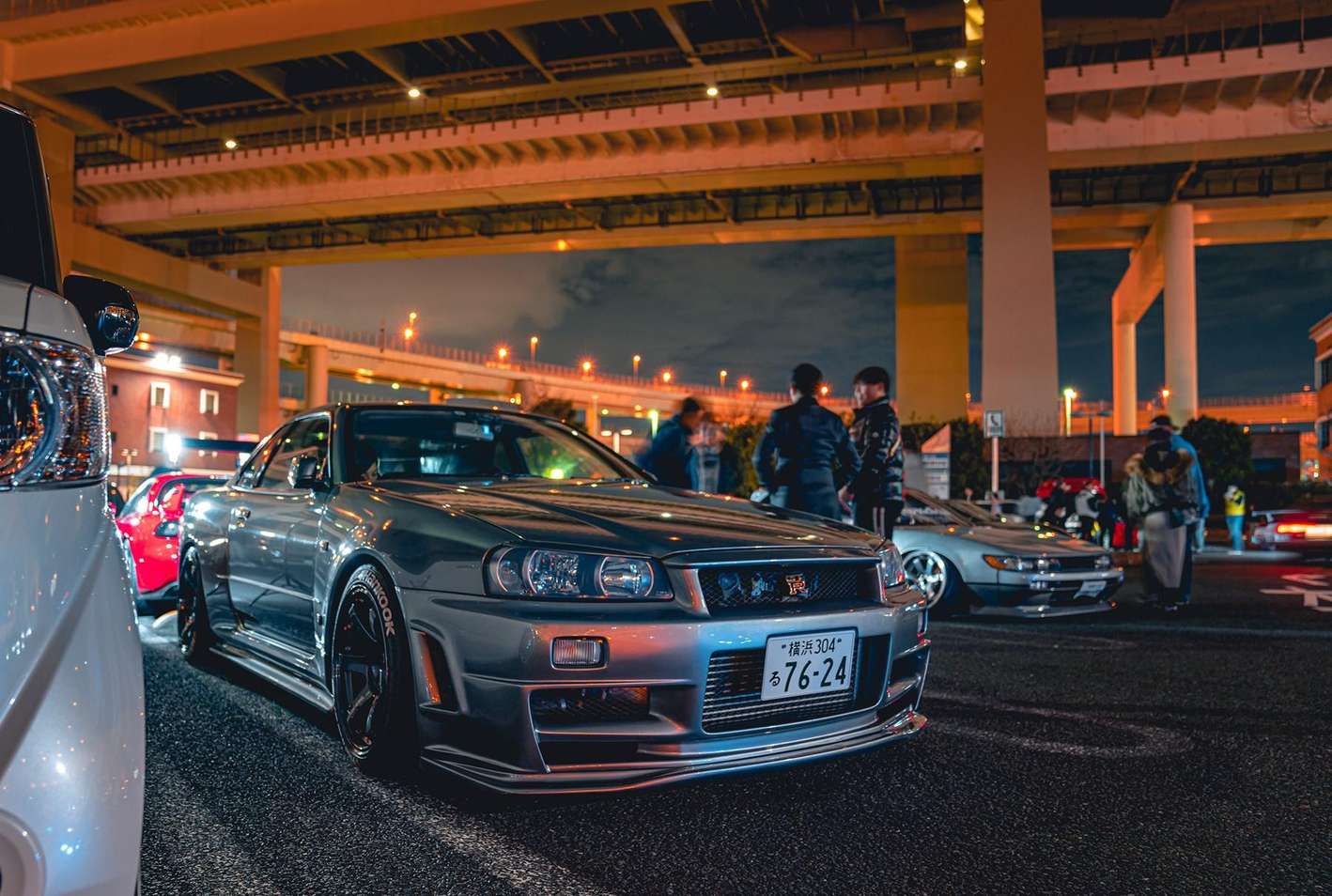
A tiny, fast-turning meet of tuned builds under the expressway lights
Best forPhotographers chasing a relaxed, local atmosphere
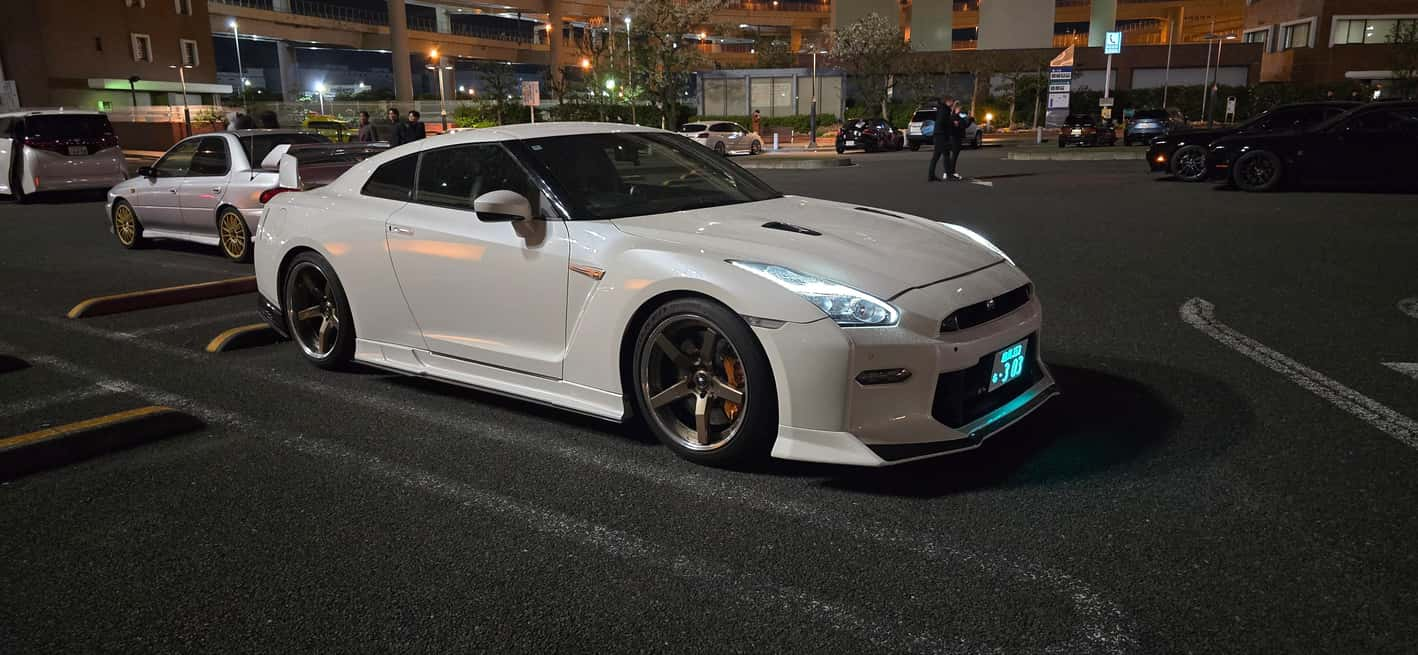
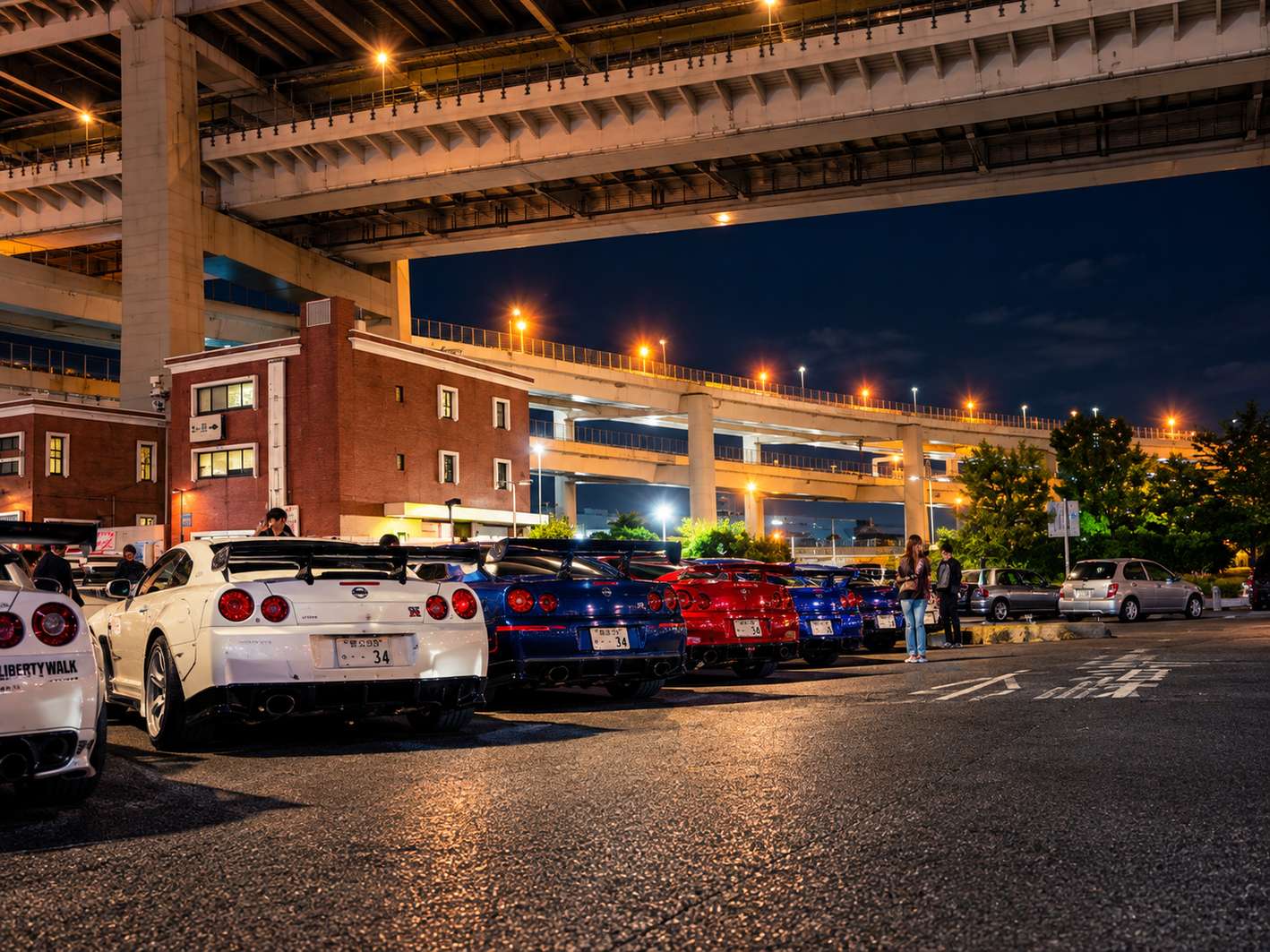
Tatsumi No.1 has 29 ordinary-car spaces, and on a good night they rotate quickly: around ten cars at a time, pulling in for short breaks between laps of the C1 Loop before moving on. The mood is relaxed and conversational, and foreign visitors stay rare.
You cannot arrive without a car, because the rest stop sits inside a toll expressway junction with no pedestrian or train access. Friday and Saturday nights from about 9:30 pm bring the most cars and also the highest chance of police clearing the lot.
Weeknights after 9:30 pm run smaller but far more reliably. Guided passenger tours that schedule Tatsumi and Daikoku together handle the driving and the closures.
Getting thereExpressway only, no pedestrian access
Best nightsWeeknights after 9:30 pm for reliability
Typical turnoutAround 10 cars at a time
Tour length3 to 3.5 hours on a combined night tour
How it scoresvs. the other car meets
ReachabilityPoor
TurnoutPoor
ReliabilityGood
Photo settingVery good
Choose it ifYou want a quiet, local meet and have a tour that includes it
Skip it ifYou expect a large crowd of exotic builds
A chauffeured night in a modified JDM car, ending at Daikoku PA
Best forMovie fans who want a hero-car ride with everything handled
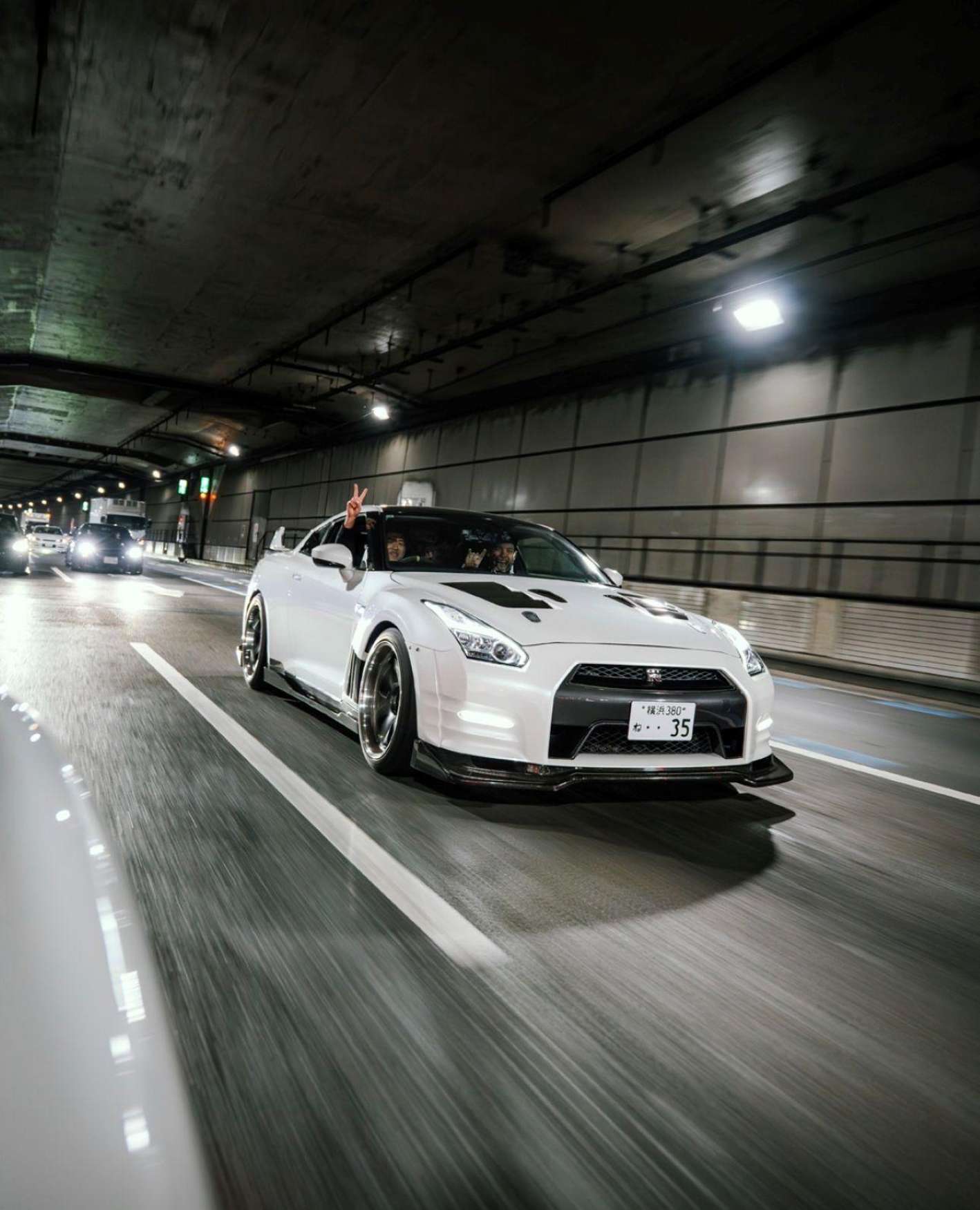
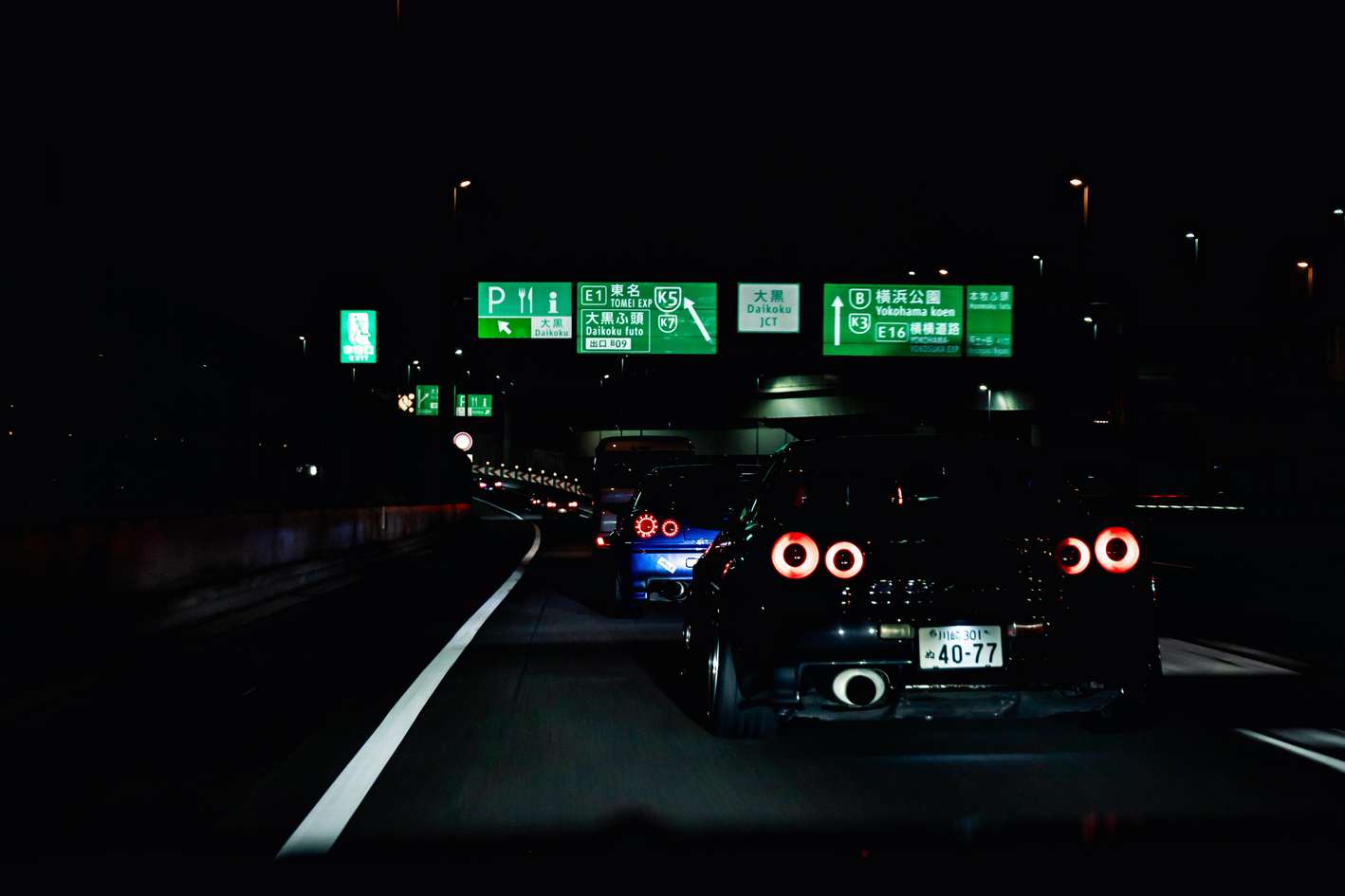
The night runs on real expressways, not a film set. You sit in the passenger seat of a modified JDM car, pass through Shibuya Crossing, cross Rainbow Bridge and roll into Daikoku Parking Area, where police closures on busy weekend nights between 7:30 and 9:15 pm are part of the story.
Passengers need no licence or permit, and every cruise finishes with a ride home.
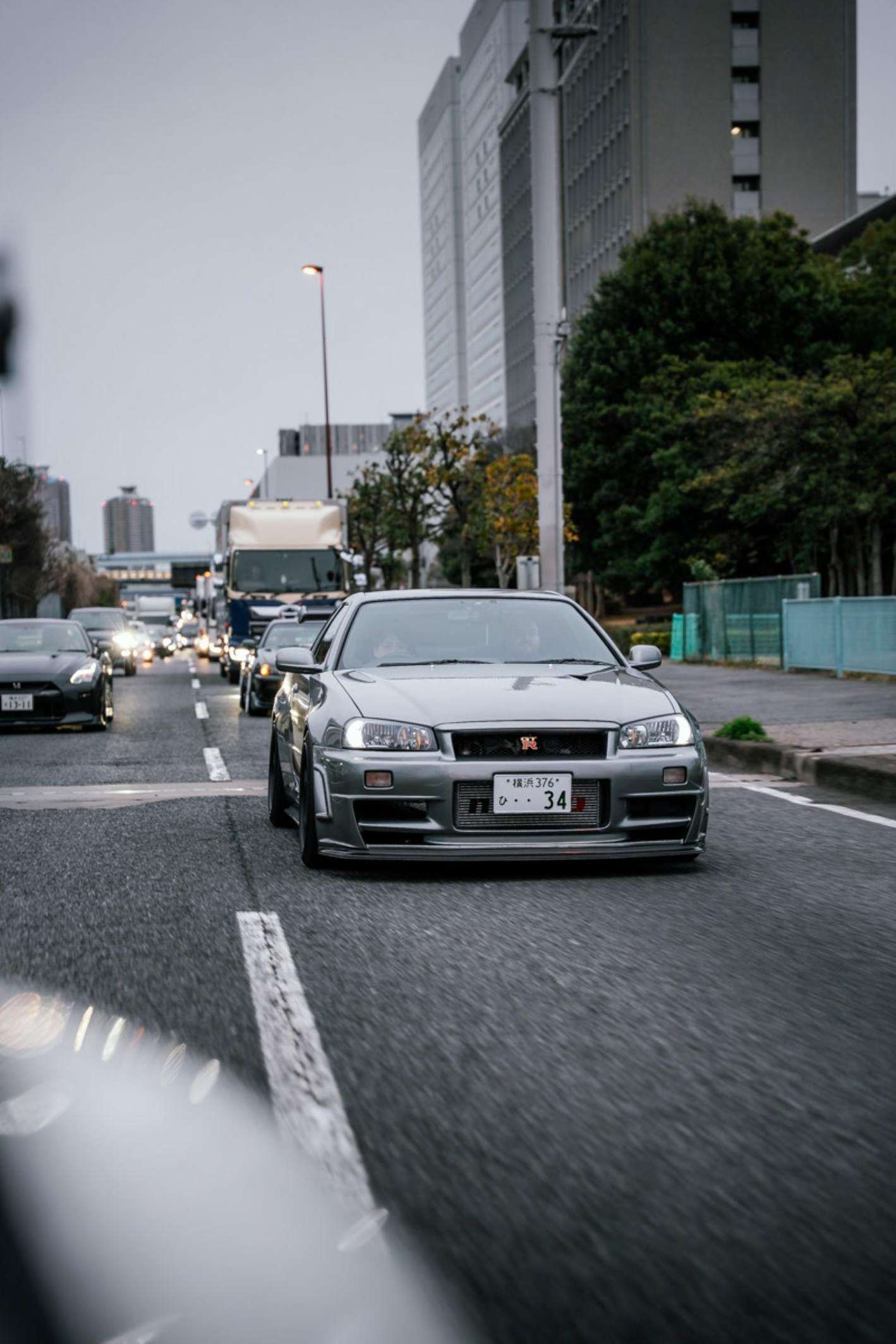
Most tours run 3 to 4 hours door to door, and the cars range from R34 Skylines to Supras, EVOs and WRX STIs. Midweek rides leave around 7:30 pm and closures stay rare. Bring a jacket, because winter lot nights sit between 1 and 5°C with sea wind.
Getting thereHotel pickup or central meeting points
Best nightsMidweek for reliability, weekends for crowds
Typical turnoutDaikoku draws over 100 cars on big nights
Tour length3 to 4 hours
How it scoresvs. the other car meets
ReachabilityBest
TurnoutBest
ReliabilityVery good
Photo settingVery good
Choose it ifYou want the expressways, a real meet and zero logistics to manage
Umihotaru parking area - the island meet and getting out there
The only rest stop in the world built on the sea holds one of Tokyo's most unpredictable car gatherings. Getting onto a highway island with no trains and no taxis takes a plan; this one settles the timing and the ride.
If you only remember five things
1
Meets peak on Friday and Saturday nights between 8:30 pm and midnight, busiest 9:00 to 10 pm as cars migrate over from Daikoku PA.
2
There is no official schedule or organizer; gatherings spread by word of mouth and social media days ahead.
3
The island has no train, bus stop or taxi rank, so you need a car out and a ride back, or a tour that provides both.
4
Aqua-Line closures come with strong winds around 20 m/s or typhoons; tours divert to A-PIT Autobacs Shinonome when both lots close.
5
Ask before photographing any car or face, never touch the builds, and leave promptly if staff or police move you on.
closureStrong winds can close the Tokyo Bay Aqua-Line bridge, cutting off road access to Umihotaru Parking Area, and typhoon-level weather can empty the meets entirely.
Check the Aqua-Line traffic and wind forecast before you set out, and if you ride with a guided tour the operator reroutes or reschedules, usually with a full refund when the highway shuts.
A night on the water - what Umihotaru actually is
The build-up starts in the tunnel. Roughly ten kilometers under the bay, another five of bridge, and in the middle sits Umihotaru, the artificial island where tunnel becomes bridge and the only toll-road rest stop on earth built on the water.
Pro tipJudge the island on its bay setting first and the cars second, and no turnout will disappoint you.
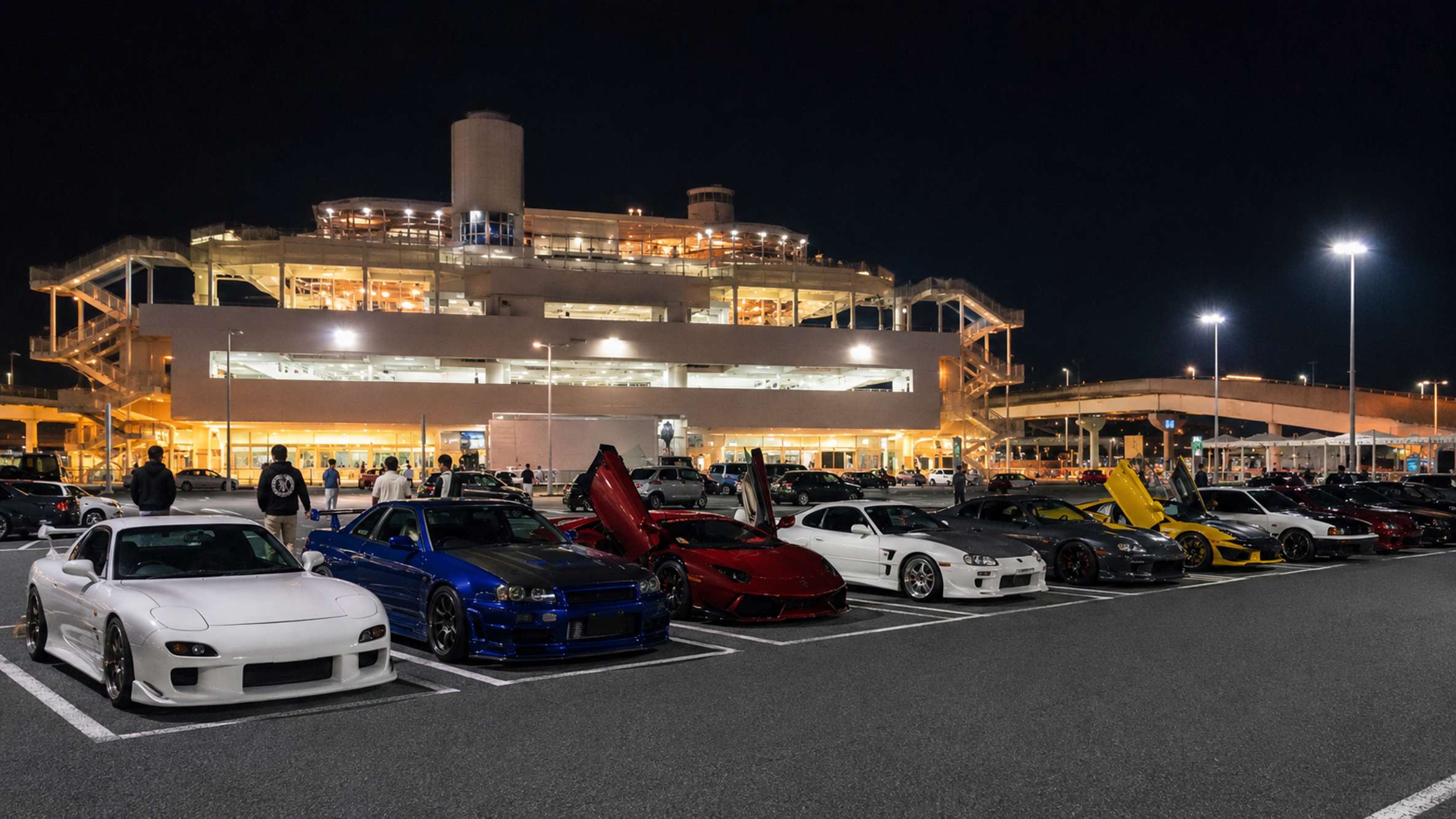
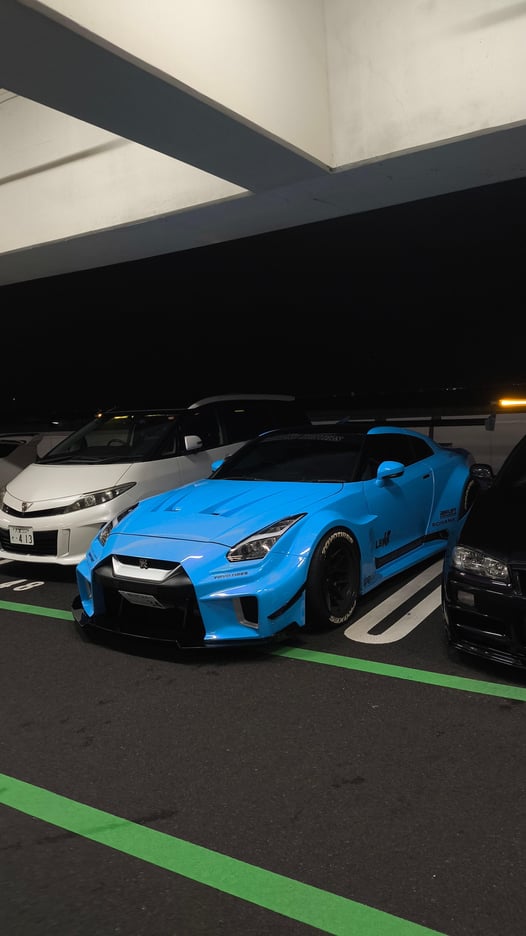
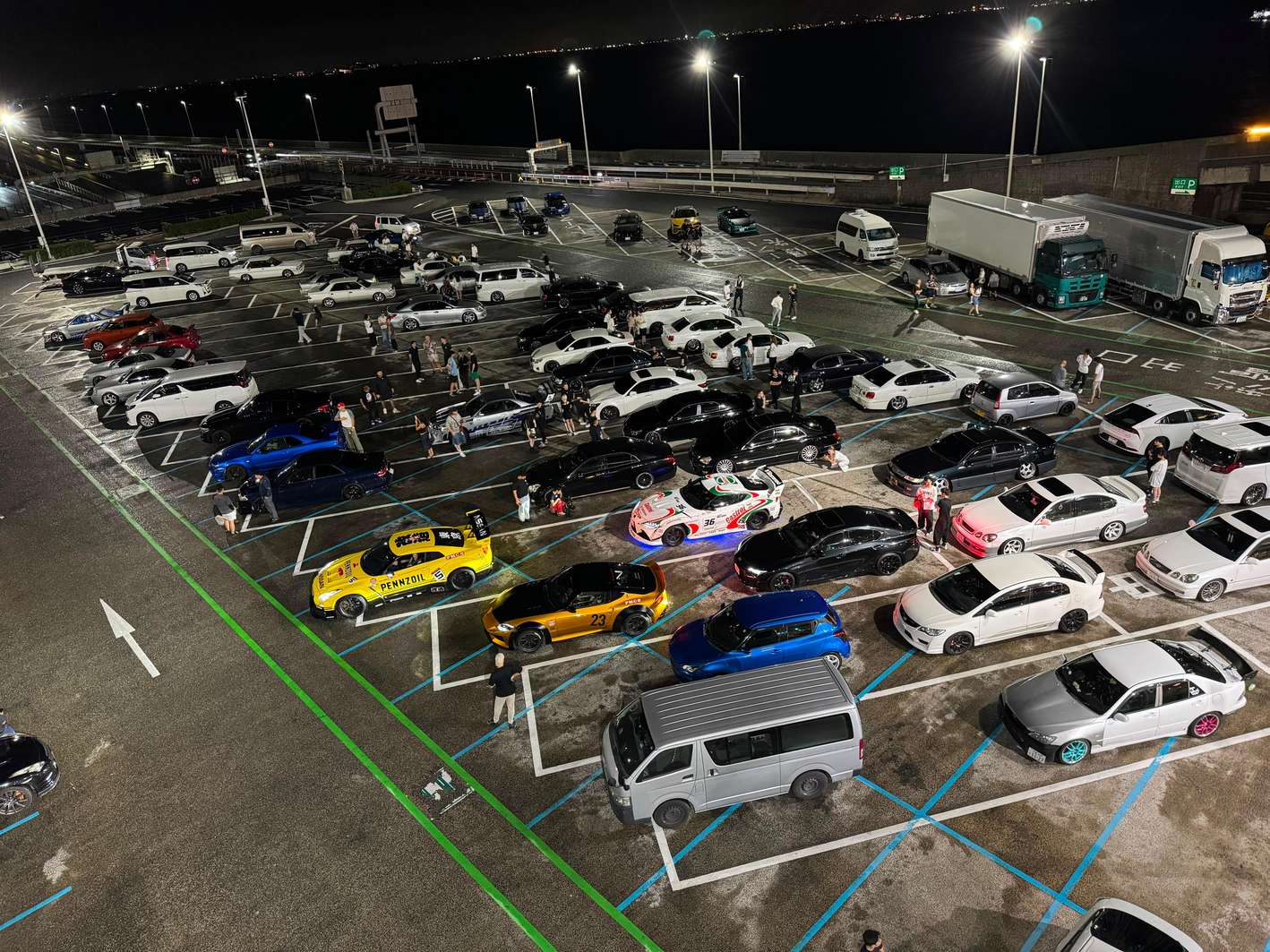
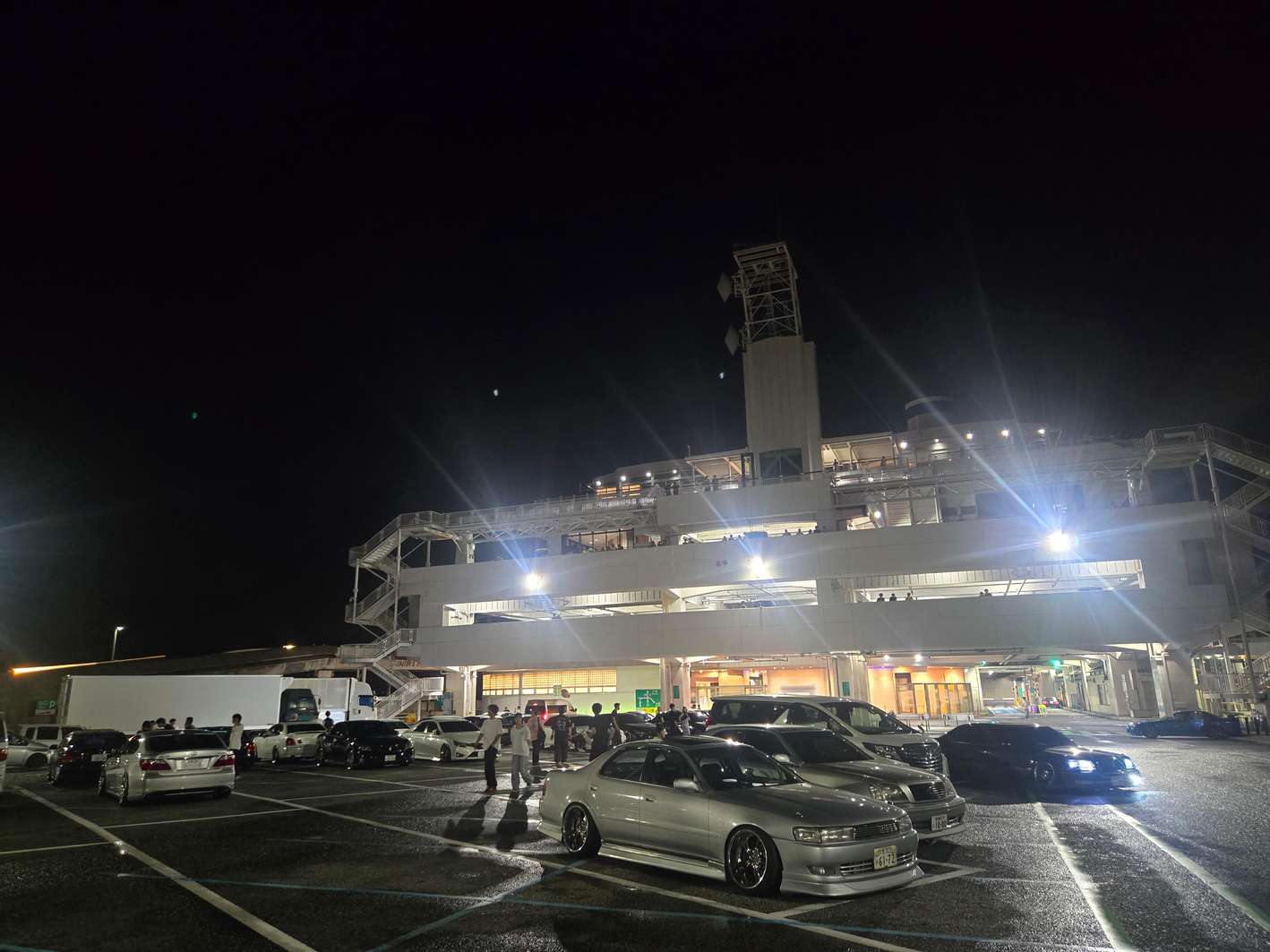
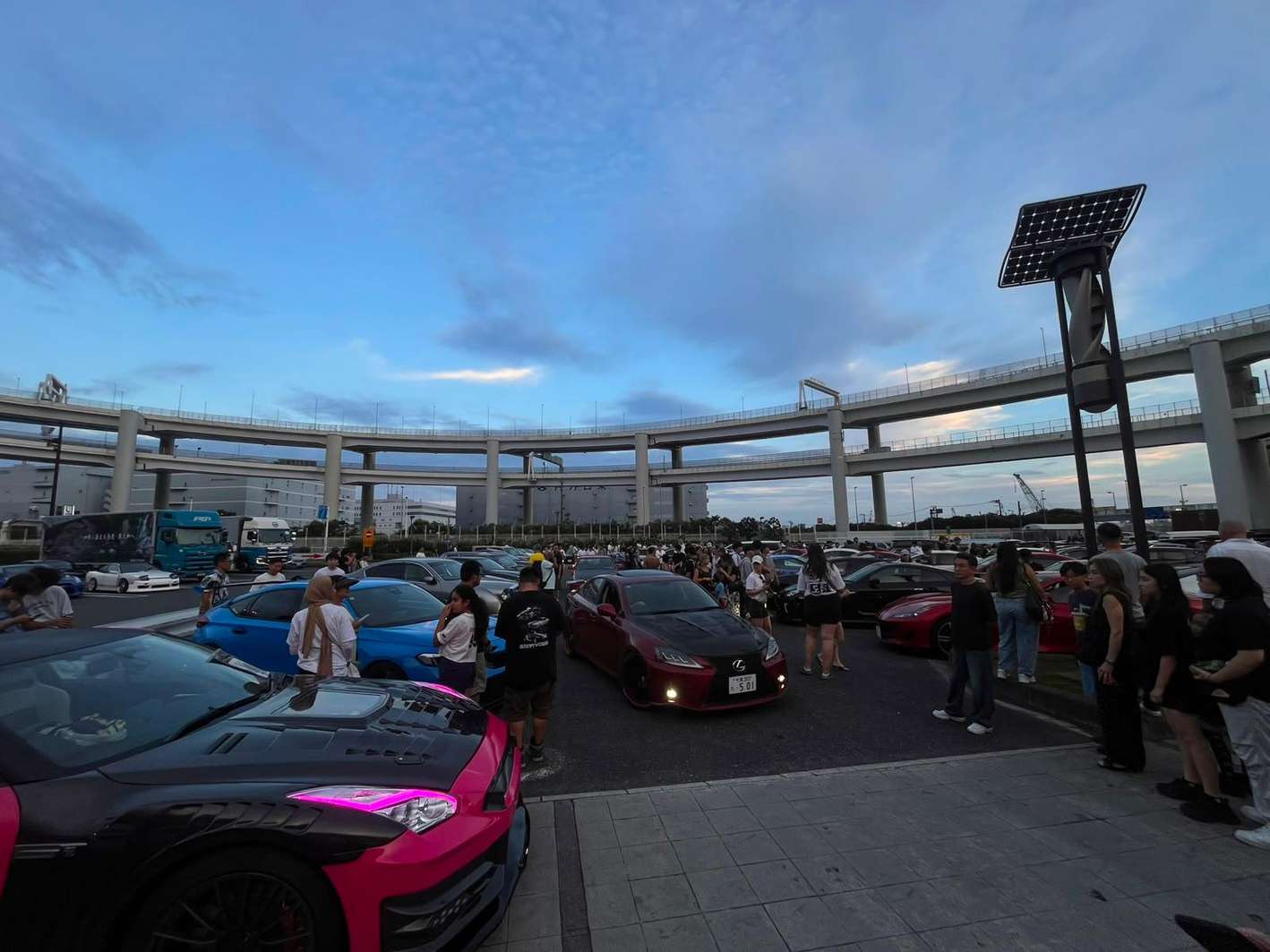
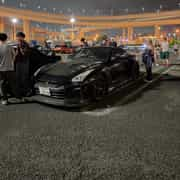
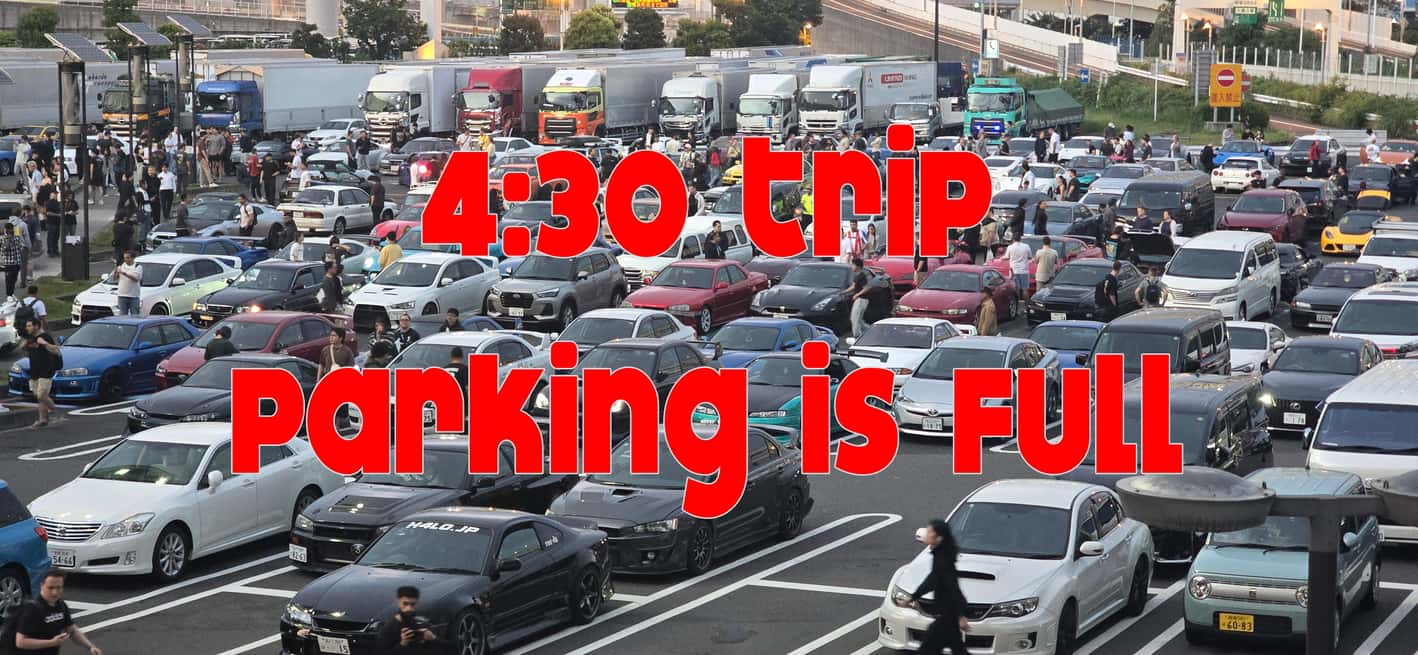
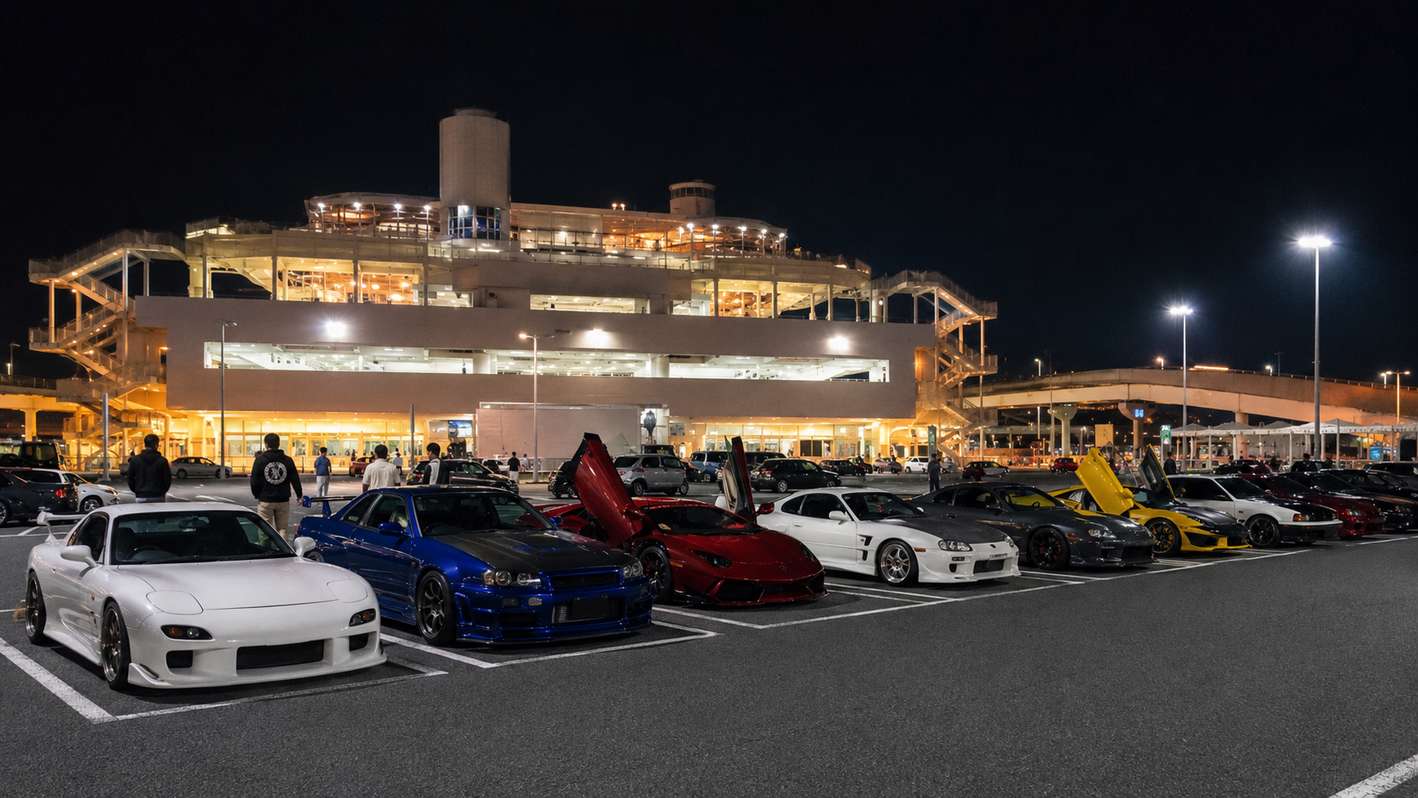
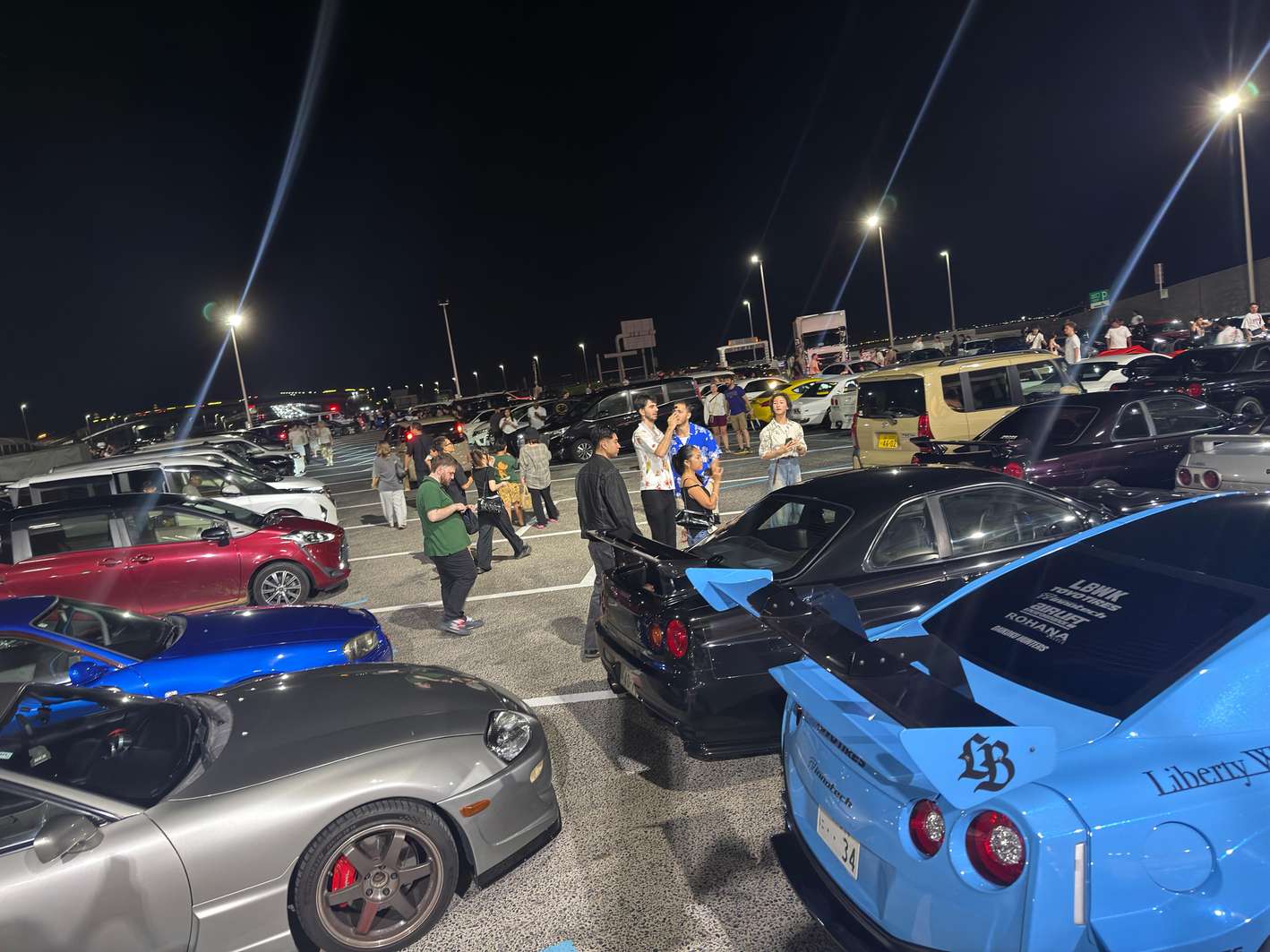
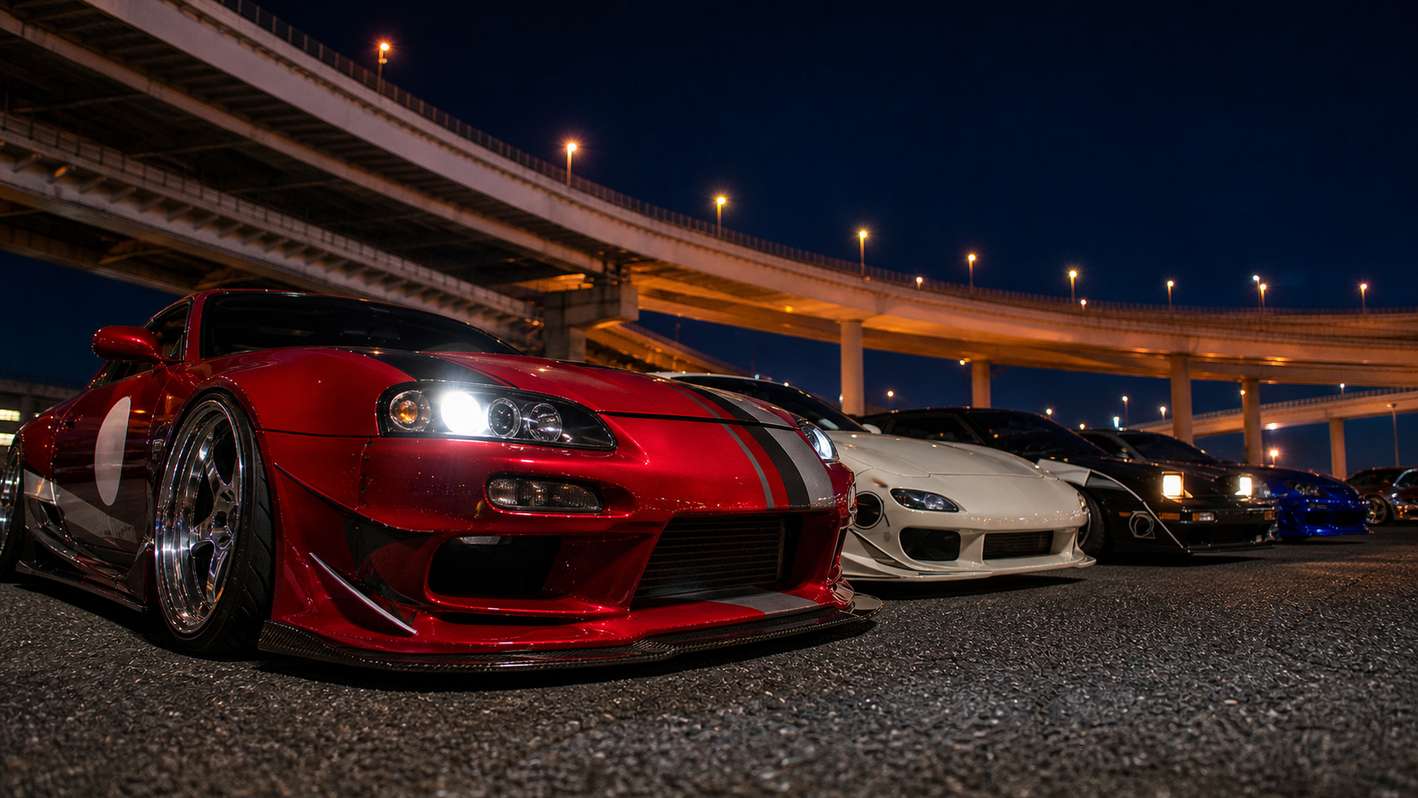
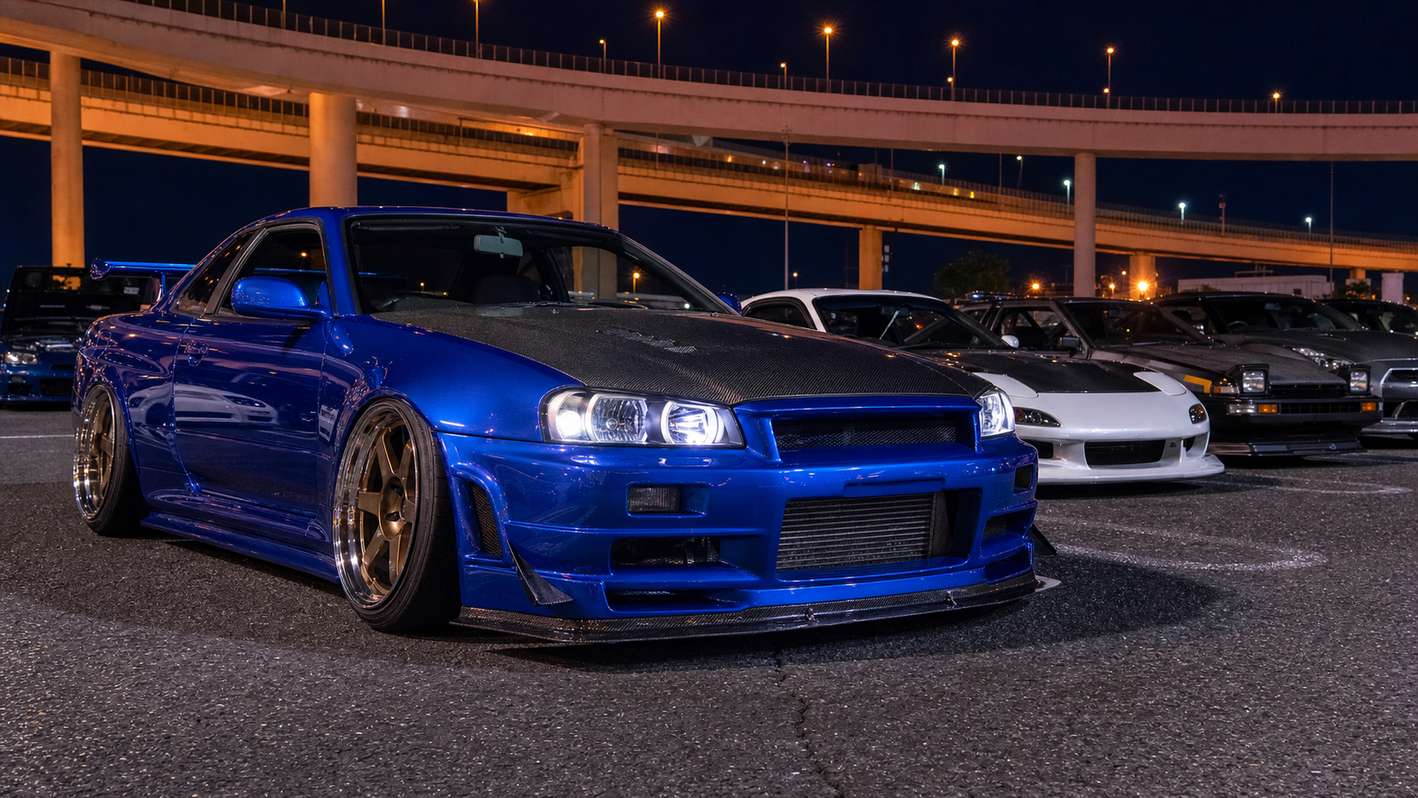
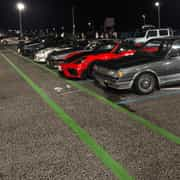
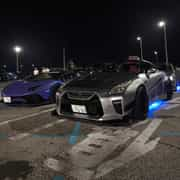
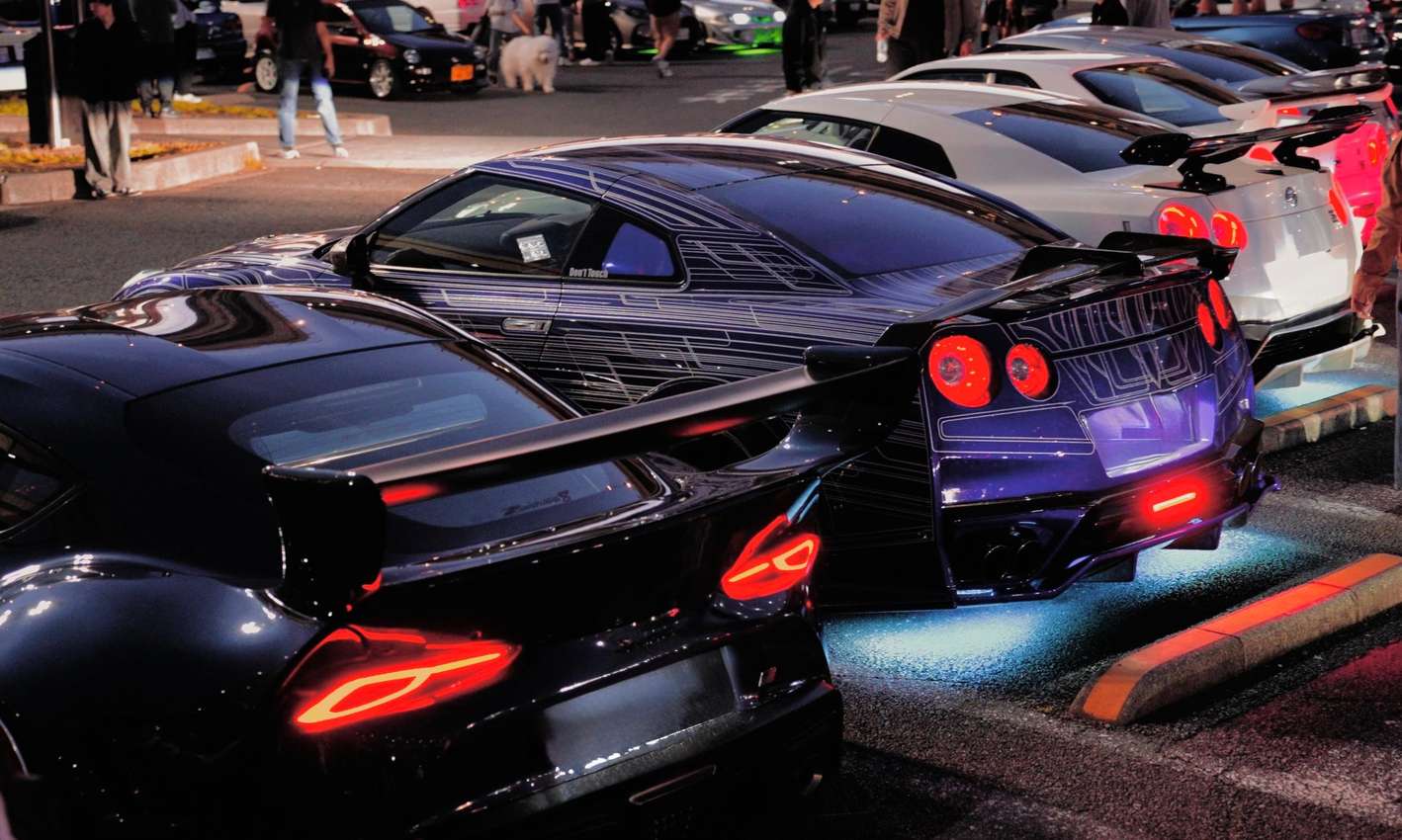
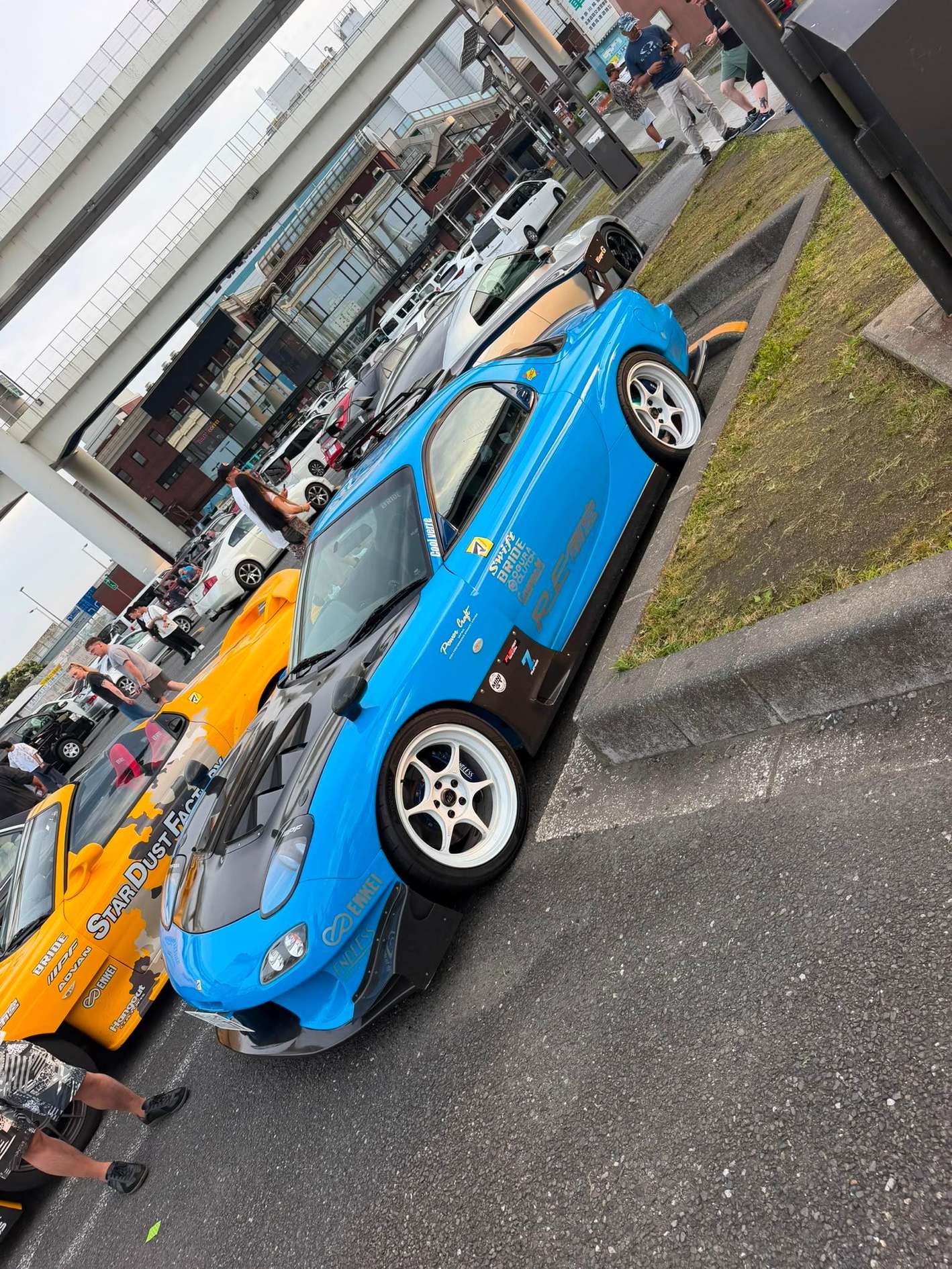
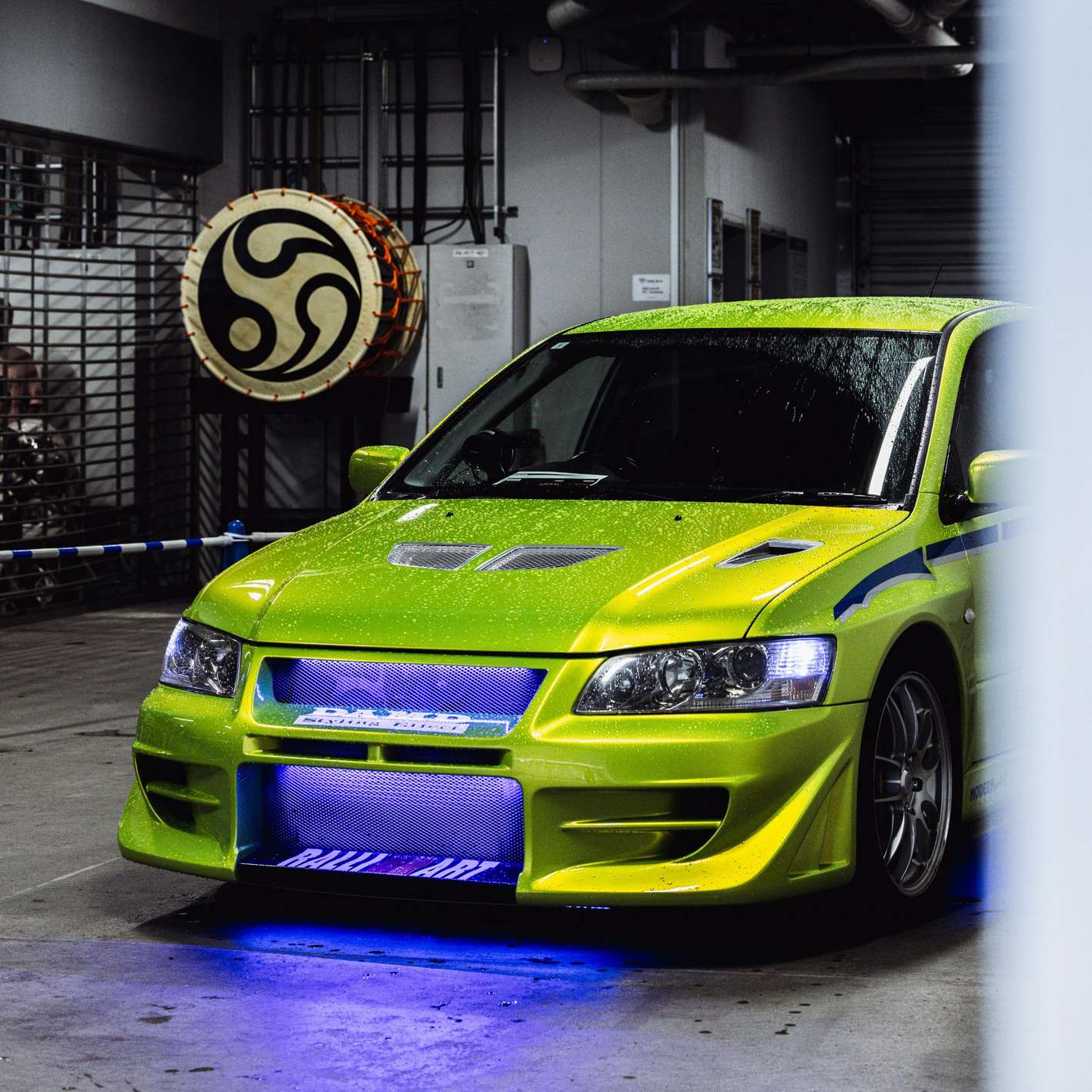
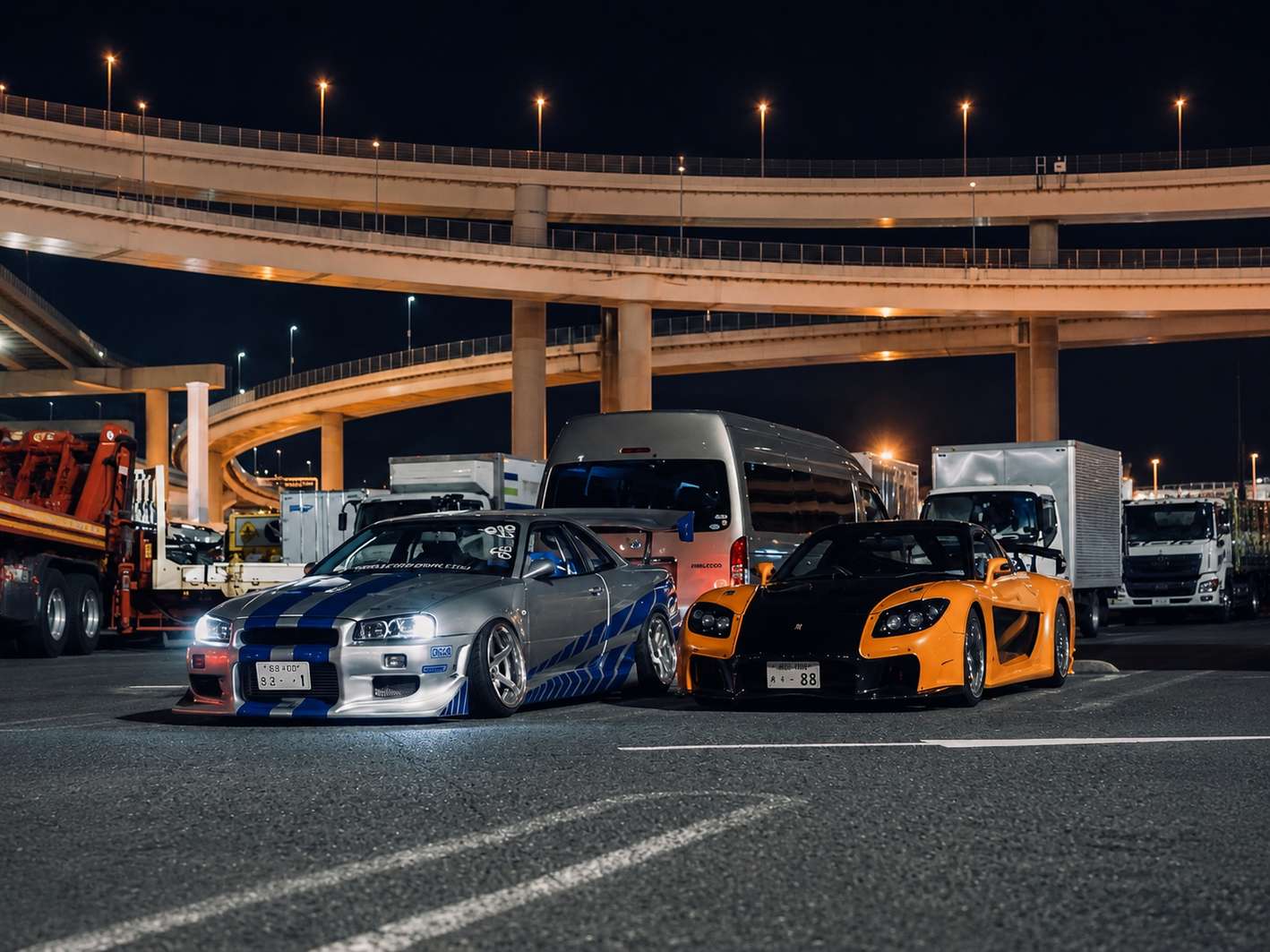
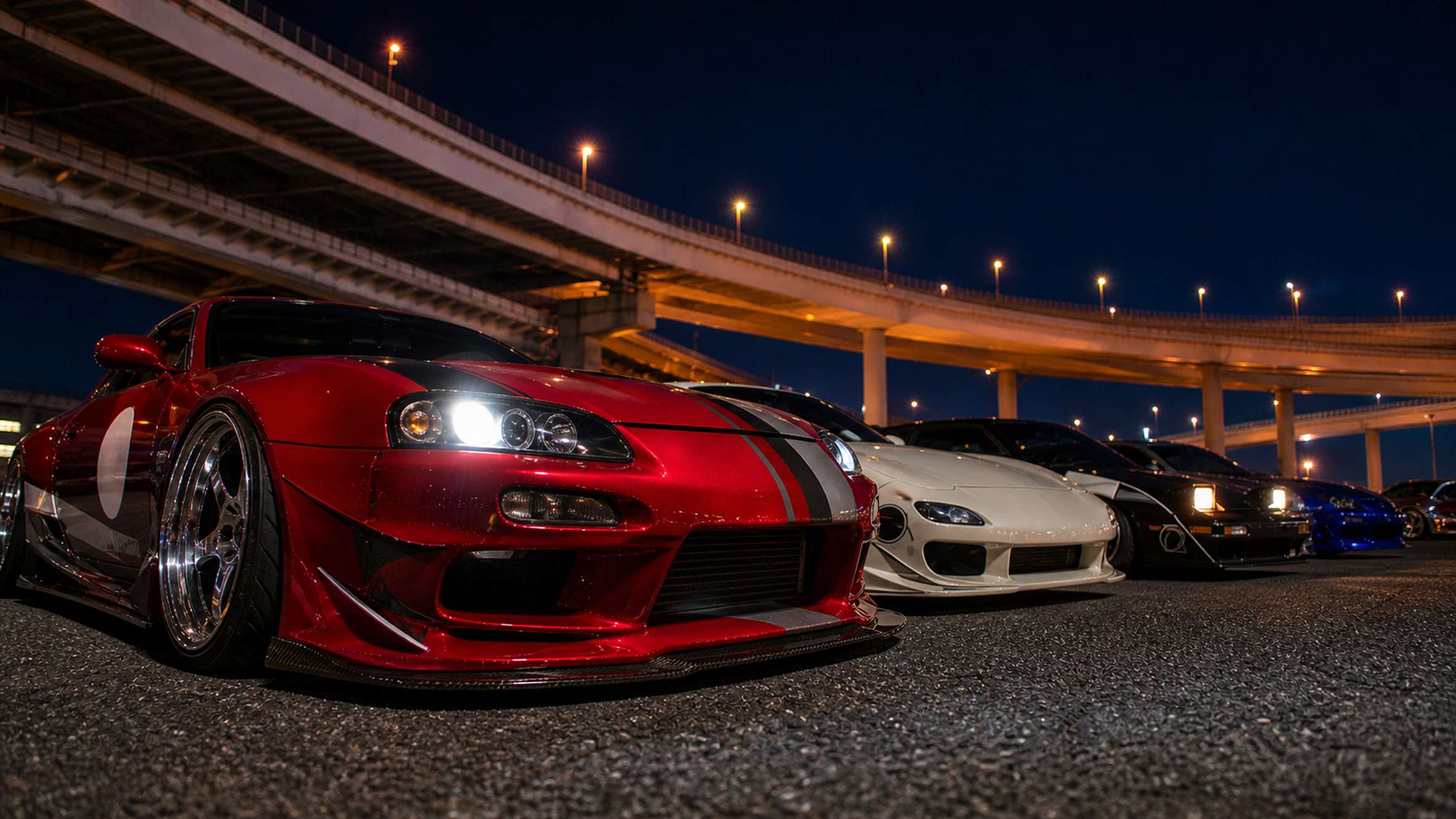
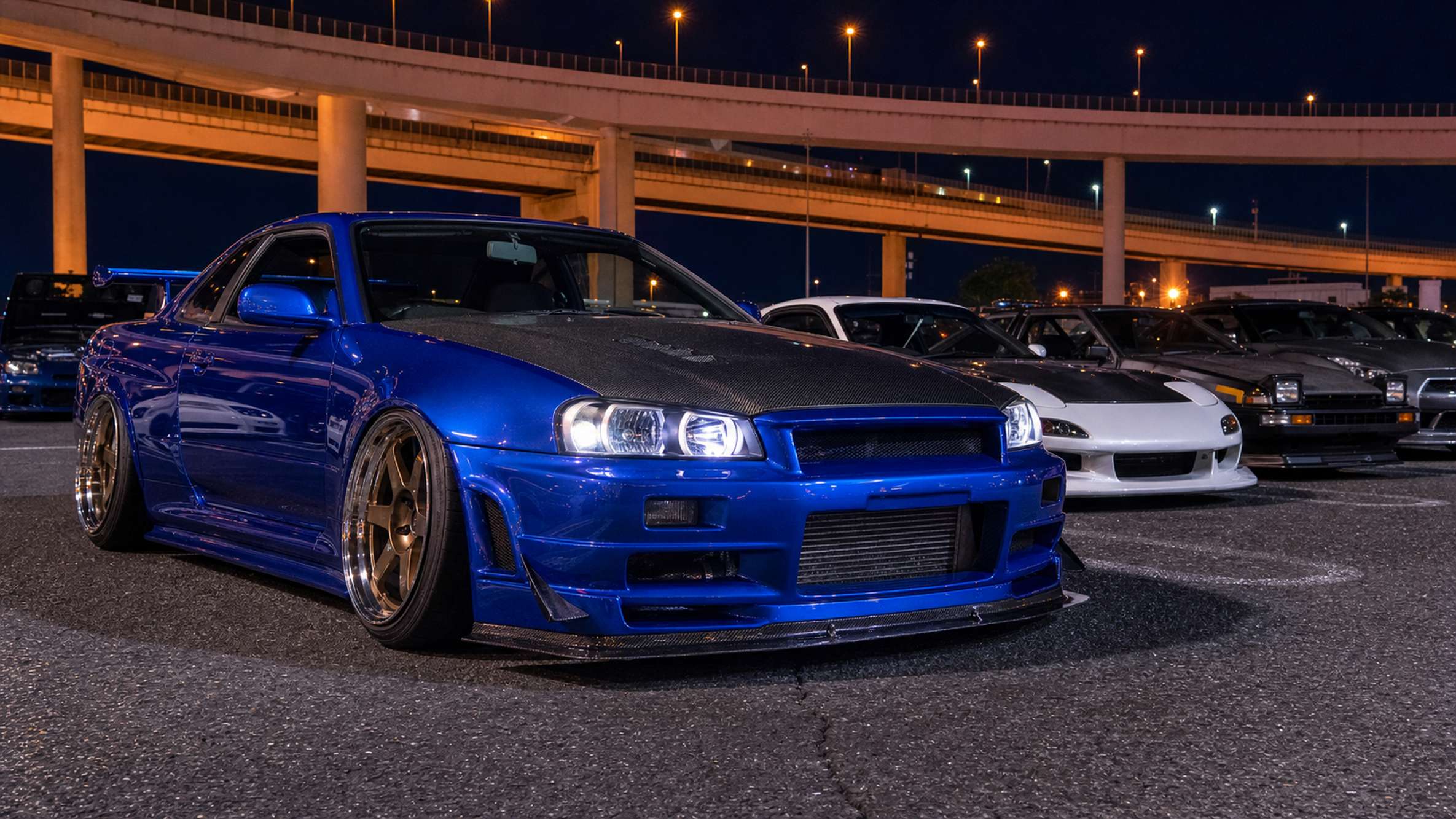
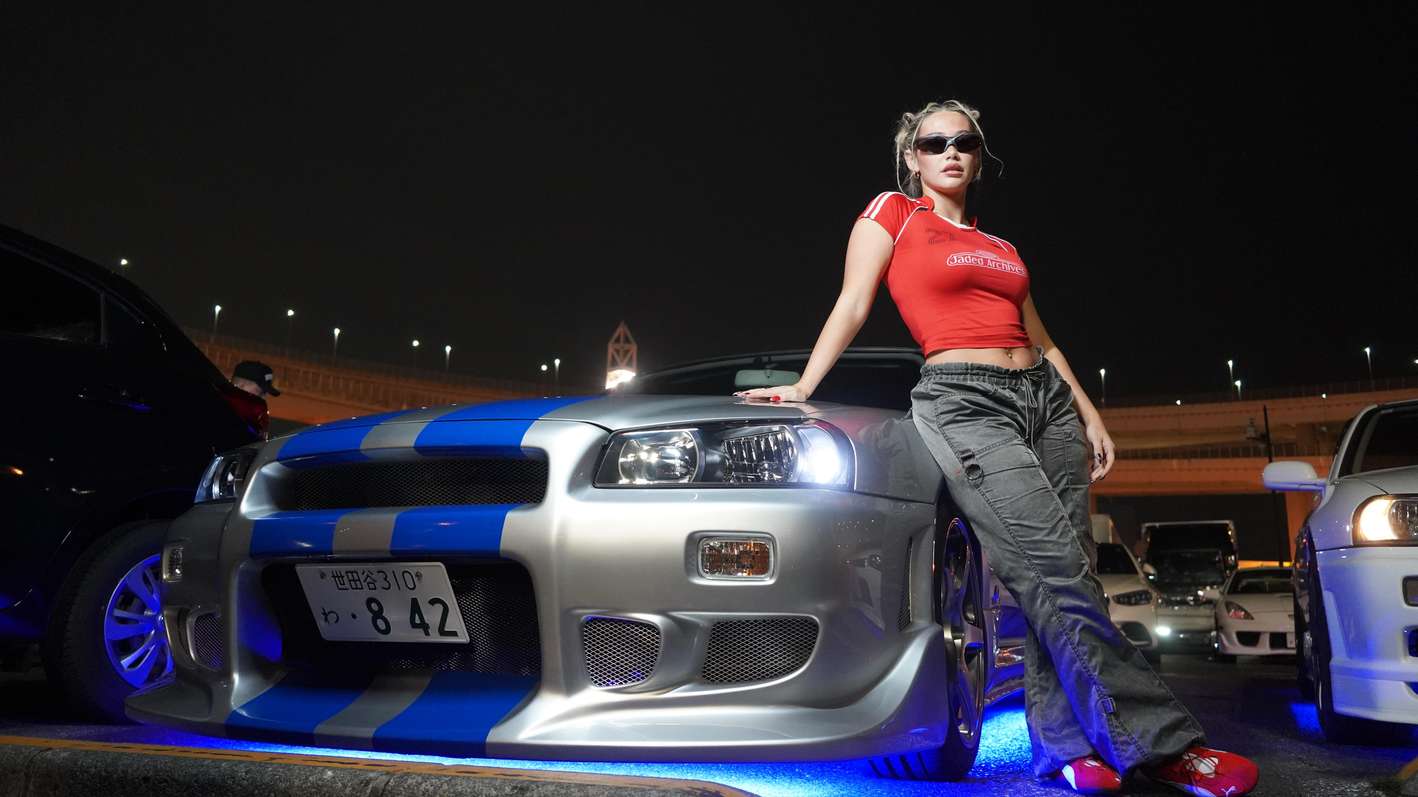
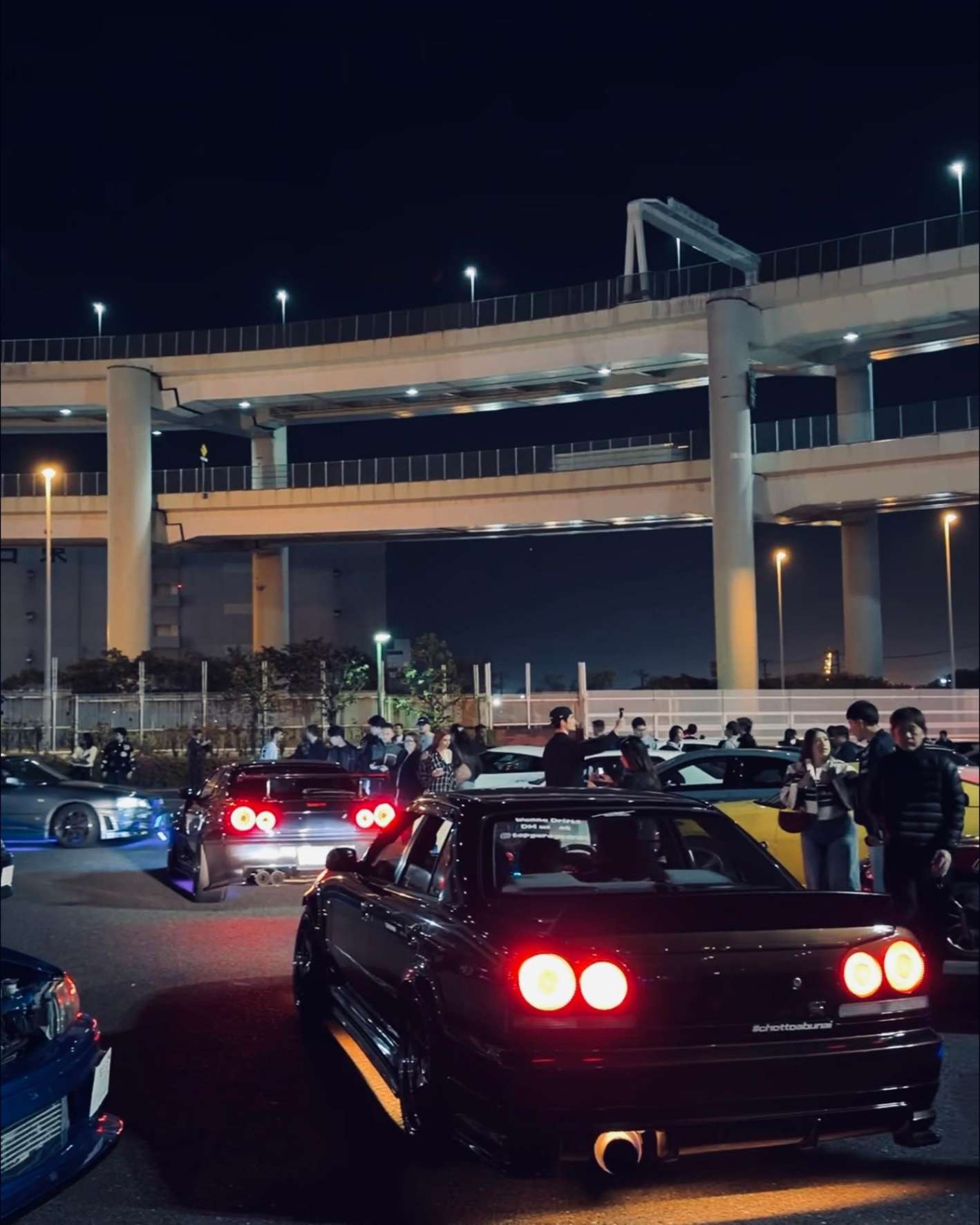
On a meet night, the lower parking decks fill with modified cars and the island hums.
Calibrate expectations before you go. Umihotaru has no car-meet schedule, no organizer and no tickets. Gatherings are informal, often arranged by social media only days ahead, and turnout swings wildly. It runs calmer and less crowded than Daikoku PA: fewer Kei cars and sound vans, more enthusiasts who came for the sea-air backdrop.
A weekday night can deliver a lot of nice cars or very little. Treat the island as a scenic bet, because that unpredictability is exactly what the regulars like about it.
When a meet night falls through
The meets are unauthorized gatherings, and large turnouts have closed the whole parking area before No night is ever guaranteed, so build a backup plan or book a tour whose route flexes on the day
cutters still stand on the deck, souvenirs of the machine that dug the tunnel.
Tour for this
Tokyo JDM Legends: Daikoku PA & Modified Car Experience4.9★ (93) · 4 hours · Free cancellation
The Aqua-Line itself is half the trip. Two undersea tunnels drop sixty meters below sea level before the road climbs onto the bridge, and the enclosed lighting plays tricks on how fast the kilometers seem to pass. From central Tokyo the drive runs forty minutes or so without traffic.
Common mistakeAssuming a taxi can drop you off and come back for you. Taxis are not permitted to pick up inside the parking area.
The road rules are friendlier than you might fear. Drivers from either side may turn around at Umihotaru and head home, charged a one-way toll, so a visit costs no double fare into Chiba. ETC users keep their card in the onboard unit; cash payers follow the Kawasaki signs to the toll booth machine.
The return is the part that catches people out. No train reaches the island, taxis cannot pick passengers up there, and a late-night cab from a mainland station adds a surcharge after 10 pm plus highway tolls.
Arrive without a pre-arranged ride and you risk a long night on a highway island. That is why a guided tour, which handles both crossings, is the way most visitors go.
The Tokyo: Daikoku or Umihotaru Tour (Silvia S15, GR86, 370Z) runs Friday to Sunday evenings across the bay with a guide, tolls and fuel included.
Three ways out to the island
Self-driveYou carry the tolls, the ETC rules and the late-night return yourself
Difficult
TaxiMeter plus tolls and a late-night surcharge, and many drivers refuse to wait on the island
Moderate
Guided tourDoor-to-door with the crossing and the ride home both included
Easy
The table lays the three routes side by side, and one row decides most trips: only the guided tour carries a guaranteed ride home. If you drive yourself, sort your return before you board the ramp, because the island gives you nowhere to improvise.
Tour for this
Fast and Furious : Tokyo Drift Experience & Daikoku Car Meet4.9★ (575) · Hotel pickup · Free cancellation
Timing decides this night. Meets at Umihotaru build on Friday and Saturday nights between 8:30 pm and midnight, with the busiest stretch from 9:00 to 10 pm, when cars cleared off Daikoku PA come streaming across the bay. Weeknights stay quiet, with only a handful of passing vehicles.
Pro tipPlan Friday or Saturday for the meet itself and keep weeknights for a quiet bay drive.
Leave central Tokyo after 8 pm and you skip the commuter crush that clogs the outbound expressway; depart around 11:45 pm and the roads are at their emptiest, though the lot peaks earlier. Either way, do not arrive before the crowd does.
How a meet night unfolds
1
After 8 pm
Leave central Tokyo, past the commuter peak
The outbound expressway clears as the working crowd thins
2
Around 9 pm
Cross the Aqua-Line and step onto the island
The tunnel, the bridge and the bay lights set the scene
3
9:00 to 10 pm
The lot fills as mainland cars migrate over
The best hour for variety and photos
4
Past midnight
The gathering thins and the ride back begins
No train to miss, so the car home is already sorted
Run the plan backwards from that peak and the trip designs itself: be standing on the third-floor deck by 9 pm, which means leaving Tokyo around eight. Everything after midnight is a bonus, not the plan.
Tour for this
Tokyo: JDM R34 Skyline drive & Daikoku PA car meet4.9★ (267) · 3 - 6 hours · Hotel pickup · Free cancellation
When police clear Daikoku, this is where the night moves
Umihotaru's real job in the scene is refuge. On crowded weekend nights, police close Daikoku PA's entrances early, sometimes between 7:30 and 9:15 pm, over noise, crowding and blocked truck parking. The lot empties, and the dispersing cars head straight across the Aqua-Line.
Pro tipWhen police clear Daikoku, head straight for the bay while the cars are still moving.
That migration is why Umihotaru's crowds build later than a mainland meet's. Locals watch the closure news, not a calendar: a Friday advertised as spoiled can turn into the best island night of the weekend.
What nobody tells you
The closure sends the crowd somewhere, and it sends it across the bay
Within the hour, the dispersing cars are crossing to Umihotaru, so the island crowd grows after the mainland shutters
Umihotaru sits under a different operator than Daikoku
The Aqua-Line is run by NEXCO, so island enforcement follows its own rhythm and checks incoming cars for illegal mods
Too many arrivals can close the island too
After roughly 100 modified cars gathered once, the southbound side shut for about ninety minutes
A third fallback exists: Tatsumi Parking Area, a small, quick-turning lot on the Bayshore Route with its own character and its own guide. The Fast and Furious: Tokyo Drift Experience & Daikoku Car Meet puts you in the middle of that Daikoku-to-island flow, with hotel pickup and the night drive included.
Tour for this
【R34】Daikoku PA Private Tour, Tokyo JDM Night Experience4.9★ (189) · 3 hours · Hotel pickup · Free cancellation
Where the cars park and what stays open at midnight
Step out of the car and head upward. Most owners set up on the third-floor parking deck, the covered level where the builds line up on meet nights, so that is where the photos happen.
Pro tipWork your way up from the third-floor deck to the fifth-floor view and finish with noodles at any hour.
The island feeds you meanwhile. Soba Minatoya on the fifth-floor Marine Court food court runs twenty-four hours, the 7-Eleven on the fourth floor likewise, and Asari Ramen Namiichi pours bowls until midnight with last orders at 11:30 pm. A food vending machine on the first floor covers the odd-hours coffee.
Above it all, the fifth-floor viewing deck stays open round the clock. Buy a snack from the shop while you are at it; spending a little at the rest stop is part of keeping the venue tolerant of the meets at all.
Tour for this
Tokyo: Daikoku or Umihotaru Tour (Silvia S15, GR86, 370Z)4.6★ (186) · 3.5 - 4 hours · Hotel pickup · Free cancellation
One force can end a bay night outright: wind. NEXCO closes the Aqua-Line bridge when sustained winds approach 20 m/s, and sometimes sooner if the gusts run crosswise, which is why a typhoon or severe storm empties the island completely. When the road shuts, everyone on Umihotaru is asked to leave, and buses divert inland.
Common mistakeChecking only the rain forecast. Wind is the condition that actually closes this highway.
Ordinary rain is a softer story. The lot stays open, tours run on schedule, but owners of exotics and show cars stay home, leaving the committed regulars and their domestic builds. Wet pavement does give a reflective surface photographers rather like.
How busy it gets, month by month
April: 5 out of 5 for how busy it gets.
HighestMar to May, Nov
In betweenJan, Jun to Jul
LowestFeb, Aug to Oct, Dec
Darker: a higher how busy it gets score, out of 5
Tap a month to read it.
Spring and late autumn carry the best odds of a full lot; deep winter and the August lull run thinner.
If severe weather cancels your tour outright, operators offer a new date, an adjusted route or a full refund, and when both Daikoku and Umihotaru are unreachable, stops like A-PIT Autobacs Shinonome keep a car-flavored night alive.
Tour for this
Daikoku & Tokyo Private JDM Tour in 700HP R34 GT-R4.9★ (195) · 3 - 4 hours · Hotel pickup · Free cancellation
Driving the Aqua-Line yourself - what you need before you rent
Want your own hands on the wheel? Paperwork comes first. Renters present their original passport and home-country license, and most visitors need an International Driving Permit issued under the 1949 Geneva Convention.
Pro tipSort the JAF translation weeks before flying if your license is on that list; it cannot be bought at the rental counter.
Licenses from Switzerland, Germany, France, Belgium, Monaco, Taiwan and Austria do not use the permit; they require an official Japanese translation from JAF instead.
Then learn the road's teeth. Japan bans any alcohol for drivers, a zero-tolerance rule with no casual allowance.
On the bay routes the posted limit is 80 km/h, police generally tolerate up to about 19 over, and the automated cameras fire a red flash at roughly 40 over, a speed that turns the offense criminal. Keep to the limit and the tunnel stays cheap and fun.
Right-hand drive takes a lap of parking-lot practice: indicator stalk on the right, gear hand on the left, pedals unchanged. Twenty minutes of calm and it feels normal.
Driving yourself
Rent a car in TokyoCompare cars from the rental companies in one search, then pick yours.
The island's welcome rests on manners. Exteriors are fair game, but ask before close-ups, before any shot of an interior or engine bay, and before photographing a face or a license plate. Owners who are proud of a build will usually say yes.
Pro tipCompliment the build first, then ask for the photo; the sequence opens nearly every conversation.
Hands off otherwise. Never touch, lean on or sit on a car, keep watches and metal away from paint, and no flash at moving vehicles. Tripods stay out of walkways, drones are banned outright, and noise stays low because truckers sleep in the next rows. Staff or police asking you to move means move, pleasantly.
RecommendedCommon mistakes at the meet: Common mistake: raising a camera at a build or a plate without asking. Owners will politely refuse, and it wears out the welcome the whole scene depends on
Language sorts itself out more than you would expect. Many owners speak little English but still happily talk cars, and a translation app bridges the gap. Regulars exchange contacts on LINE before the night ends.
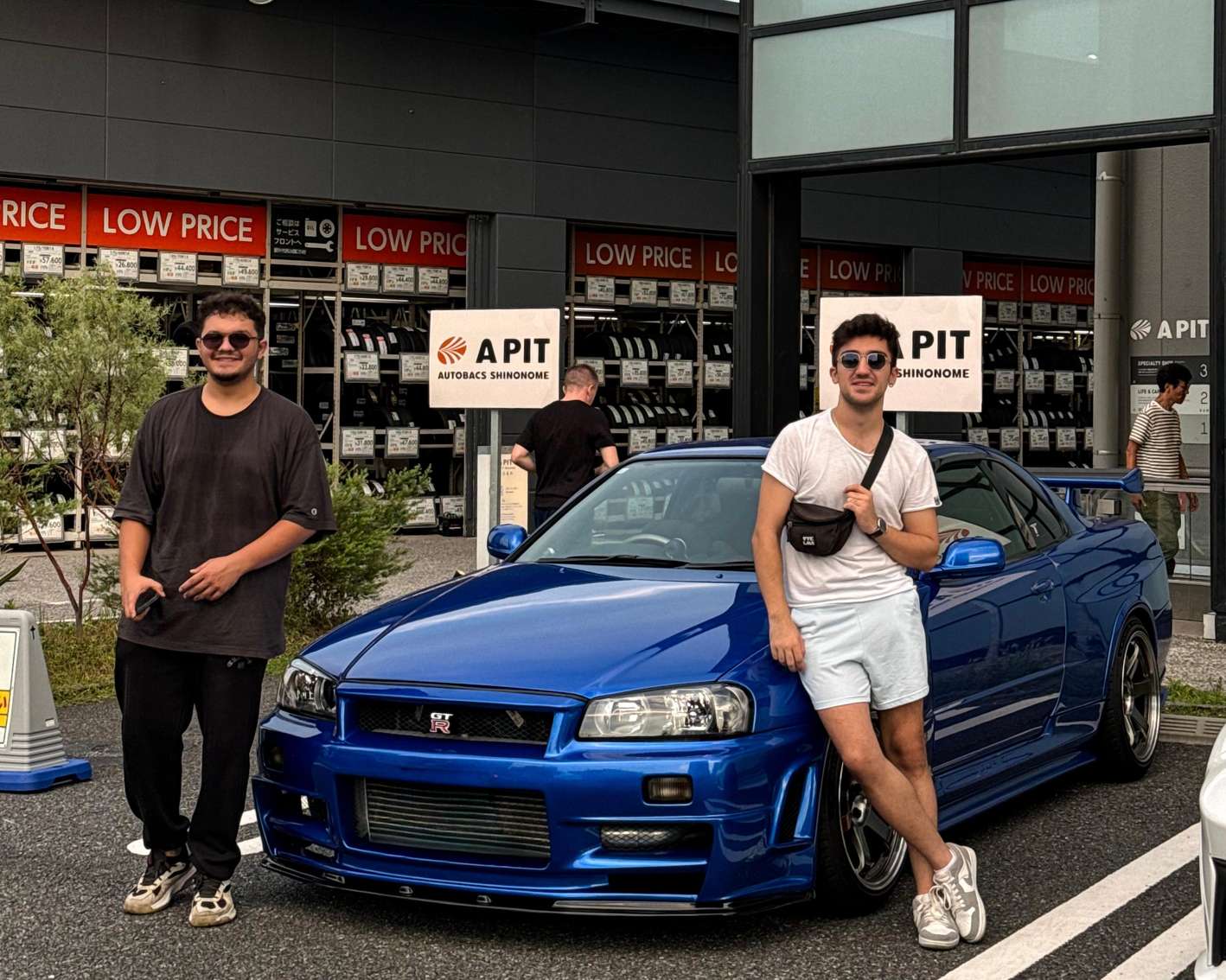
The meet runs late, so spend the daylight. A-PIT Autobacs Shinonome stacks three floors of tuning parts, wheels, books and the HKS GATE showroom, reachable by train and open through the afternoon.
Pro tipBook any reservation-only heritage collection before your flight; same-day visits rarely work.
Other hours fill easily: Nissan Crossing's simulators in Ginza, the STI Gallery in Mitaka, Liberty Walk Harajuku, or Up Garage branches for secondhand parts hunting.
Tours staging near Yokohama put the waterfront within reach too: the Nissan Engine Museum ten minutes away, Harbor View Park's overlook, and the marine tower for a pre-meet dinner view.
Some factory sites, like the Nismo heritage collections, want reservations booked ahead, so plan those first and let the flexible stops fall in around them. By the time the meeting time arrives, the night run feels earned.
Shared van or private coupe is the first choice. A private booking reserves the car for your group alone, lets you steer the route and pins a model, while shared rides cost less and still deliver the full night. Passengers on any chauffeured tour need no license or permit.
Common mistakeBooking a shared ride expecting a specific model. Guarantee lives only on private plans.
Temper what you are promised. Only select private plans guarantee a specific car; operators can substitute for maintenance, breakdowns or group size, so treat a named R34 as likely.
Check seat physics too: 2+2 rear benches in cars like the Skyline and GT86 are cramped for adults, and some builds cap passengers at 100 to 120 kg or 180 cm. Kids face age minimums on several tours, and under-eighteens may need an accompanying adult.
How to choose a JDM car meet tour
Check
Why it matters
Our pick
Guaranteed car model
Substitutions happen for maintenance and demand, so a named car depends on the day
Private plans pin the model, so book the private tier if the car matters to you
Seat fit
Tight bucket seats and short rear legroom punish tall or heavy passengers
Check each vehicle's limits before you pay
Tolls and fuel included
Self-drive rentals bill these separately at the end
Both crossings and driving costs fold into the base booking
Child rules
Age minimums and child-seat law apply to modified sports cars
Read the age policy on each option before committing
What to carry
The island has shops but no shelter from a cold bay wind
Passport, closed shoes and a warm layer go in your bag
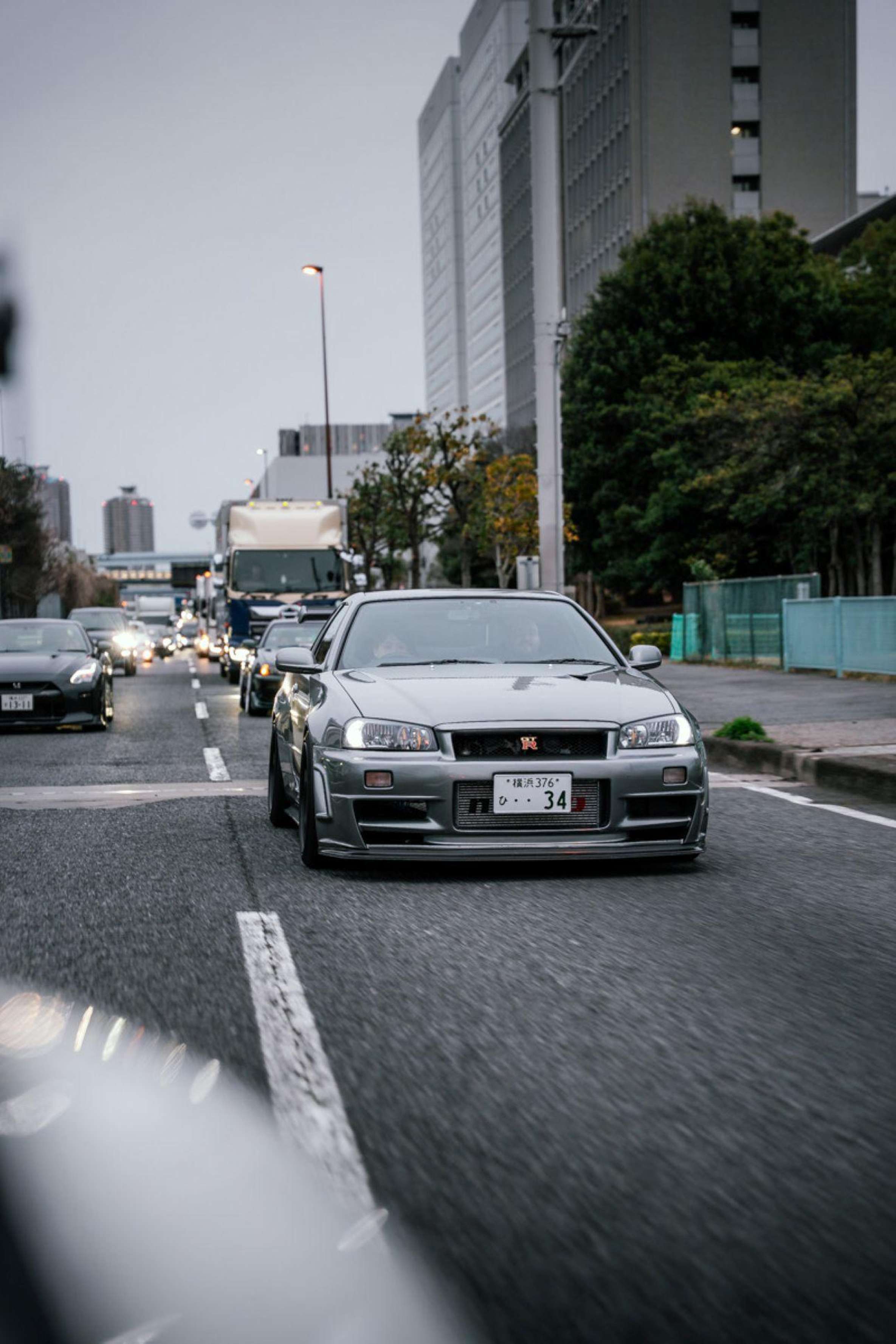
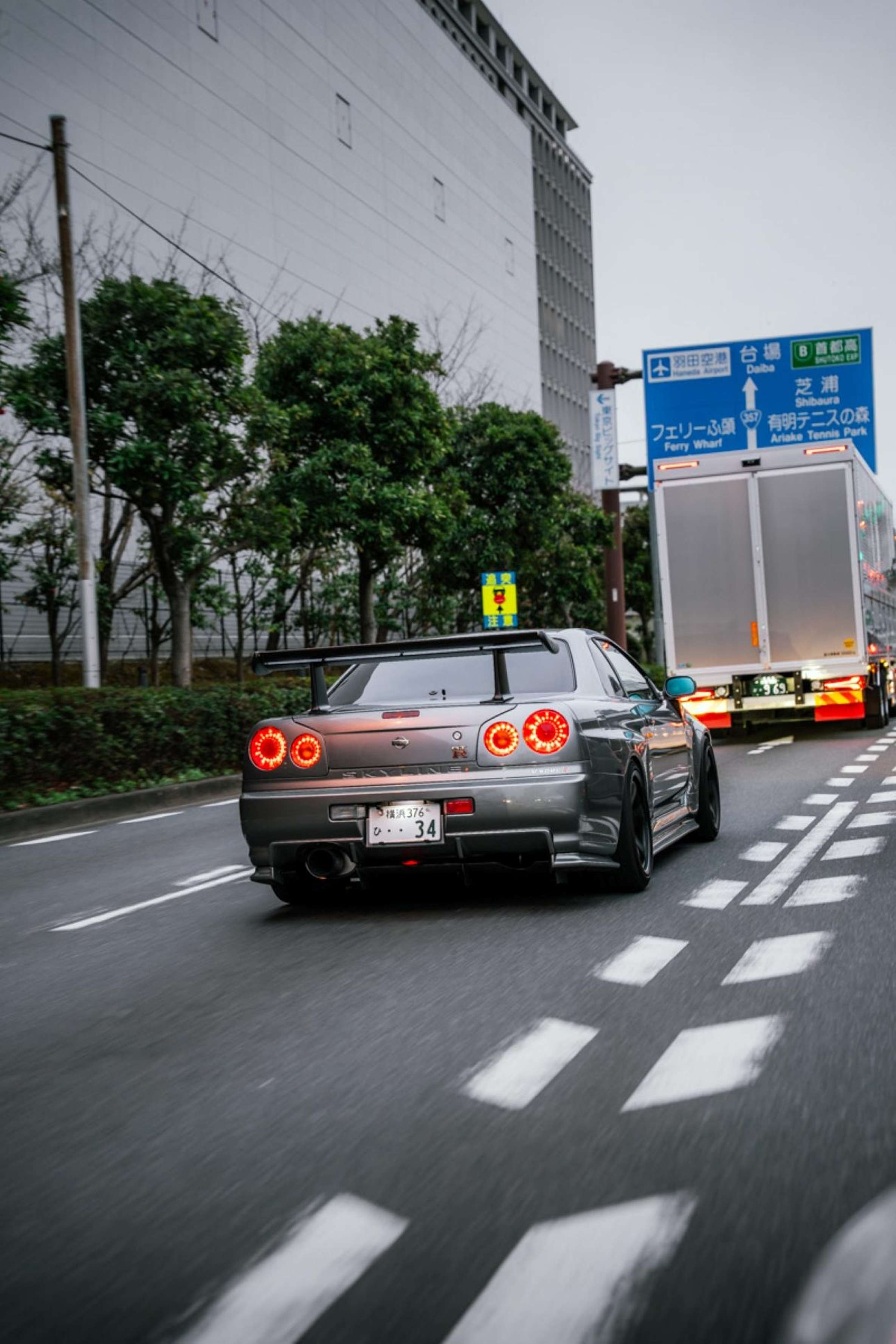
Nothing sold on this page runs Umihotaru itself, so the nearest match is the Tokyo: JDM R34 Skyline drive & Daikoku PA car meet out of Yokohama: a professional driver in a Brian O'Conner-style R34, tolls and fuel included, and drivers who reroute across the bay to Umihotaru when Daikoku closes.
Its three- and four-hour private options allow route requests.
Tour for this
Tokyo: JDM R34 Skyline drive & Daikoku PA car meet4.9★ (267) · 3 - 6 hours · Hotel pickup · Free cancellation
Umihotaru rewards the flexible traveler: Friday or Saturday after 9 pm, a ride that includes the return, and patience with a meet that has no calendar. Book a guided crossing, dress for sea wind, and let the island deliver what it reliably gives, the strangest and calmest backdrop in the Tokyo car scene.
Go ifYou want Friday or Saturday late-night car culture with a bay backdropYou value a calmer, less crowded meet than the mainland lotsThe Aqua-Line tunnel and bridge crossing excites you as much as the cars
Skip ifYou expect a scheduled, guaranteed show on a weeknightYou cannot ride in a tight sports car for three hours or moreA typhoon forecast hangs over your only free evening
Our pick to book
Tokyo: Daikoku or Umihotaru Tour (Silvia S15, GR86, 370Z)4.6★ (186) · 3.5 - 4 hours · Hotel pickup · Free cancellation
Umihotaru parking area car meet questions? Here are your answers
Short answers to what travelers ask before heading out to the island.
Kisarazu2026
You come out of the tunnel 60 meters under the bay and the island opens up around you. Pack a jacket; the sea wind cuts through after dark.
Is there an official schedule for the car meet at Umihotaru PA?
No. Umihotaru is a public rest stop on the Tokyo Bay Aqua-Line, and gatherings are informal and unticketed. News of meets spreads through social media, sometimes only days ahead, so there is no calendar to check.
When do Umihotaru car meets draw the biggest crowds?
Friday and Saturday nights, between 8:30 pm and midnight. The busiest window runs from 9:00 to 10 pm, often because cars leaving an early police closure at Daikoku PA arrive across the bay. Weeknights stay quiet, with only passing vehicles.
Which parking level do the modified cars gather on?
Most owners set up on the third-floor parking deck, one of the covered levels on the island's lower floors. Start your walk there, then work through the other decks.
Why do so many cars end up at Umihotaru instead of Daikoku?
The Aqua-Line sits under a separate operator from the Shuto Expressway, so a police closure at Daikoku sends a stream of drivers straight across the bay to Umihotaru. Crowds here build later in the night as mainland lots empty out.
Can you reach Umihotaru PA by train or bus?
The island sits in the middle of Tokyo Bay on a bridge-and-tunnel expressway, so you arrive by car or highway bus. When strong winds close the Aqua-Line, buses suspend service or divert over land routes.
What happens if the Tokyo Bay Aqua-Line closes?
Strong crosswinds, usually around 20 meters per second, can shut the bridge, and everyone on the island is asked to leave. Shops close one by one, though 24-hour stores stay open. Tours that find both stops closed pivot to alternatives like A-PIT Autobacs Shinonome.
Is Umihotaru worth a weekday visit when no big meet is planned?
Recent visitors describe everything from a lot of nice cars to a fairly quiet night, so weekday activity shifts constantly. Come for the bay setting and the chance of spotting something good, and treat any gathering you find as a bonus.
What photo rules apply at the Umihotaru car meet?
Ask before photographing cars or people, especially close-ups of engine bays and interiors. Leave the cars untouched, keep flash off moving vehicles, keep tripods clear of walkways, and skip drones entirely. Drones are banned on the island.
How do tolls work if I turn around at Umihotaru?
Drivers returning to their starting point pay a one-way toll. With ETC, keep your card in the onboard unit for wireless drive mode; without it, pay at the toll machine in the Umihotaru booth and follow the signs back toward Kawasaki.
Do police check cars coming onto the island?
They can. Police and shaken inspectors sometimes filter incoming cars at checkpoints, looking for illegal modifications such as unapproved exhausts. Gatherings have led to temporary closures here too, including one southbound shutdown of about 90 minutes after roughly 100 modified cars arrived.
Are the Umihotaru meets organized or ticketed events?
Neither. No clubs or teams run them, no tickets exist, and there is no organizer to cancel in bad weather. They are informal get-togethers at a working rest stop, which means turnout and the cars you see change every night.
Cross Tokyo Bay to a car meet at the Umihotaru parking area in a Silvia S15 or GR86!
Ride the Aqua-Line to an island meet with a private Silvia S15, GR86 or Fairlady Z, with free cancellation up to 24 hours ahead.