

3.5 hours·English, Japanese
4.9(977)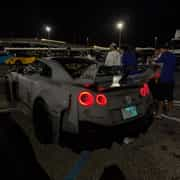
Daikoku:Experience Tokyo's Car Culture in Iconic JDM Cars
Option: Street Racer Experience
Free cancellationHotel pickup includedSnap unlimited photos with our cars

Never show up to an empty lot. Check the weekly schedule for Daikoku PA and the city's night meets, then time a guided JDM ride to arrive at peak hours, with hotel pickup, expressway tolls covered and a driver who reroutes when police close the ramps. Pick your night and lock in a seat.
"Our hosts showed us Tokyo's JDM scene from an insider's view. Some spirited driving and they went above and beyond to make our evenings exactly what we wanted. Thanks Manul and everyone!"
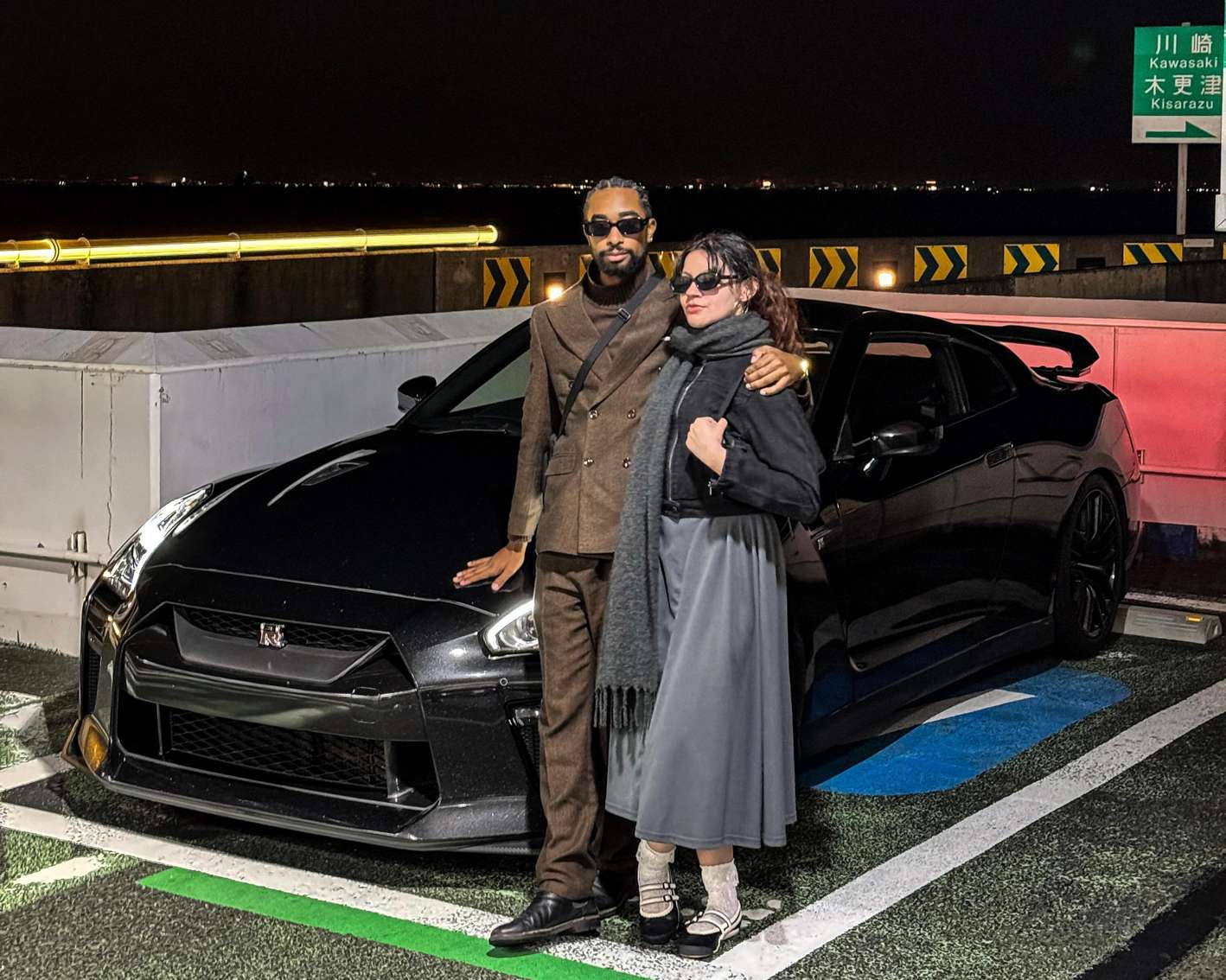
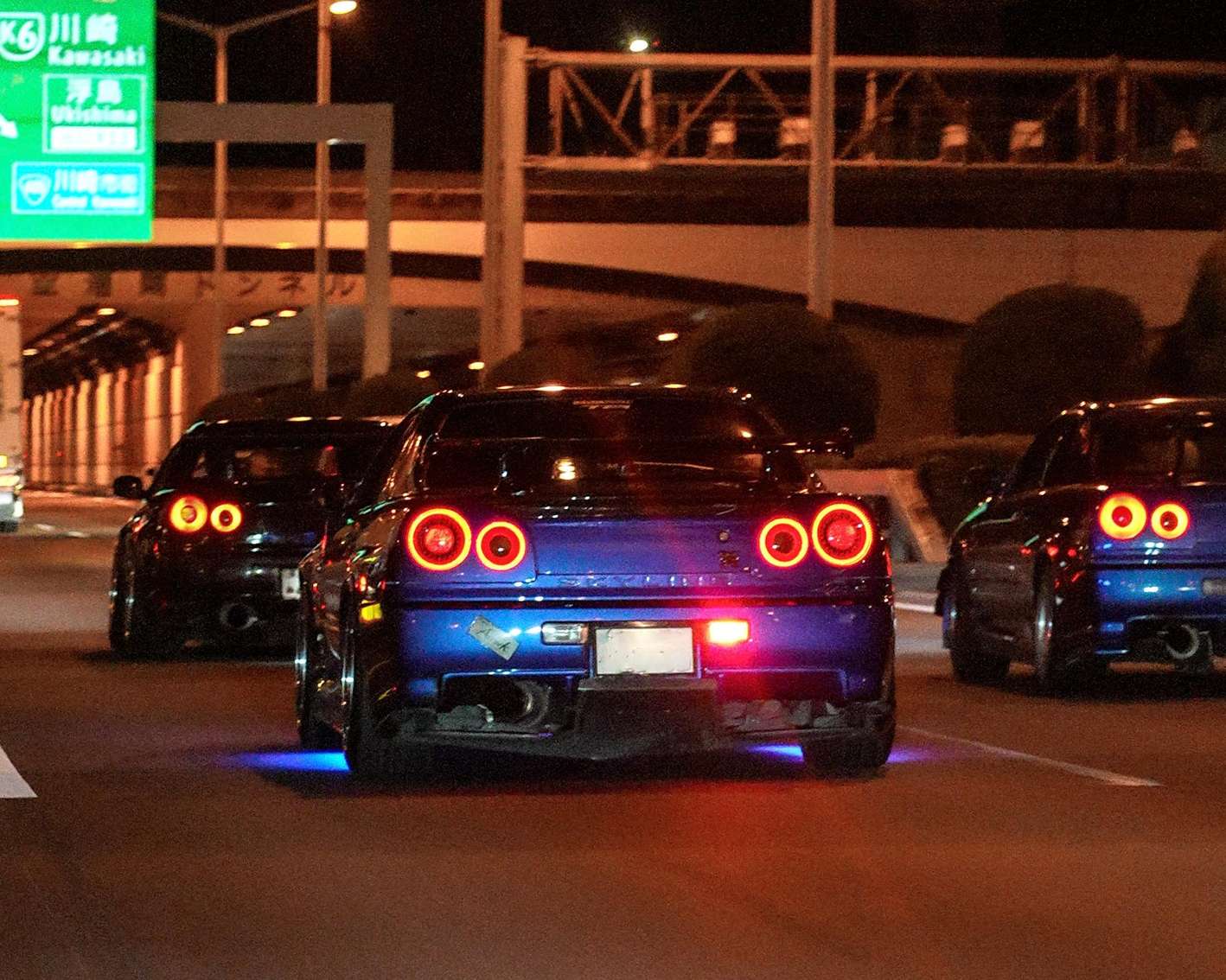
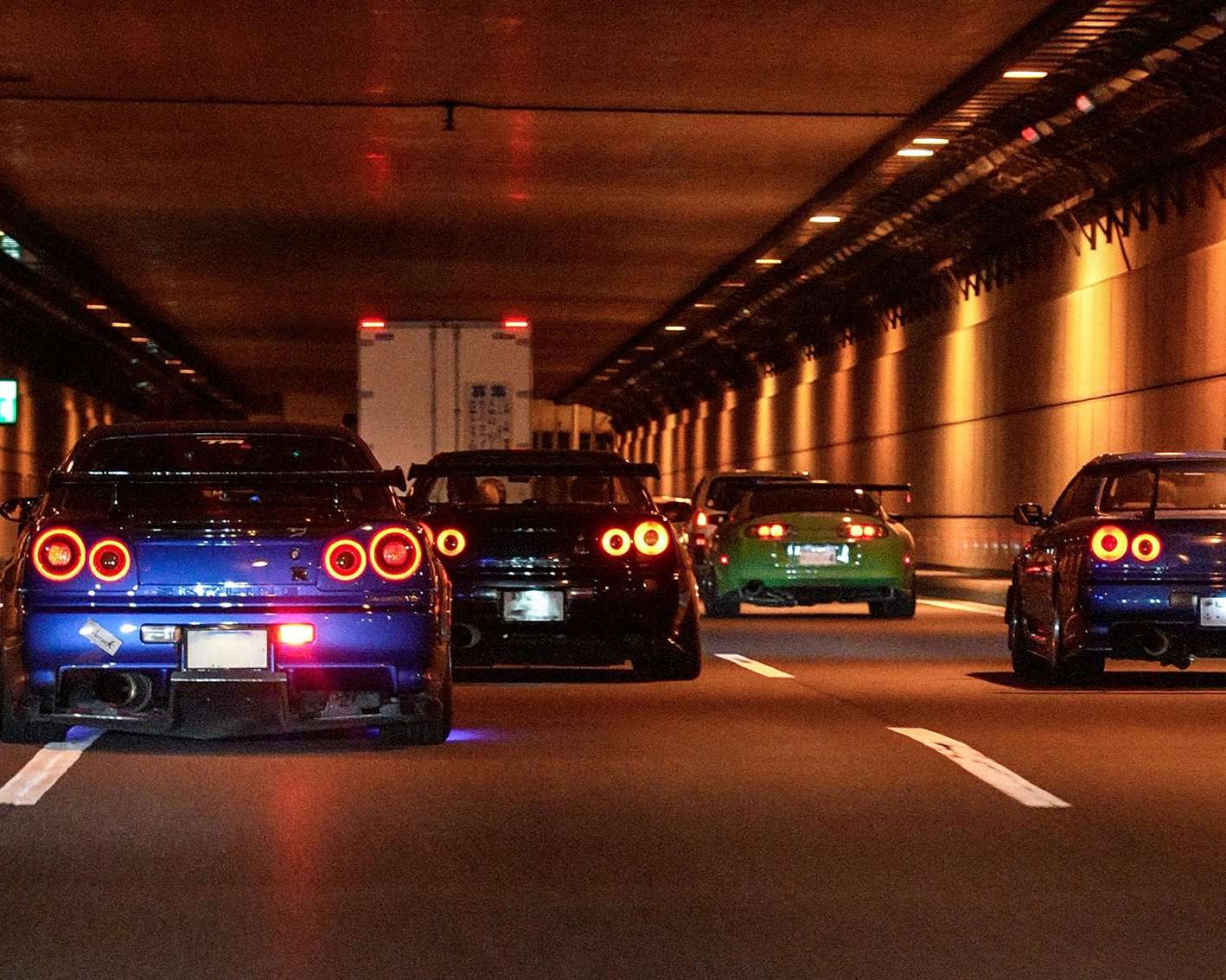

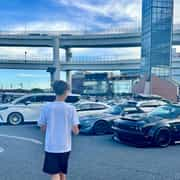
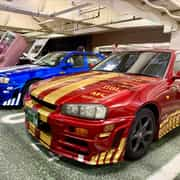
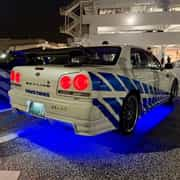
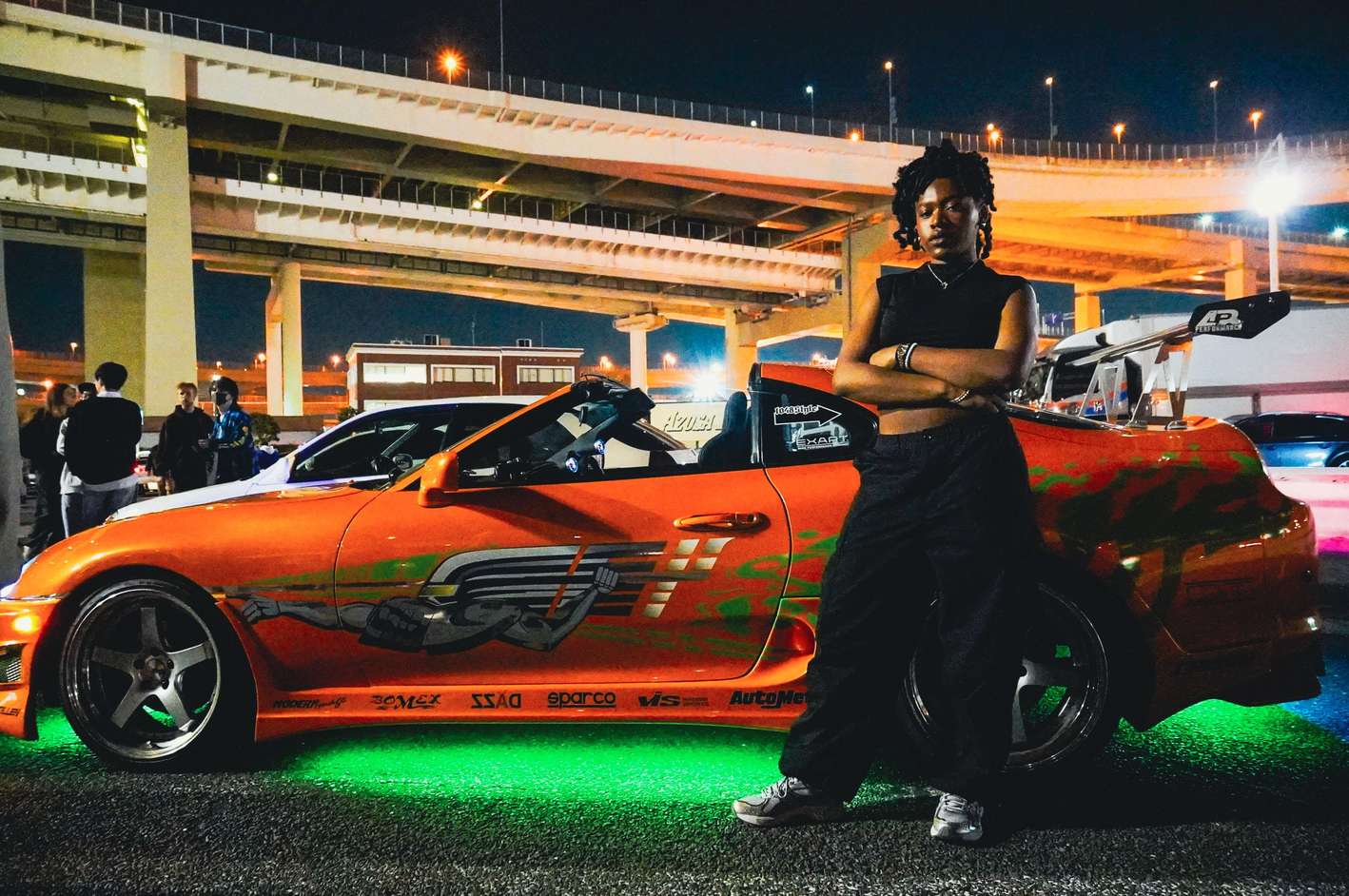
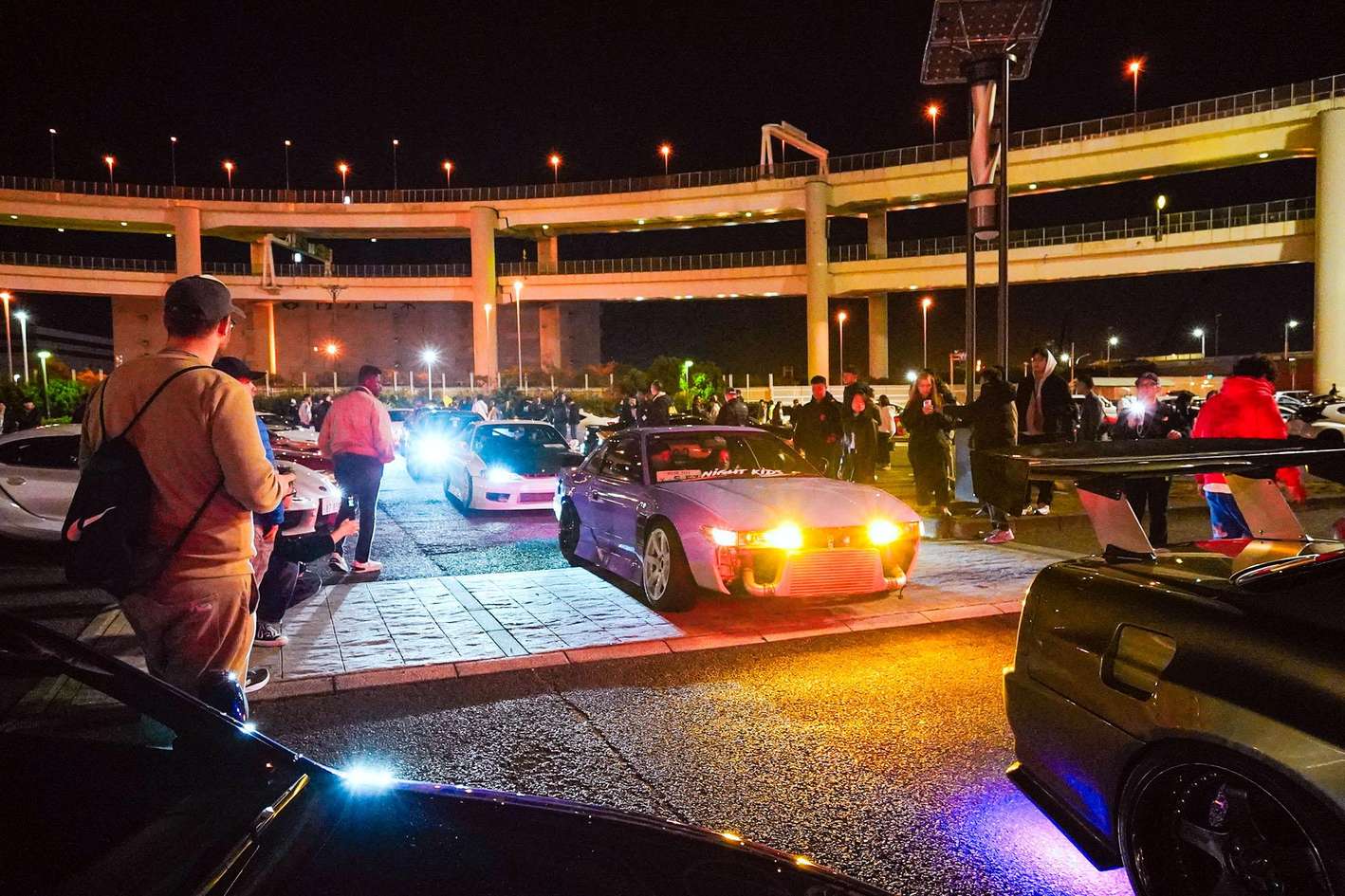
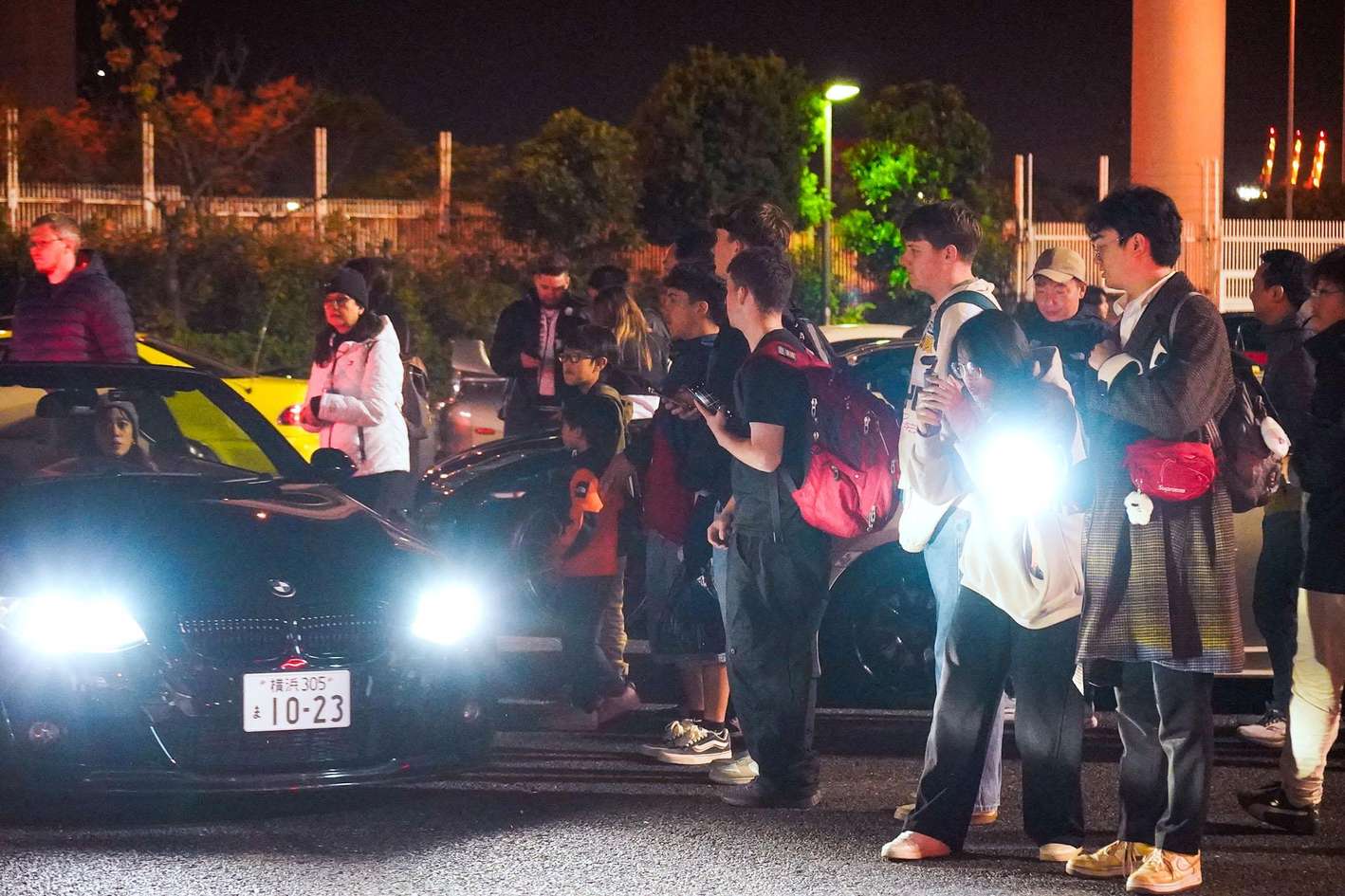
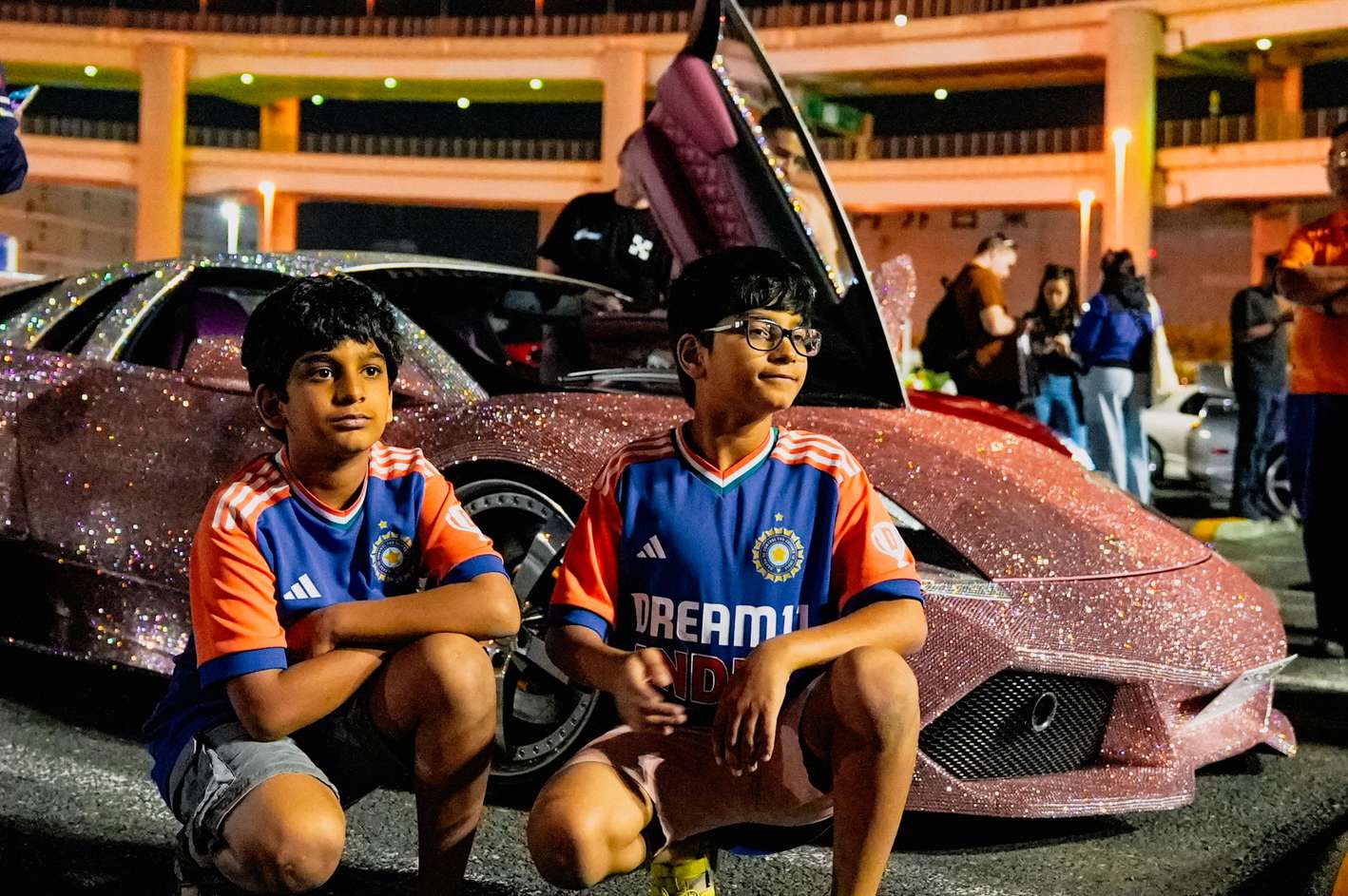
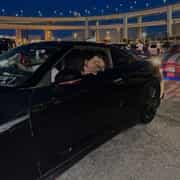
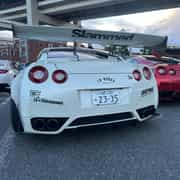
Tokyo's car meets run on an unwritten weekly clock, and turning up at the wrong hour means rows of empty asphalt. Here is the timing that decides the night.
Friday and Saturday nights draw the biggest crowds at Daikoku PA, but police often shut the ramps between 7:30 and 8 pm.
Arrive between 5:00 and 6 pm on weekends; the lot is only about a fifth full before 6 pm and fills fast after.
Monday to Thursday nights run smaller and calmer, with GT-Rs and local builds and almost no police closures.
Sunday mornings from 6 am to midday bring classics and supercars in daylight, with no shutdown risk.
You cannot walk into or out of Daikoku PA, so book a tour with a guaranteed return or arrange your own car.
Check the forecast before picking your night. On a wet evening, aim for Daikoku on a weeknight when you can, and consider a Sunday morning slot instead, since rain falls most often from March through October.
Tokyo has no car meet calendar pinned to a wall. What it has instead is a weekly rhythm, learned by anyone who goes often.
Monday to Thursday nights bring a steady, relaxed turnout of local sports cars, mostly GT-Rs and tuner builds, arriving between 7:30 and 8 pm. The lot rarely fills and police closures are rare.
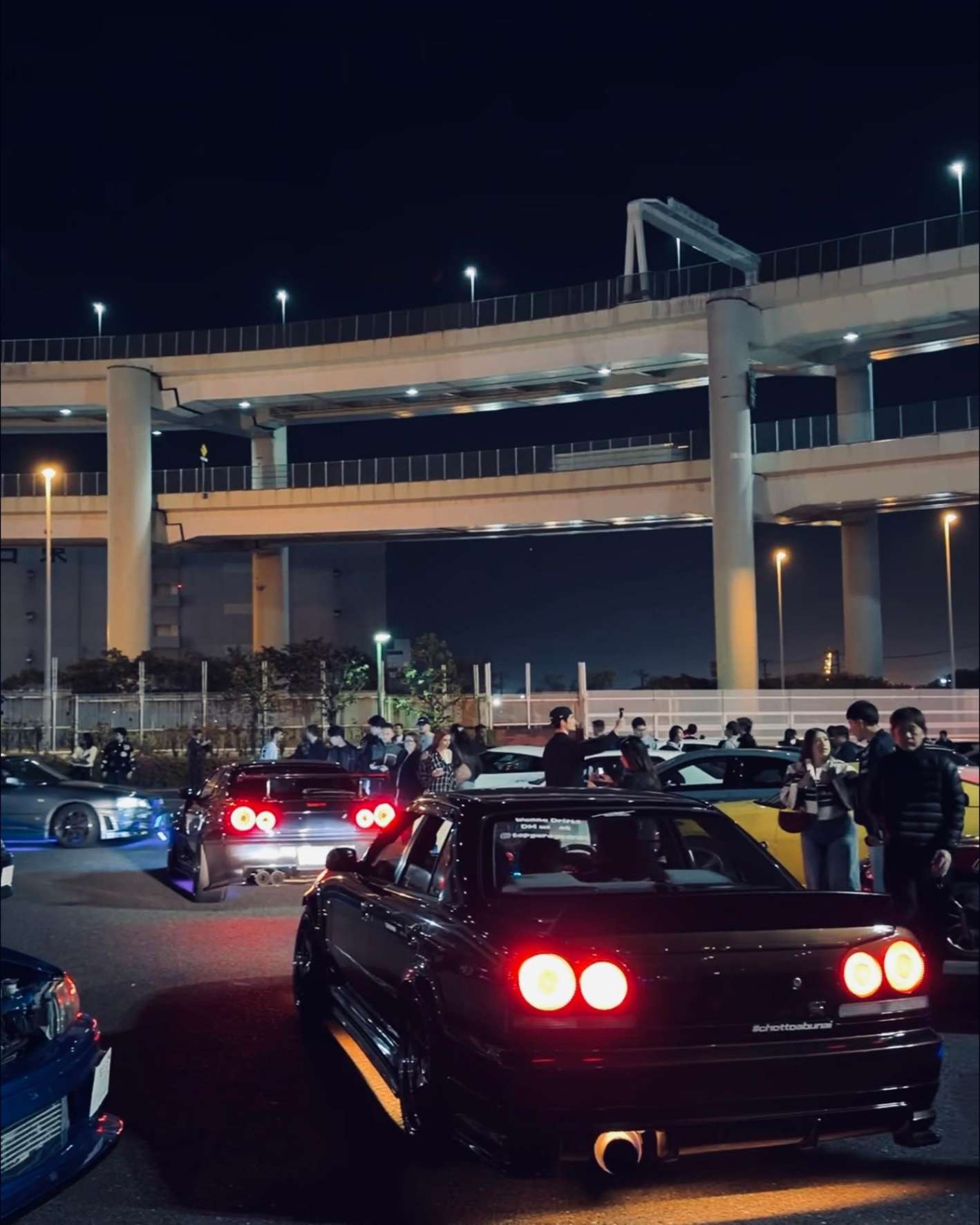
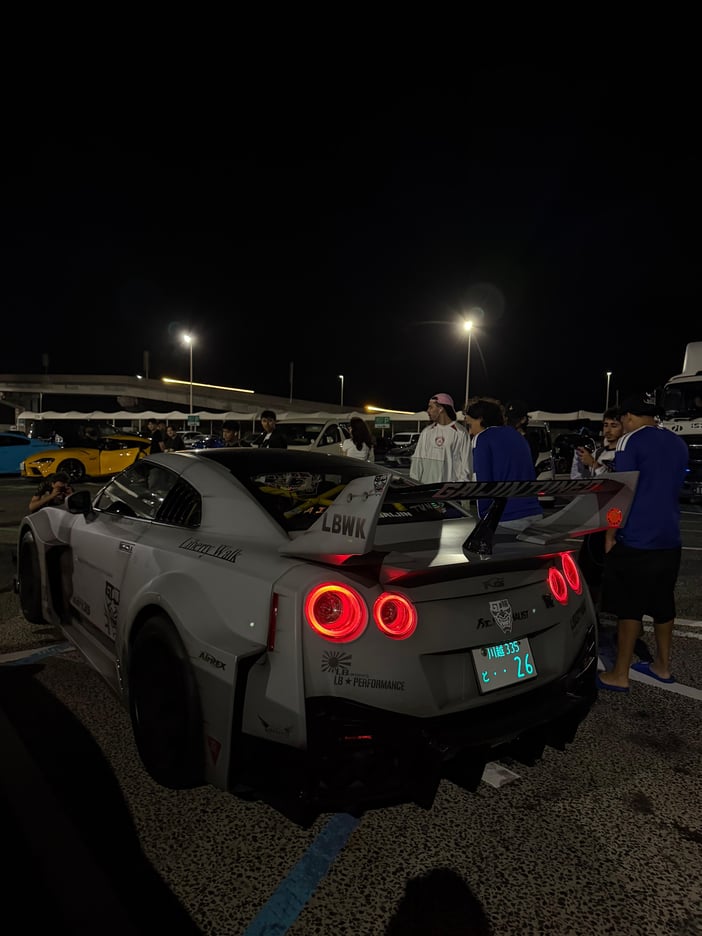
Friday and Saturday are the nights people talk about. Modified JDM street cars, drift builds and lowriders start rolling in from around 5 pm, and by late evening the decks at Daikoku PA hold the largest and most varied gathering of the week.
The trade-off is real: police frequently shut the access gates between 7:30 and 8:30 pm on those nights.
Saturday meets typically get active after 7 pm, so an early evening arrival catches the build-up. Sunday splits in two: rare supercars and classics in the morning, JDM gatherings again at night.
If a weeknight is all your trip allows, recent visitors describe fair to full lots on Mondays and Thursdays, though one quiet June weeknight disappointed a single traveler.
The lot tells the time better than any schedule. Before 6 pm on a weekend, Daikoku PA sits roughly 20% full, a scattering of early arrivals under the last daylight. Then it fills fast. The main wave of modified cars gathers from 7 pm onward, and the heaviest concentration lands around 9 pm.
You will hear two closing times quoted for weekend nights. The gates typically shut between 7:30 and 8 pm once the lot fills, and that closure lasts until around midnight or 2 am. On the fullest nights, regulars describe police restricting entry into the 8:30 to 11 pm window as well.
The two figures count different legs of the same shutdown, and both lead to the same advice: arrive between 5:00 and 7 pm. Get there at 9 pm and you may find a closure instead of a crowd.
Departure time matters as much as arrival. Leaving central Tokyo after 8 pm keeps you clear of the evening commuter jam on the Shuto Expressway, and the roads are clearest around 11:45 pm. Plan the drive around both clocks: out early enough to beat the closures, home late enough to beat the traffic.
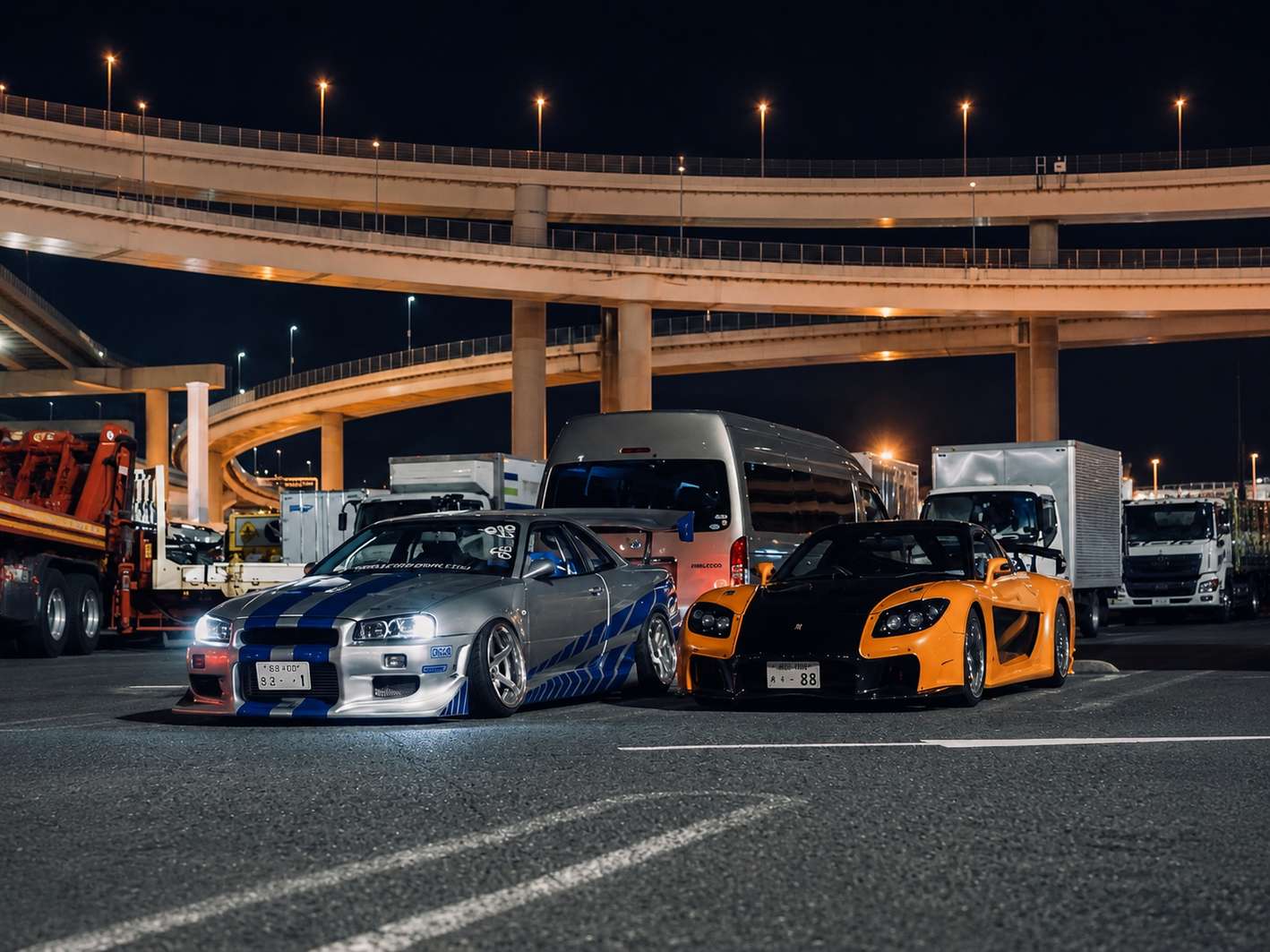
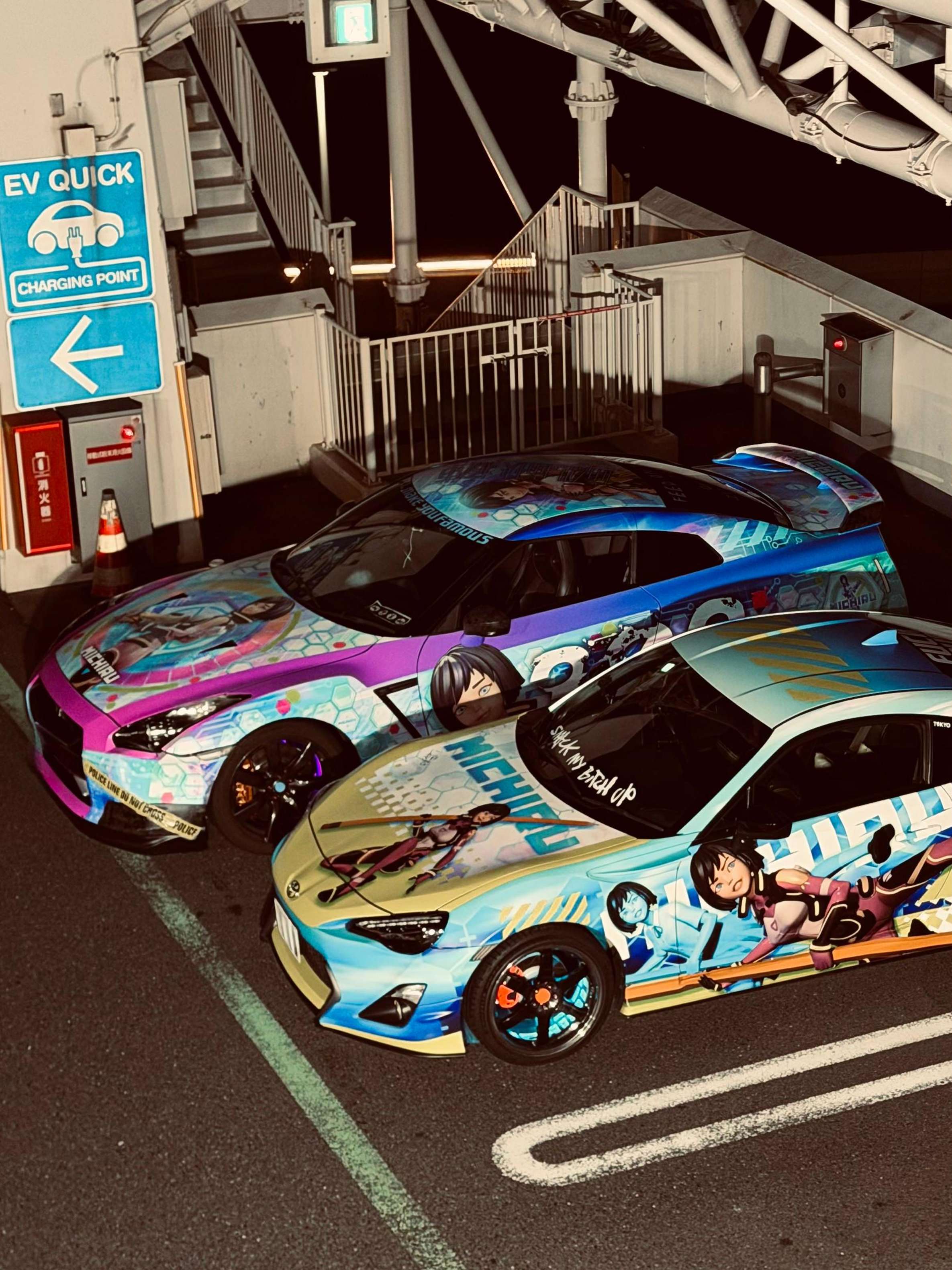
Daikoku PA is a public highway rest stop, not an event venue, so the meets have no permit and no organizer. Police clear the decks when crowds block the truck bays, when noise complaints pile up, or when the lot simply overflows.
On Friday and Saturday nights the entrance ramps typically close between 7:30 and 8 pm, staying shut until around midnight or 2 am. When the loudspeaker announcement comes, drivers clear out peacefully, and so should you.
A closure is not the end of the night. The crowd moves. Most cars cross the bay to Umihotaru PA on the Aqua-Line, which peaks between 9:00 and 10 pm as the Daikoku crowd migrates in. Tatsumi PA on Route 9 is the second choice, Shibaura PA occasionally the third.
This is where a guided tour earns its keep. The Tokyo: Daikoku or Umihotaru Tour (Silvia S15, GR86, 370Z) plans its route on the day, following where the cars actually gather, and its operator covers expressway tolls, fuel and parking. A driver who knows the migration pattern turns a closure into a detour.
| If this happens | What happens then |
|---|---|
| Police announce dispersal over loudspeakers | Everyone, tours included, complies and clears out peacefully |
| Daikoku PA is closed on arrival | Tours divert to Umihotaru PA or Tatsumi PA, where the crowd has moved |
| Heavy rain or a storm hits | Tours reschedule, reroute to covered stops, or offer a full refund |
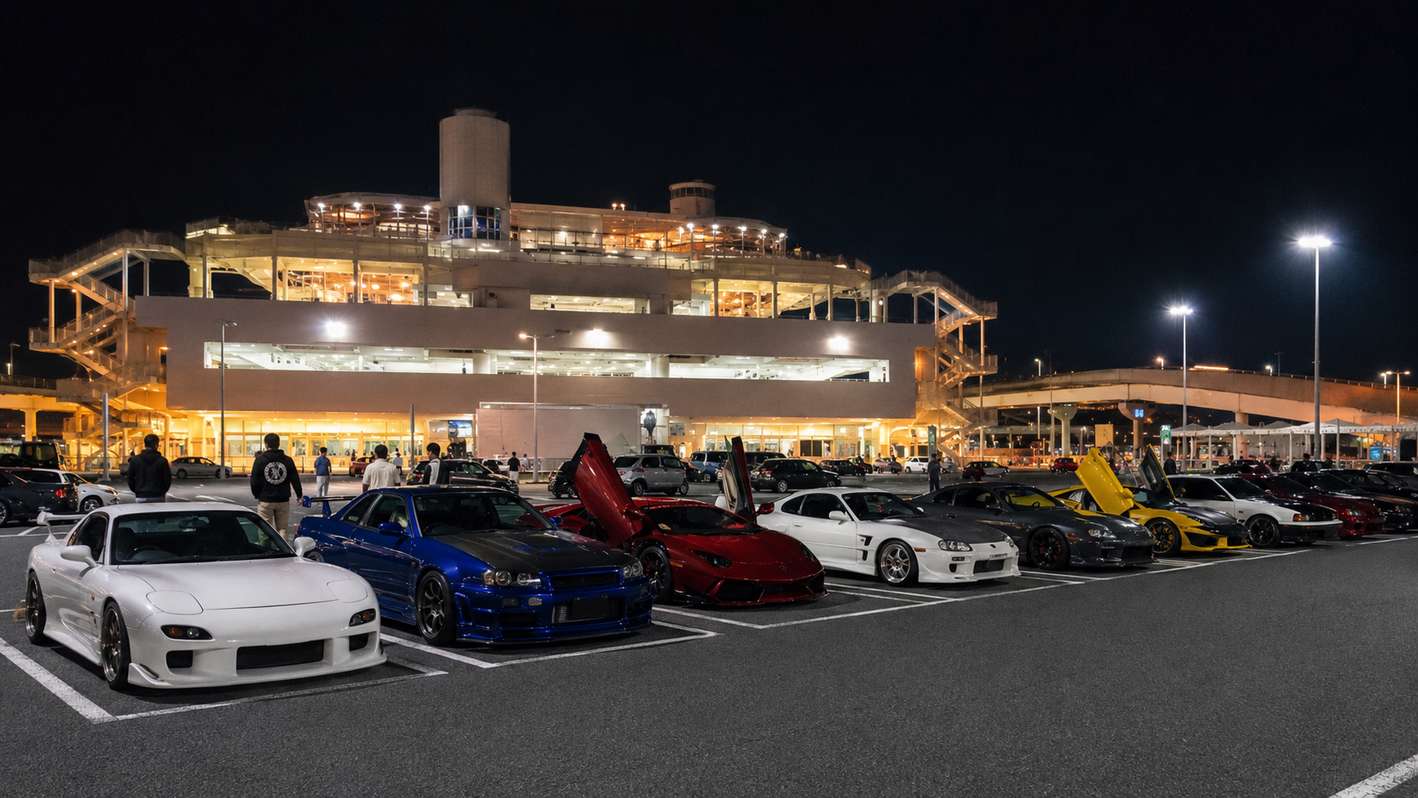
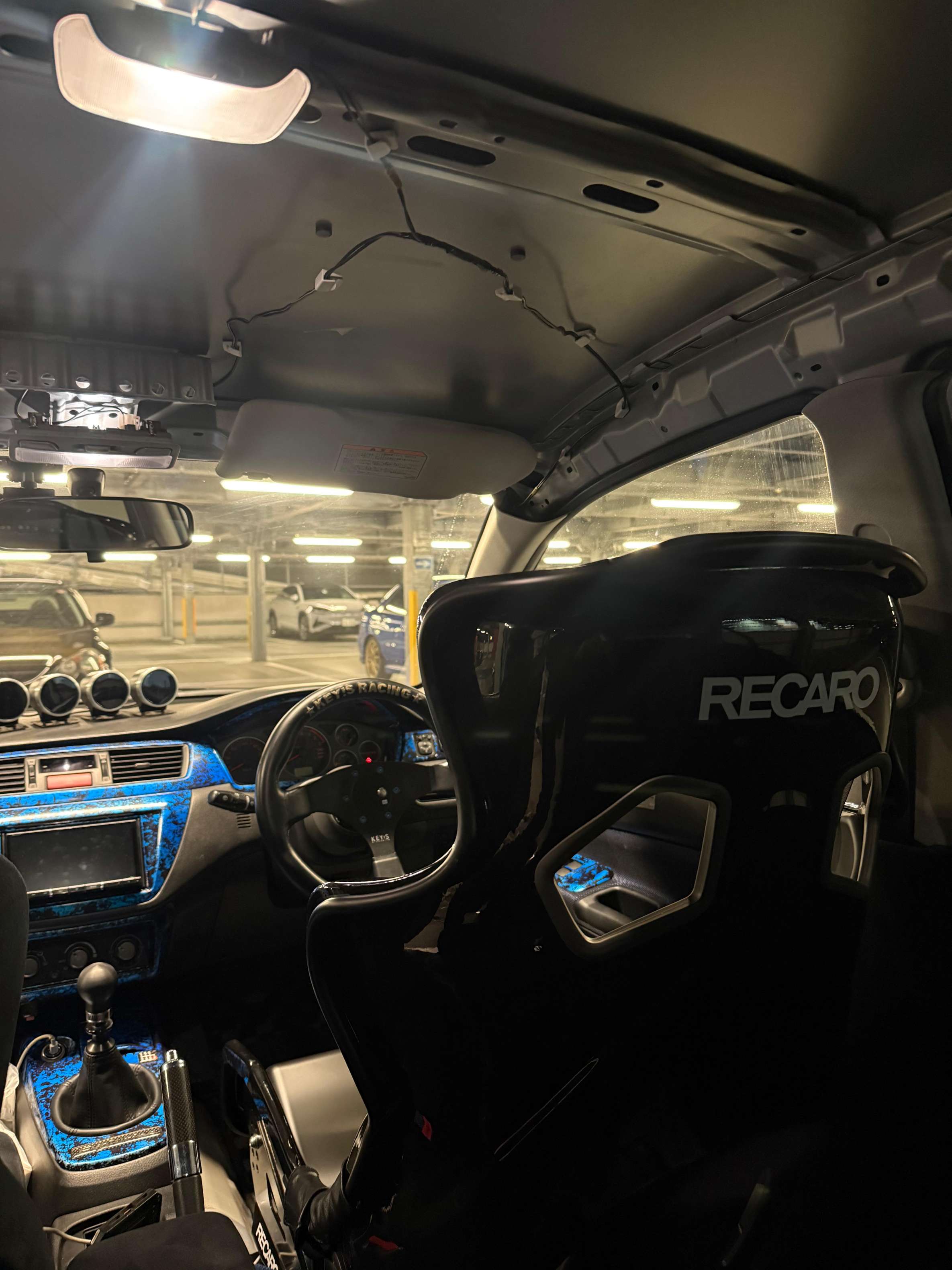
The night scene has a gentler twin. Sunday mornings between 6 am and 10 am, Daikoku PA fills with vintage Japanese classics, European supercars and exotic luxury cars, peaking from 8:00 to 10 am before owners clear out by midday for their weekend drives.
The atmosphere could hardly differ more from Friday night. Daylight, calm crowds, owners standing by their cars happy to talk, and photos that do not need a flash.
There is almost no risk of police shutting the lot, because the gathering stays small and the truck bays stay free. For a trip that cannot stretch to a midnight run, this is the slot that keeps car culture on the itinerary.
Some tours run it as a proper option: the Sunday Mornings Vibes option on the Fast & Furious Tokyo Drift III Experience, and the Sunday Morning Exotic Car Tour of Tokyo, both timed to the morning peak. If your flight leaves on a Sunday, a meet before checkout beats a wasted morning at the hotel.
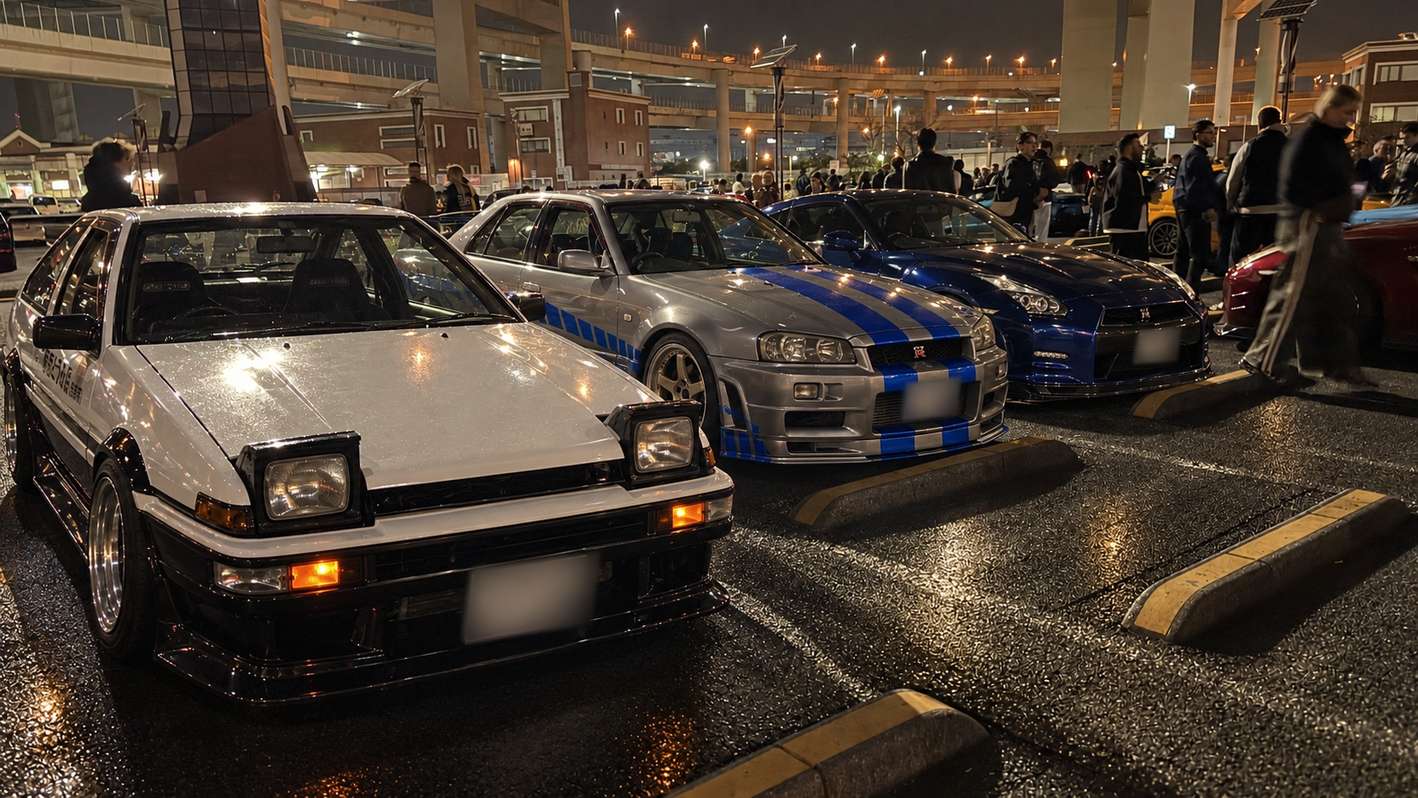
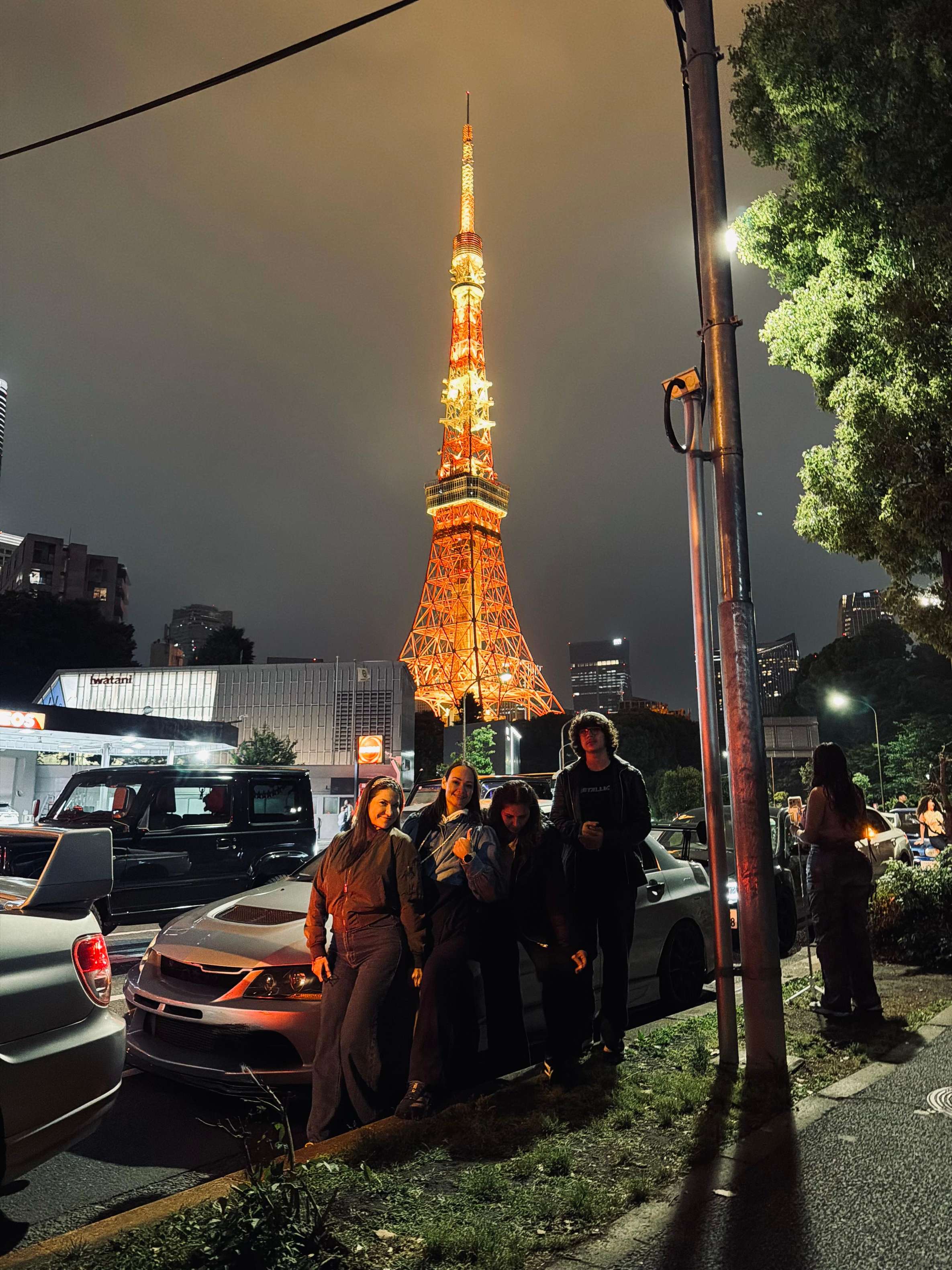
Rain is the question every planner asks first, and the answer surprises people. The meets are informal, so nothing is formally cancelled. Daikoku PA stays open in the rain, and most guided tours run as scheduled.
What changes is the turnout: exotics and show cars stay home, leaving a smaller gathering of committed regulars and local tuner cars. Wet pavement even gives photos a reflective shine. At the much smaller Tatsumi PA, rainy nights see almost nobody.
Rain falls on about 12 to 15 days a month from March through October, while winter brings only 5 or 6 wet days a month, so a damp night in May is a fair bet. A typhoon warning is different: the lots empty out completely and operators reschedule or refund.
Winter runs the meets as usual, mostly on Friday and Saturday evenings, with the Tokyo Auto Salon weekend in January reliably busy. What winter changes is you.
Bayside wind on a concrete deck makes nights that sit between 1°C and 5°C feel close to freezing, so bring layers you can shed before climbing back into a low sports car.
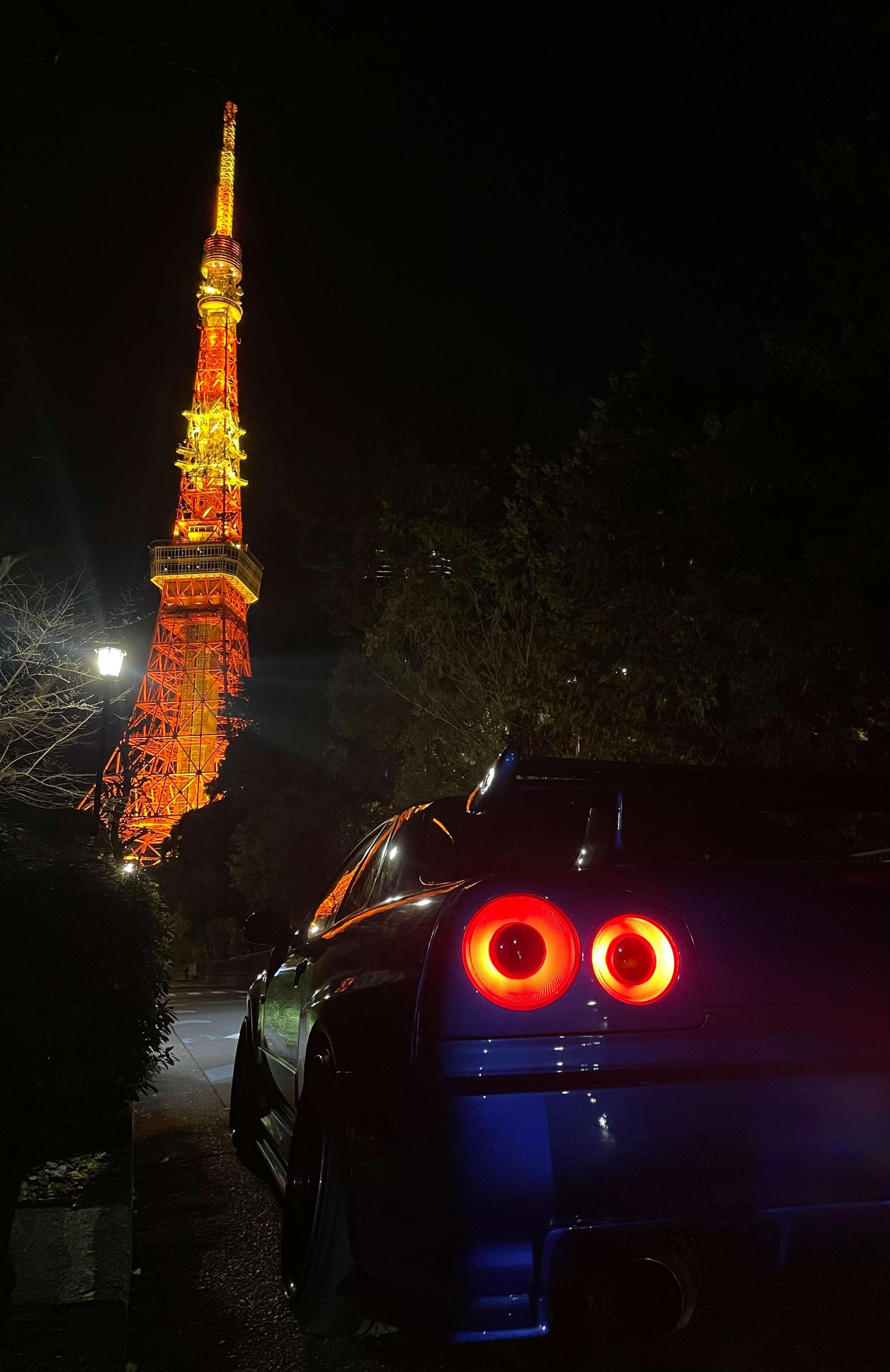
A few dates each year turn an ordinary meet into something worth planning a trip around.
Japanese enthusiasts work by chassis numbers: March 2, 3 and 4 belong to the R32, R33 and R34 Skyline GT-Rs, January 3 draws the S13 Silvias, July 7 is "7's Day" for Mazda RX-7s and rotaries, and August 6 is "86 Day" for the AE86 and its modern descendants.
The broader surges matter too. The New Year holiday brings early morning meets on January 2 and 3, and the Tokyo Auto Salon weekend in mid-January lifts activity across every parking area for nights on either side.
Two cautions from people who have done it. Official automotive events in Japan often confirm their dates and locations only about a month in advance, so a themed meet cannot be pencilled in early.
And marquee gatherings are not always free; some require advance tickets that are difficult for foreign visitors to buy. Check ticketing before you build a trip around a headline event.
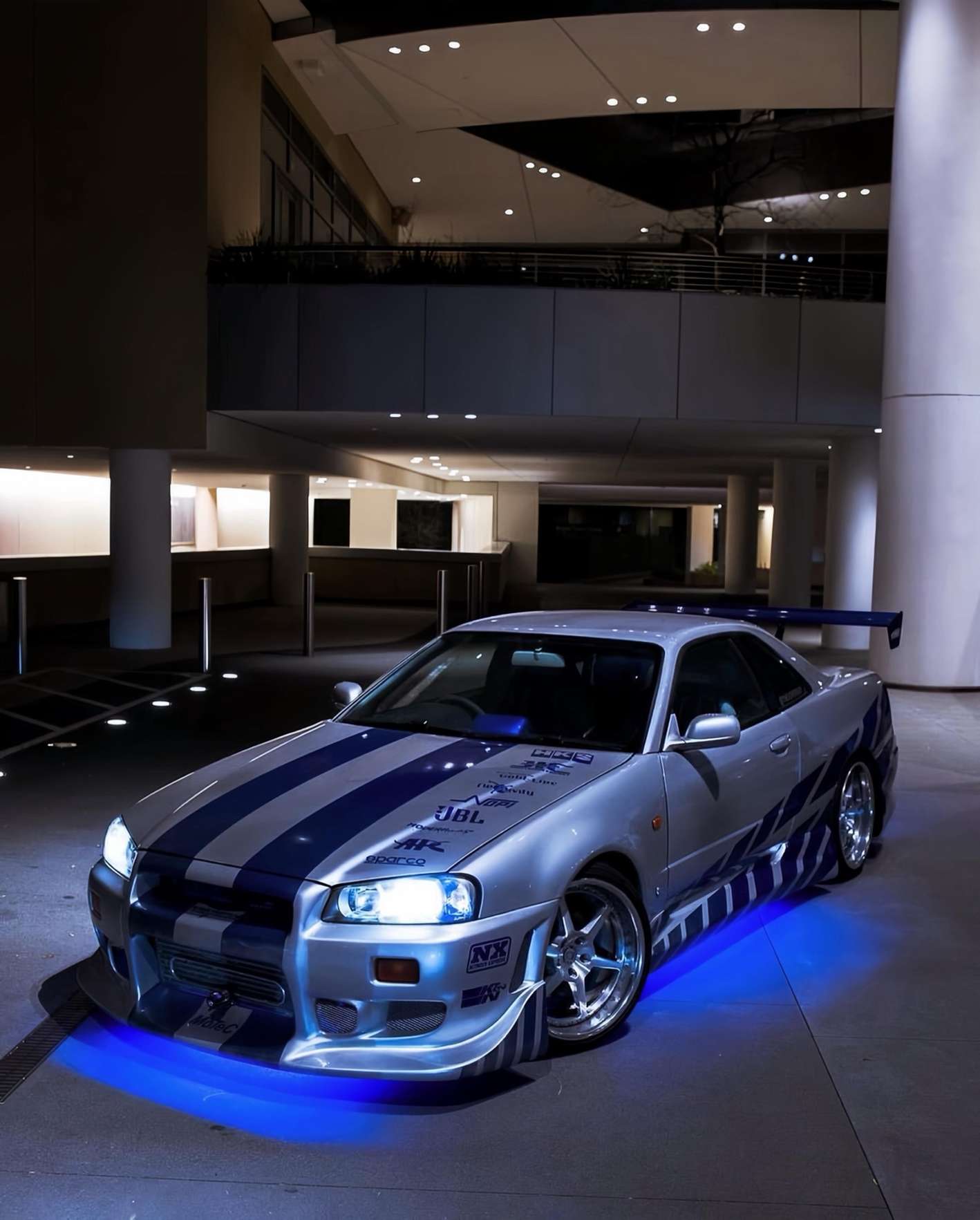
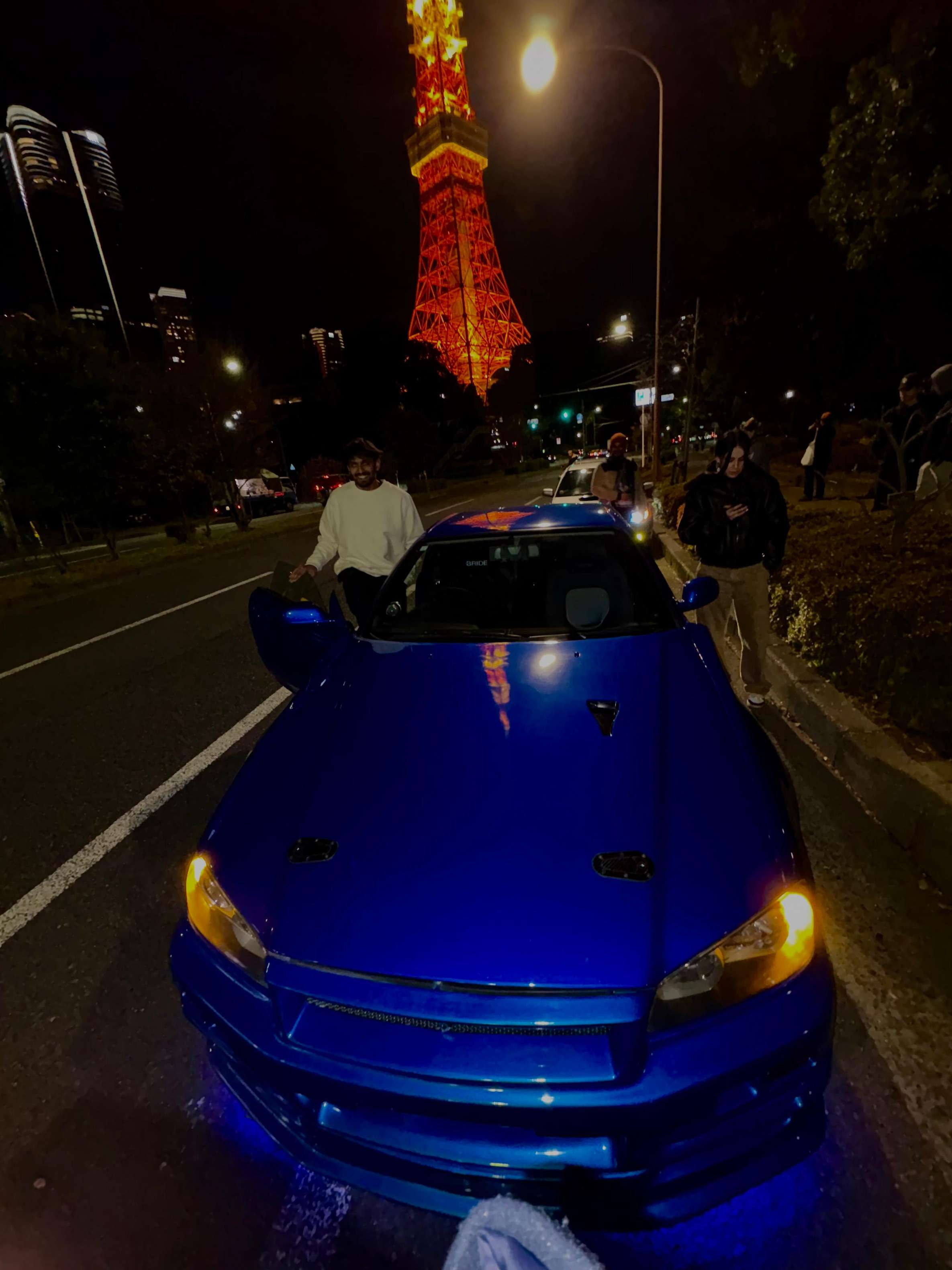
Tokyo's meets run without an official calendar, no organizer, no posted hours, which is why tourism websites and city event lists never show them. The signal lives in three places instead.
Recent video clips and social media reels posted in the last day or two show whether cars are actually gathering. Dedicated online calendars and automotive social media accounts track the public meets and the bigger events. And underground meets often leak online or get announced only on the day itself.
Plan the check for the day before your booked evening, and again that afternoon. The weekend closures move fast: a lot busy at 7 pm can have its ramps shut by 8 pm. If you are going independently, check the clips, go early, and know where the crowd moves when the loudspeakers start.
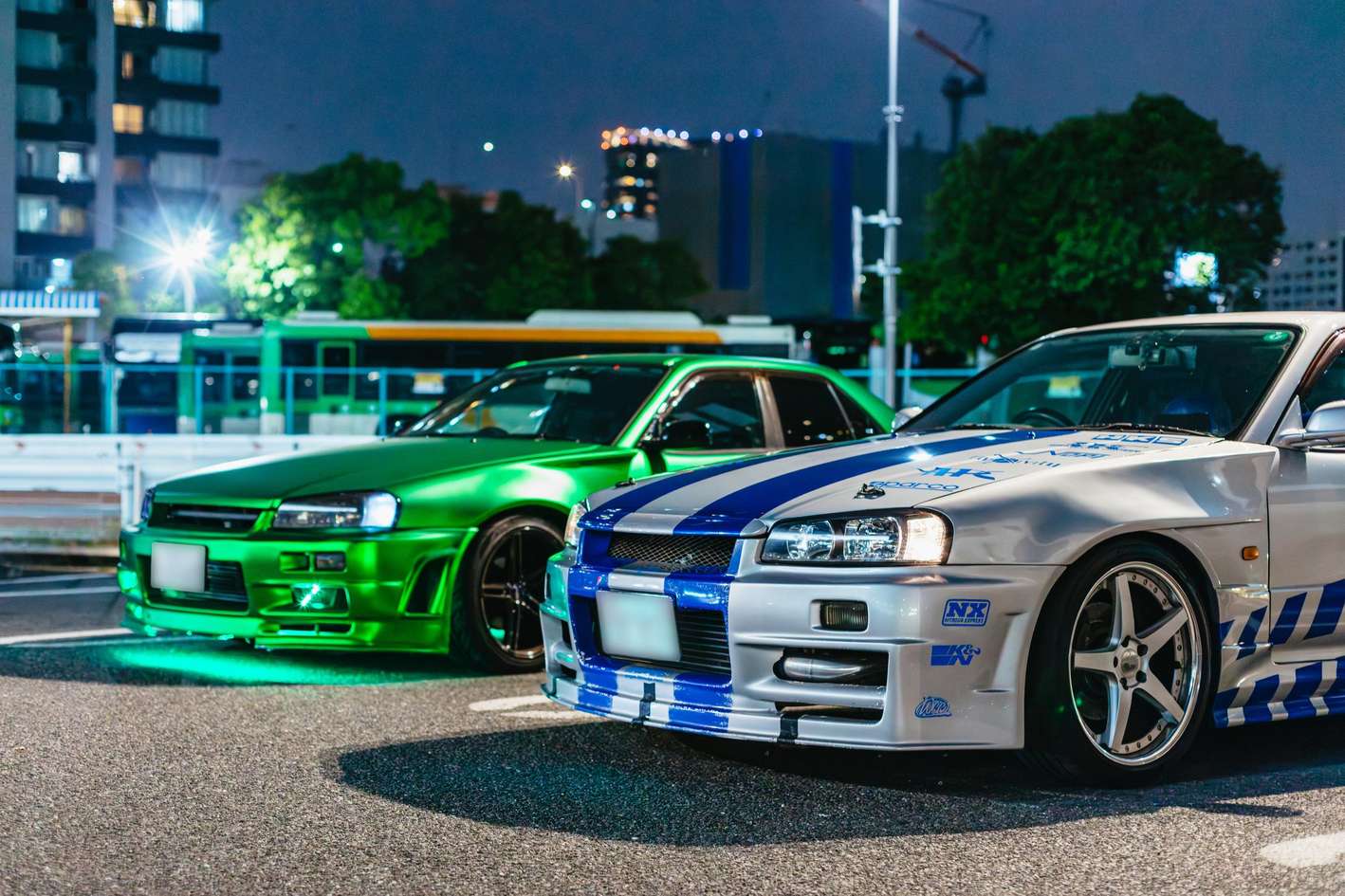
Daikoku PA strands first-timers every week. The gates are locked and fenced, there is no pedestrian access at all, and walking in along the expressway is illegal and dangerous. No train or bus goes there either. It sits inside an expressway interchange on Daikoku Pier, reachable only by vehicle.
Getting out is harder than getting in. Taxis are not permitted to pick up passengers inside the parking area, rideshare apps show no drivers there, and there is no taxi rank. Arrive by one-way cab and you risk being stranded late at night on a highway island.
That leaves three ways in. A guided tour, which handles the return for you. A taxi you negotiate in advance, where the driver agrees to enter, keep the meter running and drive you back, with highway tolls and a late-night surcharge of roughly 20% after 10 pm.
Or your own rental car, which needs an International Driving Permit or a certified Japanese translation depending on your nationality.
The Tokyo: Fast & Furious Daikoku JDM Night Tour - EVO,WRX&More removes the whole problem, with pickup across central Tokyo, a guide who narrates the meet etiquette, and a guaranteed ride home after the lot shuts.
Taxis and rideshares cannot pick up inside Daikoku PA, and there is no way out on foot Book a tour with a guaranteed return, or agree a wait-and-return fare with your driver before you set off
If the expressway logistics feel heavy, central Tokyo has its own scene, and it costs nothing to walk into. The Akihabara UDX underground garage, right by Akihabara Station, shows modified cars and classic JDM machines on foot, free for pedestrians and open around the clock.
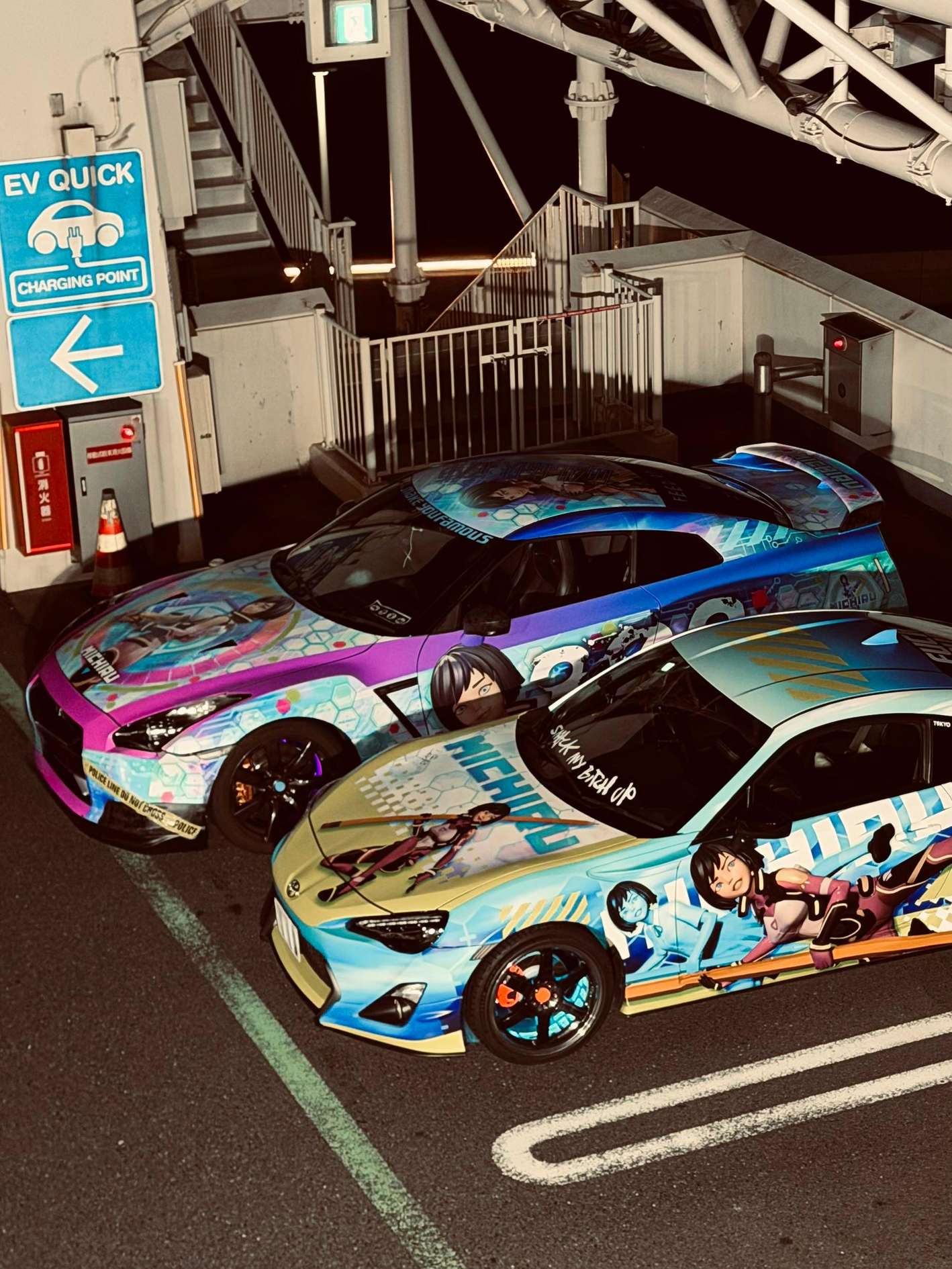
Enthusiast gatherings concentrate on weekend afternoons from 2:00 to 6 pm, sometimes 50 anime-wrapped itasha cars on a Saturday, plus Friday and Saturday evenings.
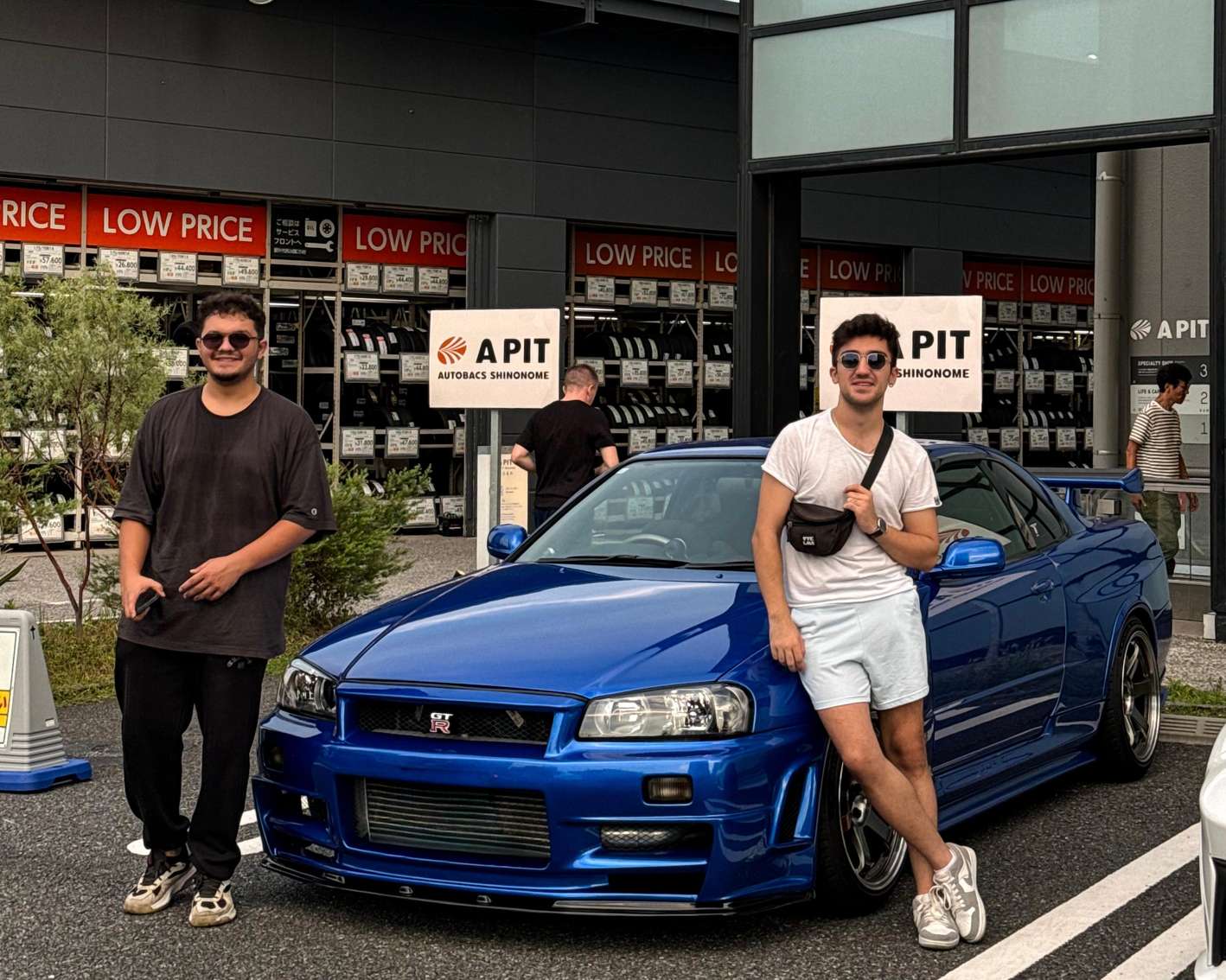
Saturday nights around 9 pm, Shibuya Carjack spreads through the streets near Tower Records, a short walk from the Scramble Crossing. Daikanyama Morning Cruise runs a themed meet in the T-SITE car park, five minutes on foot from Daikanyama Station. A PIT Autobacs Shinonome hosts evening and morning enthusiast meets in its car park.
The garage has rules worth knowing: leave the cars alone, ask before close-up photos of engines or interiors, and follow staff instructions or security will call the police.
The meets survive on goodwill, and the etiquette is simple once you know it. Never touch, lean on or sit in a car without the owner's permission, and keep watches and metal away from the paint.
Exterior photos are generally fine; ask before close-ups of interiors, and never shoot private license plates or owners' faces without asking. If someone declines, move on immediately.
The rules that protect the whole scene matter most. Revving engines, burnouts or asking drivers to perform shut lots down for everyone, so keep noise low; truckers sleep in their cabs a few metres away. When staff or police give an instruction, follow it without argument.
Language worries people more than it should. Most owners at the lots speak little English, but they are glad to talk cars anyway, and a translation app bridges the gaps. Install LINE, the app everyone here exchanges contacts with, and bring a power bank.
Comfort decides how long you last. Comfortable shoes for standing on concrete, a light jacket even in warm months, real layers in winter, and your passport, which tours ask for as ID. Ride-along passengers need no driving permit, only the documents above.
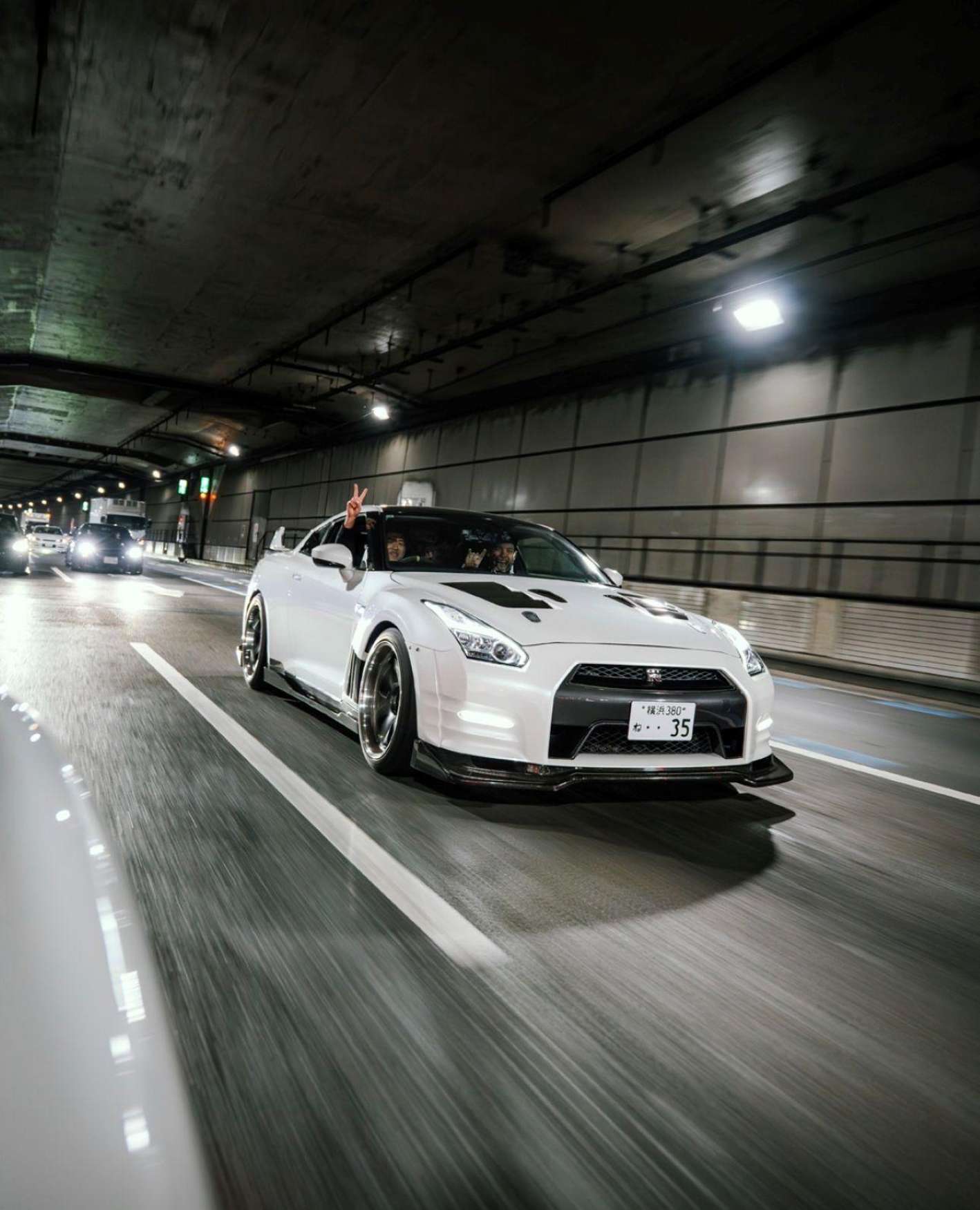
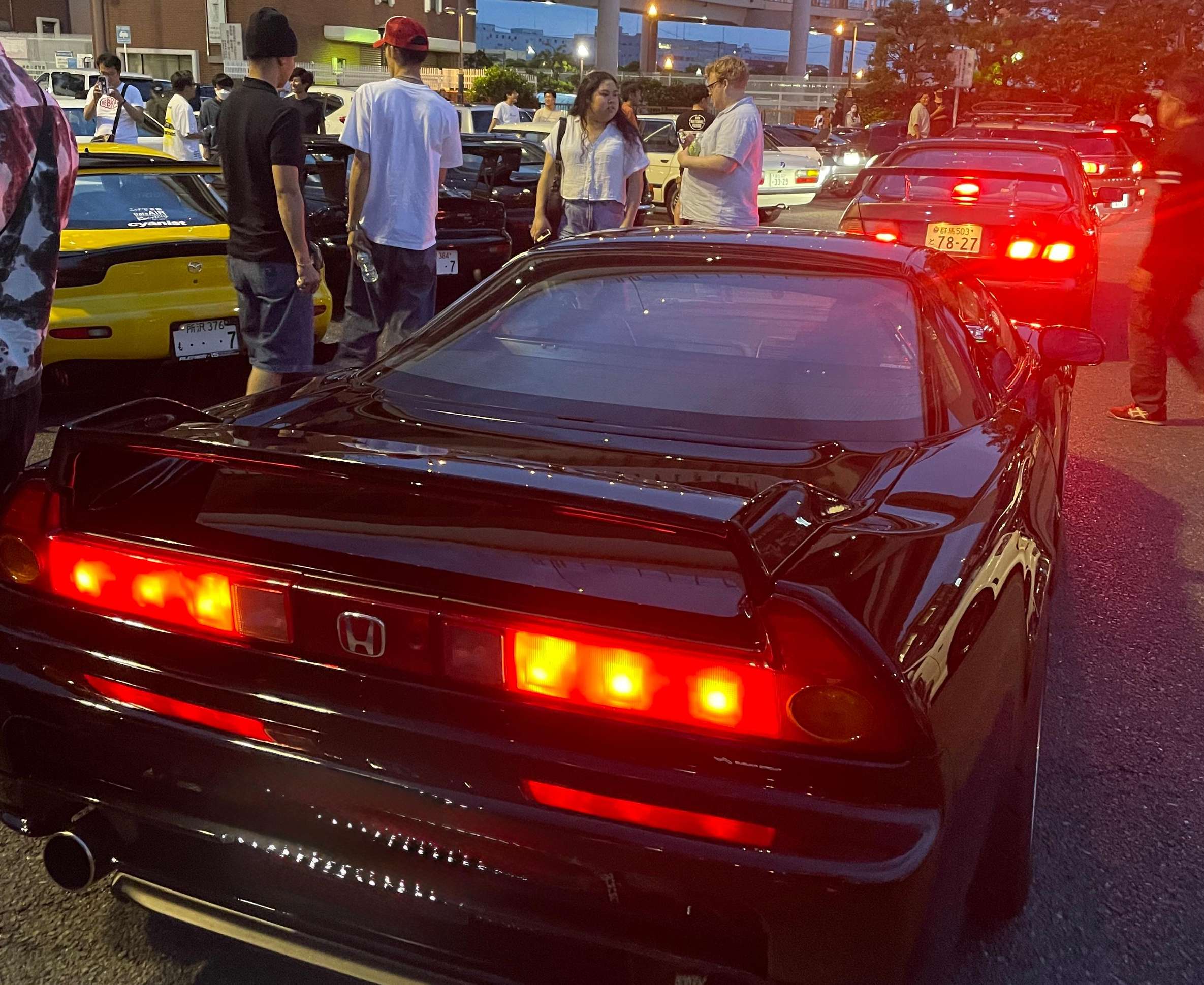
Tokyo's car meets reward timing more than anything else on the itinerary. Go on a Friday or Saturday, arrive by 6:30 pm, and you see the largest gathering in Japan; arrive at 9 pm and you may watch police clear the ramps.
A weeknight gives you calm and locals, a Sunday morning gives you classics in daylight. The one thing never to do is arrive at Daikoku PA without a ride home booked.
Get the full picture of Daikoku PA itself, from the circular deck to how a night there actually unfolds.
Working out your own route? See every way to reach the parking area from Tokyo or Yokohama, and which ones fail.
Go deeper on Daikoku's own weekly rhythm, with hour-by-hour arrival windows and closure patterns.
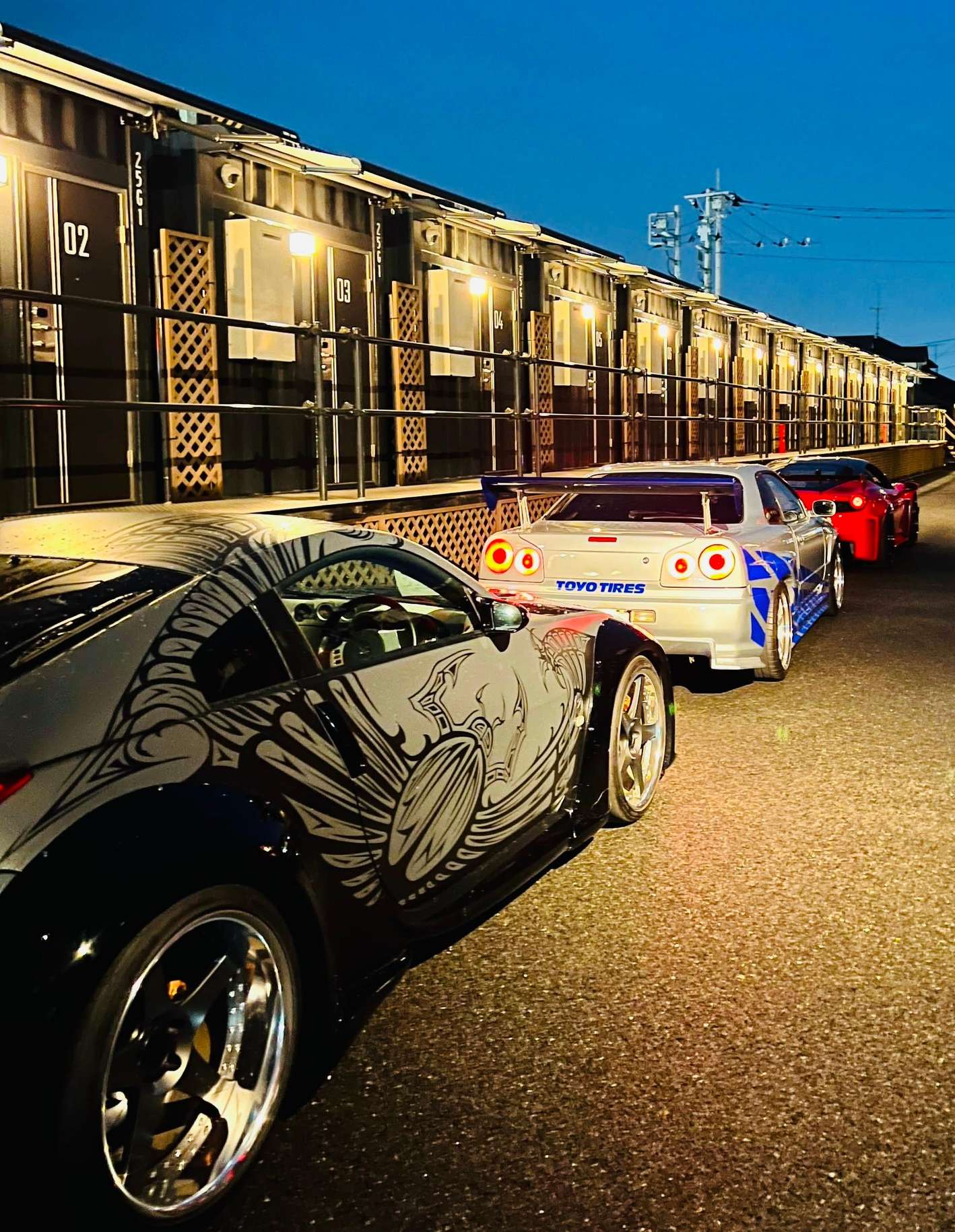
Ready to book? Compare guided night tours that drop you at the meet right when the lot fills.
Want the meet without the logistics? See how a private chauffeured trip handles timing, tolls and the ride home.
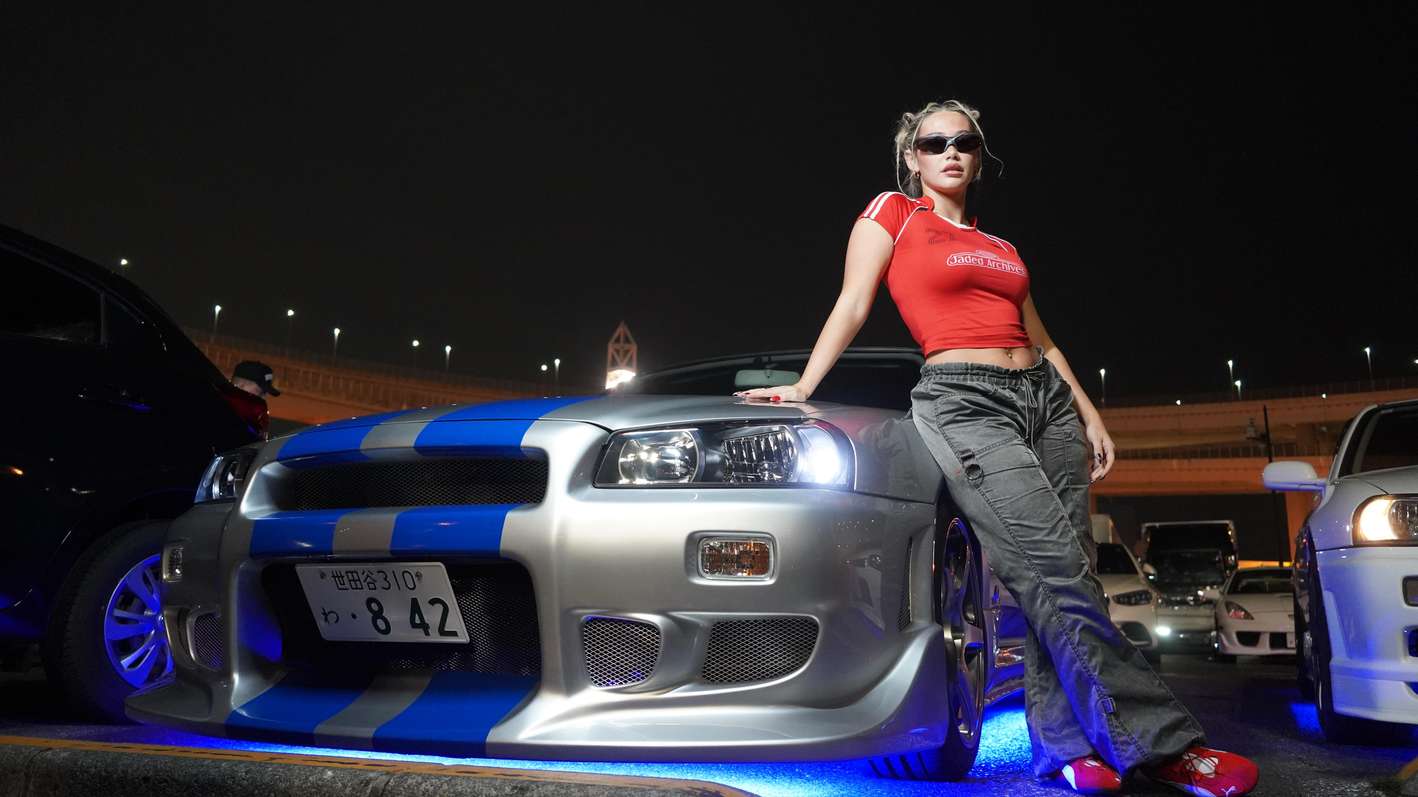
Prefer to hold the wheel yourself? Learn how a self-drive convoy gets you onto the expressway with your own paperwork sorted.
The quick answers on when Tokyo's car meets happen, week by week, and how to time a visit.
 Tokyo2026
There is no posted calendar. The gatherings are informal get-togethers at public highway rest stops and parking garages, so no organizer publishes dates or times. What exists instead is a steady weekly rhythm that regulars and tour operators plan around.
Friday and Saturday nights draw the largest and most diverse crowds, with modified JDM builds, drift cars and lowriders filling the lot. Monday to Thursday nights bring smaller, steady turnouts of local sports cars such as GT-Rs, with far less chance of police closing the area early.
The meet runs strongest between 8 pm and 11 pm, with the heaviest wave of cars arriving around 9 pm. Because the lot can overflow, many visitors and tour groups aim to arrive between 5 pm and 7 pm instead.
On Friday and Saturday nights, police typically close the ramps between 7:30 pm and 8 pm once the lot fills, and the closure can last until around midnight or 2 am. Arriving early is the reliable way to get in before that happens.
Between 5 pm and 6 pm works best, especially on weekend evenings. Daikoku PA sits at roughly 20% full before 6 pm and then fills rapidly, so that early window lets you watch the whole gathering build before any restrictions start.
The crowd usually moves first to Umihotaru PA on the Tokyo Bay Aqua-Line, which peaks on Friday and Saturday nights between 8:30 pm and midnight.
Tatsumi PA on Route 9 is the second choice, with Shibaura PA as an occasional third. Tatsumi winds down earlier, around 10 pm to 11 pm, because of its proximity to residential areas.
Sunday mornings belong to them. Rare supercars and vintage classics congregate at Daikoku PA between about 8 am and 11:30 am, in a calm daylight setting with almost no risk of police closures. Exotic cars also appear scattered through weekend evening crowds.
Often, yes. Recent visitors describe fairly populated, decent or full meets on Monday and Thursday nights, and the relaxed weekday vibe means early police closures are rare. Turnout does vary from night to night, so a quieter lot is possible.
Search recent video clips and social media reels before heading out, since owners post what the lots look like night by night. Dedicated online calendars and automotive social accounts track public meets too. Underground gatherings rarely get announced in advance and often surface only on the day.
Daikoku PA runs year-round, with informal gatherings centered on Friday and Saturday evenings. Turnout leans toward dedicated owners rather than casual visitors. The Tokyo Auto Salon weekend in January reliably brings higher activity, while heavy snow forecasts lead authorities to close the lot for clearing work.
Yes. Themed meets follow chassis-number dates: January 3 for S13 Silvias, early March for R32, R33 and R34 Skyline GT-Rs, July 7 for Mazda RX-7s and rotaries, and August 6 for the AE86 and modern 86 crowd. New Year mornings, especially January 2 and 3, also draw big turnouts.
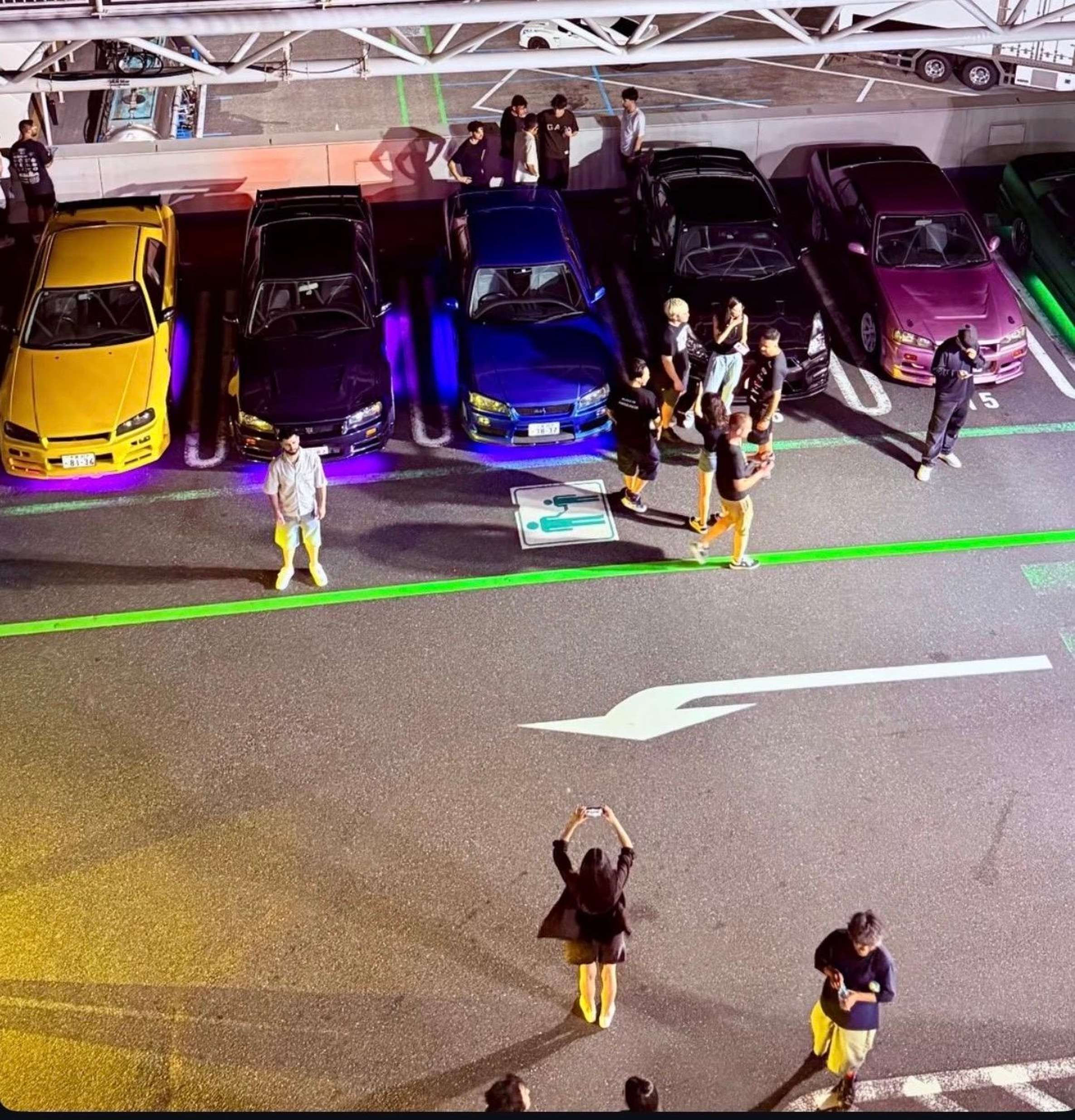
Ride the Midnight Cruise through the C1 Loop and Wangan to Daikoku PA, swap cars at every stop, and book with a free cancellation up to 24 hours ahead and pickup after 10 pm inside Tokyo's 23 wards.