
3 - 3.5 hours·English
5.0(49)
Tokyo: Fast & Furious JDM Car Tour, Daikoku PA & C1 Loop
Free cancellationProfessional tour guideTransportation during the tour
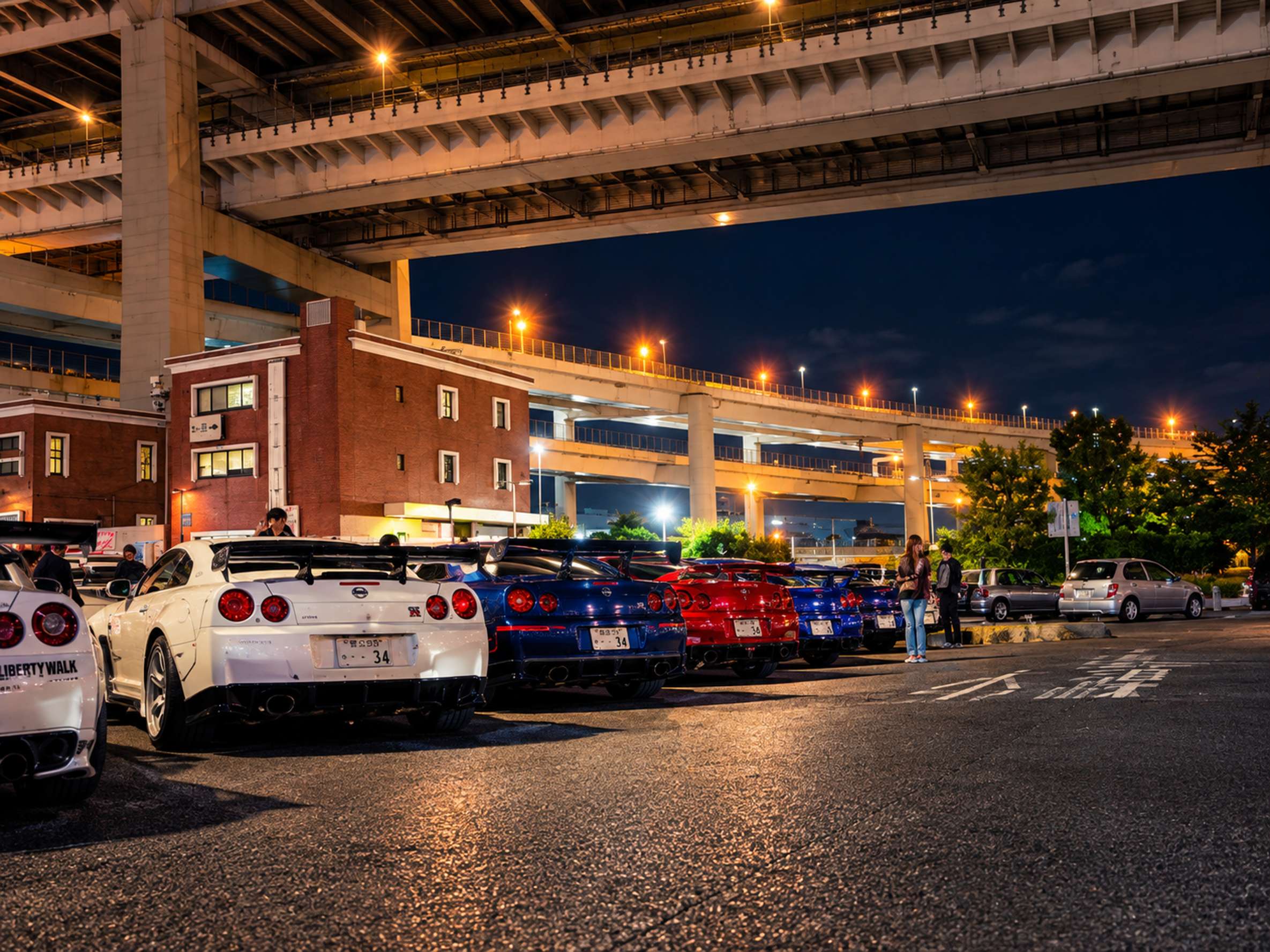
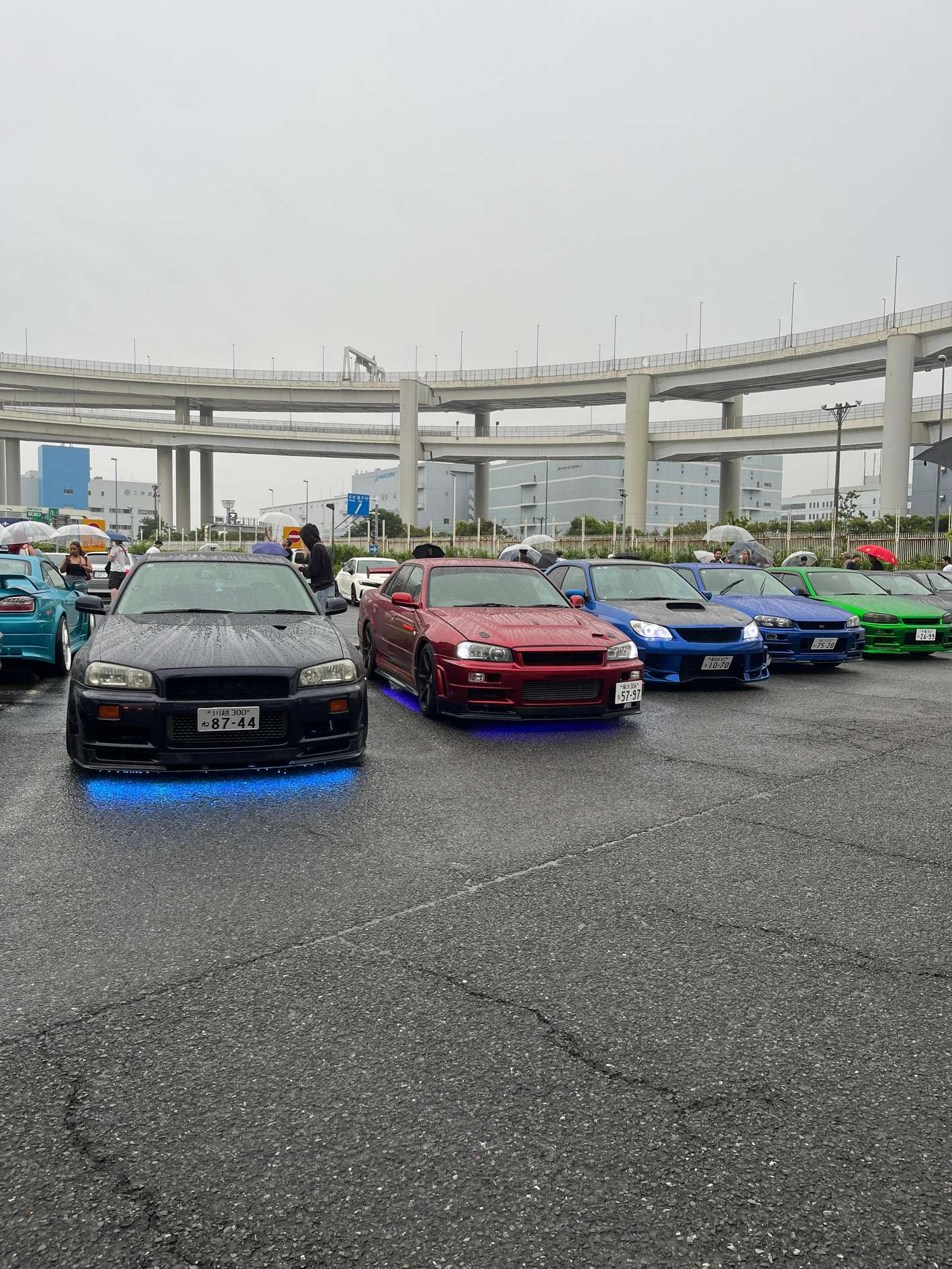
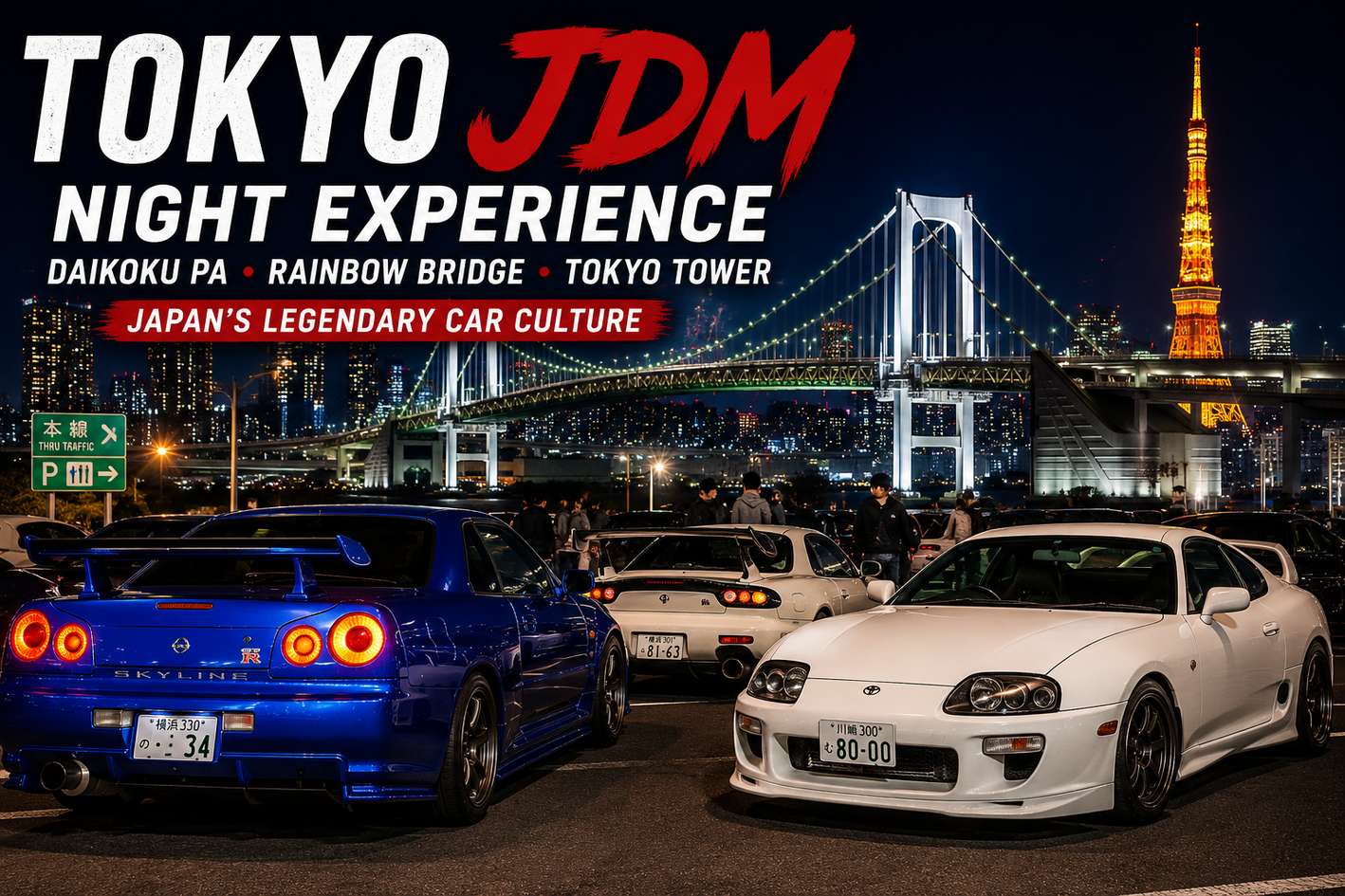
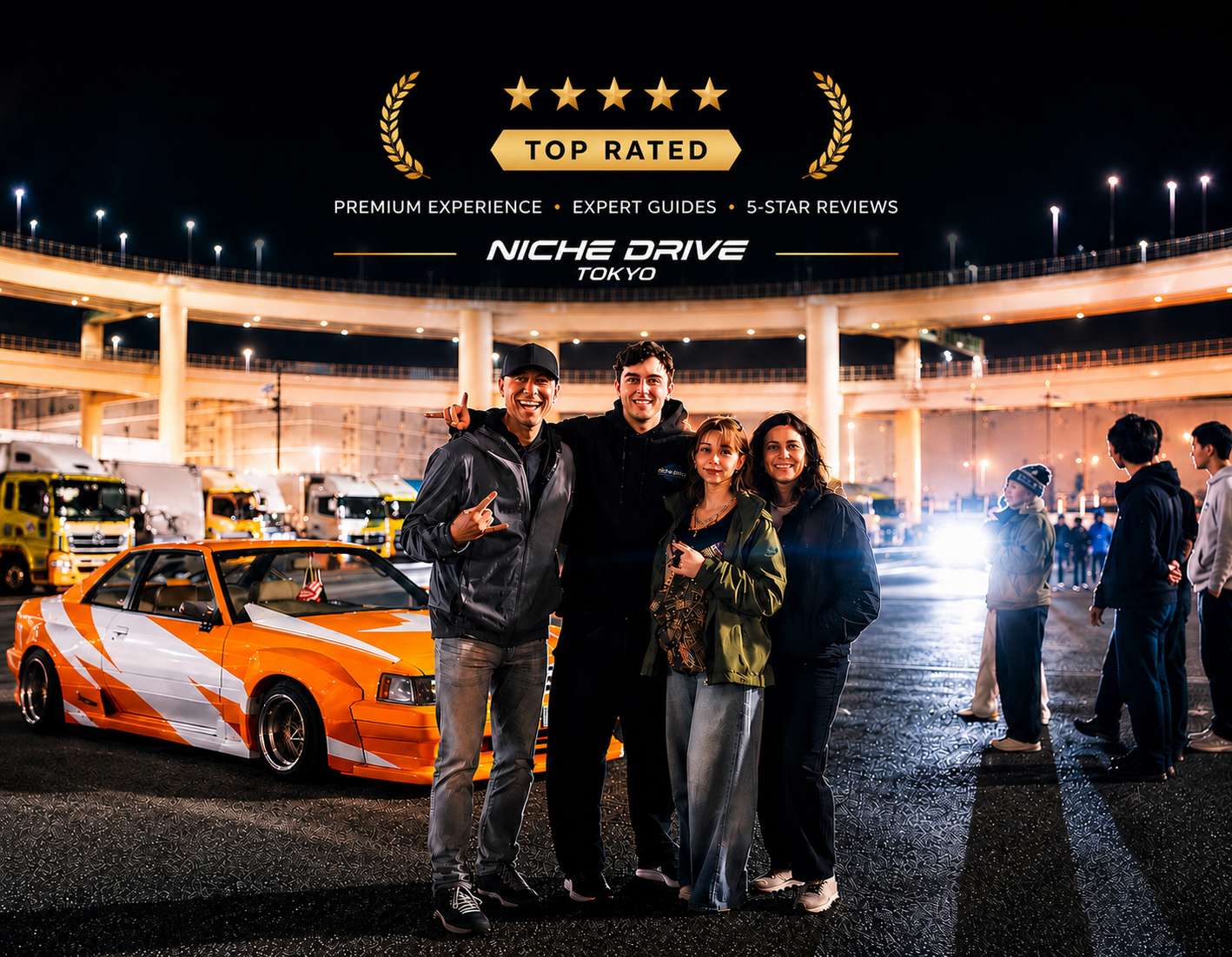
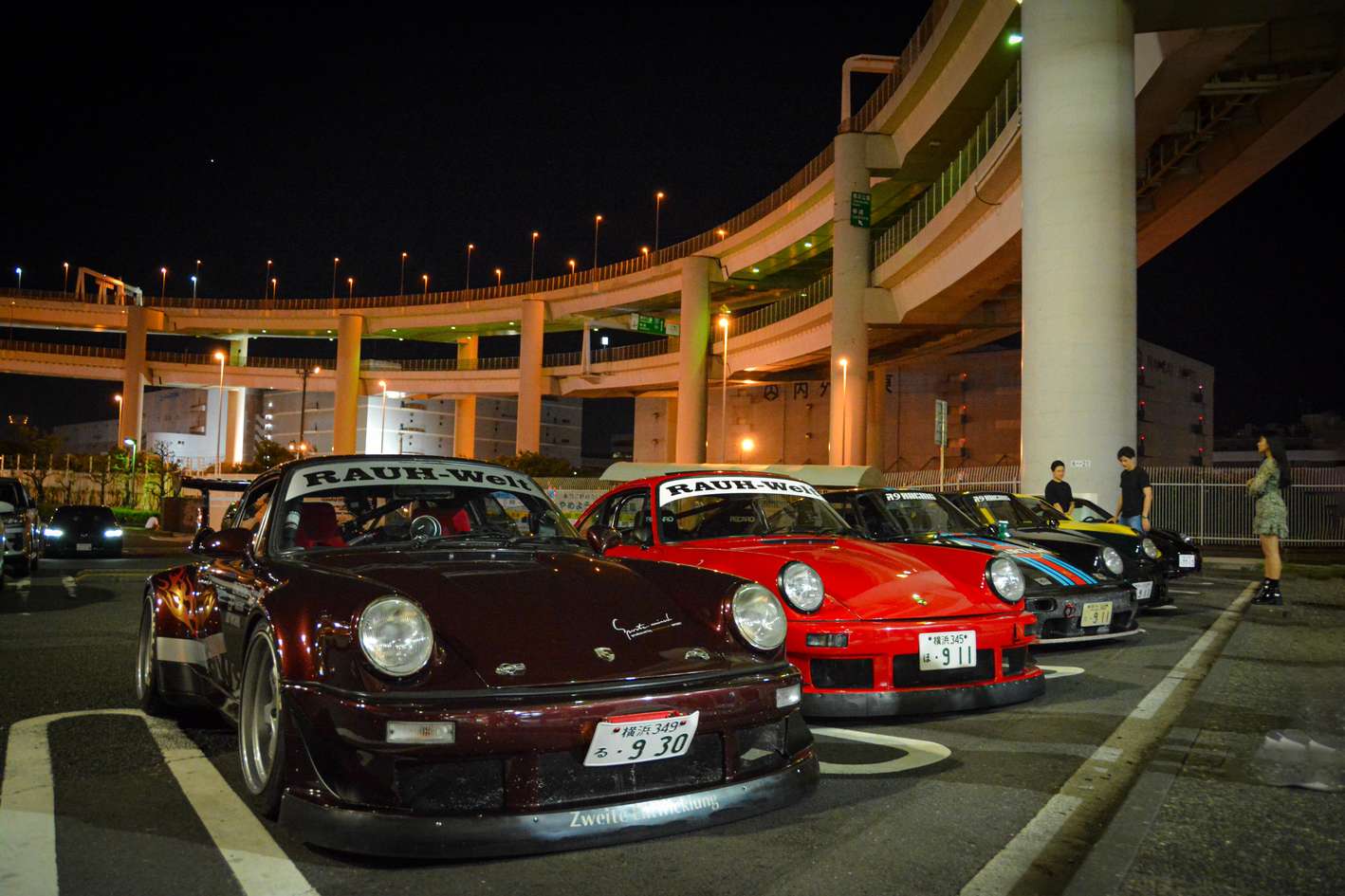
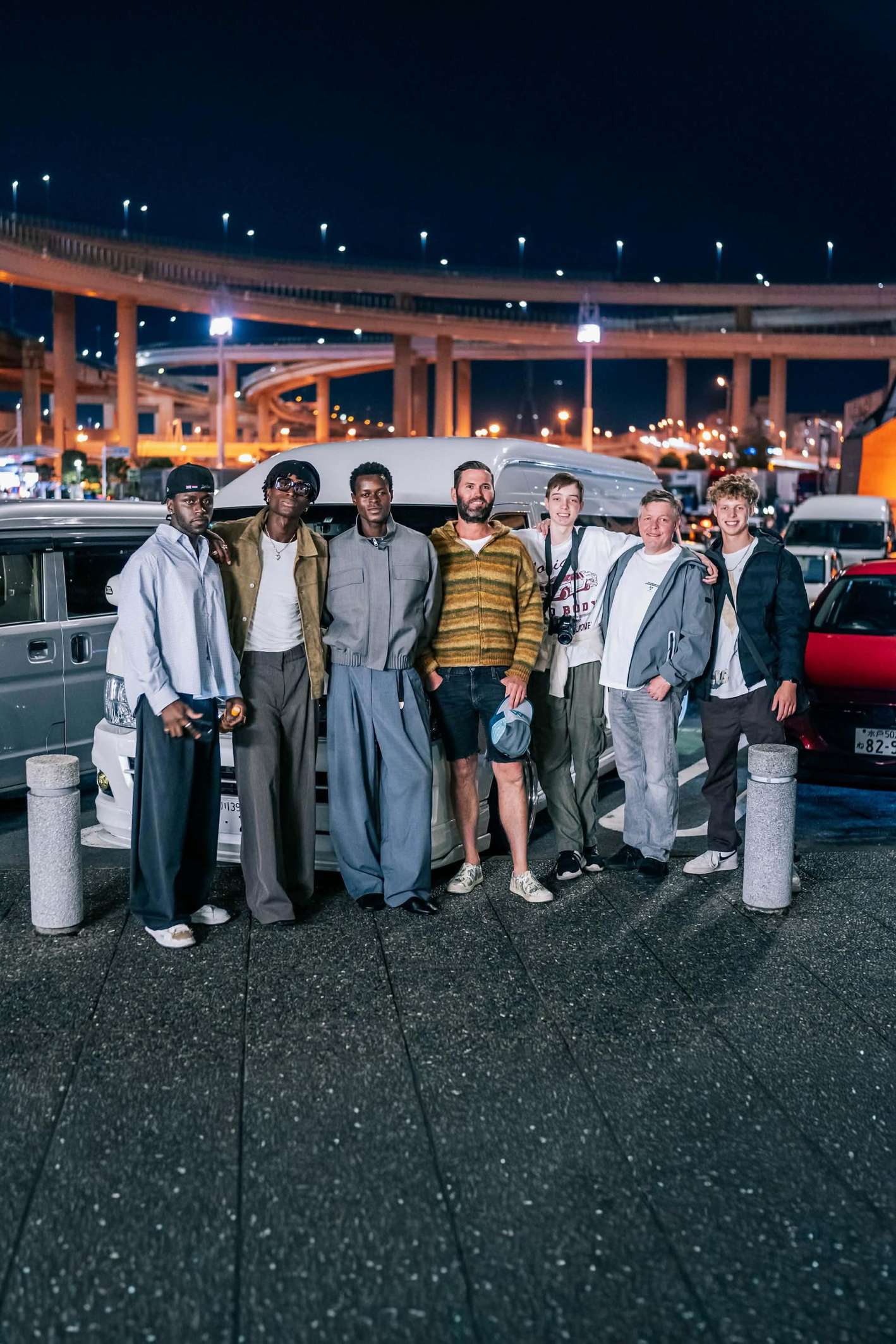
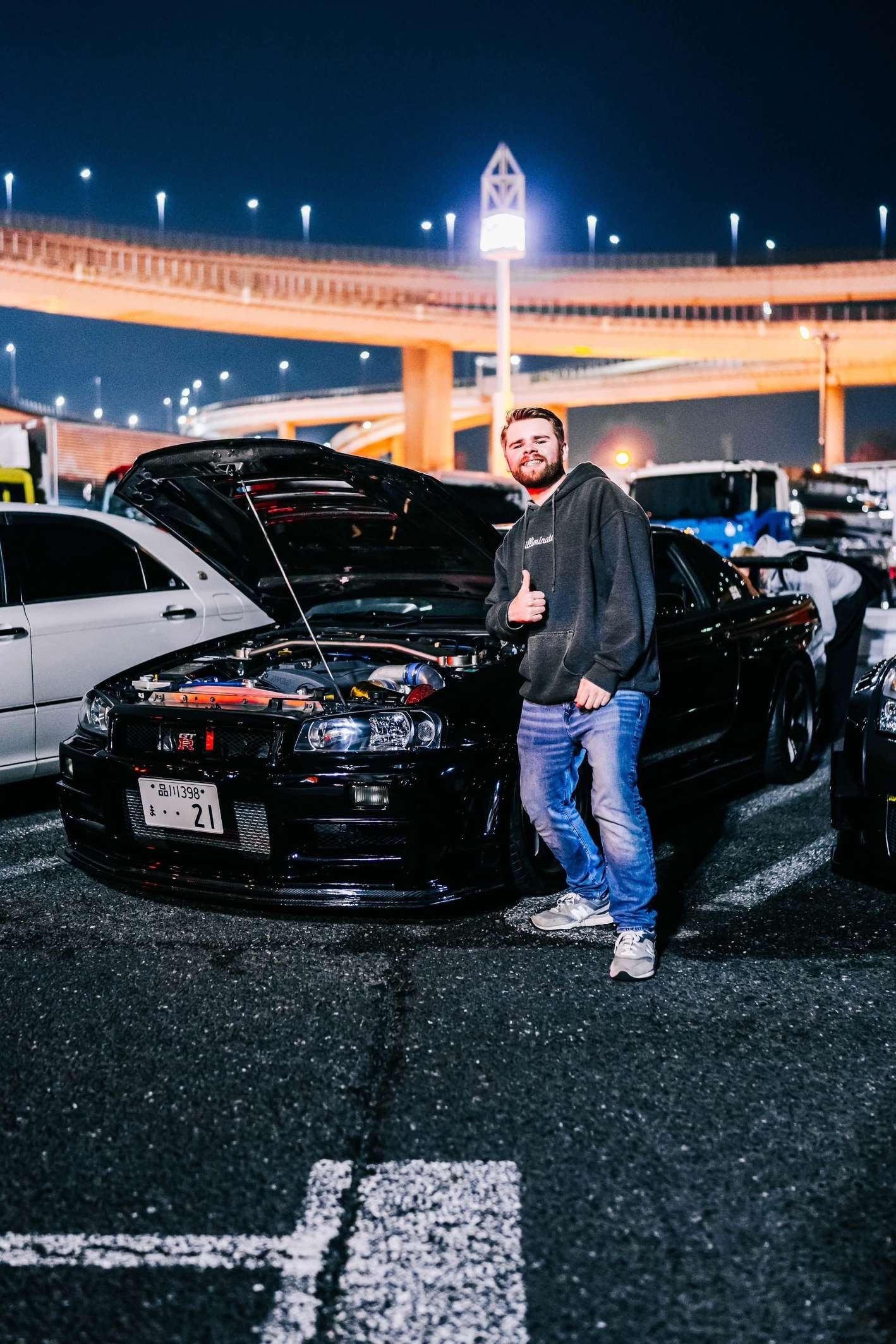
Ride the Wangan to Tatsumi PA and see the skyline stops most visitors only scroll past. Book a passenger seat in a modified JDM car with a local driver, and get front-row photos at Tatsumi, the C1 Loop and Daikoku PA, without a permit, a toll pass or a highway map.
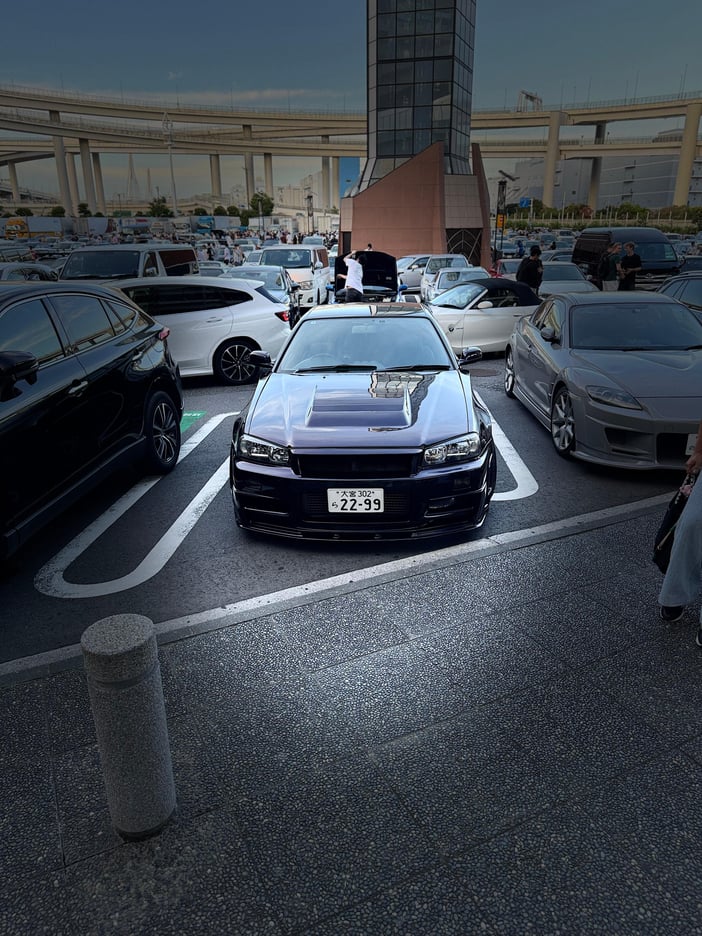
"One of my Japan trip highlights. My driver was friendly, professional, and knew his JDM stuff. Daikoku PA was amazing, tons of cars, great vibe, plenty of photo time. Highly recommend."
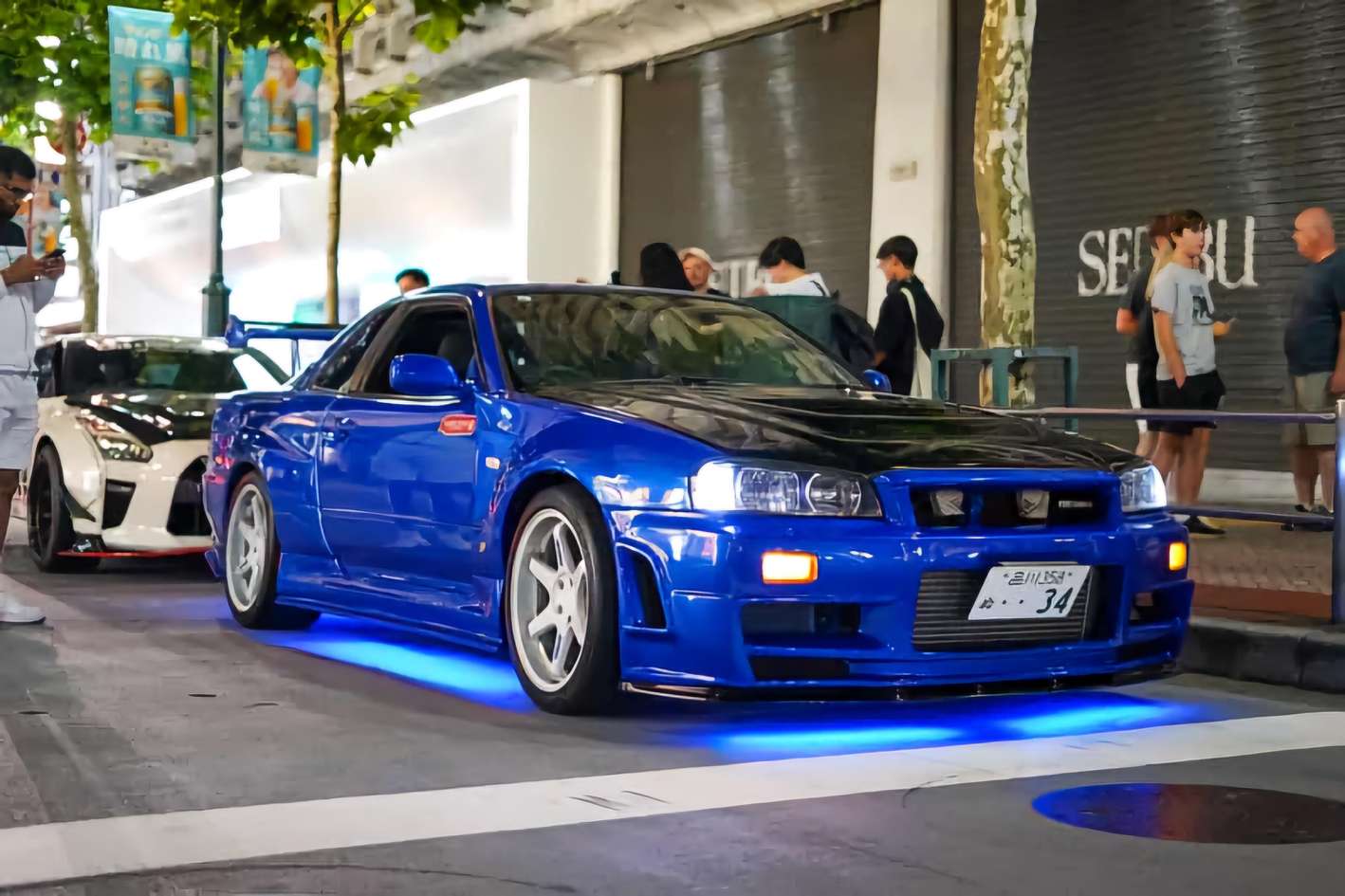
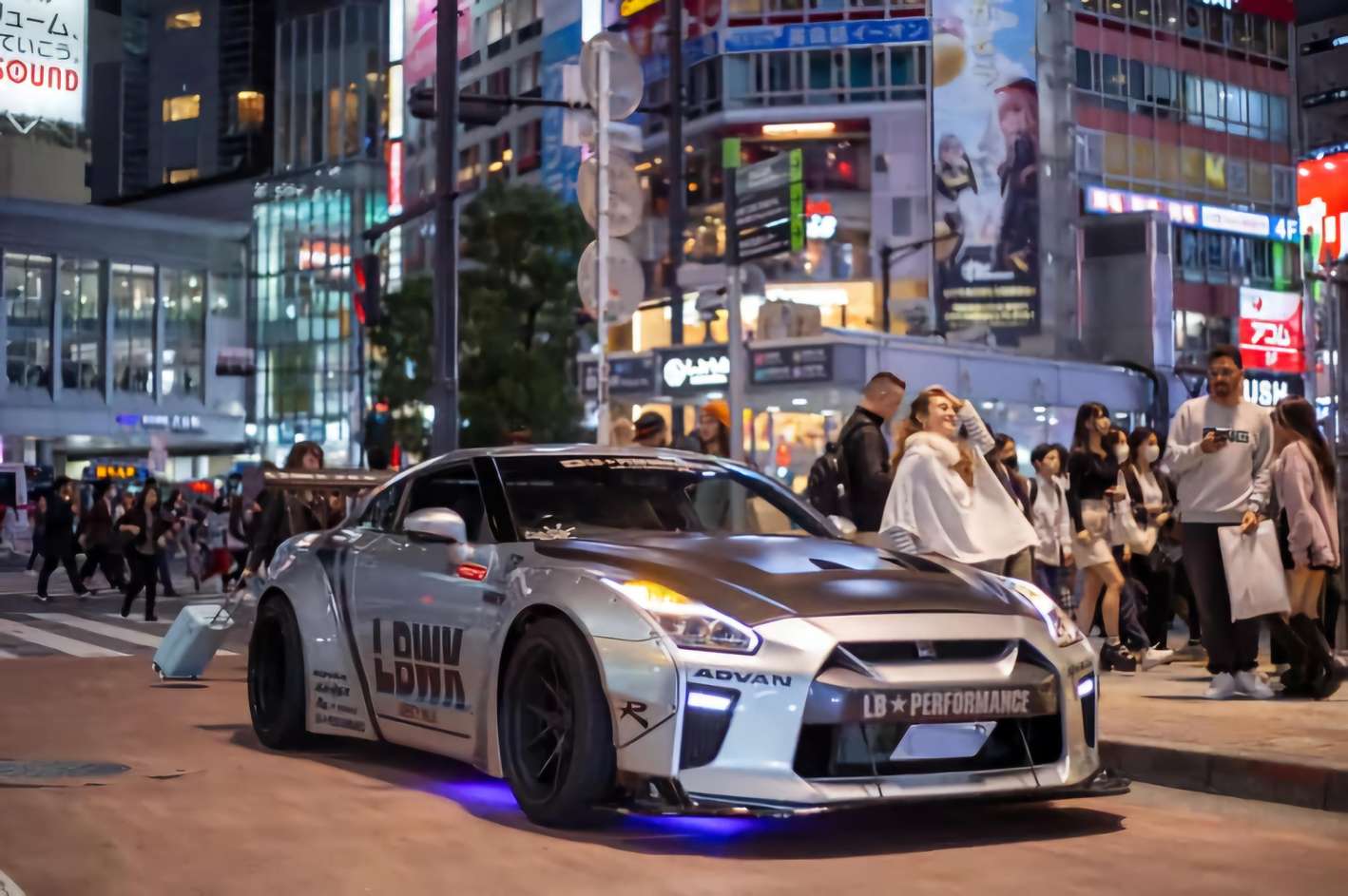
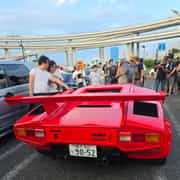
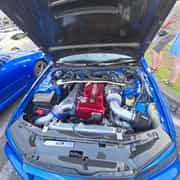
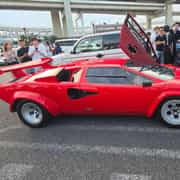
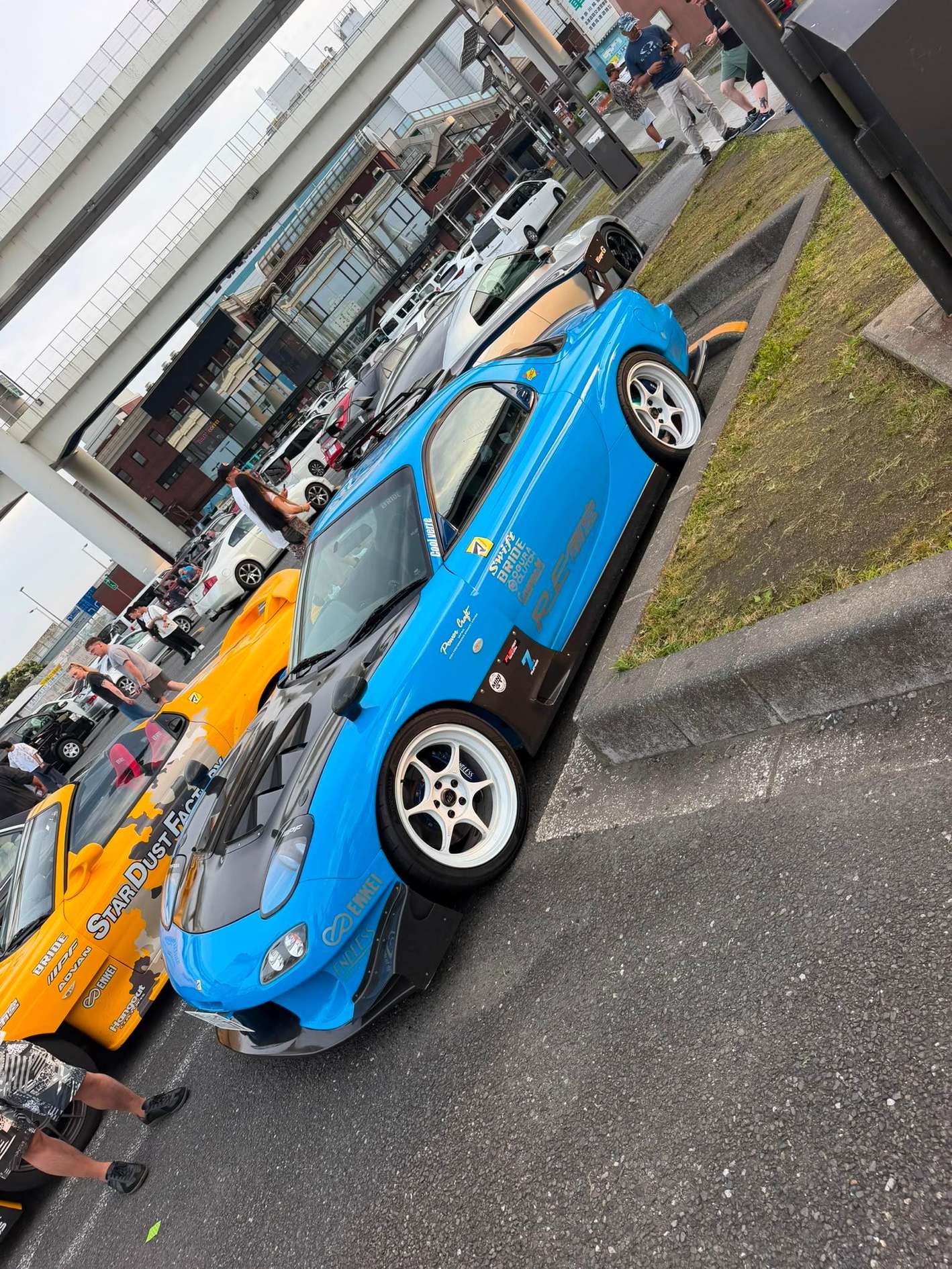
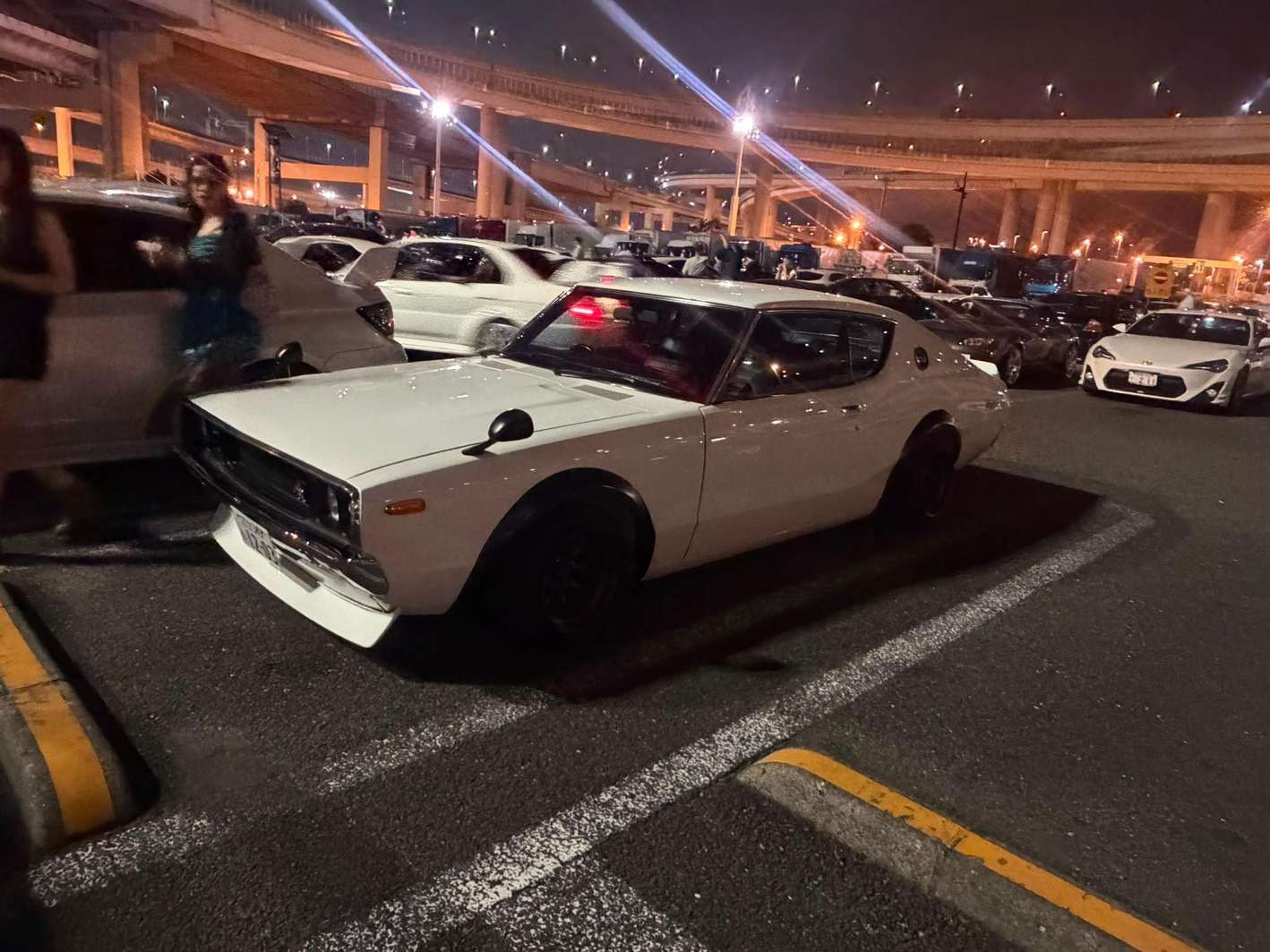
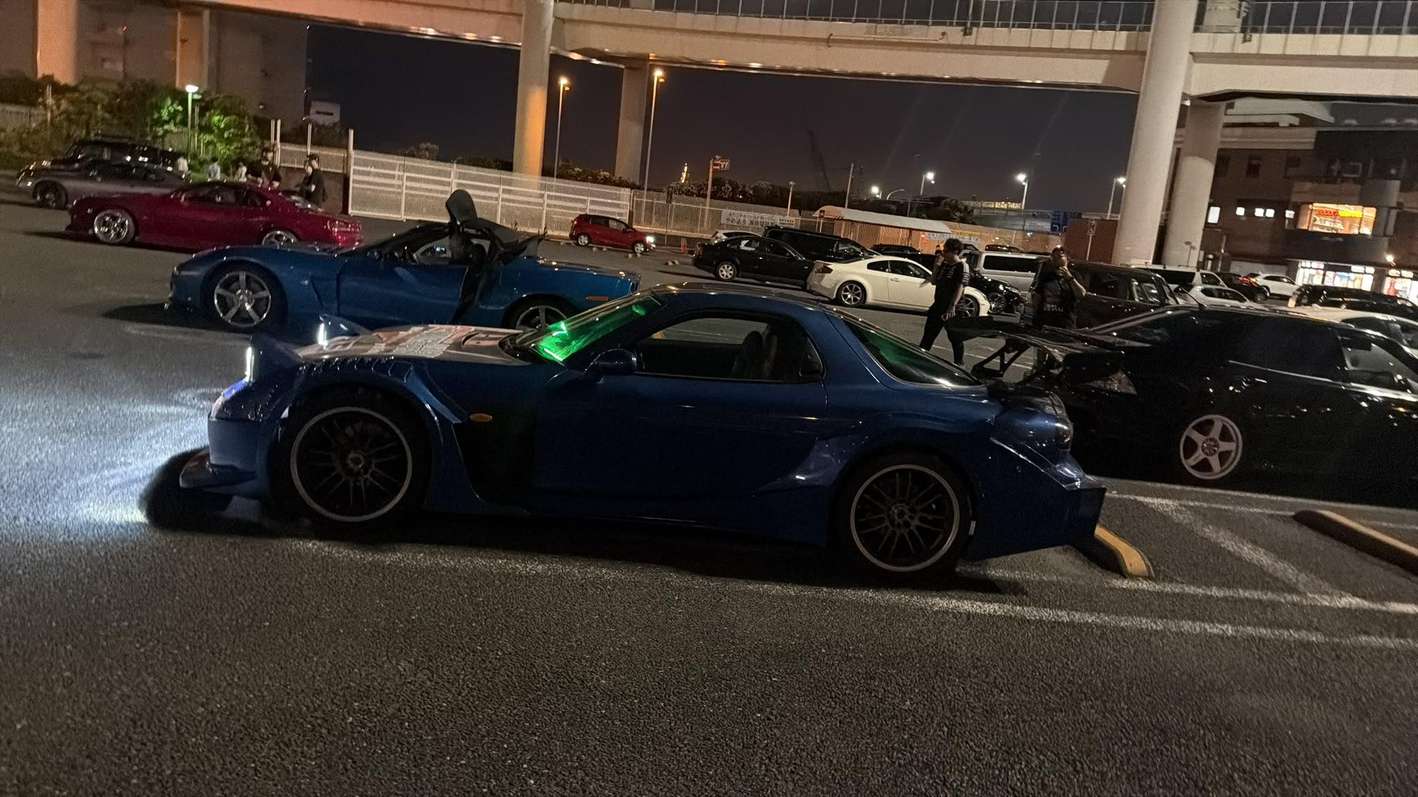
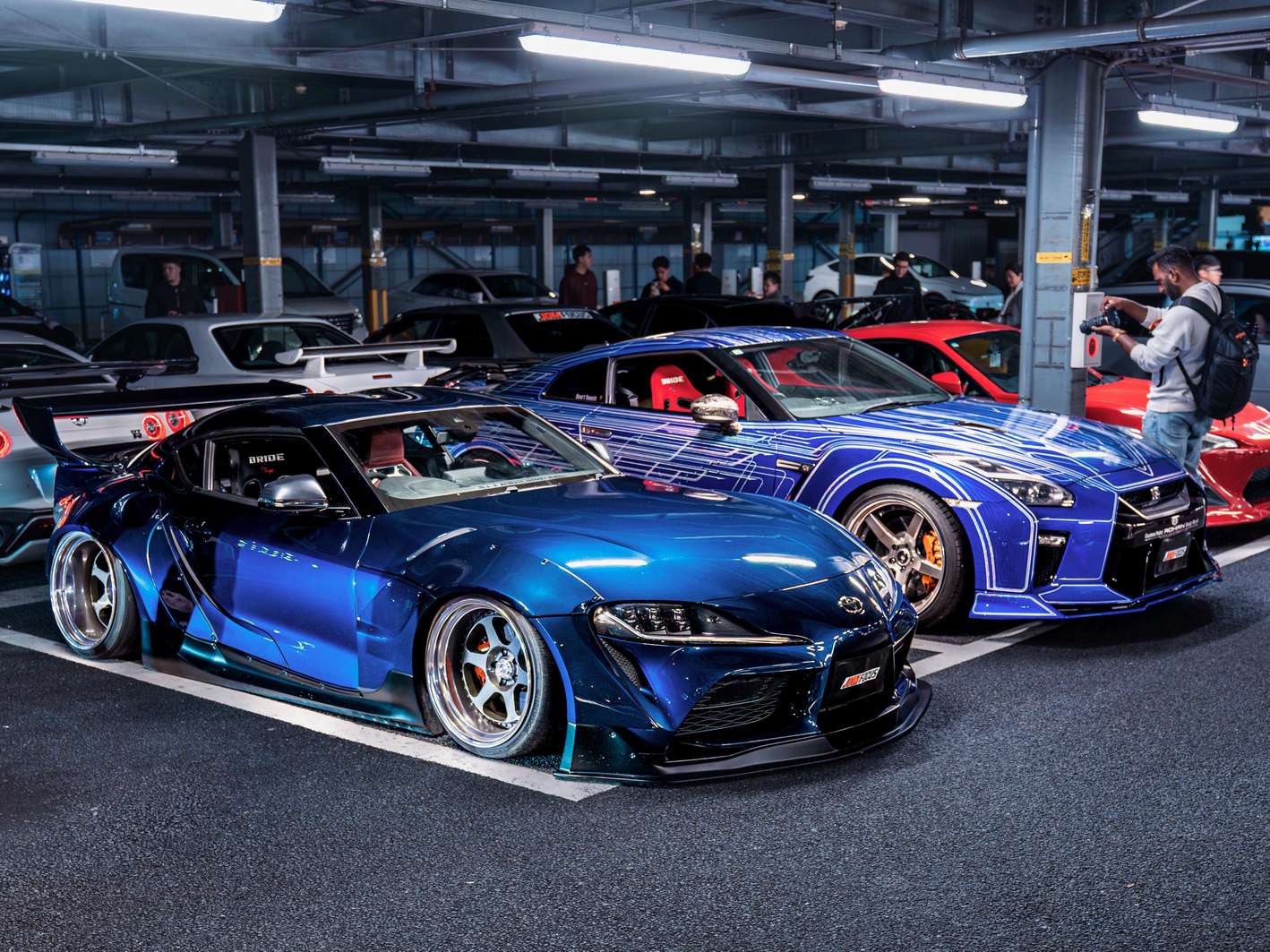
A working underground garage beside Akihabara Station where wrapped itasha and tuner cars park on weekend evenings.
Read the guide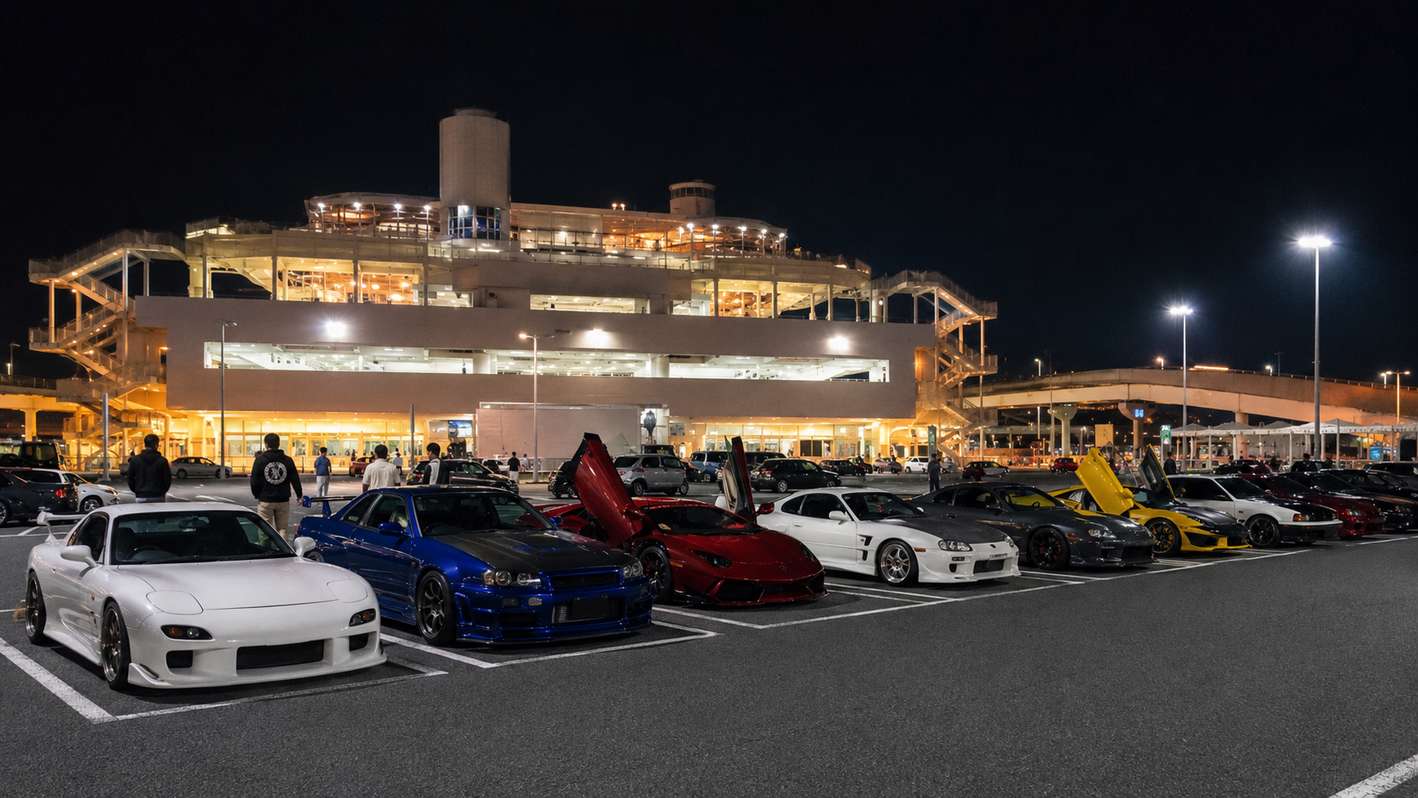
An artificial island rest stop in Tokyo Bay where modified cars gather late on weekend nights, often after Daikoku clears.
Read the guide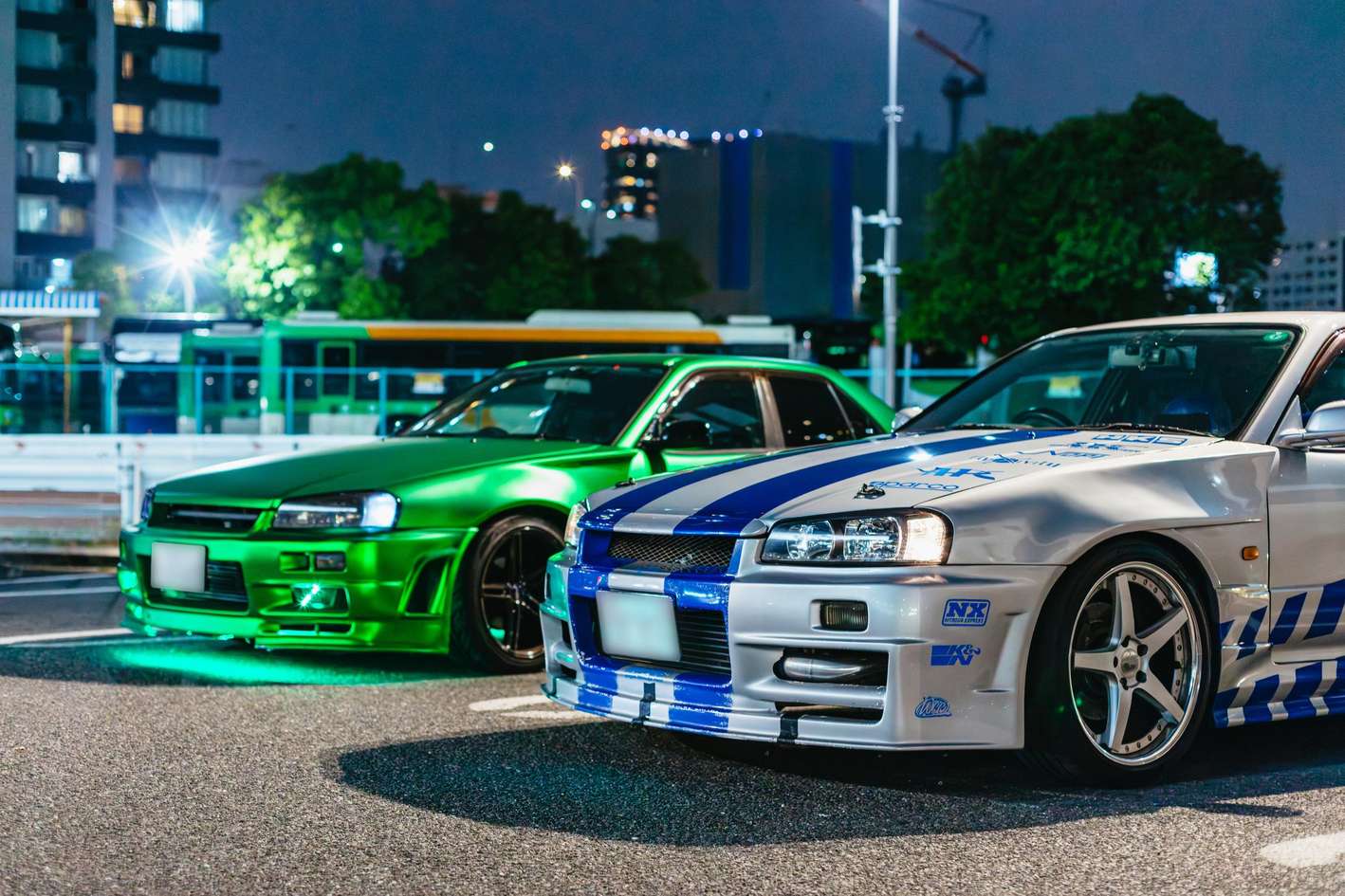
Passenger night tours in modified JDM cars that cruise the C1 Loop and Wangan and stop at expressway meets such as Daikoku PA.
Read the guideEach of these picks up where a Tatsumi night leaves off, and each suits a different plan.
Tokyo's underground itasha garage, reachable by train and on foot
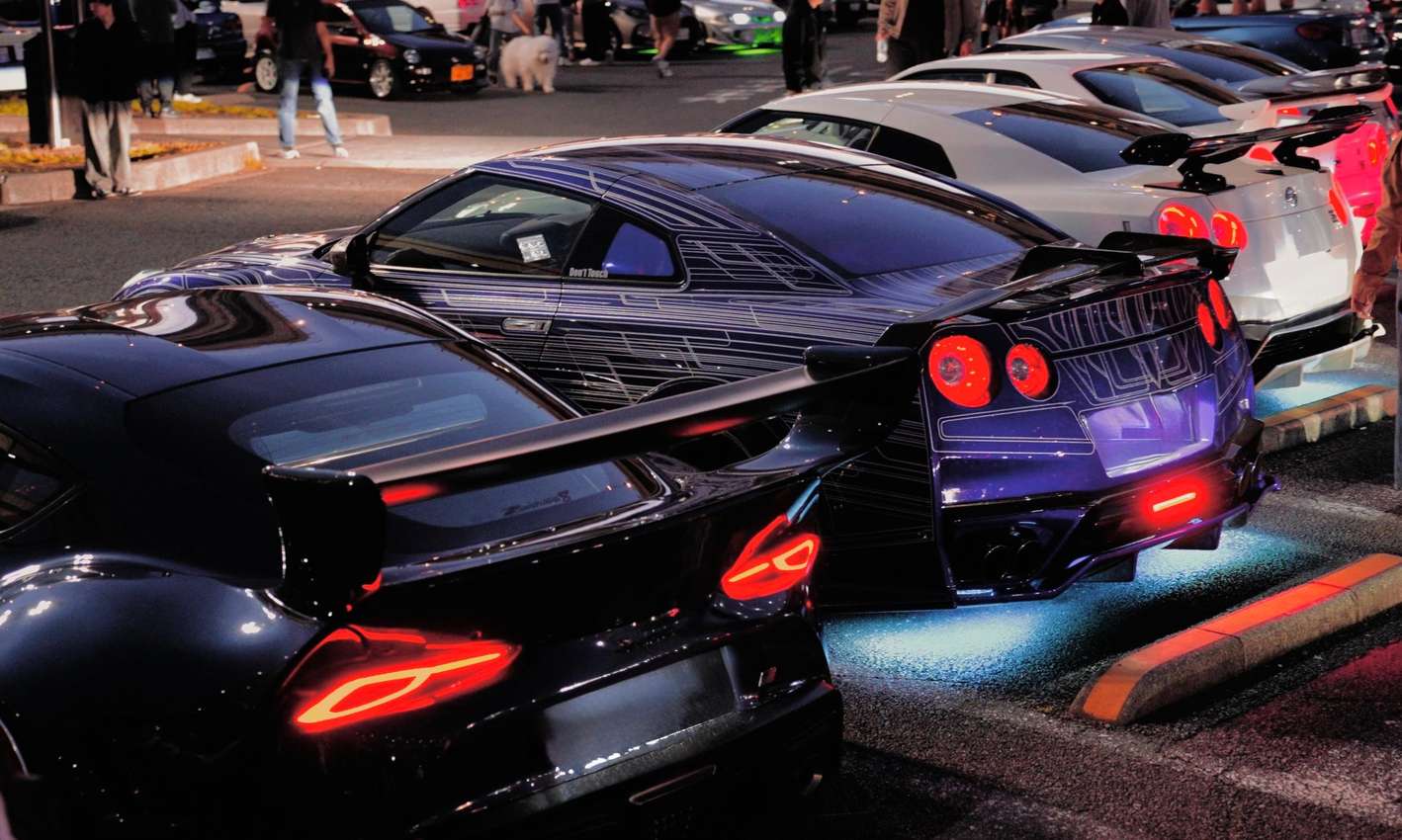
The B2F deck of this garage sits three minutes from JR Akihabara Station's Electric Town Exit, across Akiba Bridge. Walk in free, take the elevator down, and you may find anime-wrapped itasha parked in rows, the builds Tokyo's pop-culture car scene grew up around.
On Saturday and Sunday afternoons, 20 to 50 of them can gather, and on Friday and Saturday evenings cars build up after 8 pm.
It is a working garage, so turnout is never promised and security can move you along if you loiter. Plan it as one stop inside an Akihabara evening, before 10 pm, then head out to the expressway spots.
The car meet built on the sea, and where crowds go after a closure
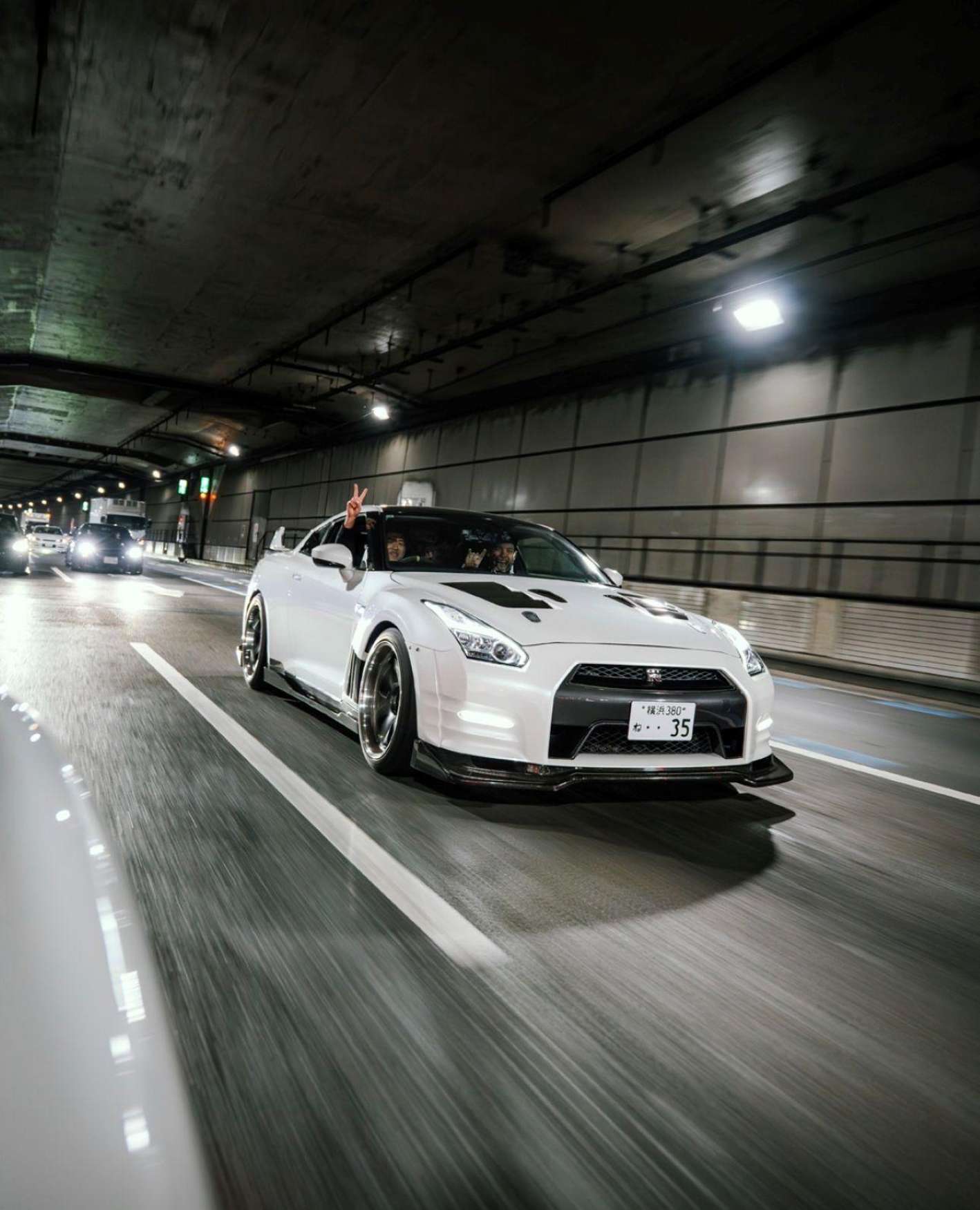
Umihotaru sits on an artificial island in Tokyo Bay, halfway along a toll road that runs under the sea and then across a bridge.
When police clear mainland lots for the night, drivers cross the bay and the decks fill, peaking between 9 and 10 pm on Fridays and Saturdays. The mood is calmer than Daikoku, and the backdrop is water instead of towers.
The catch is distance. No train or bus reaches the island, and strong wind can close the whole Aqua-Line, which sends everyone off it. A guided tour folds the tolls, the wind calls and the ride home into one booking, and as a passenger you need no driving permit.
3 - 4 hours · ★ 4.9 (195)Daikoku & Tokyo Private JDM Tour in 700HP R34 GT-RFrom $596 /group 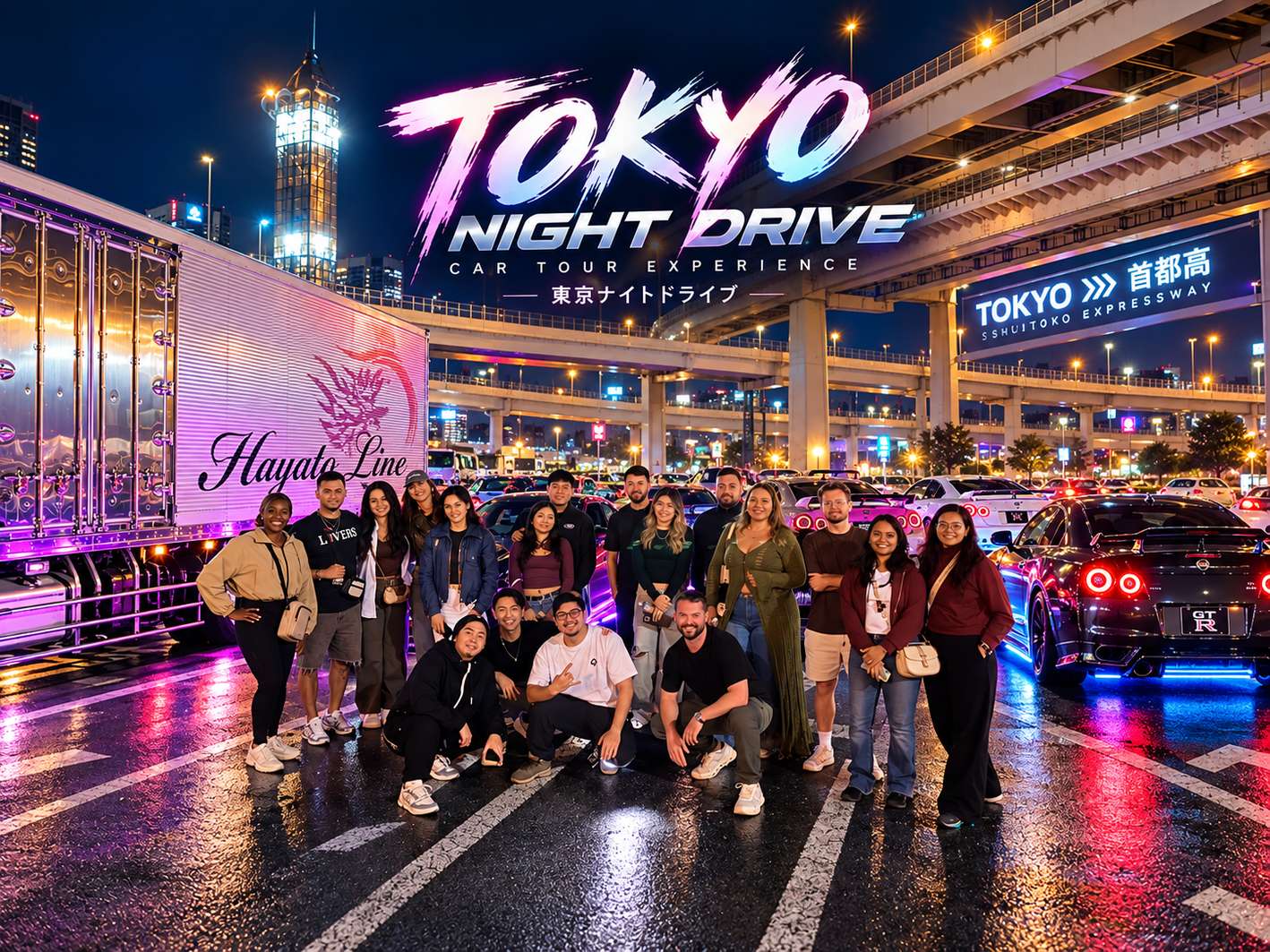 4 hours · ★ 4.9 (93)Tokyo JDM Legends: Daikoku PA & Modified Car ExperienceFrom $115
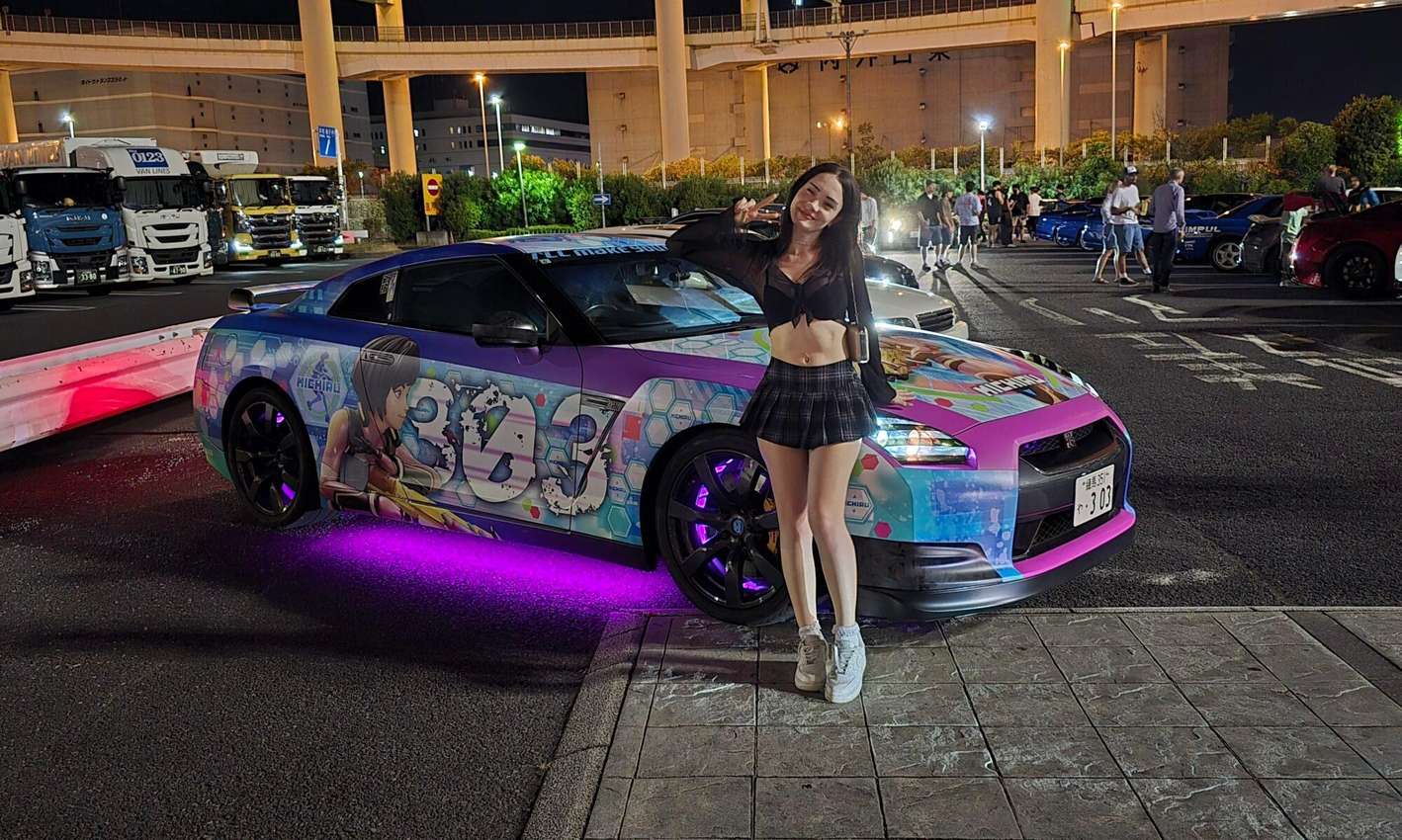 2.5 hours · ★ 4.7 (163)Tokyo: Daikoku JDM Car Meet tour with the Famous 303 GarageFrom $222 /group 3.5 - 4 hours · ★ 4.6 (186)Tokyo: Daikoku or Umihotaru Tour (Silvia S15, GR86, 370Z)From $40
A chauffeured night in modified JDM cars, straight out of Tokyo Drift
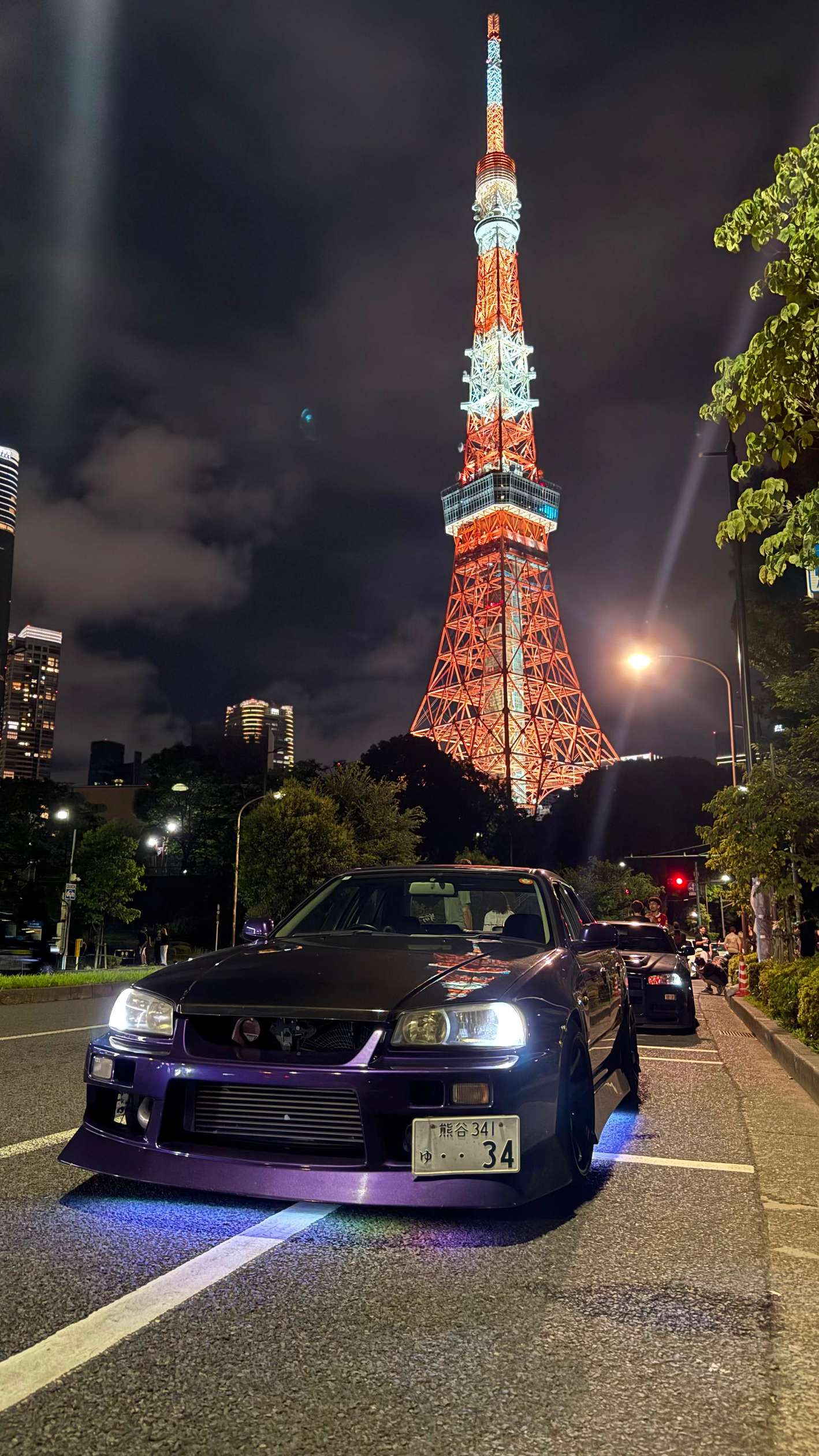
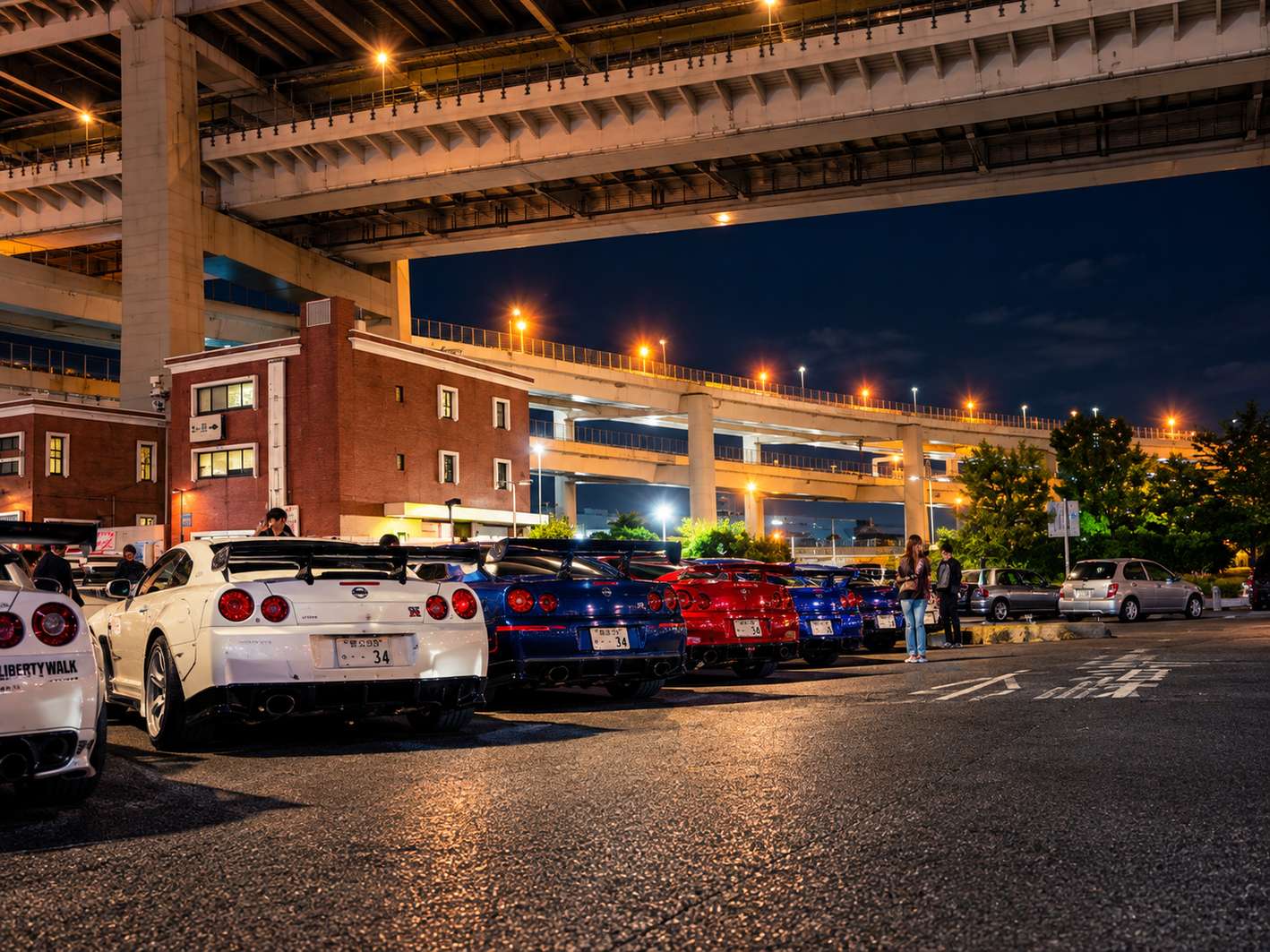
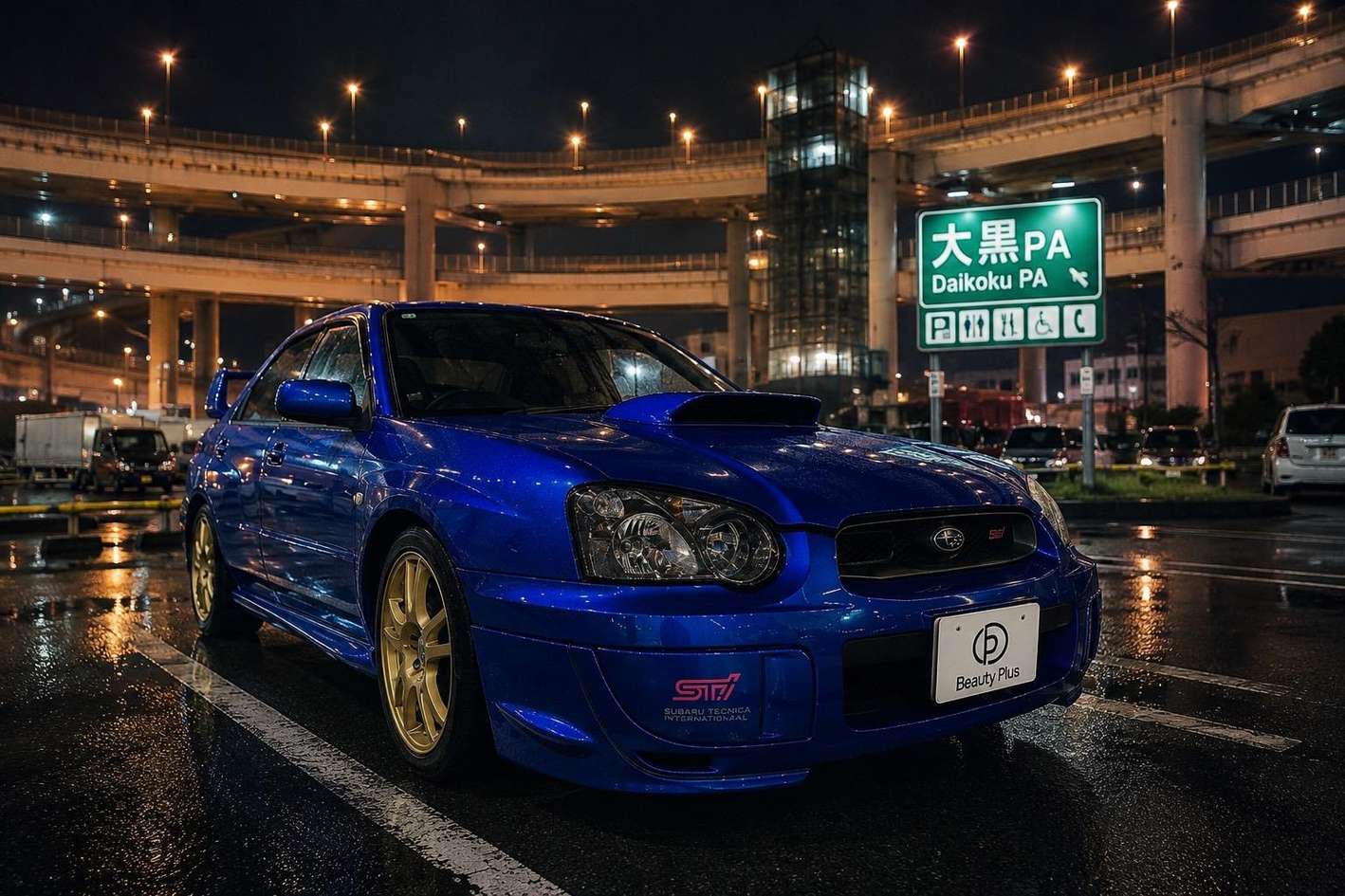
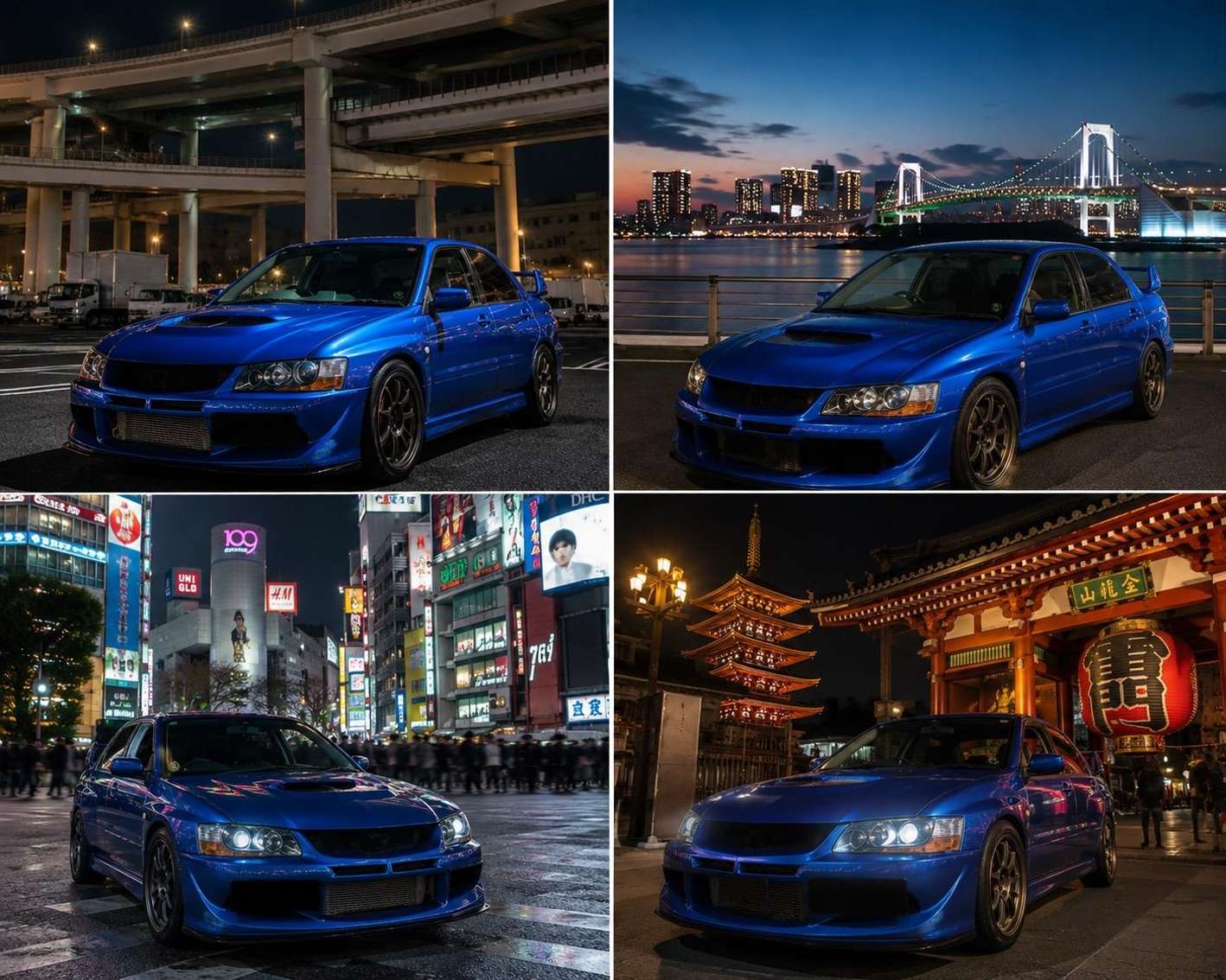
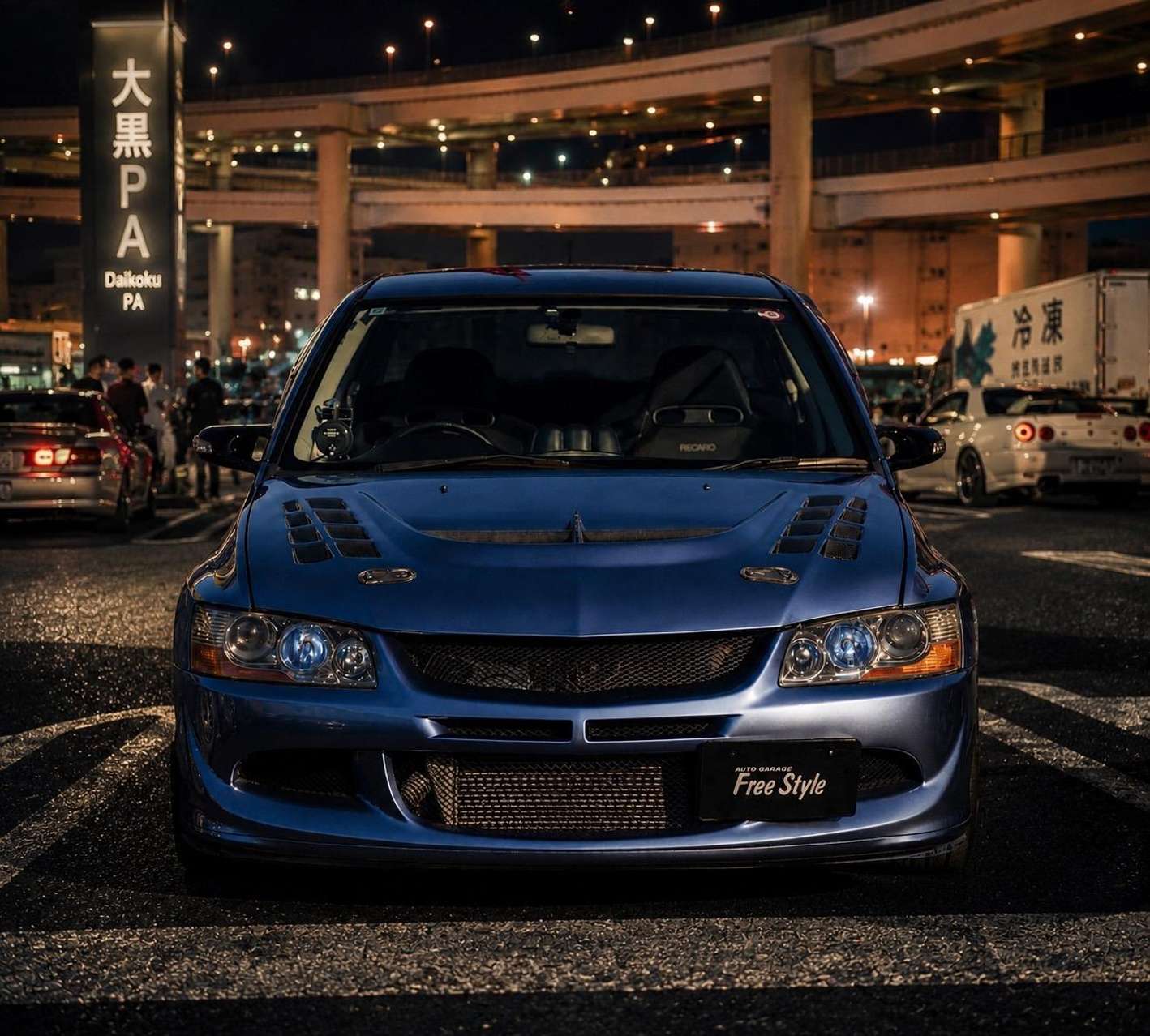
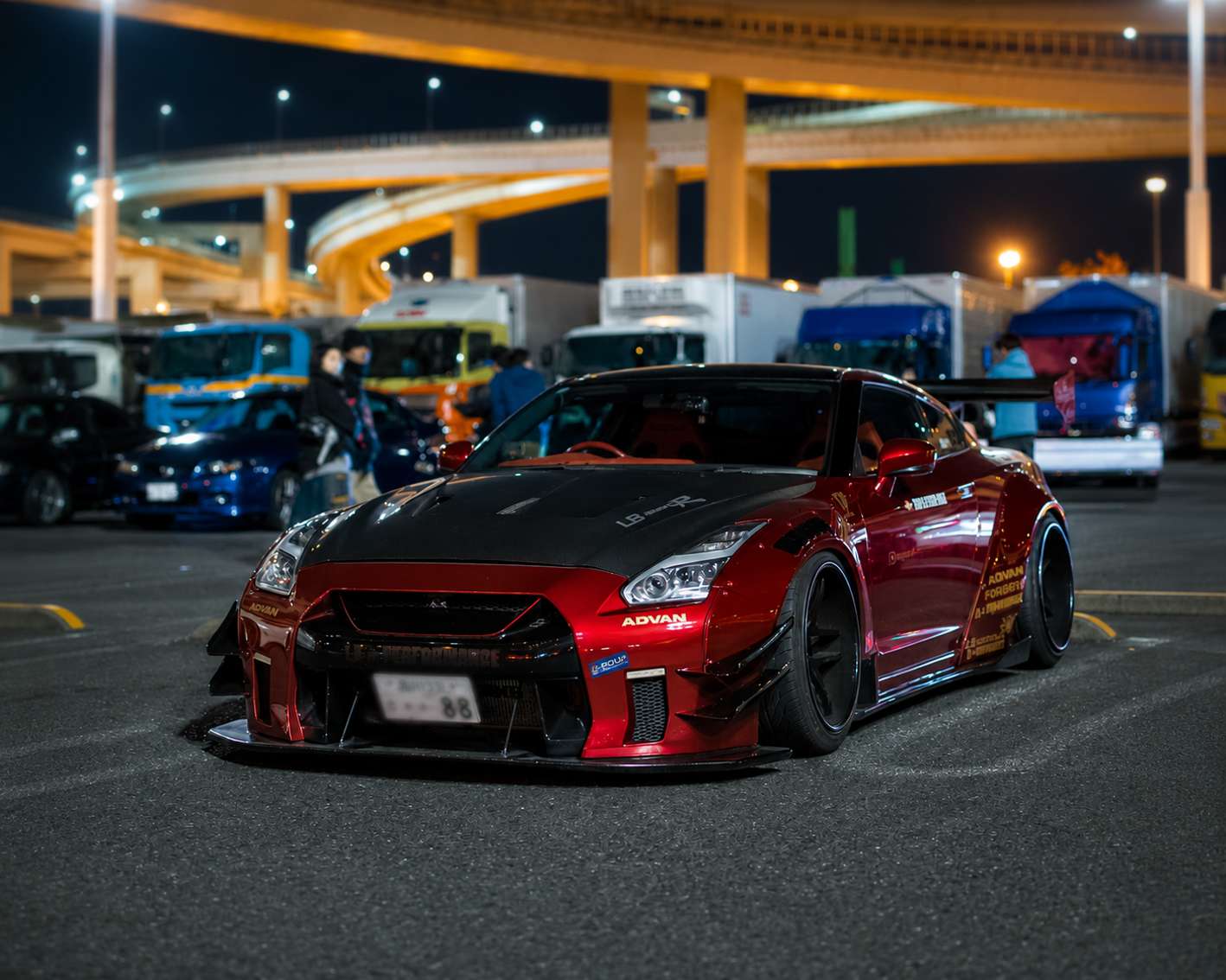
This is the ride the movie only sketched: a chauffeured night in a modified Skyline, Supra or EVO, crossing Rainbow Bridge, running the C1 Loop and Wangan Highway, and pulling into Daikoku PA where GT-Rs and heavily tuned street cars park up.
You sit in the passenger seat, so no licence or permit is needed, and tolls and fuel are covered on most tours.
Timing decides the night. Police often close Daikoku between 7:30 pm and 9:15 pm on Fridays and Saturdays, while midweek runs leave around 7:30 pm and closures are rare. Winter nights at the lots sit between 1 and 5°C with sea wind, so bring layers and closed shoes.
3 hours · ★ 5.0 (92)JDM Tour to Daikoku PA Fast and Furious Tokyo Drift ExperienceFrom $95 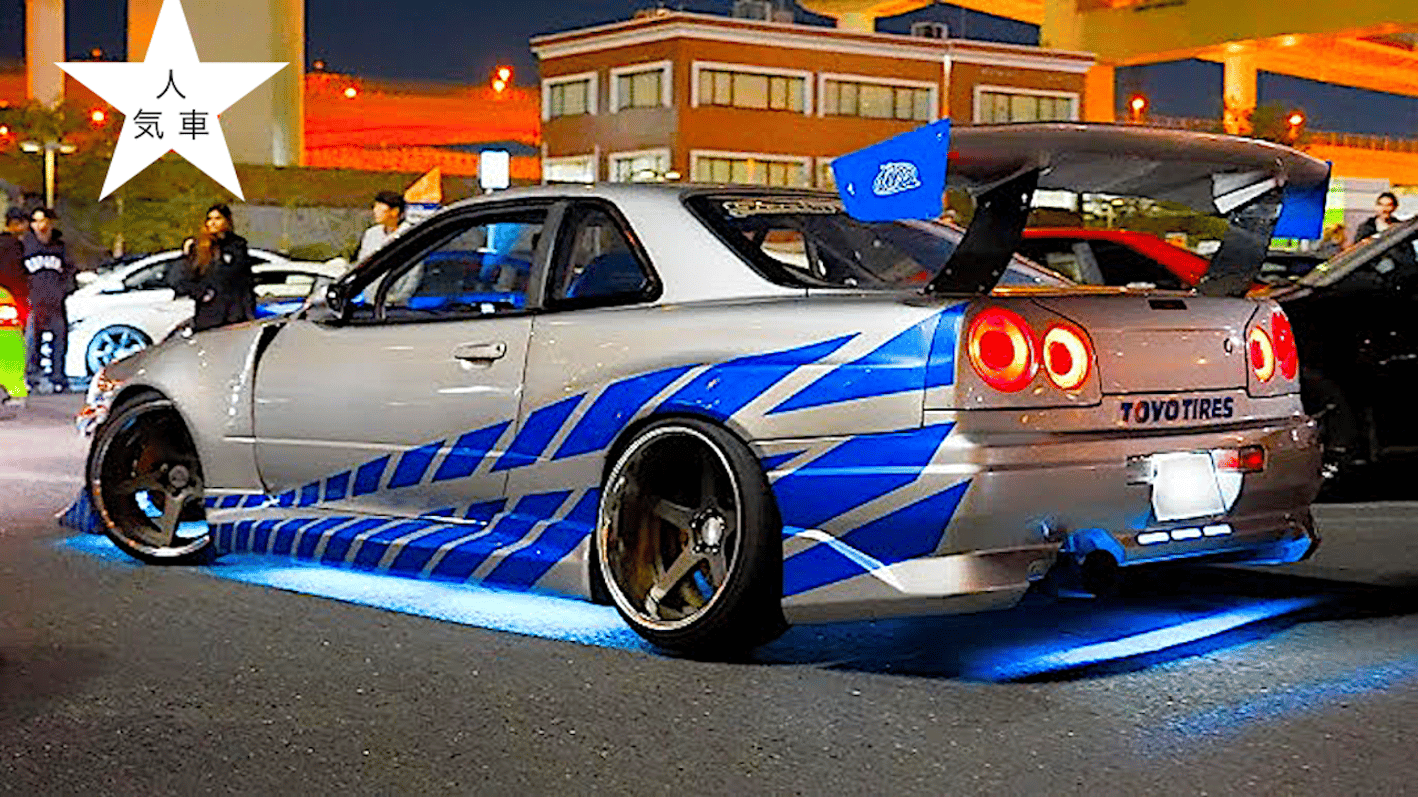 3 - 4 hours · ★ 5.0 (140)Tokyo Drift 5.0 Real Fast & Furious ExperienceFrom $528
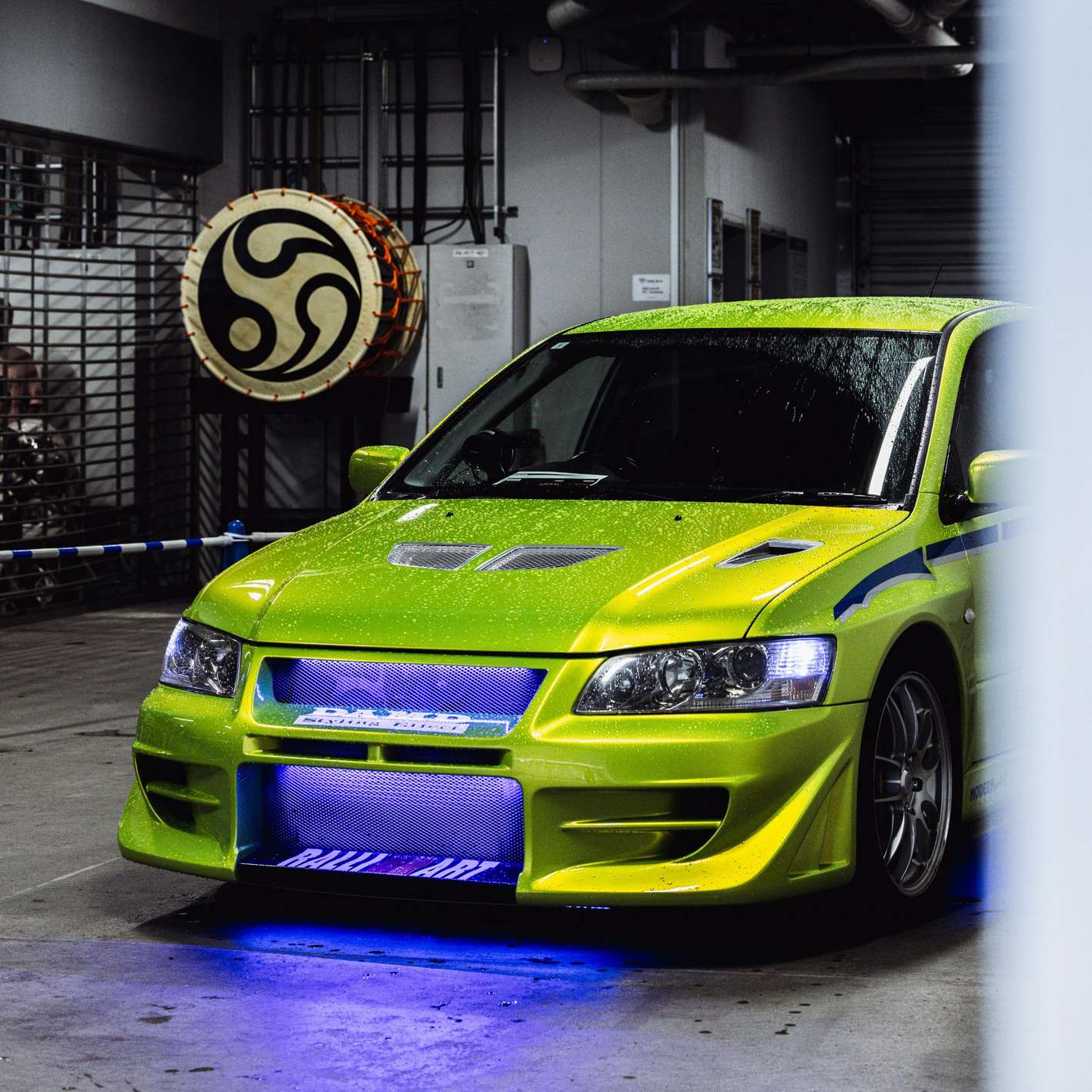 3 hours · ★ 4.9 (205)JDM Tokyo:The Fast and the Furious Tokyo Drift ExperienceFrom $122
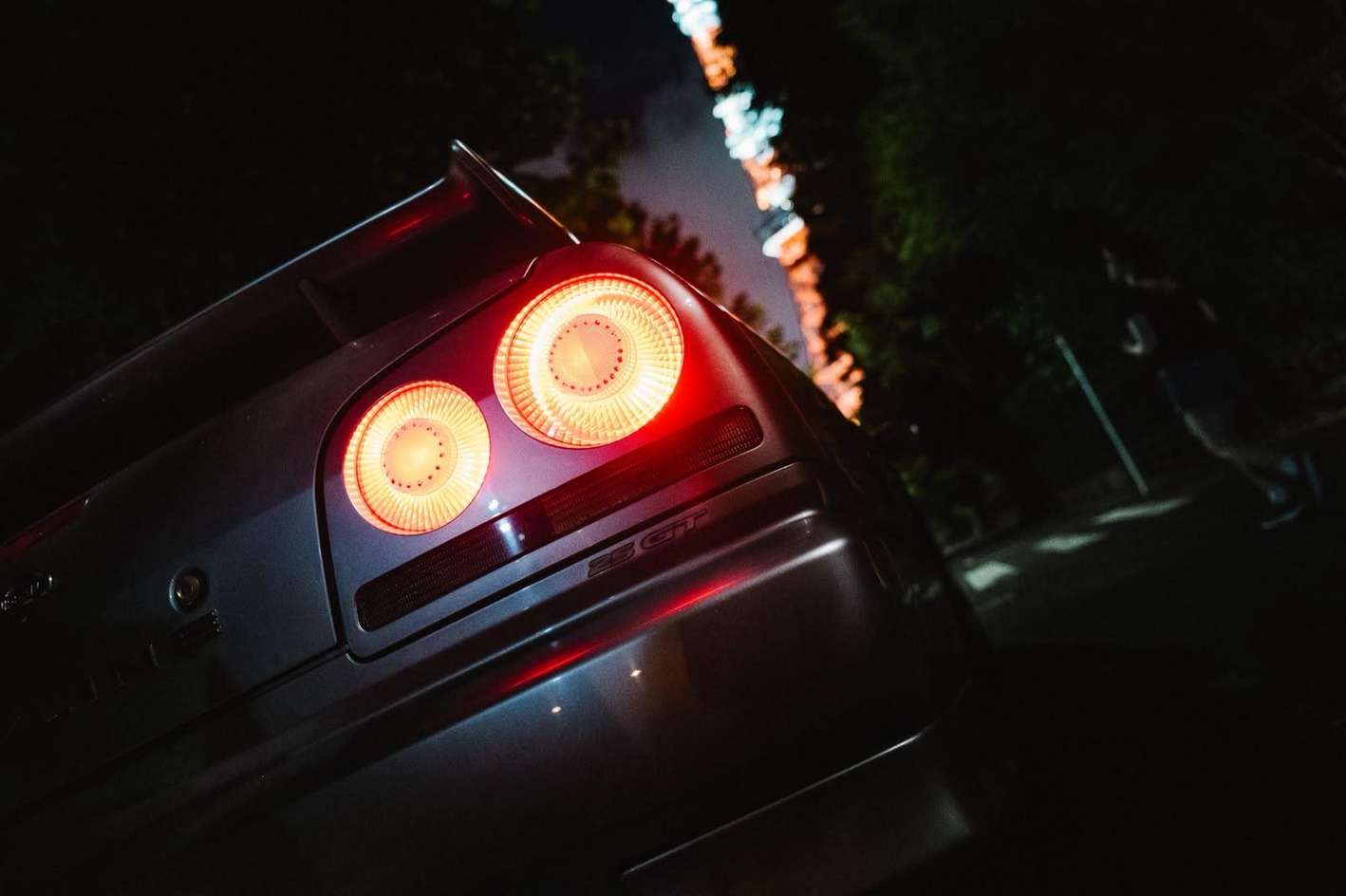 3 - 4 hours · ★ 4.8 (346)Fast and the Furious III/Tokyo Tower/Daikoku PA/JDM Car MeetFrom $105
Tatsumi No. 1 PA holds just 29 ordinary car spaces, on a toll expressway that bars pedestrians outright. Getting in, picking the right night and booking a seat that stops there each take some doing, and every one of them decides how the evening turns out.
Tatsumi No. 1 holds 29 car spaces against Daikoku's 335, so expect around 10 tuned cars at a time, with drivers pulling in for a quick break before another lap.
The lot sits inside a toll expressway junction and is completely inaccessible on foot; you need a car to enter and leave.
A taxi only works if the driver agrees in advance to enter, pay the tolls and wait while the meter runs.
Friday and Saturday nights between 9:30 pm and midnight bring the most sports cars, and the highest risk of a sudden police dispersal.
Ride-along tours need no driving licence, cover tolls and fuel, and typically stop at Tatsumi for 10 to 15 minutes.
Ride there and back in a guided tour vehicle, or if you take a taxi, agree with the driver in advance that they will pay the tolls, keep the meter running, and wait while you look around.
Route 9 runs through Tatsumi Junction, and tucked against it are two small decks where tuned street builds pull in mid-run. This is where the cars come off the C1 Loop for a drink, a smoke and a look around before heading back out.
On a good night Tatsumi No. 1 holds around 10 cars, drawn from the street-tuner scene that laps the inner loop.
Set the movie version down before you arrive. Daikoku fits 335 standard cars and draws over 100 on large nights; Tatsumi No. 1 has 29 ordinary spaces and a more relaxed, conversational mood. Cars turn over quickly here, and foreign visitors are rare, which is part of the appeal and part of the etiquette problem.
Three beliefs cost first-timers their night, so clear them here before expectations get set.
Street drifting on public roads is illegal in Japan; serious drifting happens only at closed race circuits near Tokyo
Meets are static displays: owners park, chat, cool their engines down and set off again on another lap
Nothing here is organized; the meets have no schedule, no permit and no organizer at all
With those cleared, what remains at Tatsumi is a working rest stop with real cars in it, and that is a better show than the fantasy anyway.
The access wall hits early. Tatsumi Parking Area sits inside a junction of the Shuto Expressway, fenced off from the surrounding streets, and it is completely inaccessible on foot. An authorized vehicle is the only way in and the only way out, which rules out trains, buses and getting dropped at the gate.
A taxi can technically do it, and that is where the evening gets decided. Metered cabs can carry passengers from central Tokyo onto the expressway, but many taxi and rideshare drivers refuse to enter the parking area to wait.
Before you set off, confirm directly with the driver that they will enter, add the highway tolls, keep the meter running, wait for you and drive back.
That negotiation is why most first-timers book a seat instead. A guided ride-along folds the tolls, the limited access points and the ride home into one booking, and as a passenger you need no permit of any kind.
Each way in has its own price and its own odds, set side by side here.
Weigh those honestly: the taxi gamble suits a flexible traveler with time to spare, while a first-timer with one night in Tokyo usually lands on the guided seat.
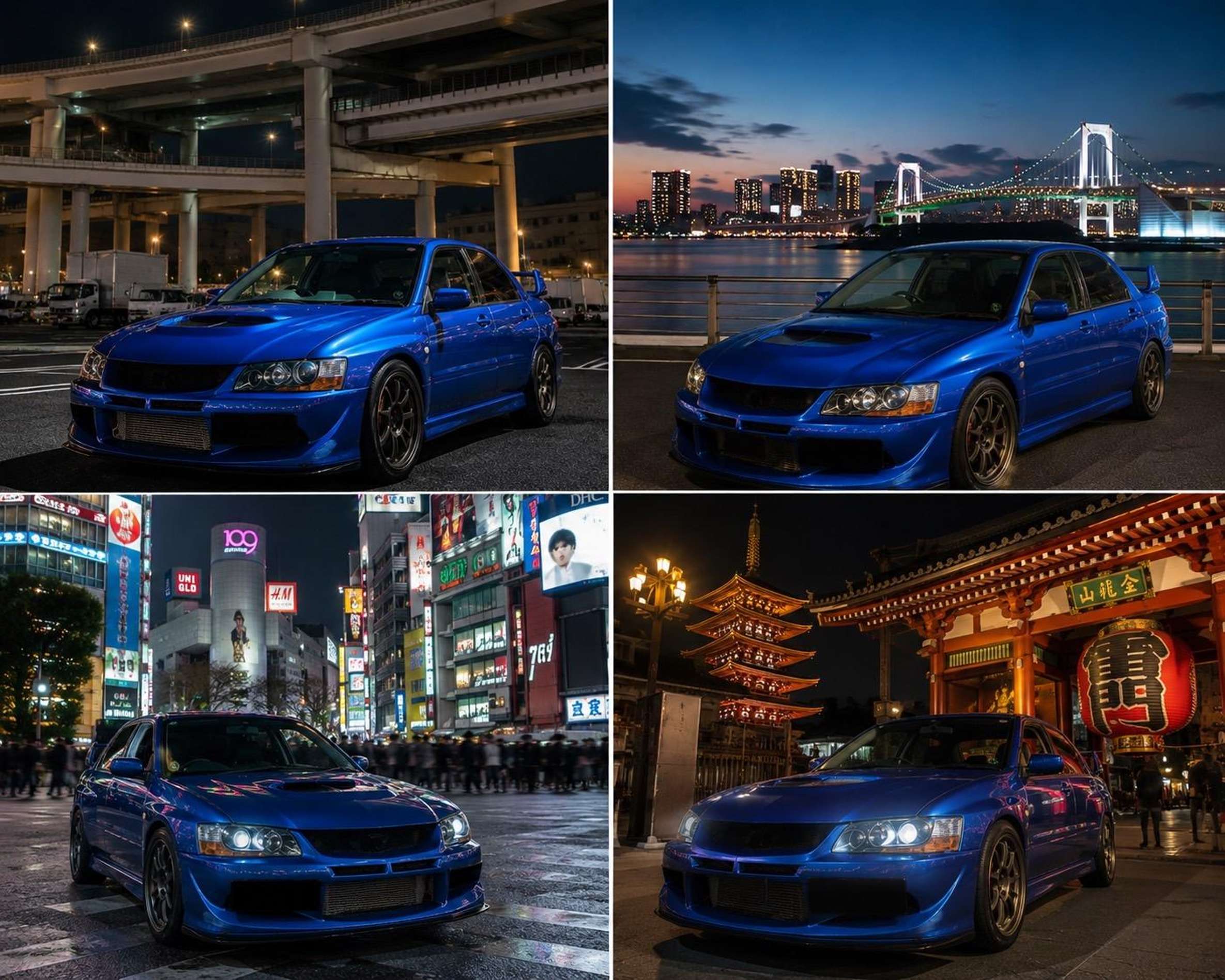
Two lots share the name and sit on opposite sides of Route 9, and they never connect. Tatsumi No. 1 takes you coming from Yokohama on the Bayshore Route; No. 2 takes traffic coming from Chiba.
A car in one lot cannot cross directly to the other, so whoever drives you picks the side in advance.
No. 1 is the one enthusiasts mean when they say Tatsumi, with 29 ordinary spaces, 17 large-vehicle spaces and the meet reputation. No. 2 has 22 ordinary spaces and sees less of the scene. Both are inbound rest areas, which is why a wrong-side arrival means a long highway loop to correct it.
Inside No. 1 you find restrooms open around the clock, vending machines with drinks and light snacks, and no restaurant or shop. Acoustic fences went up at No. 1 after complaints about noise, long occupation and sudden acceleration, so some sightlines now pass through screening on the way to the towers.
A few things about this lot take first-timers by surprise, and each one changes how you plan the shot.
Your driver must enter the correct one for the direction of travel; No. 1 is the lot the meets happen at
The screens went up over noise and behavior complaints, so frame your shots for the gaps and the angles that still catch the towers
The bump was built to stop cars launching out of the lot at speed, and it still sends a shudder through anything exiting fast
None of this ruins the visit; it just rewards a driver who knows the deck. Guides who come here often already frame their stops around the fences and the right side of Route 9.
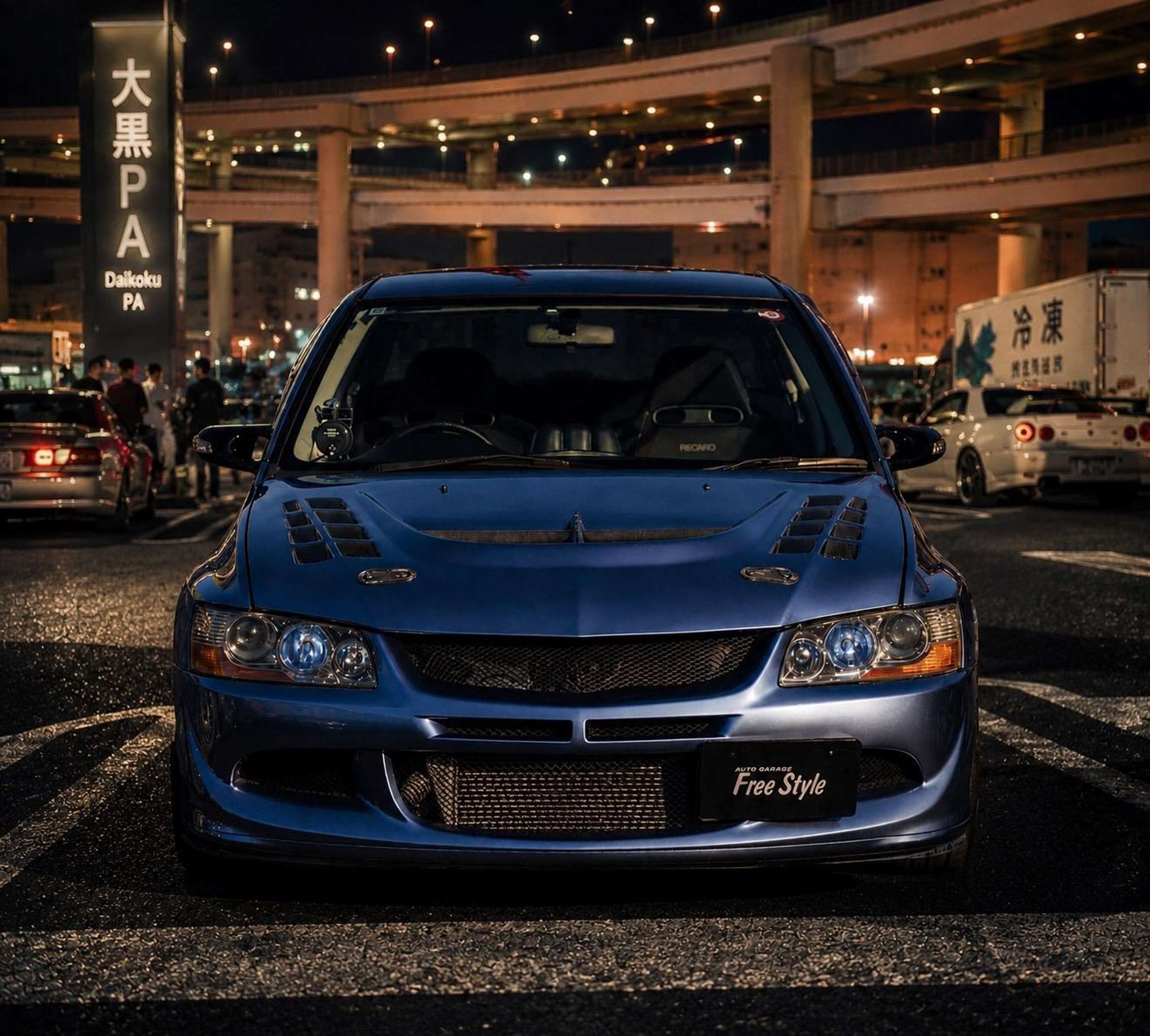
Timing decides almost everything at this meet. The heaviest turnout at Tatsumi No. 1 lands on Friday and Saturday nights between roughly 9:30 pm and midnight, when the lappers pull in between runs. Those same nights carry the highest risk of police dispersal, so the best crowd and the biggest risk arrive together.
Sunday through Thursday after 9:30 pm is the quieter bet. Commuter traffic has subsided, a smaller but more reliable stream of sports cars keeps moving through, and police closures are rare. Do not show up on a random early weekday evening expecting a scene; the lots sit nearly empty outside the prime windows.
Getting out of central Tokyo matters as much as the day. Depart after 8 pm and you skip the evening commuter peak that chokes the outbound expressway, and a slot around 11:45 pm gives you the clearest roads of the night.
Whichever night you pick, most lots thin out sharply once it passes 10 or 11 pm.
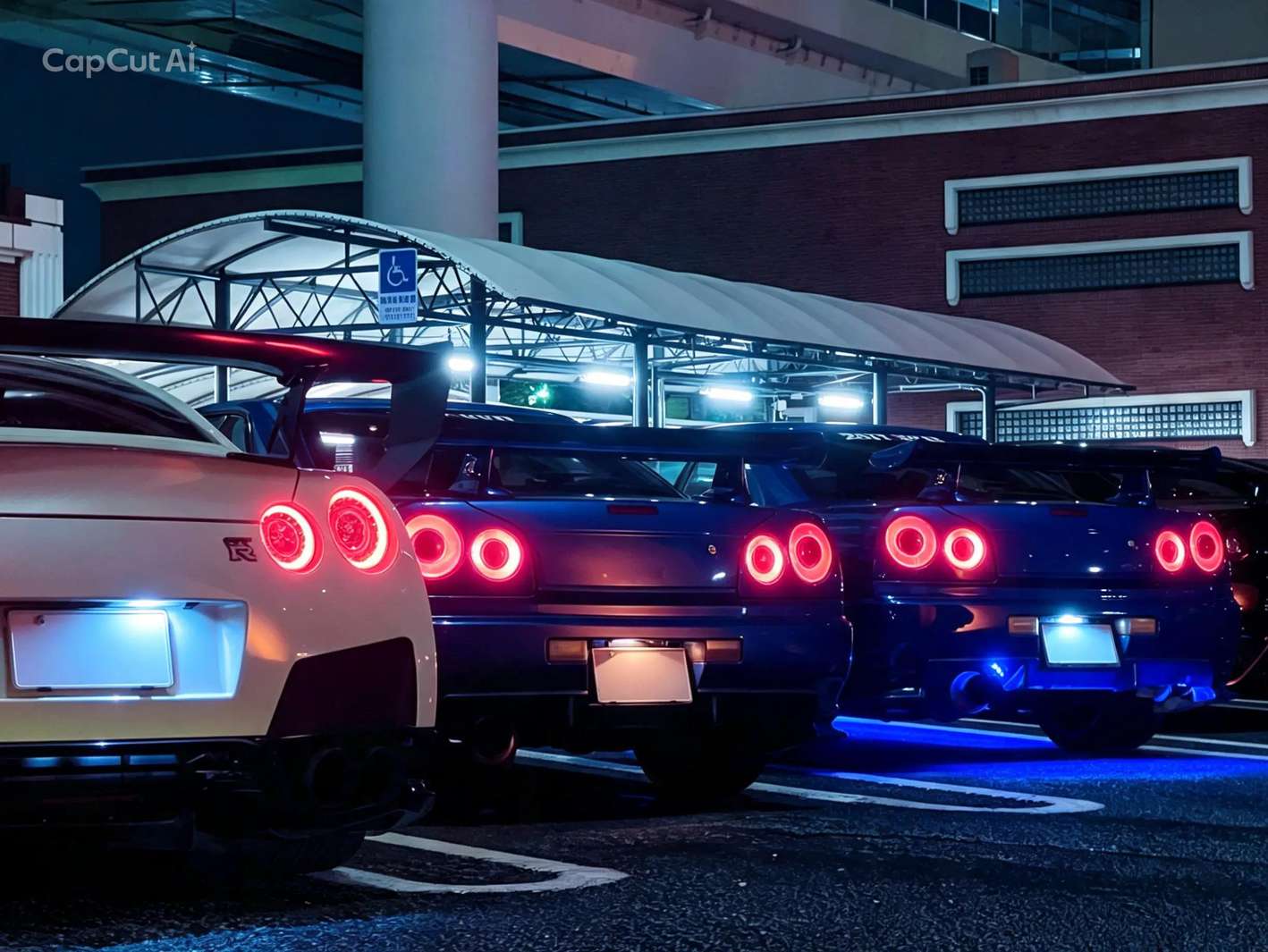
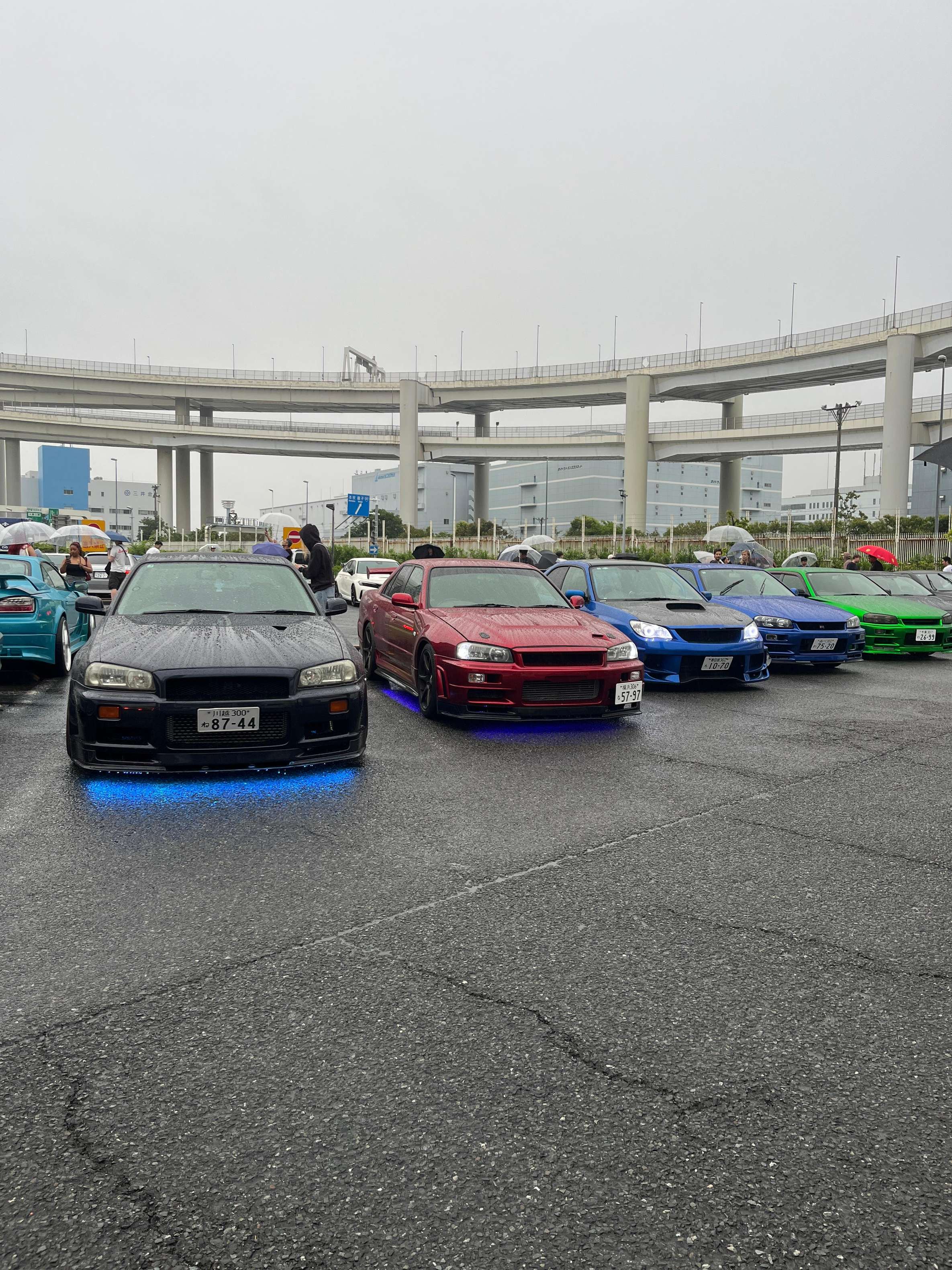
Here is the spoiler worth knowing in advance. Tokyo Metropolitan Police close Tatsumi on Friday and Saturday nights to break up nuisance gatherings and reckless driving, and the closure times can change without notice depending on crowds and conditions. Cars that were parked ten minutes ago are gone, and the deck goes quiet.
Rain is the other spoiler, and at Tatsumi it bites harder than at Daikoku. Wet weather does not close either lot, but turnout collapses: the big lots keep a smaller crowd of committed regulars, while rainy nights at Tatsumi see almost nobody.
Wet conditions run most of the year, from March through October, so a dry forecast is worth checking before you commit the evening.
Tours plan for all of it. Expressway night tours run through normal rain, and when police activity or weather closes a stop, operators reroute to lit city highways or sheltered alternatives, with a new date, adjusted route or full refund if severe weather forces a cancellation.
Treat a weekend booking as the lot plus a plan B, and ask your guide where they reroute when the police move in.
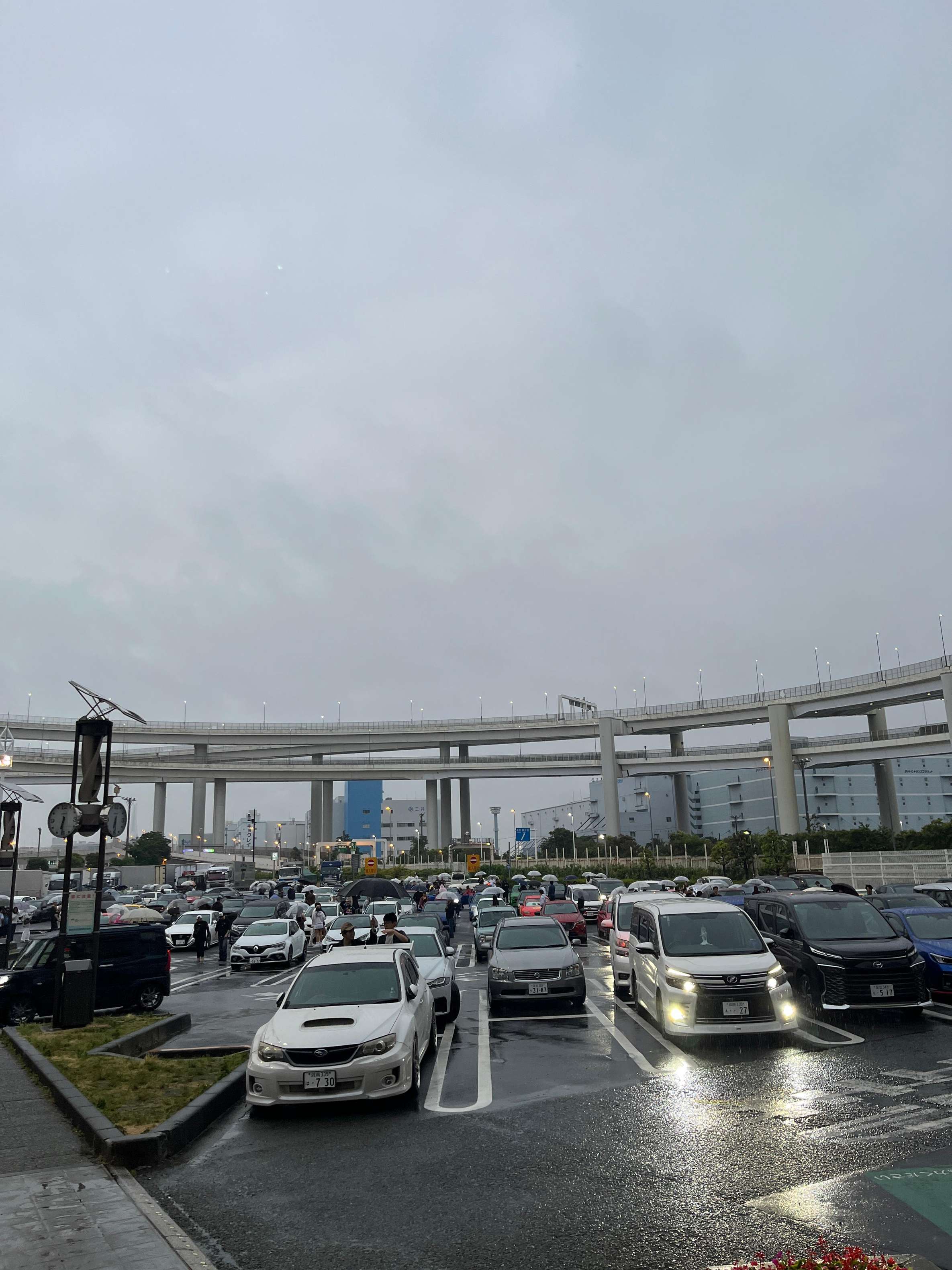
Foreign visitors are rare at this lot, and the regulars notice. The rules that keep the meet tolerated are unwritten but firm. Exterior shots of parked cars are generally fine without asking; interiors and people need permission first.
Never photograph a private license plate or an owner without an explicit yes, and if someone declines, respect it immediately and move on.
Touch nothing. No leaning on fenders, no sitting on bumpers, and keep watches and metal away from paint. Noise stays low because the rest stop also serves truck drivers and families sleeping in their vehicles, and flash in anyone's face is a fast way to end a conversation.
The same restraint applies to what you ask of the cars. Engine revving, burnouts and any form of encouragement get people removed, and they are exactly what pulls police attention onto the whole lot. Dispose of your trash in the bins, follow any staff or police instruction straight away, and leave when told.
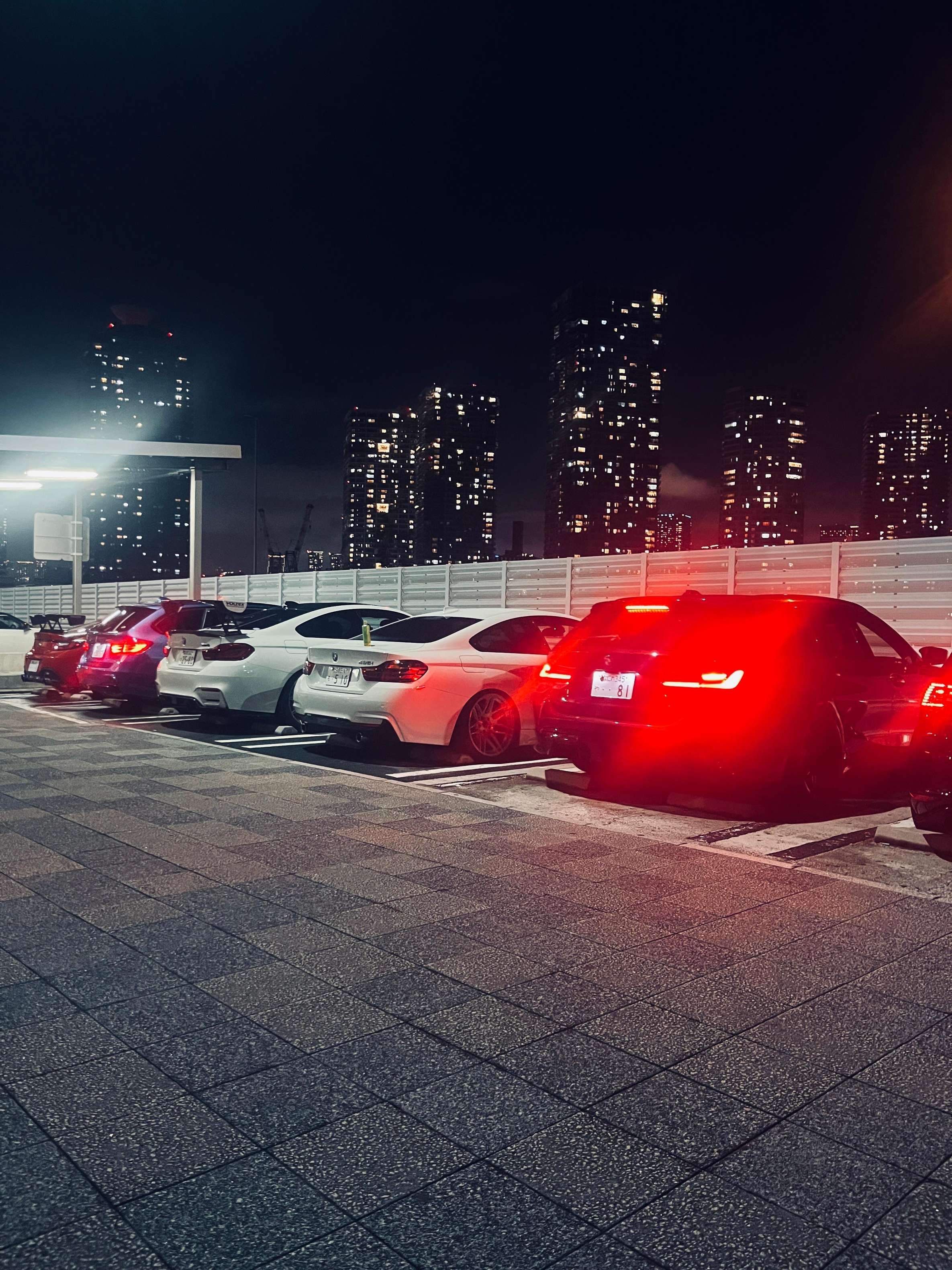
Not everyone wants the toll-road logistics, and there is a car scene you can walk into. The Akihabara UDX parking garage car meet sits three minutes from JR Akihabara Station, an underground deck where anime-wrapped itasha park in rows, and walking in on foot is free because fees apply only to parking vehicles.
It runs on a different clock from Tatsumi. Weekend afternoons from 2 pm draw the biggest itasha turnouts, Friday and Saturday evenings build from 8 pm, and everything winds down before 10 pm. It is a working garage, so turnout is never promised and security can move you along if you loiter.
Plan it as one stop inside an Akihabara evening, then decide whether the expressway lots are worth the ride. For travelers who want to see modified cars without a car of their own, this is the easy version of the hobby.
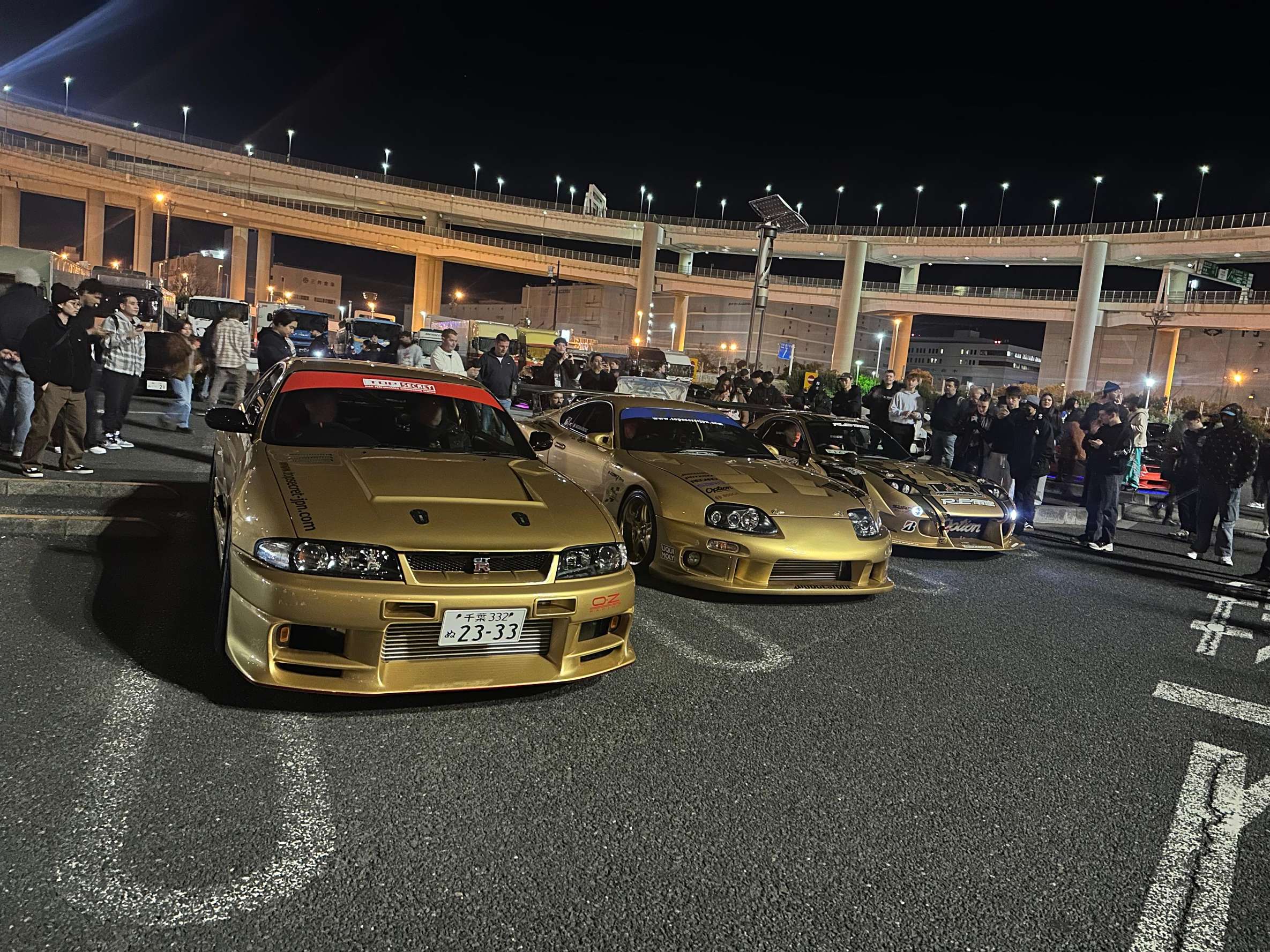
When police move Tatsumi's cars along, the crowd does not go home. Drivers cross the bay to Umihotaru Parking Area on the Tokyo Bay Aqua-Line, an artificial island halfway along a road that runs under the sea and then over a bridge.
The same happens from Daikoku, with some cars also drifting back to Tatsumi or Shibaura.
Umihotaru peaks on Friday and Saturday nights between 8:30 pm and midnight, with its busiest window between 9 pm and 10 pm as the closures push crowds across. The mood is calmer than Daikoku and the backdrop is open water instead of towers, which photographers rate for exactly that reason.
Distance is the problem out there. No train or bus reaches the island, and strong wind can close the whole Aqua-Line. A guided tour folds the tolls, the wind calls and the ride home into one booking, and as a passenger you need no driving permit at all.
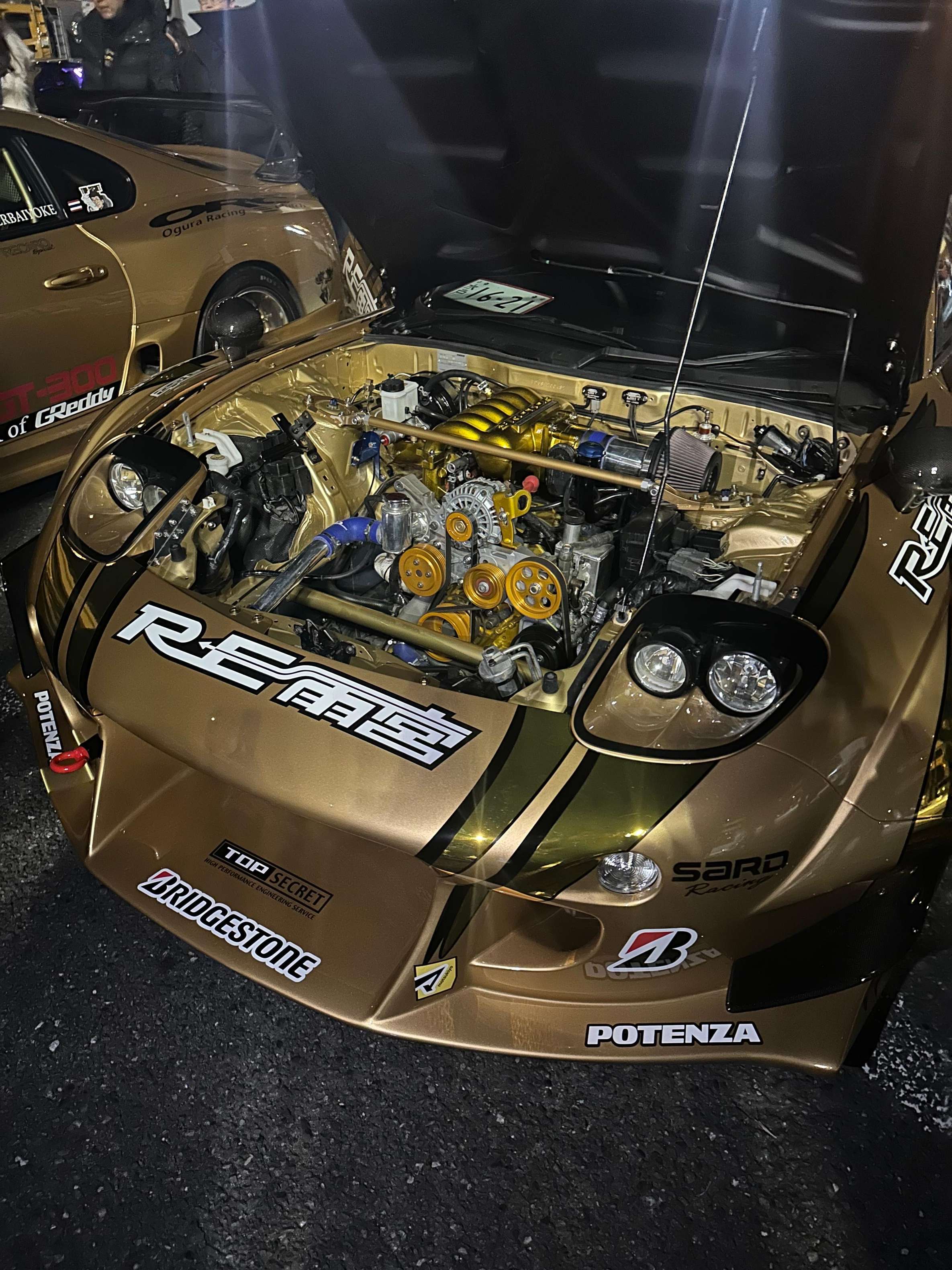
Readers drawn in by Tokyo Drift usually want the cruise, and there is a page for that: the Fast and Furious passenger cruise to Daikoku PA, a chauffeured night in a modified Skyline, Supra or EVO across Rainbow Bridge, the C1 Loop and the Wangan Highway.
You sit in the passenger seat, so no licence or permit is needed, and tolls and fuel are covered on most tours.
Weekday versus weekend changes the flavor more than the value. Weeknights still bring impressive cars and few closures; Fridays and Saturdays feel livelier but run the risk of a police diversion.
One operator schedules its Night Legends tours to skip Daikoku on Friday and Saturday nights between 7:30 pm and 2 am, while recent visitors also report busy weekend visits and occasional closures, so both nights work with the right expectation.
One belief to retire: the drifting scenes were filmed on closed courses in Los Angeles, because Japanese filming permits are strict. The movie cruise is a ride-along, and the meets are parked cars and conversations.
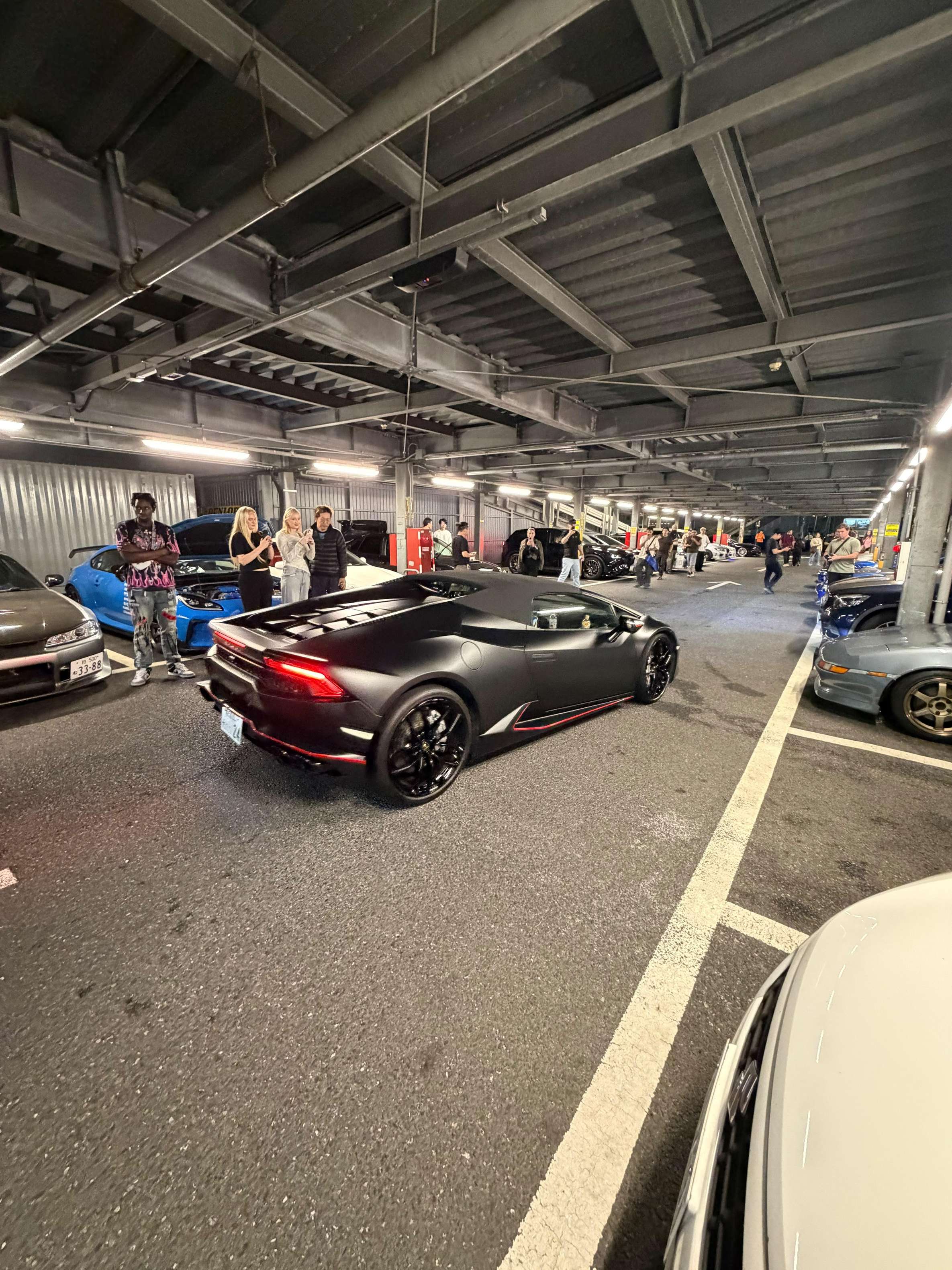
A ride-along solves the access wall outright. No licence is required because a professional driver operates the car, expressway tolls and fuel come included on most guided tours, and a Tatsumi stop on a C1 and Wangan run typically lasts 10 to 15 minutes, long enough to walk the deck and shoot.
The "Tokyo: Daikoku Car parking area night Meet & Experience JDM" tour is built around exactly this shape: a guided run along the C1 and Wangan highways with stops at both Daikoku and Tatsumi parking areas, and a guide who shares the history and current state of the car scene as you go.
Check a booking against four things before you commit, and the difference between a good night and a thin one is usually on that list.
| Check | Why it matters | Our pick |
|---|---|---|
| Is Tatsumi a named stop | Some tours substitute it silently; only a named stop promises the deck | This tour lists stops at Daikoku and Tatsumi parking areas together |
| Tolls and fuel in the price | Self-drive rentals leave tolls, ETC charges and fuel to the driver | Guided tours include fuel, tolls and parking fees |
| What ID to bring | Tours requiring identification turn you away without it | Passengers need a physical passport or ID card, and no driving permit |
| Is a specific model guaranteed | Maintenance, group size and breakdowns cause last-minute swaps | Only select private plans guarantee a car like an R34 Skyline or 630HP GT-R |
Book knowing the car can be swapped. If the exact model matters to you, that is what the private plans exist for.
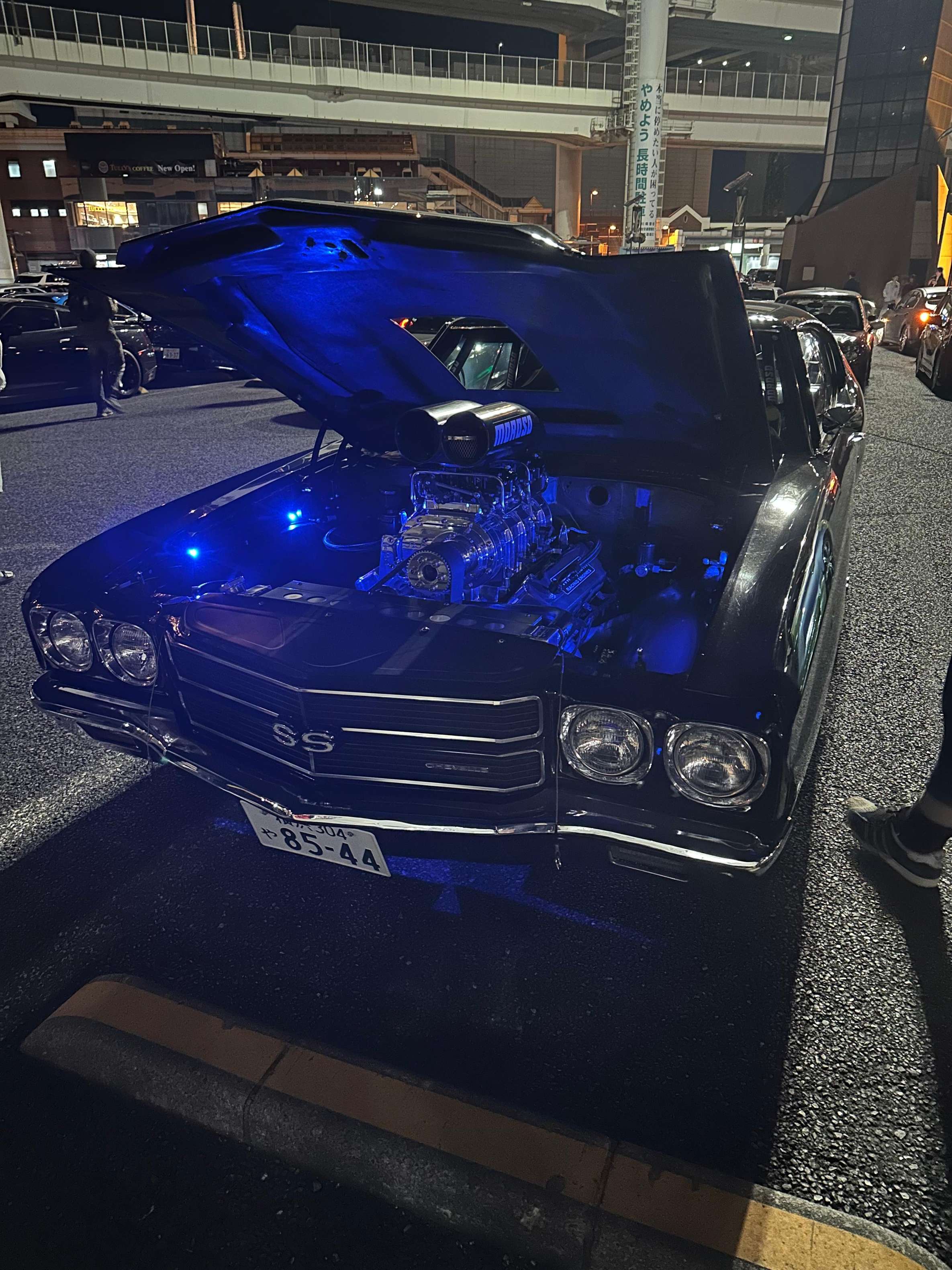
If the wheel is the point, the paperwork comes long before the trip. Renters in Tokyo must show their original physical passport and original home-country license, plus an International Driving Permit issued under the 1949 Geneva Convention.
Drivers from Switzerland, Germany, France, Belgium, Monaco, Taiwan and Austria instead need an official Japanese translation of their license, arranged in advance through the Japan Automobile Federation.
Footwear is a rule most renters never hear about. Japanese traffic law bans driving in anything that can slip off or hinder pedal control, including flip-flops, backless sandals, slippers, geta and high heels. Wear secure closed-toe shoes, and keep loose sleeves and long hems away from wheel and shift, because they catch.
Then the expressway itself. The Bayshore Route is limited to 80 km/h, automated Orvis cameras flash red and photograph both plate and driver, and speeds more than 40 km/h over the limit become a criminal offense requiring a court appearance.
Police generally tolerate up to about 19 km/h over. At night on a road you do not know, drive like the cameras are watching, because they are.
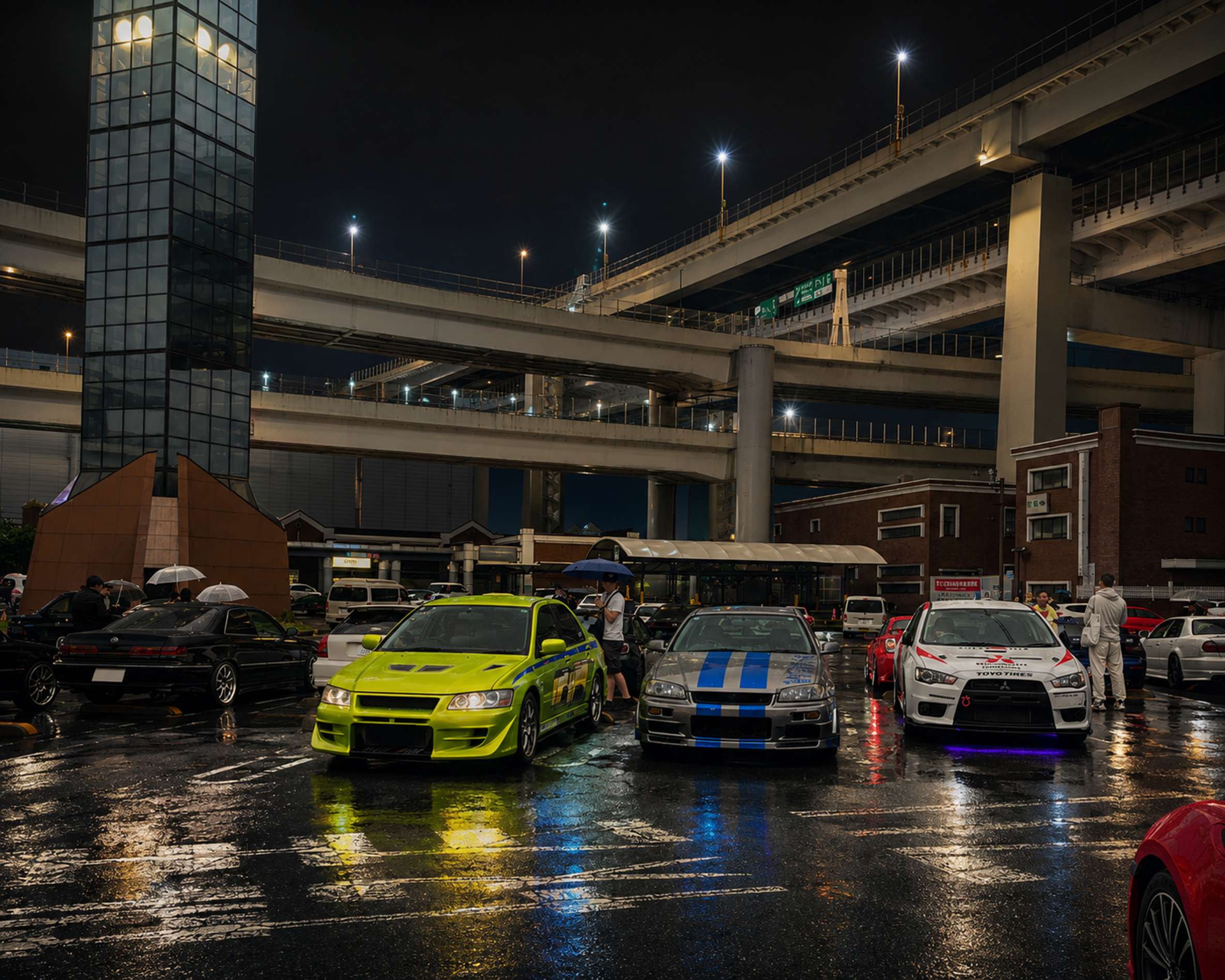
The hours before a 9:30 pm start are worth filling well. Train-reachable showrooms cover the whole day: Nissan Crossing on the Ginza crossing is free and has a driving simulator, A-PIT Autobacs in Shinonome stacks three floors of tuning parts and gear, and the STI Gallery in Mitaka shows Subaru's racing hardware.
Liberty Walk Harajuku and Up Garage branches round out a proper parts crawl.
Arcades keep the theme going after dark. GiGO, Taito Station and the Shibuya arcades run Wangan Midnight Maximum Tune and Initial D THE ARCADE, linked cabinets where the touge rituals play out digitally. Yodobashi Akiba stocks model cars outside the station, and Mandarake Complex 2 hides vehicle toys on its seventh floor.
For the true Initial D pilgrim, Mount Haruna's Yaseone Pass in Gunma is the real mountain-pass setting, a day trip in its own right. Play the linked Initial D cabinets at GiGO before your run, and the arcade maps out corners you are about to drive for real.
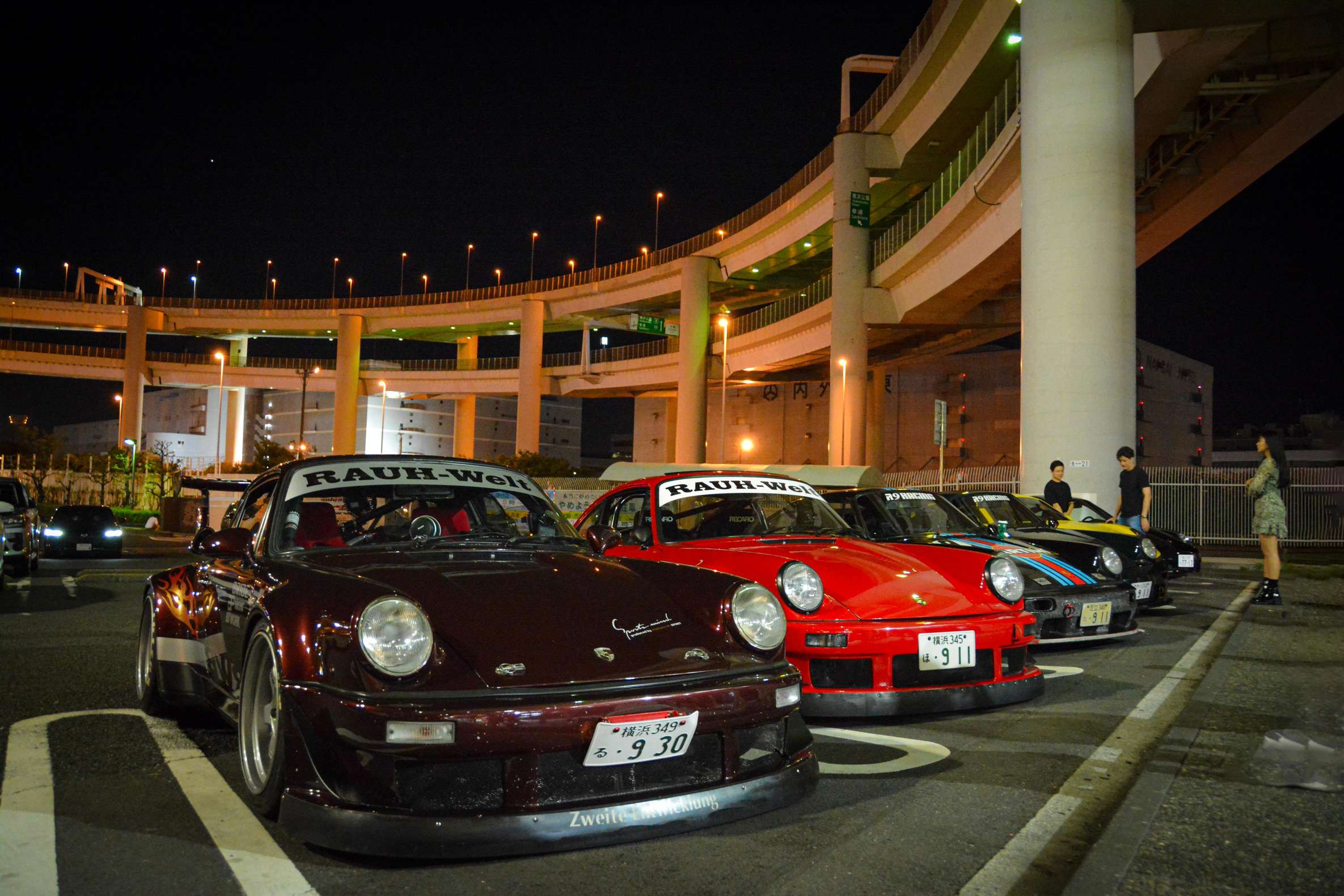
Travelers who want the grittier side of Tokyo's expressway scene get exactly that at Tatsumi: a handful of tuned builds under the towers, well short of a festival crowd. The visit lives or dies on how you get in and which night you pick.
Book a guided seat, aim for a Friday or Saturday after 9:30 pm if you want volume, or a weeknight if you want calm, and let the driver handle the closures.
Get a full picture of Daikoku PA, the big lot most Tatsumi runs connect with.
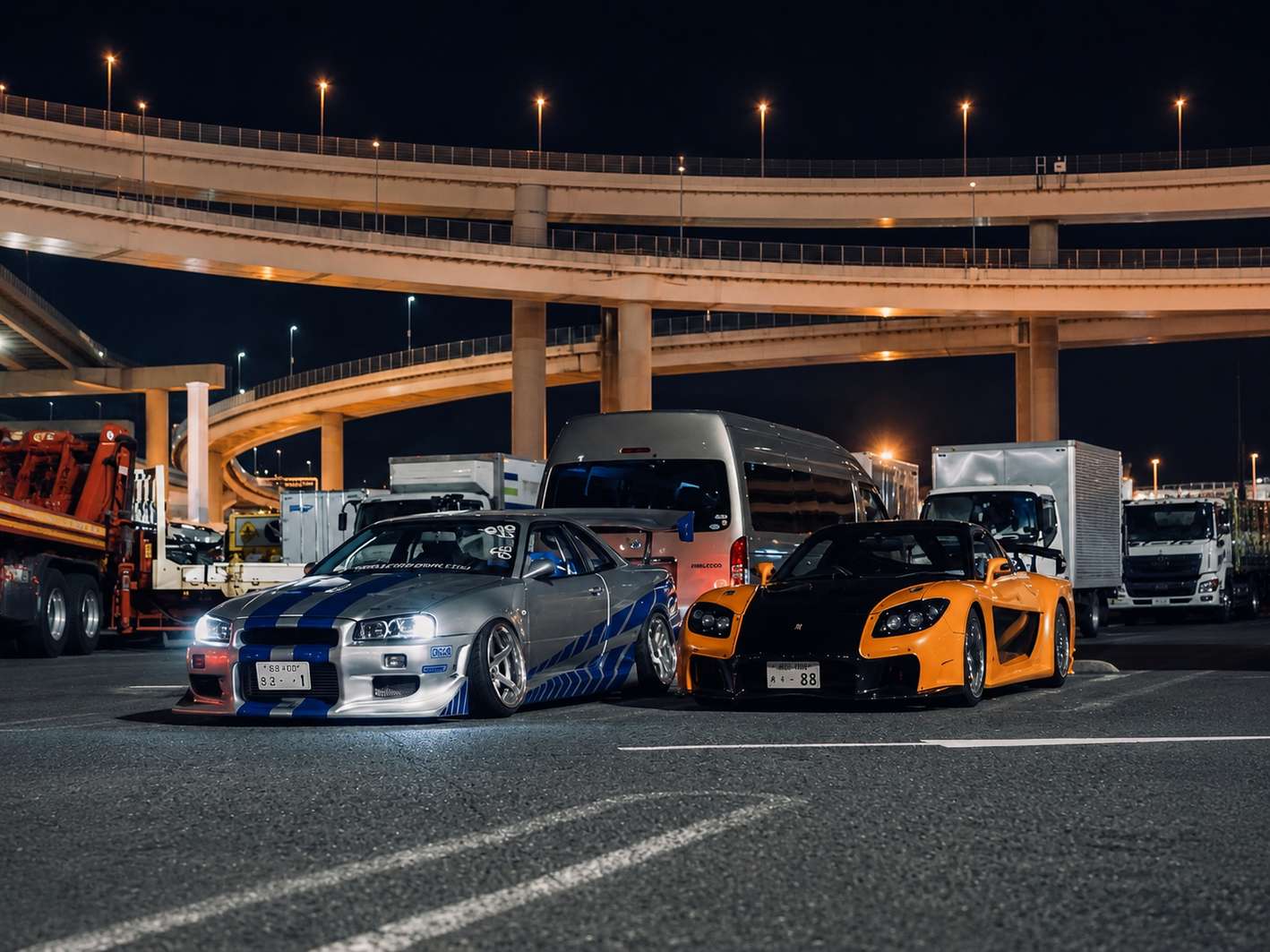
Work out every way in and out of the expressway lots from Tokyo or Yokohama.
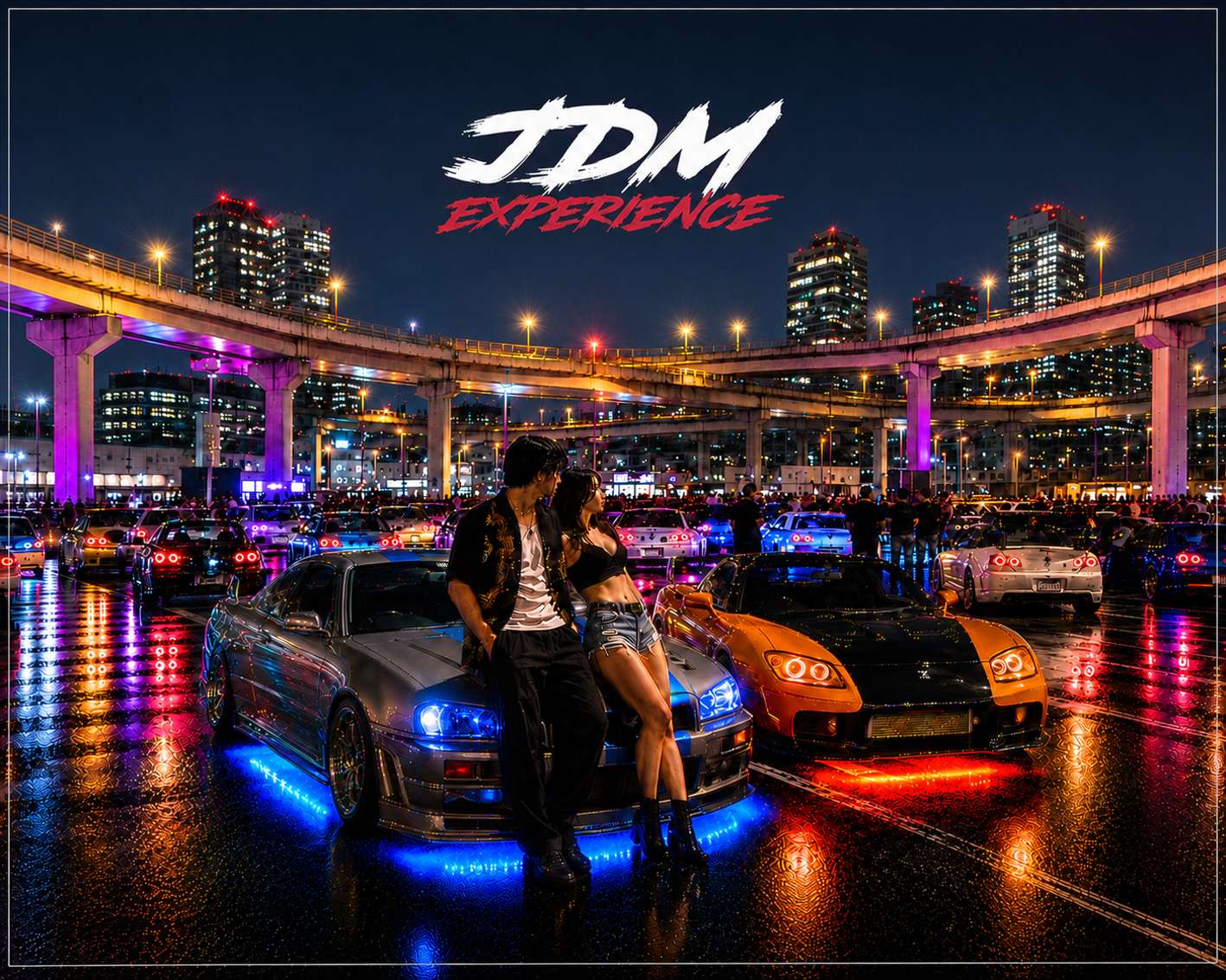
Pick the right night, since Friday and Saturday closures reshuffle everything.
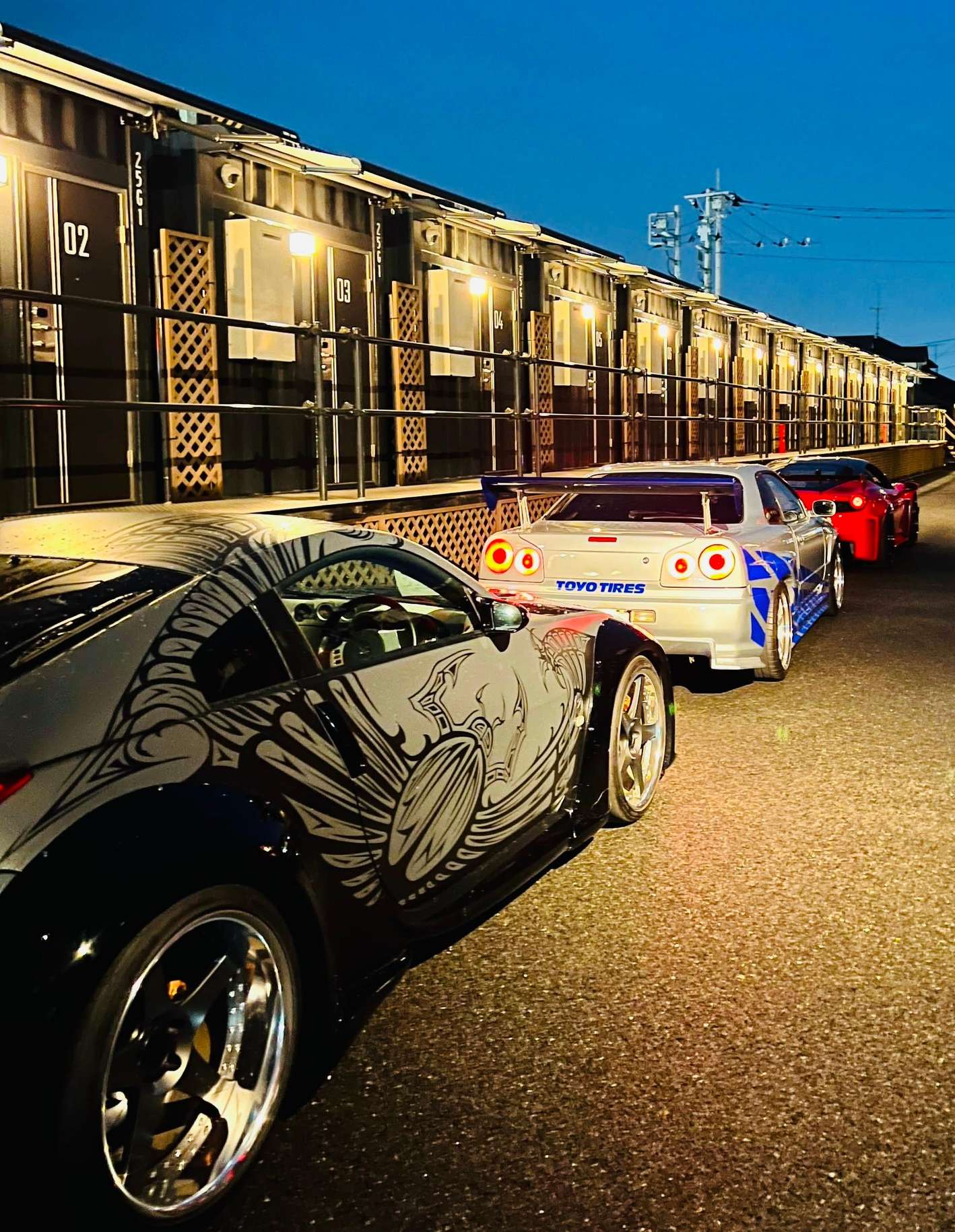
Compare guided ride-along tours that cruise the C1 Loop and stop at Tatsumi.
See what a private chauffeured night adds when you want the lot to yourself.
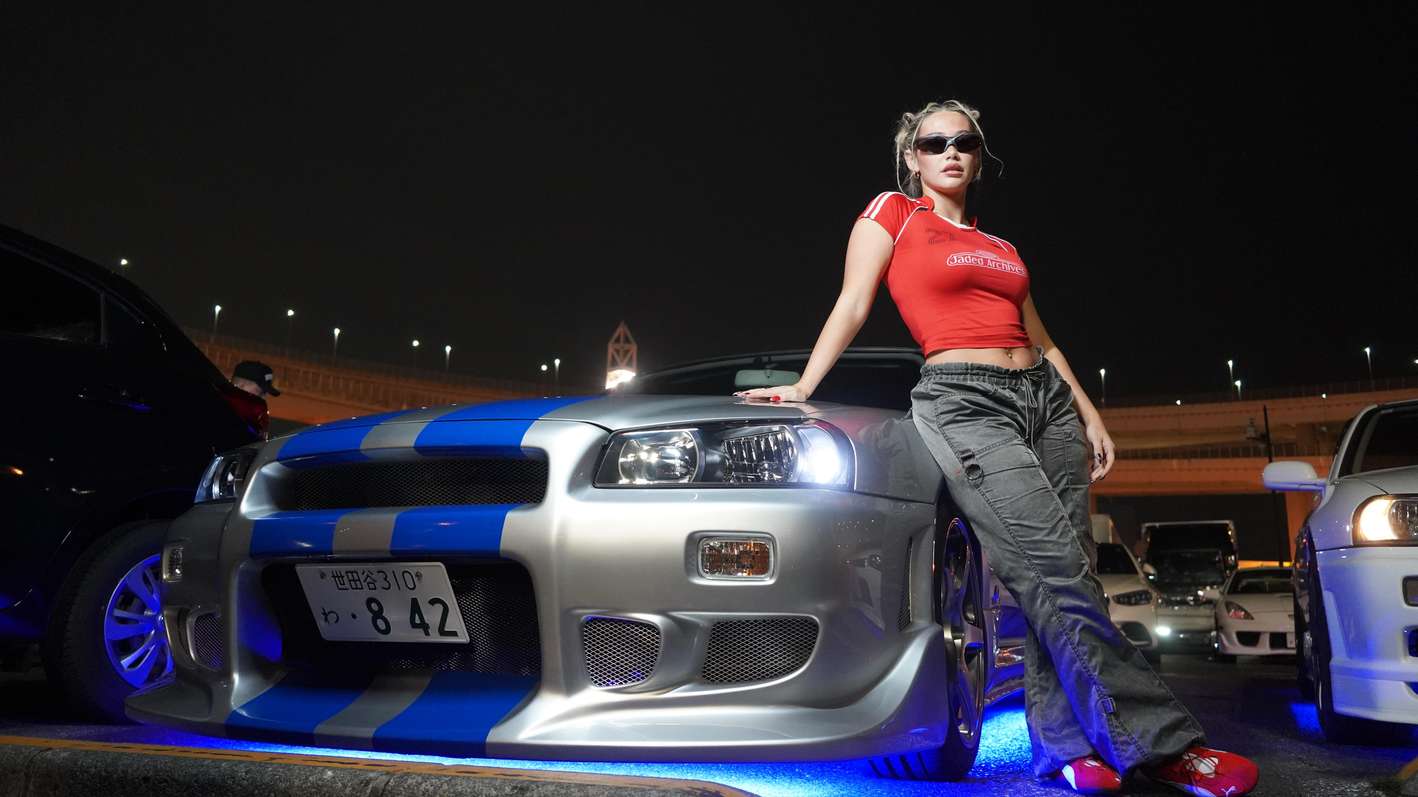
Find out how self-drive convoys reach the parking areas with your own license.
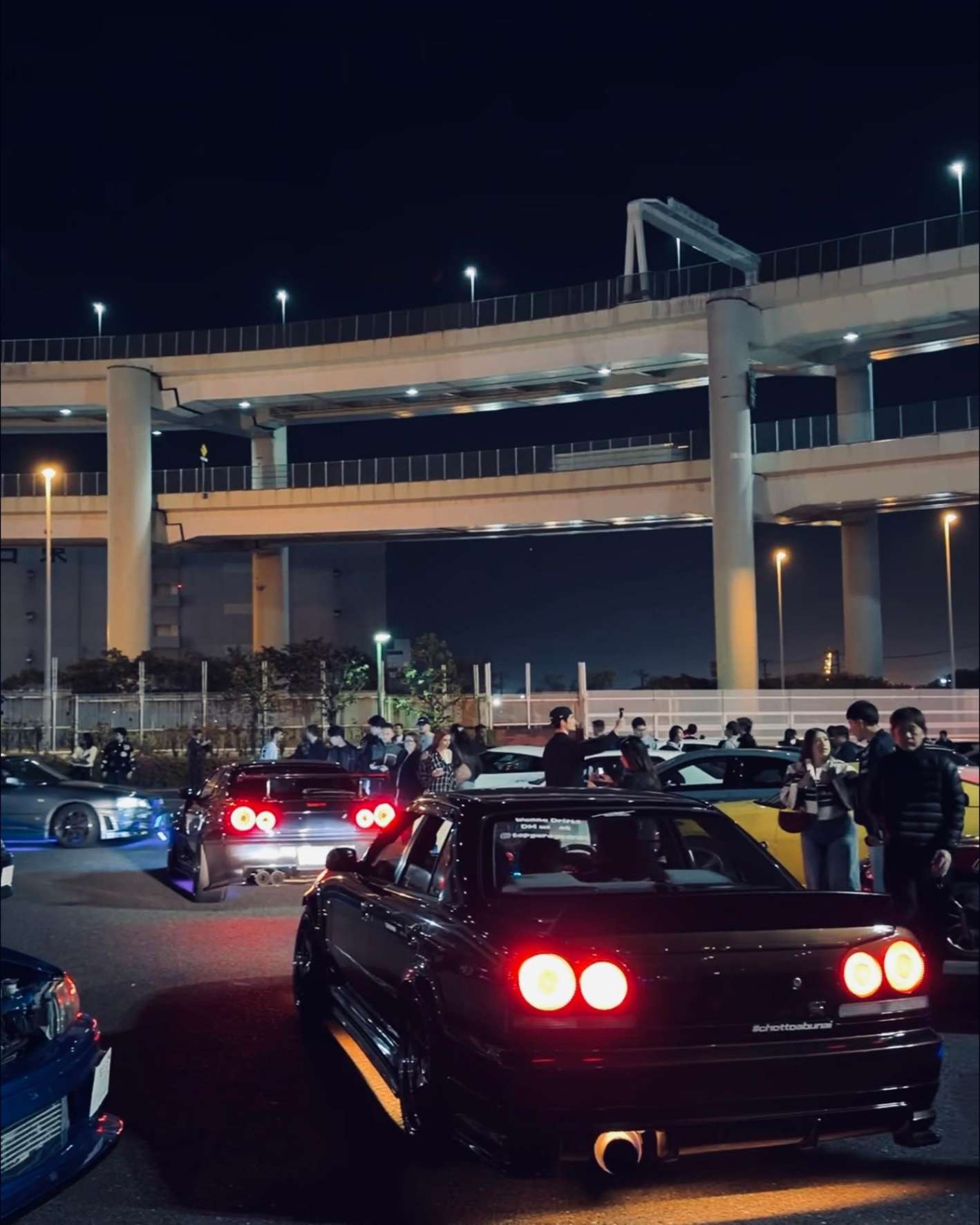
Check peak hours for every Tokyo meet before locking in your tour night.
The practical stuff, from access to closing times, answered in one place.
No. Tatsumi Parking Area is completely inaccessible on foot, and only an authorized vehicle can enter and leave.
A taxi can take you there, but many drivers refuse to enter the expressway lot and wait, so confirm in advance if the driver will enter, pay the highway tolls, keep the meter running and drive you back.
A guided ride-along tour is the straightforward way. Local drivers handle the toll gates, the limited highway access points and the timing, and you ride as a passenger. Several tours on this page stop at Tatsumi between runs along the C1 Loop and the Wangan Bayshore Route.
Friday and Saturday nights between roughly 9:30 pm and midnight draw the highest concentration of sports cars, though those peak nights also carry the highest risk of police dispersal. Weeknights from Sunday to Thursday after 9:30 pm bring a smaller but more reliable and relaxed stream of cars once commuter traffic dies down.
They can. Tokyo Metropolitan Police close it on Friday and Saturday nights to stop nuisance gatherings, noise and reckless driving, and the closure times can change without notice depending on crowds. When the lot closes, drivers usually move on to Umihotaru Parking Area on the Tokyo Bay Aqua-Line.
Tour drivers know the scene moves. If Tatsumi or Daikoku is closed, guides reroute to wherever the cars are gathering that night, often Umihotaru, so you still see a live meet. The itinerary adapts rather than ending at a locked gate.
Tatsumi is much smaller and more transient. Tatsumi No. 1 has 29 ordinary-car spaces against Daikoku's 335, and Tatsumi typically sees around 10 cars at a time compared with over 100 on a big Daikoku night. The mood is more relaxed and conversational, cars turn over faster, and foreign visitors are rare there.
Usually 10 to 15 minutes. Drivers treat the lot like a pit stop during their C1 runs, so the lineup changes while you stand there, which is part of what makes it feel alive.
No, and they are not interconnected. No. 1 sits on the Bayshore Route coming from Yokohama, No. 2 on the route coming from Chiba. When enthusiasts talk about the Tatsumi meet, they mean No. 1, with its 29 ordinary-car spaces.
Some sight lines have changed. Fences were installed at Tatsumi No. 1 because of noise, long-term occupation and sudden acceleration from the exit, and they block part of the night view. Your driver can point you to the angles that still work, and the illuminated towers around Koto Ward remain close by.
Never touch a car without explicit permission, and never photograph license plates or owners without asking. Ask before shooting interiors or people, keep your voice down, and leave the engine revving to nobody.Owners are usually happy to talk about their builds, and translation apps bridge any language gap.
Only vending machines for drinks and light snacks, plus 24-hour restrooms and waste bins. There are no restaurants or shops, so eat before your tour or plan on grabbing something at a stop with more facilities.
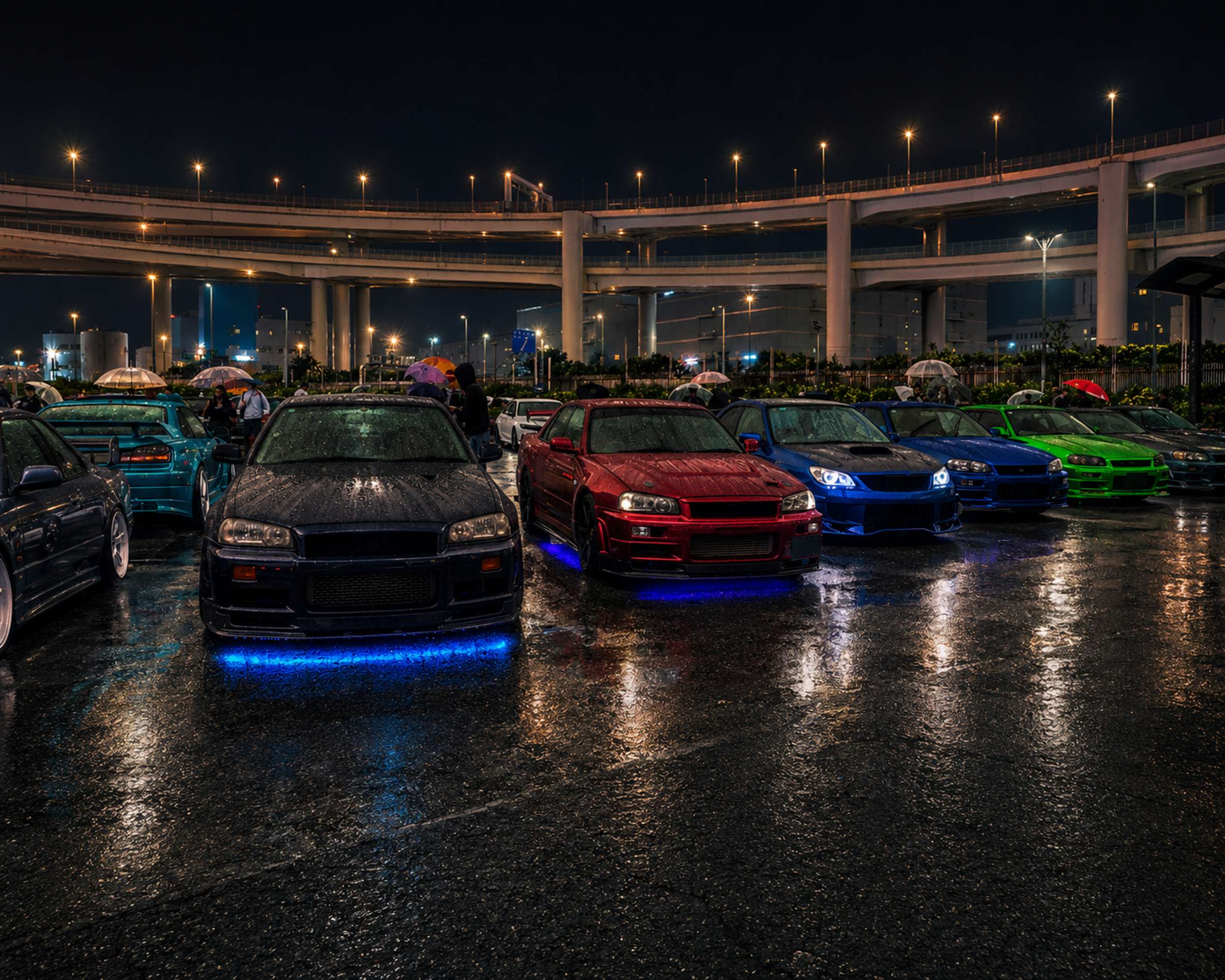
Ride the C1 Loop and Wangan in a modified JDM car with Tokyo Tower photos along the way, and cancel up to 24 hours before for a full refund.