
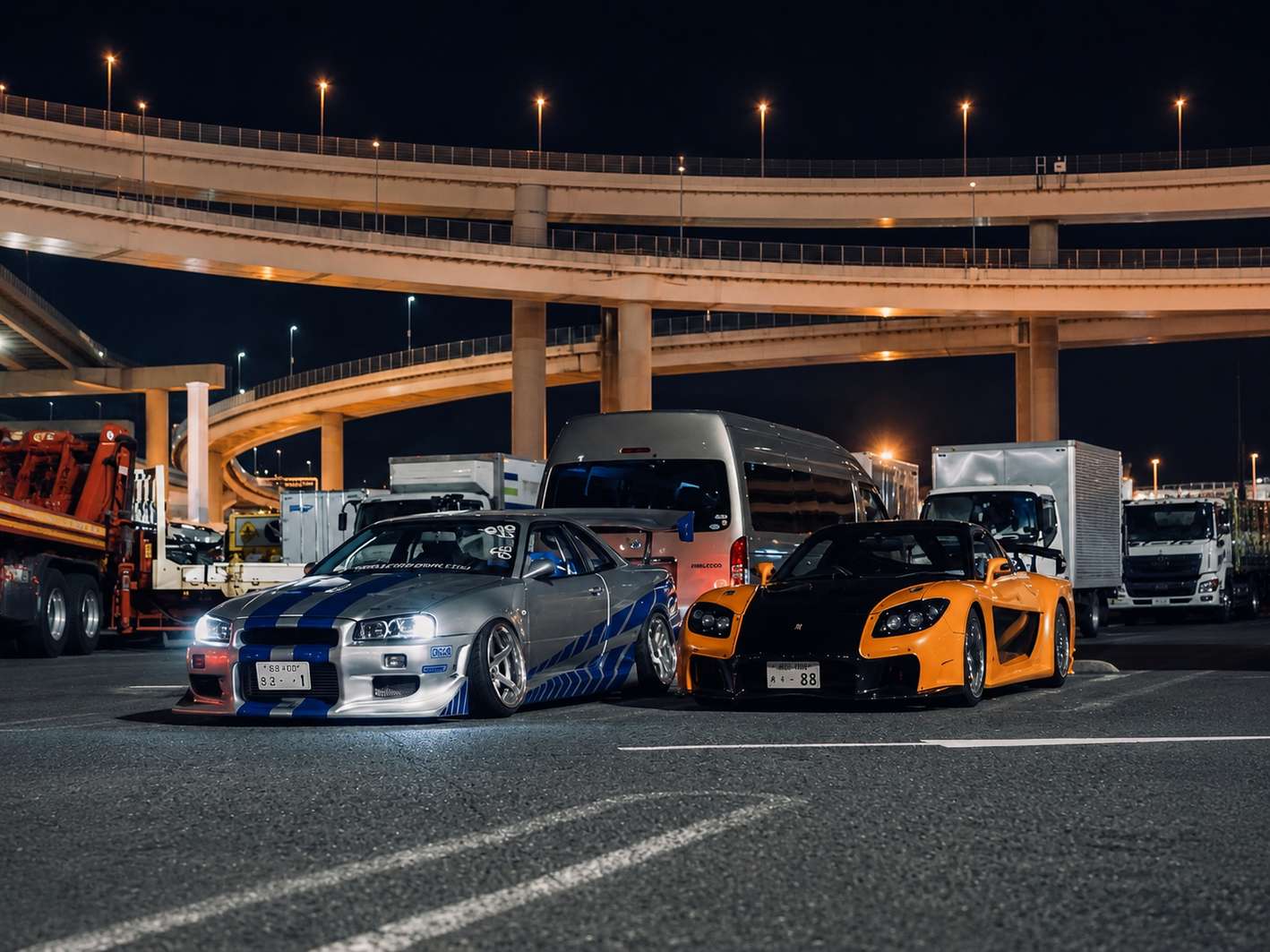
 Our top pick
Fast and Furious : Tokyo Drift Experience & Daikoku Car Meet
Hotel pickup and drop-offSmall-group experienceVisit Tokyo Tower
From$114 /person
See dates and book Free cancellation · Hotel pickup
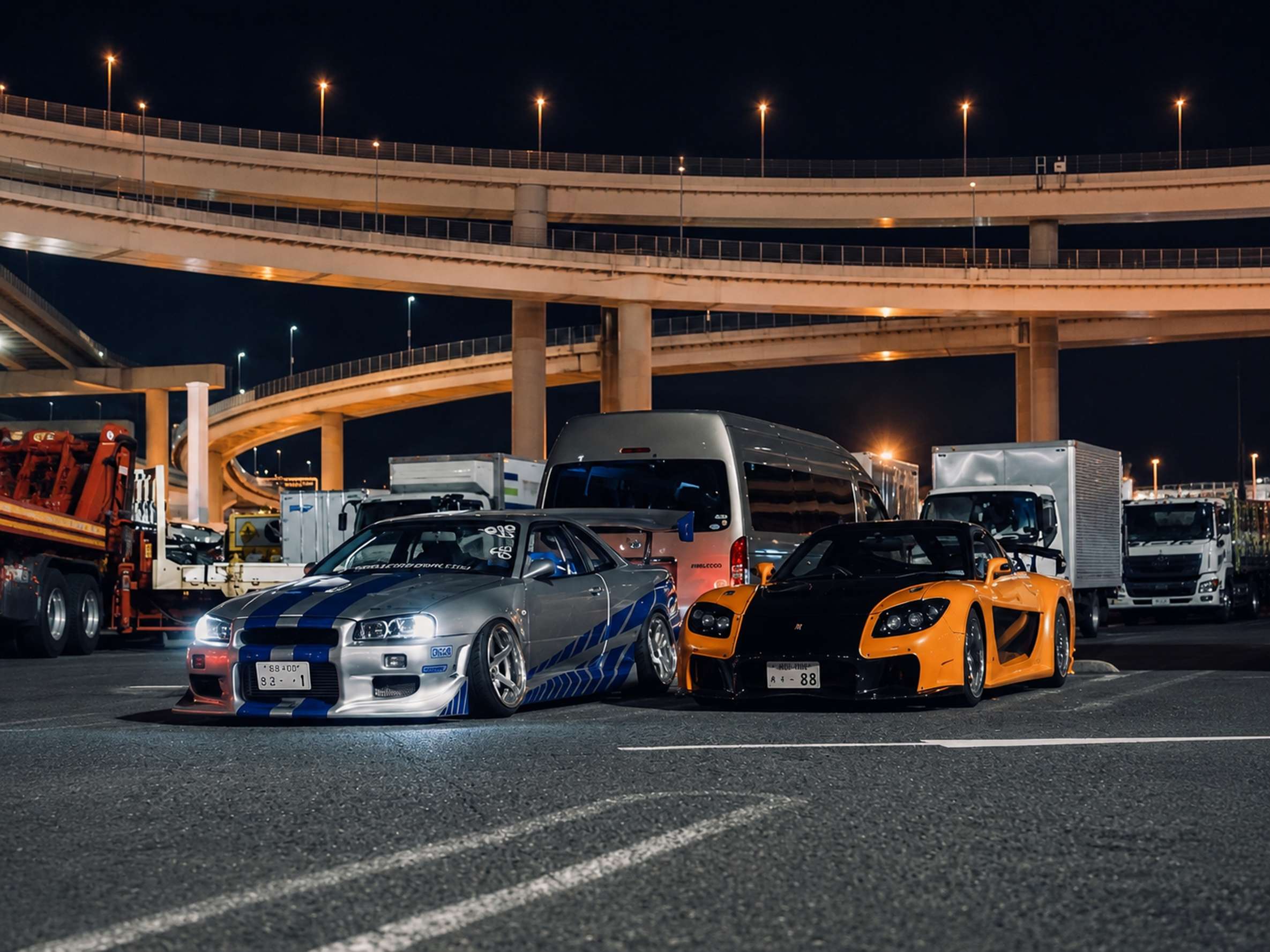
Reach Japan's most famous car meet without a rental car or permit. Book a guided ride in a real JDM sports car, let a local driver handle the expressway, tolls and the way back, and step out at Daikoku PA with the GT-Rs and Supras rolling in around you.
“Unforgettable from start to finish! Isaac explained everything about the Daikoku car scene and Tokyo, even dropped us at our hotel and kindly brought back the camera we forgot. 11/10!”
Every tour here starts in Tokyo or Yokohama, runs about three to four hours, and includes round-trip transport so you never stand on the island looking for a ride back.
Our top pick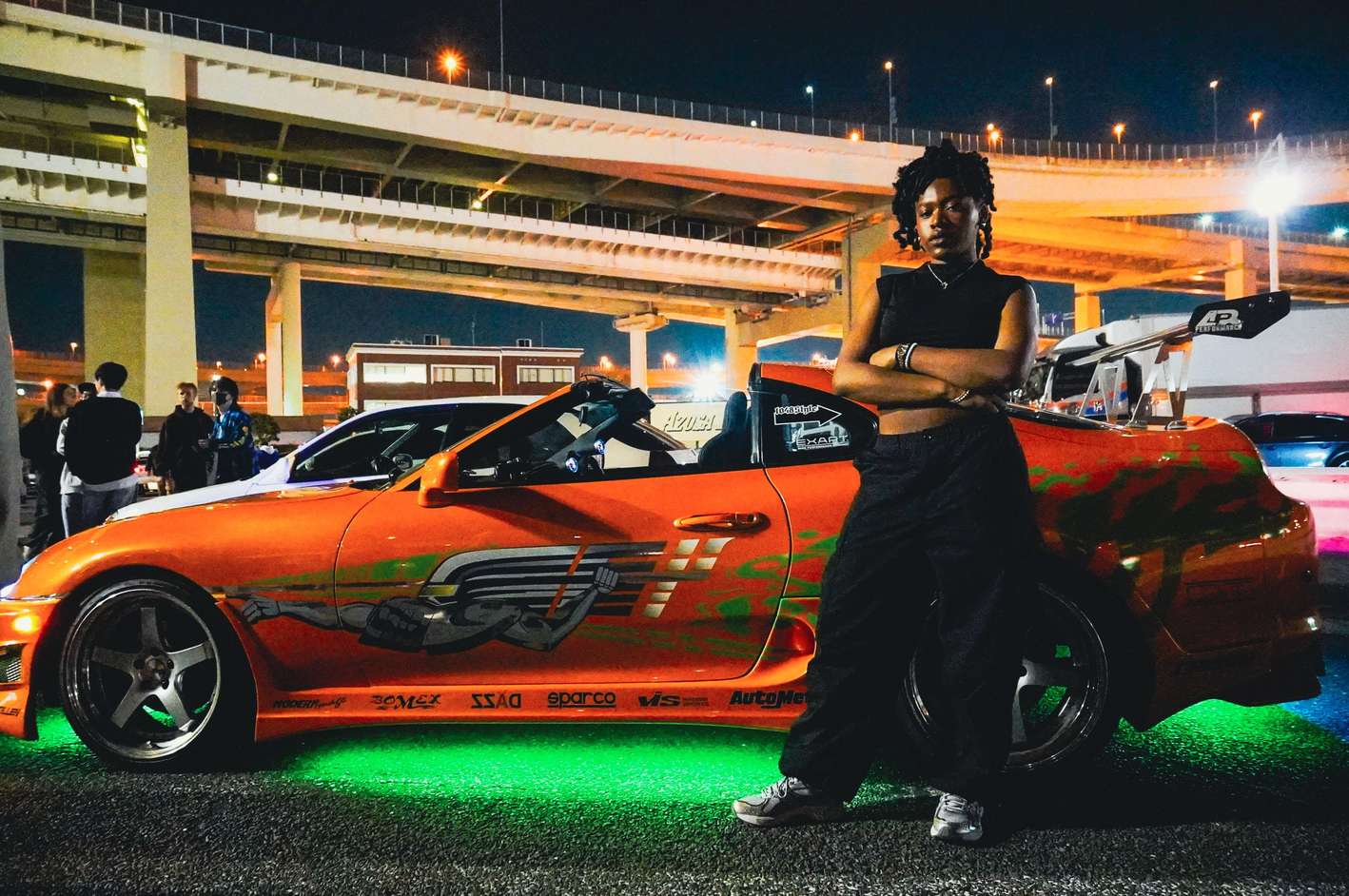
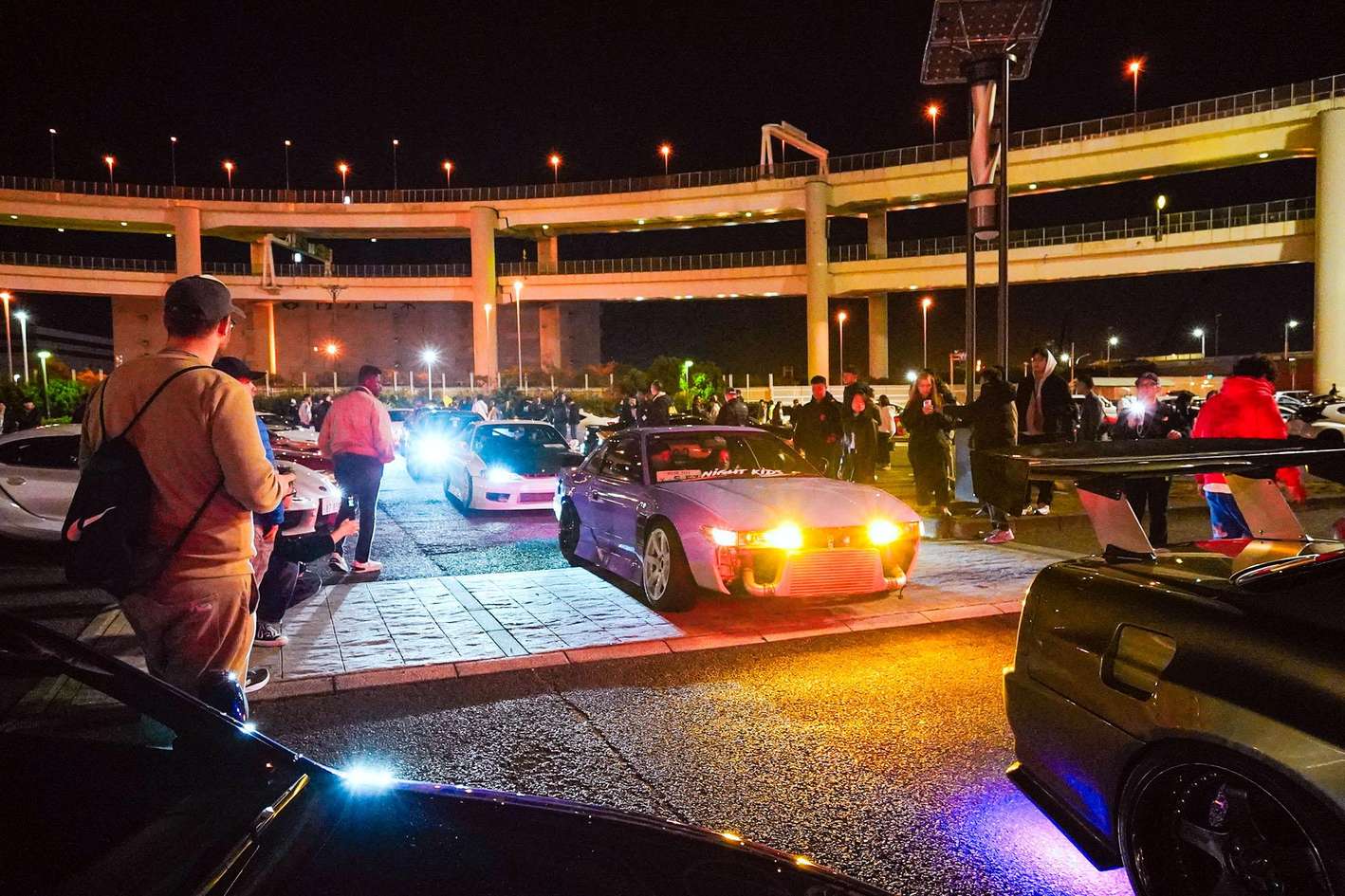
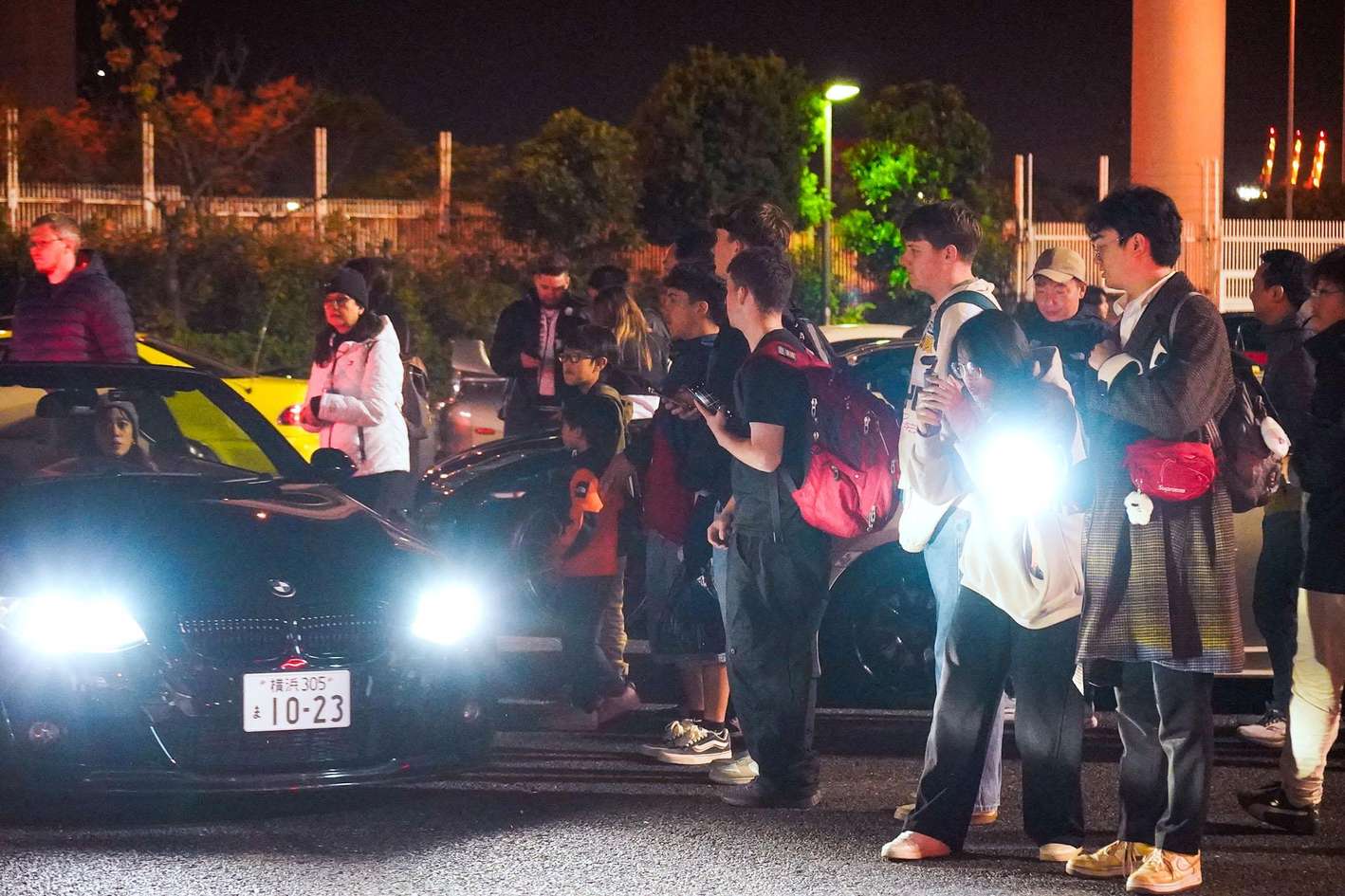
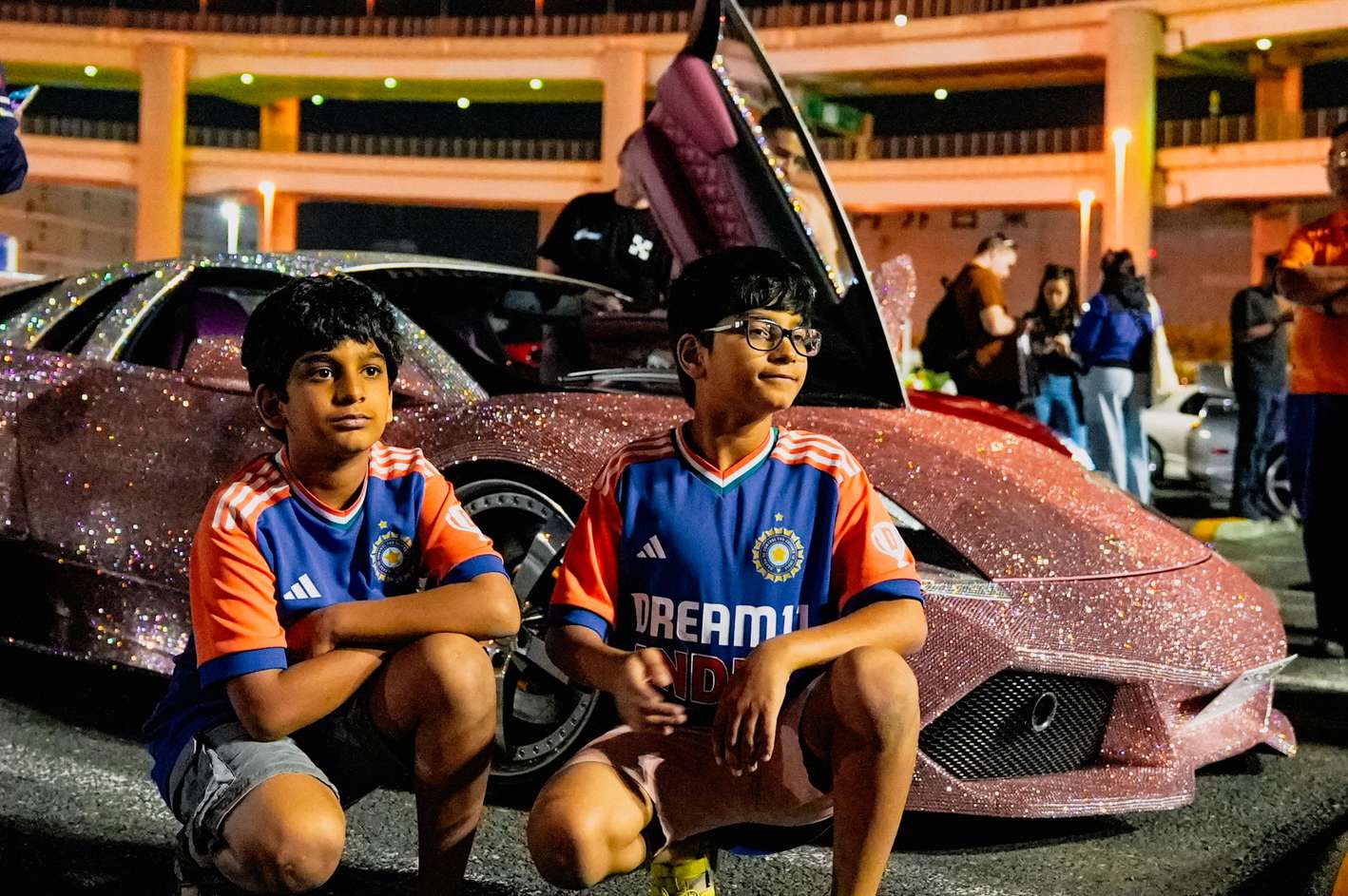
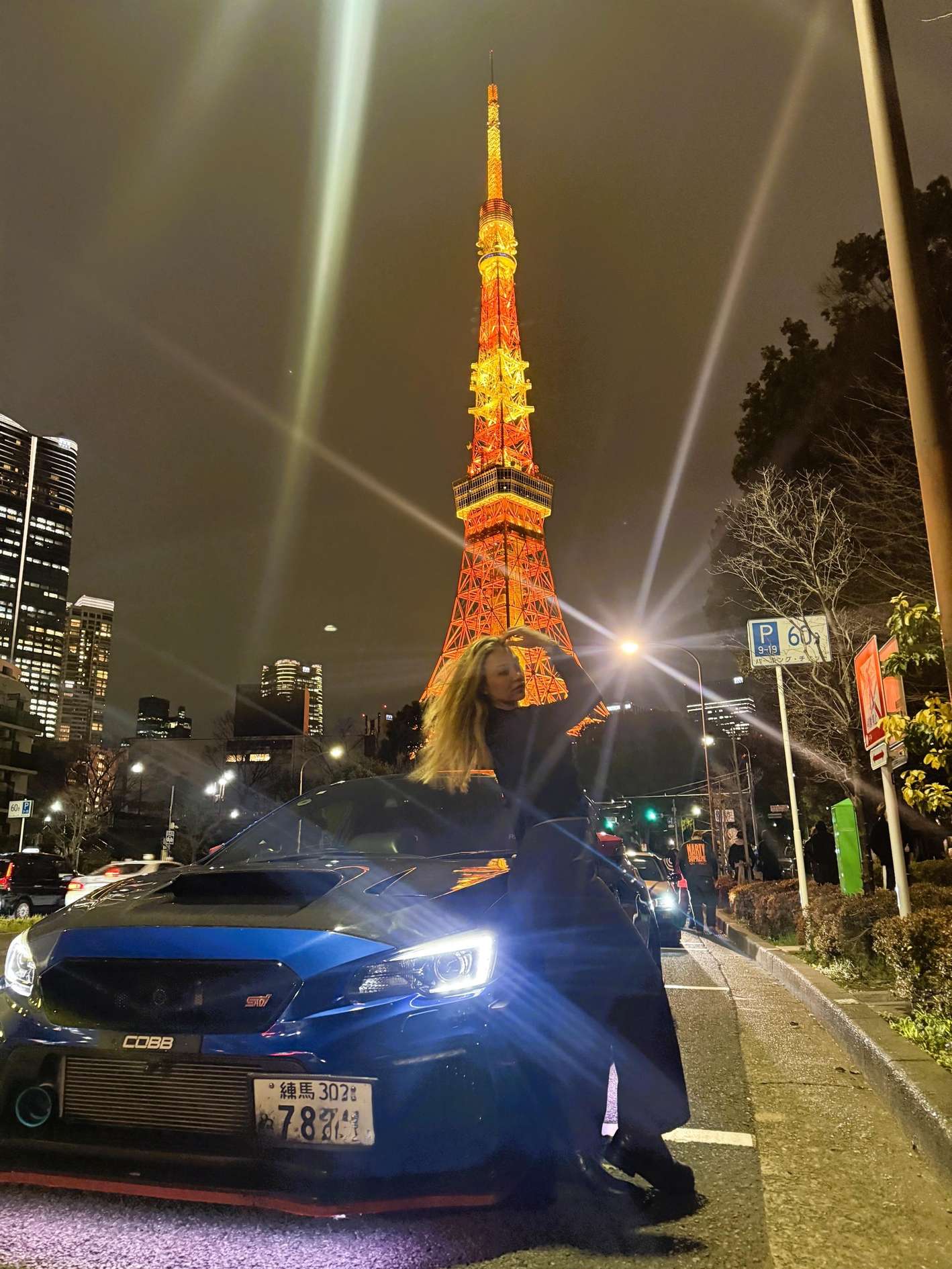
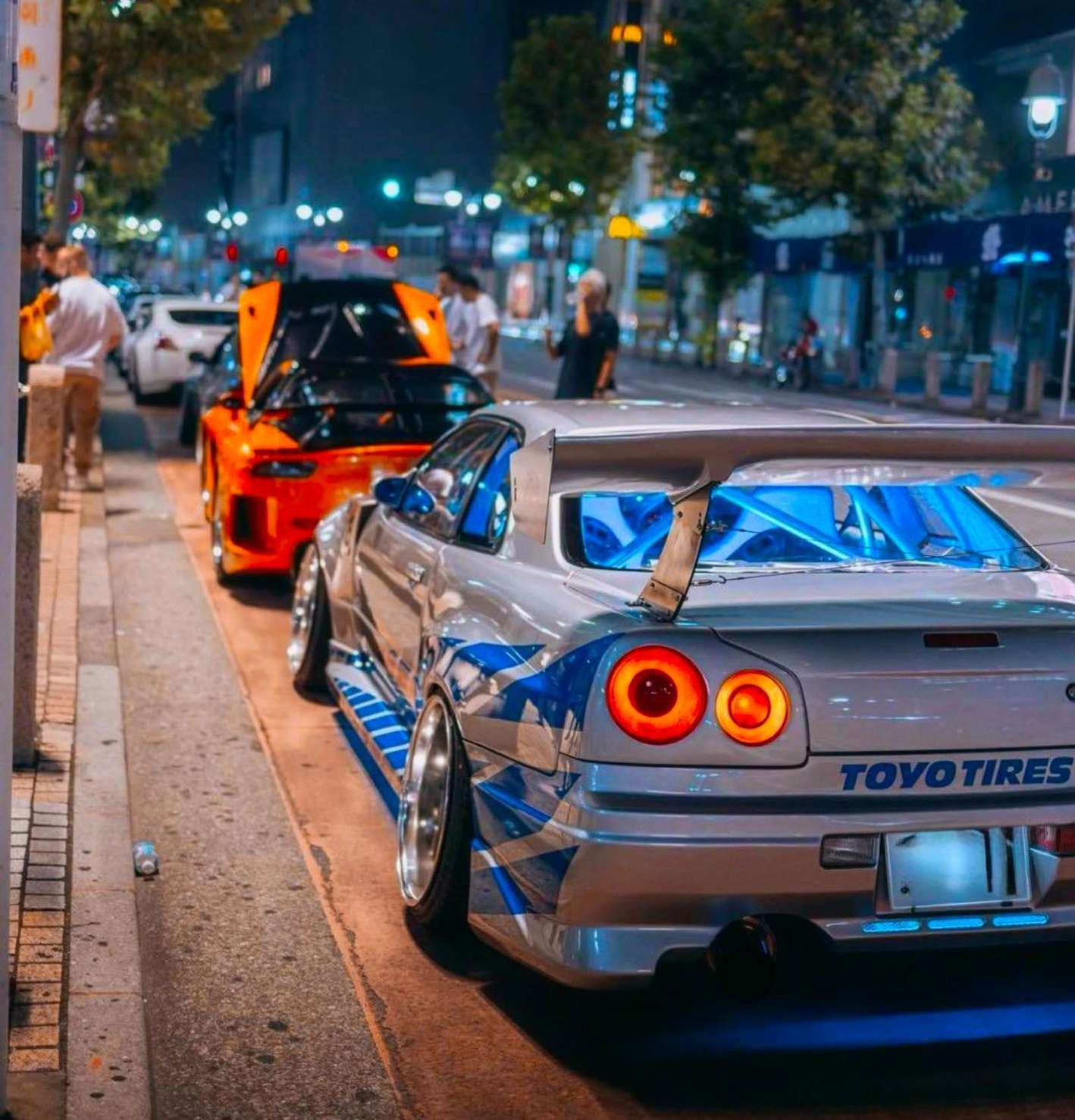
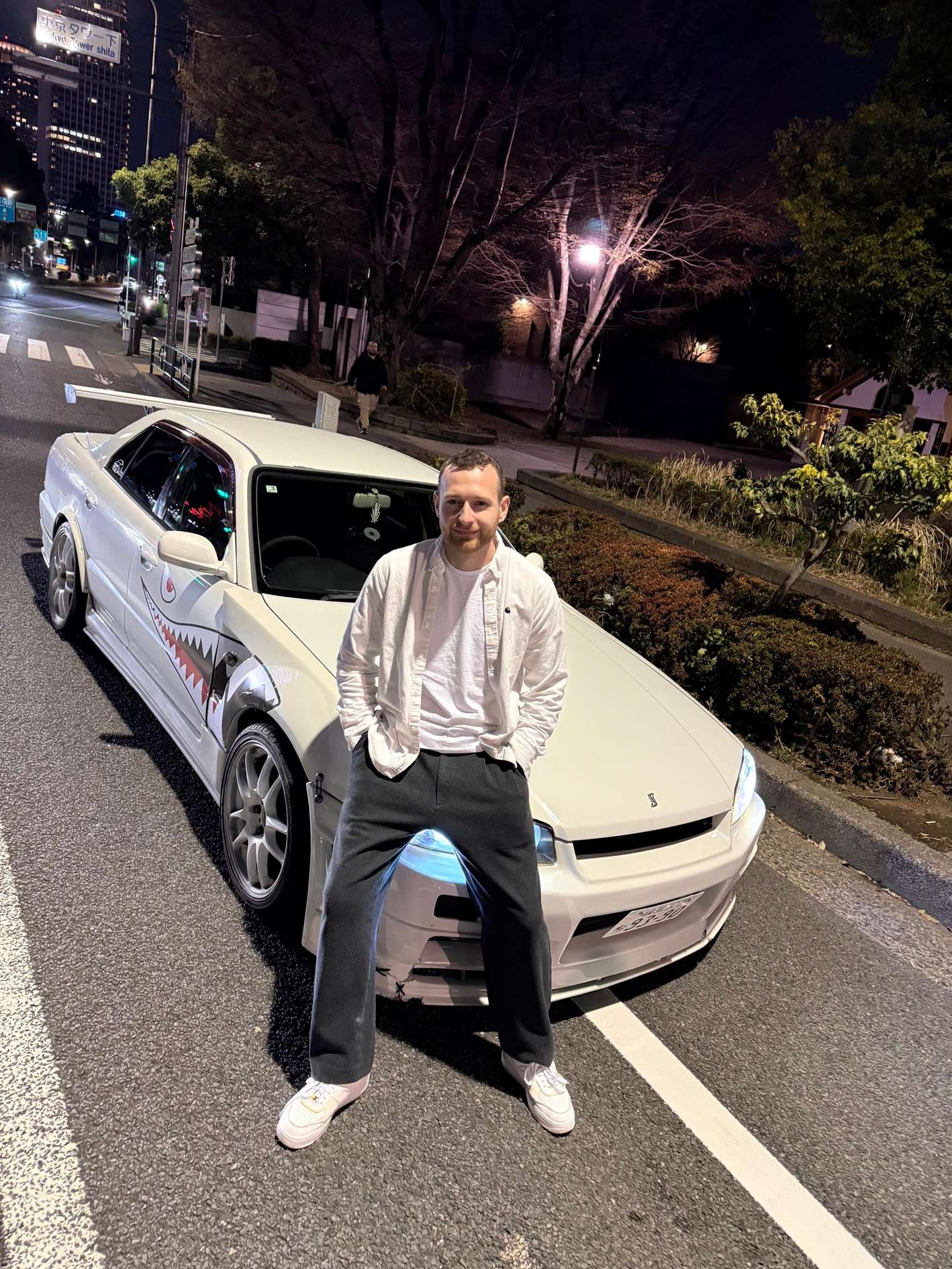
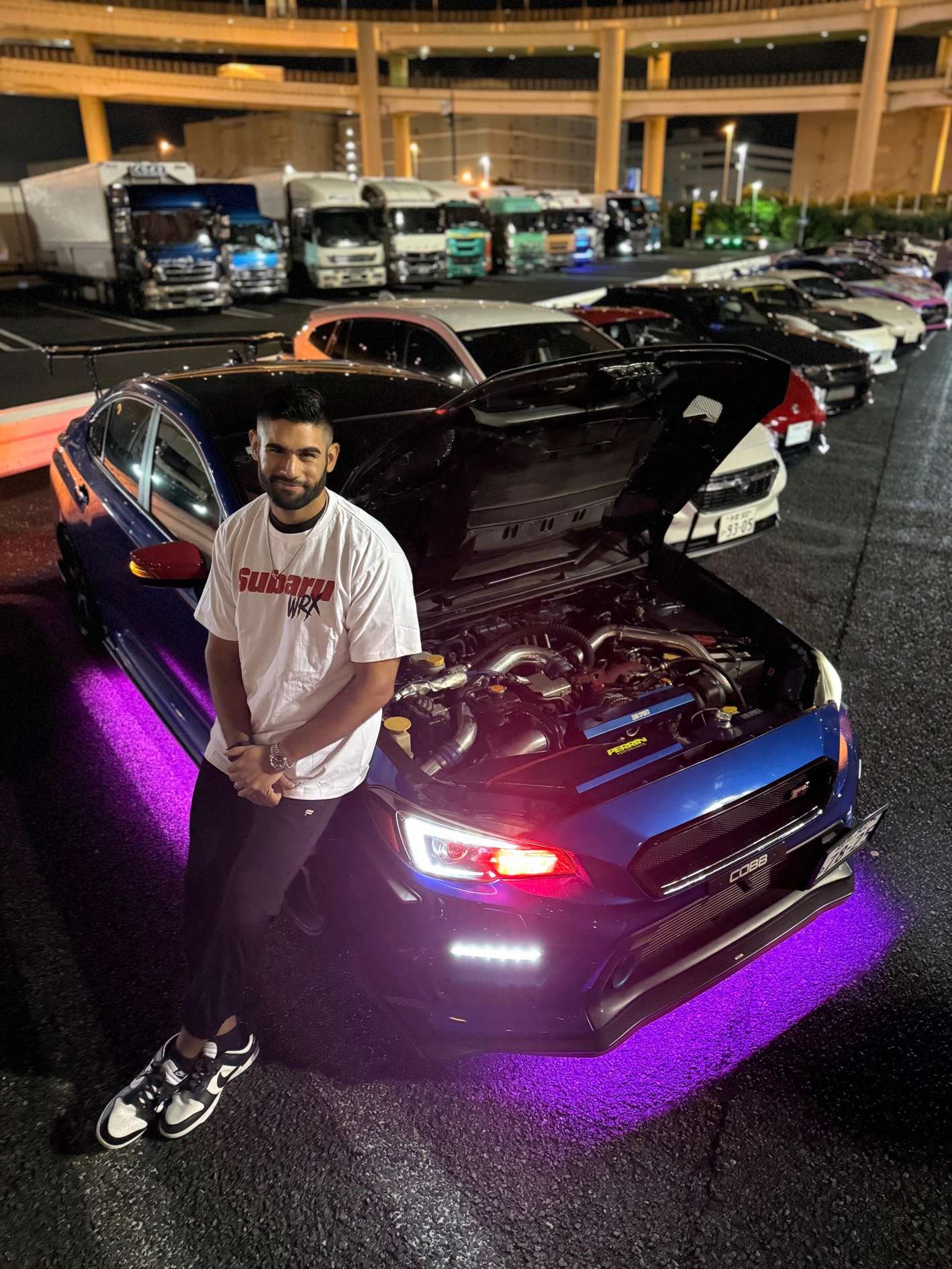
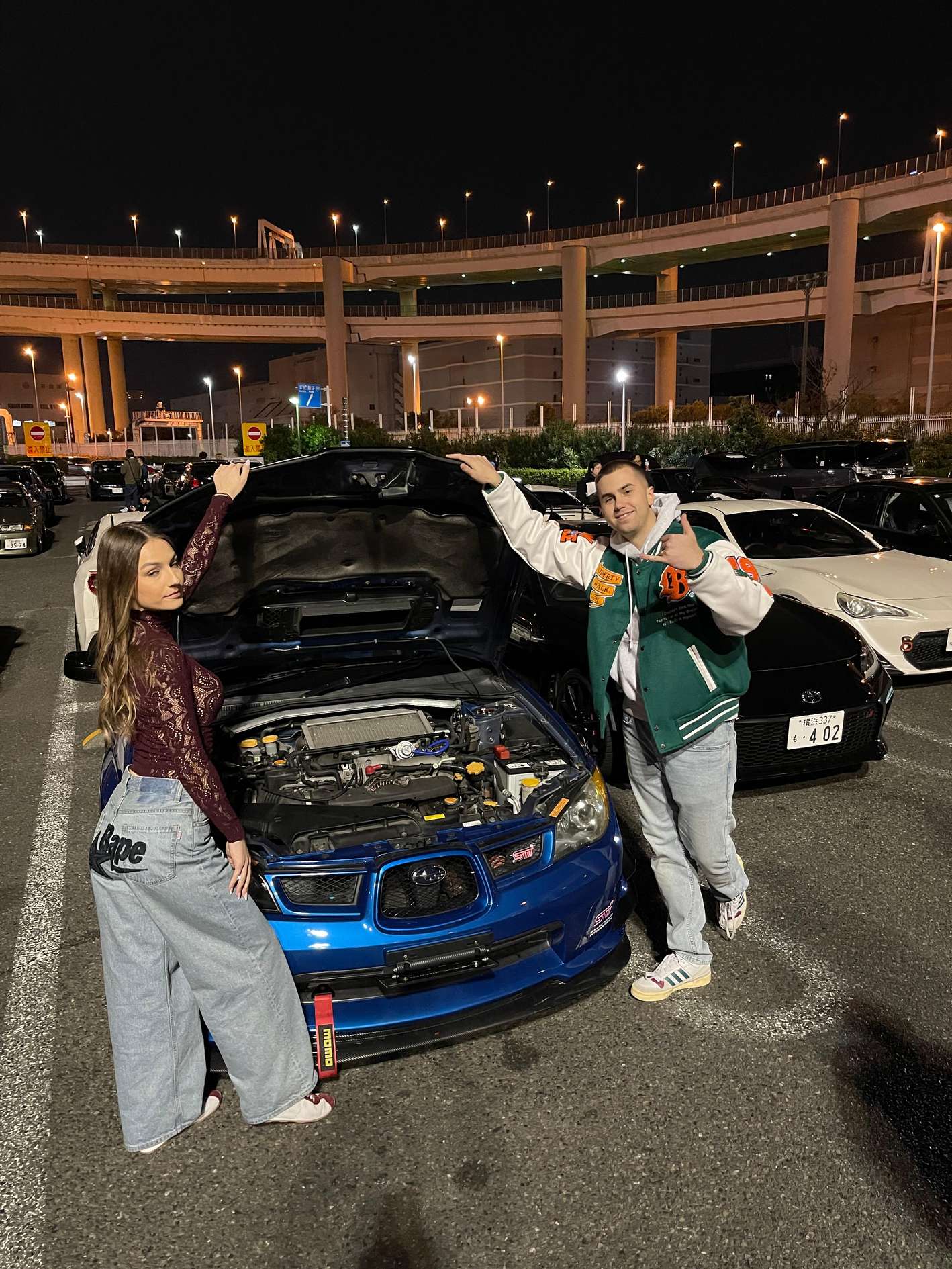
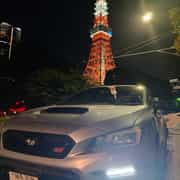
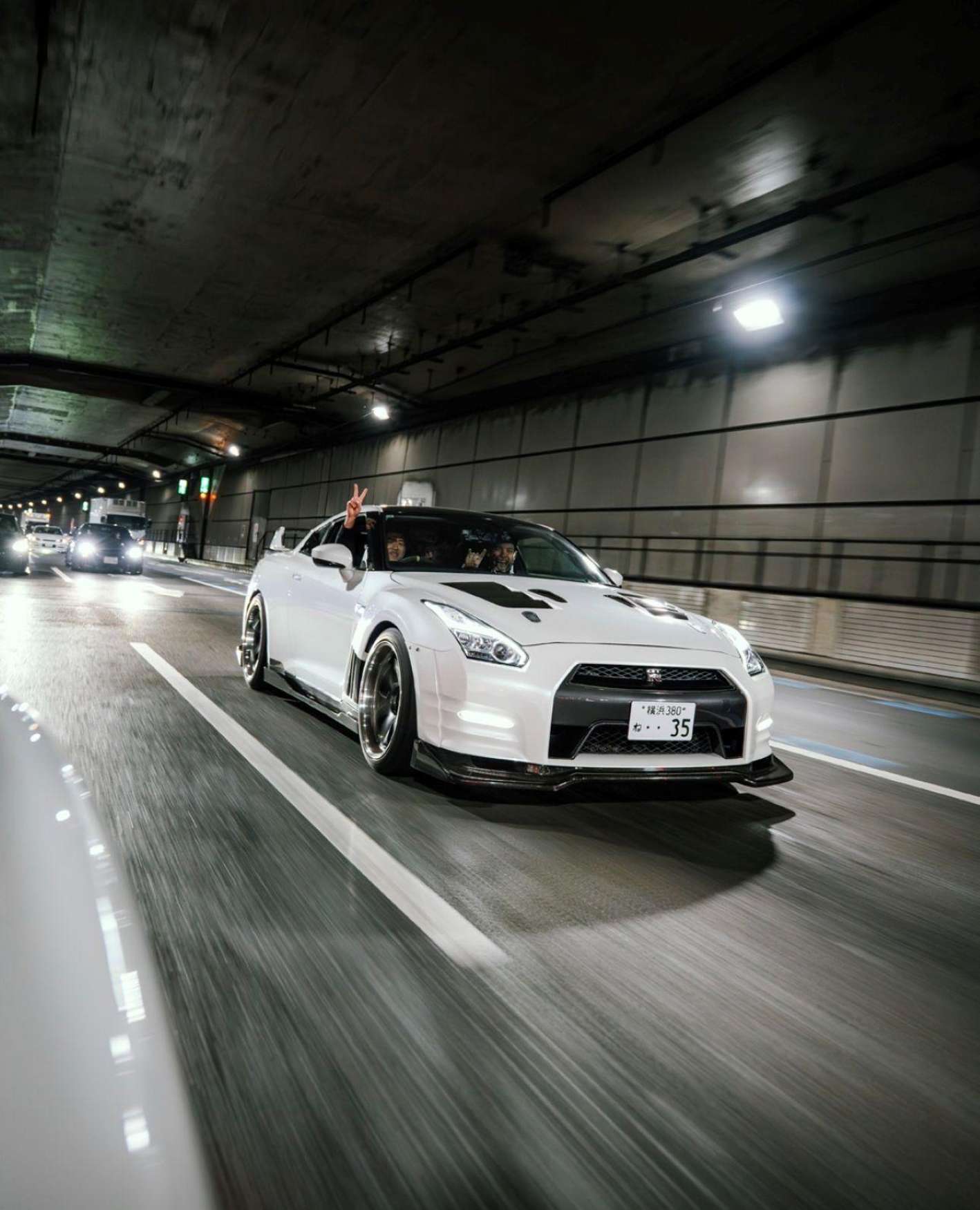
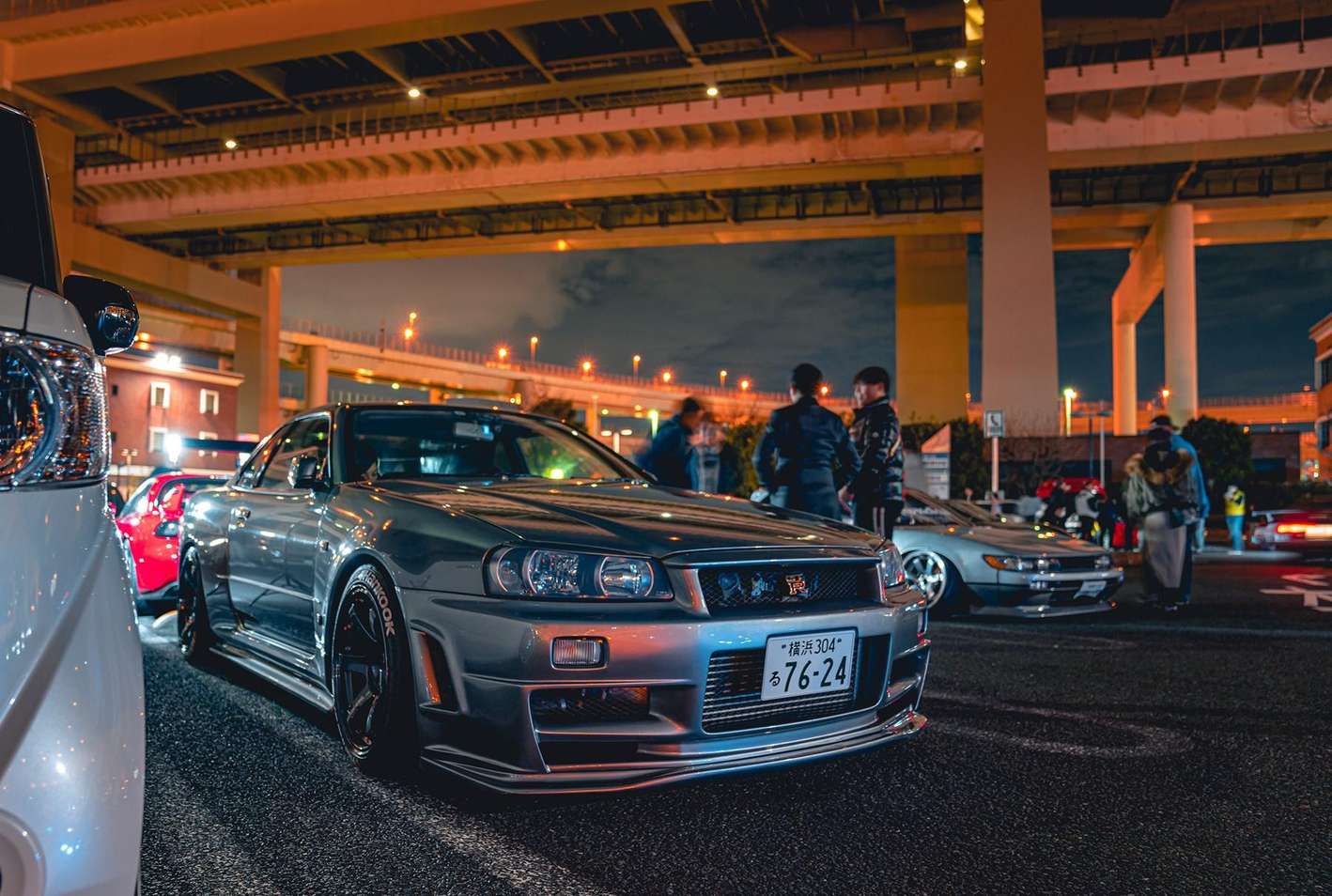
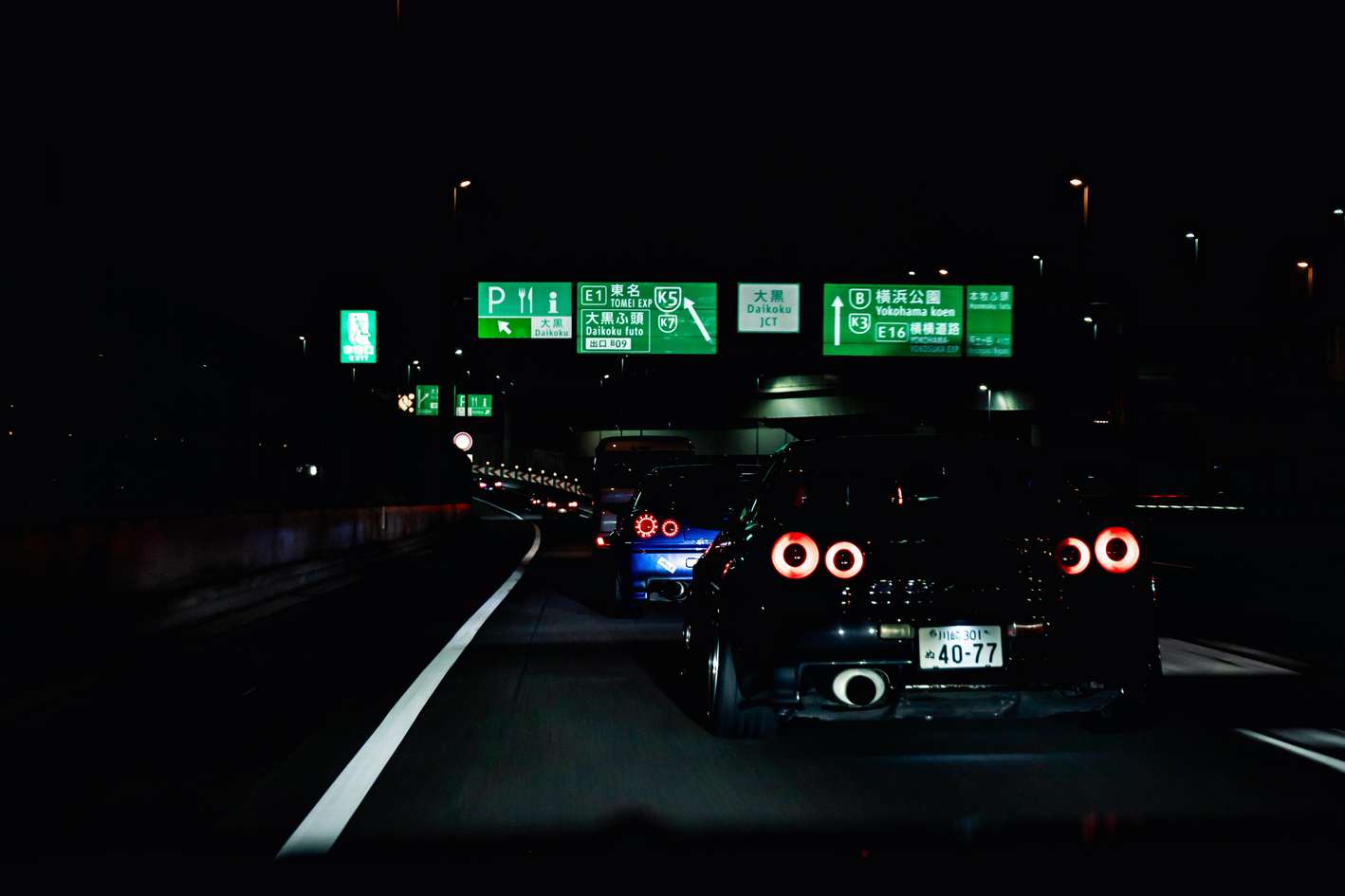
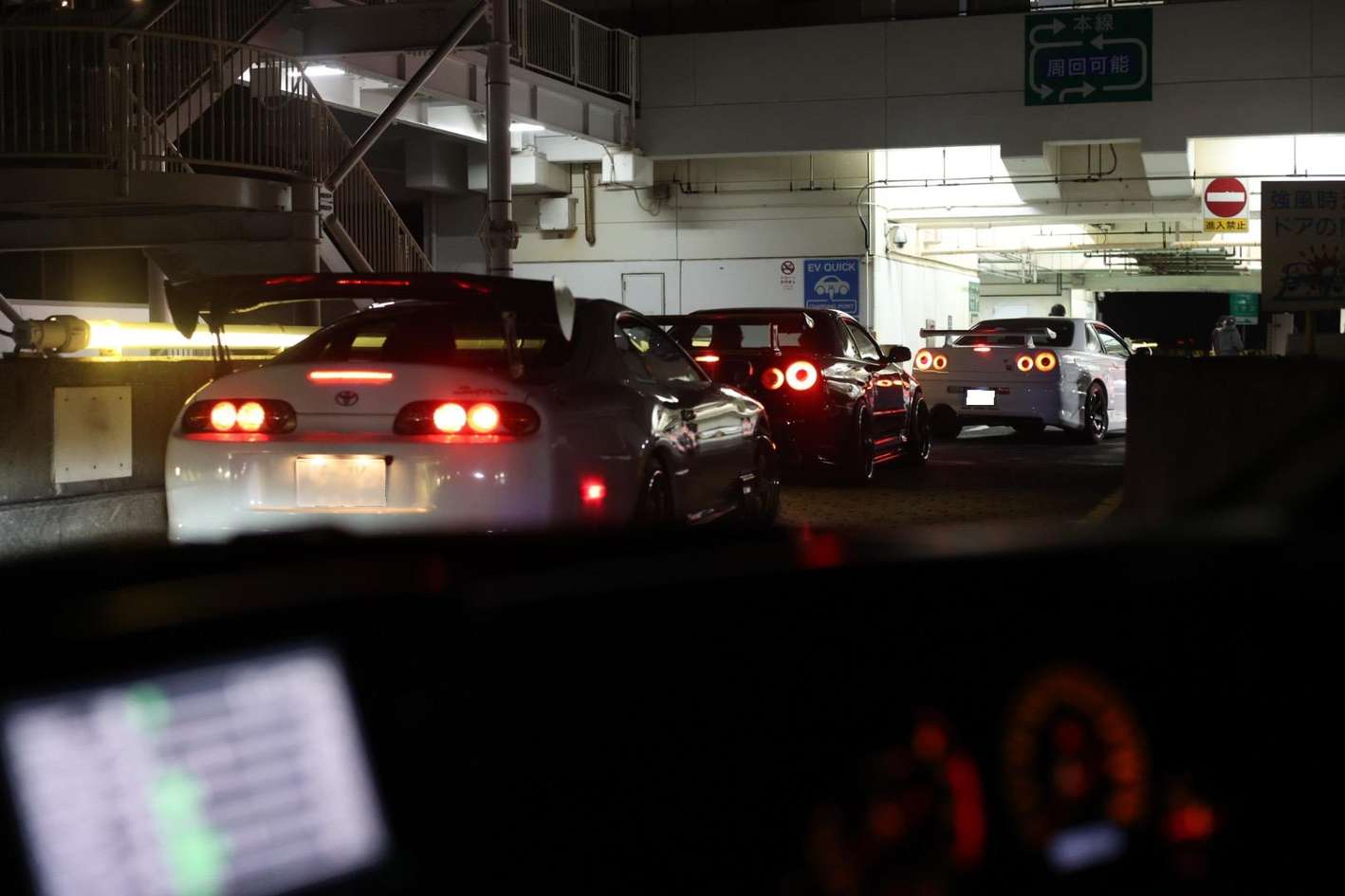
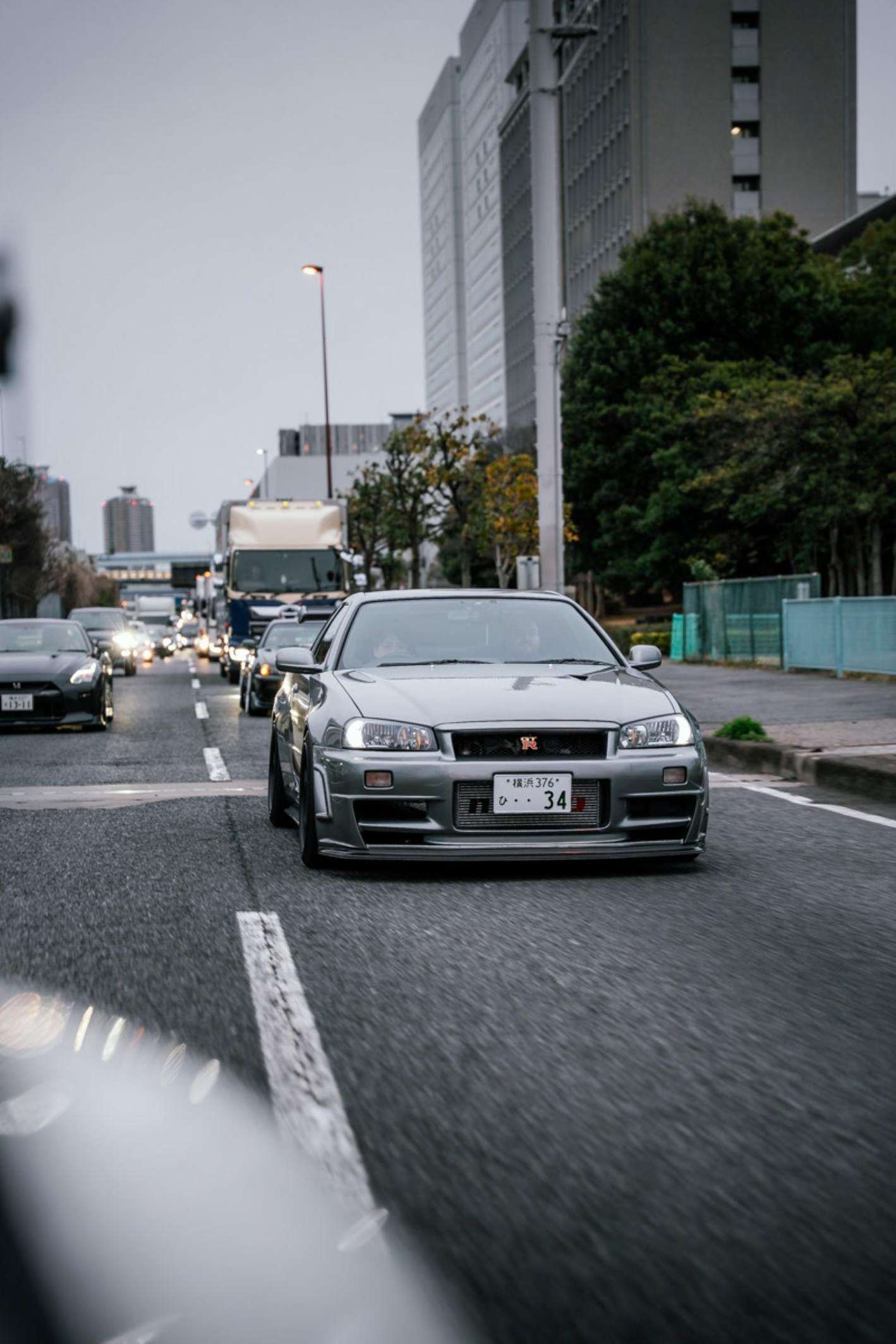
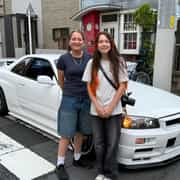
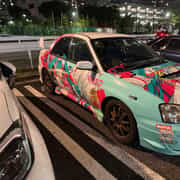
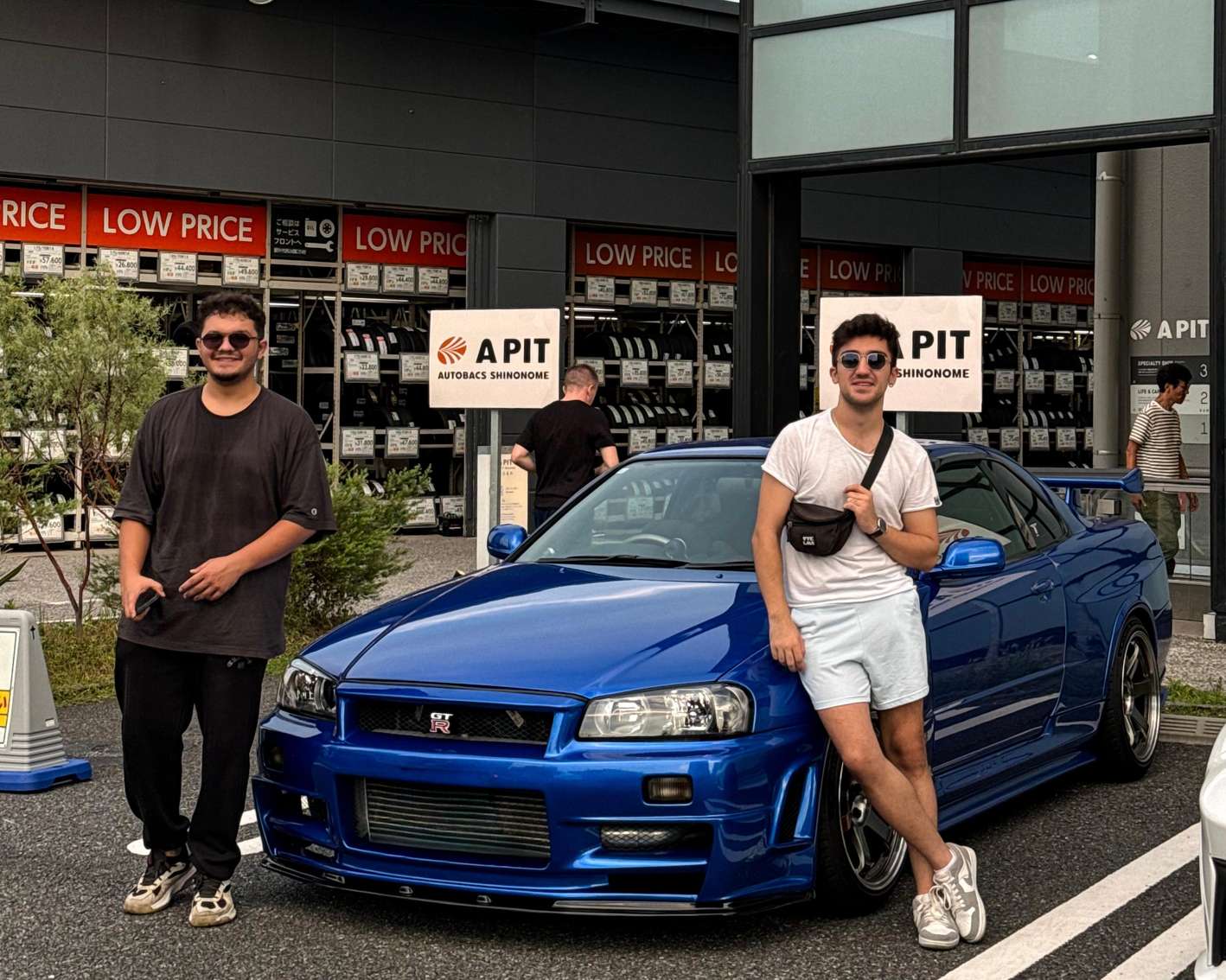
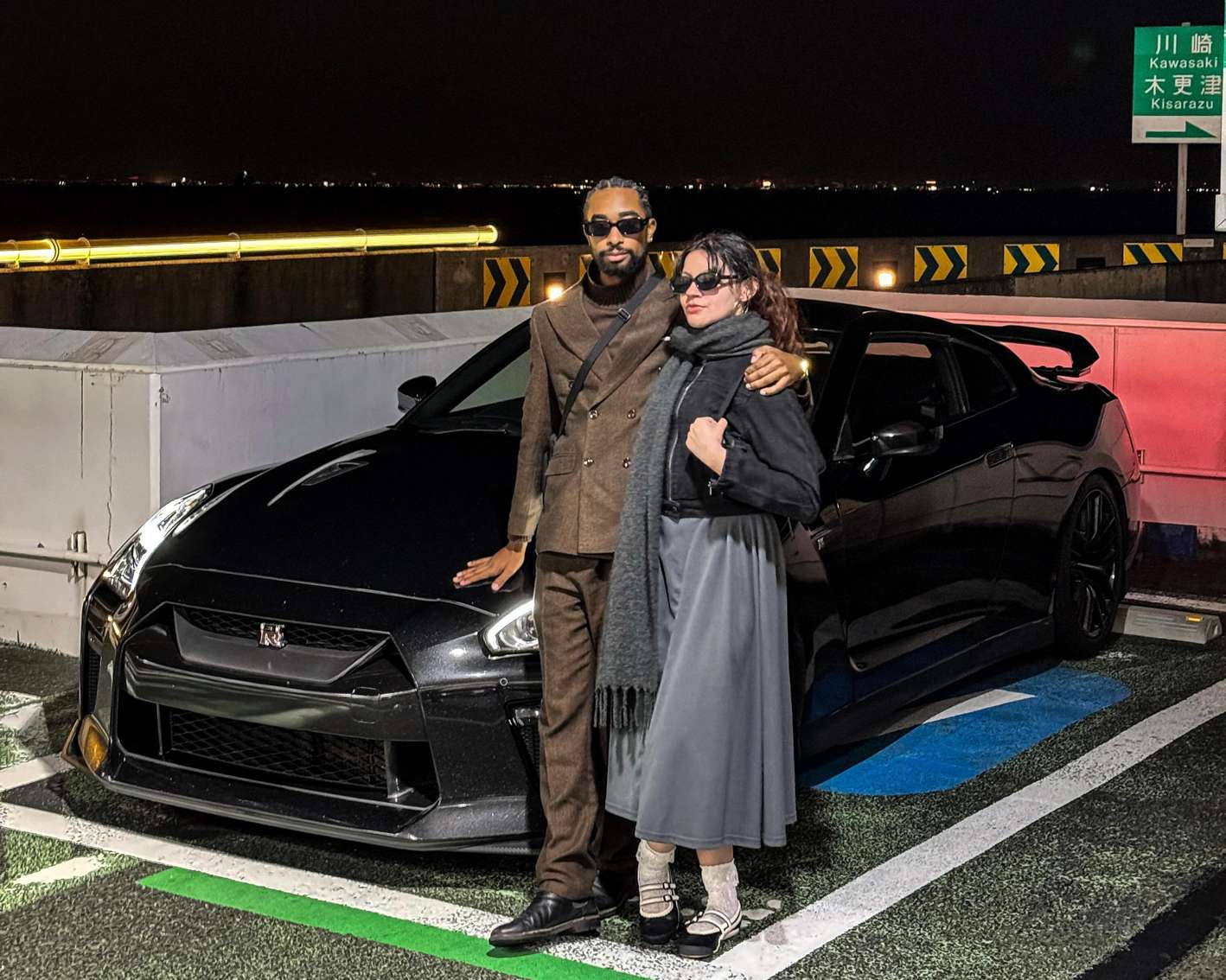
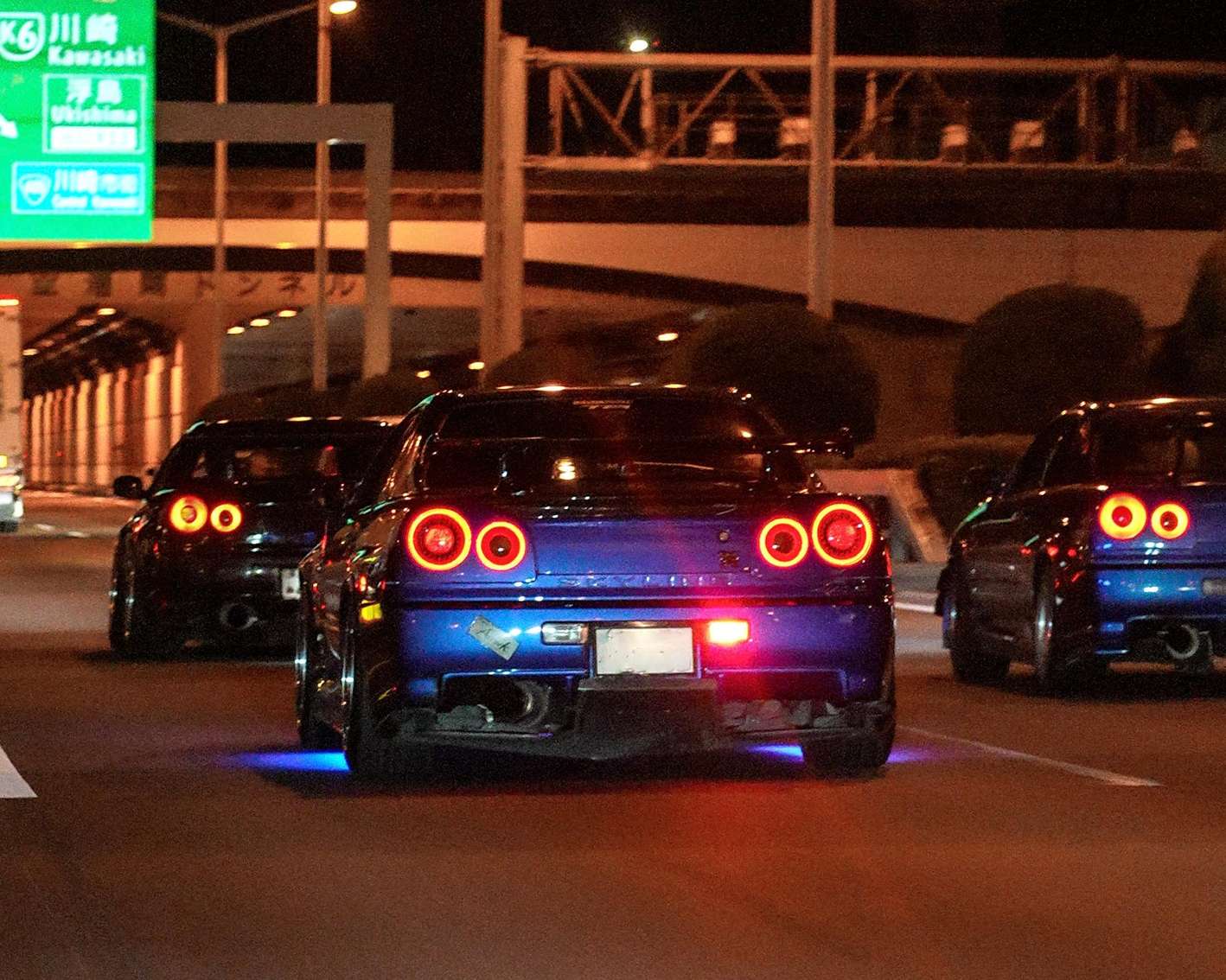
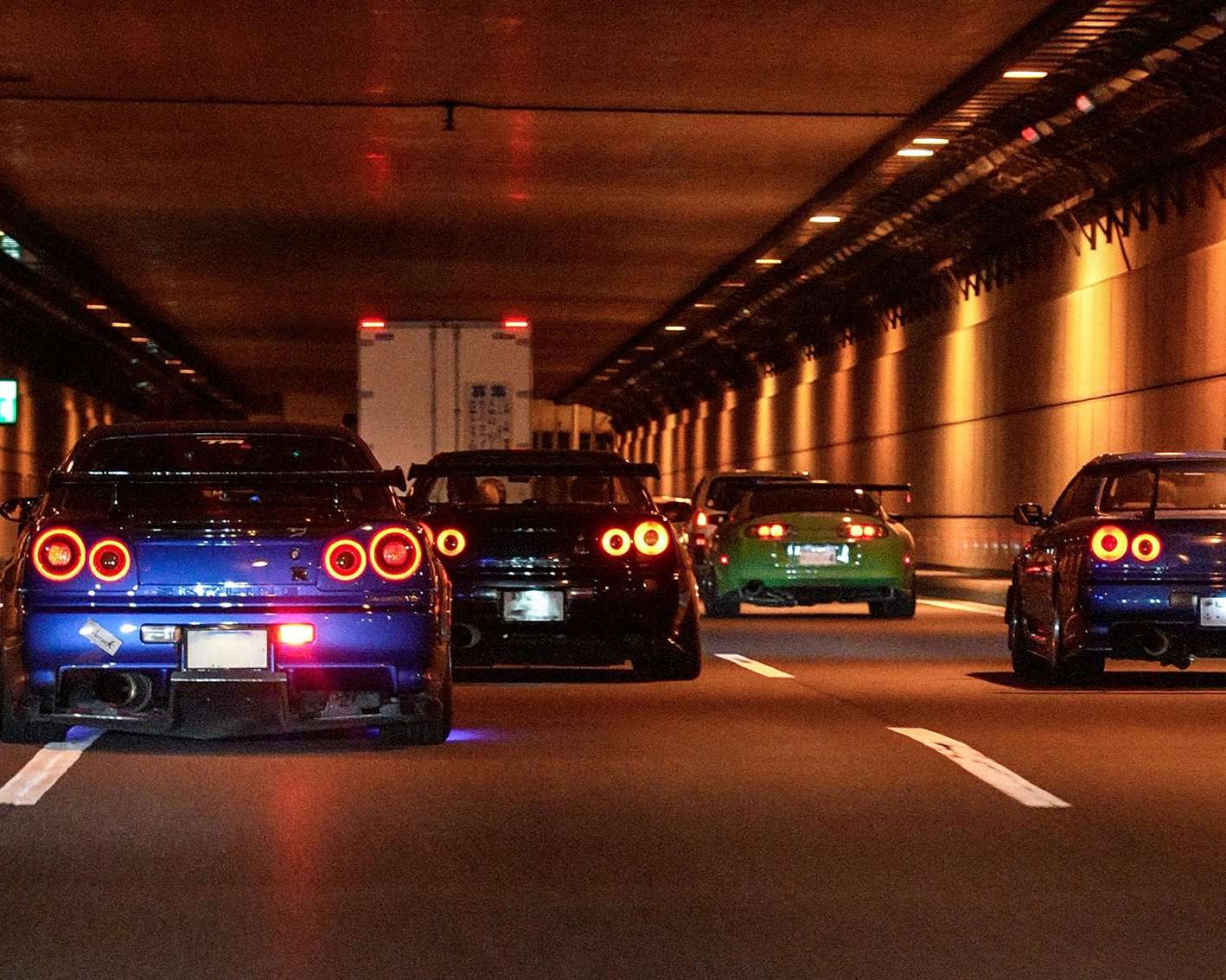

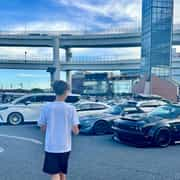
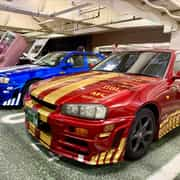
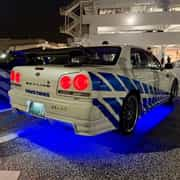
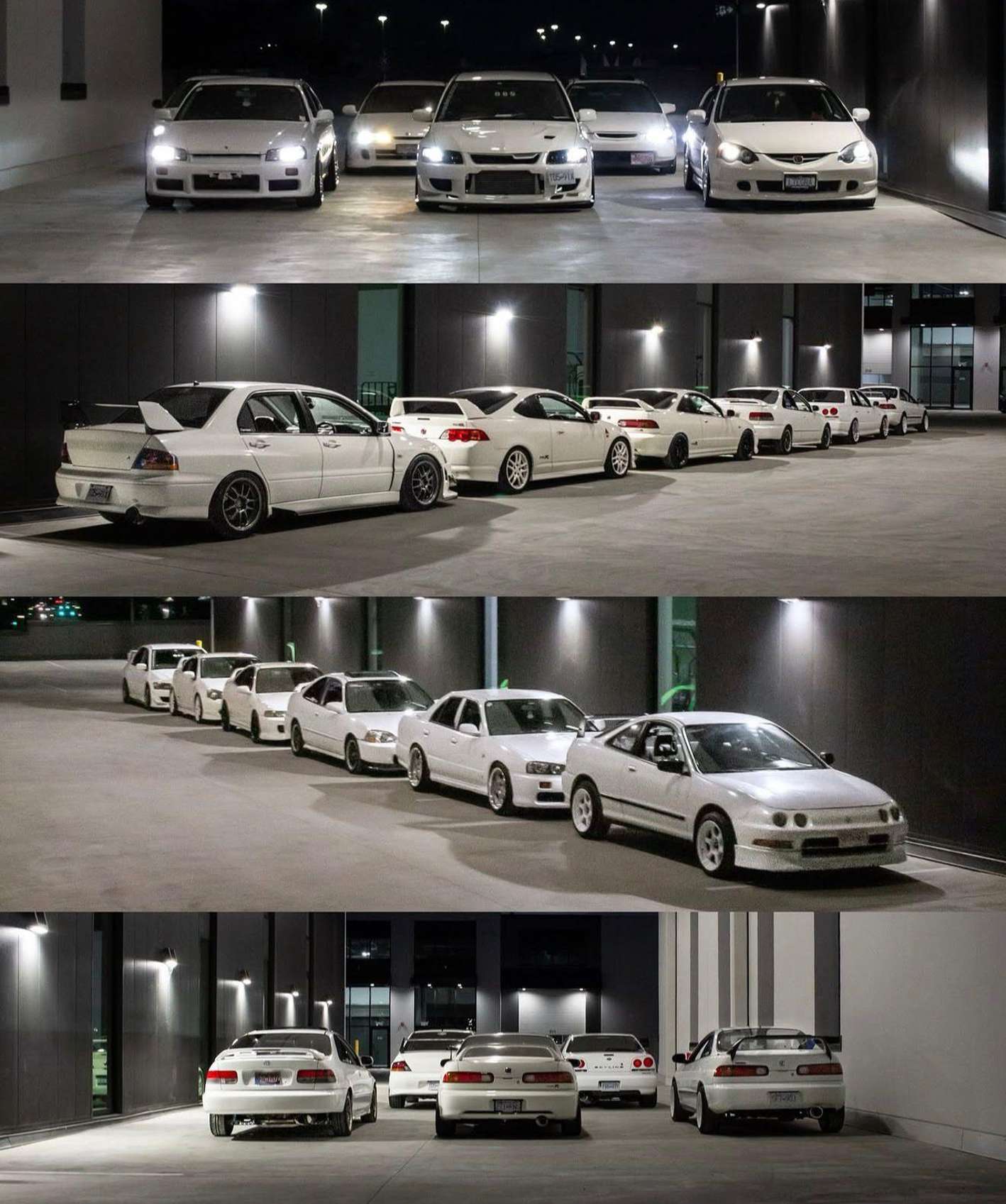
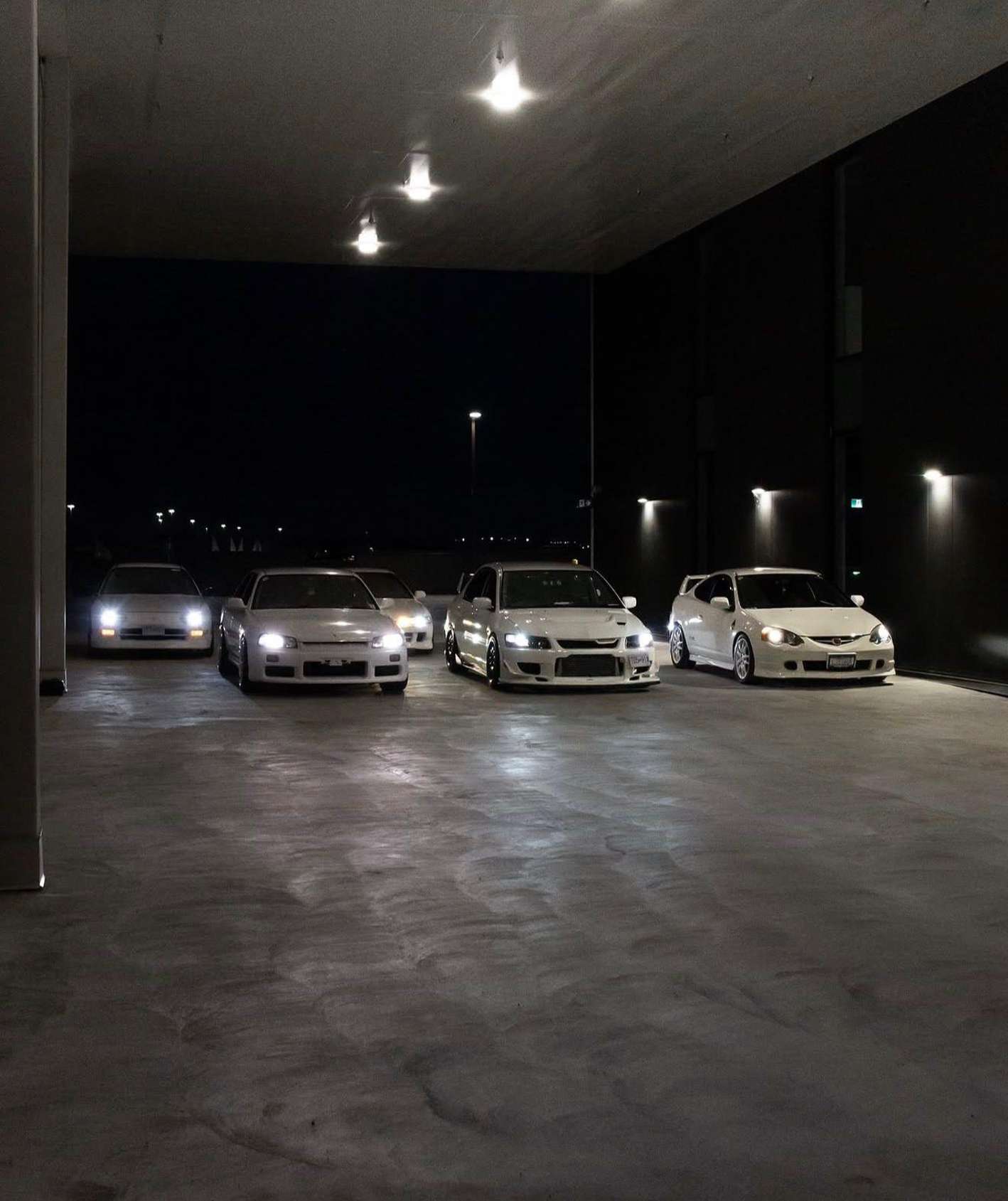
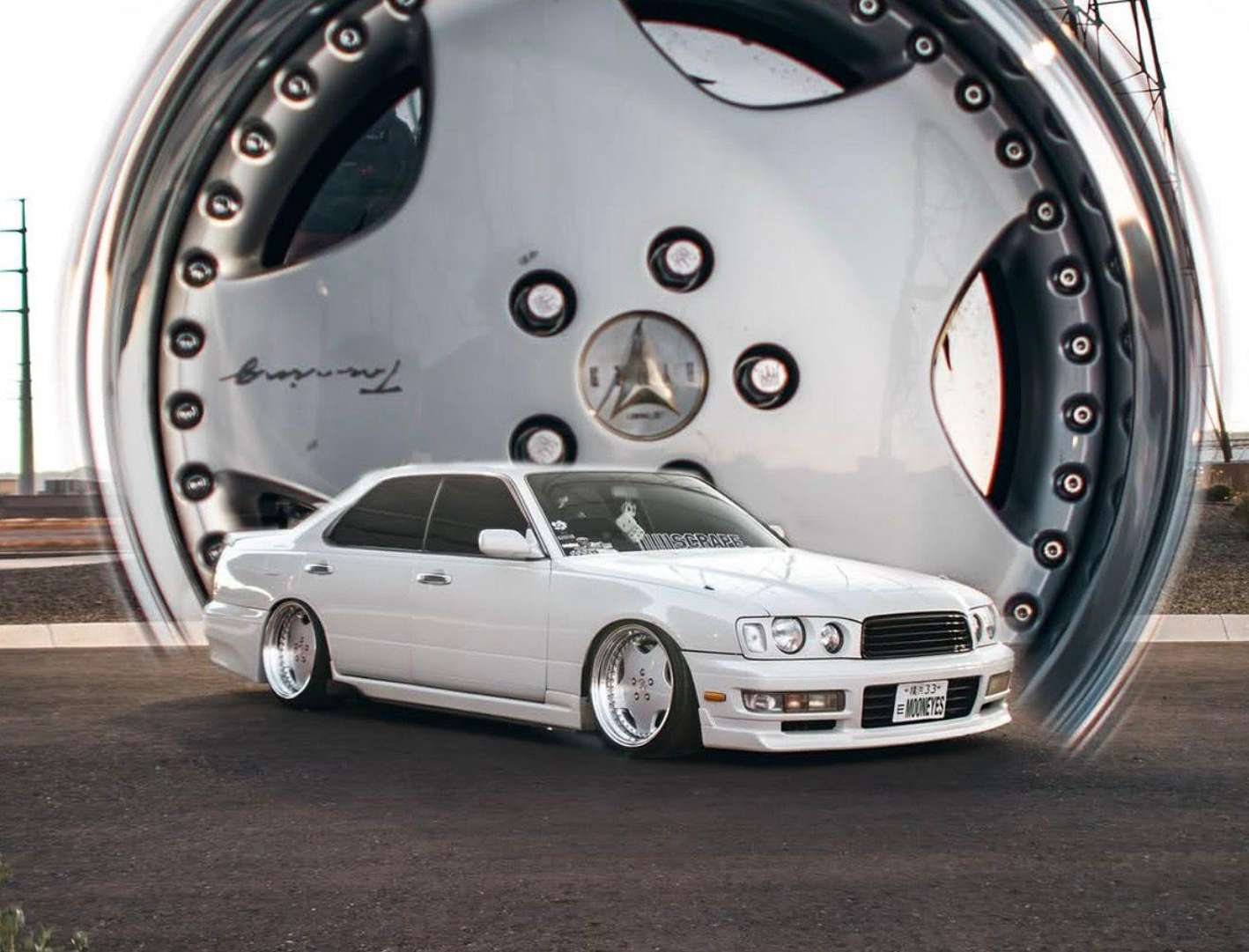
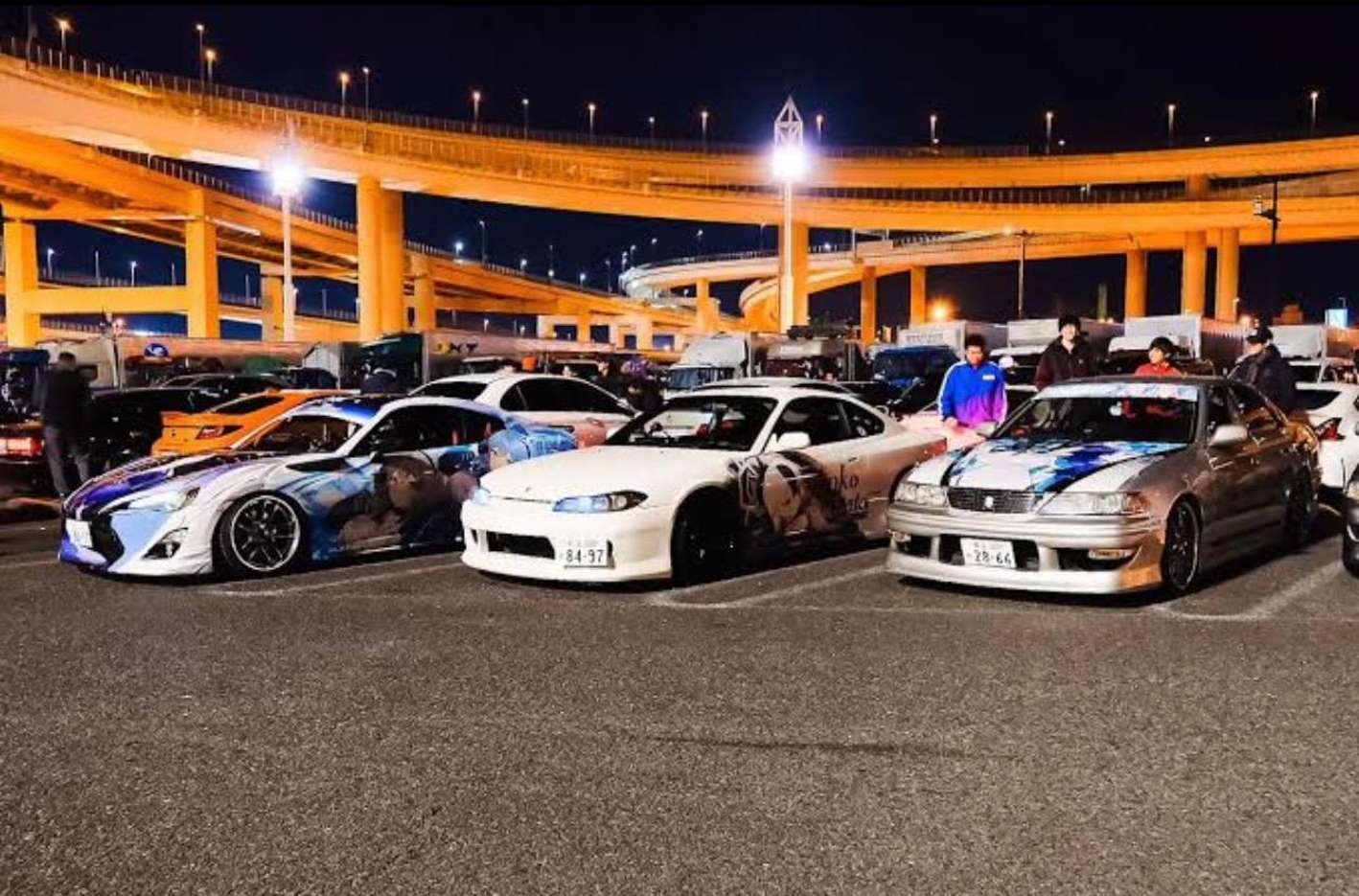
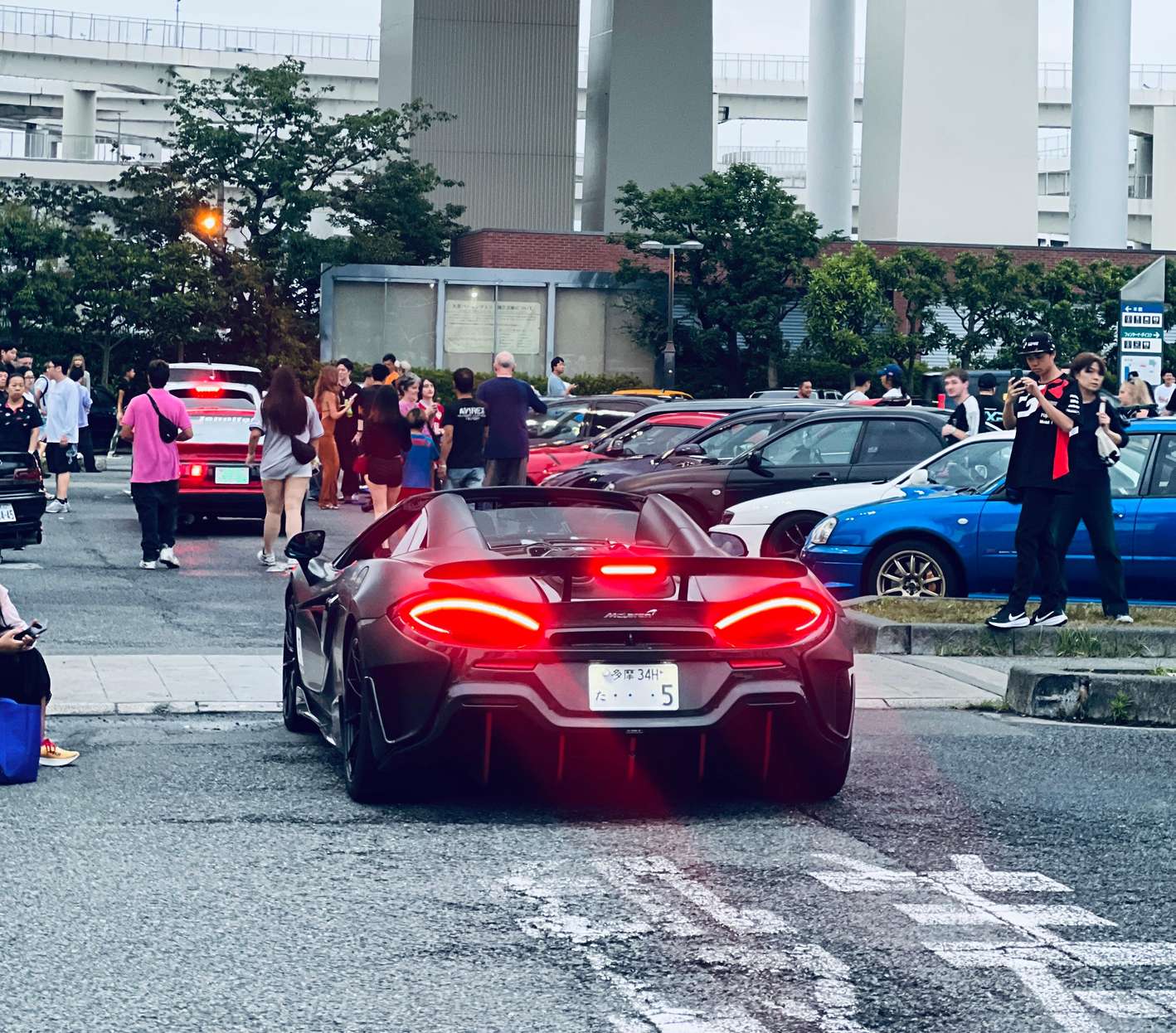
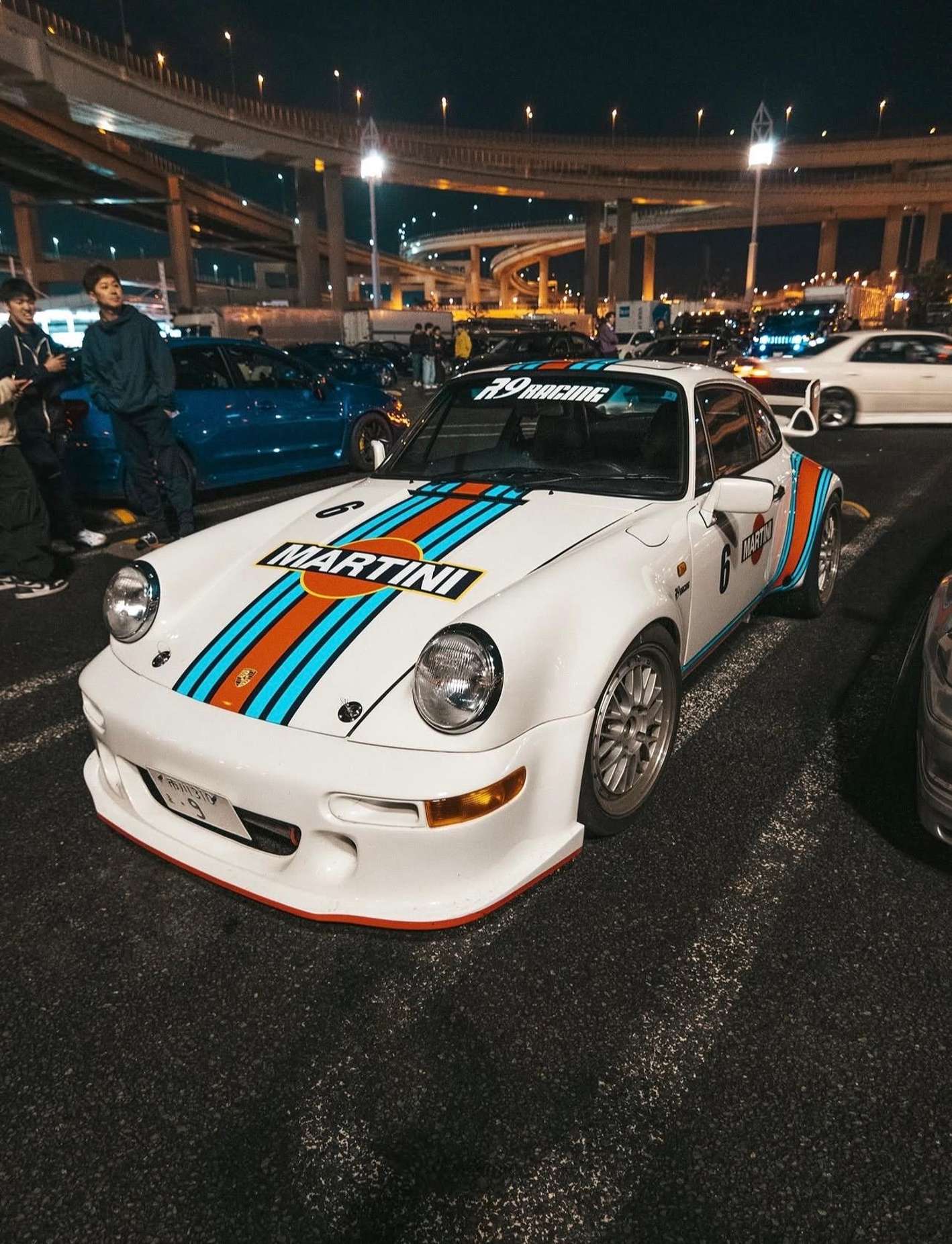
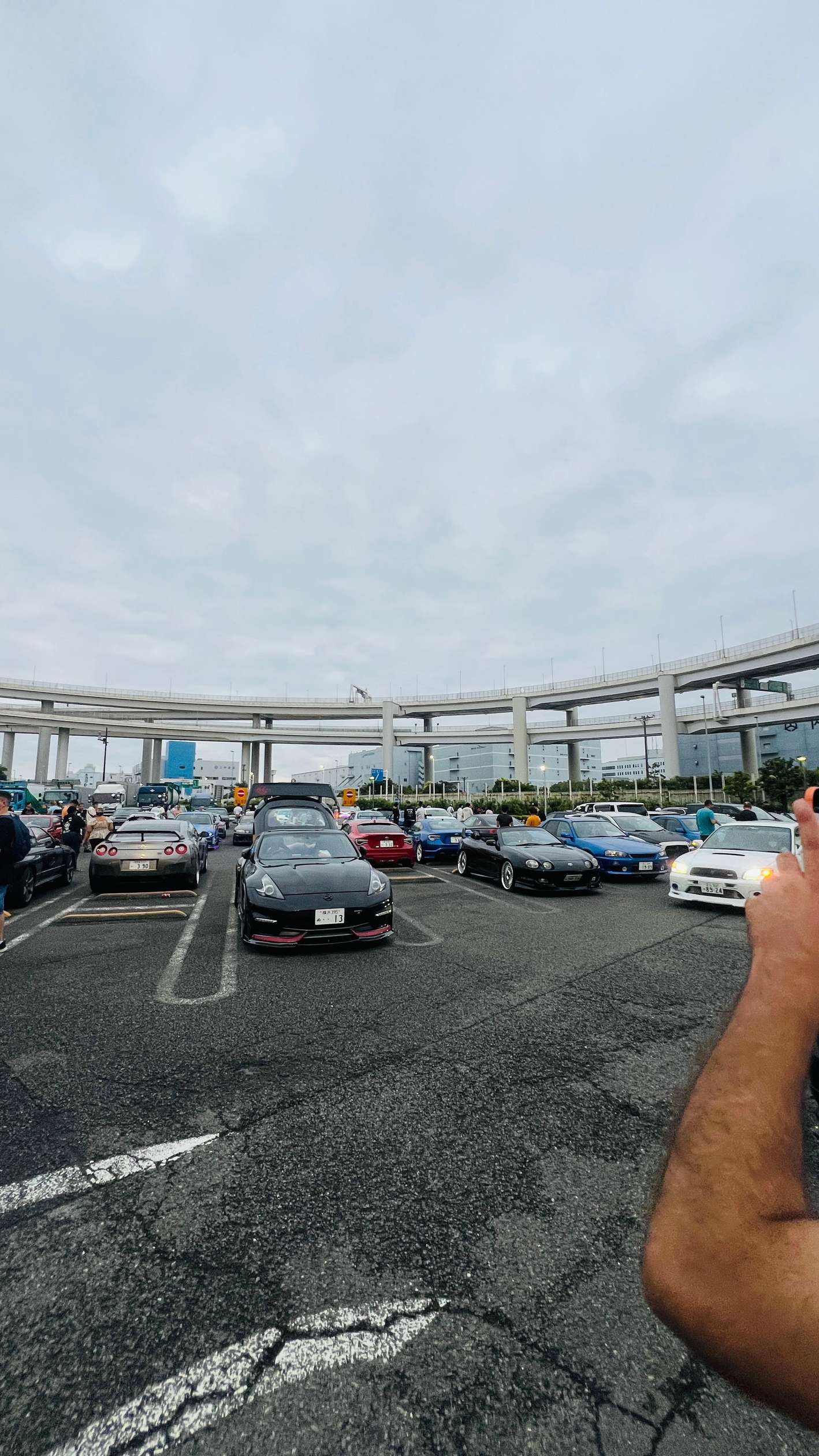
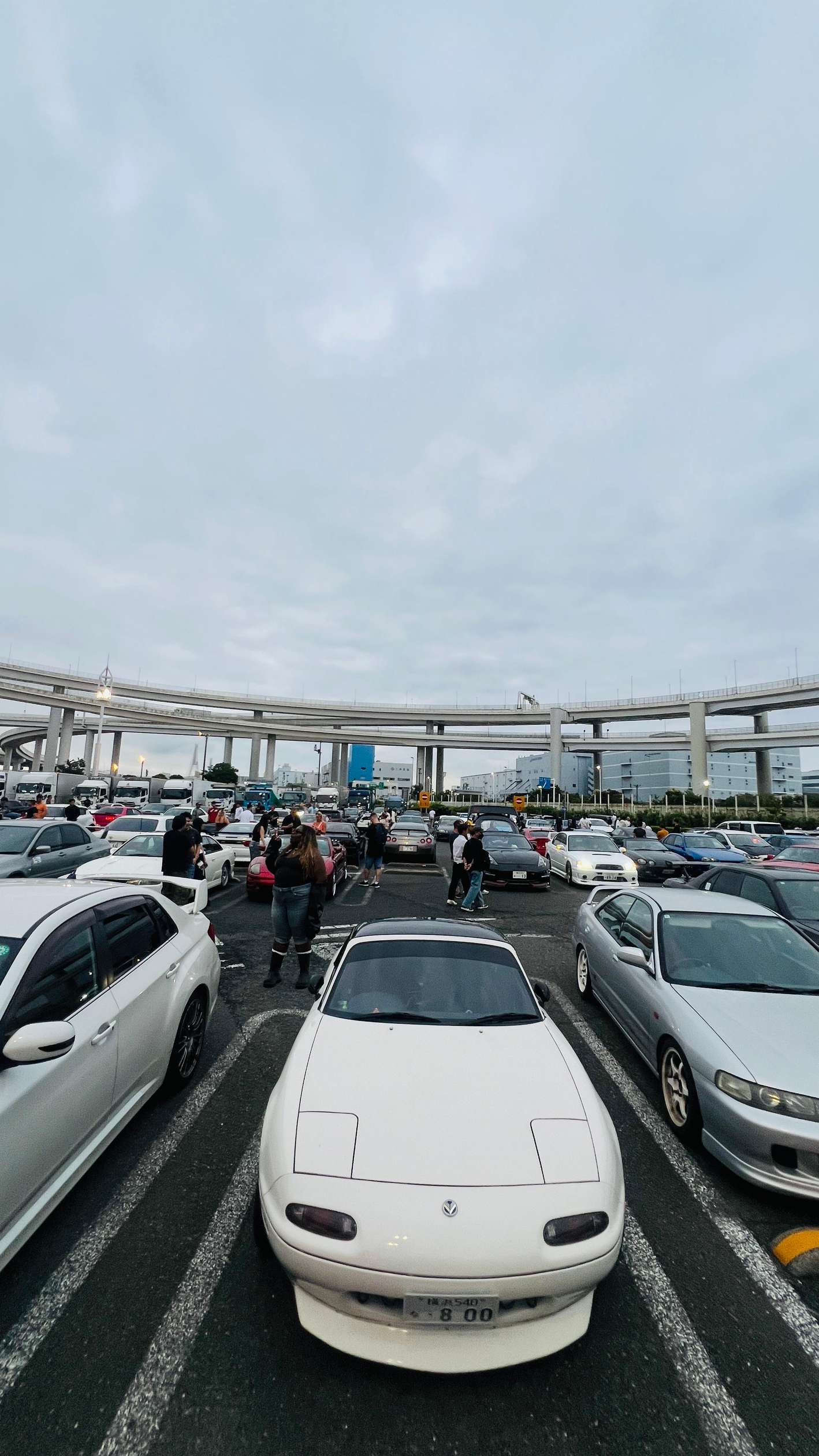
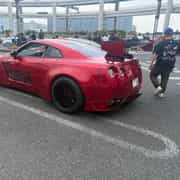
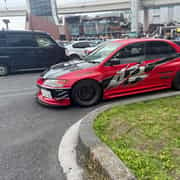
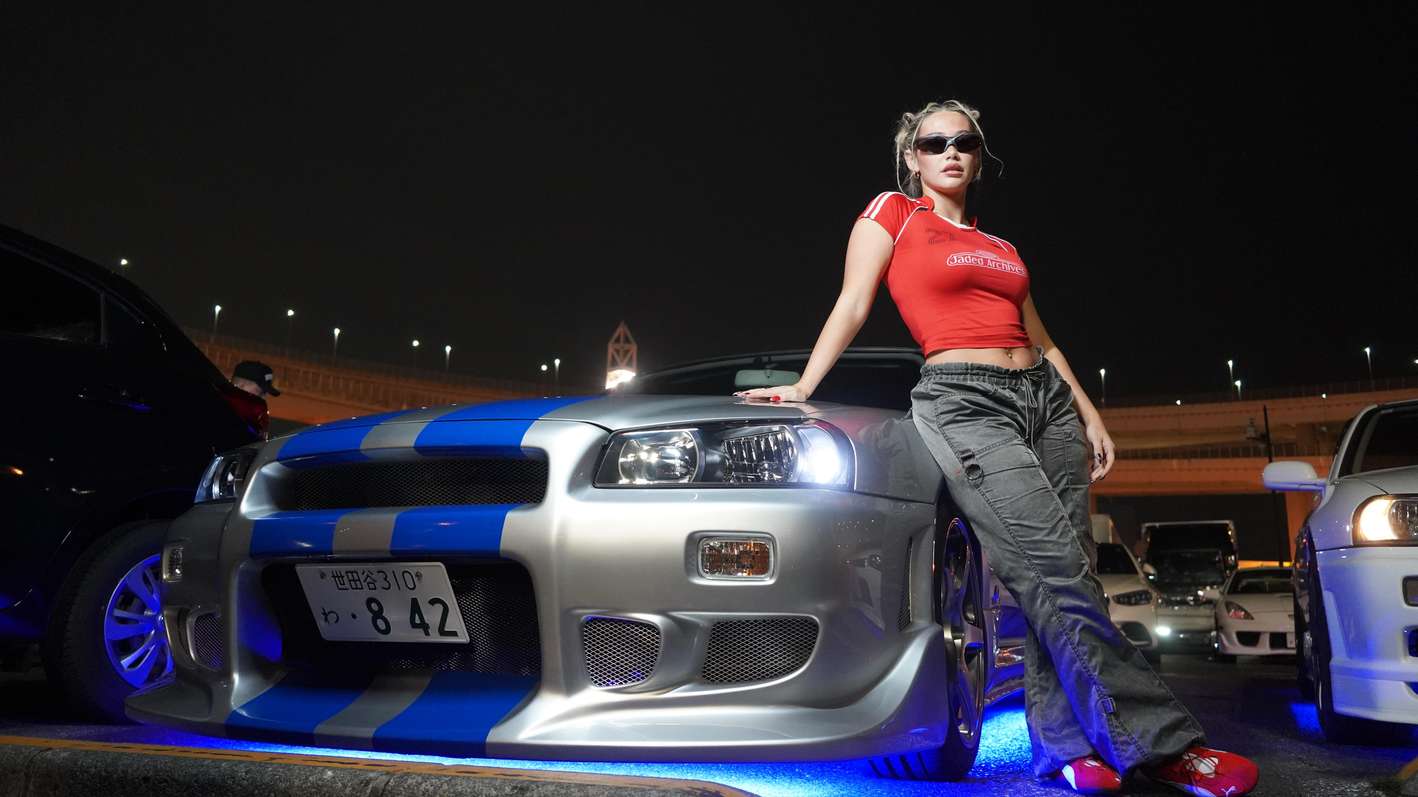
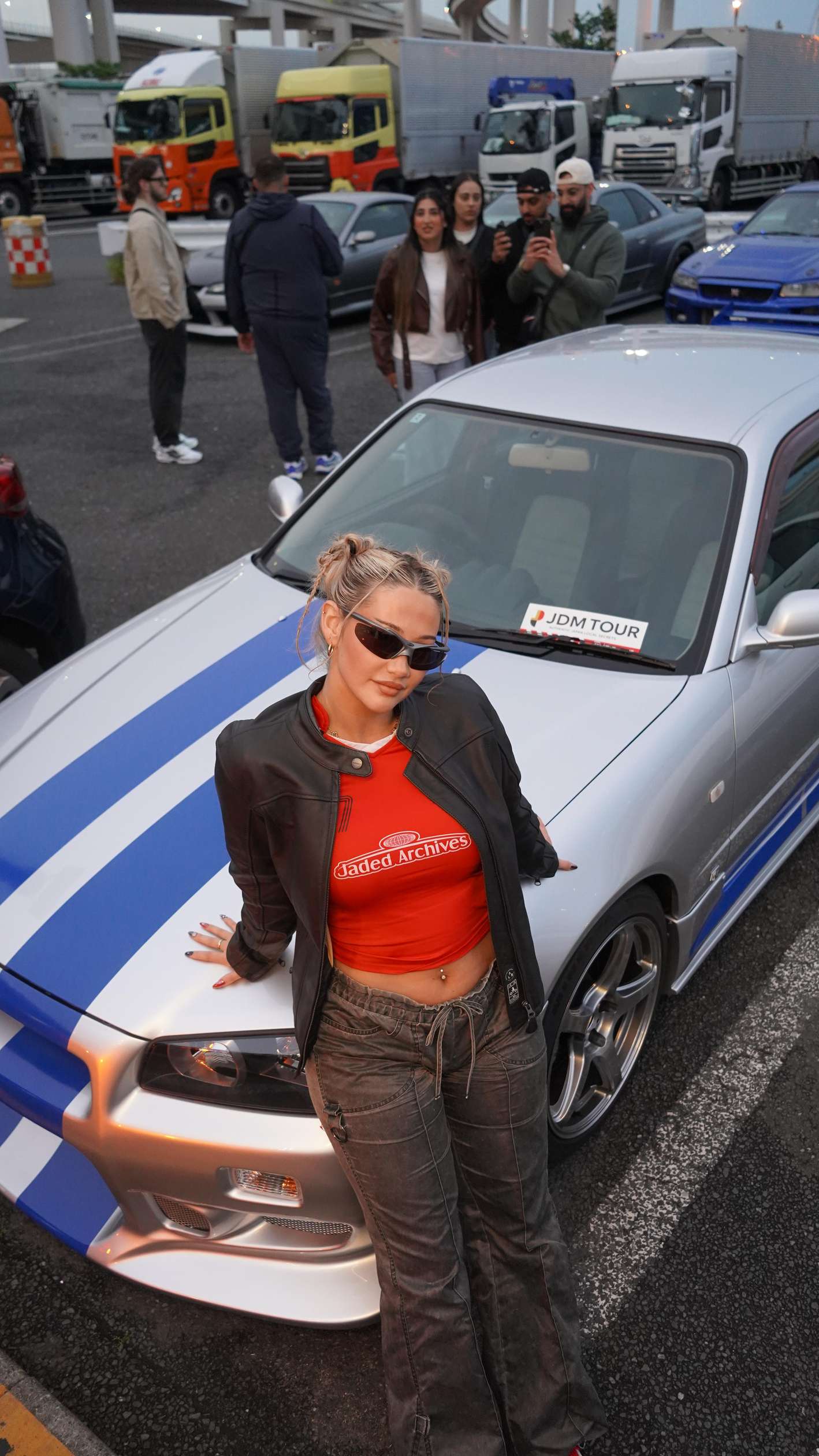
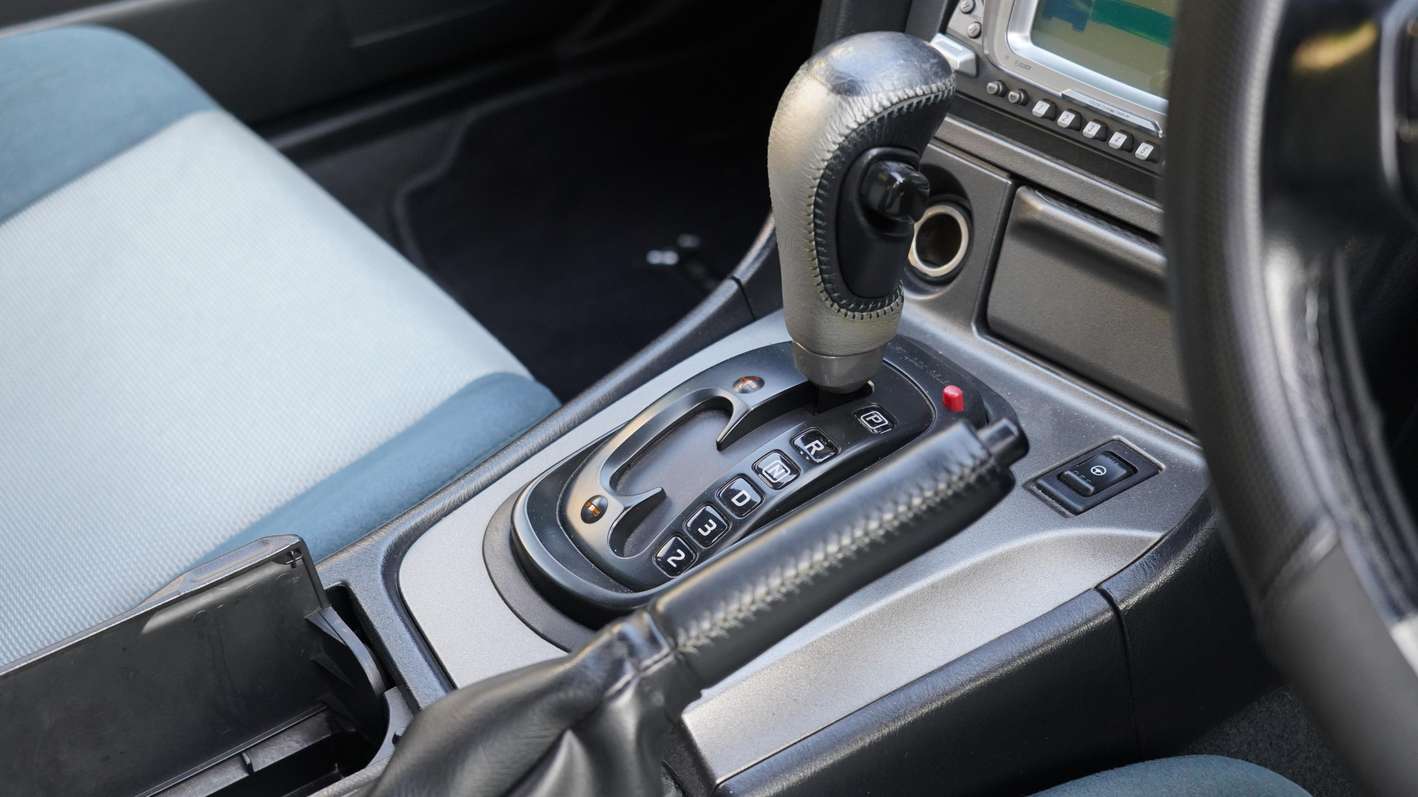
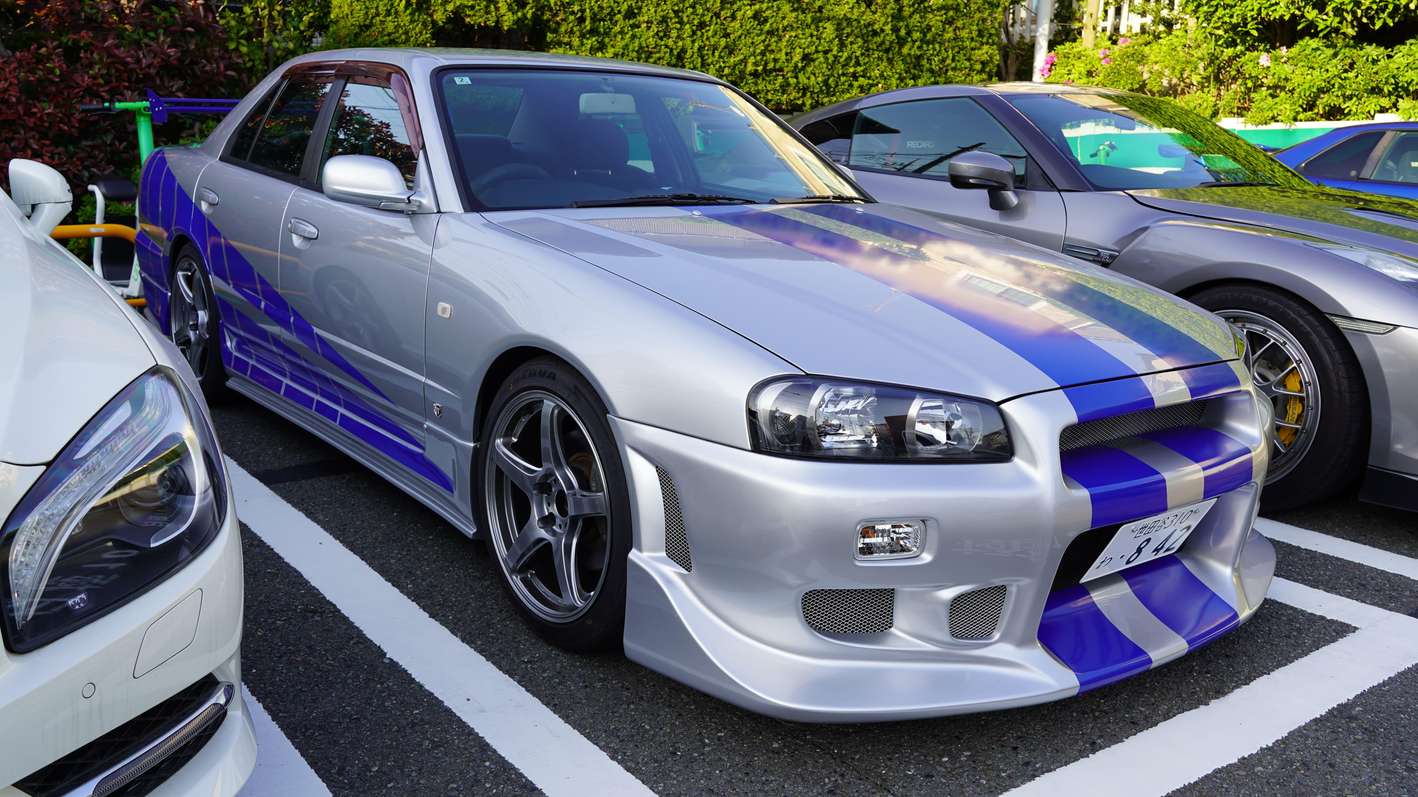
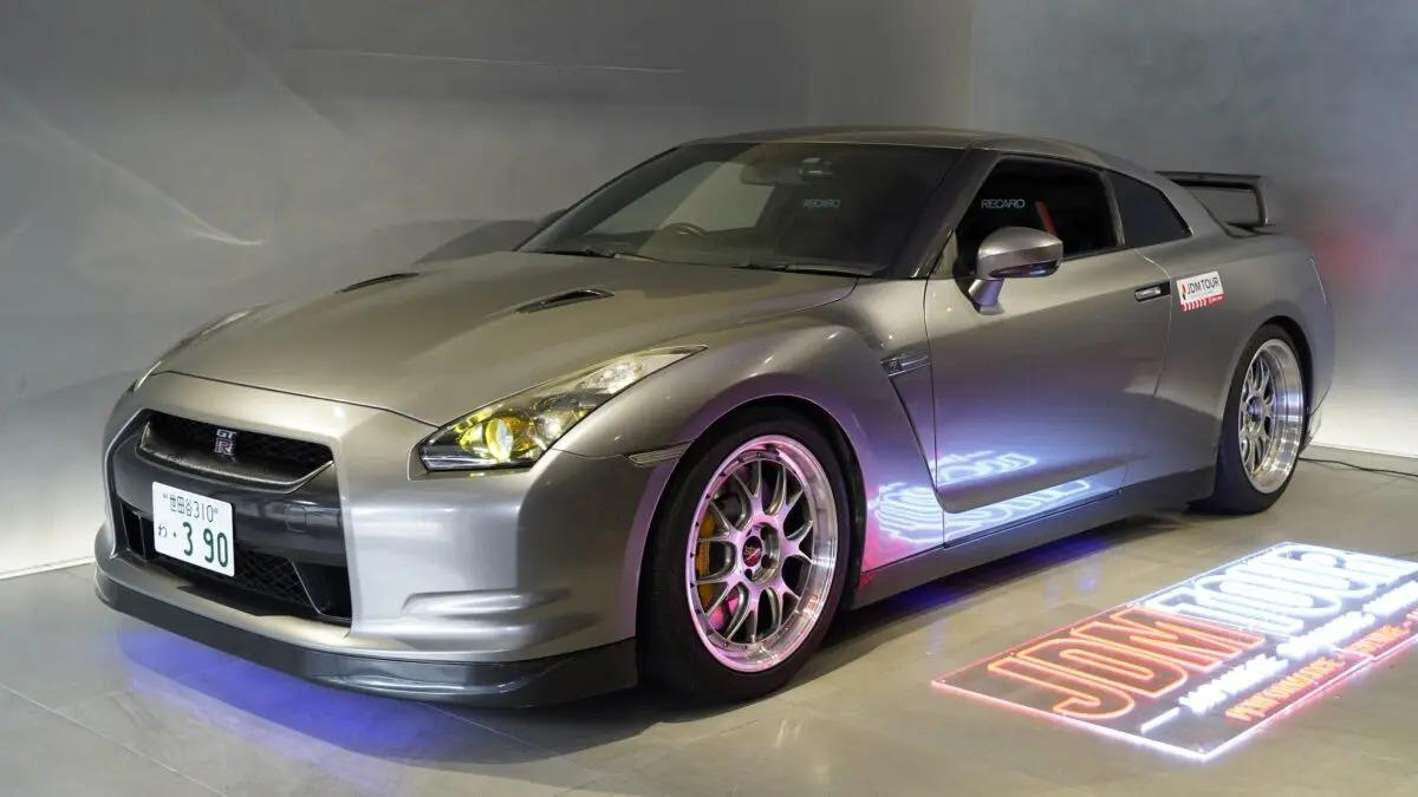
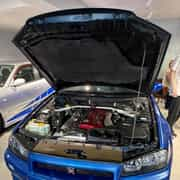
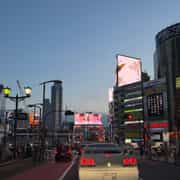
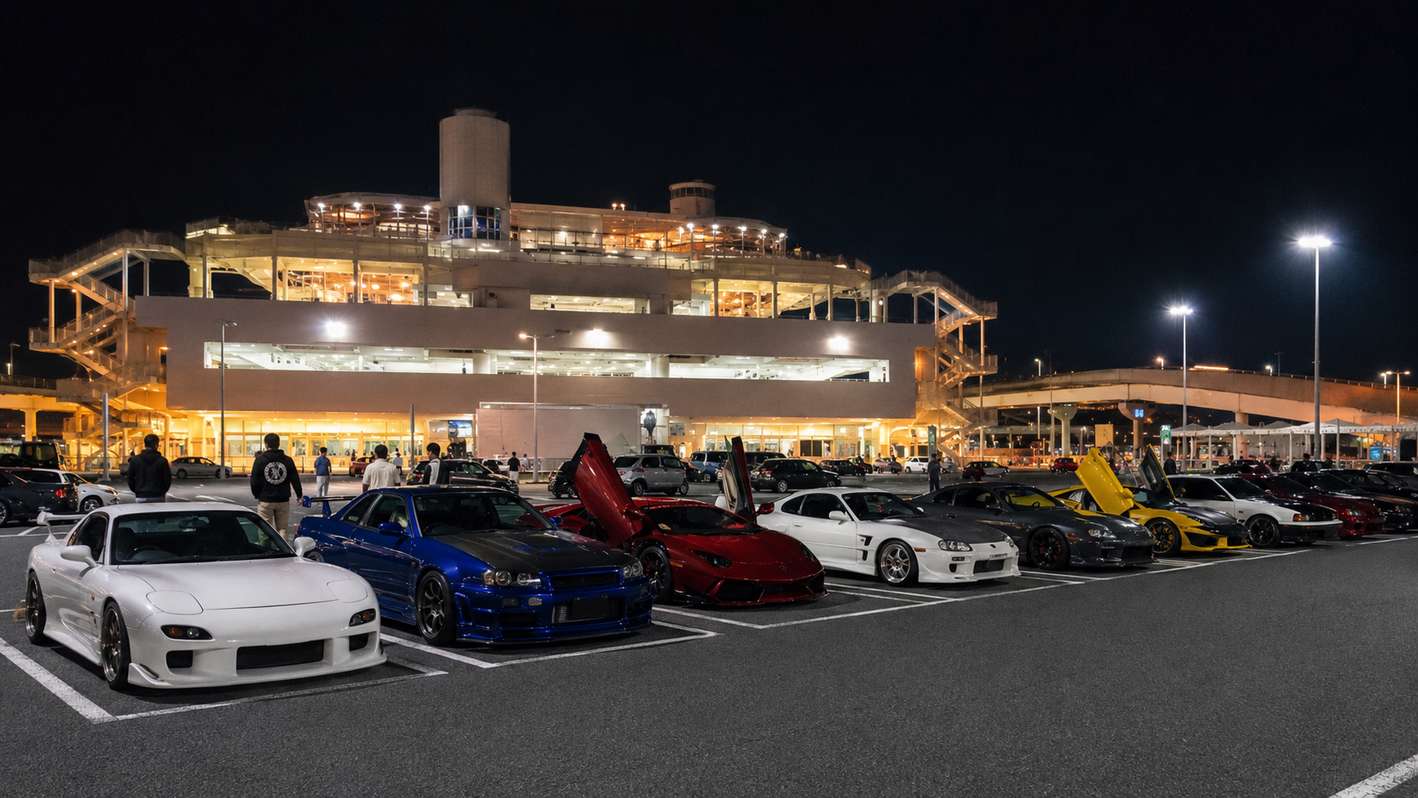
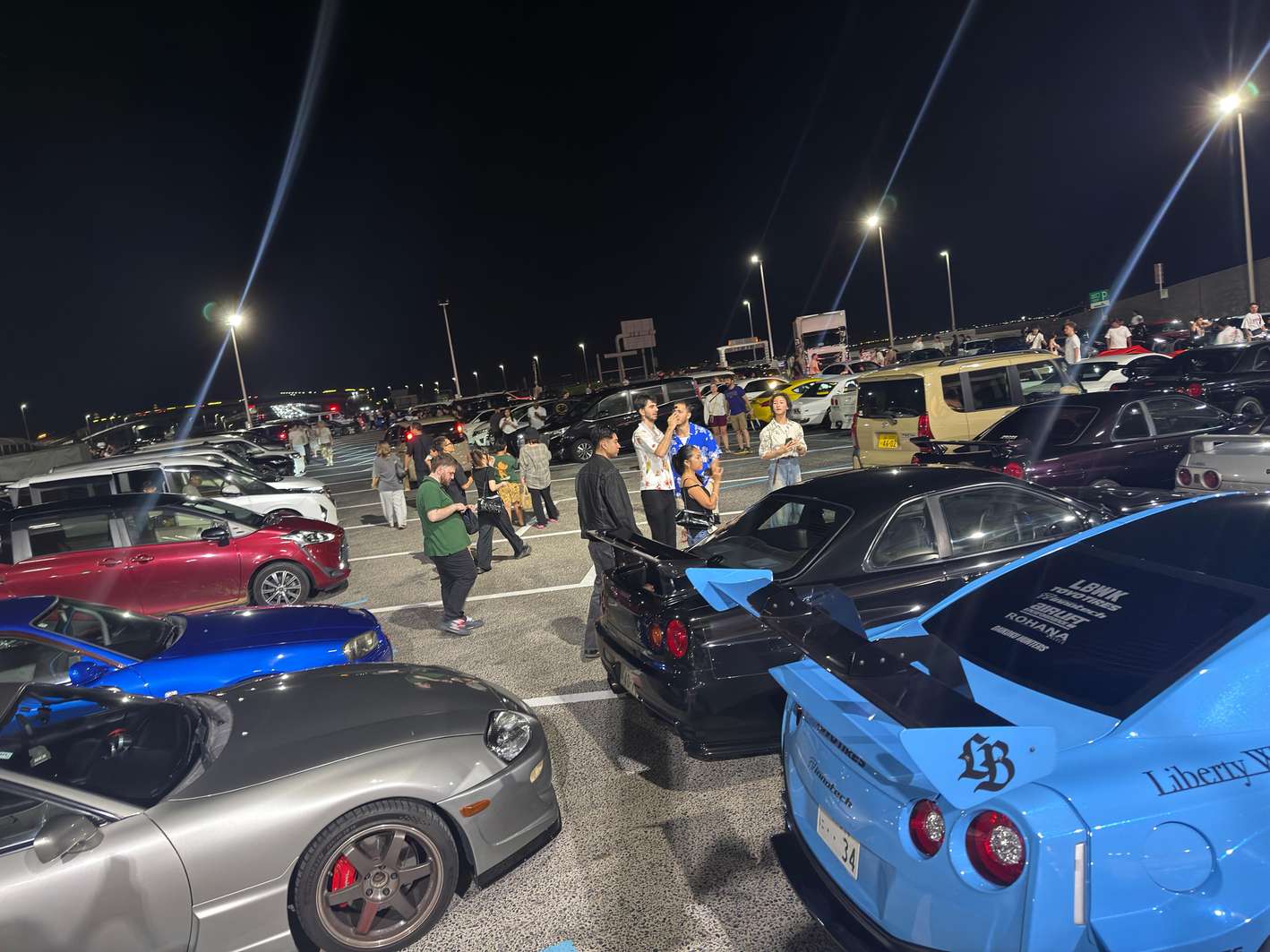
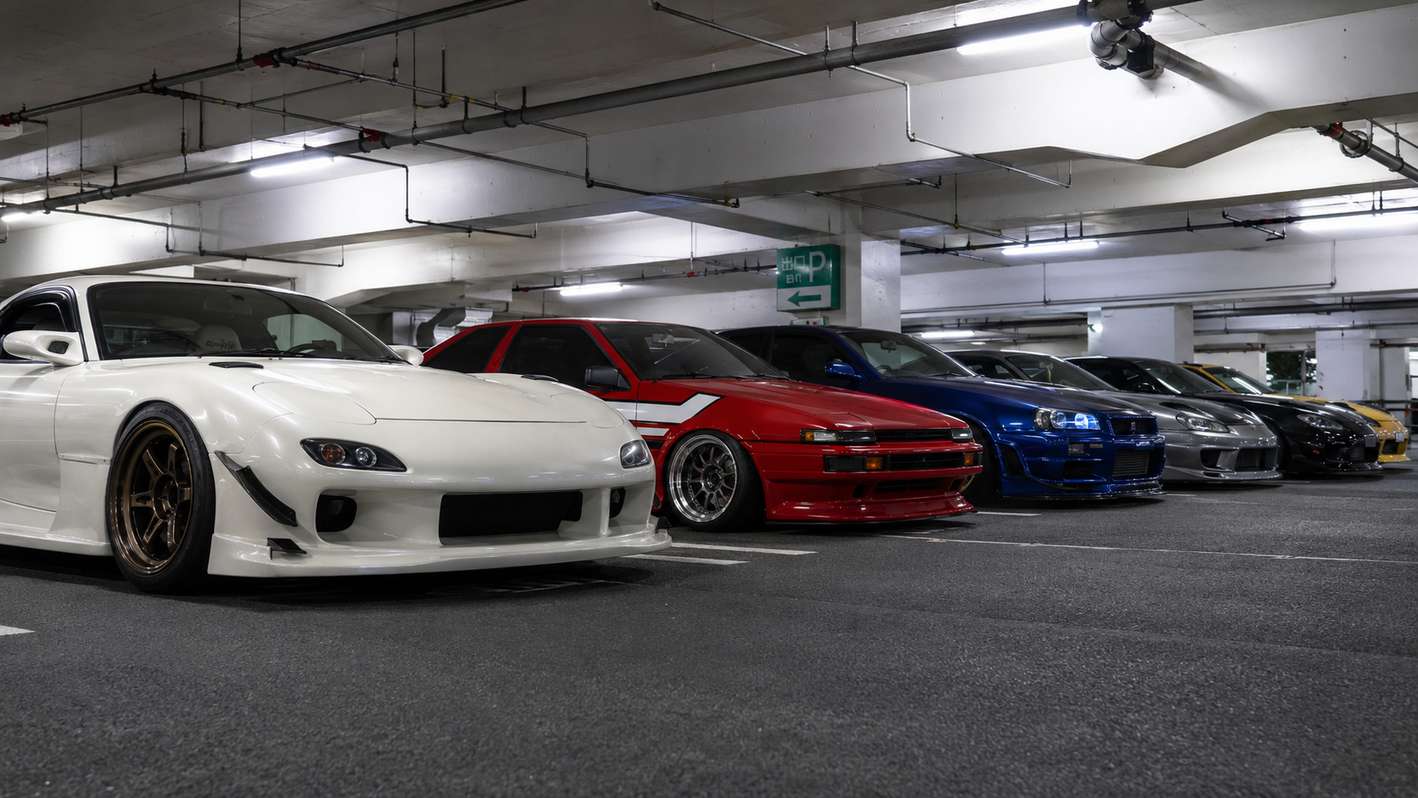
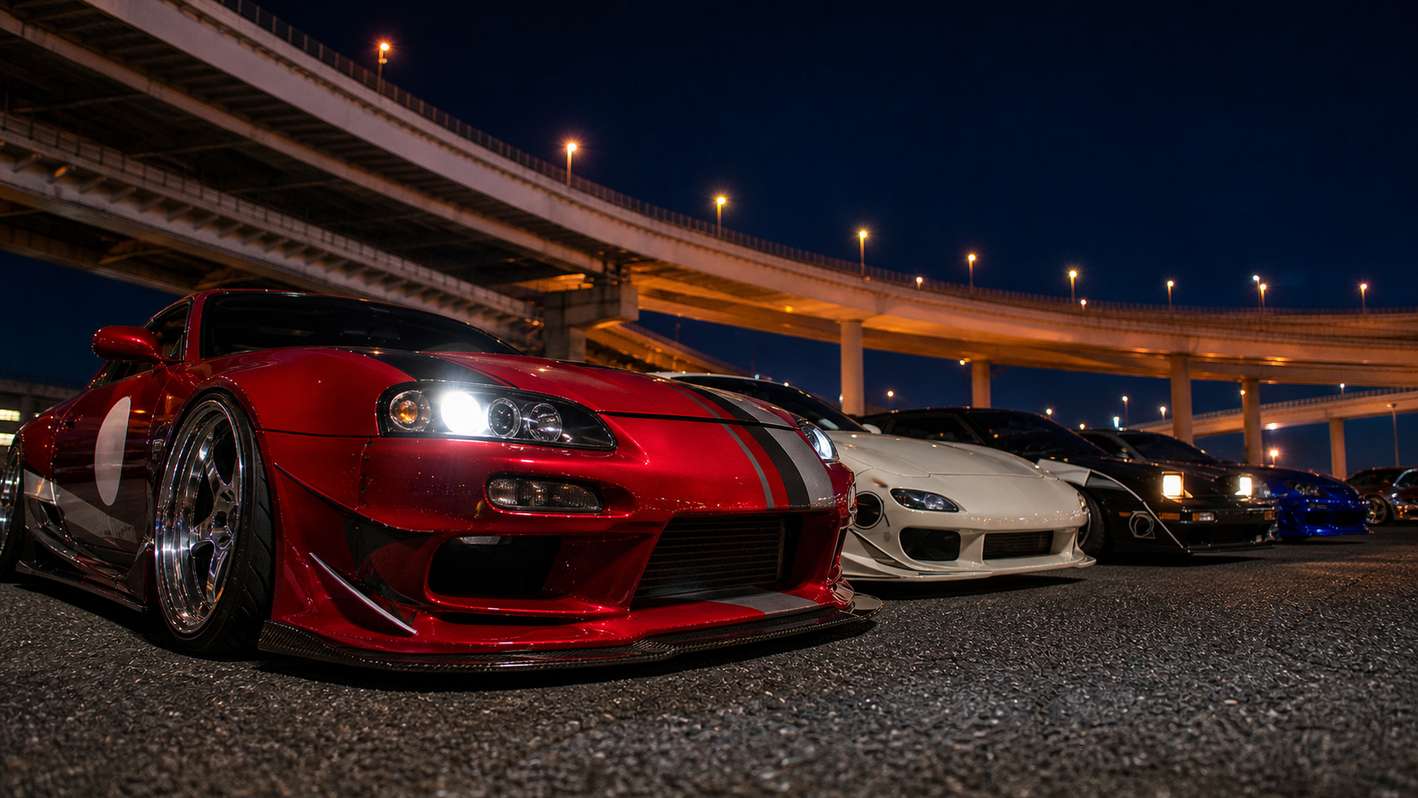
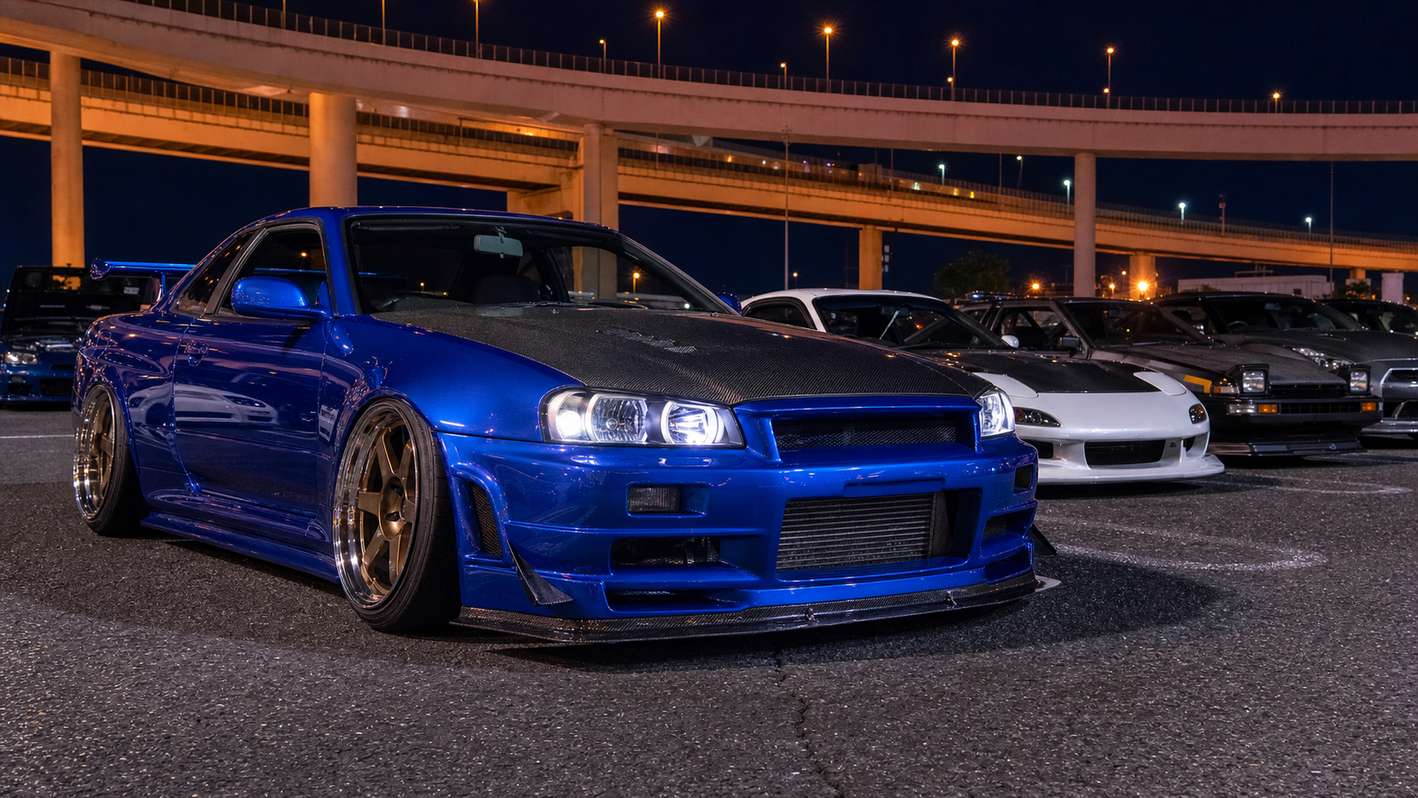
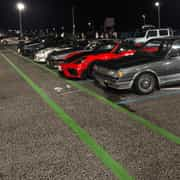
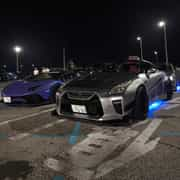
Daikoku Parking Area sits on an artificial expressway island in Yokohama Bay, about 44 km from central Tokyo. The drive takes around 55 minutes without traffic, longer on weekend evenings when everyone is heading to the meet.
The way in is the Shuto Expressway Bayshore Route southbound toward Yokohama, then the Daikoku Line into the parking area. The entrance sits on the expressway itself, so you reach it only from the highway network, never from local streets.
The final approach runs down a long circular spiral ramp built to connect several expressway lines in a small waterfront space.
What decides your way is whether you drive or ride. A chauffeured tour handles routing, tolls, and the return leg, which matters because taxis cannot be hailed from inside the parking area and rideshare apps rarely find drivers there.
Miss the last train and a taxi back to central Tokyo takes about 32 minutes, if you can secure one.
Pass by (5 minutes)
Visit (1 hour)
Break time, Visit, Free time, Shopping (30 minutes)
Photo stop, Visit, Sightseeing (15 minutes)
東京駅丸の内北口タクシー乗り場, Tokyo
東京駅丸の内北口タクシー乗り場, Tokyo
Photo stop, Visit, Free time (1 hour)
Break time, Photo stop, Visit, Shopping (30 minutes)
Sightseeing, Scenic drive, Scenic views on the way (5 minutes)
Photo stop, Visit, Sightseeing (15 minutes)
Shibuya, Tokyo
Shibuya, Tokyo
Daikoku Parking Area sits on an expressway island with no pedestrian exits, no train link and no taxi stand, so taxis and rideshares can drop you off but cannot pick you up.
Book a round-trip guided tour or a private chauffeured ride from Tokyo or Yokohama; hotel pickup and drop-off is included, expressway tolls are covered, and your driver handles the route so you never look for a ride back after midnight.
Daikoku Parking Area sits on an island in Tokyo Bay, and a night there depends on Kanagawa police. Officers clear the lot when noise builds, when crowds block bays reserved for trucks, or when emergency calls about nuisance drivers pile up.
Excessive engine revving is the fastest way to attract them. On busy Friday and Saturday nights, closures most often land between 7:30 pm and 9:15 pm, and small-vehicle access can stay shut from around 8:30 pm until roughly 2 am.
When the closure comes, you hear it before you see it. Loudspeakers announce that the gathering is dispersing, and drivers and tour groups are expected to comply peacefully and clear out.
Watching and photographing the cars is not a crime, and the meet itself is tolerated, so the behavior you bring decides how long the night lasts.
- Police can shut small-vehicle access to Daikoku PA from around 8:30 pm until roughly 2 am on weekend nights - If the lot is closed when you arrive, do not stop or wait on the expressway shoulder
That second line matters more than the first. The shoulder is an expressway, and a person standing on it with no ride is exactly what the police are clearing. Plan for the closure before you arrive, and it costs you nothing.
The meet is tolerated because visitors keep it quiet. Ask before any close-up photo, keep faces and license plates out of your shots unless the owner agrees, and never touch, sit on or lean on a car.
Flash photography in faces is poor form, and if an owner declines a photo, the answer is to move on at once.
Buy a coffee at the Lawson, which stays open after 9 pm as the only food outlet in the lot, because patronizing the shop is one of the courtesies that keeps the venue friendly to car people.
Revving engines, burnouts and drifting are grounds for removal, and they can get the whole parking area shut down for the community. Loud music and shouting carry the same risk, because truck drivers and families use the rest stop to sleep.
Follow staff or police instructions without argument, keep to the walkways, and put your trash in the bins on the way out.
- Buy a coffee at the Lawson to keep the venue tolerant of the meet - Ask before close-up photos and never shoot license plates or faces without permission - Watching and photographing the cars is not a crime
Regulars say the Lawson purchase is the small gesture that matters most. A lot where everyone buys something stays a lot the owners keep coming back to.
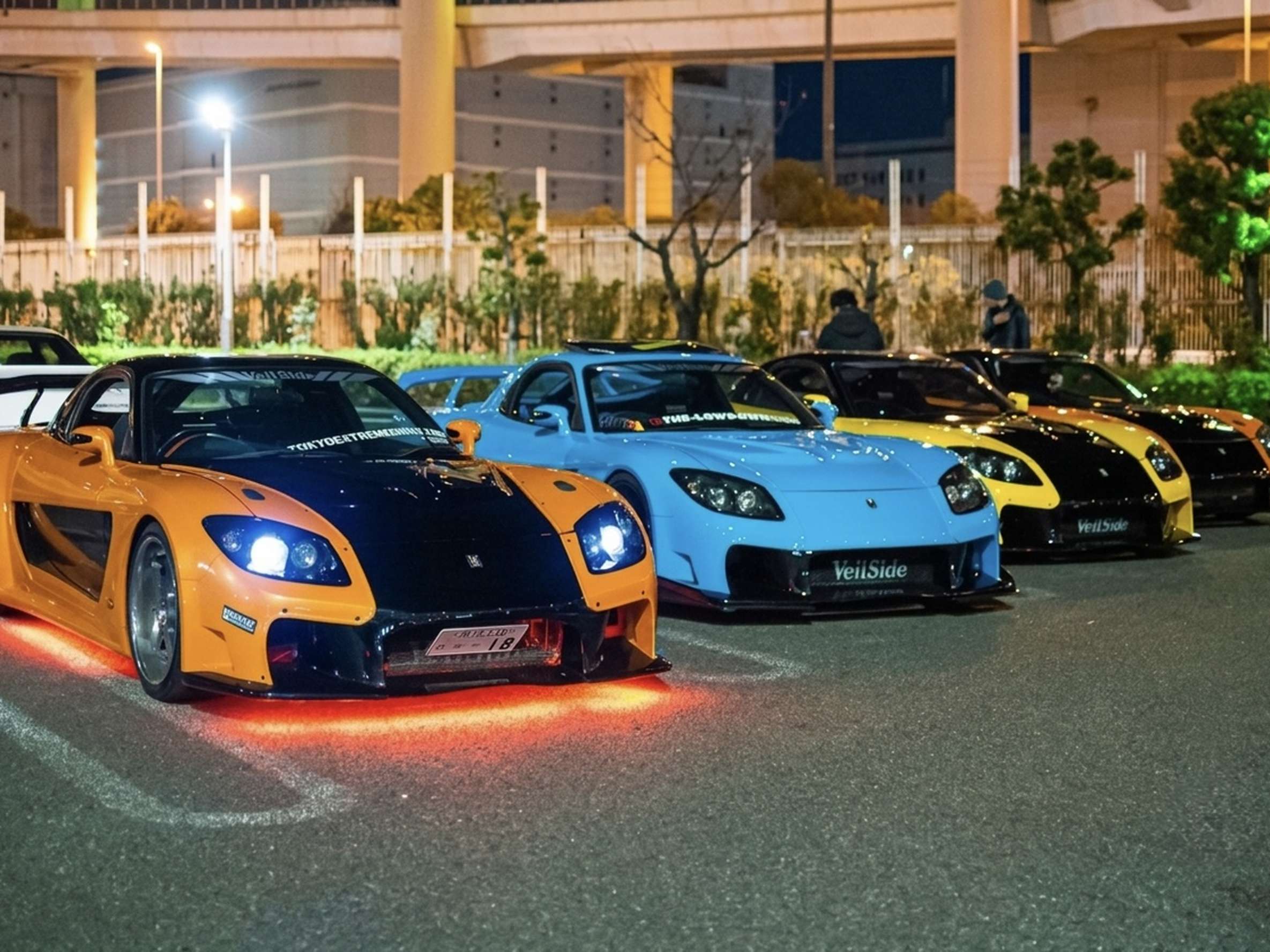
The night moves when the lot empties. Drivers who get dispersed from Daikoku most often cross the Tokyo Bay Aqua-Line to Umihotaru PA, the mid-sea rest stop, where the gathering reassembles.
Tatsumi Dai-ichi PA on Route 9 is the common second choice, and after a Daikoku closure part of the crowd drifts to Shibaura PA. If both Daikoku and Umihotaru are closed, guided tours fall back on A-PIT Autobacs Shinonome, the megastore near Shinonome Station about five minutes off the Bayshore Route.
Tour drivers rehearse this. When the loudspeakers call a dispersal, they clear the lot like everyone else, then reroute along the Bayshore or the C1 Loop toward whichever alternative is open that night.
The route changes; the plan keeps its hours. One thing a closure does change is the refund: a shut lot by itself does not qualify a booking for money back, and some operators refund only if you also decline the alternatives they propose.
Take the reroute. Umihotaru on a Saturday night is a proper car meet in its own right.
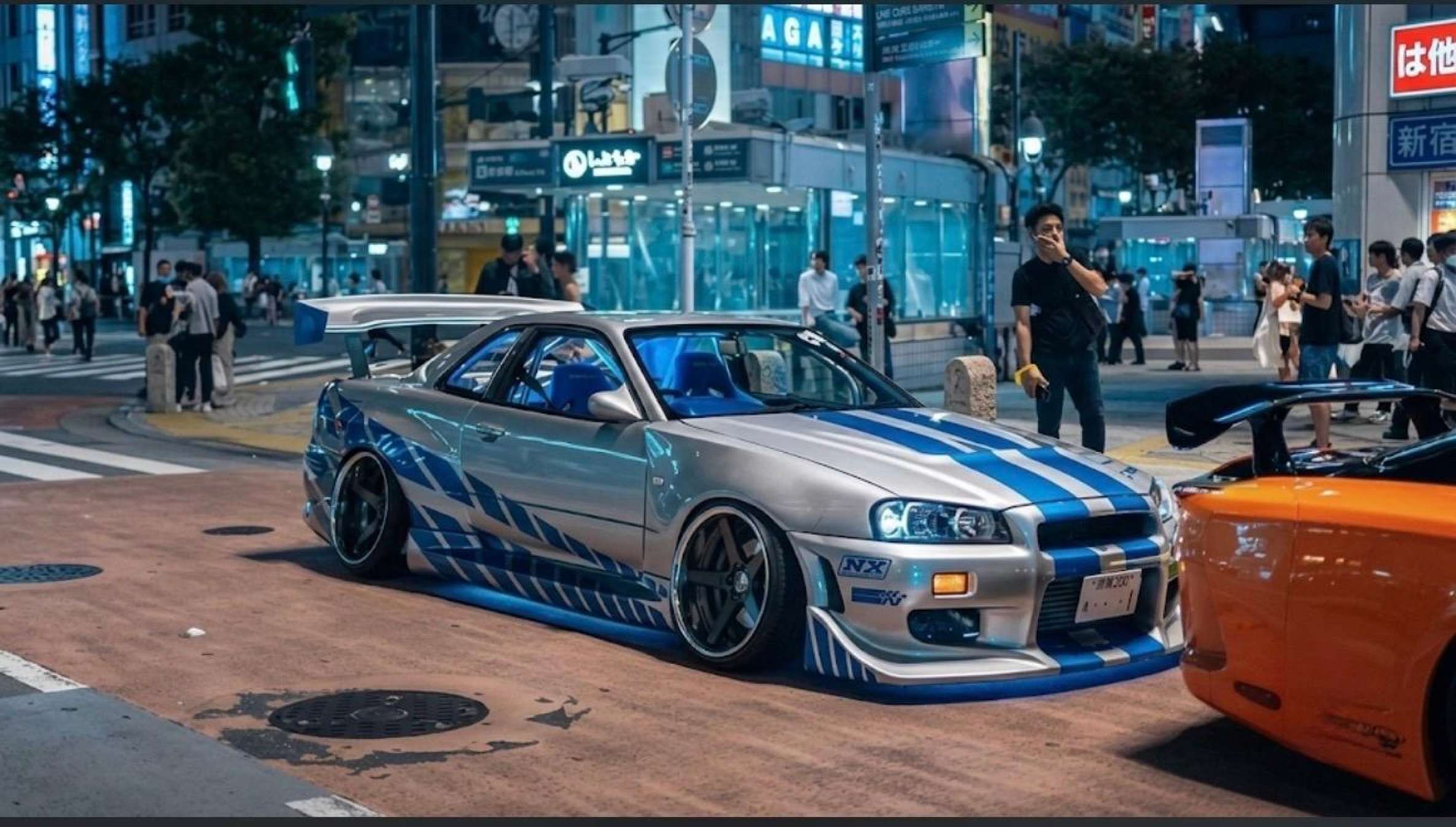
Friday and Saturday nights draw the biggest crowds and the highest-energy modified turnout, and they carry the highest risk of an early police closure between 7:30 pm and 9:15 pm.
Sunday mornings fill the lot with vintage Japanese classics, European supercars and exotic luxury cars from 6 am to 10 am, peaking between 8 am and 10 am before owners clear out by midday, all in calm daylight with almost no chance of a shutdown.
Weeknights bring the smallest turnout and a relaxed vibe, and closures are rare.
One tour operator runs its Night Legends tours so that they skip Daikoku PA on Friday and Saturday between 7:30 pm and 2 am, going elsewhere because of the closures. Recent visitors still describe busy weekend nights at the lot, and occasional closures.
The likeliest reading: weekends give you the most cars and the most risk, Sundays give you the calmest photography, and a weeknight is a decent bet with none of the crowd.
Read the day scores as crowd energy, not as quality. A Tuesday with three points can hand you a rare car with room to look at it, while a five-point Saturday gives you hundreds of builds and a closure risk with them.
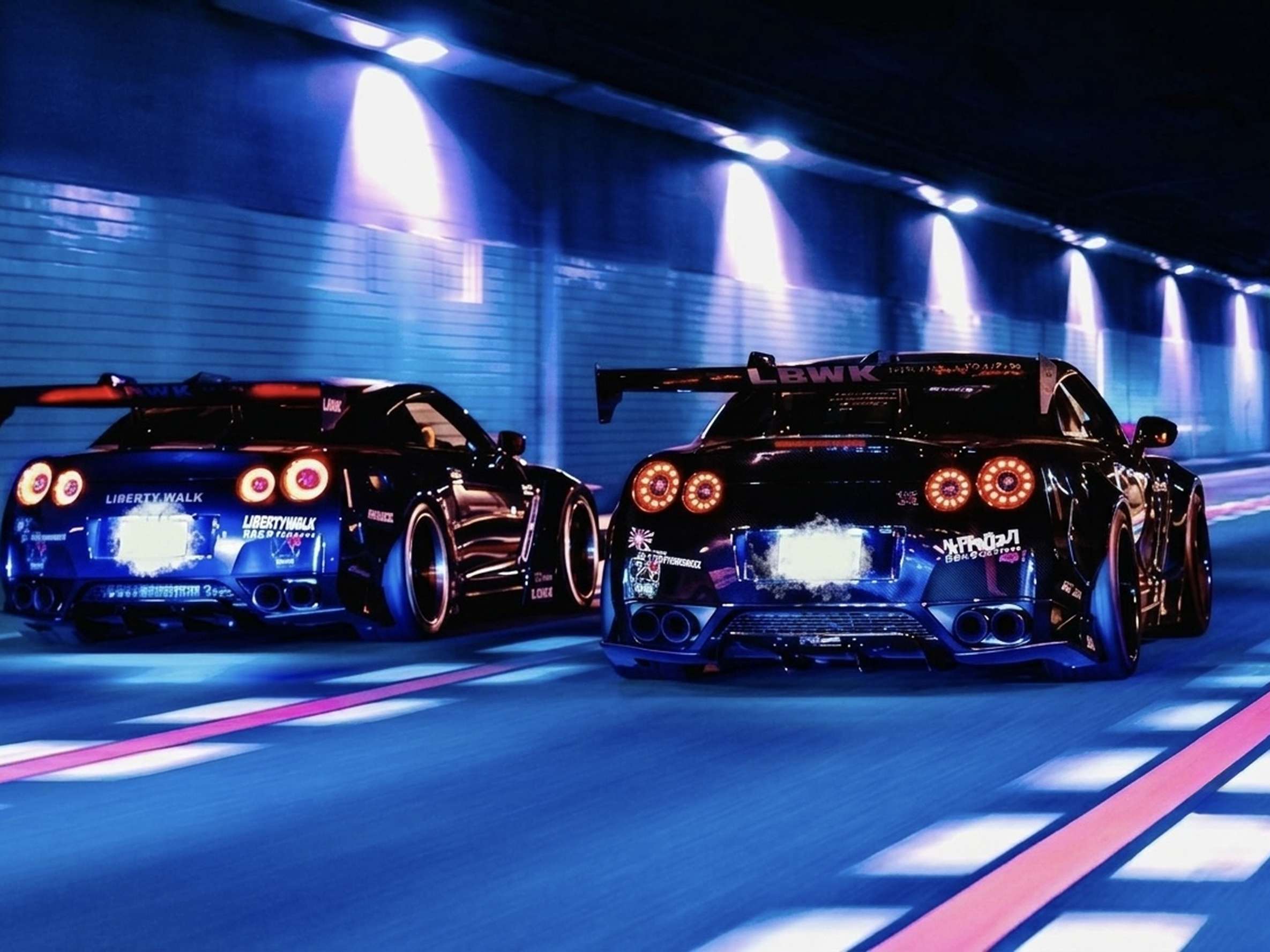
There is no schedule, but there is a rhythm. The first modified cars arrive between 5 pm and 6 pm around sunset, and the main wave gathers from 7 pm onward on Friday and Saturday nights.
Driving time from central Tokyo runs 40 to 50 minutes without traffic, so the departure window decides what you walk into.
Leaving central Tokyo between 4:30 pm and 5 pm on Fridays, weekends and public holidays puts you at the lot around 6 pm to 6:30 pm, ahead of the closures that start around 7:30 pm. On Monday to Thursday, depart at 7:30 pm and you hit the peak weekday gathering from 8 pm onward.
Friday evening rush hour on the Shuto Expressway adds 15 to 30 minutes each way between roughly 4:30 pm and 8 pm, stretching a round trip by half an hour to an hour.
Off-peak legs run 35 to 55 minutes; rush-hour legs can take 50 to 85. That is why tour operators shift Friday departures earlier, to 4:30 pm or 5 pm, while the standard Monday-to-Thursday start stays at 7:30 pm or 8 pm
First cars arrive before dusk
Main arrivals before police closures
Peak density when not closed
Crowds thin or move elsewhere
The widget shows why the early departure pays off twice. Arriving at 6 pm to 6:30 pm catches both the first wave and the early evening peak, and it still leaves you outside before the 7:30 pm closure risk begins.
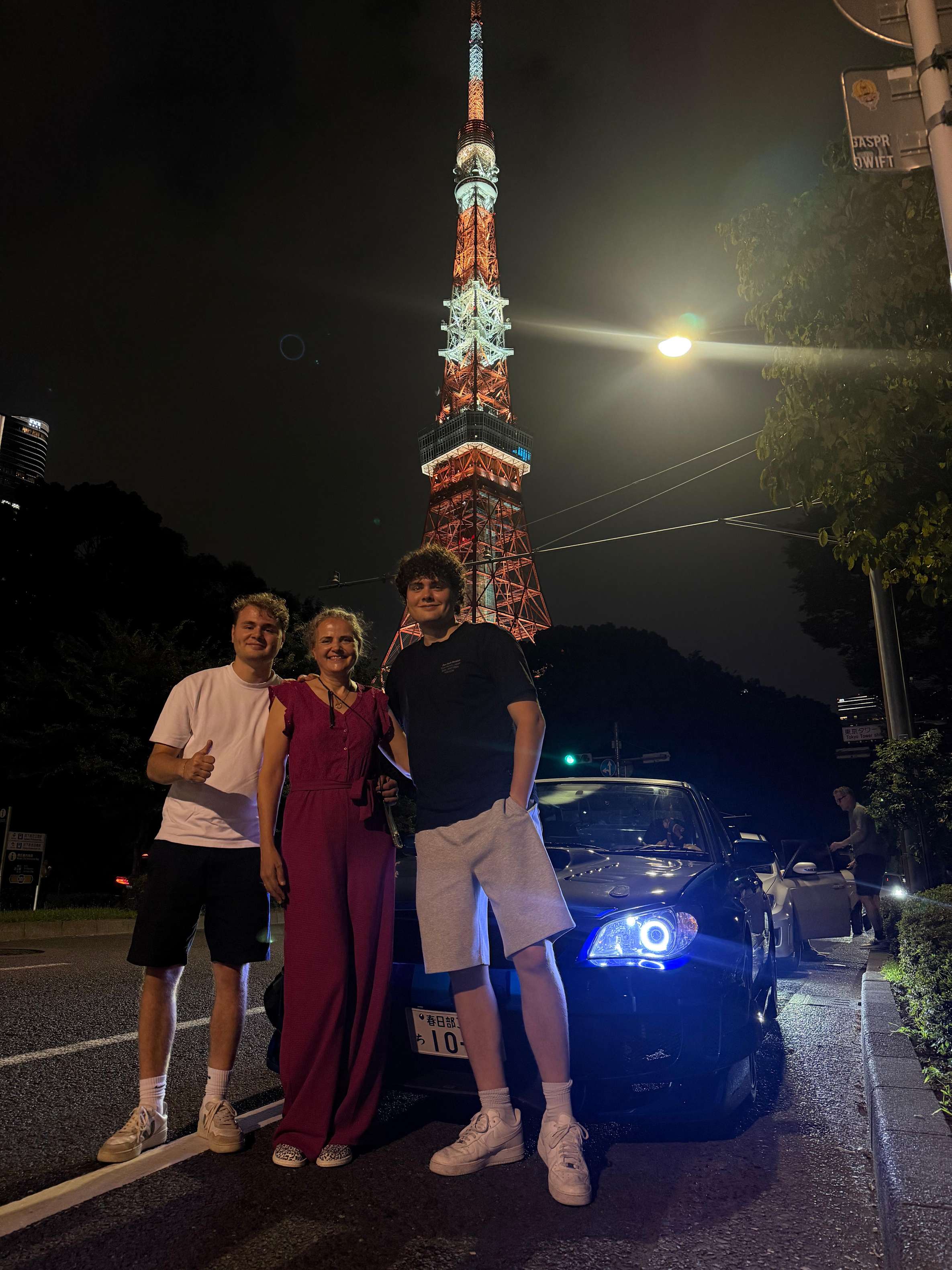
Monday to Thursday can be worthwhile, with the honest caveat that turnout swings. Three recent visitors described a fairly populated, decent or full meet on a Monday or Thursday; another found a weekday evening quiet. The lot rarely fills up on weeknights, but police closures are rare, so the night almost never gets cut short.
Season matters as much as the day. Spring carries the busiest meets, with April the strongest month of the year and March and May close behind, while February and the late-summer stretch run quieter.
November picks up again before the winter dip. If your trip falls in a low month, a Friday or Sunday is the safer pick than a gamble on a Tuesday.
April: 5 out of 5 for how busy it gets.
Tap a month to read it.
The monthly scores count typical meet density at the lot, and April is the peak. Low months still run meets on the strong nights; they just gather fewer cars, so a low score argues for a Friday or Sunday rather than a weeknight.
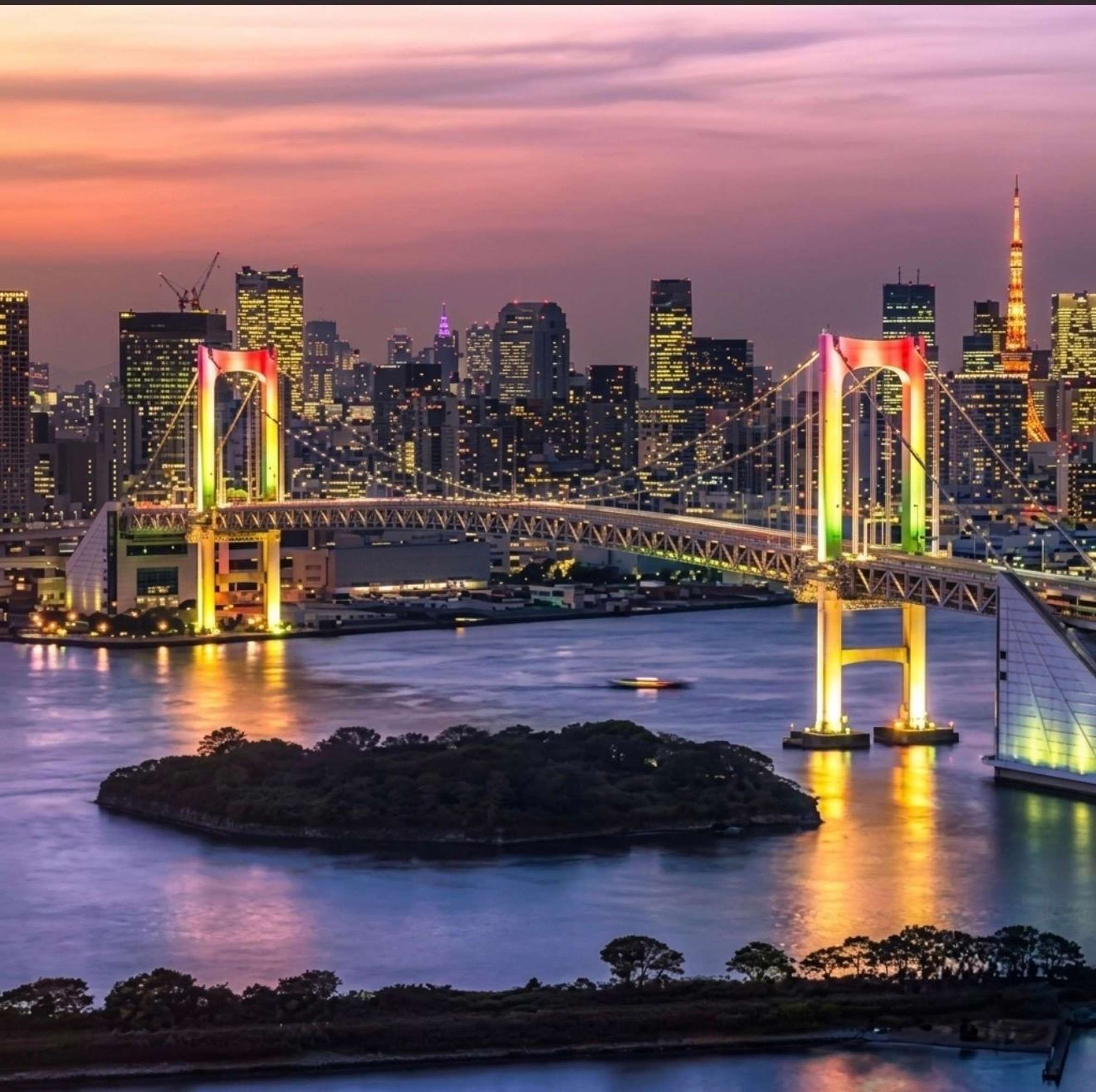
Nothing about a car meet at Daikoku PA is official, so nothing gets cancelled. The parking area stays open in the rain and most guided tours run as scheduled. What changes is the guest list.
Owners of rare exotics and pristine show builds keep their cars home in wet weather, and turnout drops sharply; what is left is a smaller gathering of committed regulars and domestic tuner cars, and some of them like the wet pavement for the reflections it gives a camera.
At the much smaller Tatsumi PA, a rainy night can mean almost nobody. Wet conditions are most frequent from March through October, with 12 to 15 wet days a month, while winter months see only 5 or 6, so a damp evening is a normal part of the season rather than a lost night.
Bring a layer, expect a quieter lot, and remember that the dedicated cars still show up.
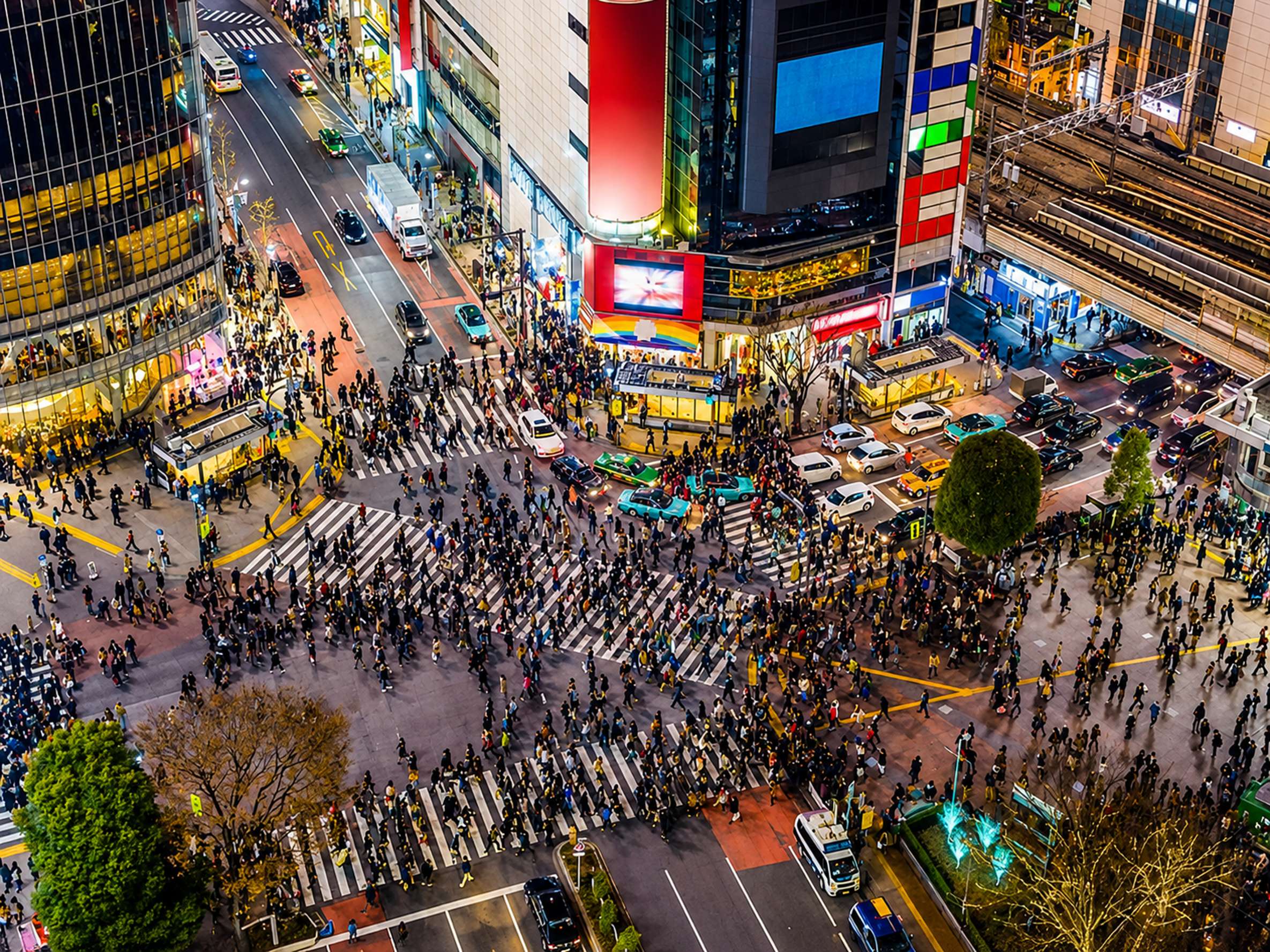
Severe weather is the line. When a typhoon or severe storm warning hits Tokyo, turnout collapses, the lots empty out, and tour operators adjust itineraries or reschedule.
Operators cancel car meet tours only in severe weather such as a typhoon or heavy snow, and in that case guests get either a rescheduled date or a full refund.
One operator also lets you cancel for a full refund because of weather, as long as you ask at least 24 hours before the start time and cannot reschedule.
In ordinary rain the tour goes ahead, so watch the forecast for storm warnings when you check it. If the operator cancels because of severe weather, the refund is automatic on their side; if you want to pull out yourself, the 24-hour window is the deadline that protects you.
- Rain: most tours run as scheduled, the lot just thins out - Typhoon or heavy snow: the operator reschedules, offers an alternative date, or refunds in full - Cancel yourself 24 hours or more before the start time if you cannot reschedule and one operator refunds in full
Set a calendar reminder for the 24-hour mark when you book. Once it passes, your only lever is the operator's own severe-weather cancellation, and that takes a typhoon, not a drizzle.
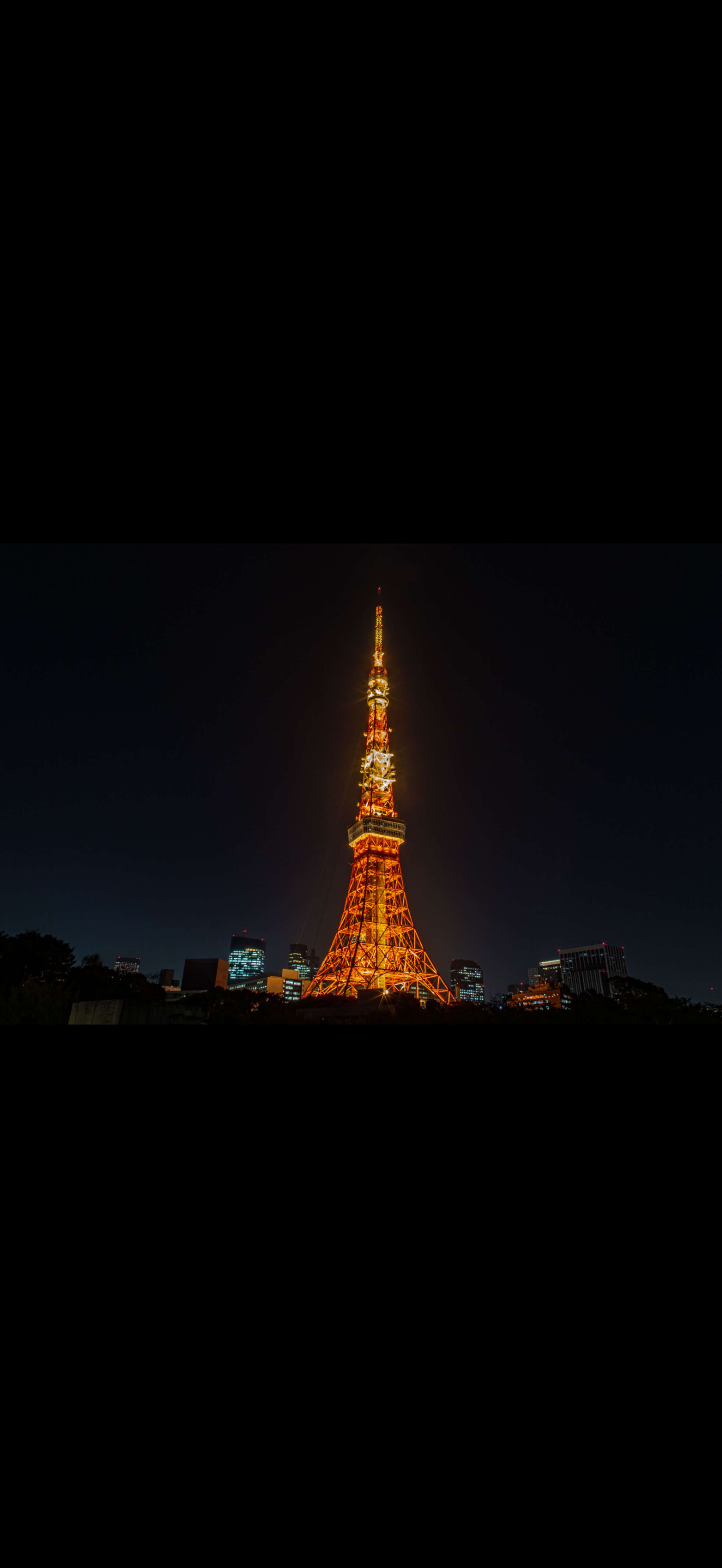
You do not need a car or a toll to see modified JDM metal in Tokyo, and these stops fill the hours around a Daikoku night.
Akihabara UDX Parking is a 24-hour underground public garage next to JR Akihabara Station where you can spot modified cars and classic JDM on foot at any hour.
Meiji Jingu Gaien hosts a Sunday morning gathering, and Shibuya Carjack is an informal Saturday night street meet around 9 pm near Tower Records Shibuya, a short walk from the Scramble Crossing.
Daikanyama Morning Cruise takes over the T-SITE car park about a five-minute walk from Daikanyama Station, and you can watch for free on foot or by train.
A-PIT Autobacs Shinonome deserves a stop on the way: the megastore sells parts, gear and souvenirs, hosts model-specific morning and evening meets in its car park, and sits about five minutes off the Bayshore Route, so clubs stage there before running to Daikoku.
Spectators are welcome. Ground-level entry closes when full, the multi-storey structure has a 2.1-meter height limit, and engine revving is prohibited.
The drive times here run from the Yokohama side of the bay, useful if a reroute or a Sunday plan puts you across the water. The park on the list sits a five-minute walk from the Daikoku pier area, an easy daylight add-on before an evening meet.
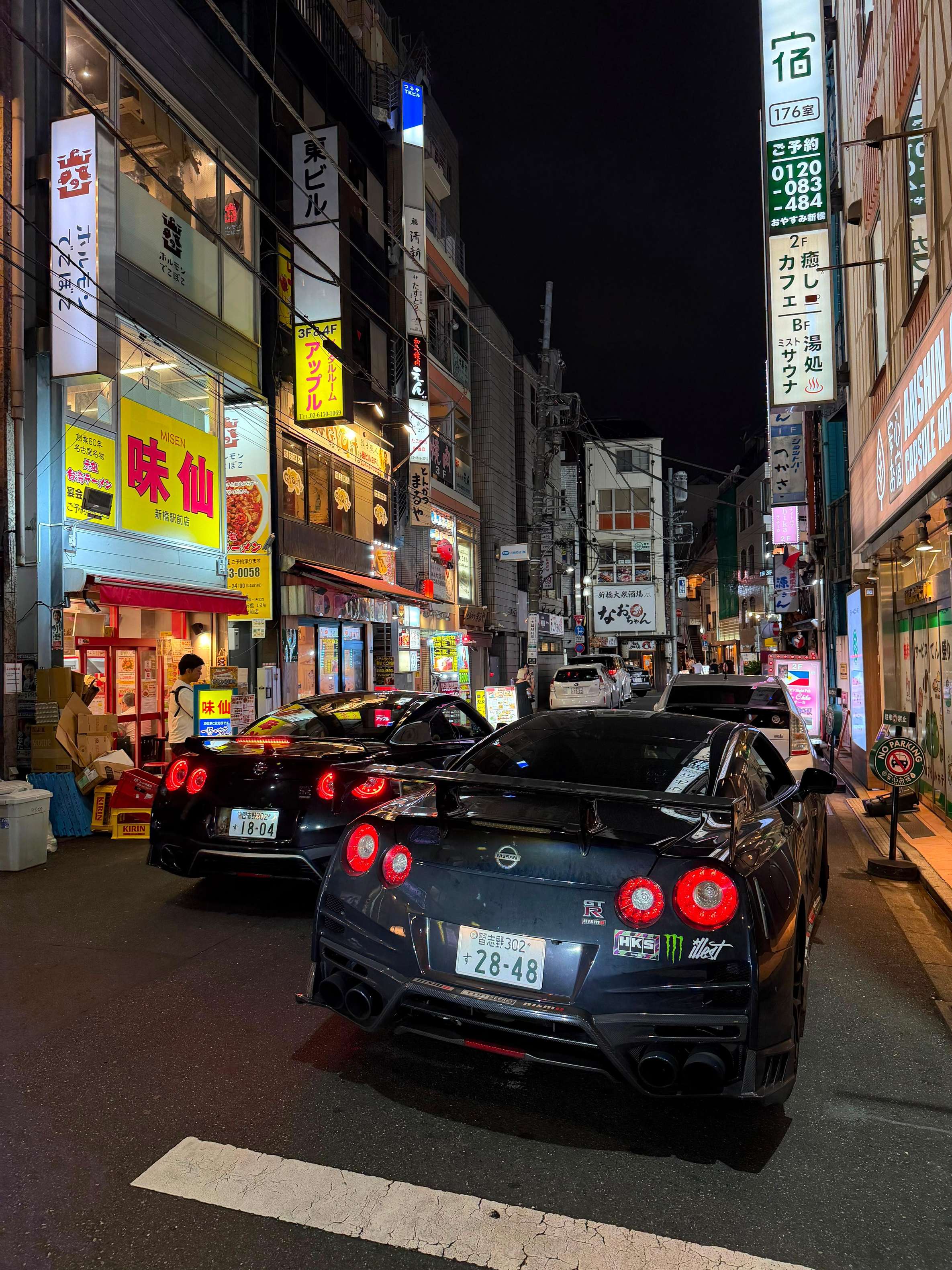
Daikoku PA has no pedestrian access. The gates are locked and fenced, buses cannot reach it, and there is no taxi rank inside; walking in from the expressway is illegal and dangerous.
A metered taxi can drop you off if the driver agrees to enter, pay the highway tolls, keep the meter running and wait, and many refuse, so you must confirm it with the driver before you get in.
That leaves two ways in. A guided or chauffeured tour handles both legs, the tolls and the reroute if police close the lot, and no driver's license is needed because a professional drives.
Driving yourself works if you hold a valid license plus a 1949 Geneva Convention International Driving Permit, or an official Japanese translation if your license comes from Switzerland, Germany, France, Belgium, Monaco, Taiwan or Austria, and you carry your original passport and license at the rental counter.
The drive runs 40 to 52 minutes from central Tokyo without traffic, and longer at peak, so the tour's fixed departure often beats a solo one in rush hour.
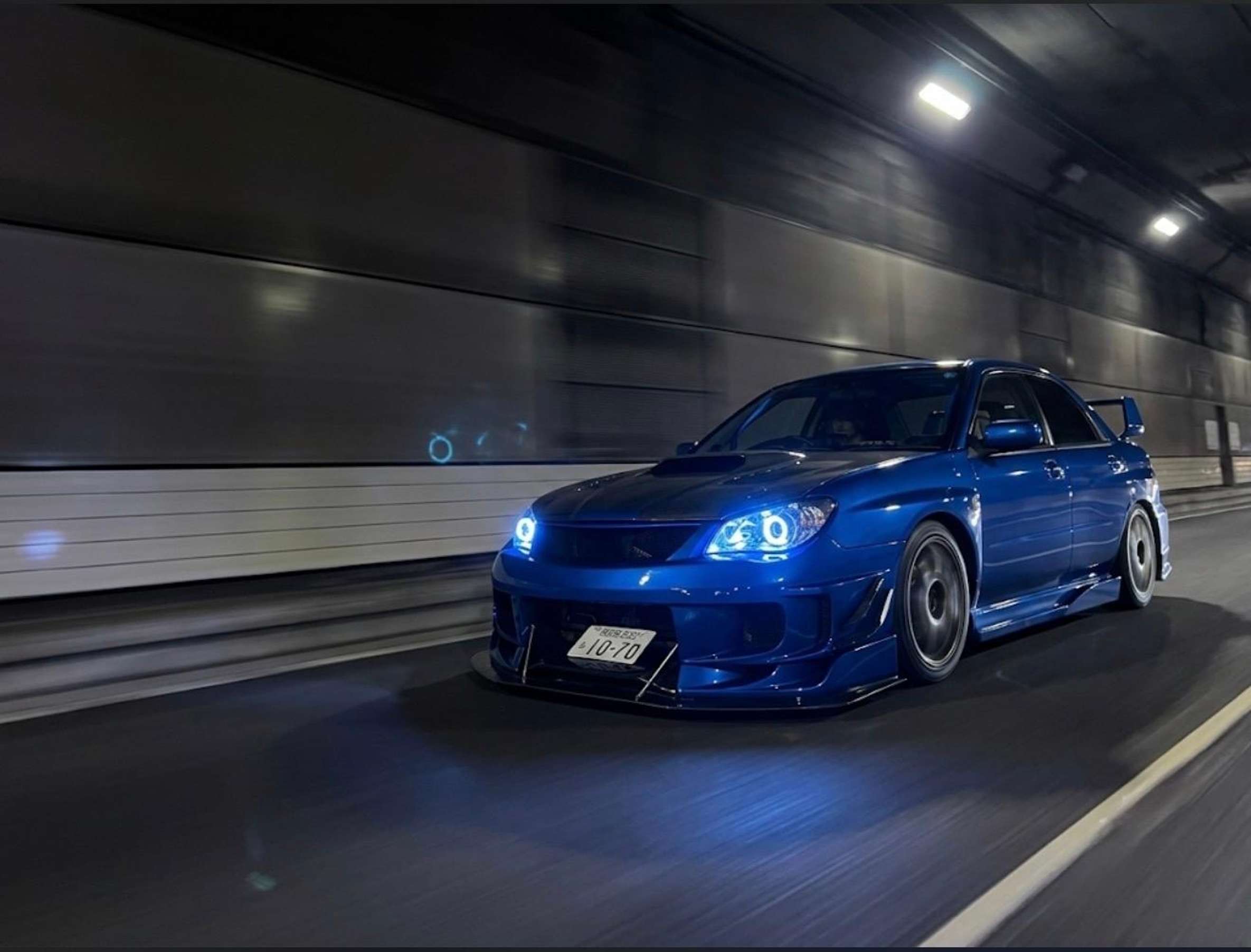
Missing the last train at a mid-sea rest stop is a real risk, so plan the way home before you go.
Cabs cannot be hailed or called for a pickup inside Daikoku PA, which is why a round-trip booking is the safe answer: a tour car, a private ride or a rental you drove in on all guarantee the return leg.
If a dispersal leaves you on your own, apps such as Uber or GO rarely secure pickups from inside the lot, so your realistic moves are asking local police for help or reaching wherever your return ride was arranged to meet you.
The return drive to central Tokyo covers the same 28 to 36 kilometers as the way in, roughly 40 to 52 minutes without traffic and longer when the expressway is busy.
Book the return before the night starts. The lot has no train station and no way out on foot, and the last thing a good meet deserves is a walk along an expressway ramp.
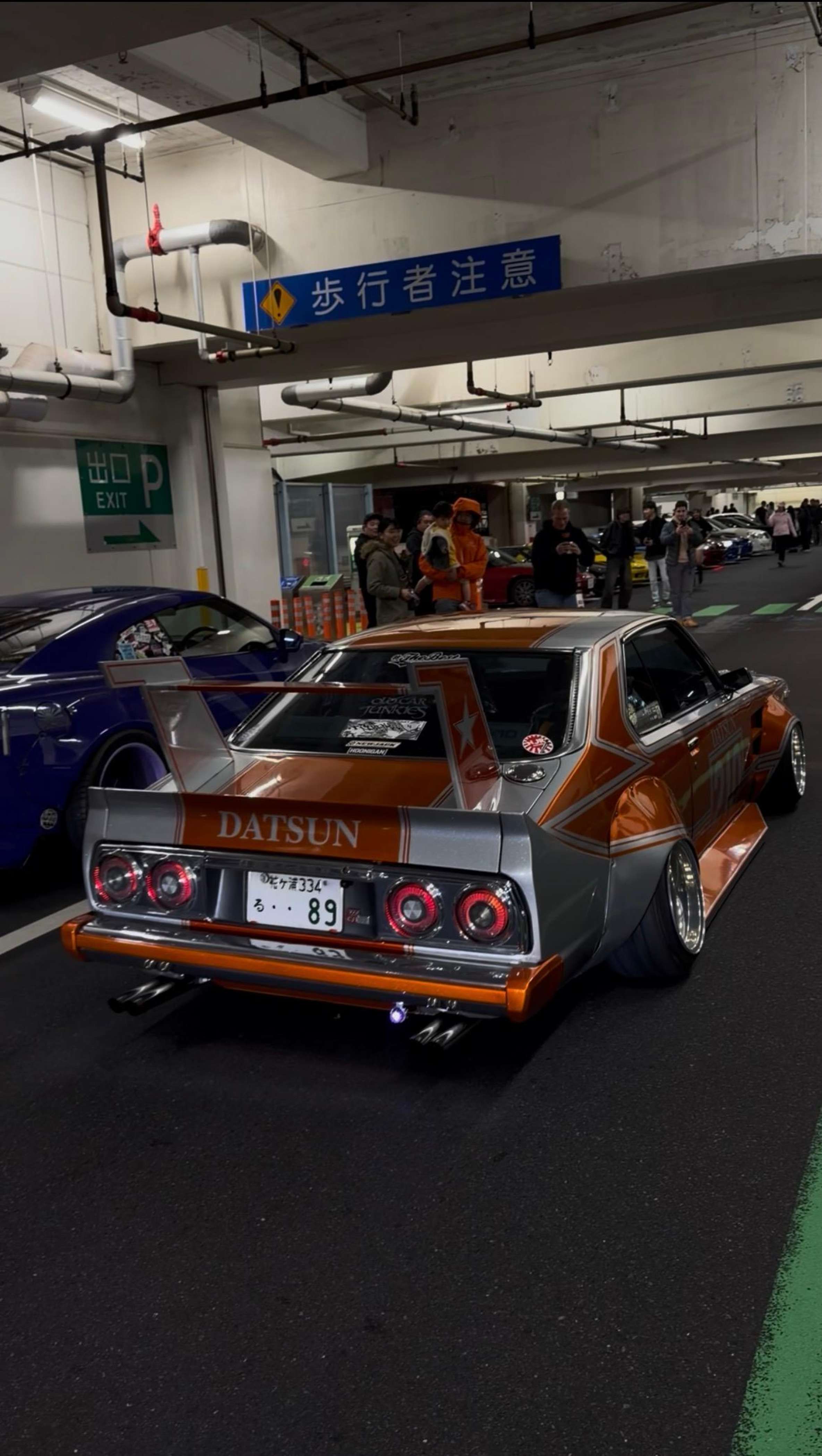
Go with a tour if you have no car or no taste for the Shuto Expressway at night; it is the only version of the plan with a guaranteed ride back from an island.
Drive yourself if you hold the right permit and want the freedom to chase closures, and set off by 4:30 pm on a weekend. Either way, the lot rewards people who arrive early.
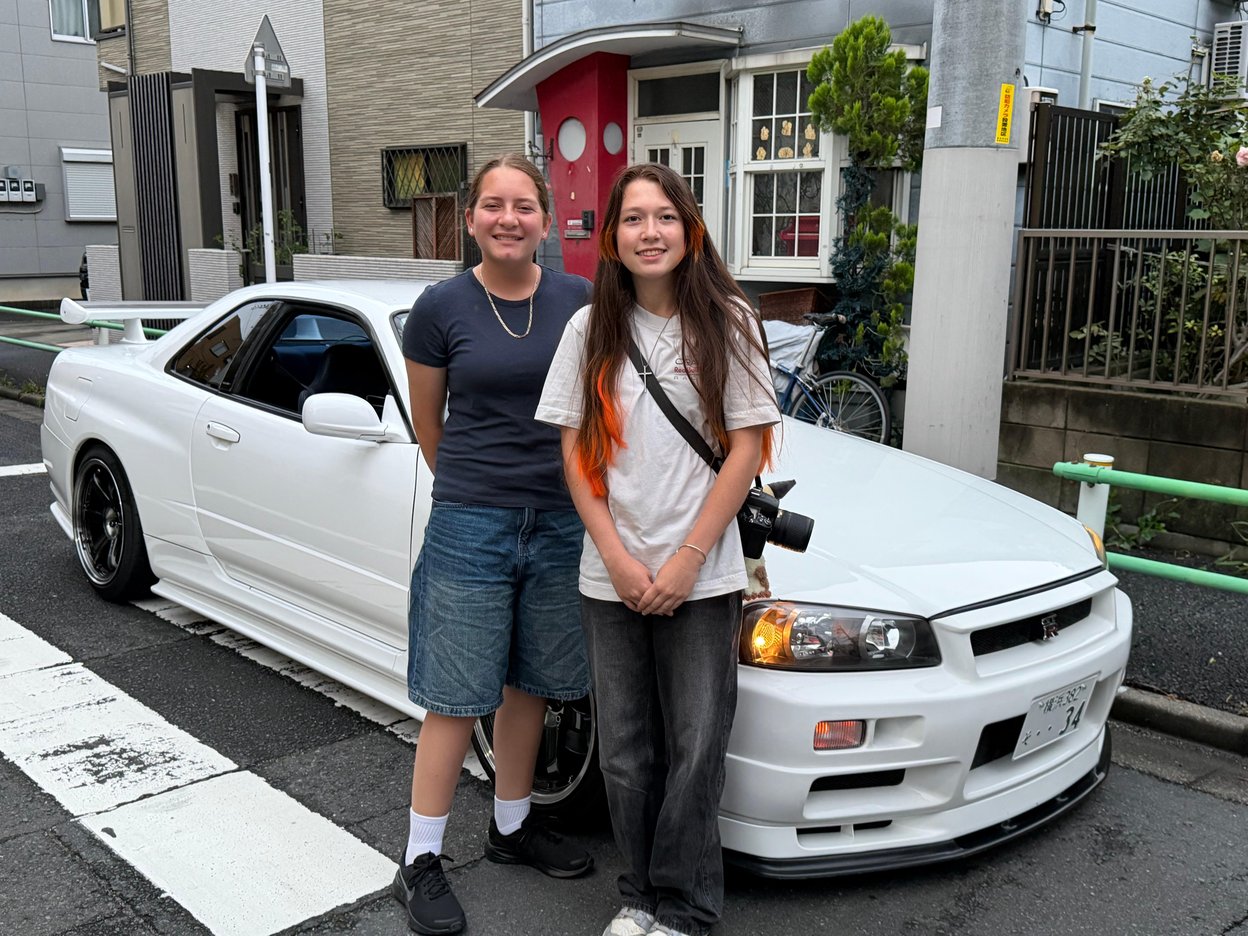
Masaru's GT-R R34 drive through Tokyo was a highlight of our trip.
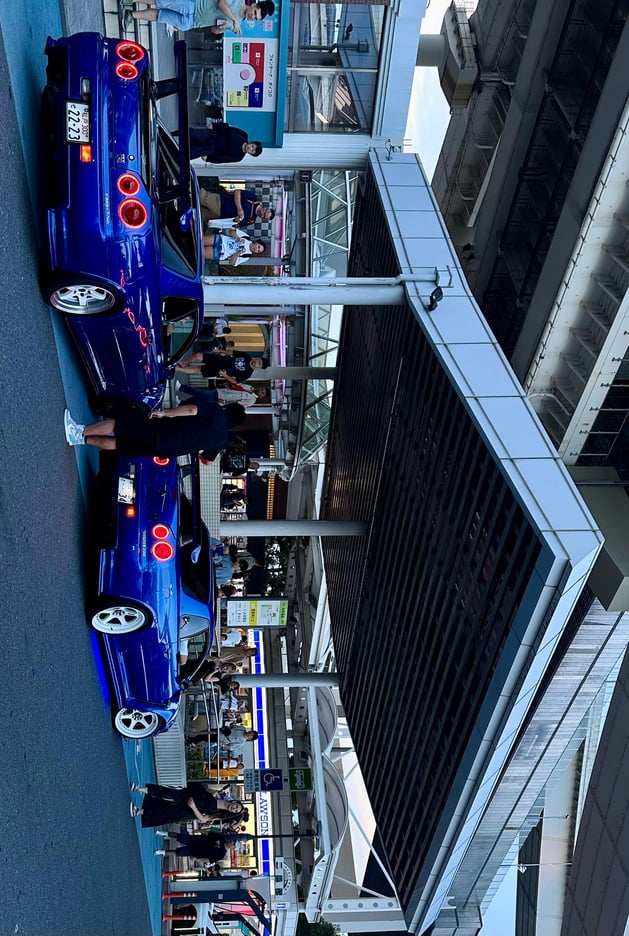
Highly recommend this JDM tour! Driver NTHANH TUNG was on time and a thrilling ride. Daikoku Futo had custom cars you never normally see.
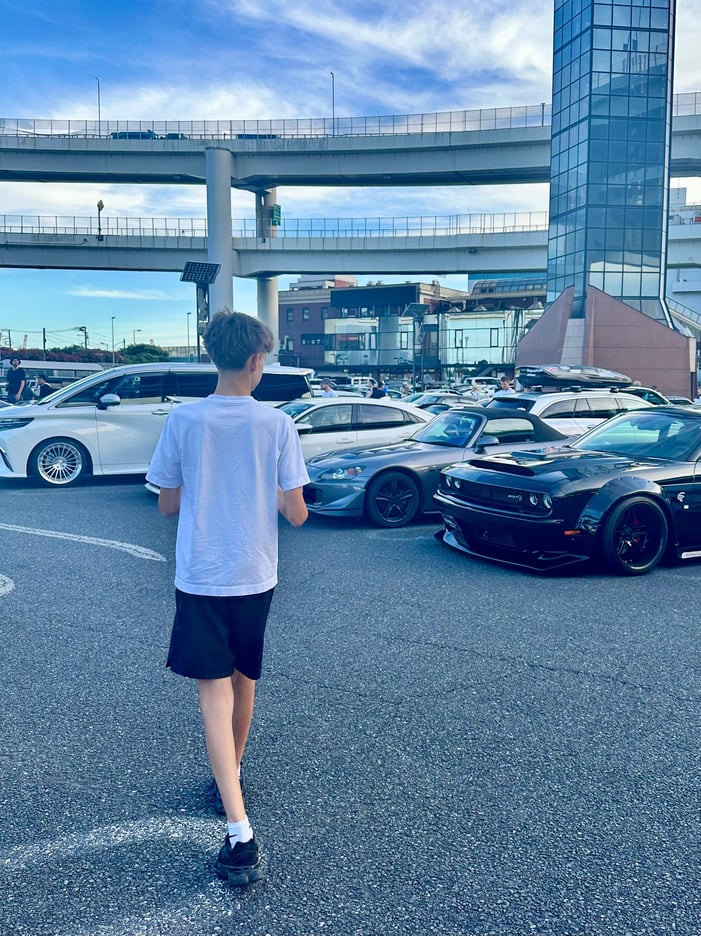
May 25, 2026: unforgettable ride with Dai in his Skyline GTR R34, glided through corners effortlessly. Daikoku PA was exhilarating, surrounded by Fast and Furious-style cars.
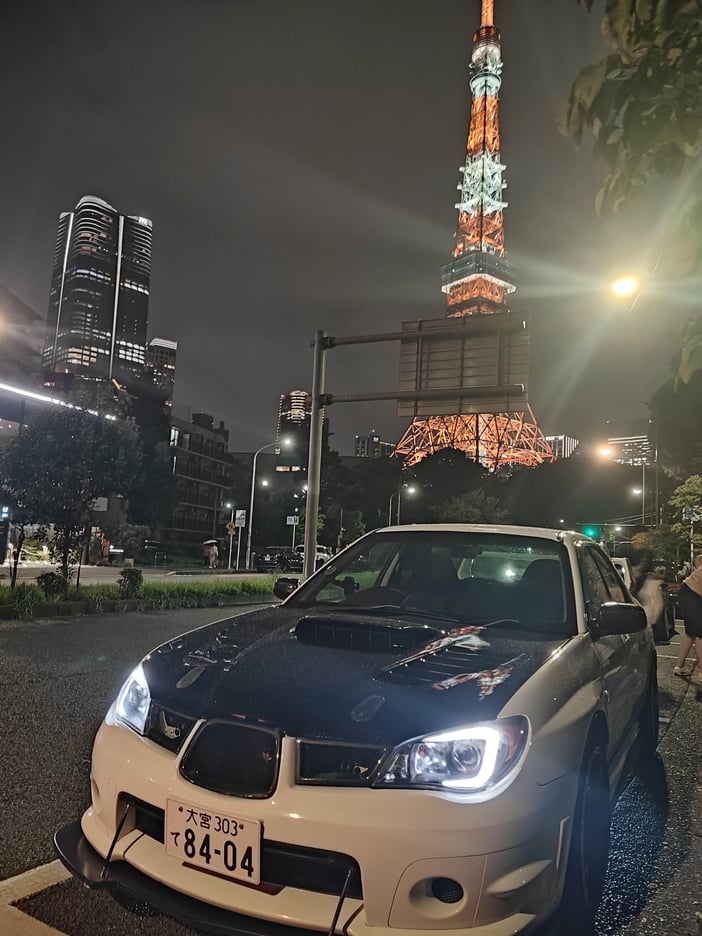
Max was super friendly and a skilled driver, fun ride, safety never a concern. Even without car knowledge, his enthusiasm helped us appreciate everything we saw.
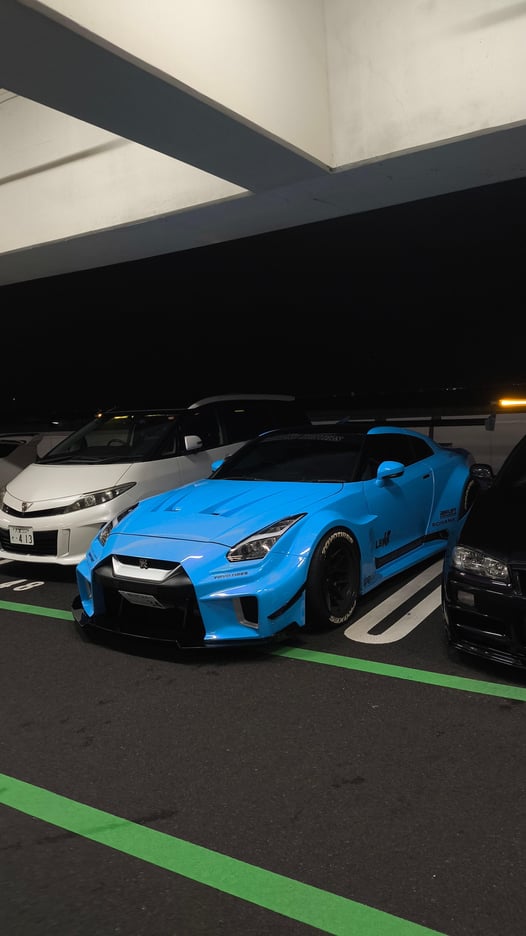
Great excursion: A Pit store stop, then Daikoku PA, photo stop at Tokyo Tower.
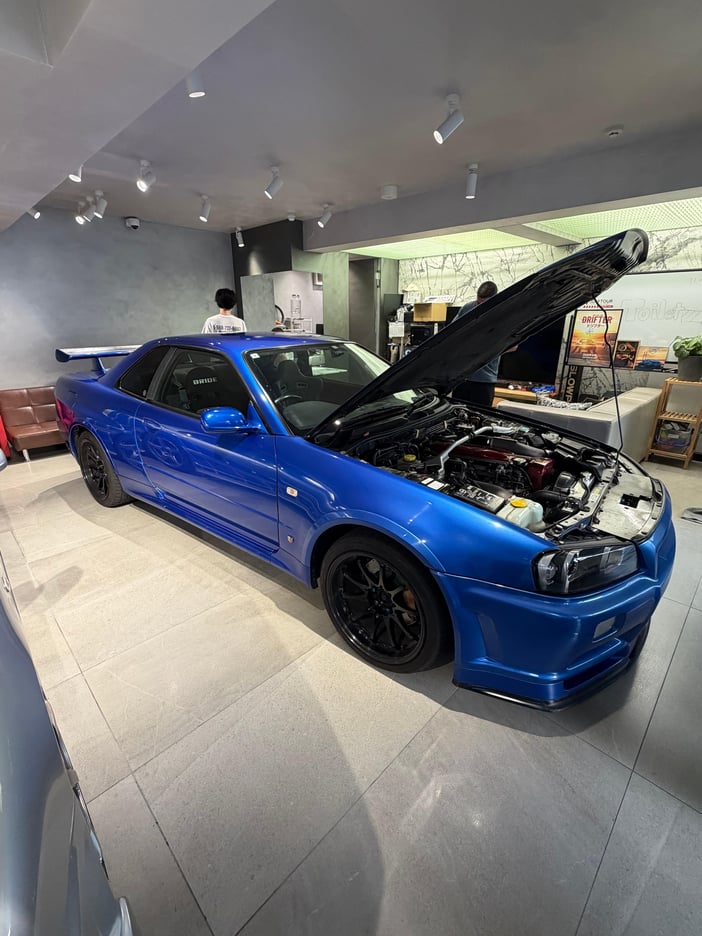
Amazing evening. Friendly, helpful guides made everything clear and easy. The cars were beautiful and fun to drive, and the stops were brilliant. Would come back to Japan just for this. 10/10 😁
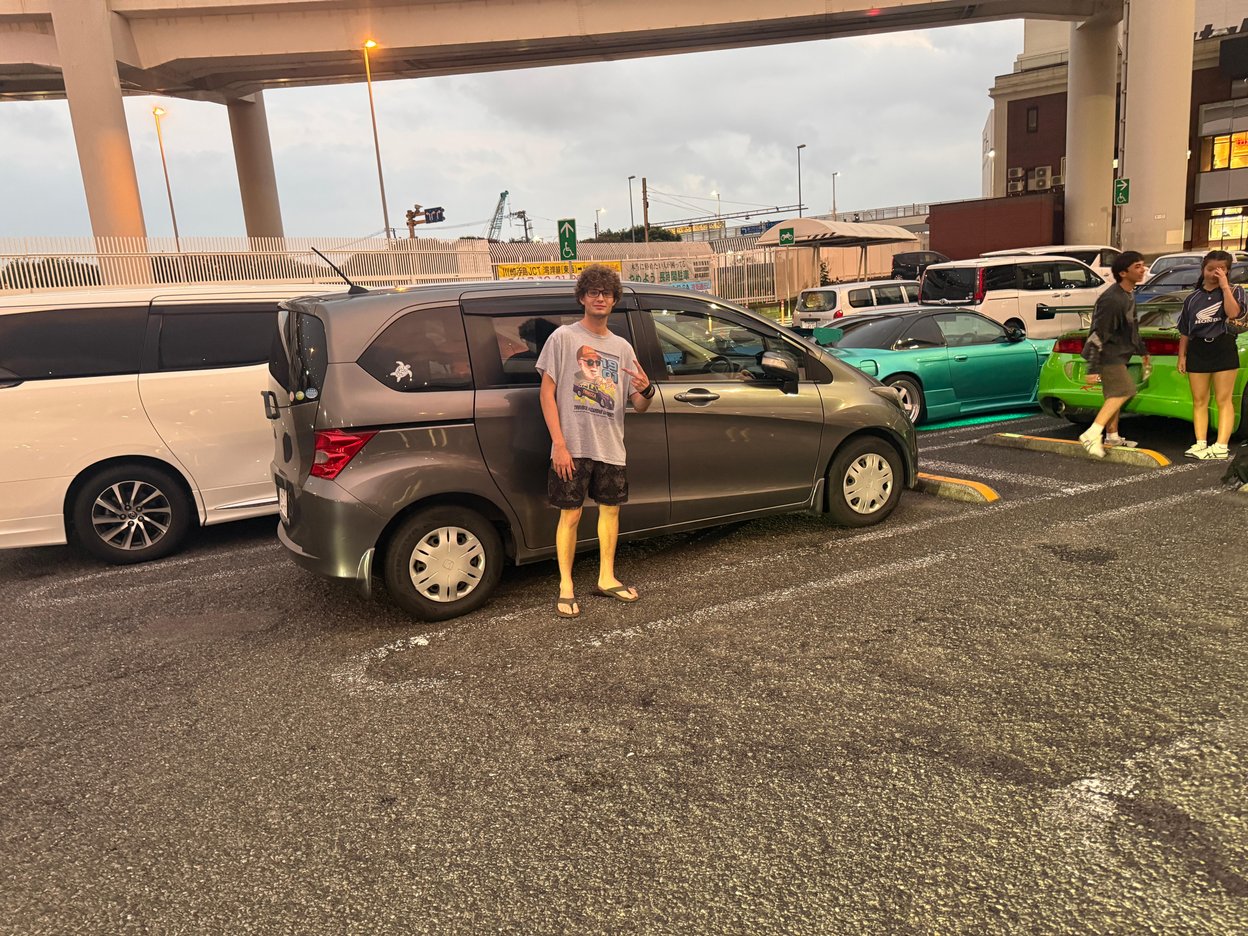
So fun, my son loved riding up front. Driver Shahid was awesome: asked where we'd prefer dropping off, let us pick the music, and handled the busy traffic patiently while.
Travelers name their driver first: friendly, chatty, and generous with car knowledge from pickup to drop-off.
Parents booked it for car-mad kids and found themselves grinning through the whole night ride.
Several wished for a longer stop at the parts megastore, with barely enough minutes to browse the shelves.
Yes. You join a guided passenger-seat tour or a chauffeured ride in a JDM car, and the driver handles the expressway. You ride instead of drive, and no permit of any kind is needed.
No. The parking area sits on an isolated toll highway island with no train link, no bus stop, and no pedestrian exit. Walking in is illegal and the pedestrian gates are locked and fenced off, so public buses cannot serve it either.
A metered taxi can drop you there, and some Yokohama stations such as Motomachi-Chukagai, Tsurumi and Yokohama have taxi stands within a short drive.
The catch is the return: commercial cabs and rideshare drivers cannot pick passengers up inside the expressway facility, so confirm before you set off that the driver will wait, pay the highway tolls and drive you back.
Almost never. Cabs are not permitted to pick up passengers inside the parking area, and ride-hail apps rarely secure a pickup from an expressway rest island. Visitors who arrive by taxi without a pre-arranged return ride can be left stranded after midnight.
Without traffic, roughly 40 to 52 minutes over 28 to 36 kilometers, depending on where you start: about 40 minutes from Tokyo Station or Roppongi, 43 from Shibuya and 52 from Shinjuku. In the evening rush it stretches to 50 or 65 minutes, which is why tours leaving around 6 pm budget about an hour.
No. The parking area is a public highway facility and free to enter. What you pay for is the ride: guided tours fold the Shuto Expressway tolls into the booking, so you never handle them yourself.
Take the Shuto Expressway Bayshore Route (Route B, the Wangan) southbound toward Yokohama to Daikoku Junction, then follow the signs into Route K5 and the parking area.
It runs along Tokyo Bay and avoids the tight interchanges of the central C1 loop. There is no access from local surface roads, so you must be on the expressway network already.
Experienced drivers reroute on the spot. The common substitutes are Umihotaru PA out on the Tokyo Bay Aqua-Line, Tatsumi PA, and A-PIT Autobacs Shinonome, so you still see a live gathering. Loud revving and disruptive behavior are what draw enforcement, so calm groups keep meets open longer.
Mostly yes, with a caveat. Recent visitors describe fairly populated and even full meets on Monday and Thursday evenings, though turnout varies night to night and one weekday visitor found it quiet. Friday and Saturday remain the nights with the biggest crowds.
Book round-trip, door-to-door transport. A guided tour or chauffeured private ride guarantees the journey back, and the driver manages the expressway routing, tolls and the highway stops. You get picked up at your hotel and dropped off there, which removes the late-night taxi scramble entirely.
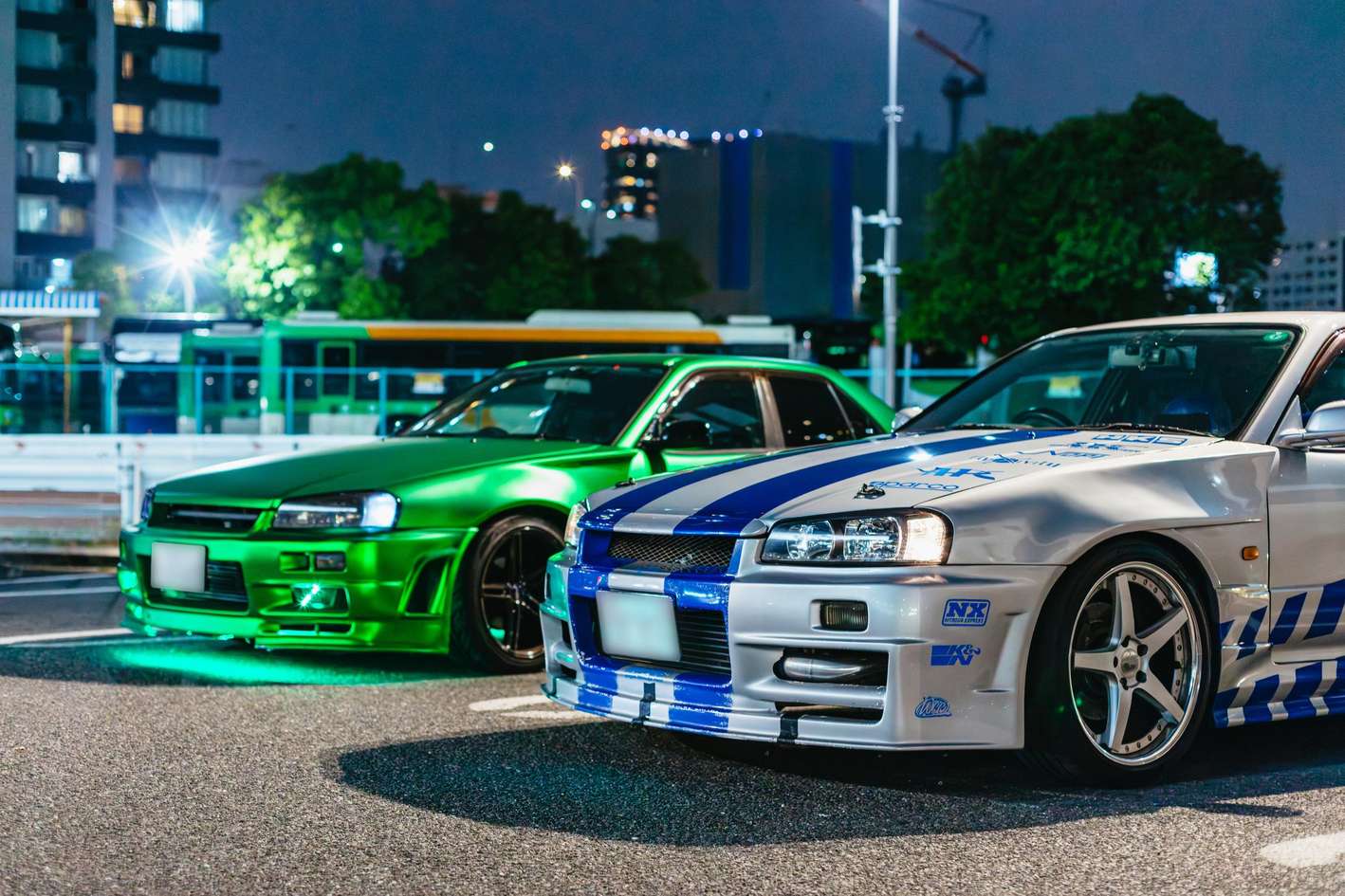
A full orientation to the famous parking area deck, what gathers there and what a first visit feels like.
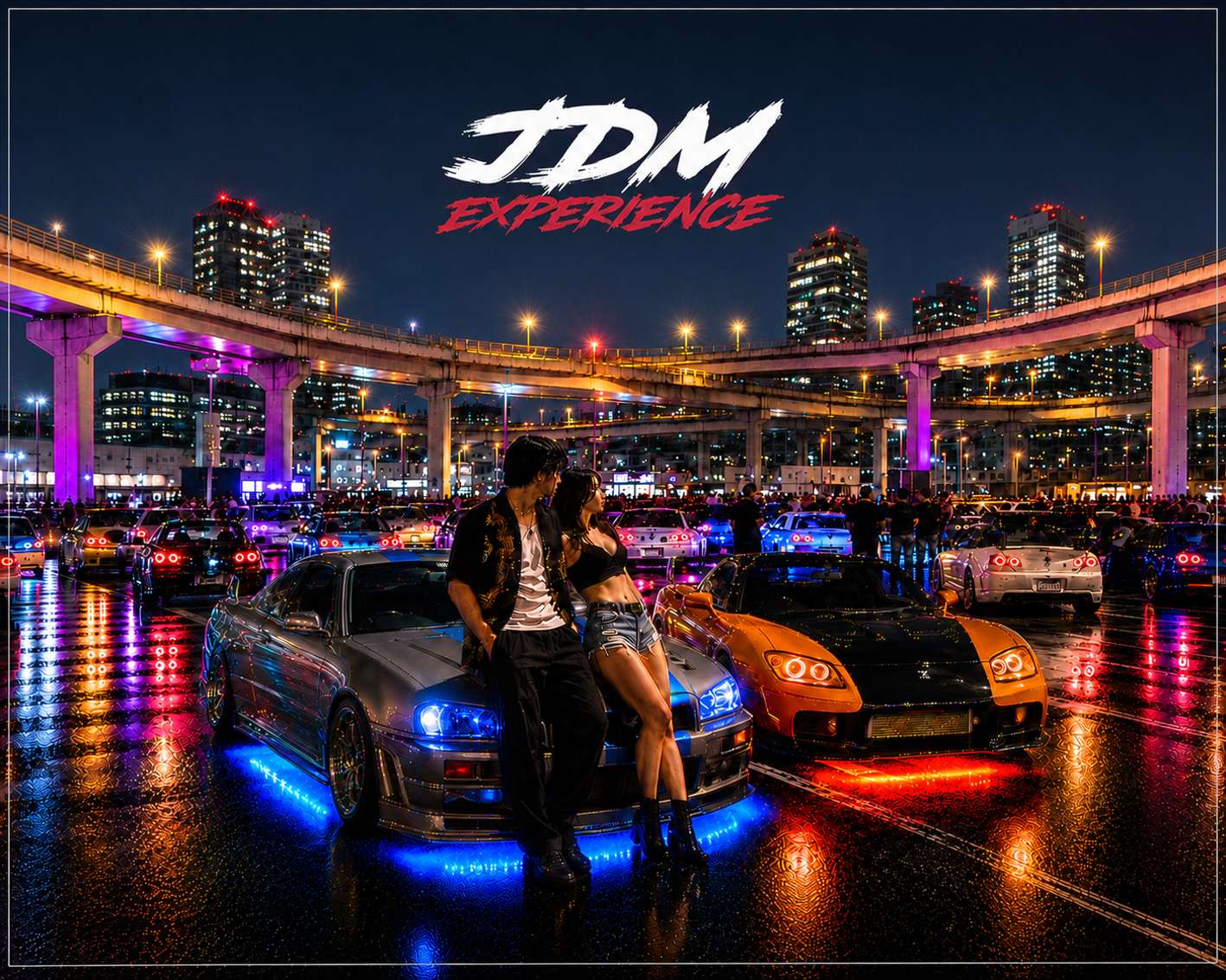
Pick the right night: which days and start times draw the biggest meets at the parking area.
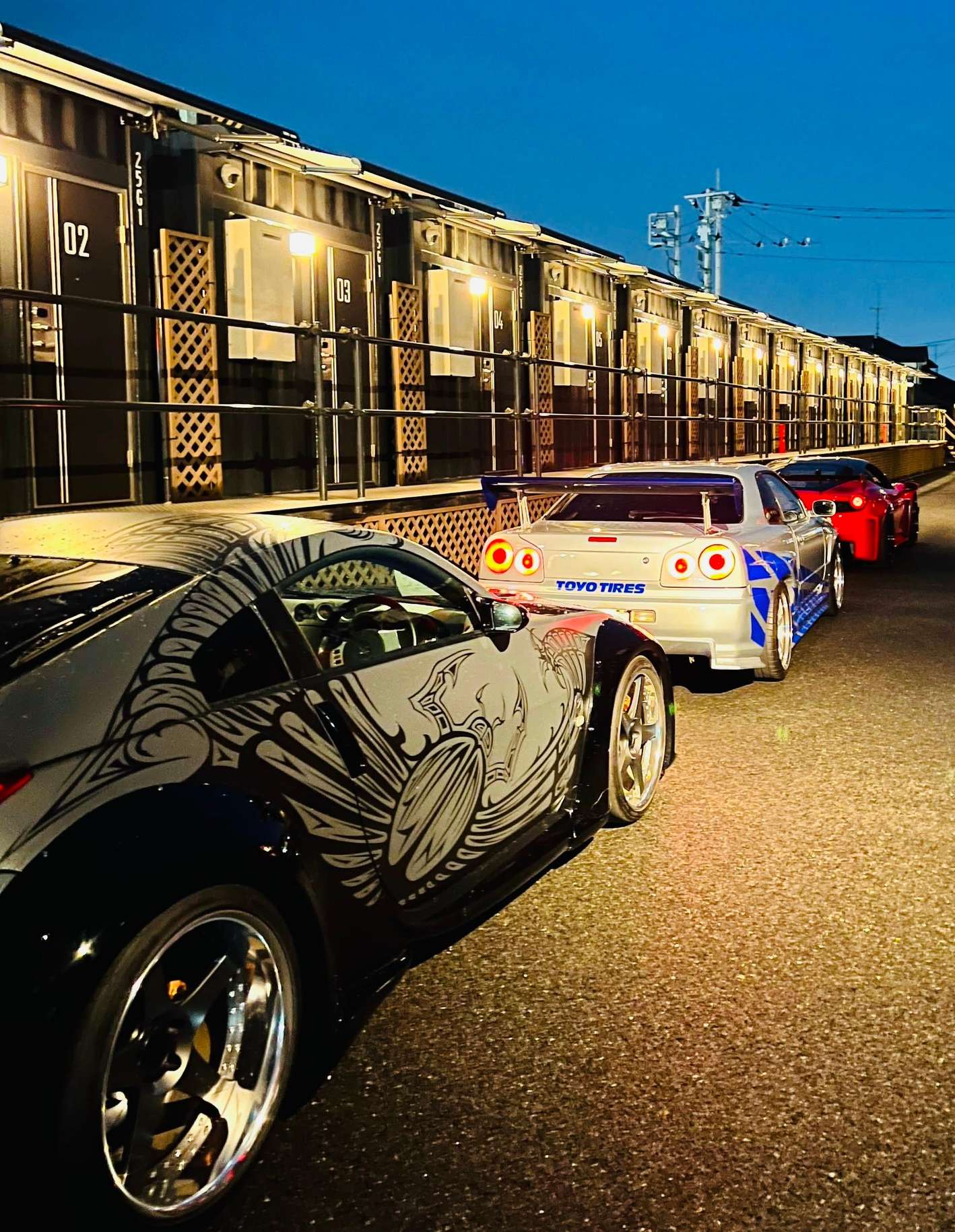
Compare guided night tours that carry you to the meet by expressway, tolls and return ride included.
A chauffeured private trip with hotel pickup and drop-off, for your own route and your own timing.
Steer a rental Skyline or GT-R yourself in a lead-car convoy, with the paperwork you need explained.
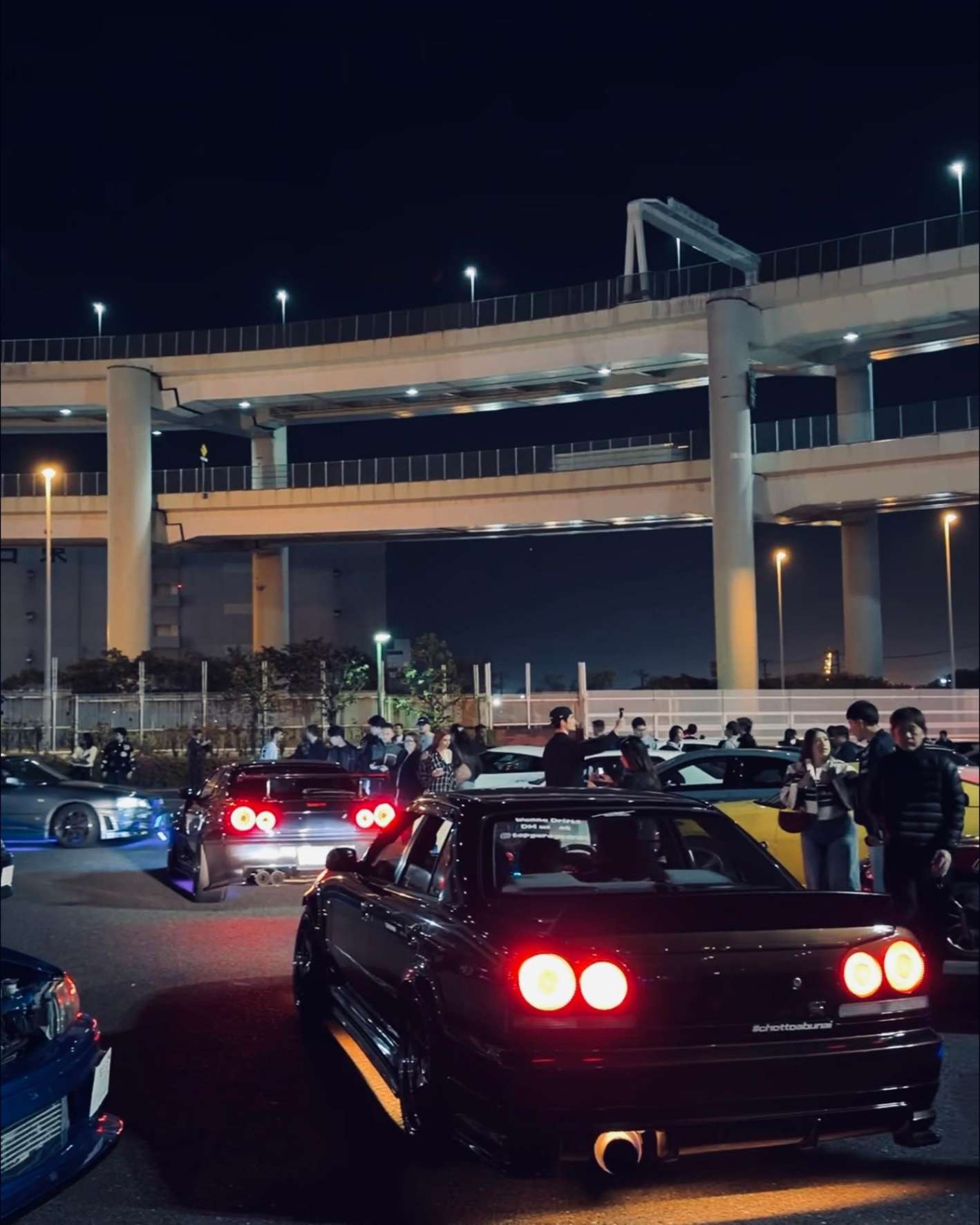
A city-wide calendar of Tokyo car meets, so you can line up Daikoku with other nights on your trip.
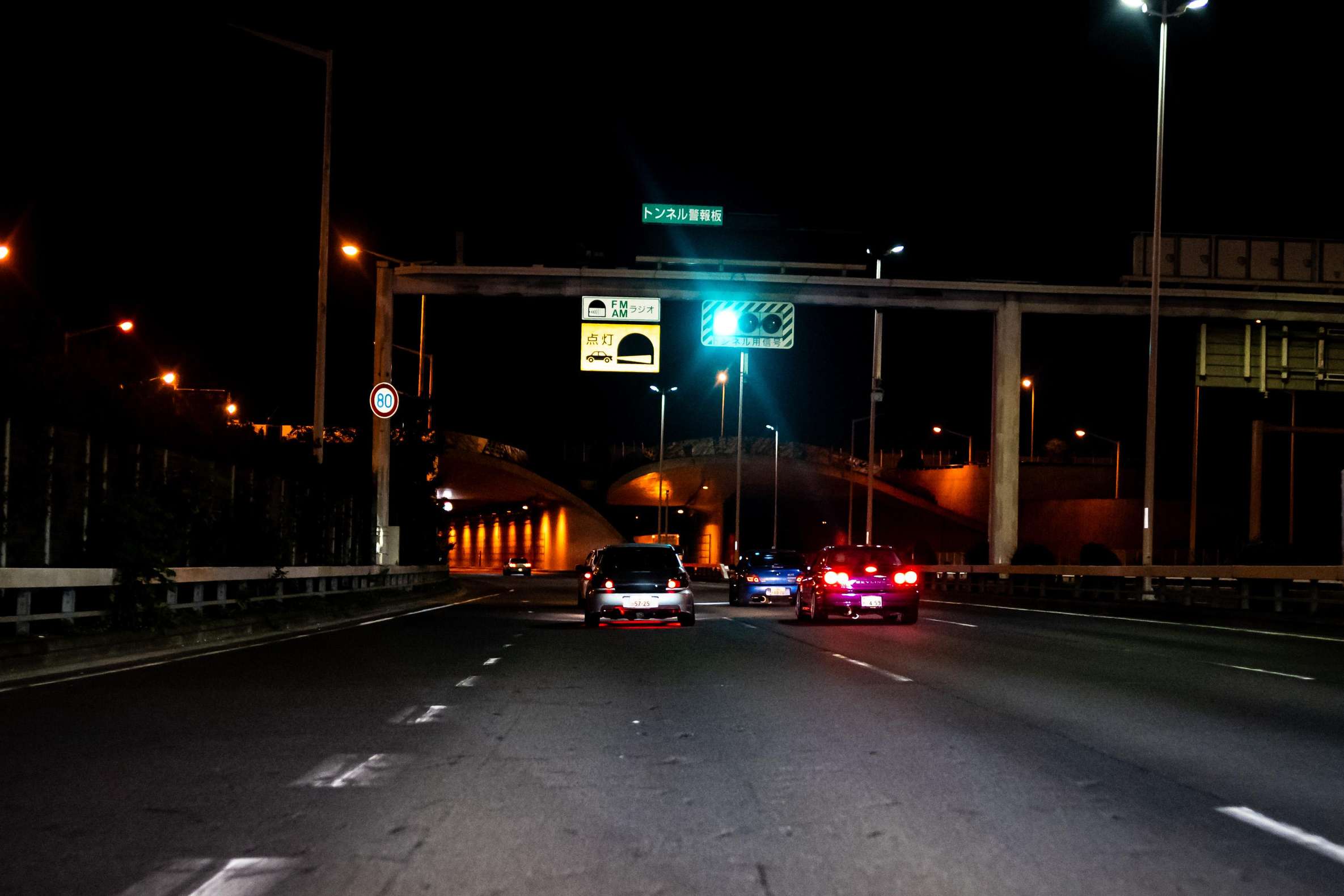
Hotel pickup, a night drive across Tokyo's highways and the famous car meet, with free cancellation up to 24 hours before you go.