
Likely to sell out
3 hours - 4 days·English, Chinese
4.8(805)
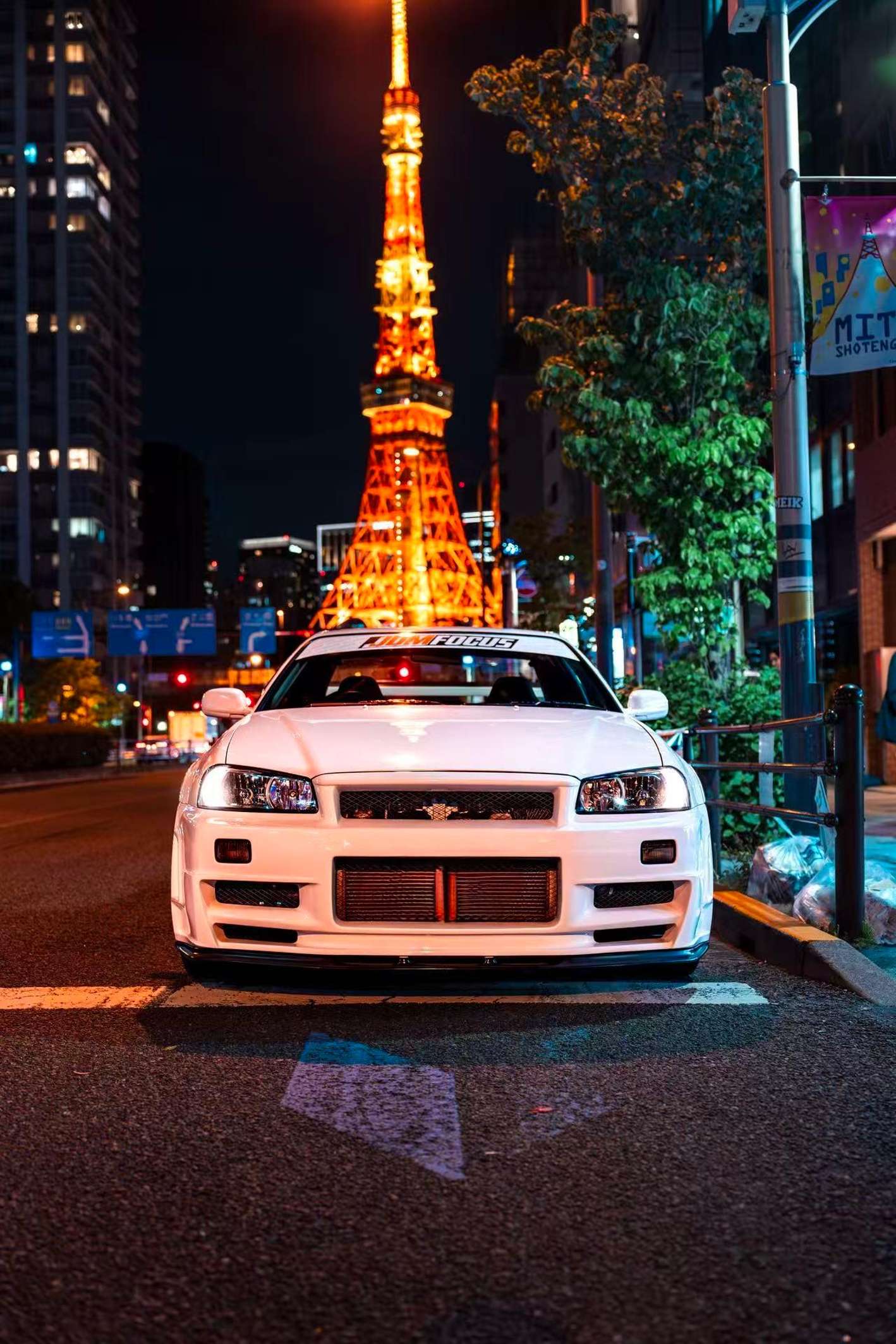
Tokyo: Night JDM Car Cruise to Daikoku PA or Alternate Stop
Free cancellationHotel pickup includedIn English and Chinese
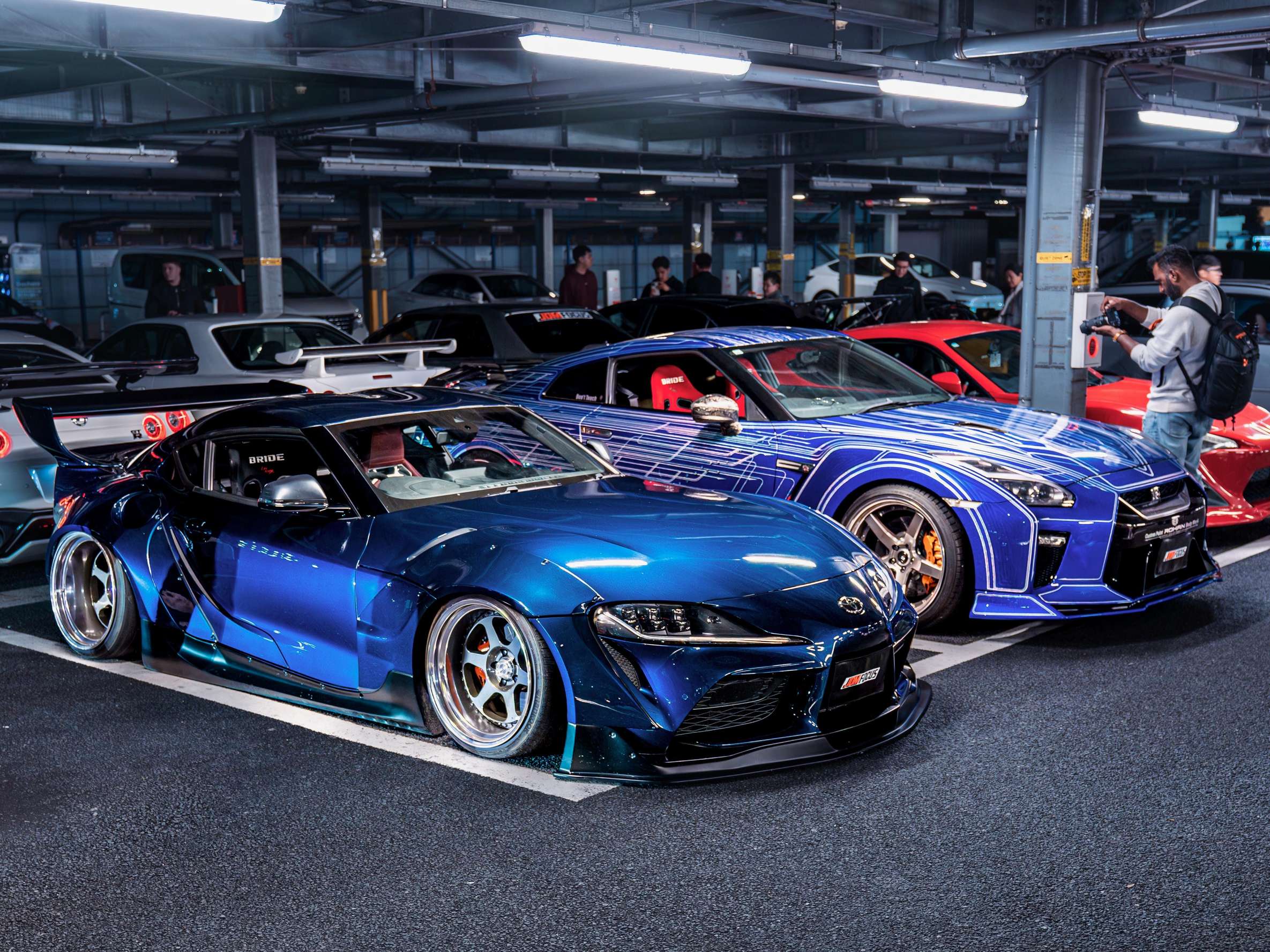
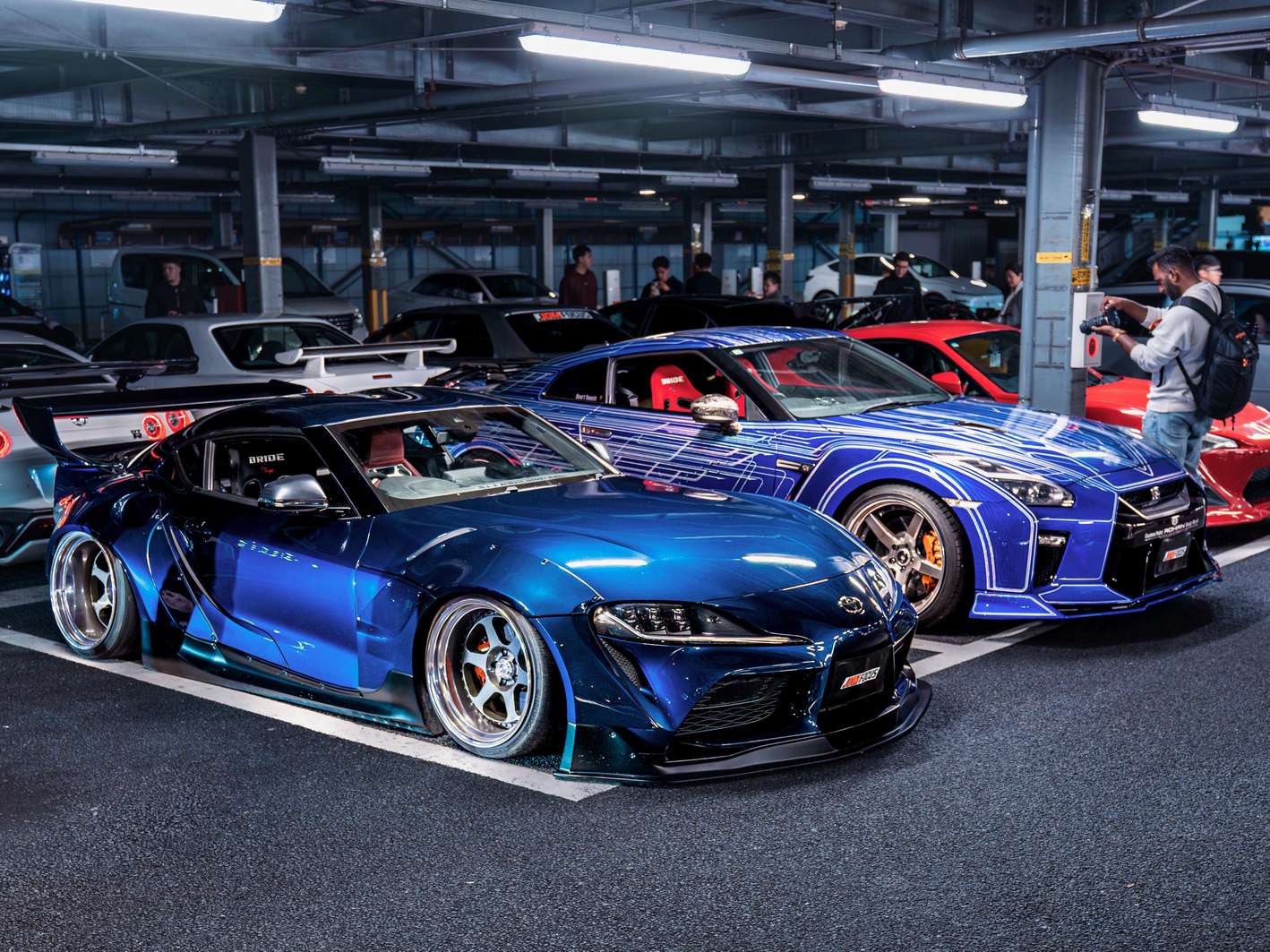
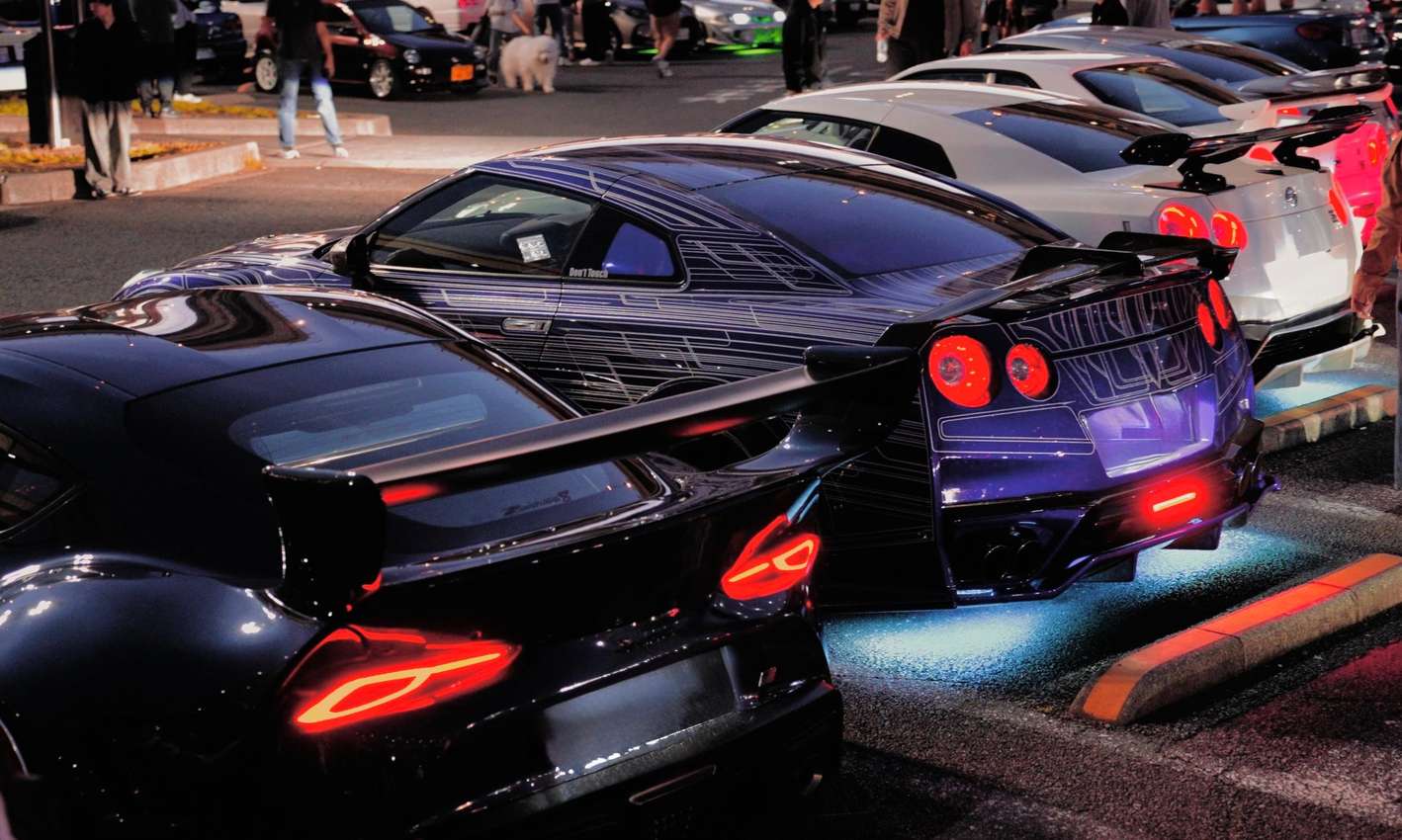
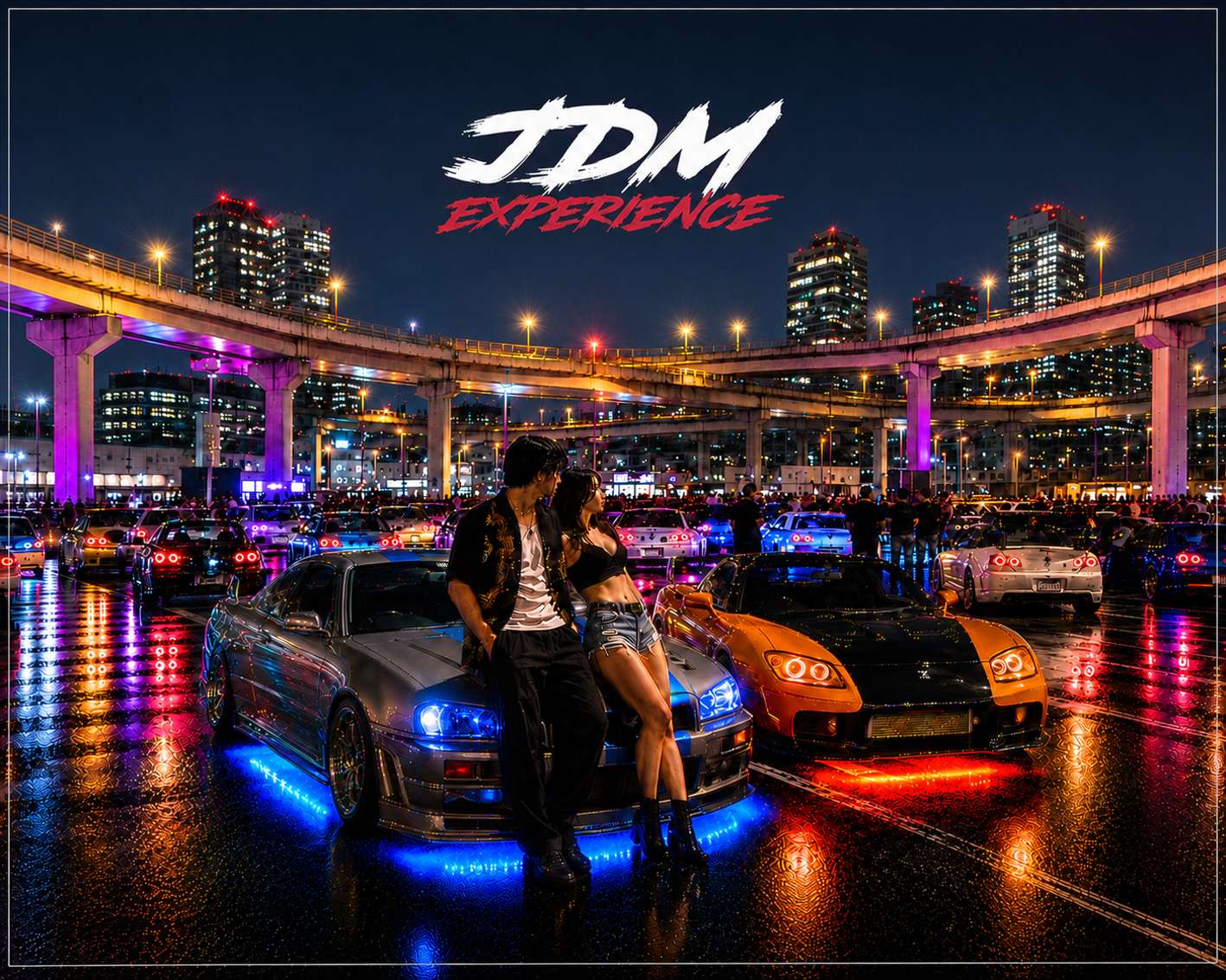
Walk to Tokyo's underground car meet from the train. See wrapped itasha builds in the Akihabara UDX parking garage at the right hour, then book a guided JDM night cruise that takes you from Akihabara to Daikoku PA and the expressways for the full scene.
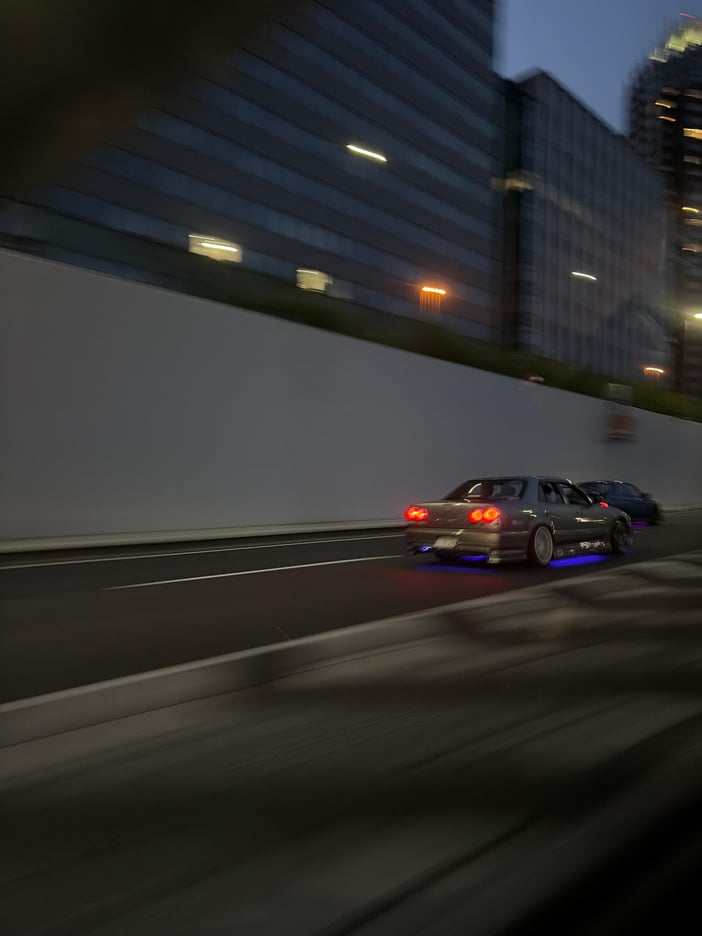
"Dream night for a car guy! Daikoku PA is legendary, JDM icons under neon, revs echoing. Then the underground meet at A PIT AUTOBACS. Ended at Tokyo Tower with the skyline glowing. Perfect."
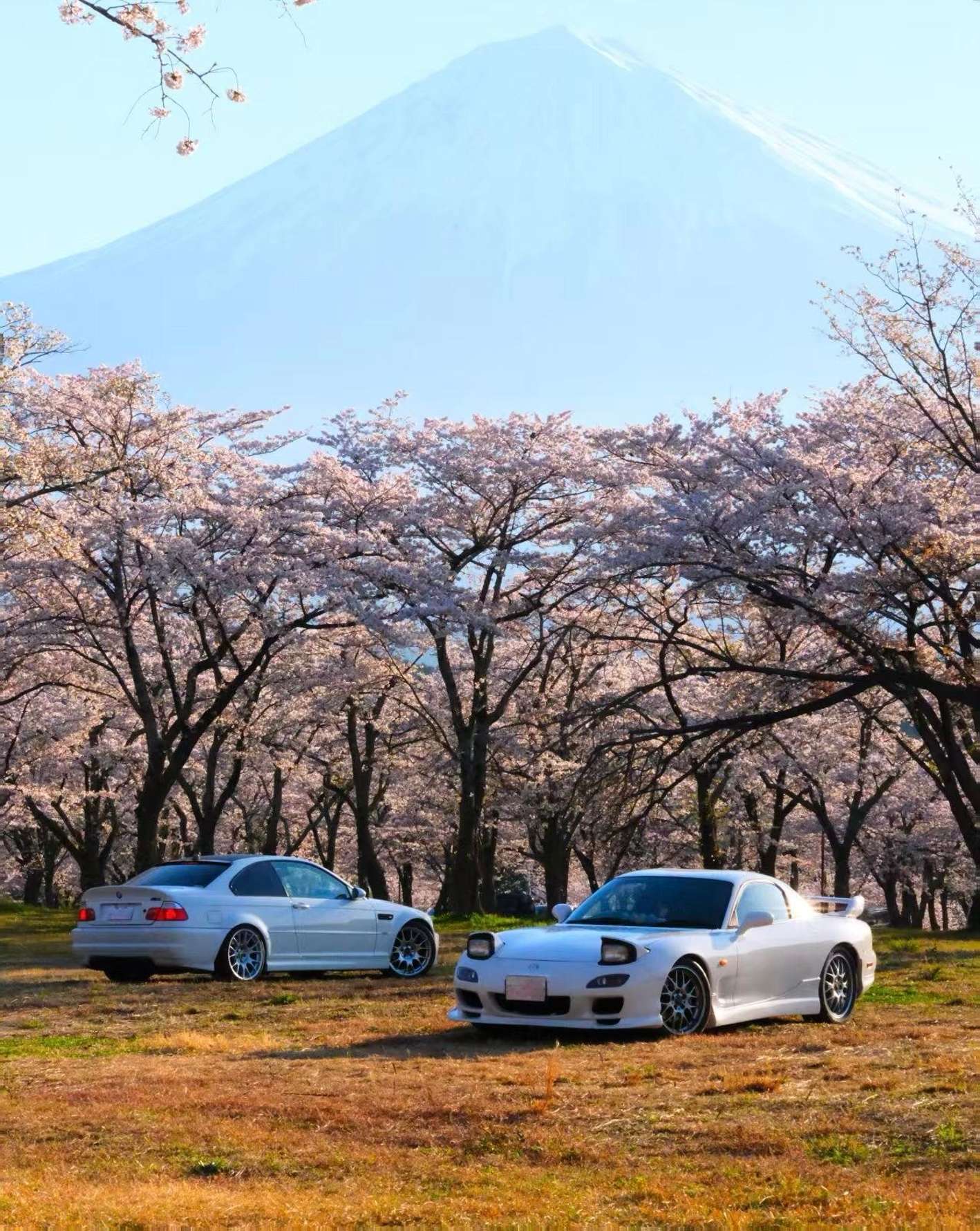
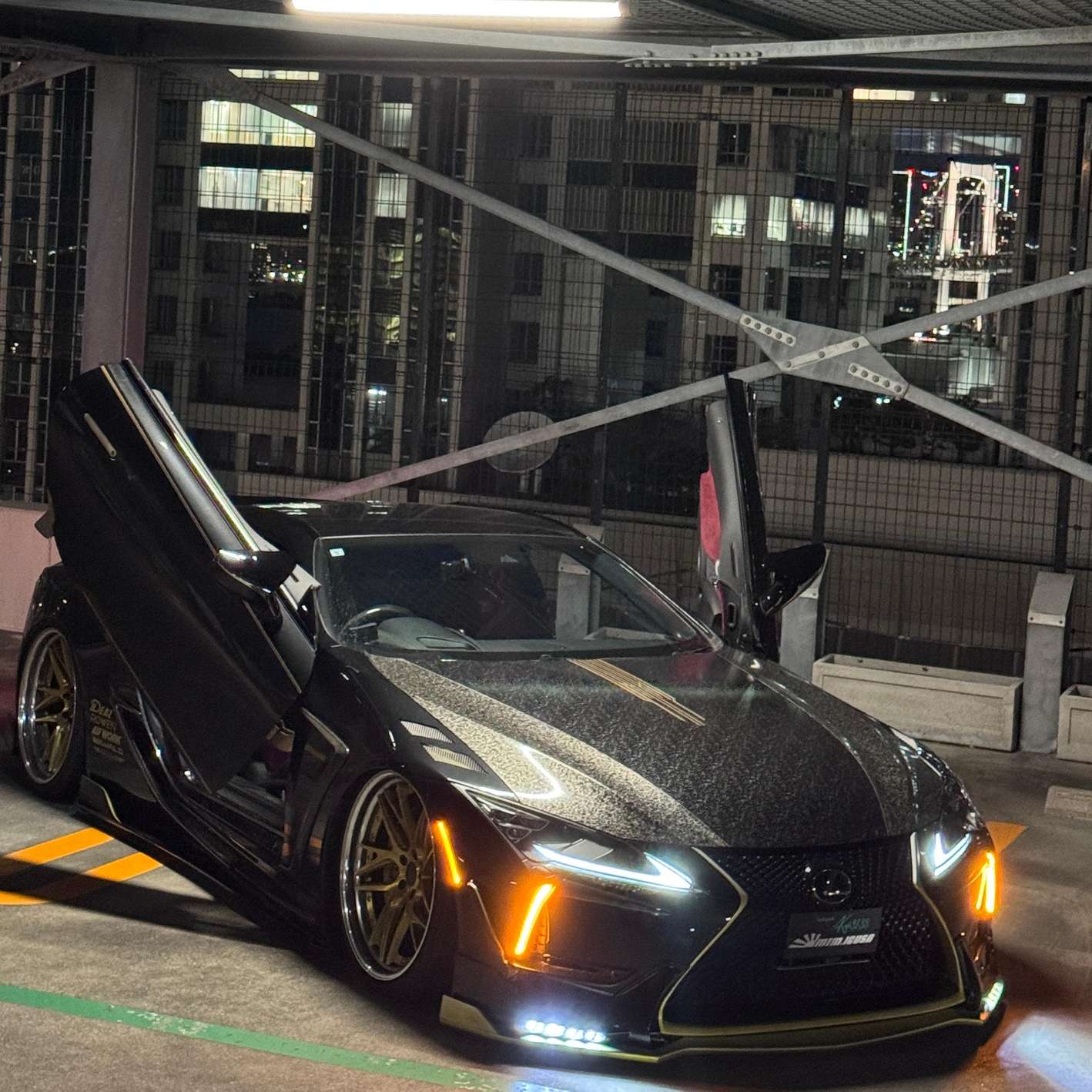
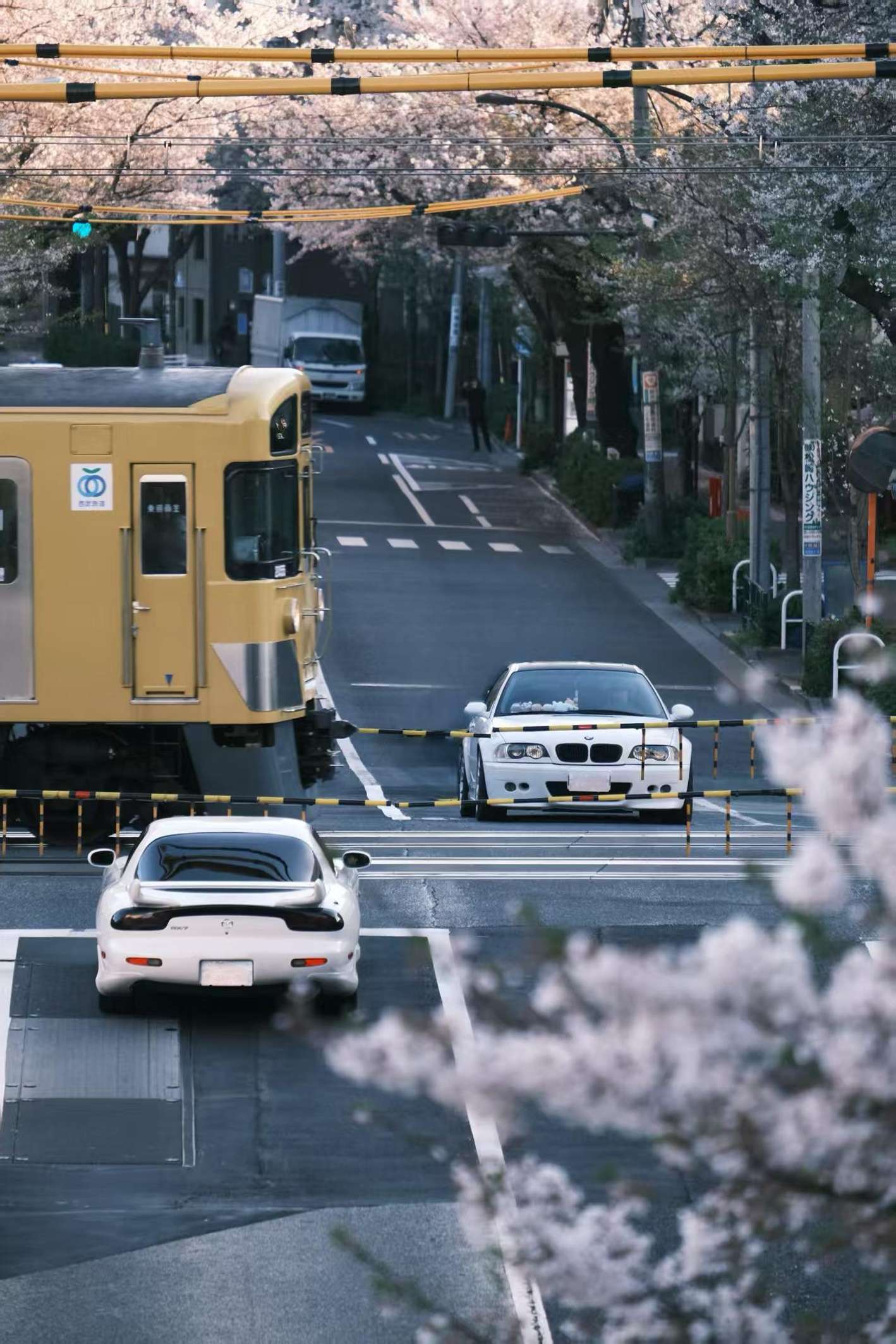
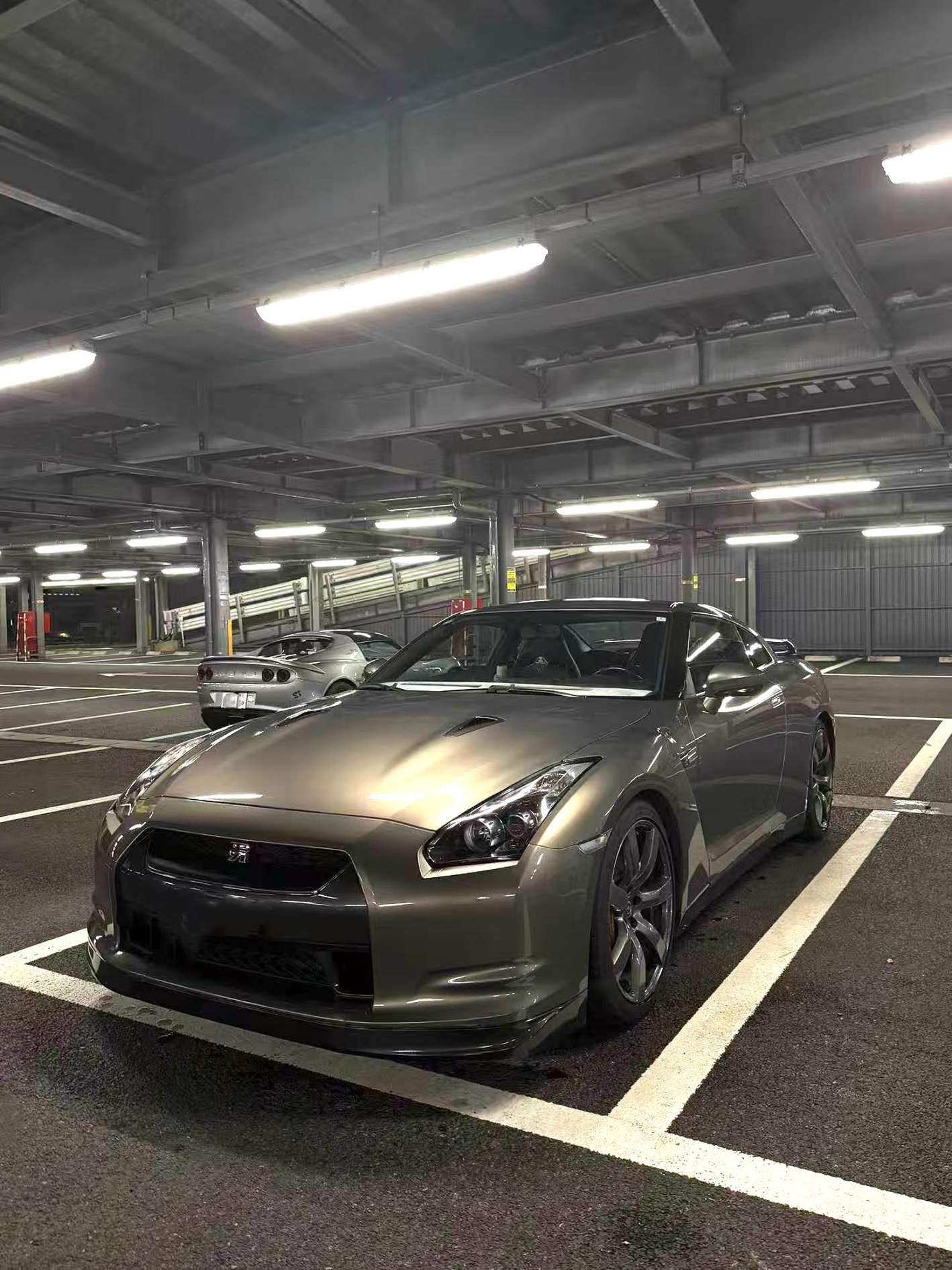
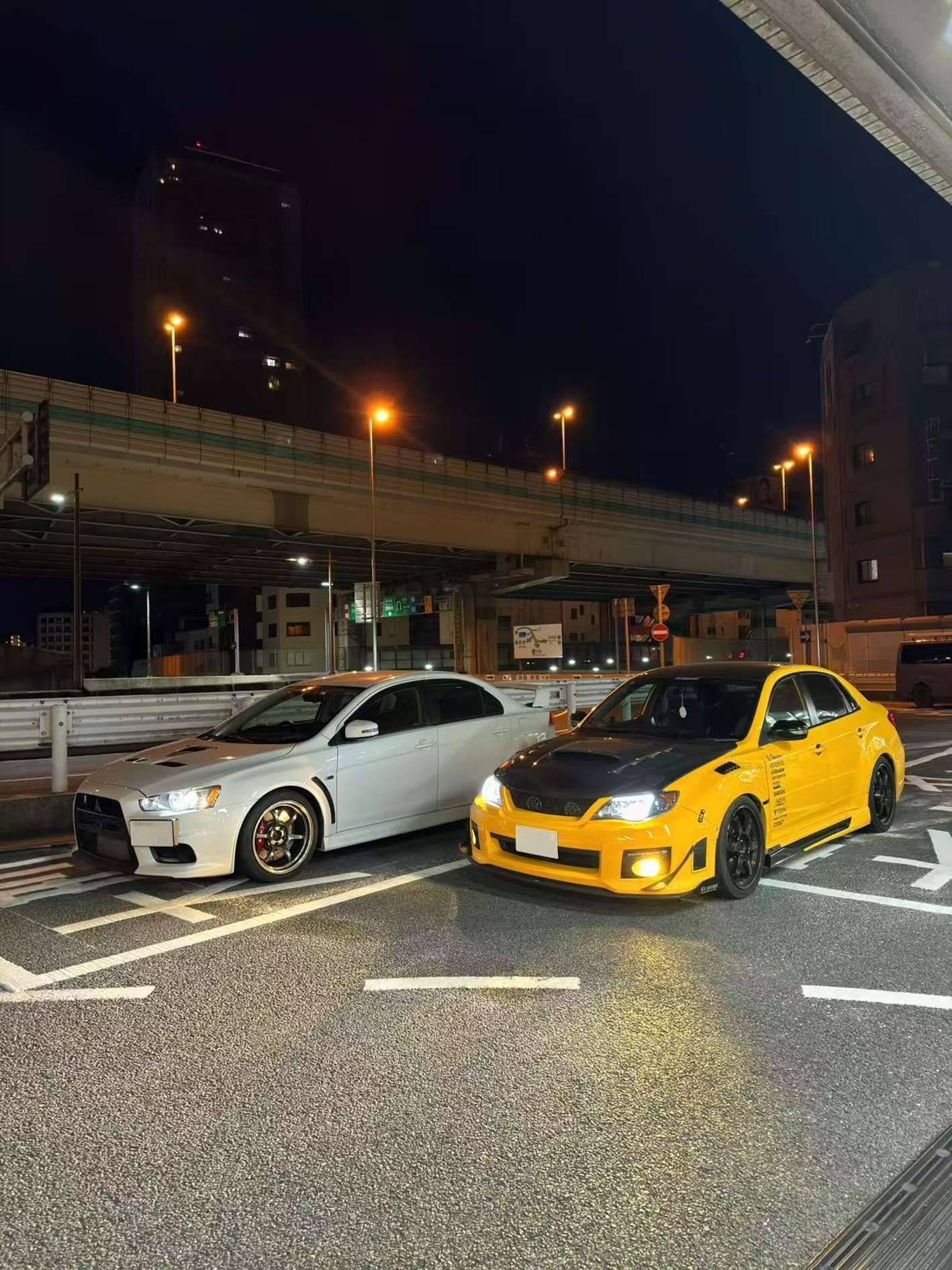
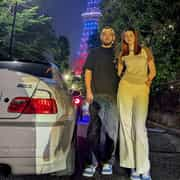
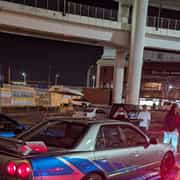
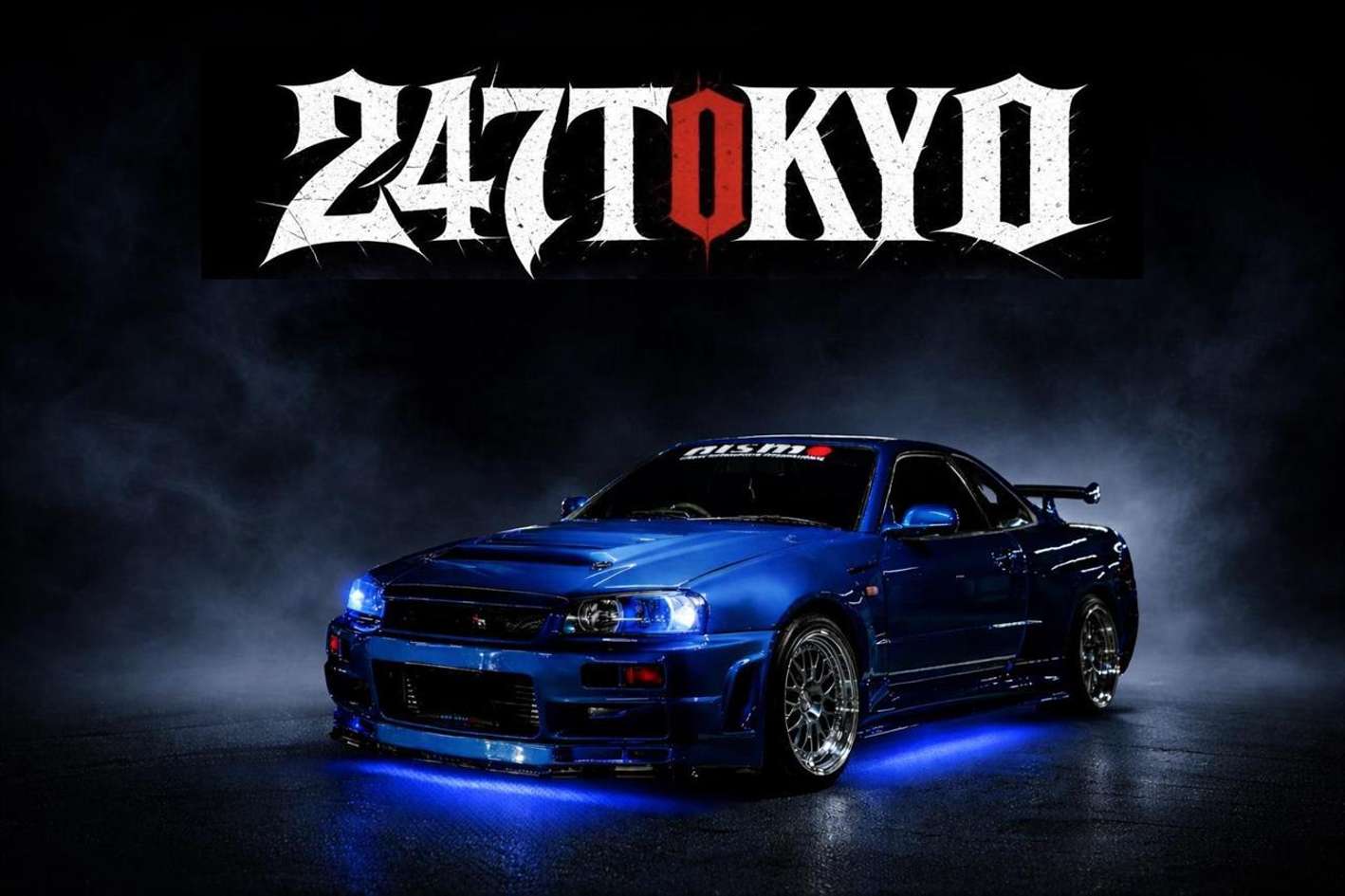
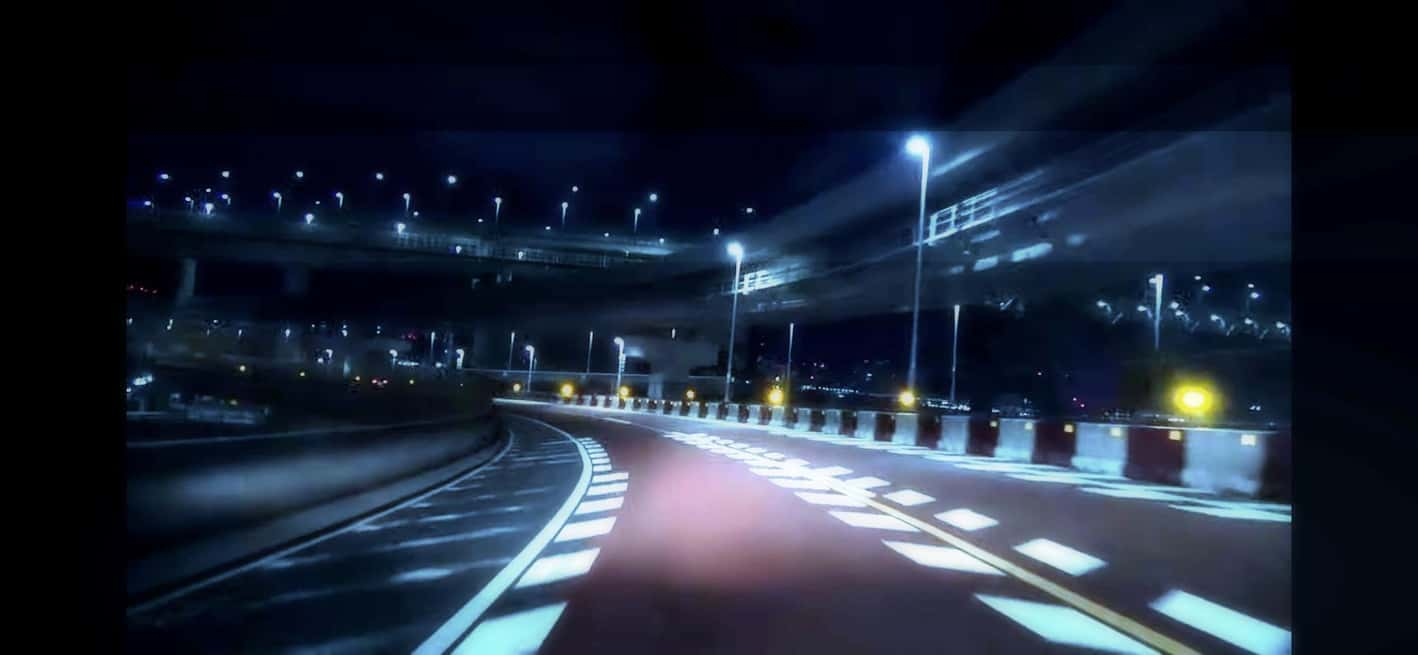
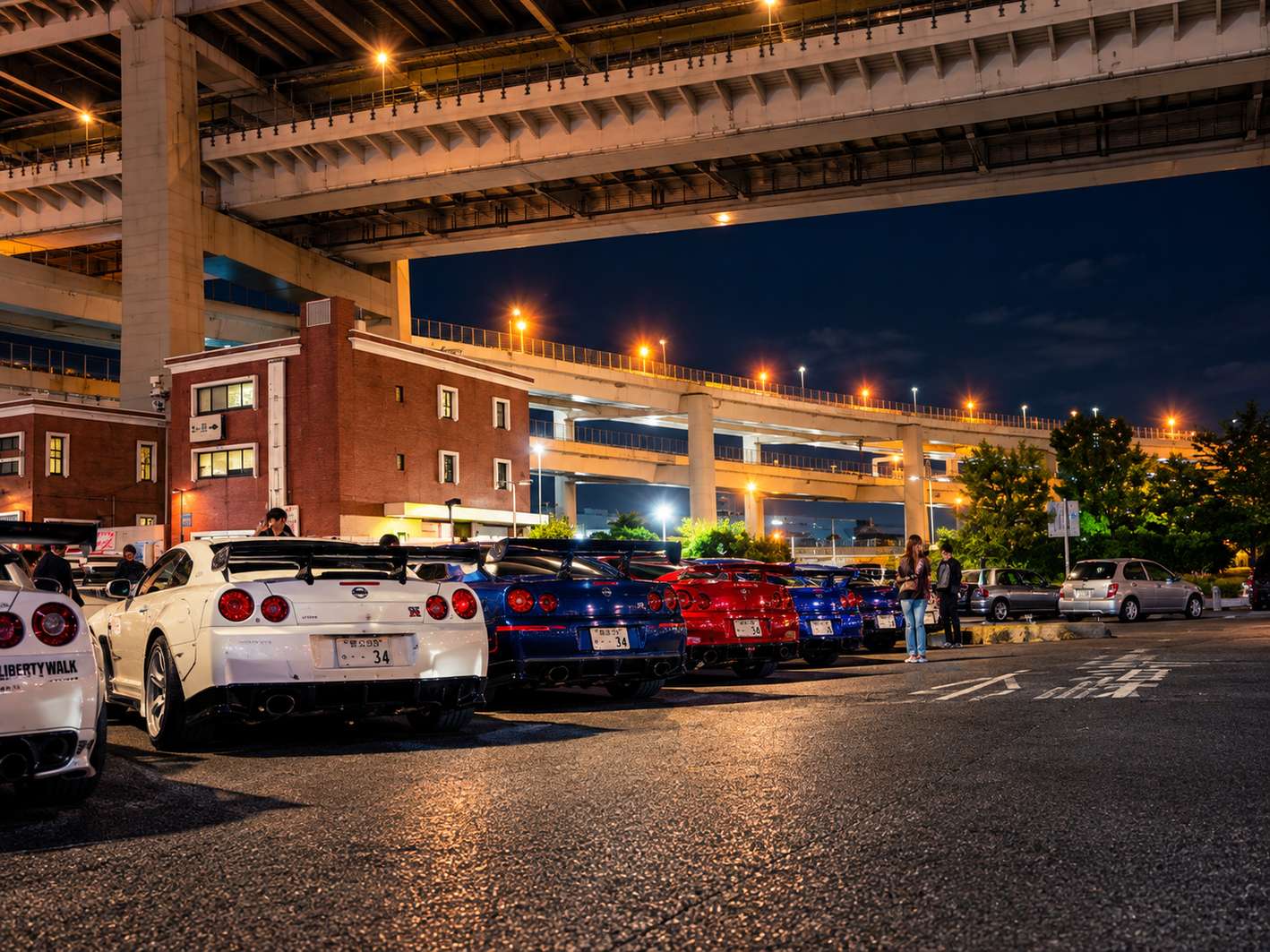
Tuned cars pull in for short breaks between C1 laps, and the whole scene turns over fast.
Read the guide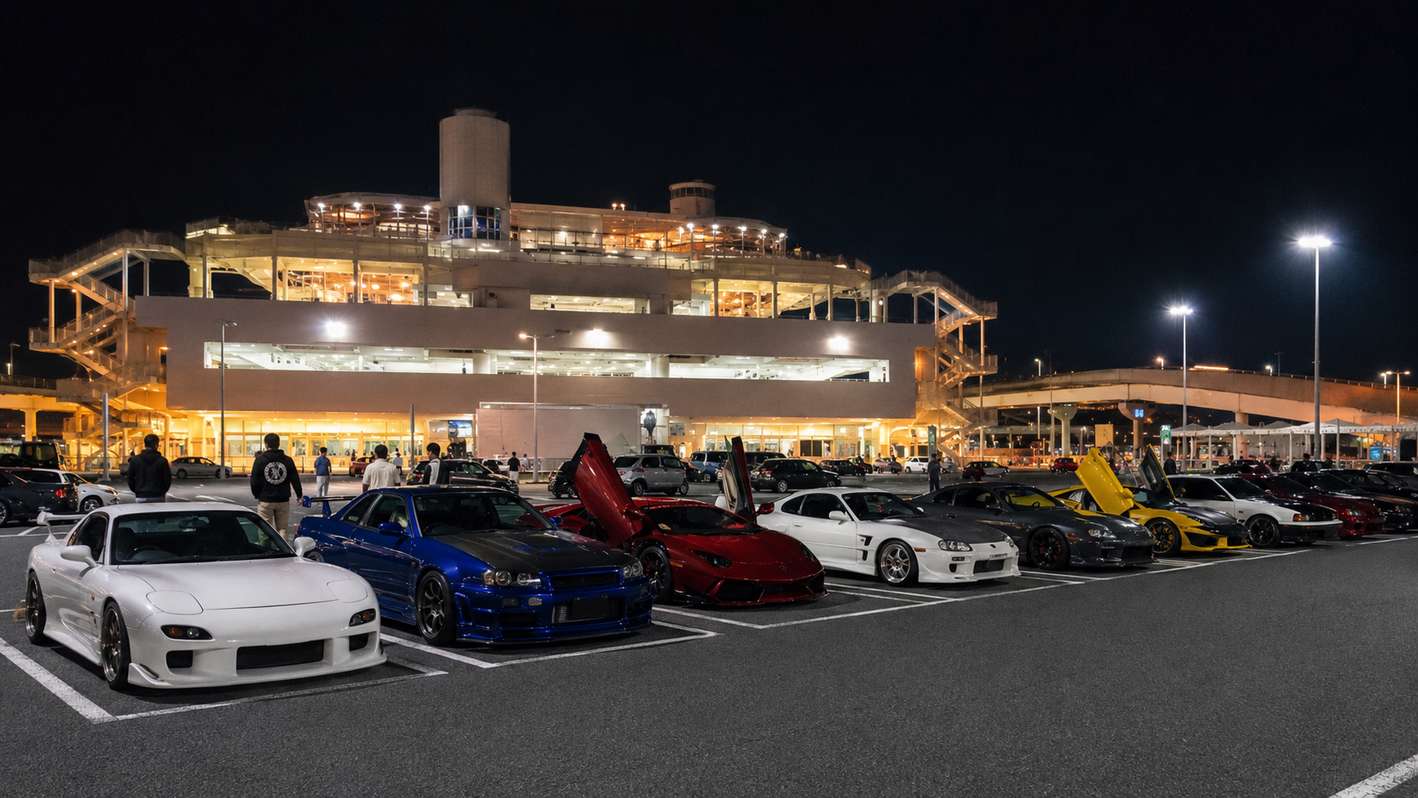
An artificial island in Tokyo Bay where cars spill over late on weekend nights.
Read the guide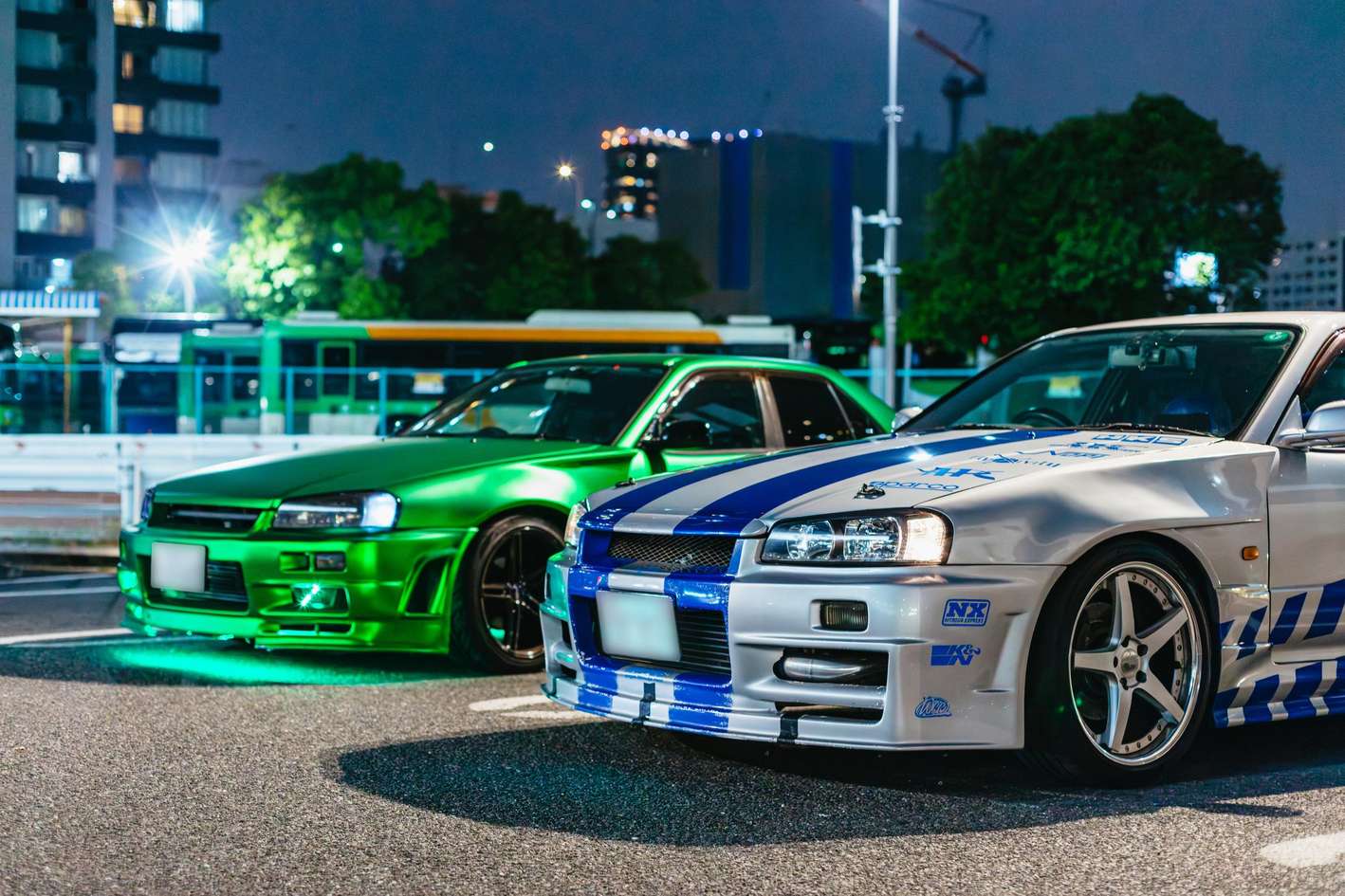
You ride shotgun through Tokyo Drift locations while a driver handles every toll gate.
Read the guideUDX is a garage you can walk into, and these are meets you cannot. Here is what each one is, and what it asks of you.
A small, fast-turning meet under lit high-rises, reached only by toll road.
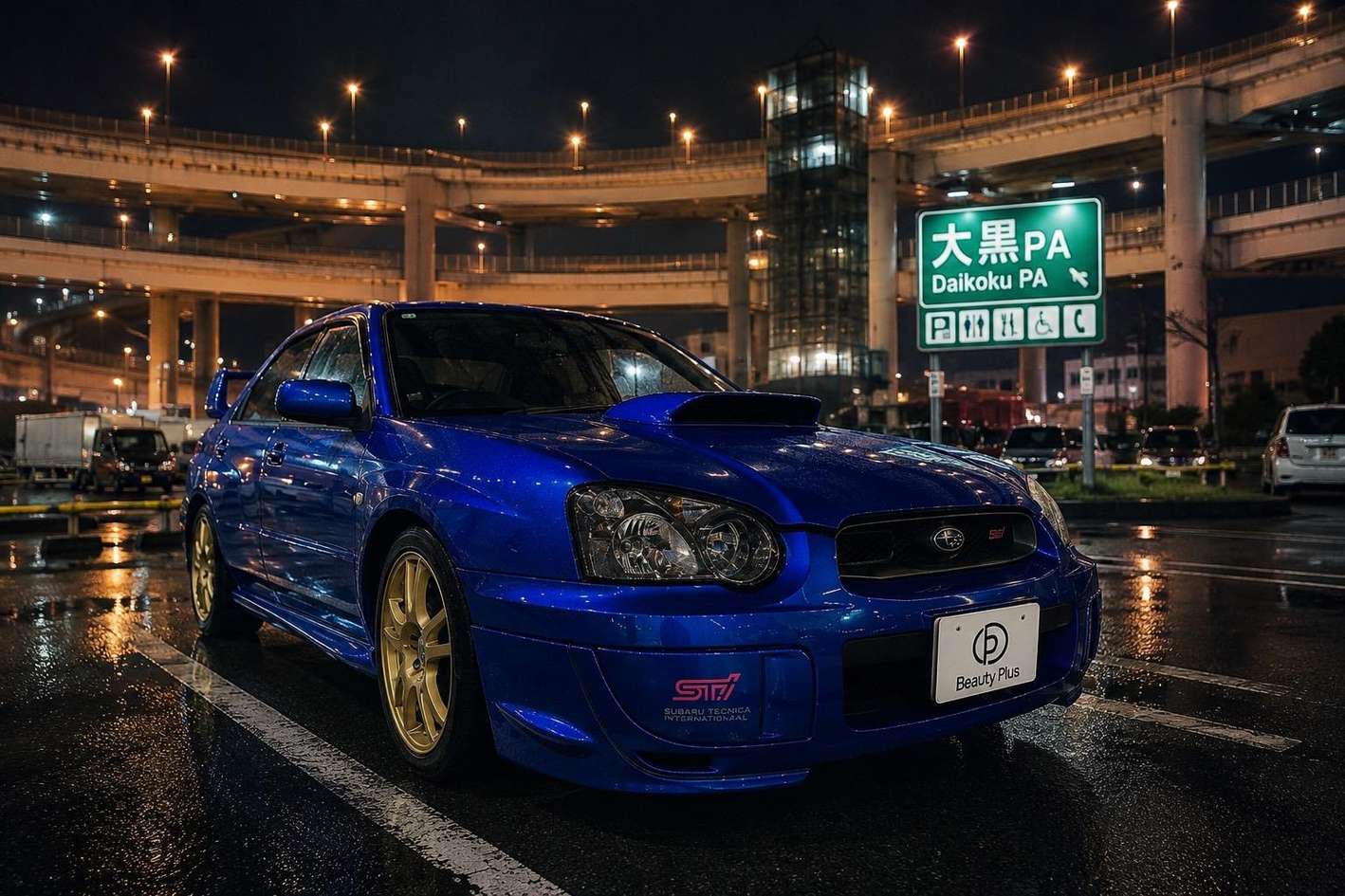
Tatsumi No.1 is a rest stop with 29 ordinary-car spaces, parked inside a highway junction beneath the glow of Tokyo towers.
Tuned street builds roll in during night runs on the C1 Loop, stay for a short break and move on. Expect around ten cars at a time and a relaxed, conversational mood rather than a spectacle.
Reaching it means an authorized vehicle on the expressway; there is no way in or out on foot, so you book a passenger tour that schedules it, ideally a dry weeknight after 9:30 pm. Friday and Saturday nights bring the most cars and the real risk of police clearing the lot without notice.
3 - 3.5 hours · ★ 5.0 (49)Tokyo: Fast & Furious JDM Car Tour, Daikoku PA & C1 LoopFrom $106 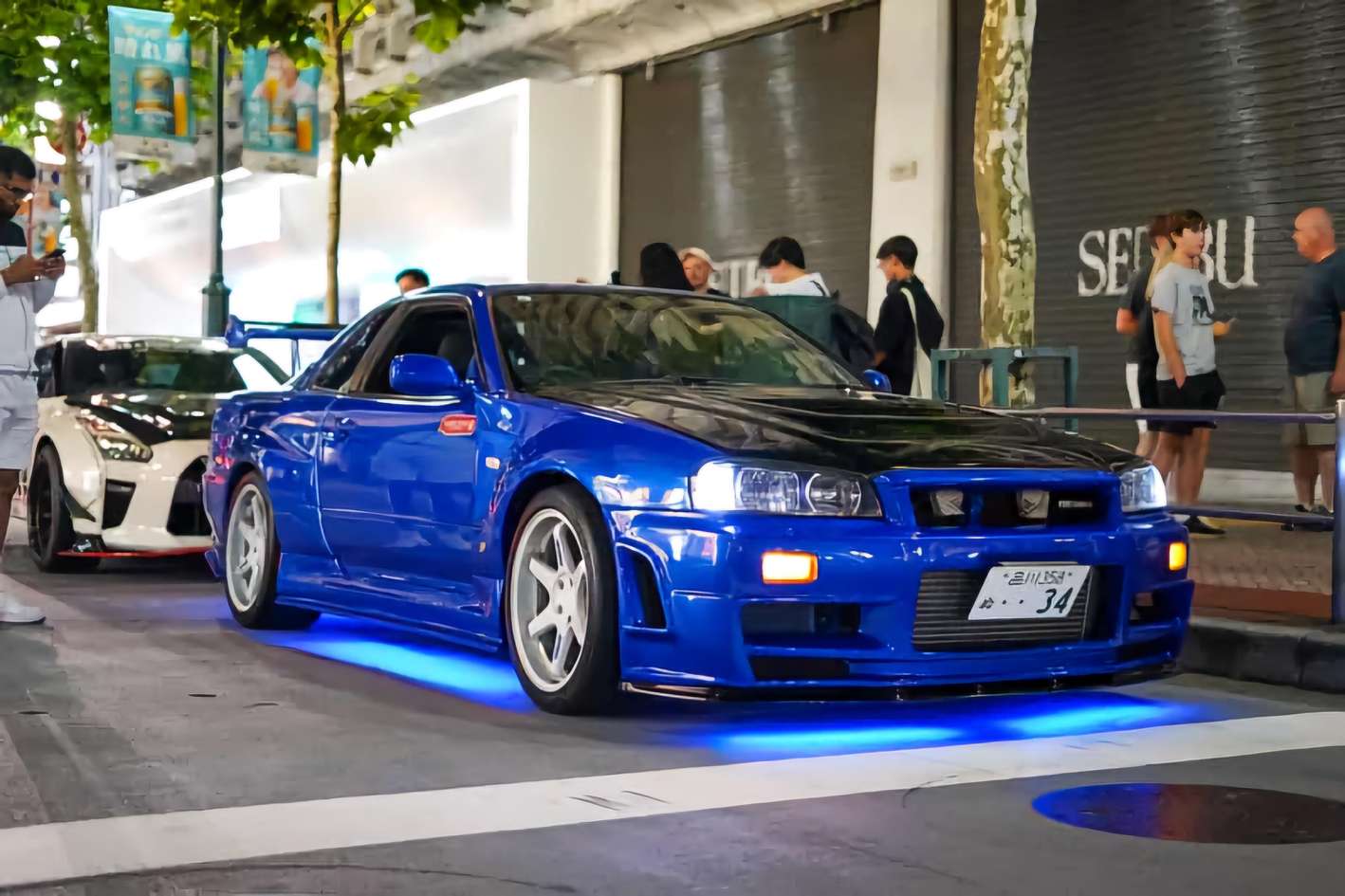 Valid 1 day · ★ 5.0 (5)Tokyo: Daikoku Car parking area night Meet & Experience JDMFrom $101
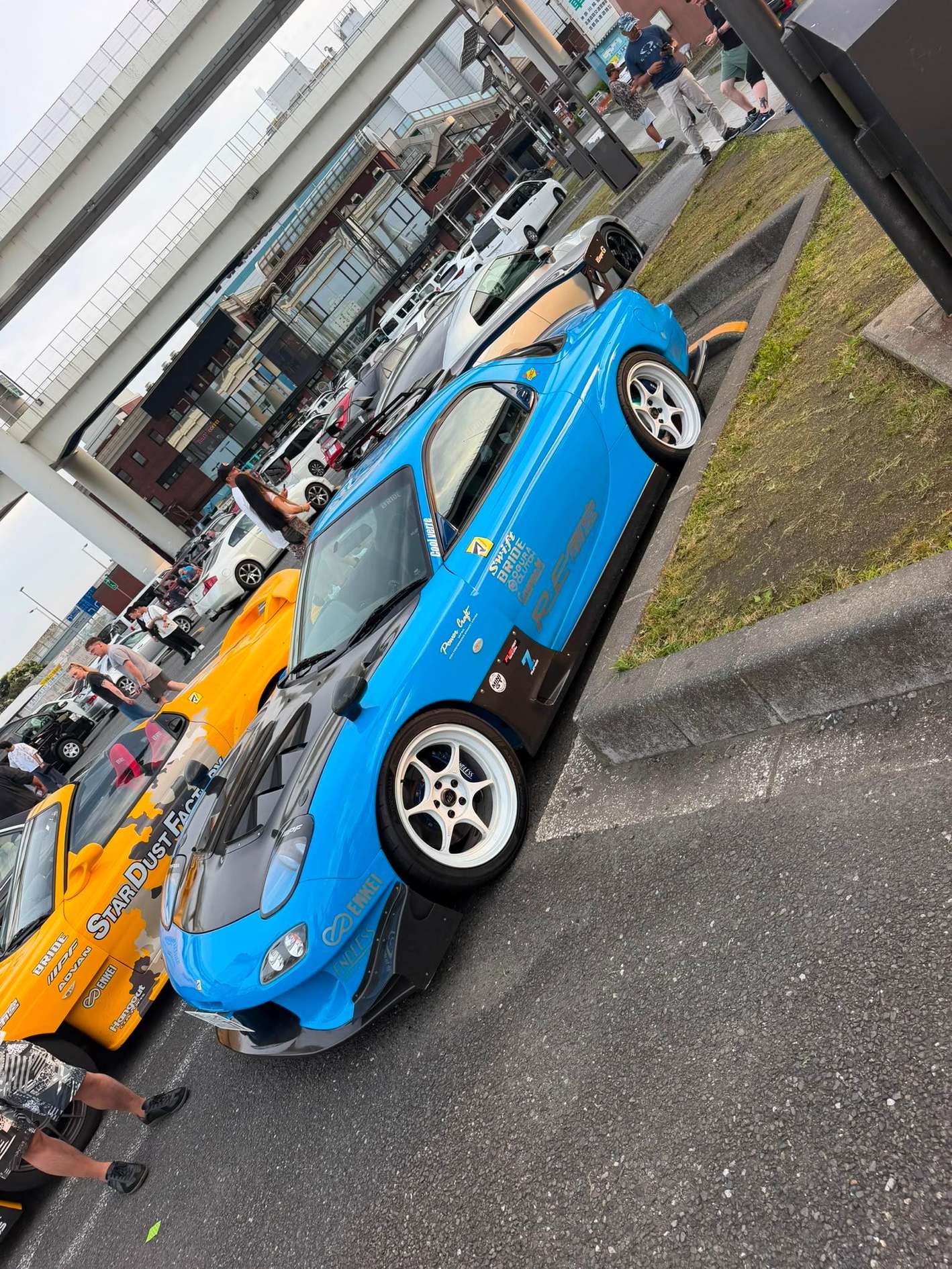 4 hours · ★ 5.0 (1)Tokyo: Daikoku PA, Rainbow Bridge & JDM Night TourFrom $152
 4 hours · ★ 5.0 (75)Tokyo & Yokohama: Ultimate 4-Hour JDM Car Culture Night TourFrom $95
The only car meet built on the sea, and the backup lot when Daikoku closes.
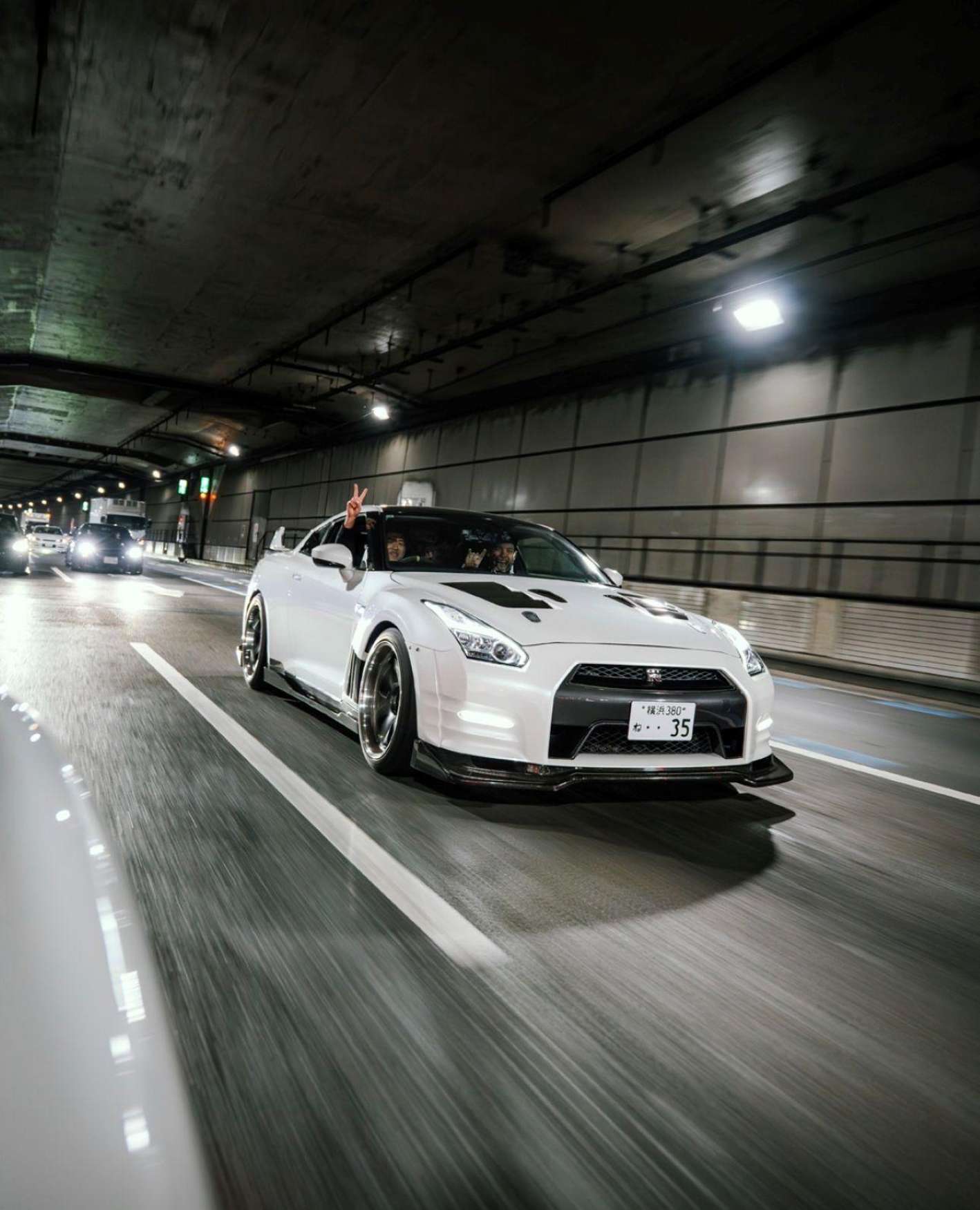
Umihotaru sits on an artificial island halfway across the Tokyo Bay Aqua-Line, part undersea tunnel and part bridge, and it is the only toll-road rest stop anywhere that stands on the water.
The meet is calmer and less crowded than the mainland highway lots, and it builds late: cars arrive after Daikoku closes, peaking between 9 and 10 pm on Fridays and Saturdays.
No train, bus or footpath touches the island, and a taxi ride back after 10 pm carries a late-night surcharge of roughly twenty percent. Strong wind can close the whole Aqua-Line, which means leaving. A guided tour folds the tolls, the rerouting and the ride home into one booking.
3 - 4 hours · ★ 4.9 (195)Daikoku & Tokyo Private JDM Tour in 700HP R34 GT-RFrom $596 /group 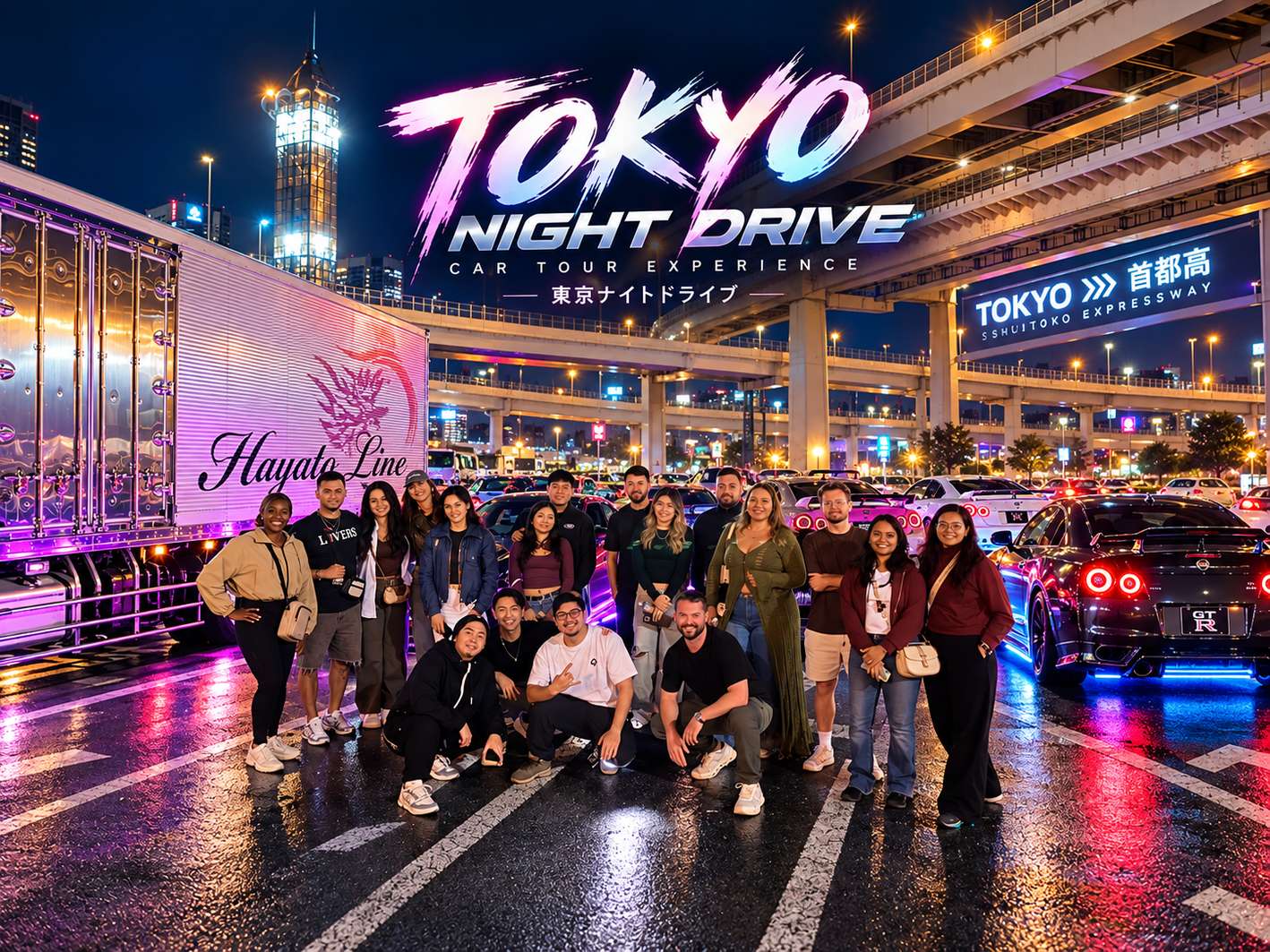 4 hours · ★ 4.9 (93)Tokyo JDM Legends: Daikoku PA & Modified Car ExperienceFrom $115
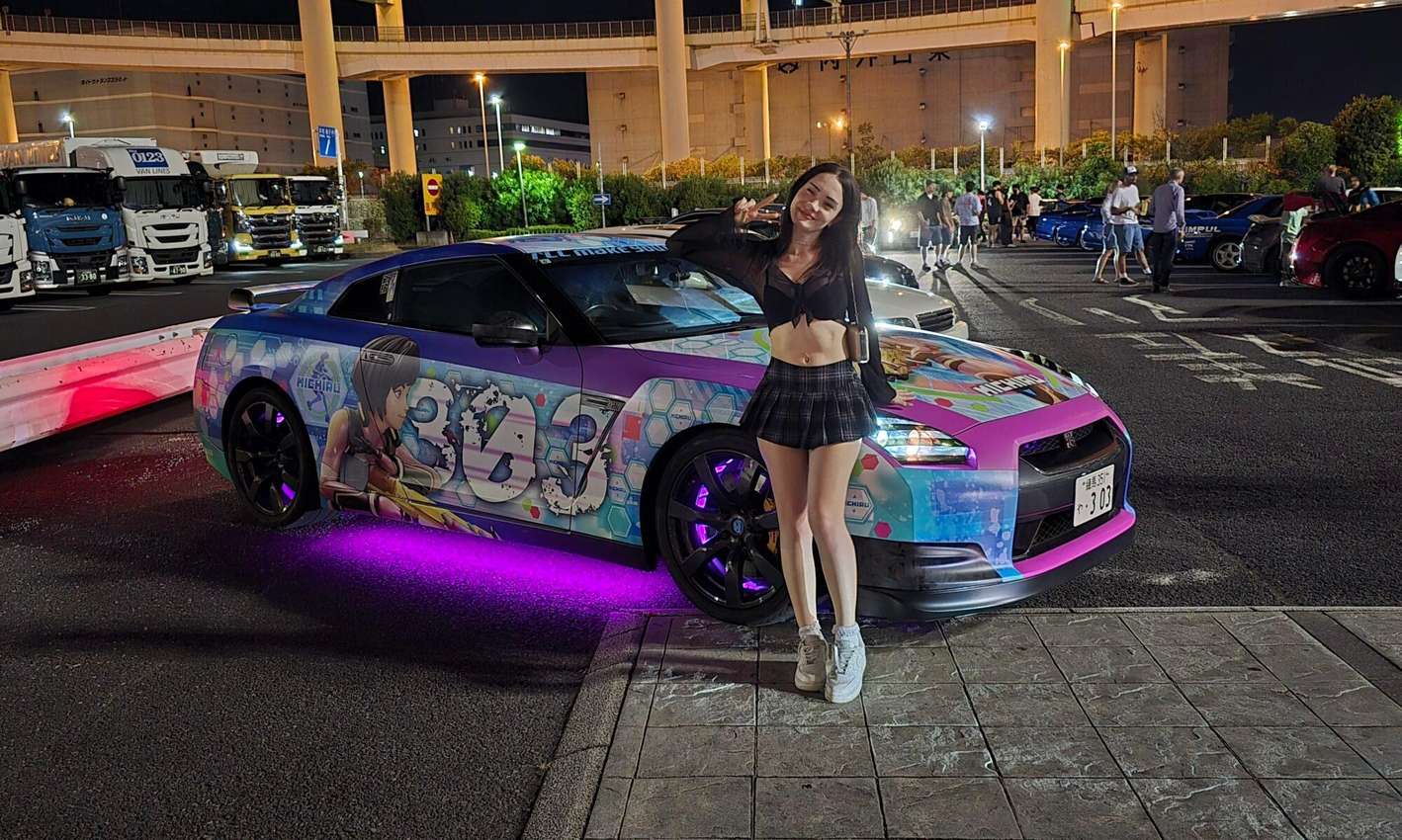 2.5 hours · ★ 4.7 (163)Tokyo: Daikoku JDM Car Meet tour with the Famous 303 GarageFrom $222 /group 3.5 - 4 hours · ★ 4.6 (186)Tokyo: Daikoku or Umihotaru Tour (Silvia S15, GR86, 370Z)From $40
A chauffeured ride in a modified JDM car, ending at a real expressway meet.
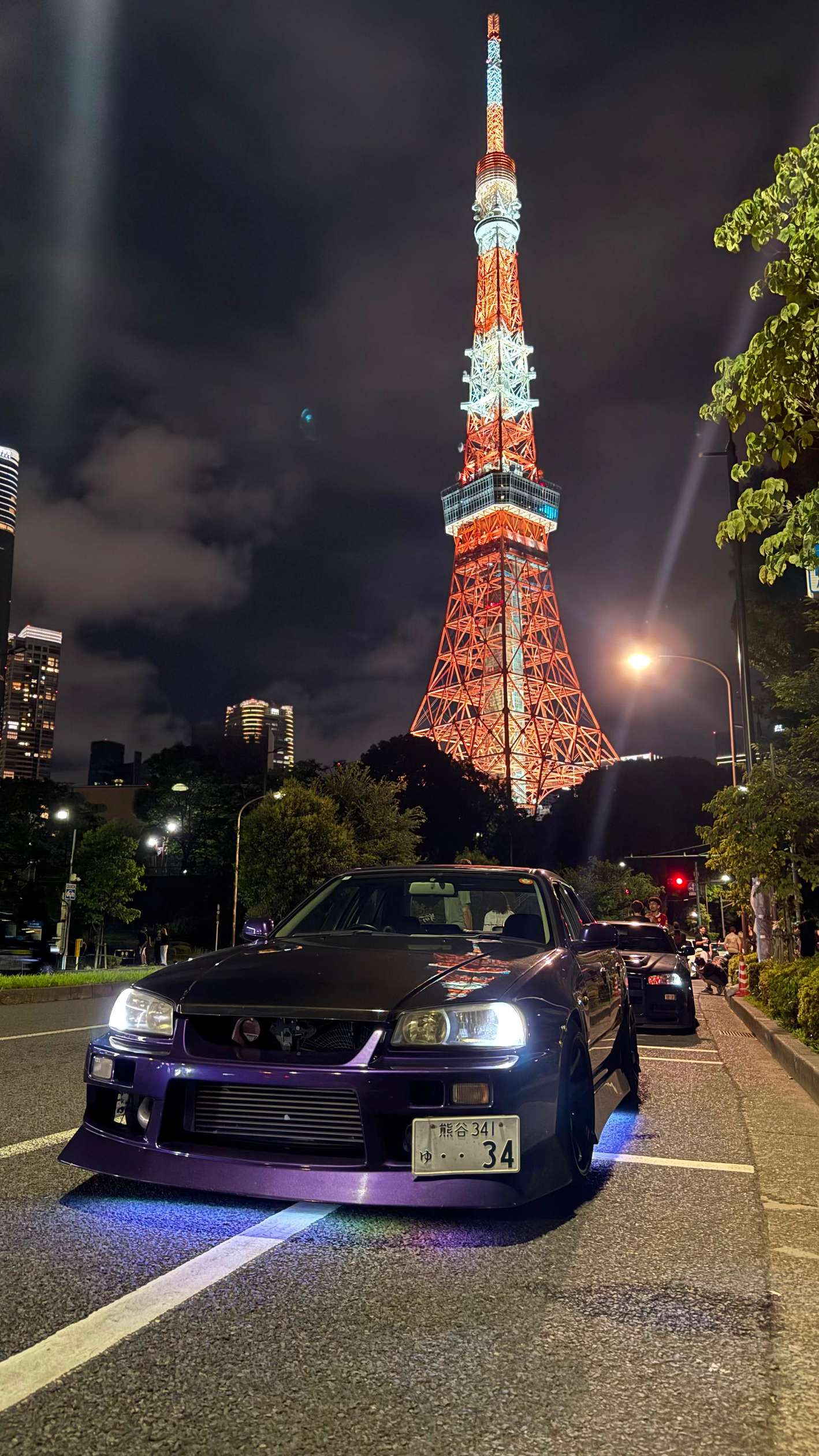
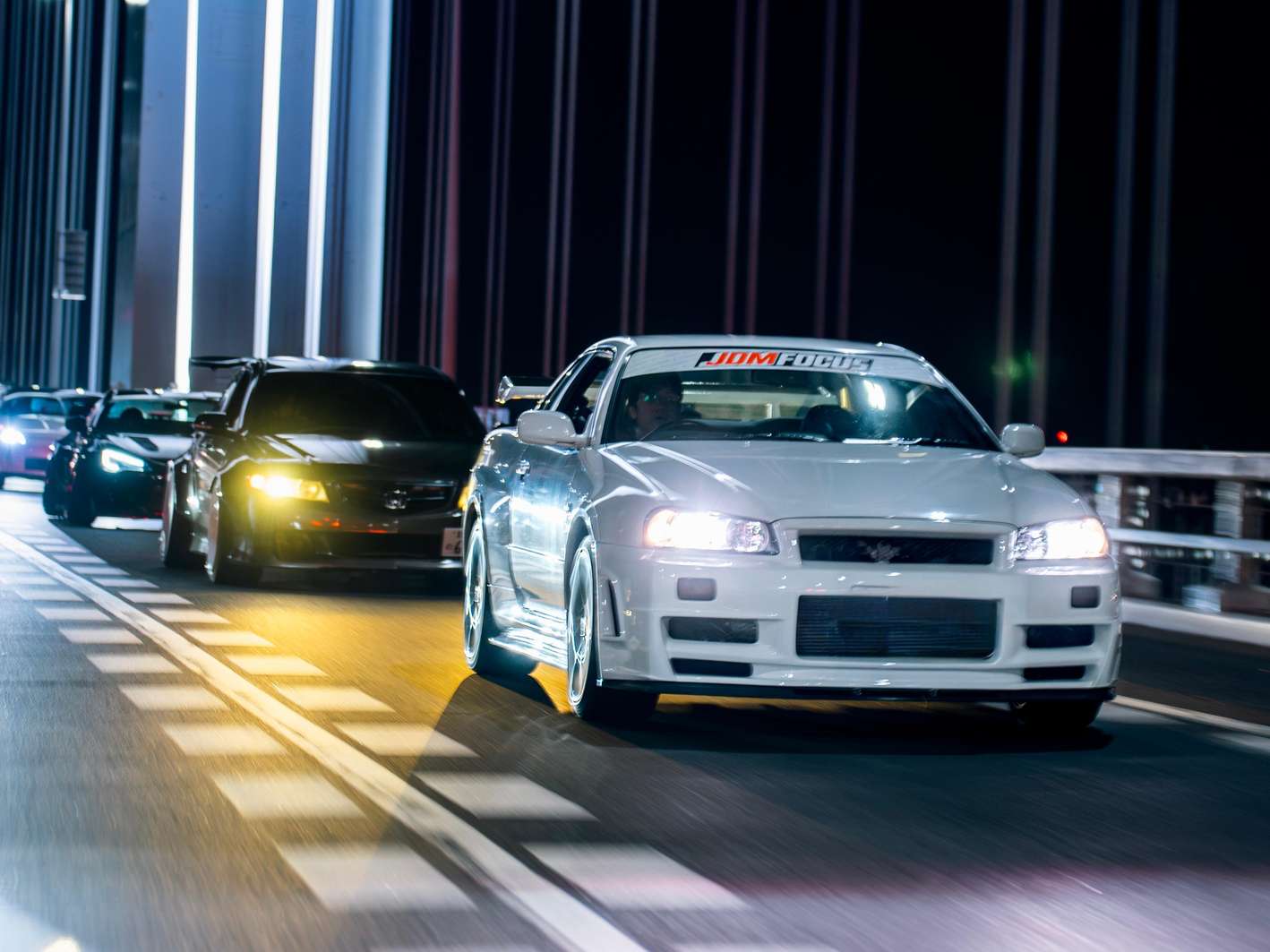
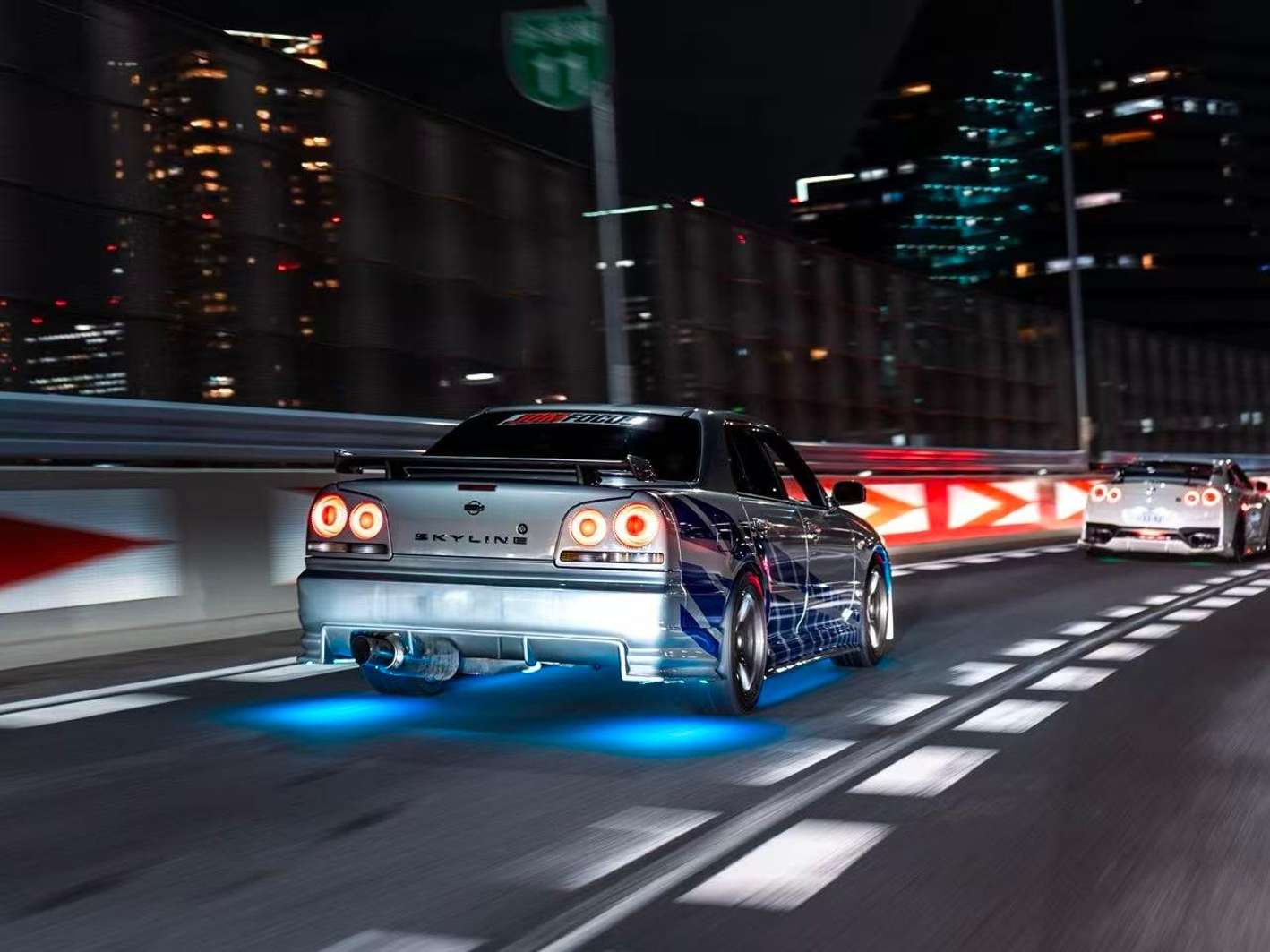
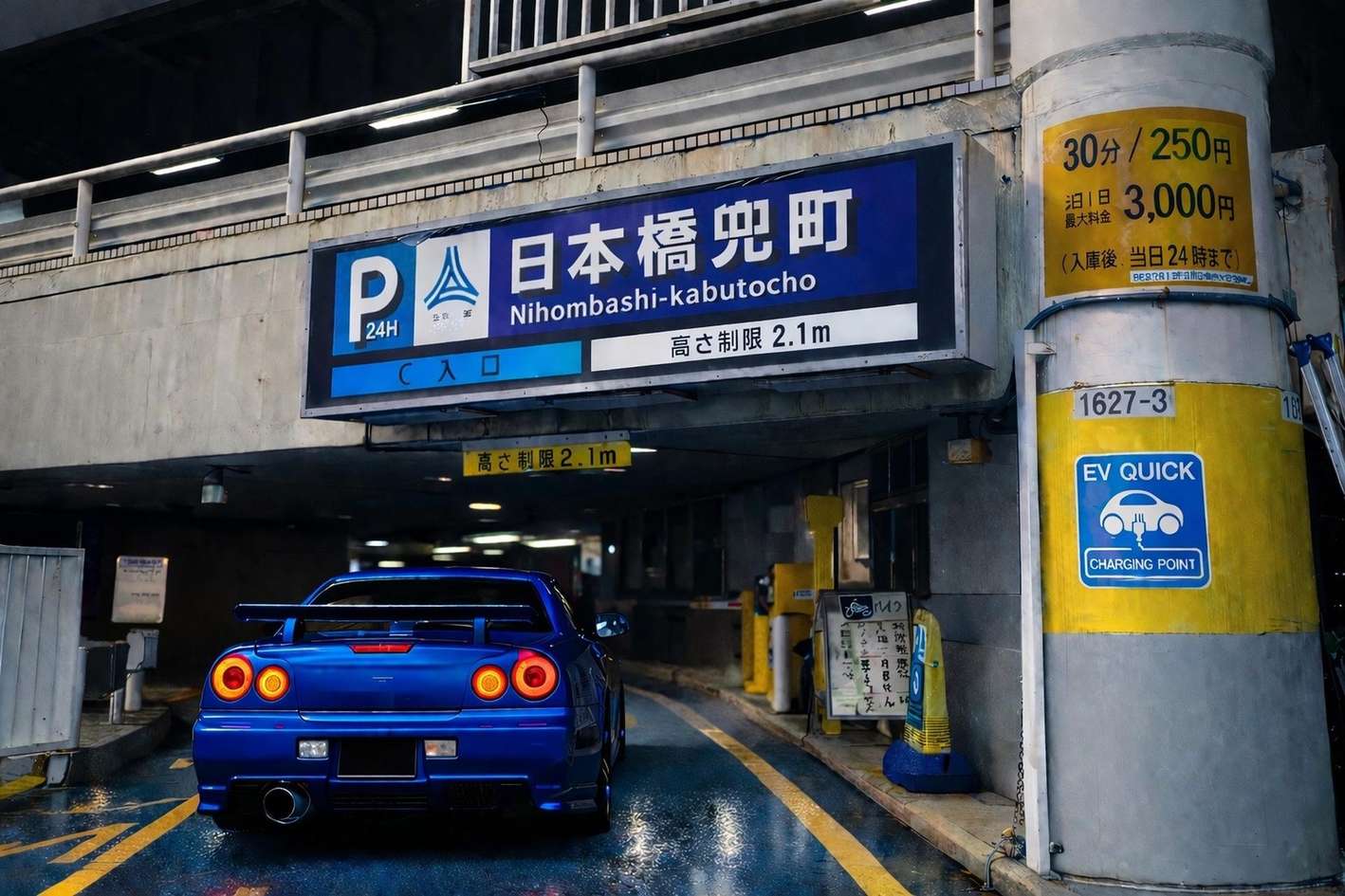
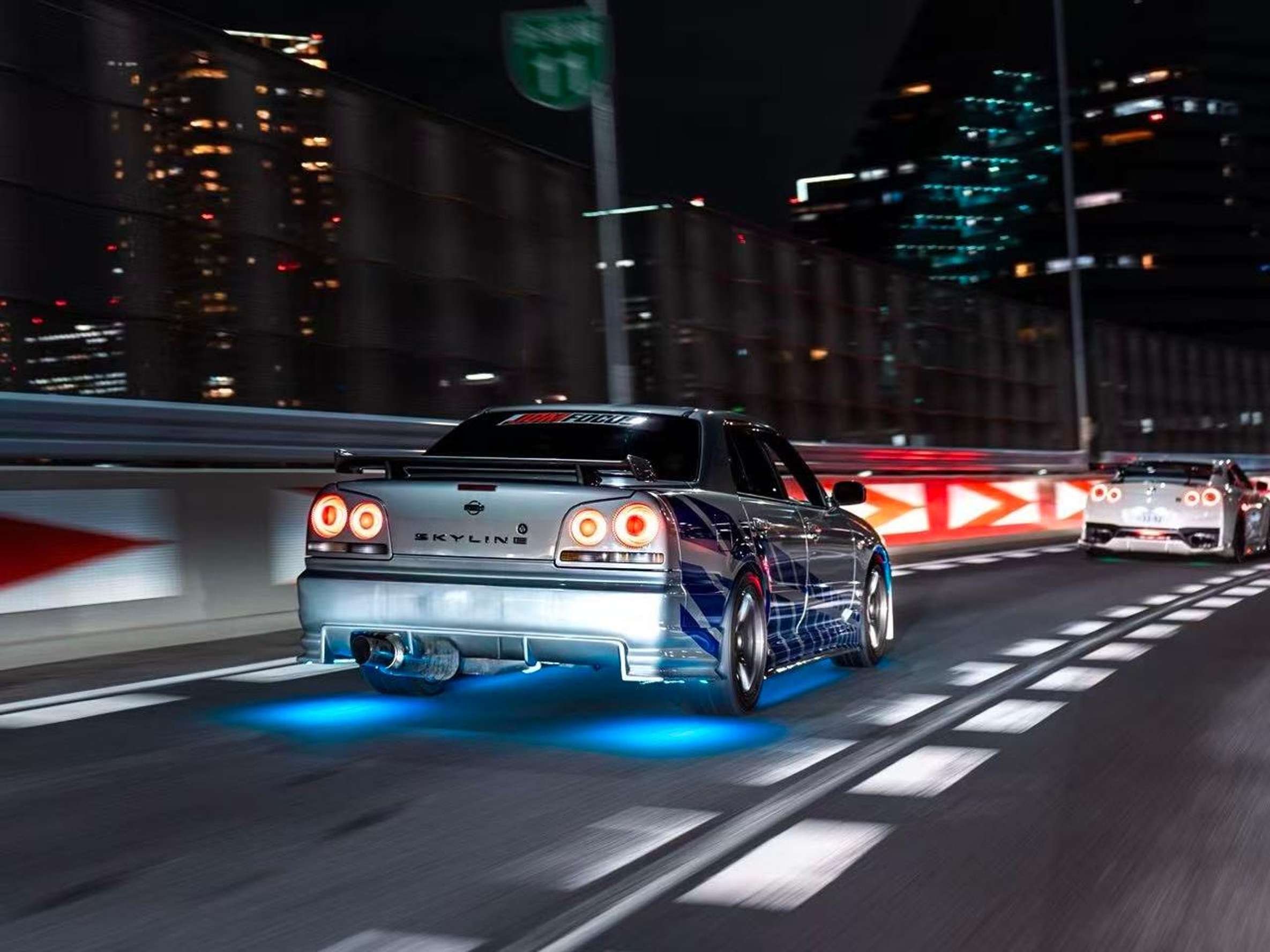
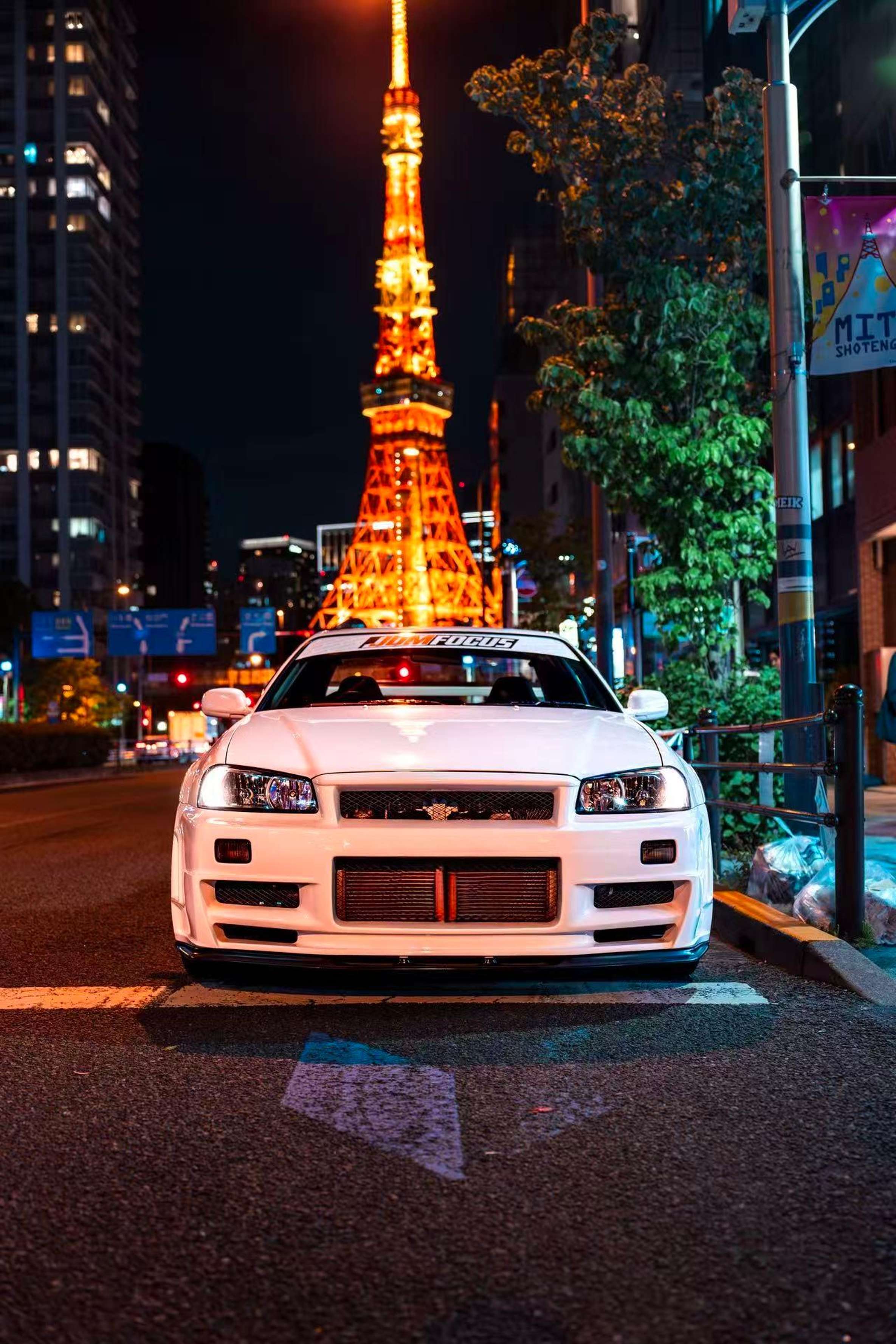
The Fast and Furious Tokyo Drift cruise is the guaranteed night: a modified JDM car, a chauffeur who knows the expressways, and stops at Tokyo Tower, Shibuya and the Kabutocho underpass before rolling into the Daikoku PA meet. Passengers need no licence or permit, and the whole ride runs about 3 to 4 hours.
It is also the plan that saves an evening when the informal meets fail you.
Police often close Daikoku between 7:30 and 9:15 pm on Fridays and Saturdays, and rain thins the turnout everywhere; guides reroute smoothly to alternatives like Umihotaru when a lot shuts. Book ahead for a date, and pack a jacket for the outdoor stops.
3 hours · ★ 5.0 (92)JDM Tour to Daikoku PA Fast and Furious Tokyo Drift ExperienceFrom $95 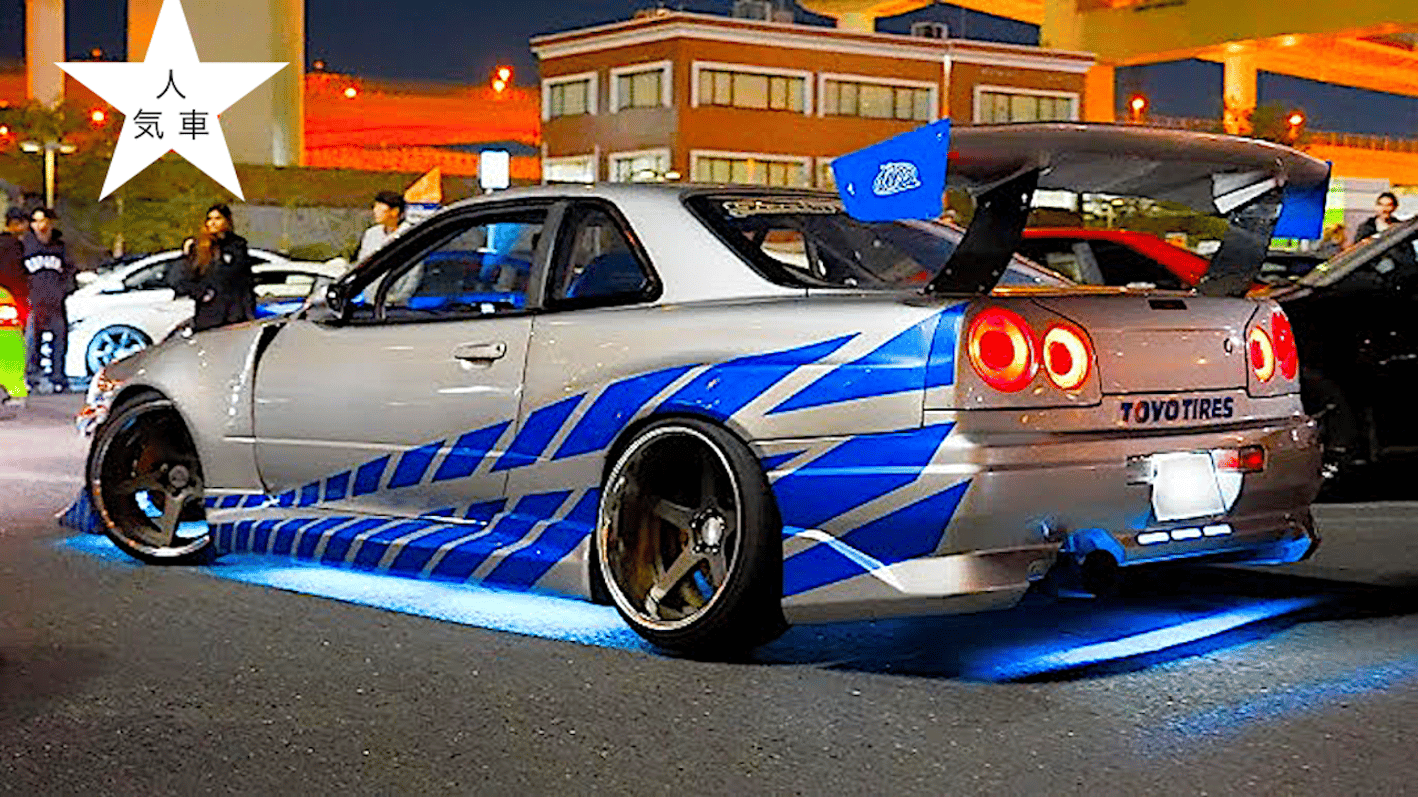 3 - 4 hours · ★ 5.0 (140)Tokyo Drift 5.0 Real Fast & Furious ExperienceFrom $528
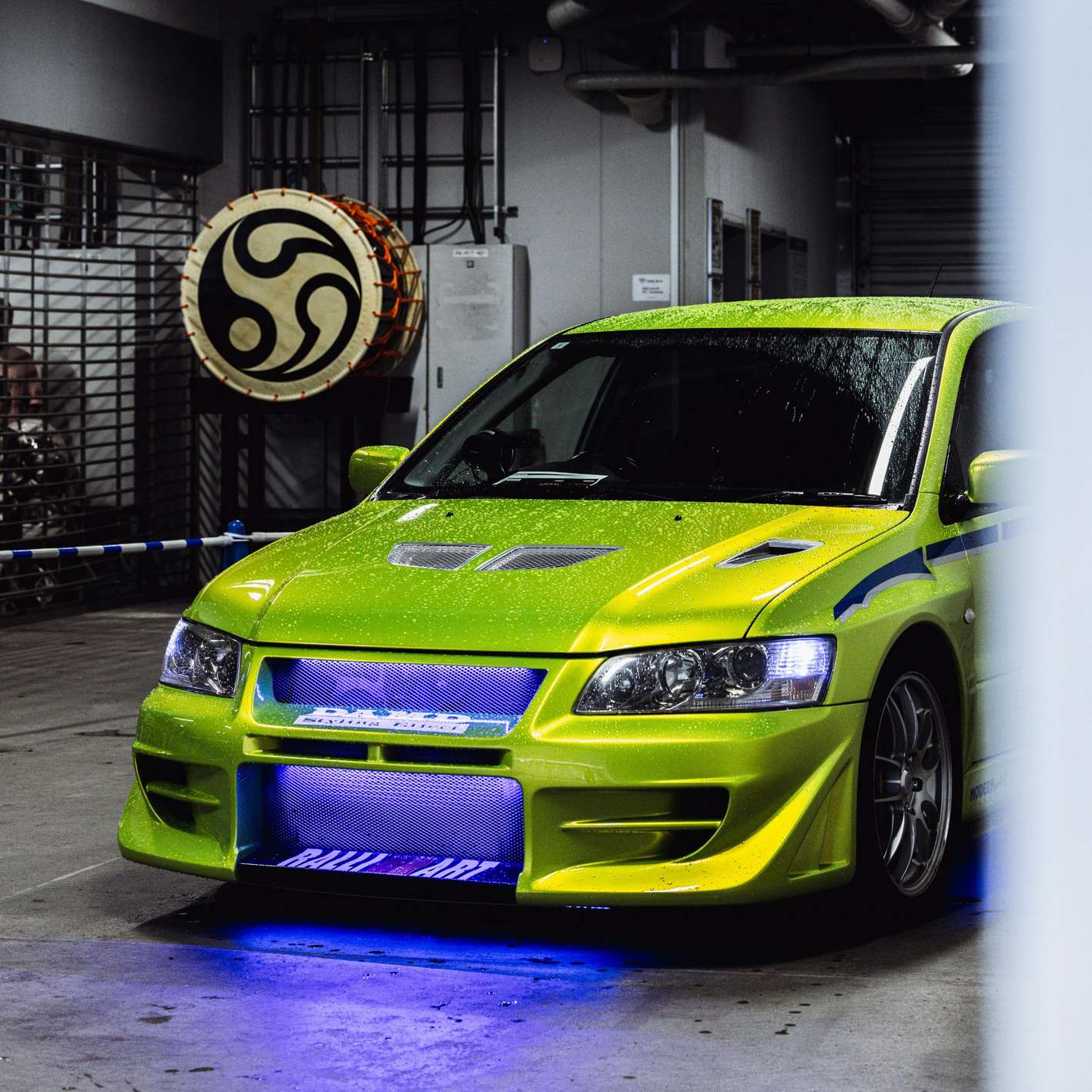 3 hours · ★ 4.9 (205)JDM Tokyo:The Fast and the Furious Tokyo Drift ExperienceFrom $122
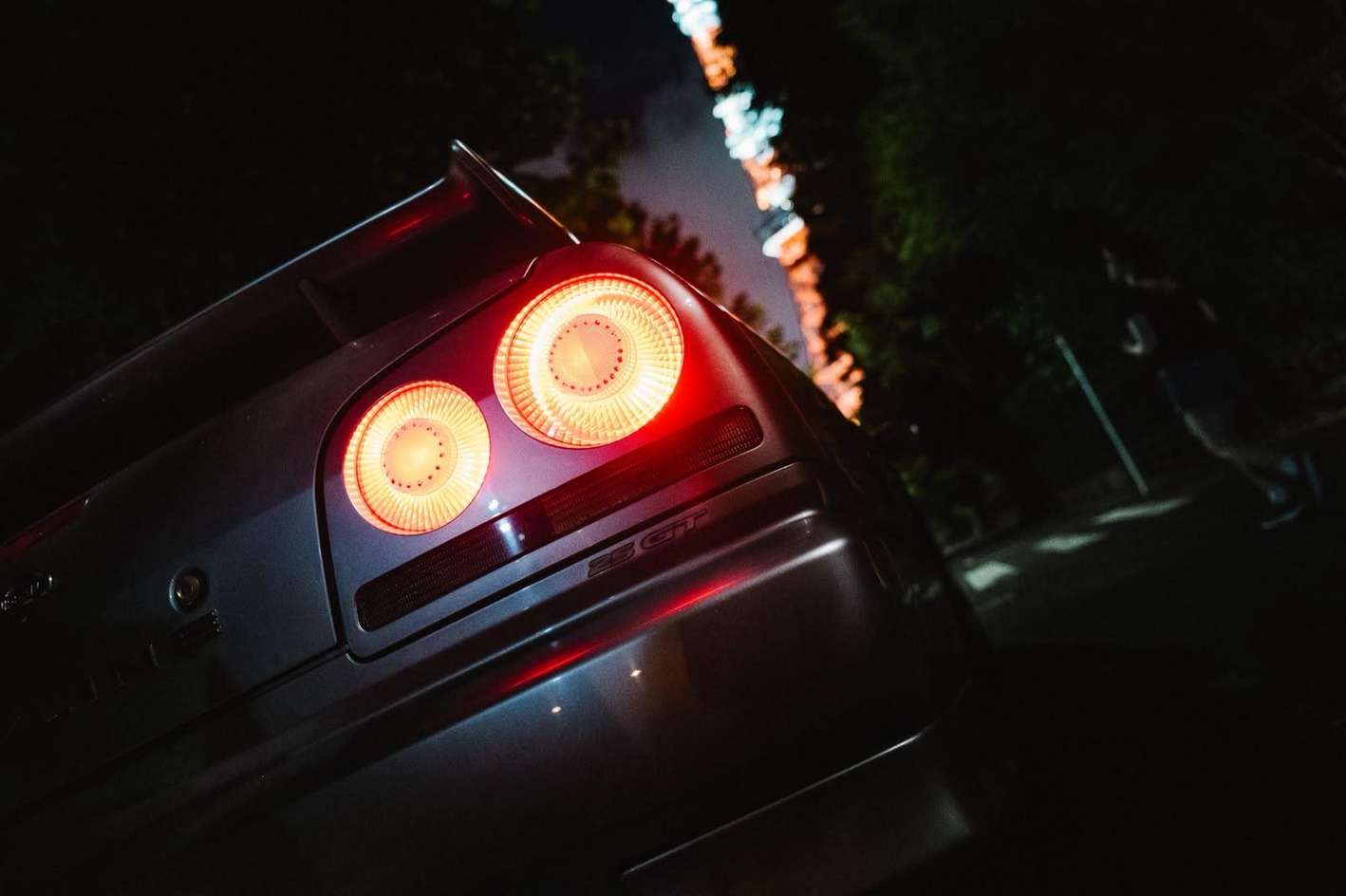 3 - 4 hours · ★ 4.8 (346)Fast and the Furious III/Tokyo Tower/Daikoku PA/JDM Car MeetFrom $105
This is the one JDM meet in Tokyo you can reach by train: a 3-minute walk from Akihabara Station, free to enter on foot, and home to the world's itasha scene. What no sign tells you is when the cars actually show up, and what you may do once you are standing next to them.
Wrapped itasha concentrate on level B2F; ride a general elevator down and walk the decks.
Friday and Saturday are the best nights: cars gather after 8 pm and peak around 10 pm to midnight, with weekend afternoons from 2 to 6 pm a second window.
Walking in is free and the garage stays open 24 hours, but there is no fixed meet night and no calendar anyone can check.
Compliment the cars, ask before close-up photos, never ask the price, and obey staff the first time they speak.
Because turnout is never guaranteed, most visitors pair the garage with a guided night cruise from Akihabara to a highway meet.
Stay brief and polite: keep to walkways, ask an owner before taking close-up photos, follow any staff instruction at once, and move on if asked, since arguing can bring security or the police.
Down on the second basement level, a row of wrapped sedans sits under strip lights: anime artwork across full body panels, the paint reflecting off polished concrete.
This garage earned its place in itasha history by doing the opposite of what most parking operators do. Management welcomed the anime-wrapped cars, photographed them for its own blog, and now rents out whole sections of B2F for owner meetups.
Being enclosed matters too: Akihabara is the center of anime culture, and owners can park here without rain threatening artwork that would cost a fortune to redo.
Set expectations before you descend, though. There is no organizer, no fixed night and no calendar posted anywhere. On a typical evening you find informal, scattered car presence: a handful of itasha and tuner builds parked among ordinary commuter cars.
The bigger counts belong to the rented weekend meetups, and regulars say the everyday scene is quieter than its reputation from a decade ago.
Locals treat the garage as a casual stop while they explore Akihabara, and that is the right reading. The doors never close, with the garage running 24 hours a day, so a late-evening detour costs you nothing but a few minutes.
Weekdays, the decks belong to commuters. Monday through Friday the spaces fill with ordinary cars, and modified builds are rare. The weekend tells a different story.
Saturday and Sunday afternoons from 2 to 6 pm bring the biggest counts, 20 to 30 anime-wrapped itasha and up to 50 when owners have booked a section of B2F for a meetup, which is where those headline numbers come from.
On an ordinary evening the turnout is smaller, a scattered handful among commuter cars, and the Friday and Saturday build runs from 7 pm toward the strongest reported window, cars gathering after 8 pm and peaking around 10 pm to midnight.
That Friday and Saturday evening build is the window worth planning around, and it is also why the garage works as a warm-up for a night tour. Highway lots like Daikoku peak from 9 pm to midnight, so an evening that starts at UDX can flow straight into one.
September: 5 out of 5 for how busy it gets.
Tap a month to read it.
One habit separates the people who catch a good gathering from the ones who find an empty deck: checking recent video clips and social reels before heading over. If someone posted from the garage that afternoon, the cars are down there.
If the last post is weeks old, lower your hopes and keep Akihabara's streets as your fallback. Planning a whole evening around a packed meet here is the move that disappoints.
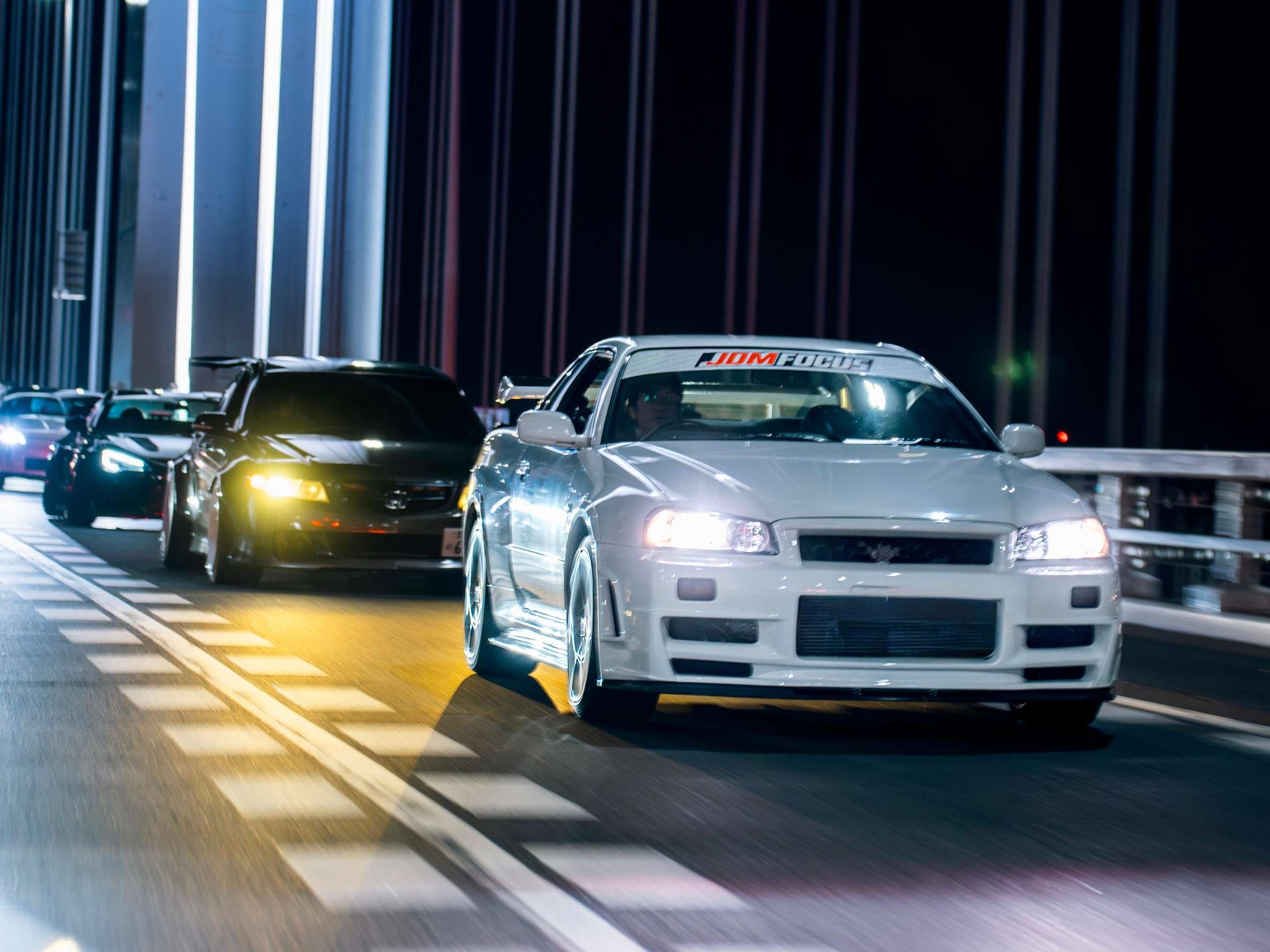
Access is the part first-timers worry about most, and it is the easiest part of the whole visit. From JR Akihabara Station's Electric Town Exit, cross Akiba Bridge to the UDX building, about a 3-minute walk. No vehicle, no permit, no ticket: pedestrians walk in for free, because fees only apply to cars that park.
Finding the way down takes a moment longer. There is no special car-meet entrance, and first-timers often hunt for one that does not exist. The general elevators connect the B3F decks with the North Wing 6F, and the wrapped cars concentrate on B2F, so step into an elevator, ride down and walk the levels.
They connect the B3F decks with the North Wing 6F, and the wrapped cars concentrate on B2F, so ride down and walk every level
Rain cannot threaten the anime artwork on their cars, and neither can the weather outside
Because it is a working garage, you share the space with drivers collecting their cars, so walk the marked paths and keep your eyes up. The whole visit runs 20 to 30 minutes unless an owner starts talking, which happens more often than you would think.
The owners who park here tend to be proud of what they built, and many are happy to chat. Compliment the car, ask about the build, and a conversation often follows; language gaps shrink fast when both sides point at engine bays.
The line to watch is money: never ask what the car cost or whether it is for sale. Ask before any close-up photo, especially of interiors and engine bays, and leave the cars untouched unless an owner offers.
Against that warmth sits a hard rule. UDX is a public garage first, and loitering by non-drivers is prohibited. Signs and automated announcements direct visitors without a parked car to move along, and staff can enforce it. Ignore a request and security may call the police; make a habit of it and fines follow.
Loitering or photographing without a parked vehicle is prohibited Obey the first staff request and move along; ignored instructions can bring security and police, and repeat visits fines
The etiquette that keeps everyone welcome is simple: quiet voices, no running between the decks, and no touching paint, which a watch bracelet can scratch without you noticing. Nobody photographs private license plates or high-end owners without asking first. Follow that, and the owners treat you as part of the scene.
The two evenings are not really rivals, but they deliver different nights. UDX costs nothing, needs no car and runs rainproof because it sits underground, yet the turnout is informal and sporadic: scattered itasha and tuner cars, sometimes thin.
A highway lot like Daikoku PA draws massive crowds, supercars, JDM legends and classic builds, but it has no train, bus or foot access, taxis cannot pick passengers back up from inside, and police shut it down on busy nights without notice.
The car types tell the same story: UDX leans anime-wrapped itasha and pop-culture builds, the highway lots lean raw horsepower. One is a stop, the other is a destination.
| UDX garage | Guided night tour | One-way taxi | |
|---|---|---|---|
| Getting in | 3-minute walk from Akihabara Station, free on foot | Pickup or meeting point at Akihabara Station | Metered ride out to the lot |
| Getting home | Train, whenever you like | Return transport included | Cabs and rideshares cannot pick you up inside |
| What you see | Scattered itasha and tuner cars, turnout varies | Guaranteed stops and reroutes when a lot closes | Depends on the night and the lot |
| Weather | Rainproof, fully underground | Runs rain or shine | Outdoor lots thin out in rain |
The one-way taxi deserves its own warning. Taking a cab out to an expressway parking area sounds cheap and flexible, but rideshares and cabs cannot collect you there, and visitors who try it end up stranded on a highway island.
If you want the highway meet, a guided tour with return transport is the way in. If you want a free, low-stakes add-on to an Akihabara evening, the garage does that well.
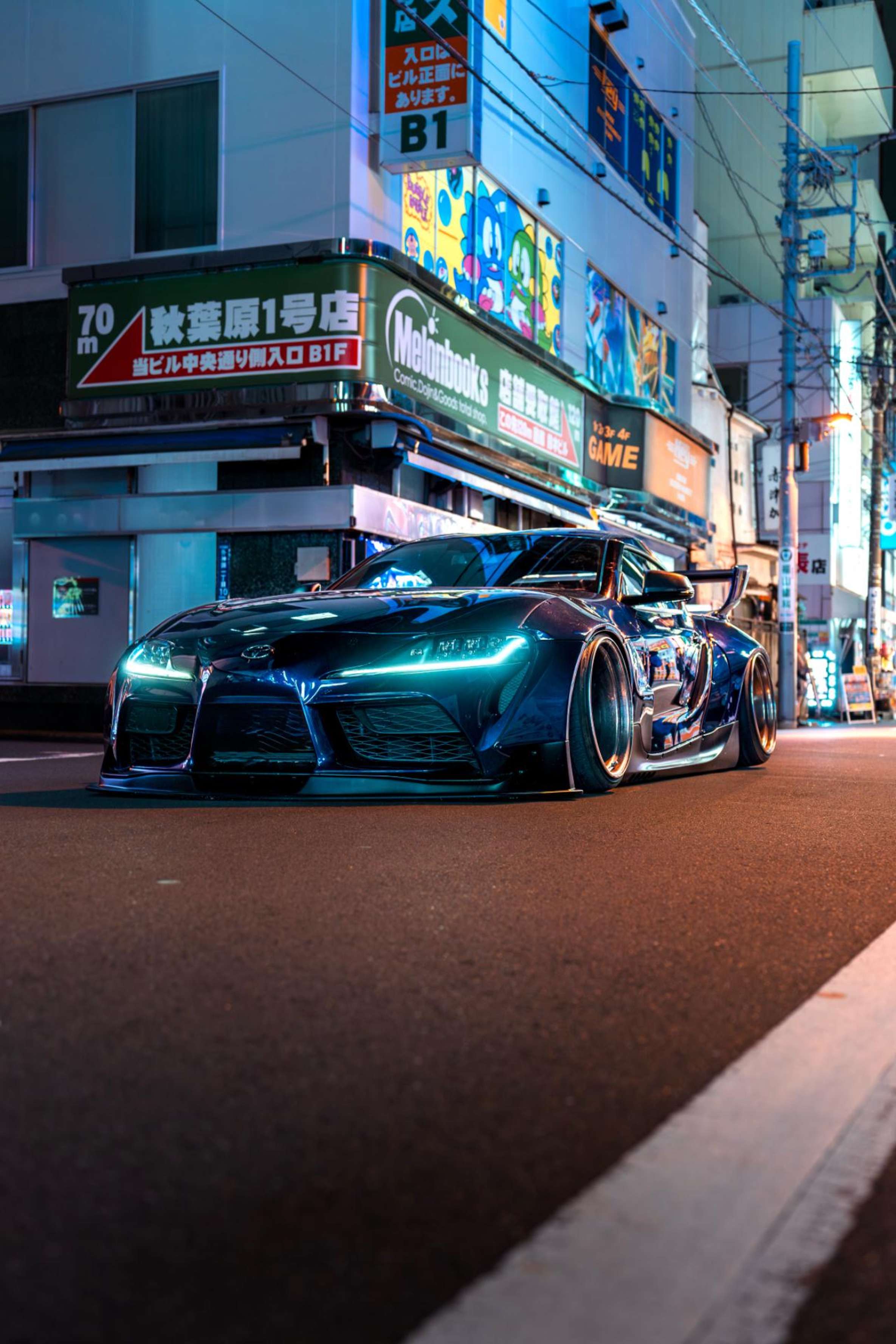
Step back up to street level on a quiet night and the fallback is closer than you think. There are no other organized car meets within walking distance; Tokyo's other gatherings all sit at highway rest stops that need a vehicle.
What Akihabara gives you instead is street-spotting: walk the side road by Akihabara Radio Kaikan, five to ten minutes away, where modified cars and wrapped itasha cruise past on weekend evenings.
The district doubles as a car-culture arcade crawl. At the GiGO game center you can play linked Initial D cabinets, and the Taito Station branches carry Wangan Midnight Maximum Tune.
Yodobashi Akiba, right outside the station, stocks a hobby department of model cars, Mandarake Complex 2 dedicates its seventh floor to vehicle toys, and the Gallery Tanaka die-cast shop and the Super Rajikon indoor RC circuit round out the walk.
If browsing gear sounds better than collecting models, the A Pit Autobacs store in Shinonome makes an accessible local alternative on weekend evenings, reached by train. Between the streets, the arcades and the shops, an empty garage rarely leaves an Akihabara night without cars in it somewhere.
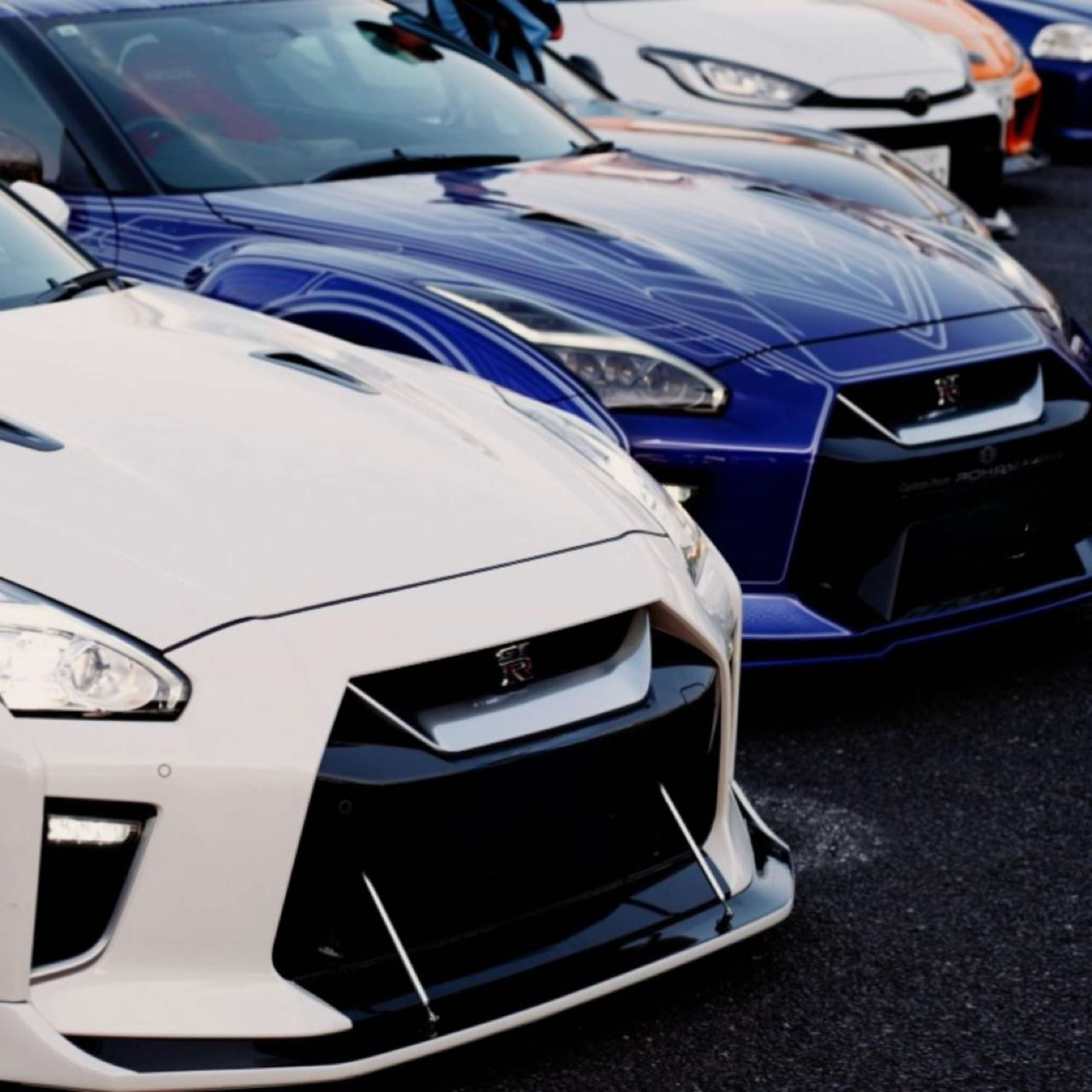
Because the garage can never be guaranteed, the dependable half of the evening is the one you book. Guided JDM tours offer pickup or meeting points at Akihabara Station, so the night starts where the day ended.
The Tokyo: Night JDM Car Cruise to Daikoku PA or Alternate Stop runs about 3 to 4 hours, puts you in a deeply modified performance car with an English-speaking guide, crosses the Rainbow Bridge, stops at Tokyo Tower and rolls into the Daikoku PA meet, with all expressway tolls and fuel covered in the booking.
Passengers need no licence and no International Driving Permit, because a professional driver handles the wheel. That is the whole appeal: you bring yourself, and the ride, the route and the ride home are someone else's problem.
Pack for the outdoor stops. A passport or valid ID goes in your pocket, comfortable shoes suit the open parking areas, and a light jacket earns its place even in warmer months, because outdoor meets at night cool off fast.
Winter nights drop close to freezing on the bayside lots, so layered clothing is the difference between lingering by the cars and waiting in the car.
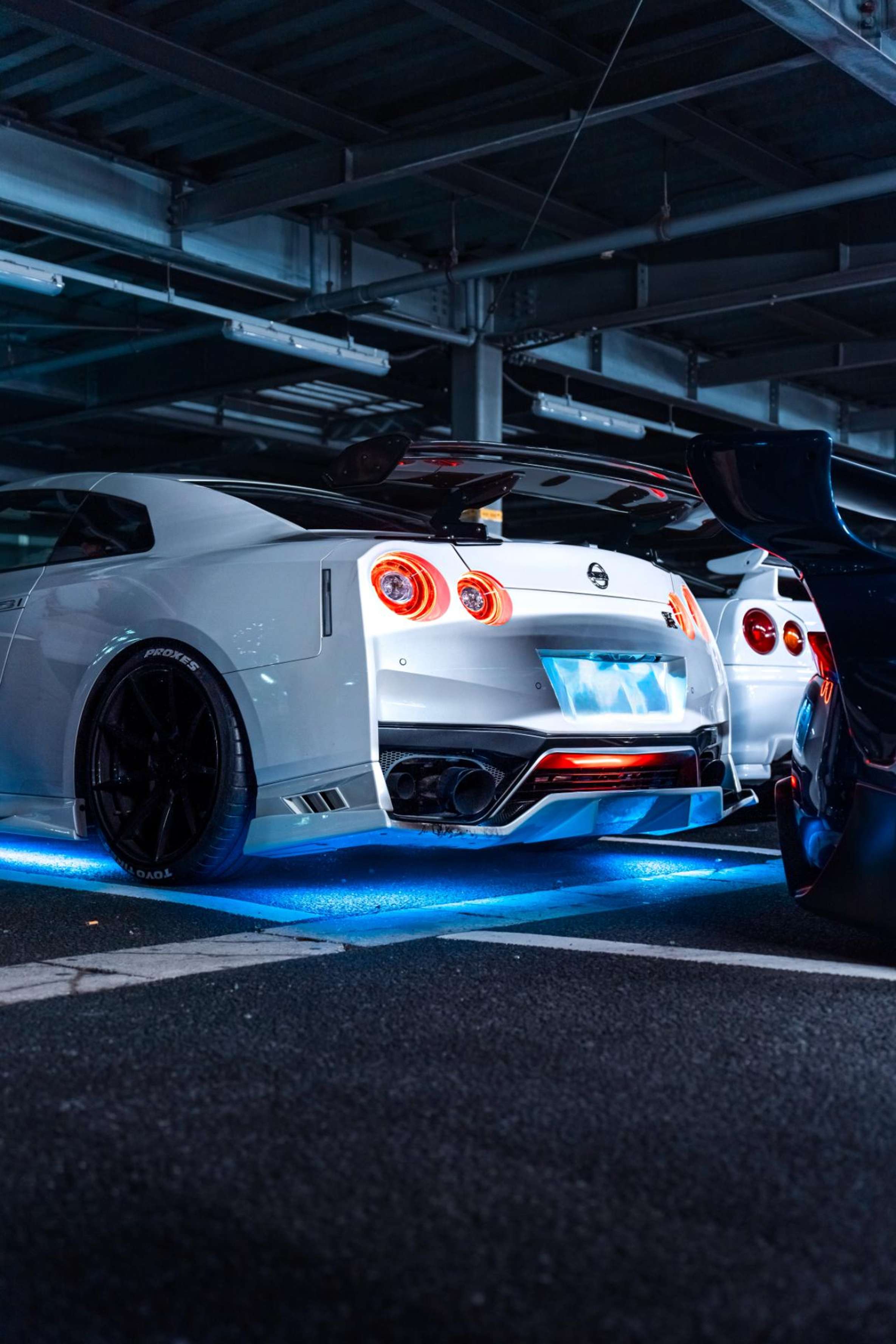
Rain changes the garage nothing at all, which is one of its quiet advantages. The booked night survives the weather too. Tours run rain or shine through ordinary wet weather, though turnout at outdoor lots thins as owners keep their show cars home.
When heavy rain, a typhoon or police activity closes Daikoku PA or part of the Shuto Expressway, operators adjust routes to cruise the illuminated city highways or divert to sheltered stops such as Umihotaru PA on the bay.
| If this happens | What happens then |
|---|---|
| Rain falls | The cruise still runs, and meets thin out but continue |
| Heavy rain, a typhoon or police activity closes a lot | Routes shift to covered stops such as Umihotaru PA or a cruise along the illuminated city highways |
| The operator cancels for severe weather | Guests get an alternative date, an adjusted itinerary or a full refund |
That rerouting is where a guide earns the booking. A driver who knows the scene reads the closures and moves the night to where the cars actually are, which is exactly what a DIY visitor on a one-way taxi cannot do.
If severe weather makes the drive unsafe and the operator cancels, guests get an alternative date, an adjusted itinerary or a full refund.
Wet weather runs from March through October at roughly one day in two, and May and September sit among the wettest tour months, so the odds are good your Tokyo night includes some rain. Book the night, walk the garage when you can, and let the tour absorb whatever the weather and the police decide.
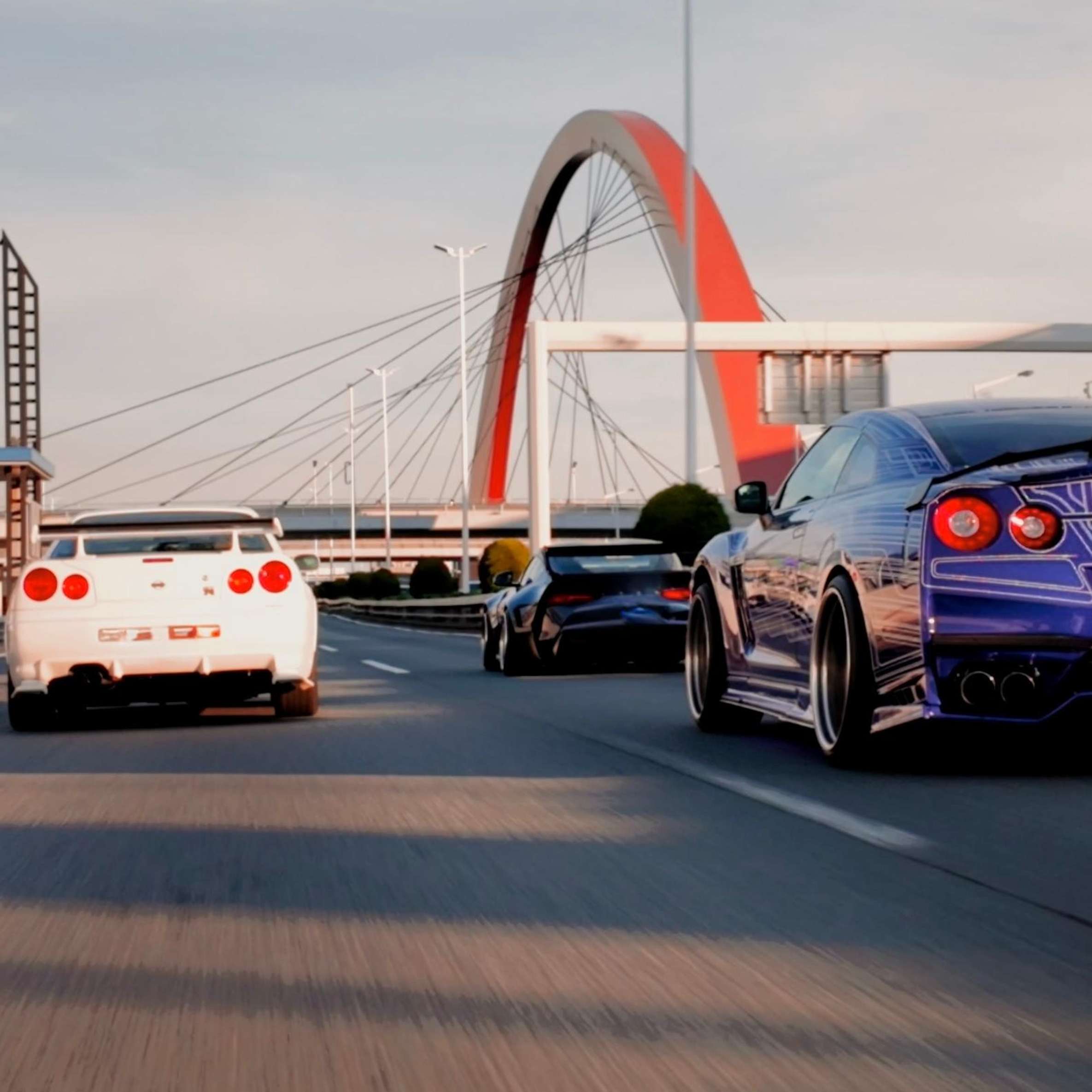
The garage is free, rainproof and a three-minute walk from the train, which makes it the easiest car-culture stop in central Tokyo.
It is also a working garage with no fixed meet, so go for the Friday and Saturday evening window, keep expectations casual, and anchor the night with a guided cruise that guarantees you real cars somewhere.
Get a full orientation to Daikoku Parking Area, the highway meet this garage only hints at.
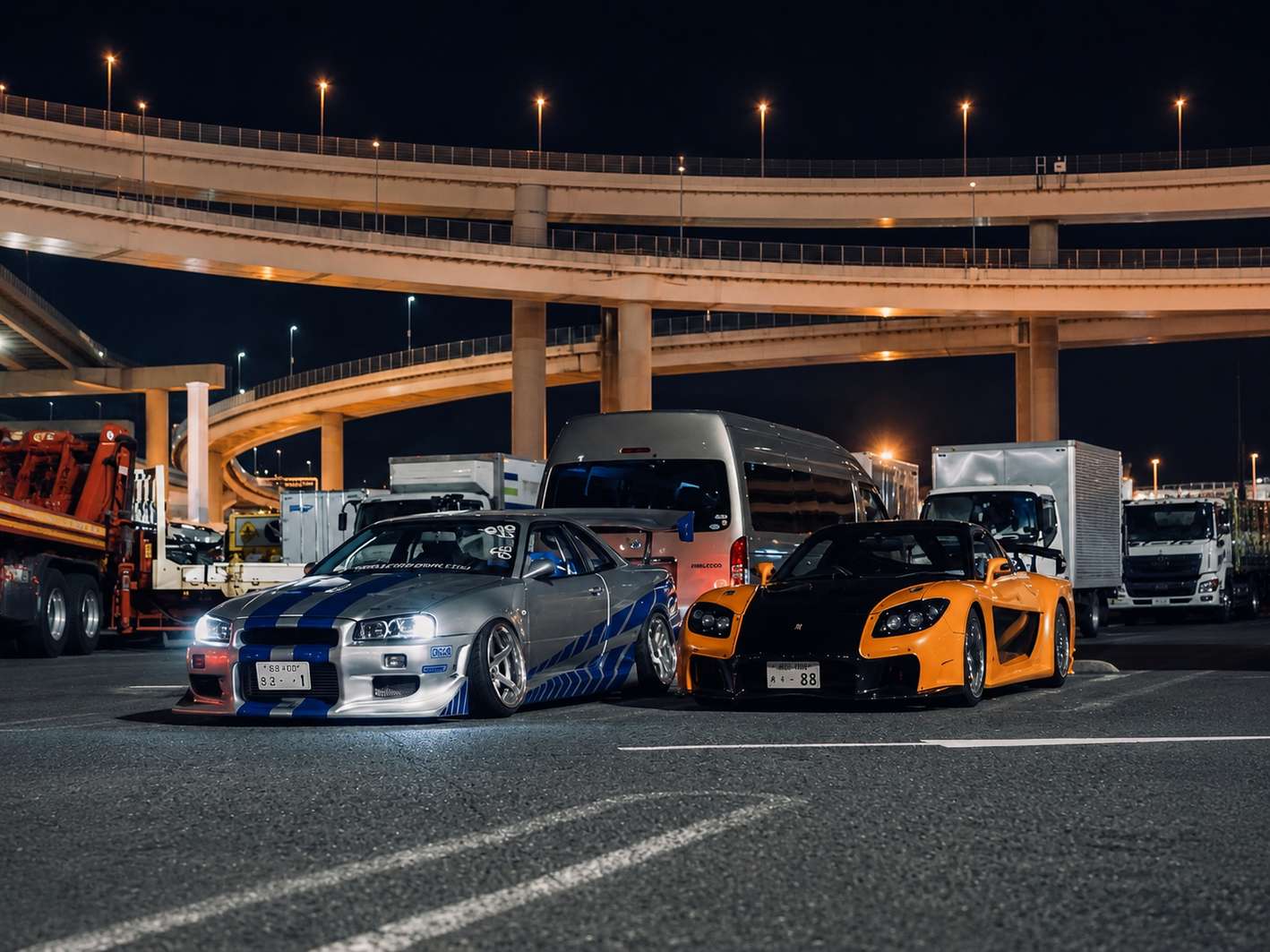
Work out how to reach Daikoku PA, since no train, bus or taxi pickup can get you there.
Pick the right night and hour for Daikoku so a full lot waits instead of an empty one.
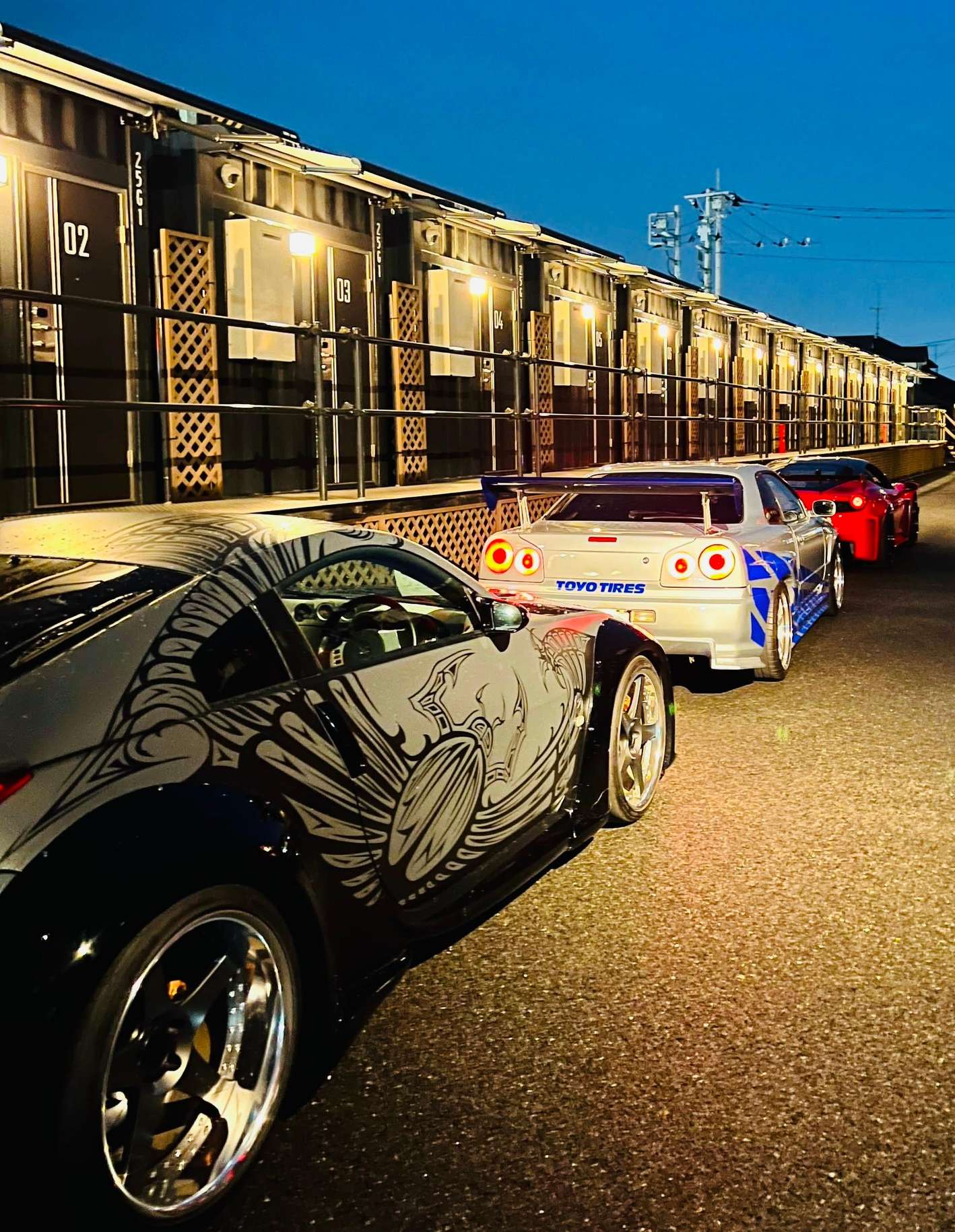
Browse guided JDM night tours that carry you from the city to the real meet traffic.
See how a chauffeured private Daikoku trip works, from pickup to flexible stops.
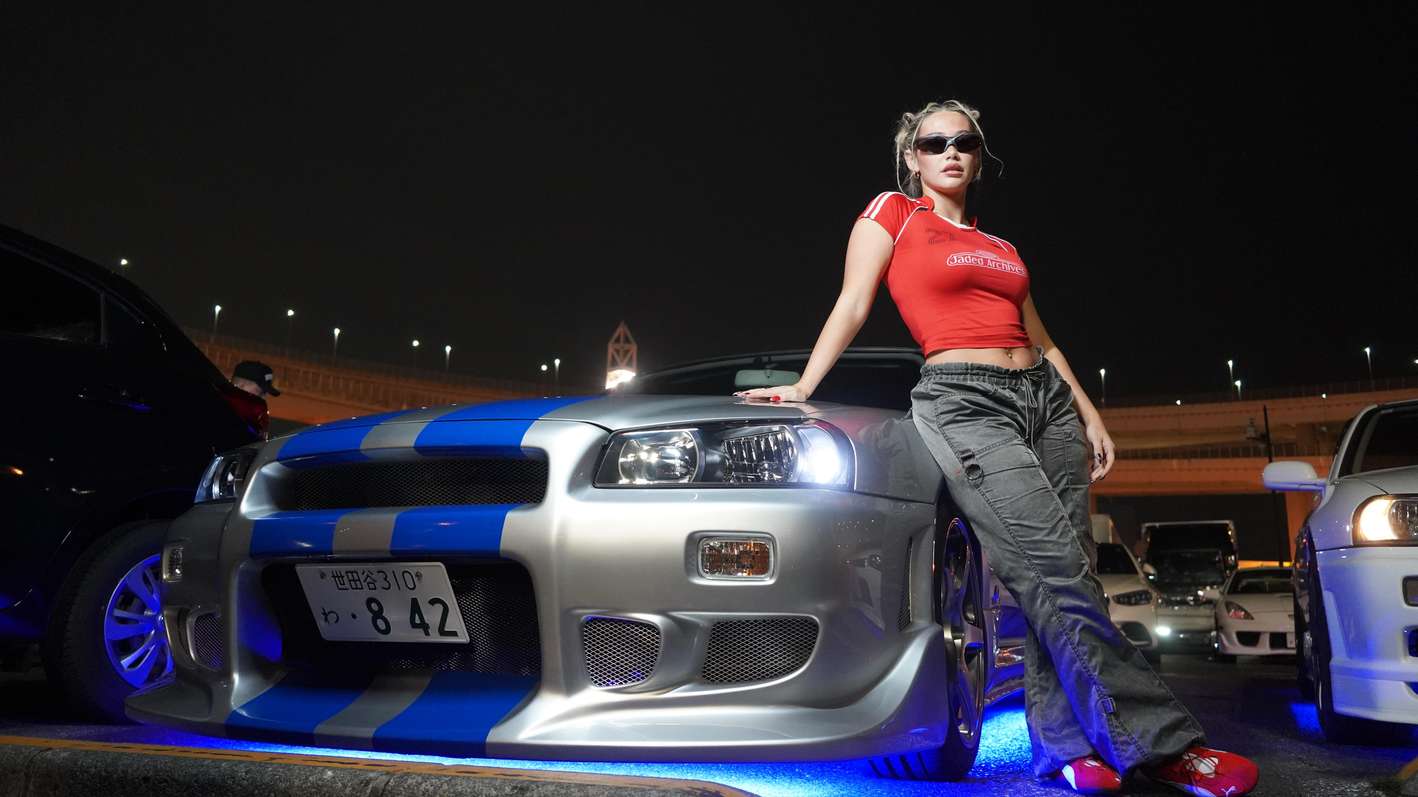
Find out how self-drive convoys to Daikoku PA run and what papers you need.
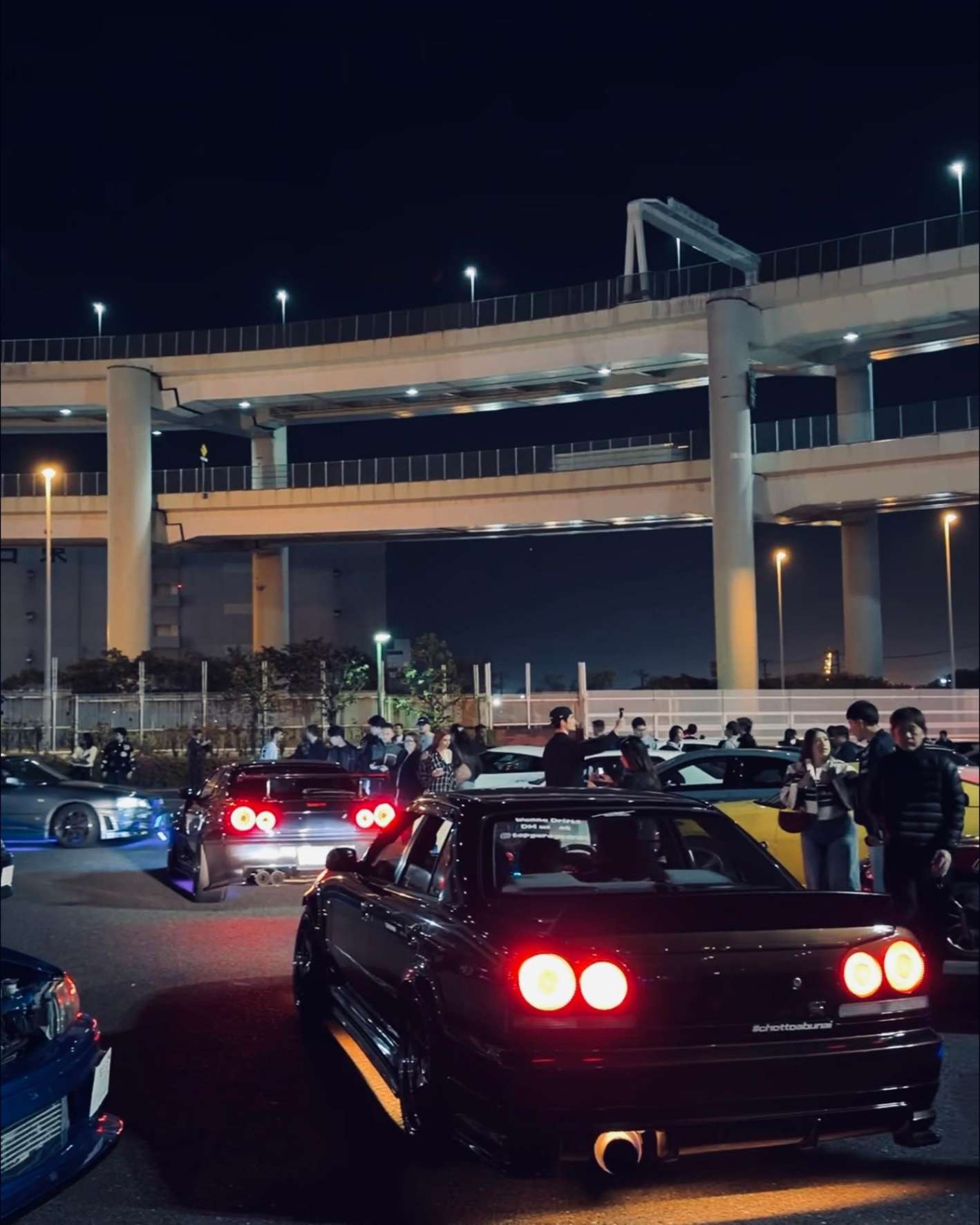
Compare days and peak times across Tokyo's car meets before you plan your evenings.
Quick answers on when the cars show up, how to walk in, and what to do if the decks are quiet.
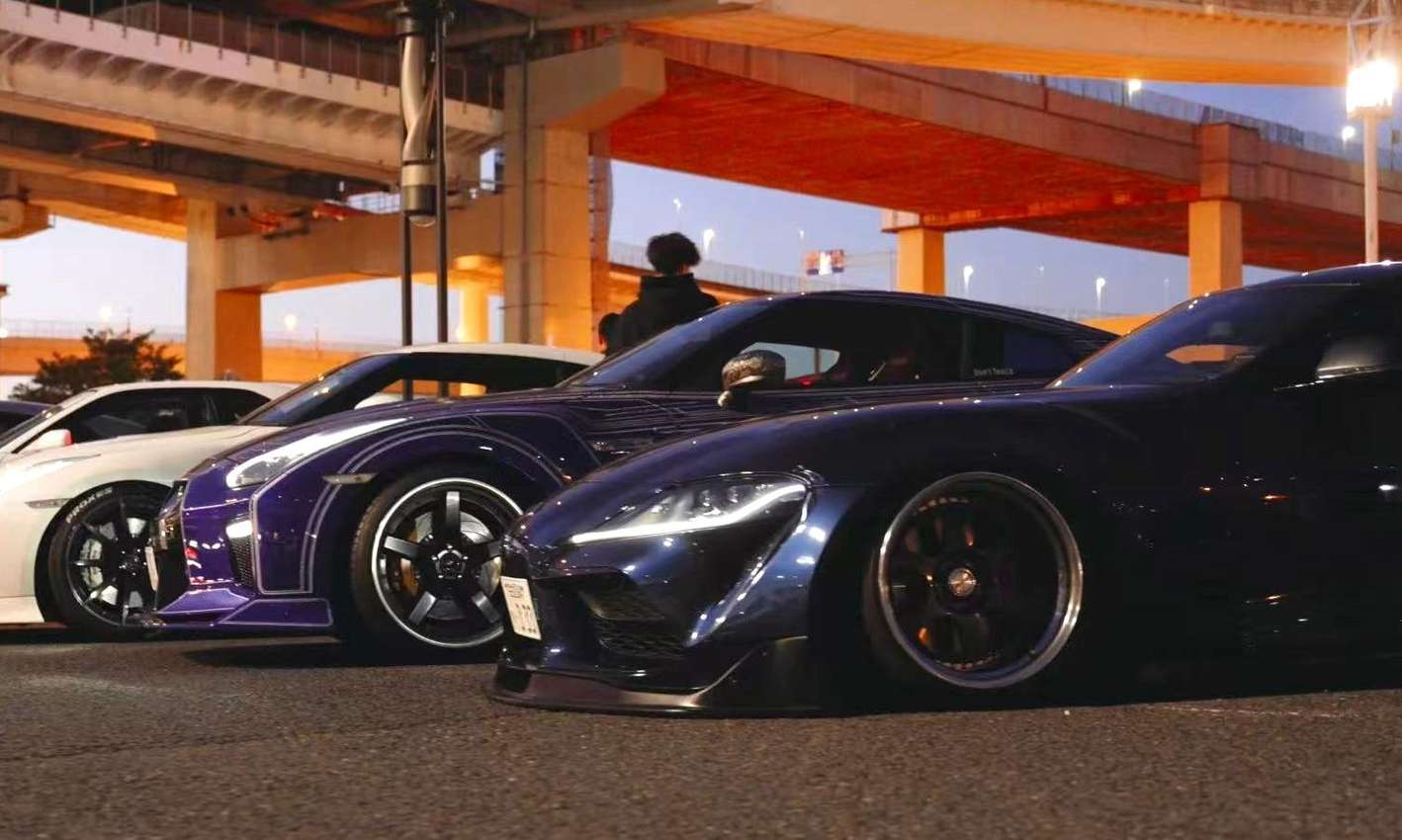 Yokohama2026
No. The gatherings have no organizer, no fixed night, and no calendar or advance announcements anywhere. Owners park there whenever they feel like it, so any pattern you read about is a guide, and any schedule is only as good as the turnout on the night.
Friday and Saturday evenings are the strongest window. Cars gather after 8 pm and the numbers peak around 10 pm to midnight. Weekend afternoons can also bring decorated cars, though the turnout varies because this is a working garage rather than an event venue.
Wrapped itasha concentrate on the B2F level. Ride the elevator down to basement level 2 and walk the aisles there first; that is where the anime-wrapped builds gather when they are in.
Leave JR Akihabara Station by the Electric Town Exit, cross Akiba Bridge to the UDX building, and take an elevator down into the underground garage. The walk takes about three minutes.
Yes. Walking in costs nothing; fees apply only to the vehicles that park there. The garage stays open around the clock and does not lock pedestrians out at night, so a late visit works too.
Often, yes. Owners who are open to chatting will happily talk about their build, and a compliment is always welcome. Two things to avoid: asking what the car cost or whether it is for sale, and taking close-up photos of engine bays or interiors without asking first.
Ask the owner before any close-up shot, especially of interiors or engine bays, and leave the cars alone unless an owner invites you in. Security can ask visitors who loiter or block the way to move along, so keep to the sides when cars are coming through.
UDX sits next to Akihabara Station and you explore it on foot, for free, with no car or permit. Daikoku PA is an offshore expressway rest stop with no pedestrian access at all, reachable only by vehicle or tour.
UDX leans toward itasha and pop-culture builds in small numbers; Daikoku draws large crowds of supercars, JDM performance cars, and classics.
The garage is fully enclosed, so rain leaves it untouched. That is part of why itasha owners favor it: their anime artwork stays safe whatever the weather outside. Outdoor spots like Daikoku PA thin out badly on wet nights.
Within a five- to ten-minute walk you can watch for wrapped cars cruising the side road by Akihabara Radio Kaikan, or duck into the Super Rajikon indoor RC circuit and the Gallery Tanaka die-cast model shop. There are no other organized meets nearby on foot, since the bigger gatherings sit on the expressway.
Yes. Guided JDM tours offer pickup or meeting points at Akihabara Station, so you can browse the garage in the evening and head straight out on a night cruise to Daikoku PA from the same corner of the city.
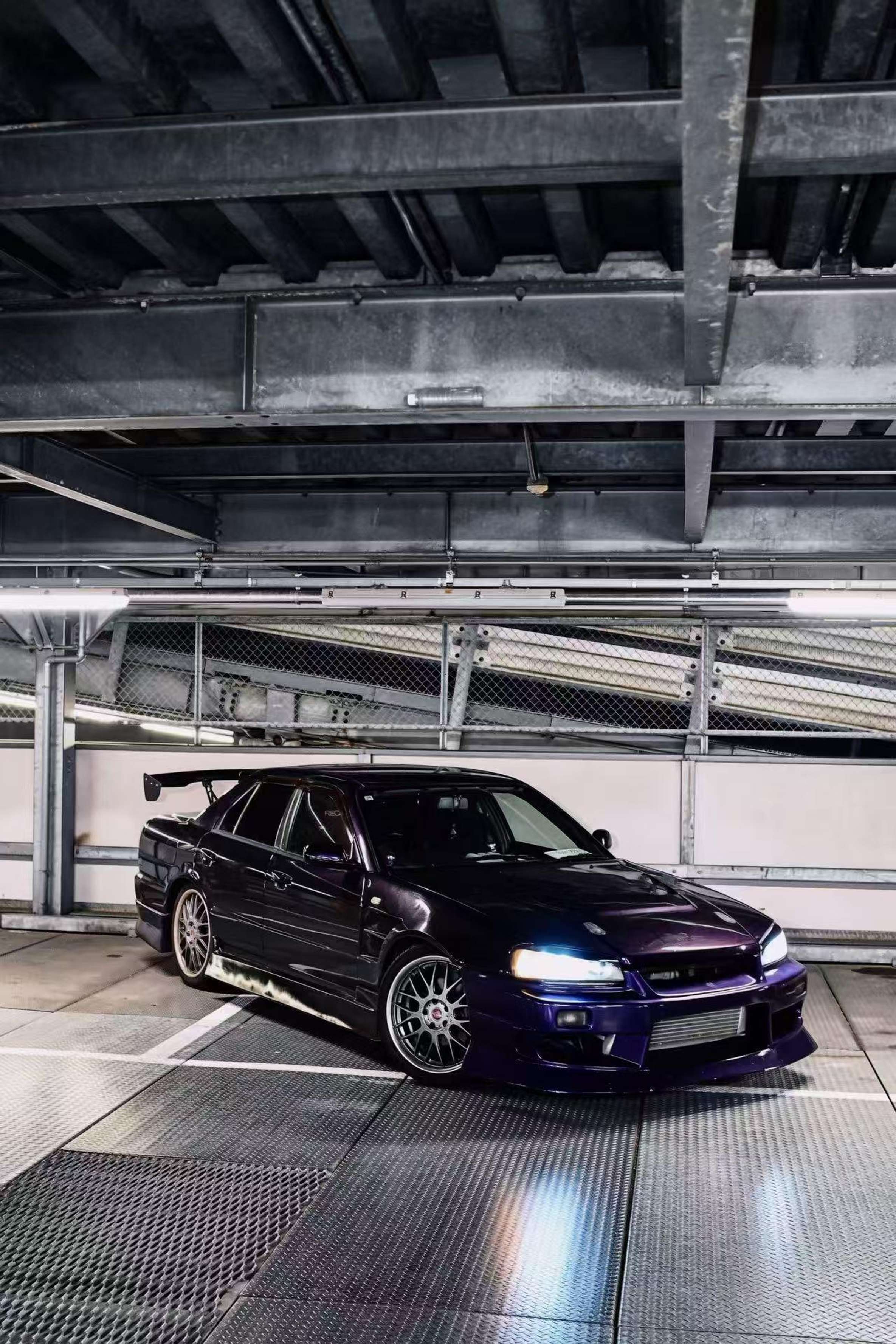
Book this Akihabara night cruise to Daikoku PA ahead of your trip, with a full refund if you cancel up to 24 hours in advance.