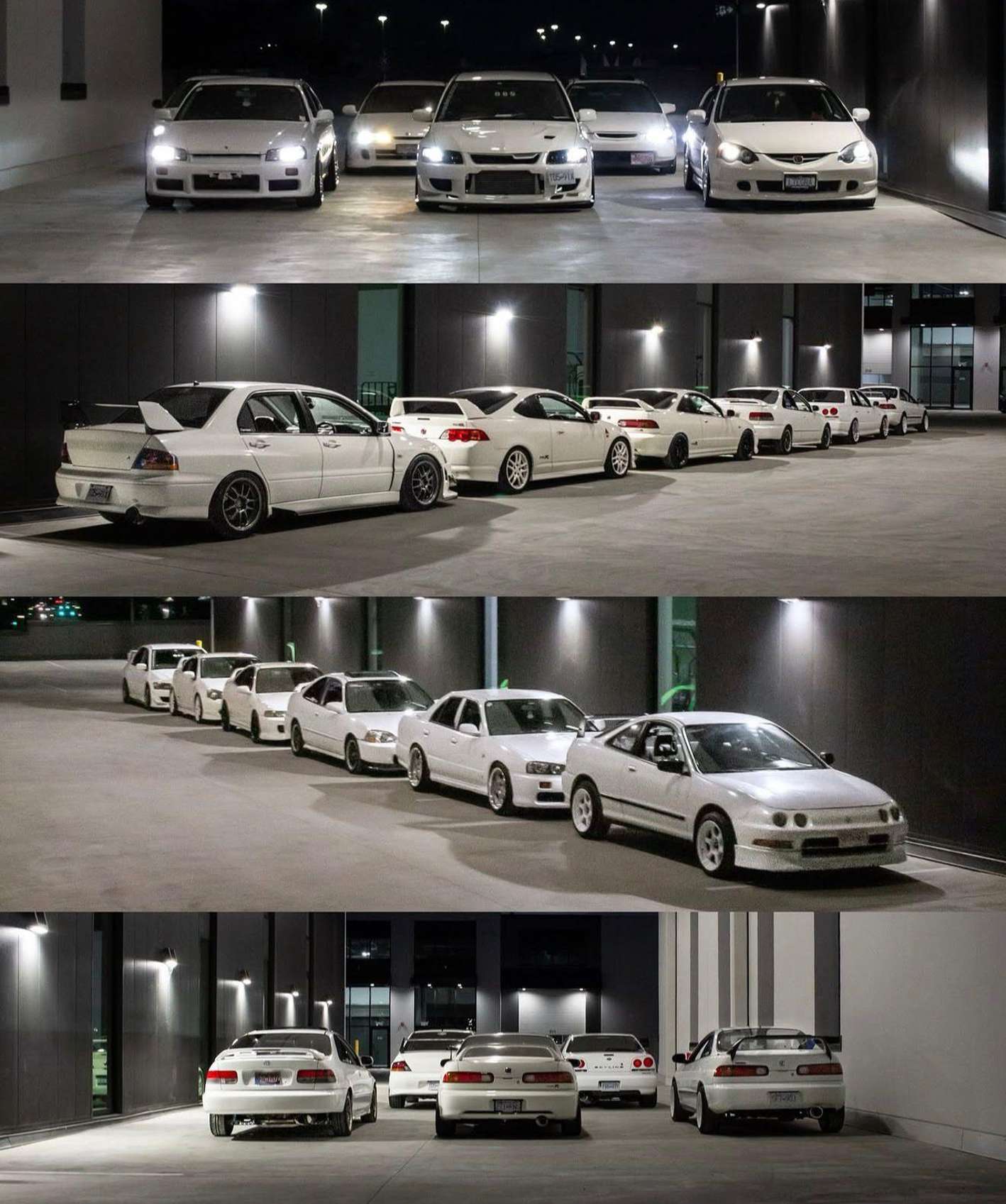
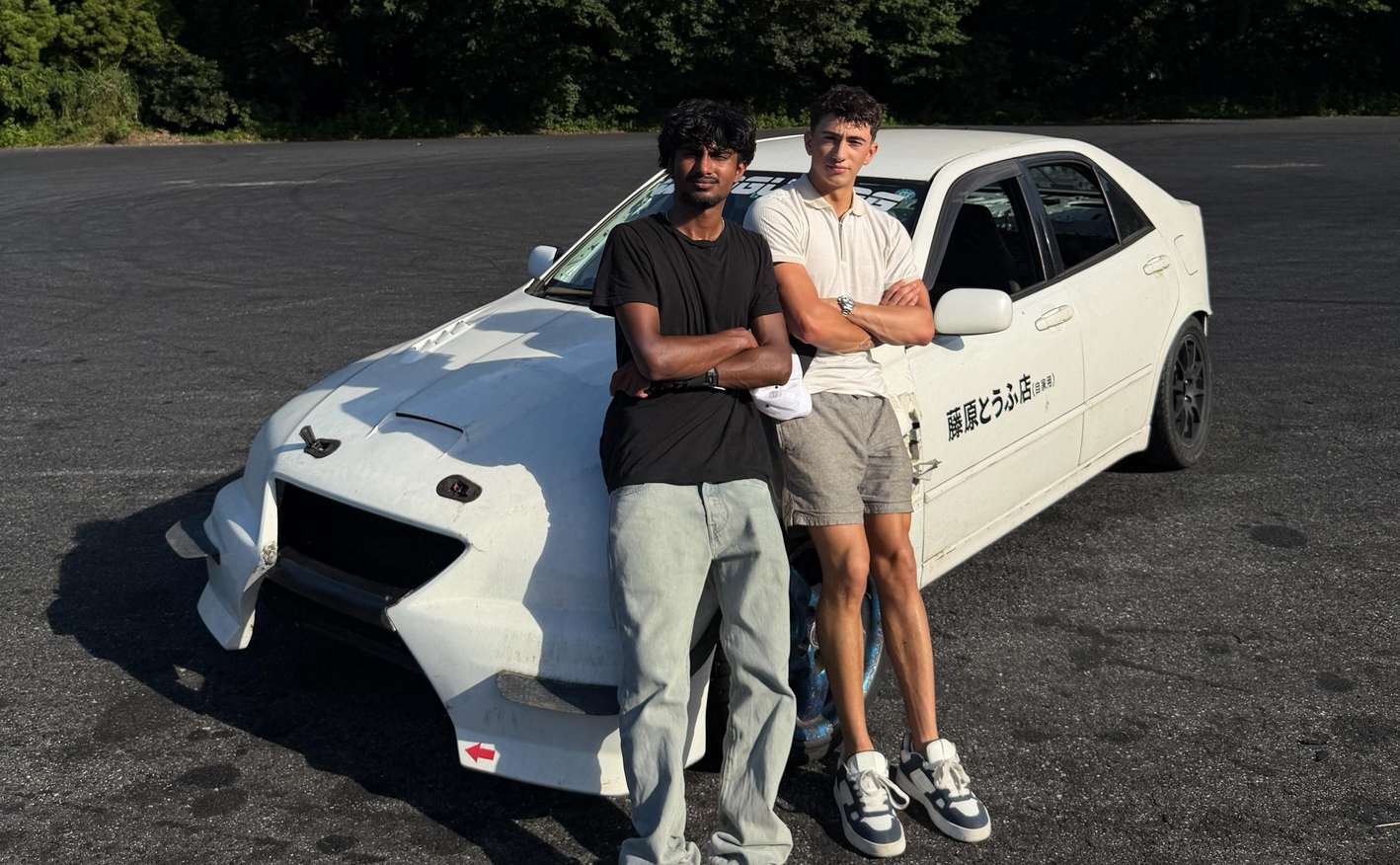
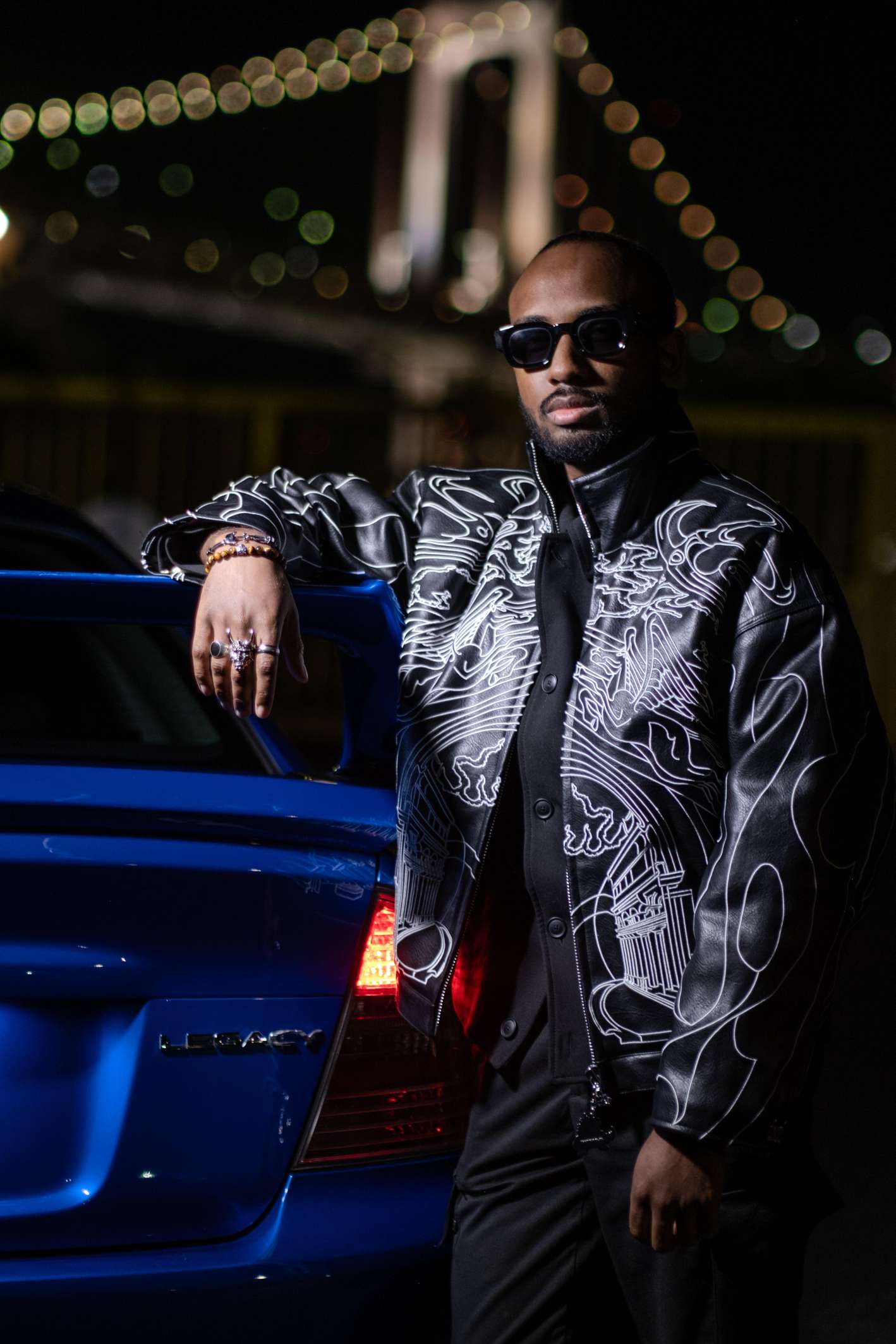
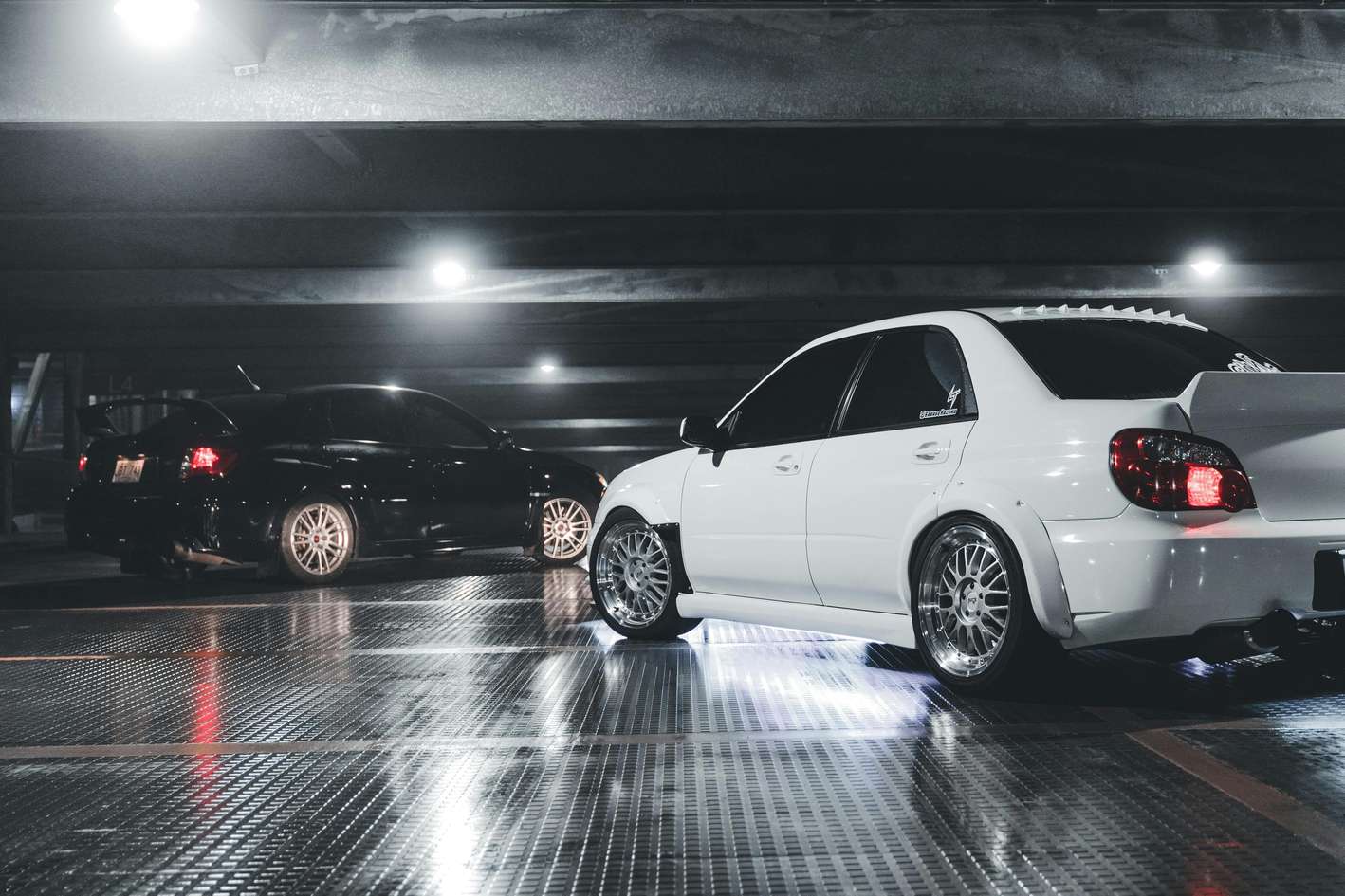
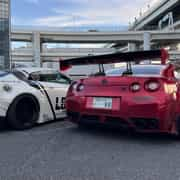
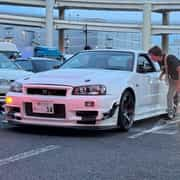
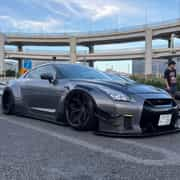
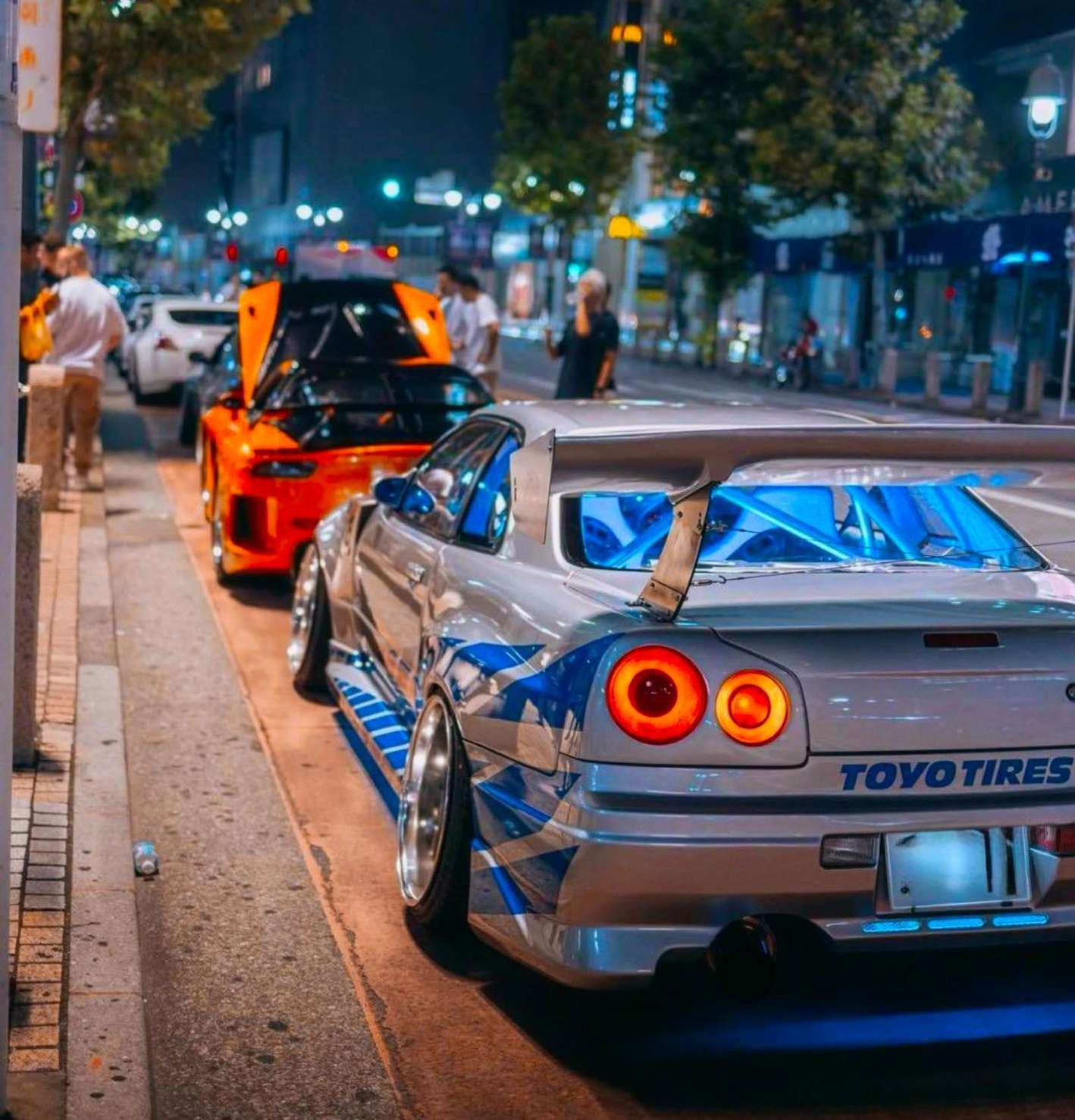
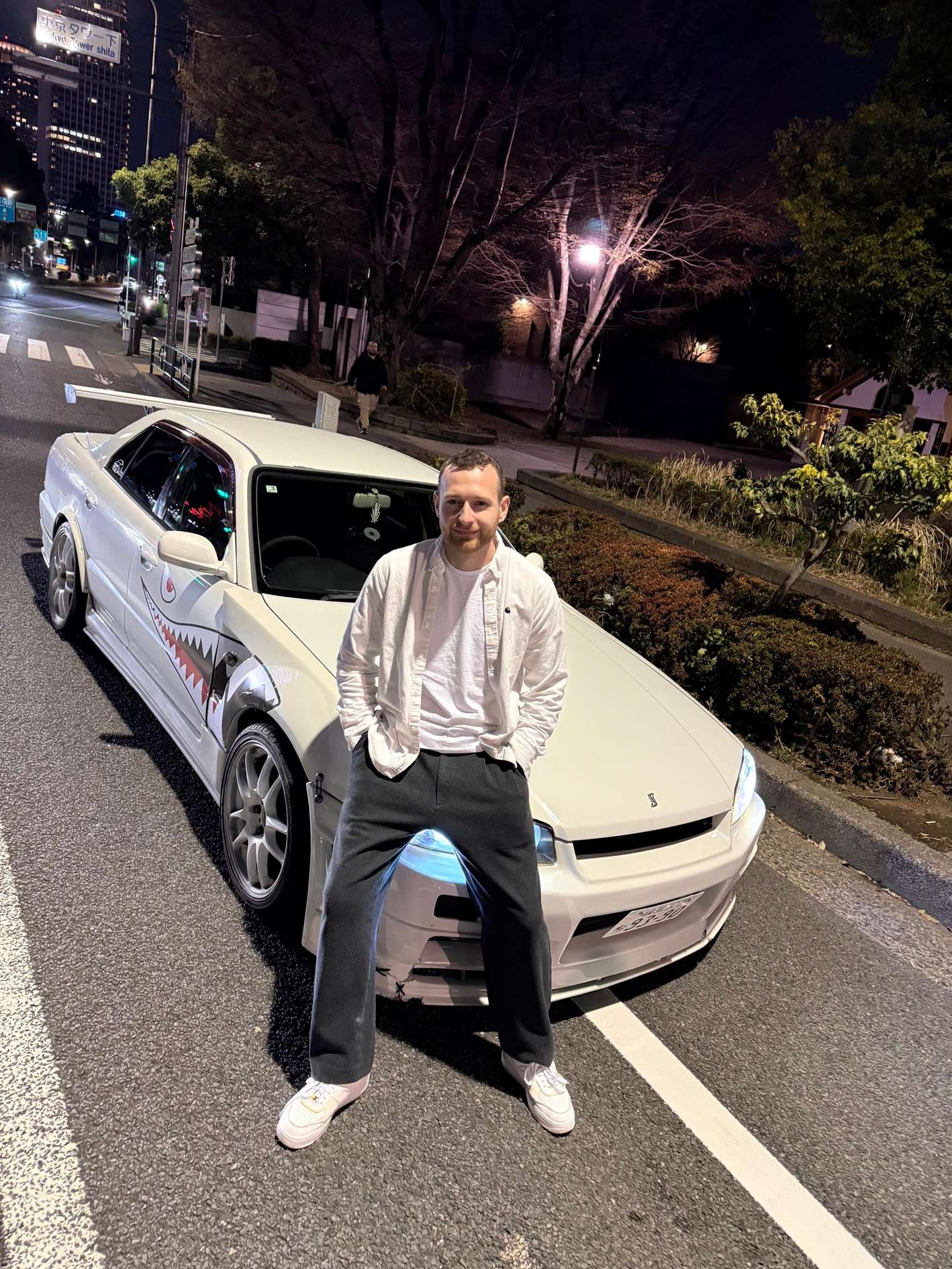
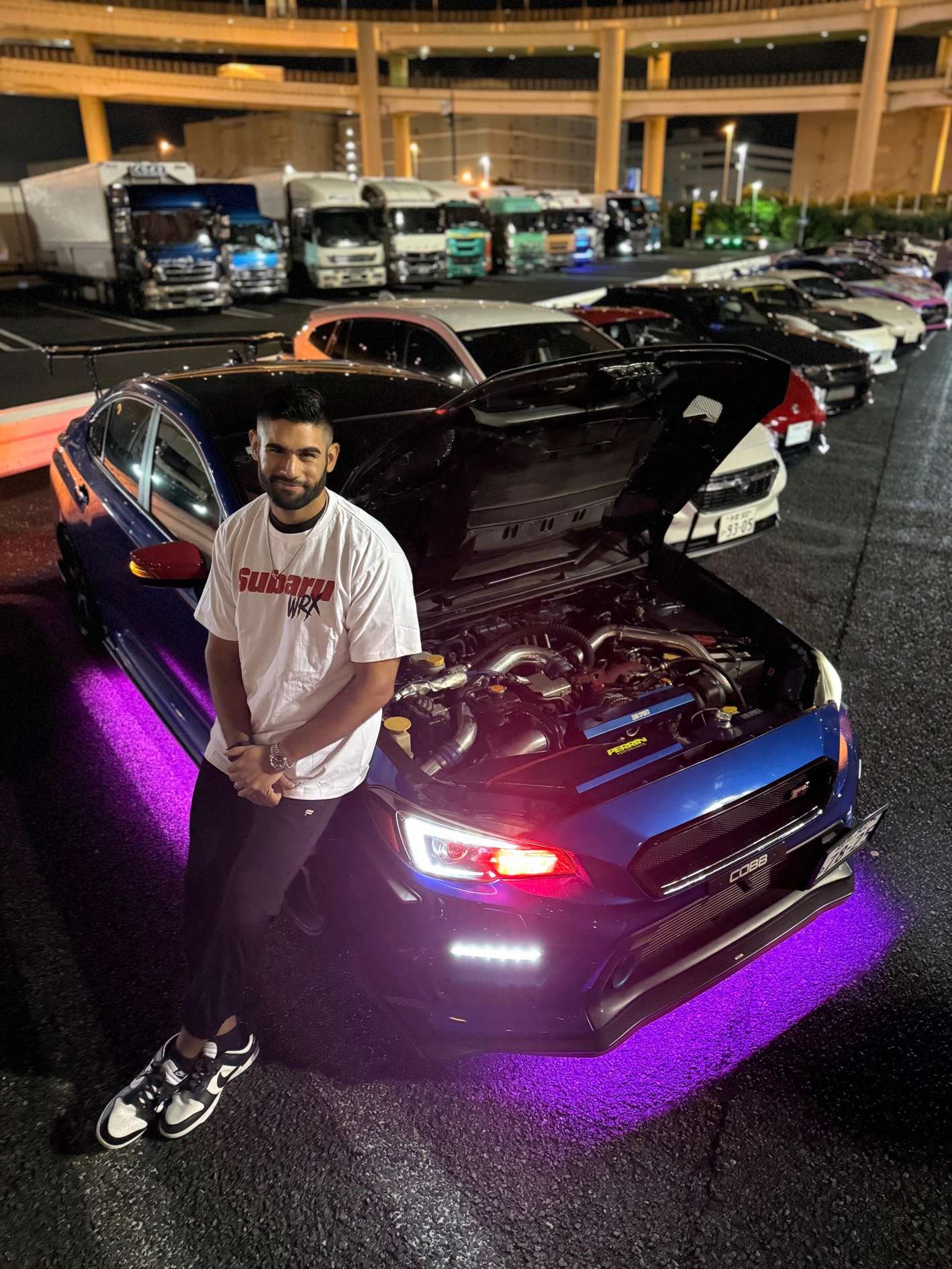
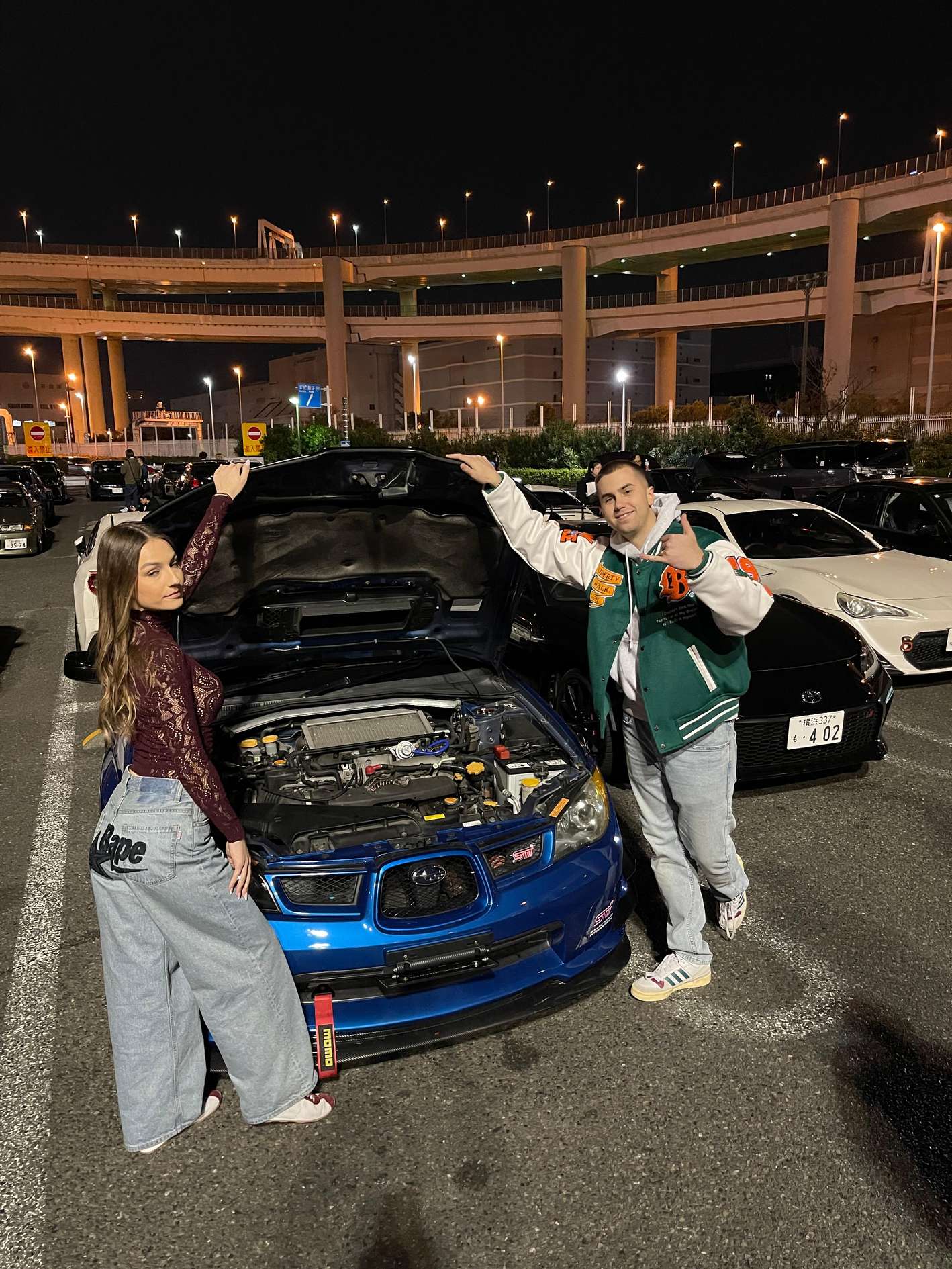
Tokyo Car Meets Most Famous JDM and Japanese Street Meets
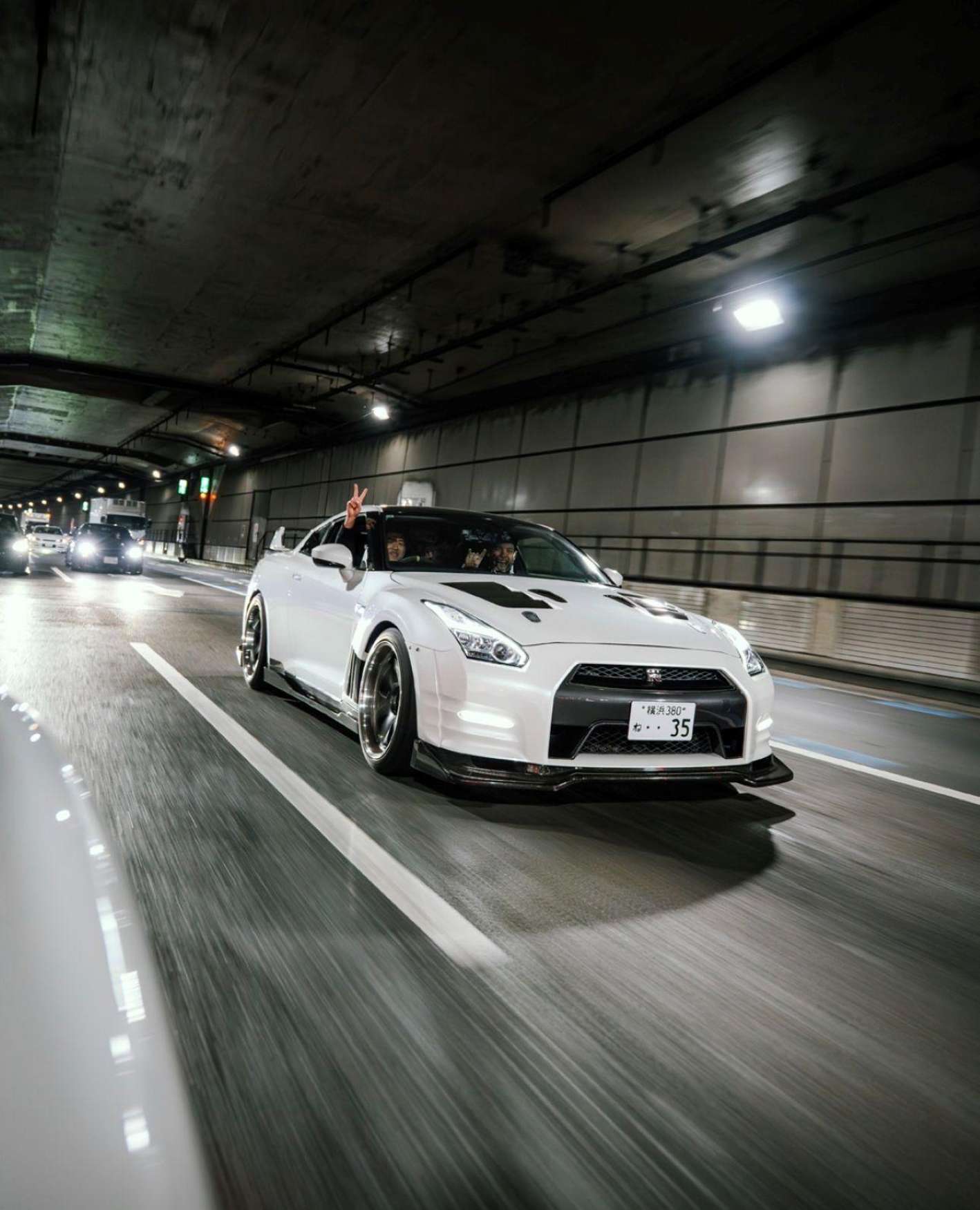
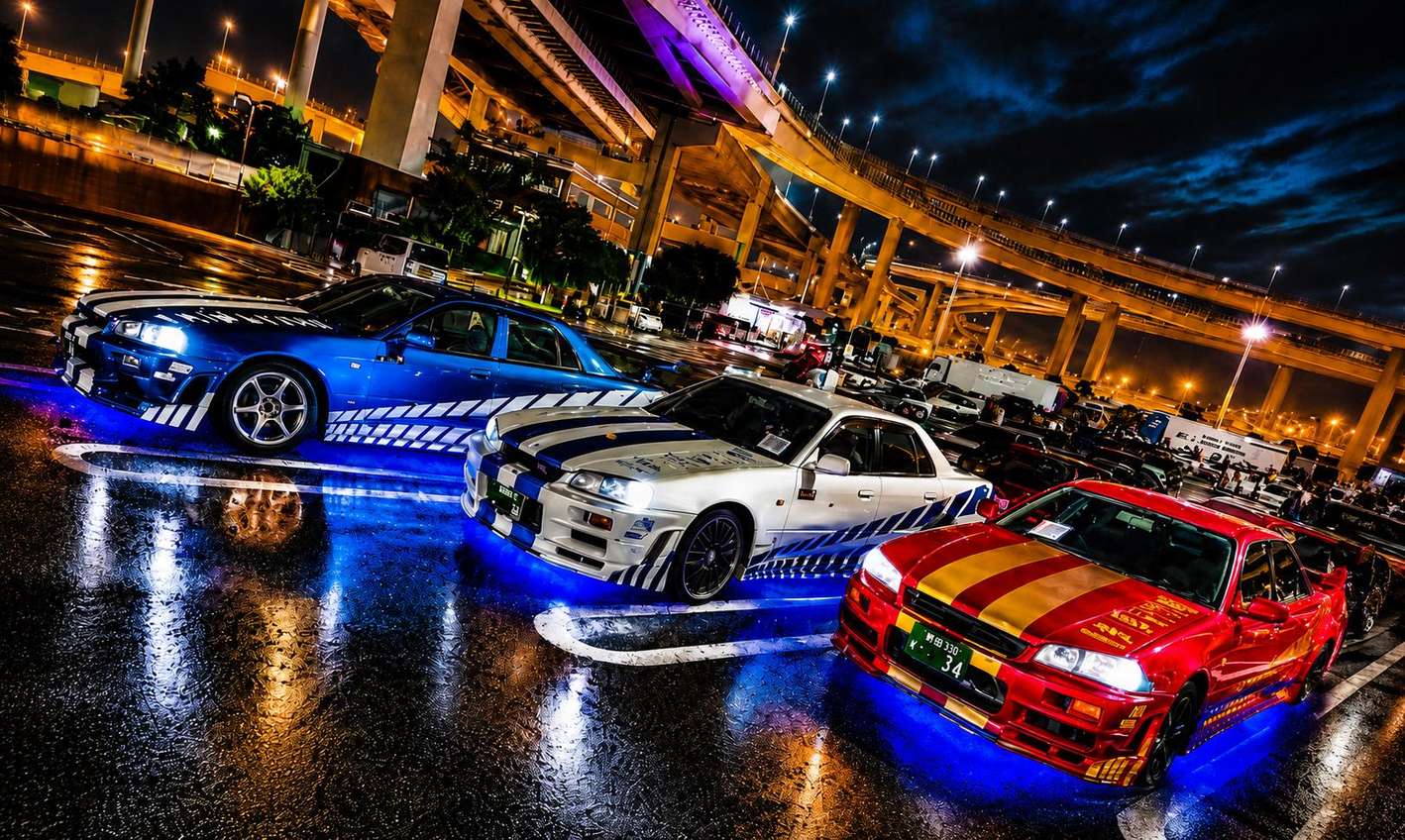
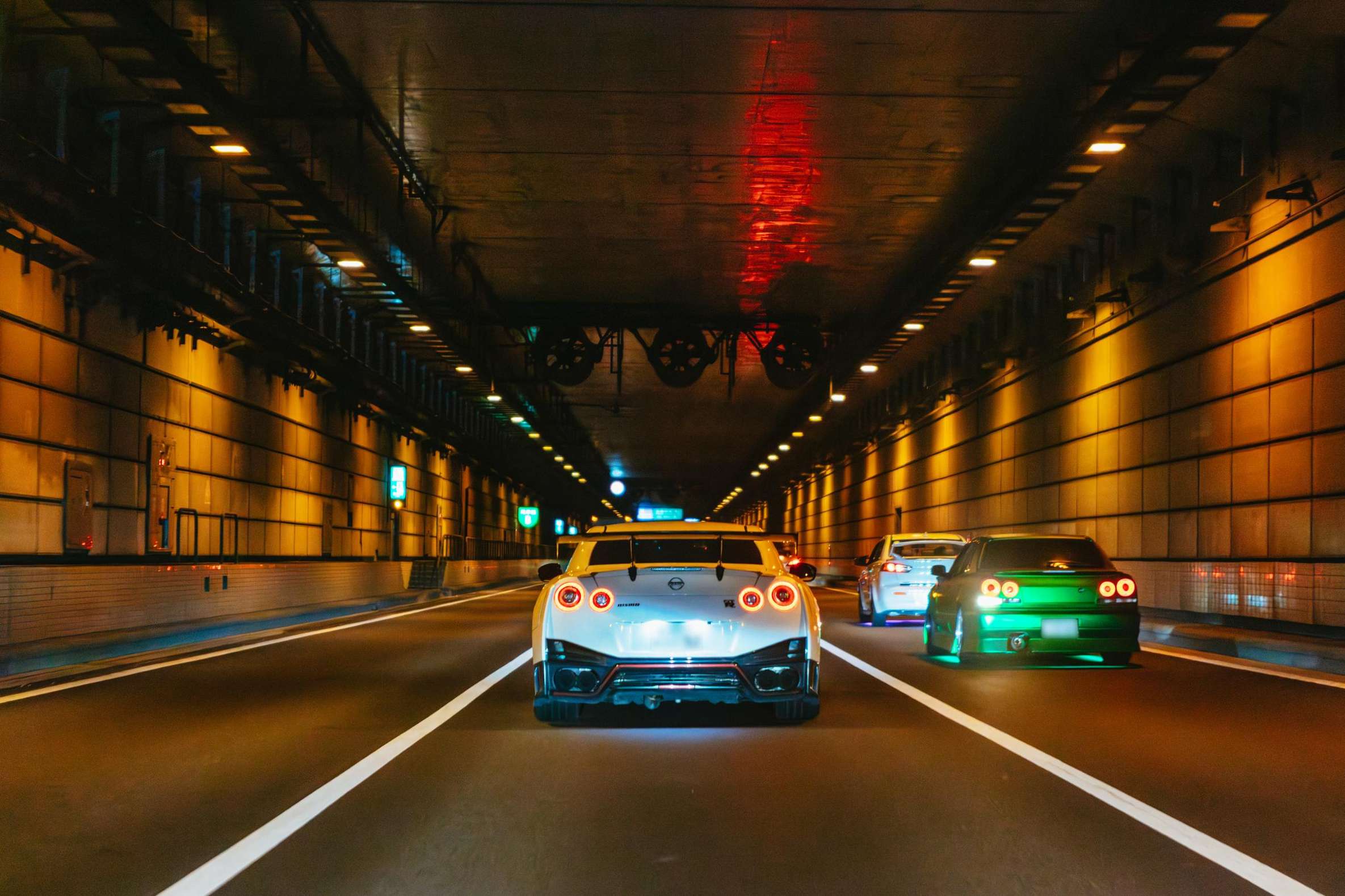
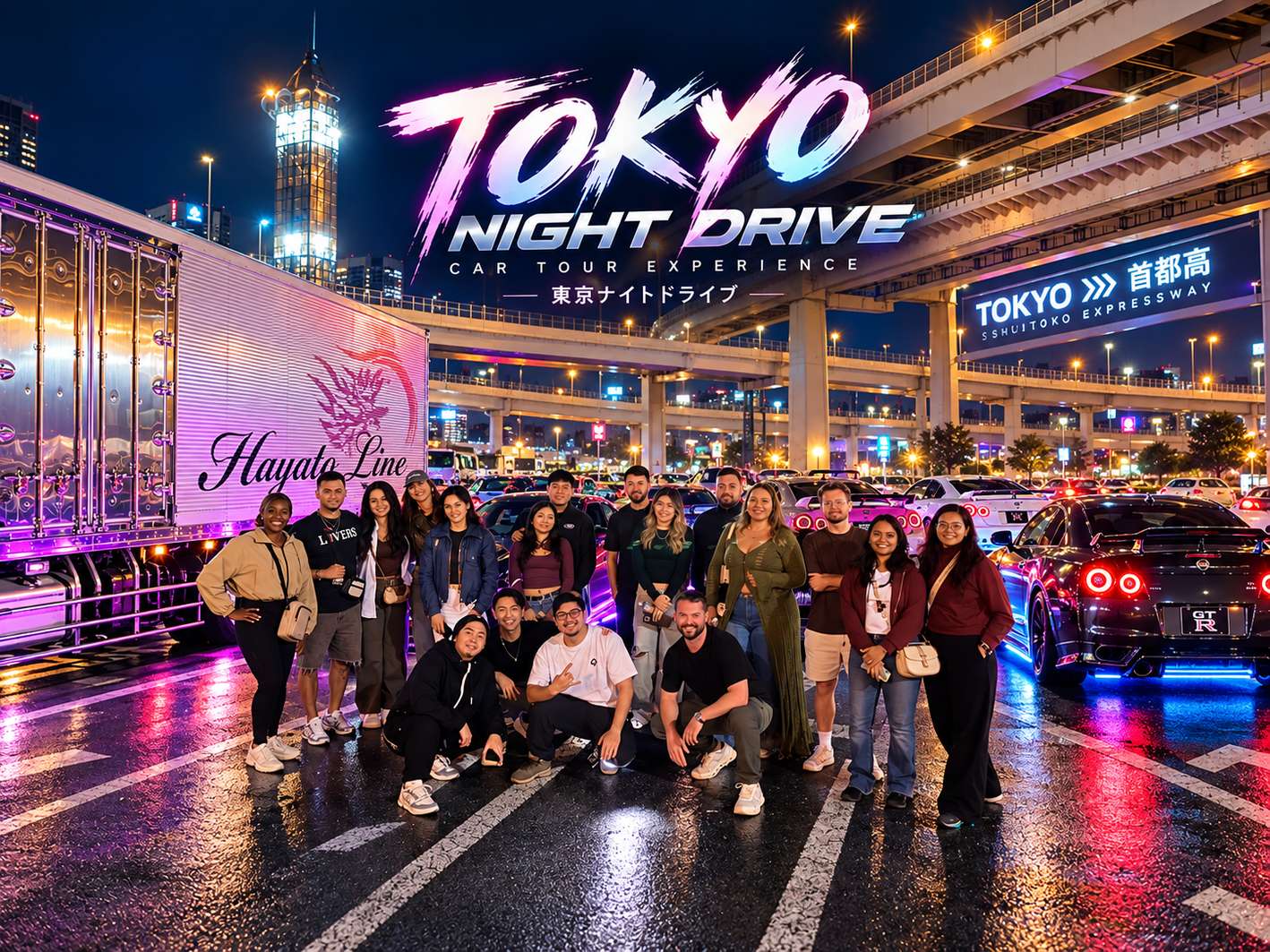
Pick a date, book ahead, and ride shotgun into Tokyo's most famous car meet. Join 6,369 travelers rated 4.8 who cruised the Wangan in a modified Skyline or EVO with an enthusiast driver, walked Daikoku PA at night, and got dropped at their hotel.
"Amazing activity for car lovers and adrenaline fans, totally recommended. Big shoutout to our driver Oliveira for his friendliness, charisma and good vibes the whole ride."
4.9★average rating17,418traveler reviews100%free cancellation82countries travelers came from
Which Tokyo car meet night is yours? A first-timer's shortcut
Every Tokyo car meet falls into one of two shapes: a guided ride-along in a modified JDM car, or a relaxed private cruise in something comfortable. The main fork is how close you want to sit to the machines and how much of the night you leave unplanned.
No walking inDaikoku PA has no pedestrian access, no bus stop and no way in by train, so you need a car or a tour.
Getting backTaxis cannot pick up passengers inside the parking area and rideshare apps find no drivers there, so arrange your return before you arrive.
Police closuresMeets are informal and police clear Daikoku PA on busy weekend nights when noise and crowds build up, sometimes as early as 7:30 pm.
PassengersYou do not need an International Driving Permit or any licence on a chauffeured ride-along; only self-drive tours check your documents.
WeatherMeets run rain or shine because no organizer can cancel them, but heavy rain thins the turnout of rare and show cars.
EtiquetteAsk before photographing a car's interior or its owner, never touch or lean on a vehicle, and follow police instructions without argument.
No driftingStreet drifting is illegal in Japan, so meets mean static displays, engine idle and highway cruising at legal speeds.
Quiet on siteExcessive revving is what triggers police closures, so keep noise down and buy a coffee from the rest-stop shop while you are there.
What to wearComfortable shoes for standing on concrete, and a warm layer at night, since winter winds off the bay push conditions close to freezing.
Which Tokyo car meet tour fits your night?
Answer a few quick questions and the page lines up the ride that matches your night.
1Who's coming?
2What's your budget?
3What kind of trip?
4What do you want to see?
Your best match
match
Tokyo: Fast & Furious Tokyo Drift III Experience★ 4.8 (6,369) · 3 - 4 hours · Classic passenger cruise
Popular with solo travelers. 96% of solo travelers gave it 4 or 5 stars.
Booked 31 times yesterday
A 40-car movie fleet with drop-off anywhere in central Tokyo.
What you see and get on a JDM night out in the city
6 stopsabout 2 h12 places
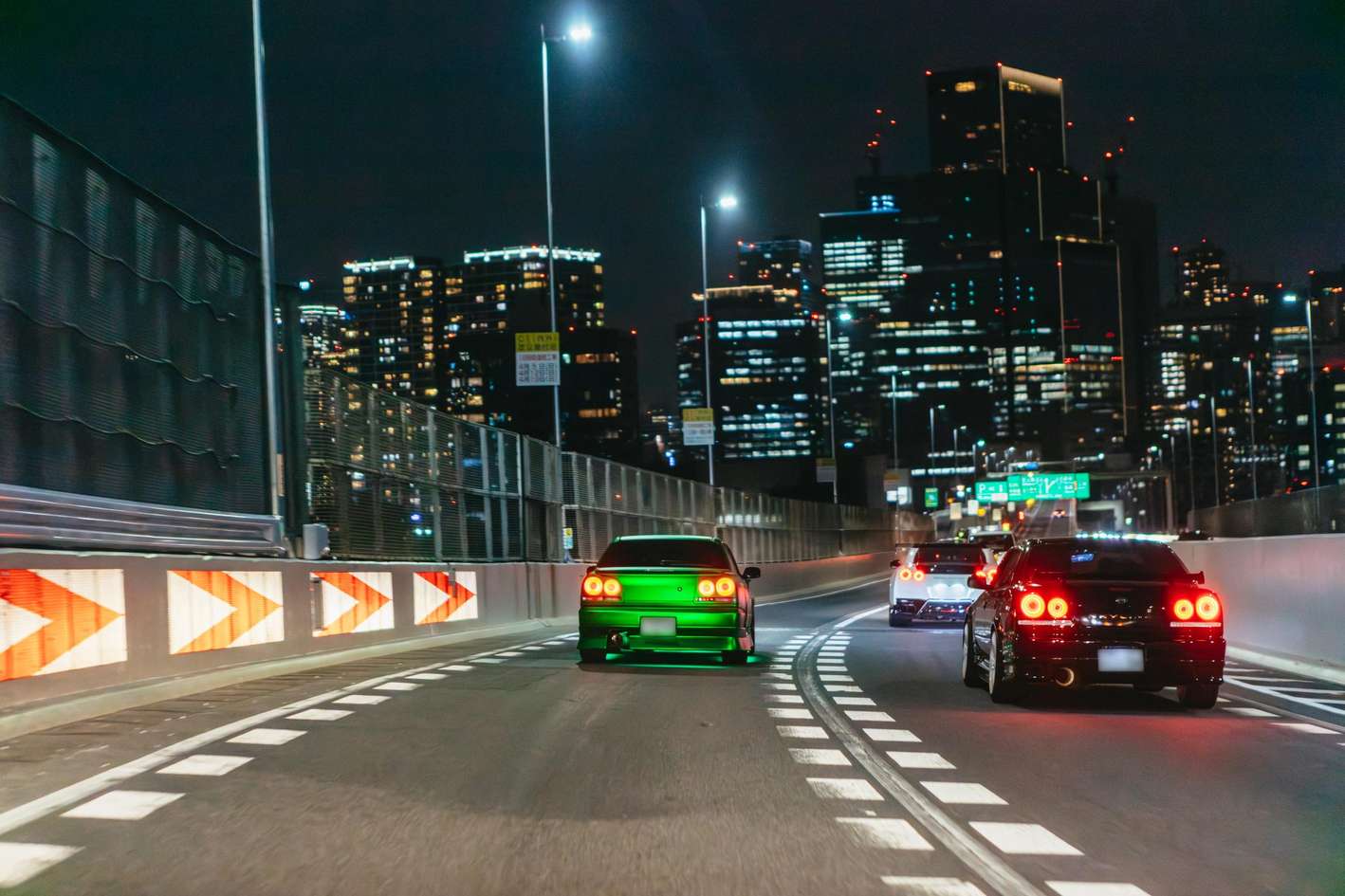
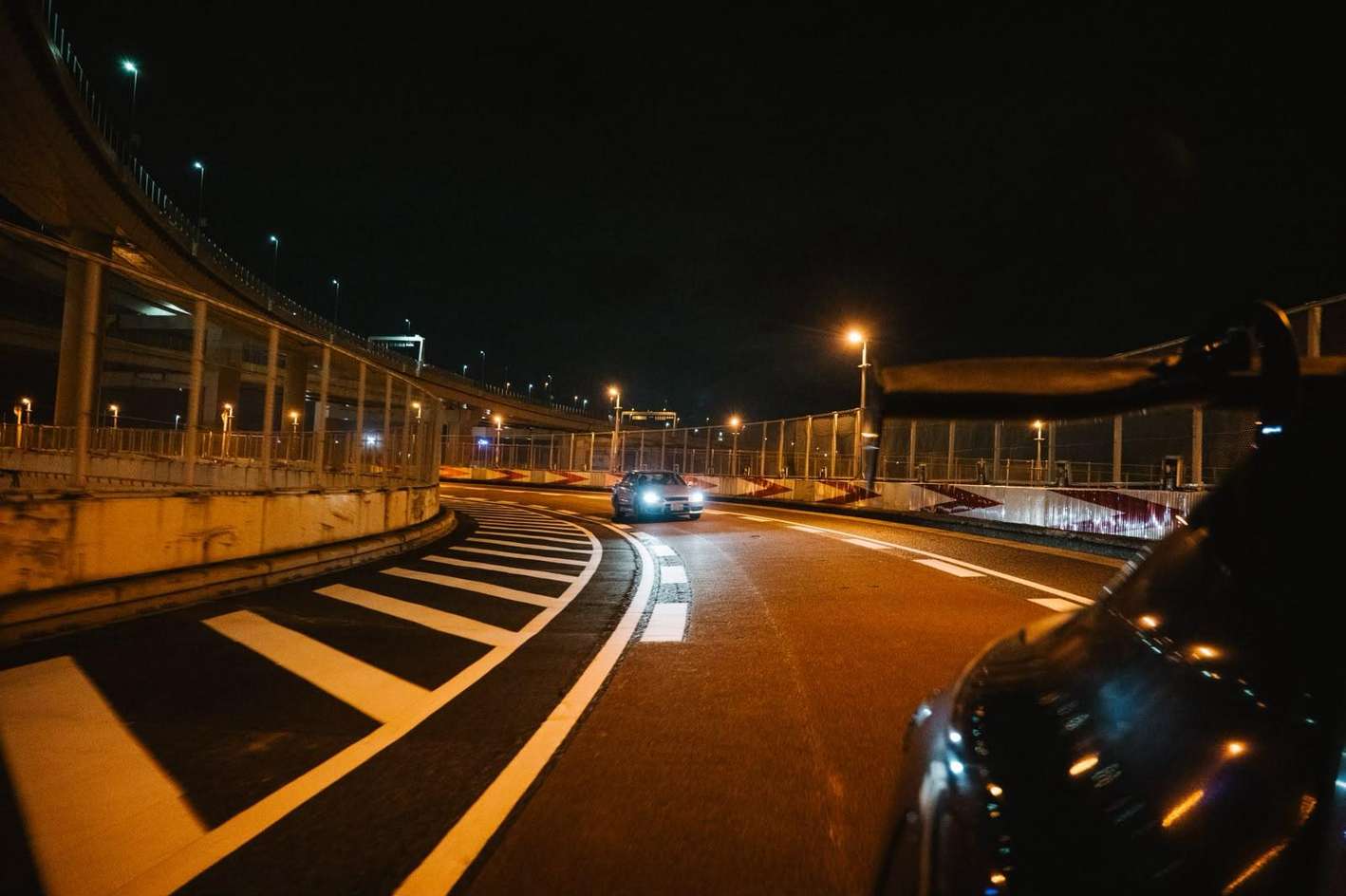
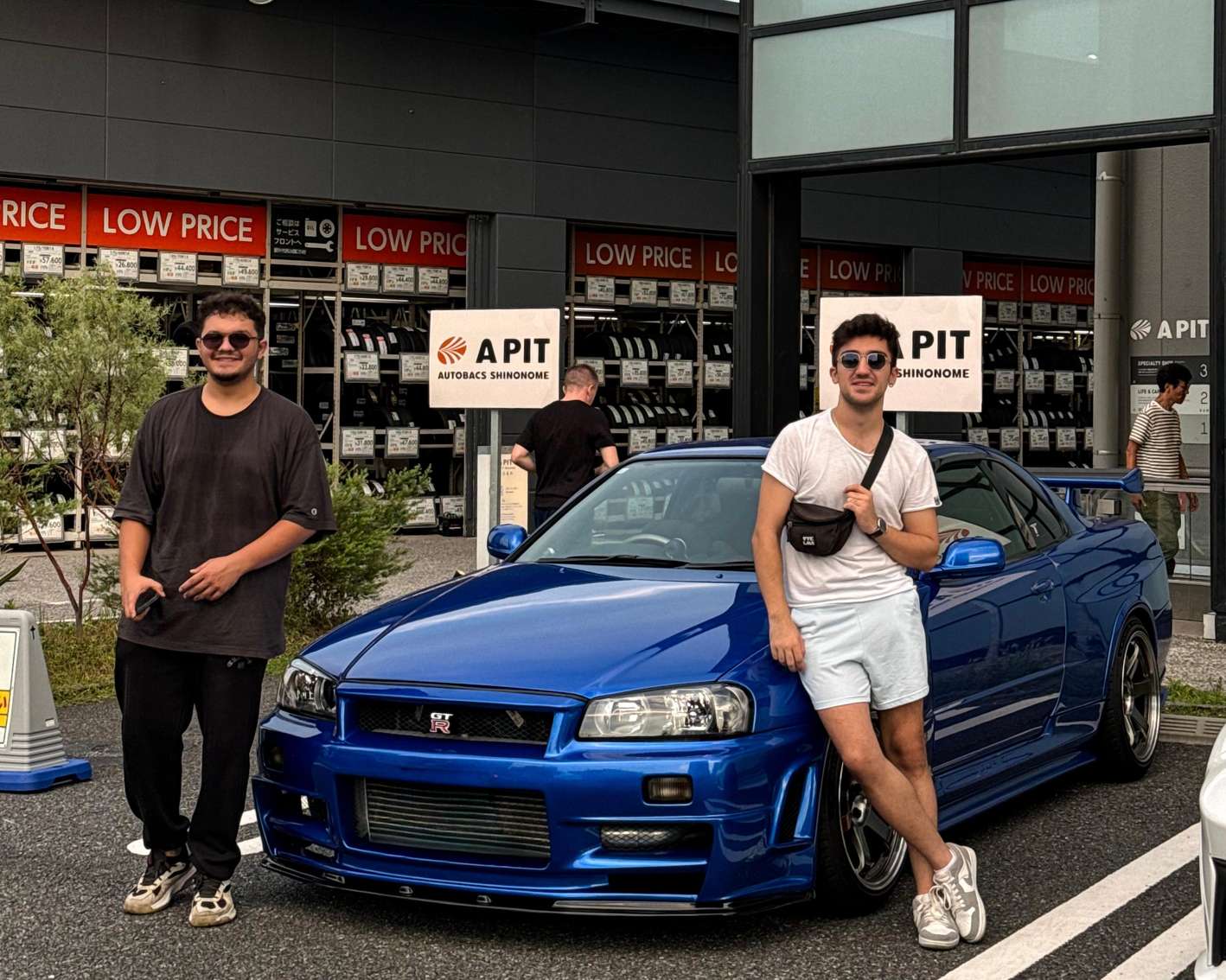
The night starts with a drive across Rainbow Bridge toward Odaiba, then a 30-minute stop at A PIT Autobacs in Shinonome, the largest car-supply shop in Tokyo, for parts, accessories and souvenirs.
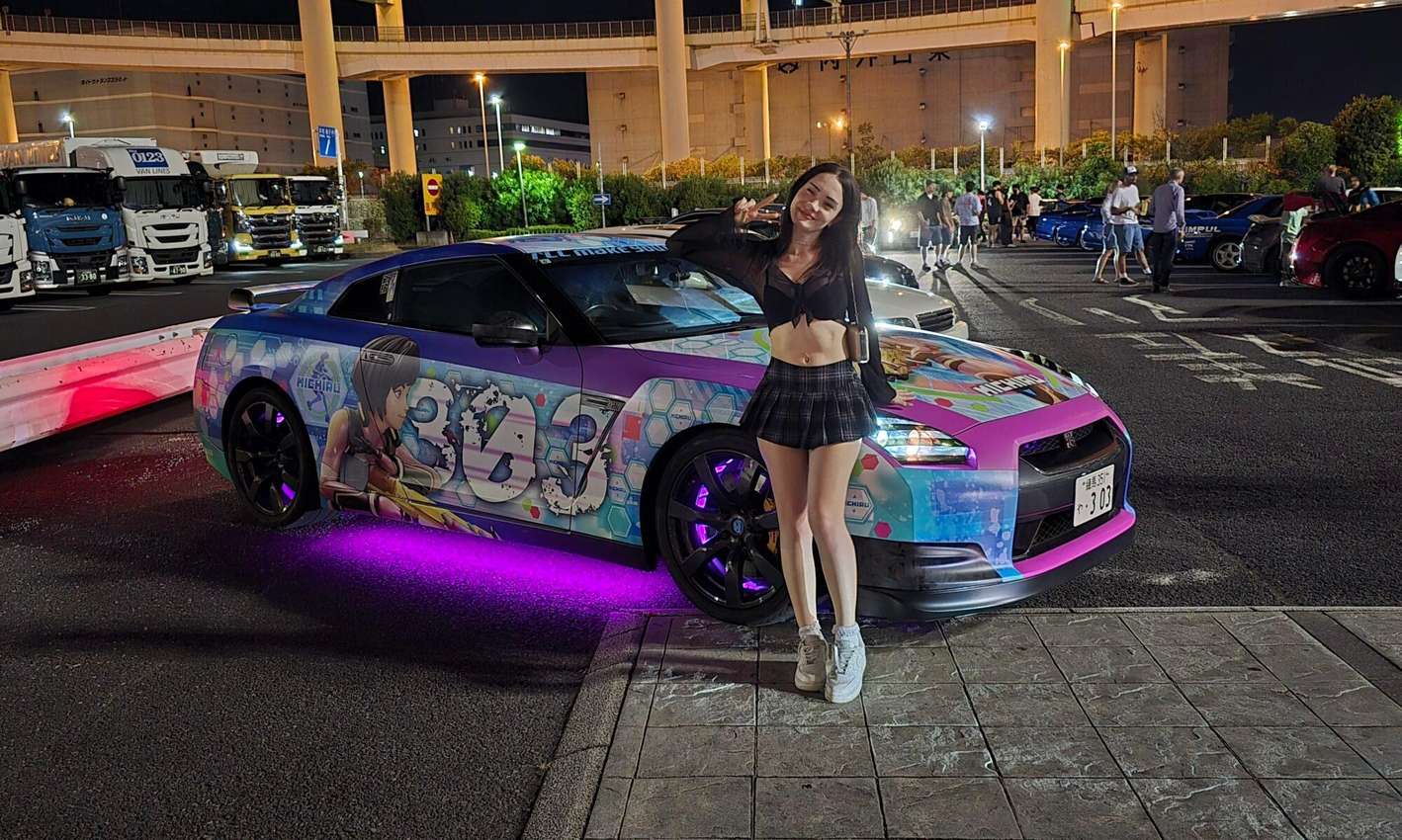
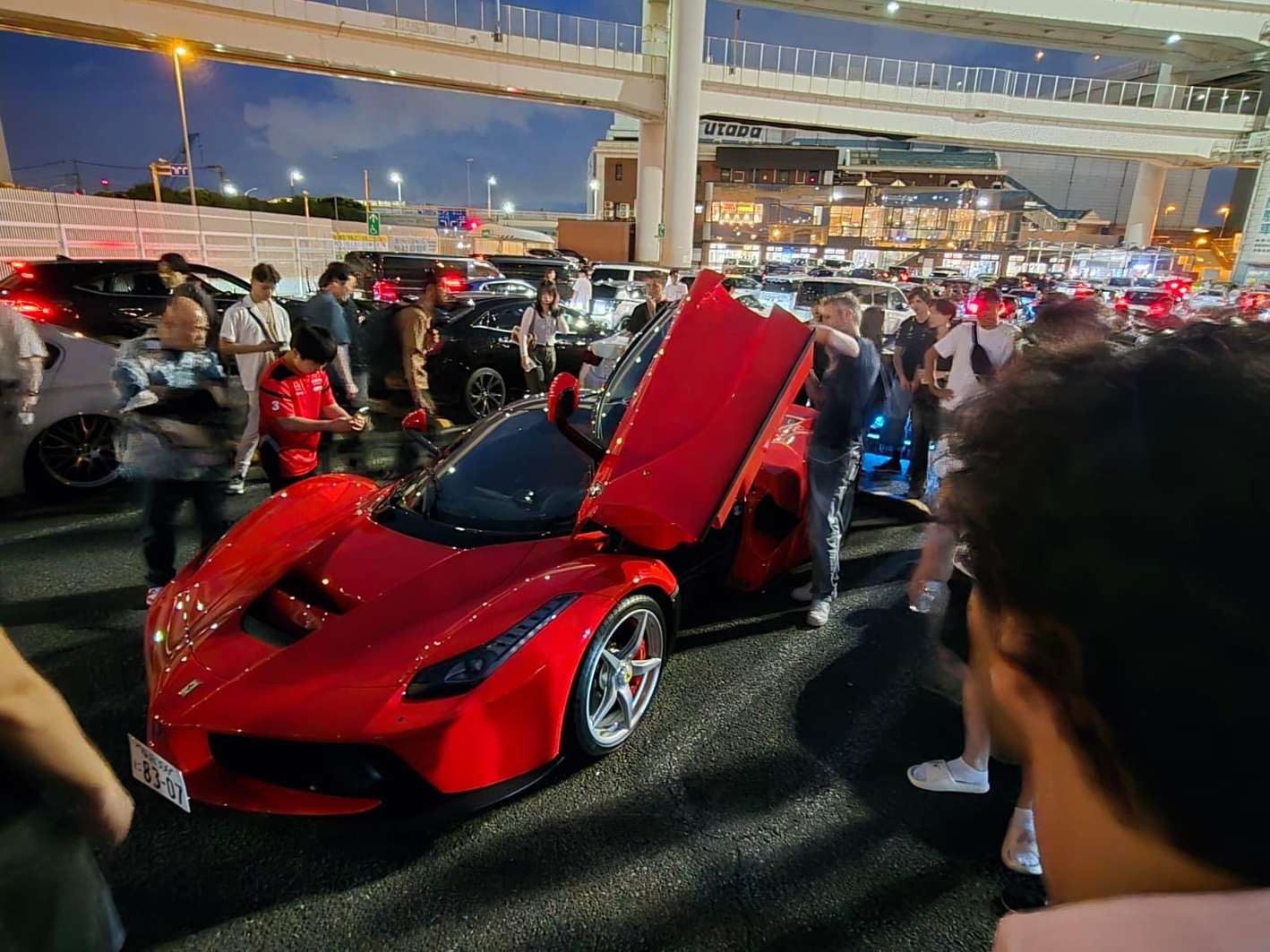
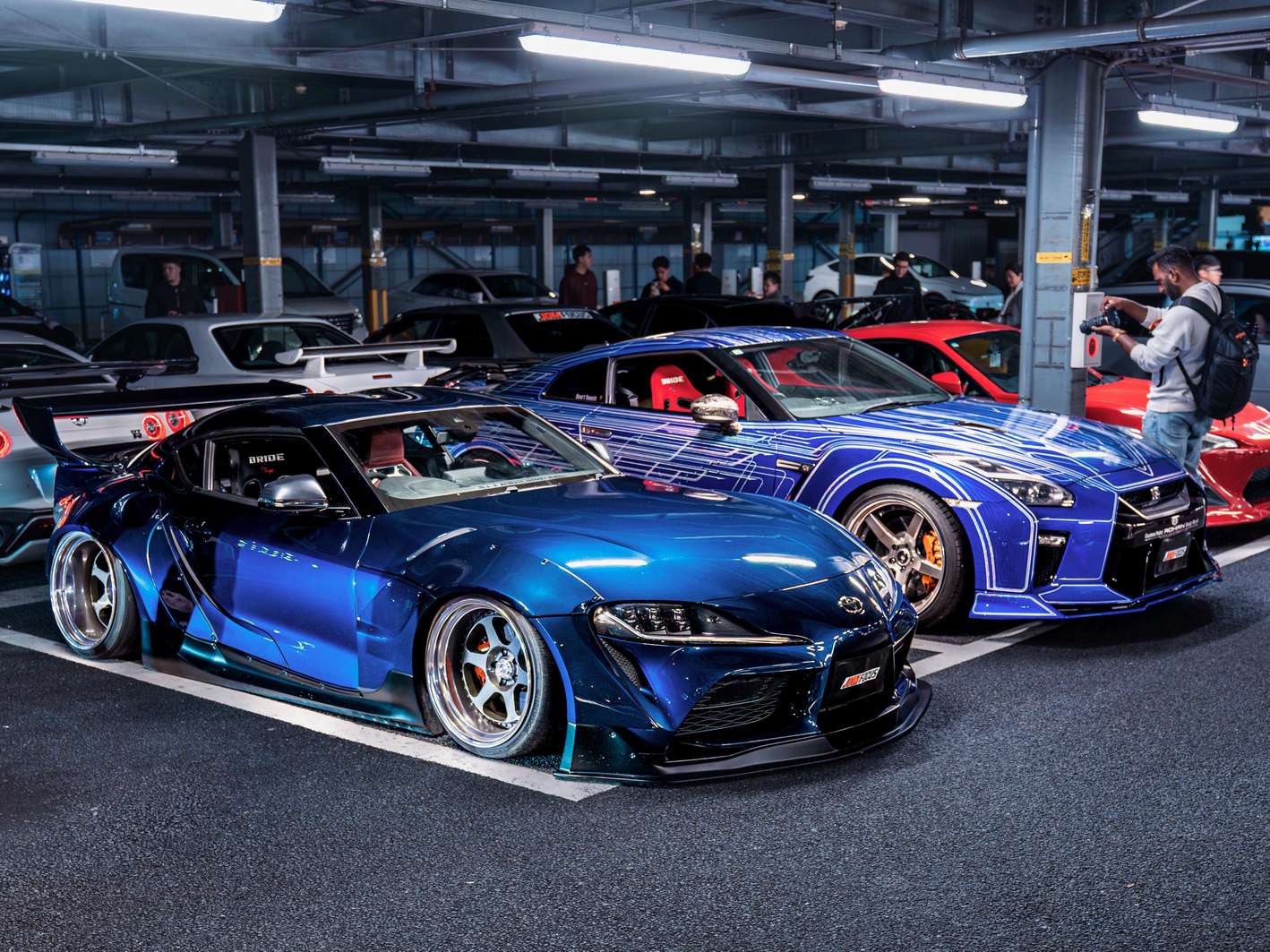
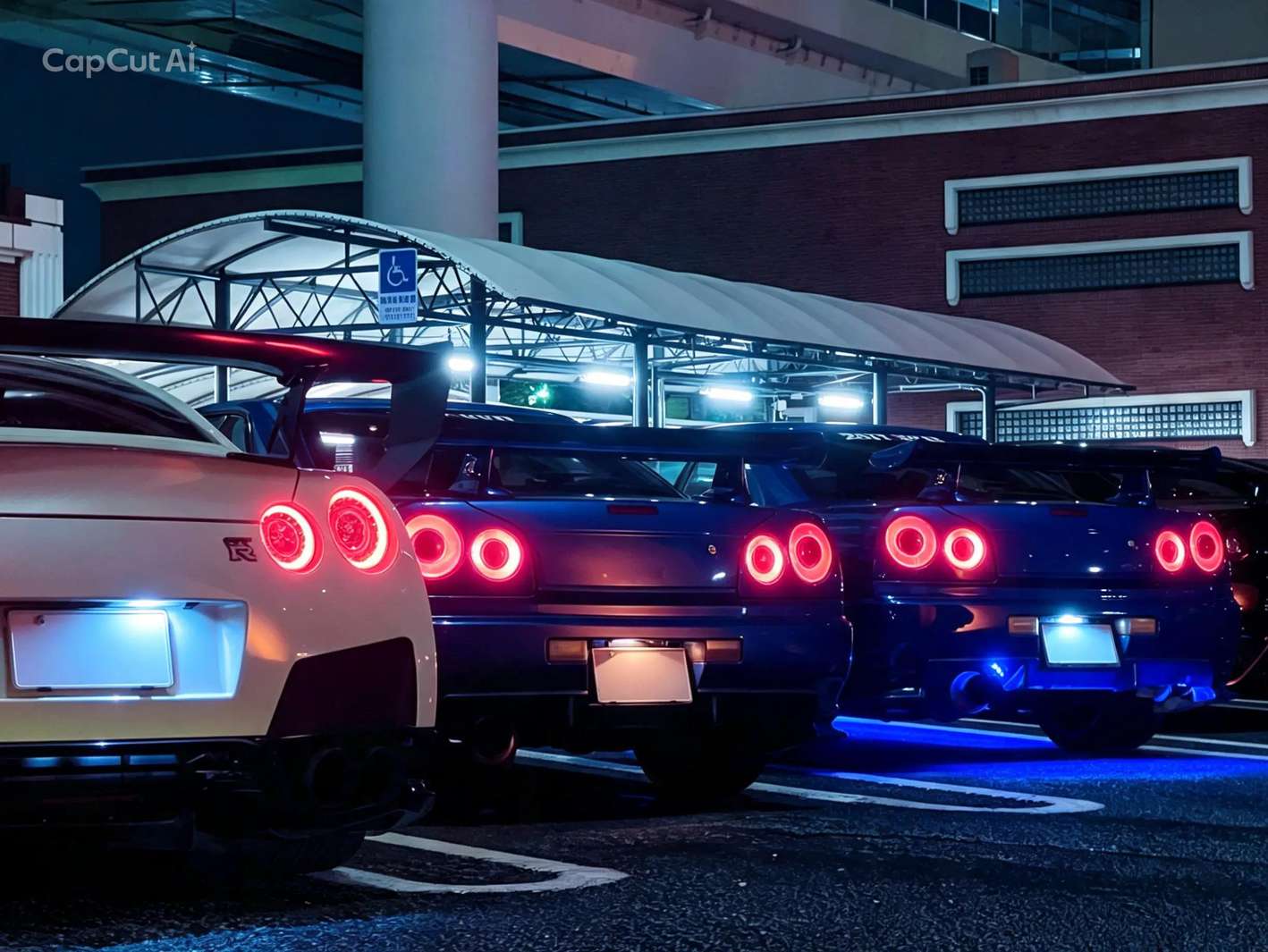
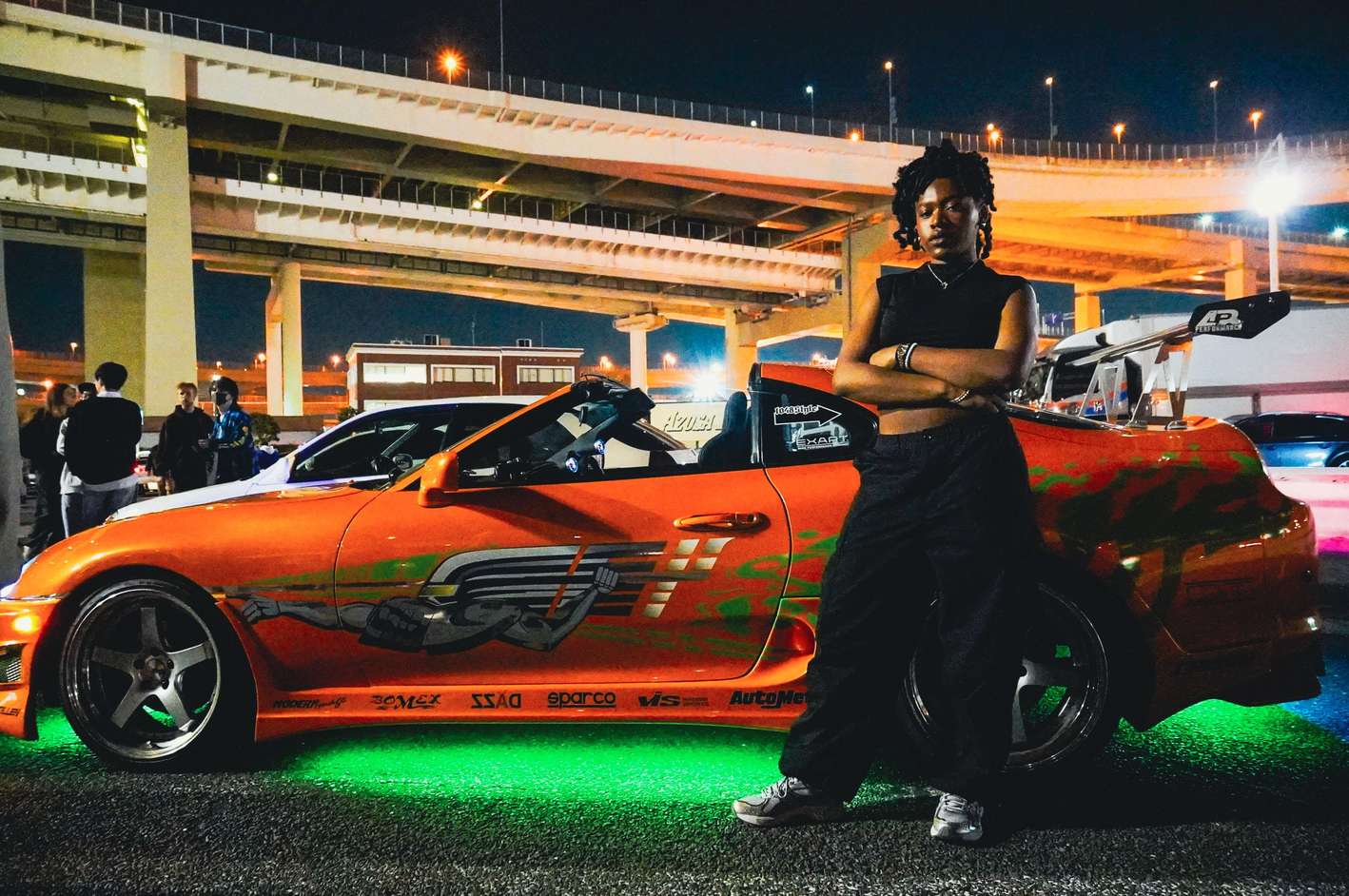
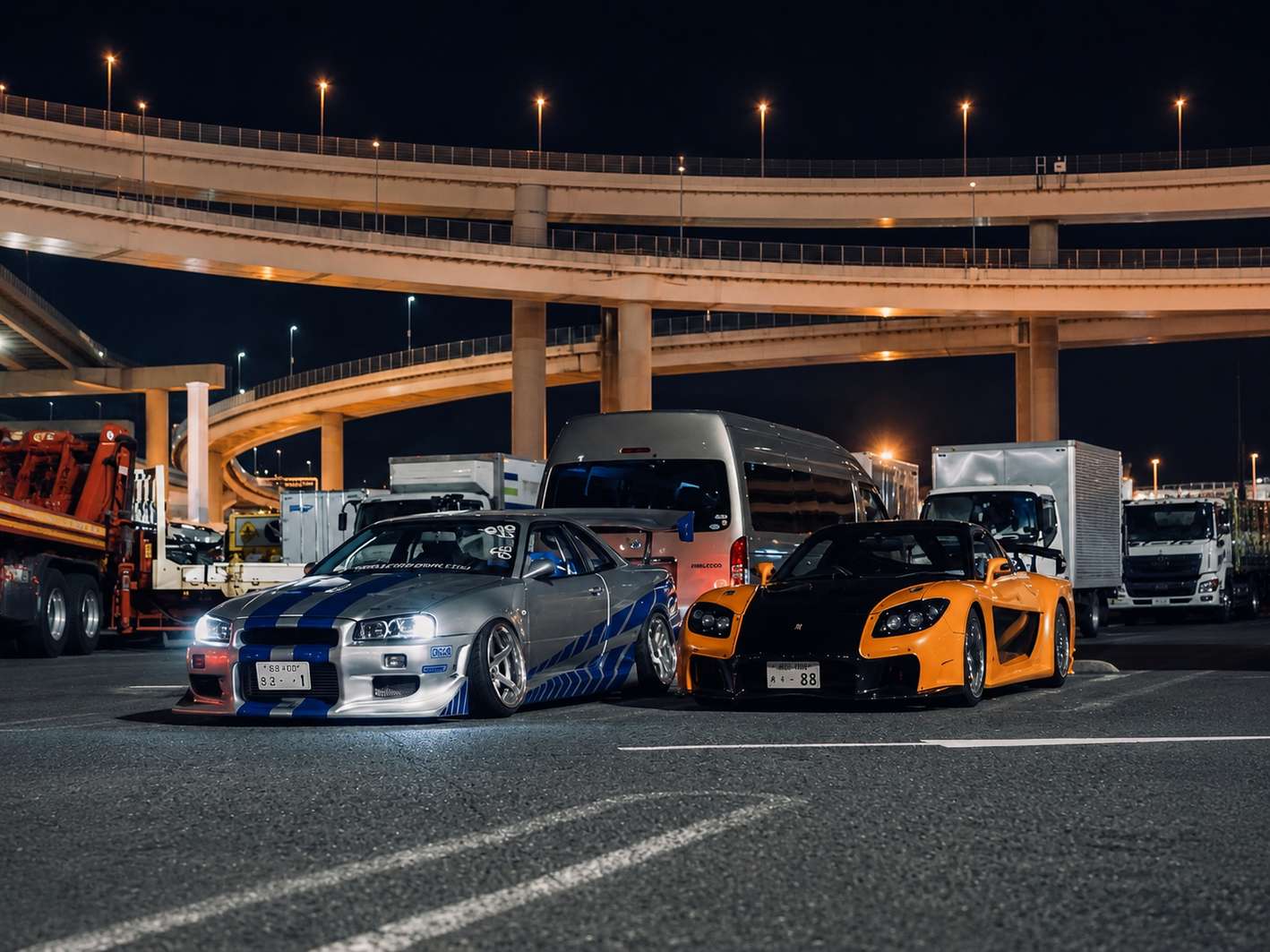
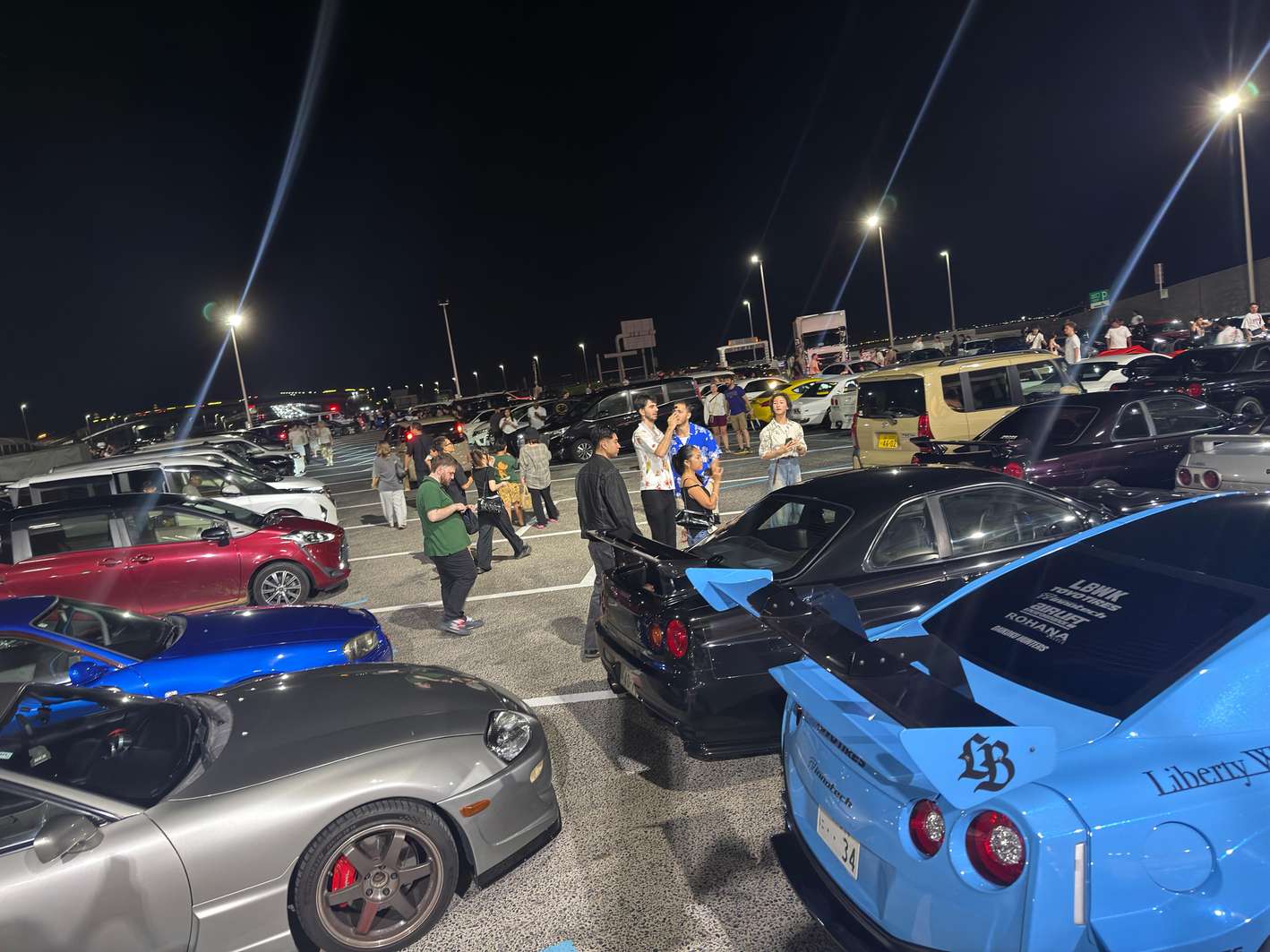
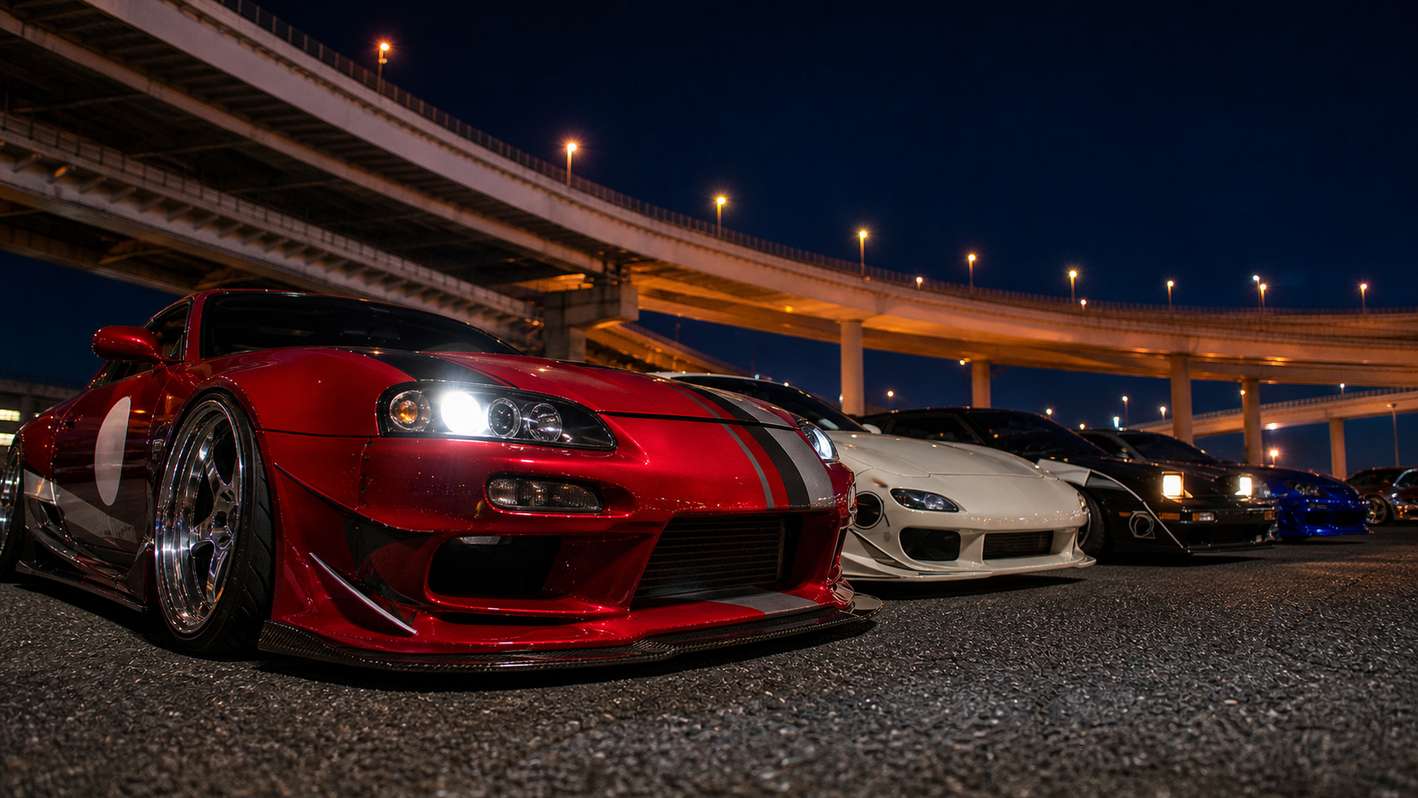
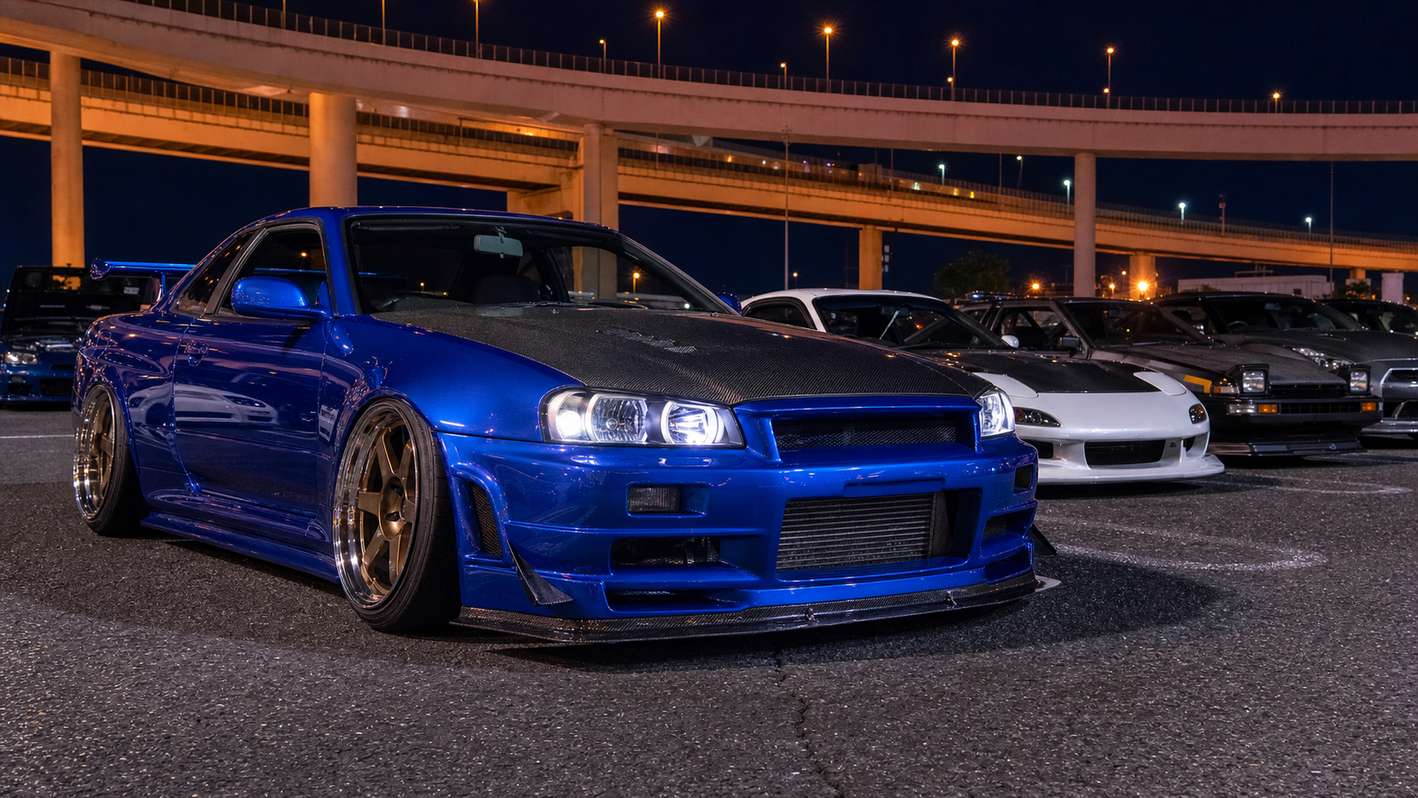
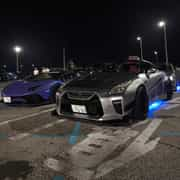
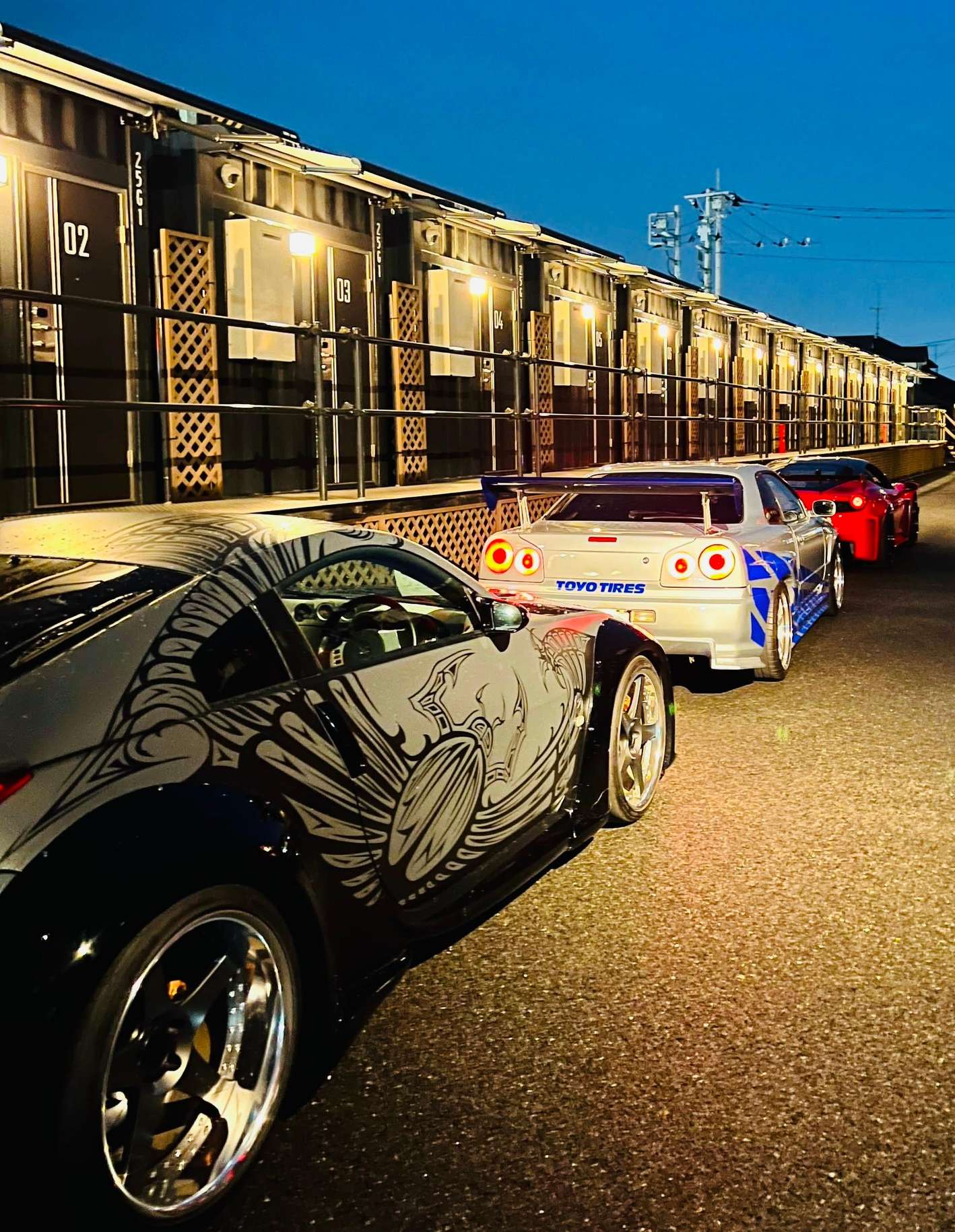
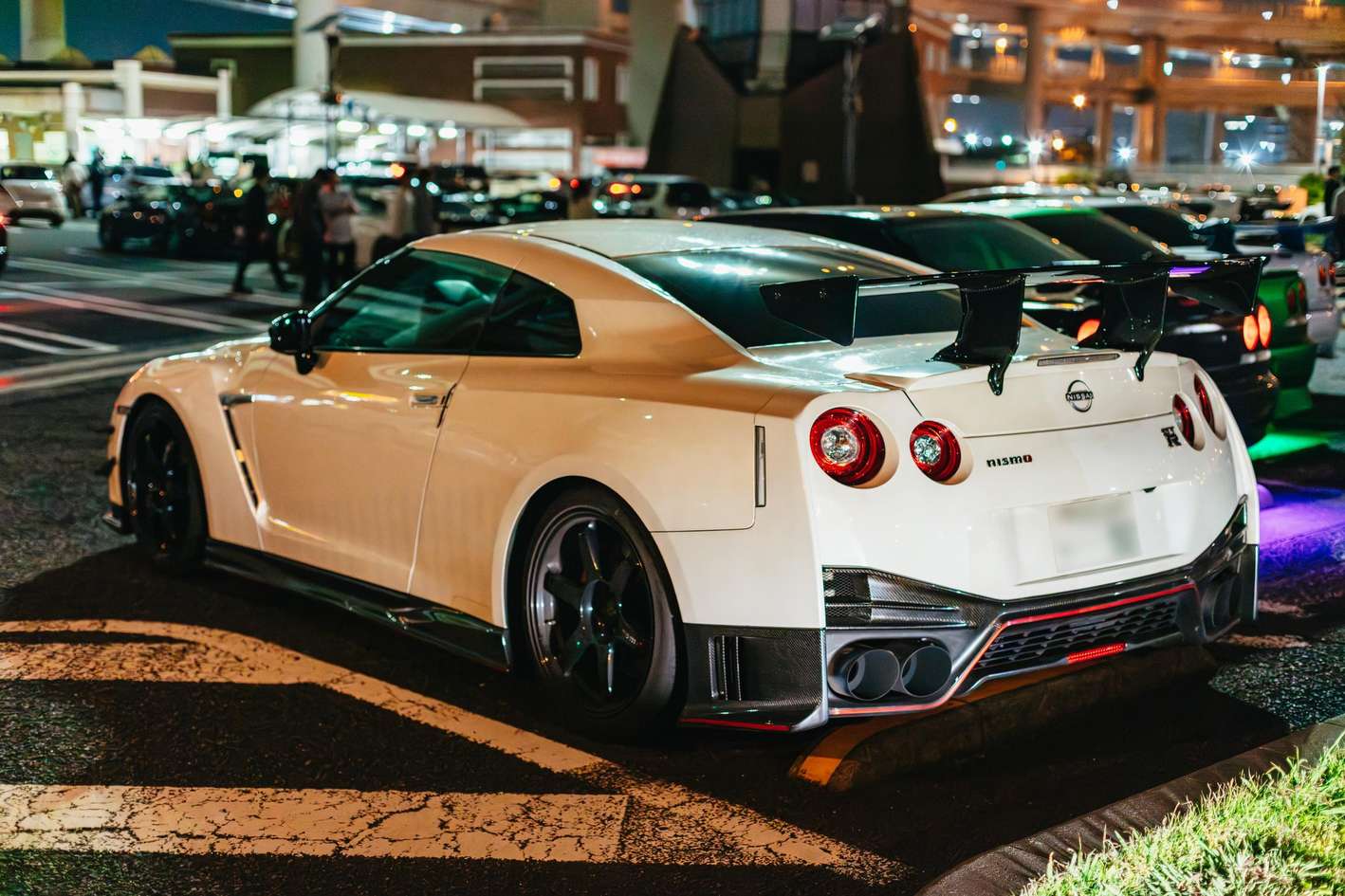
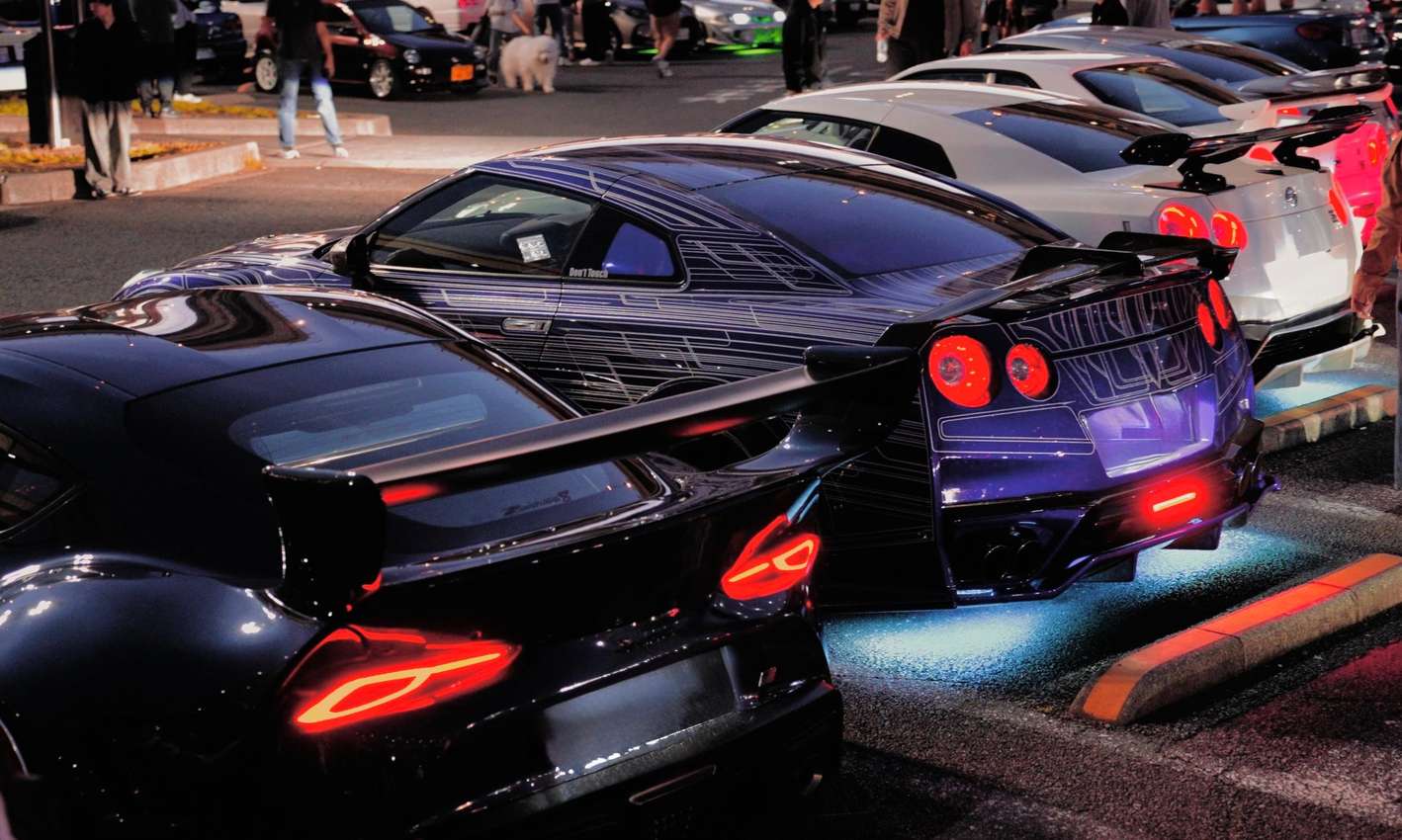
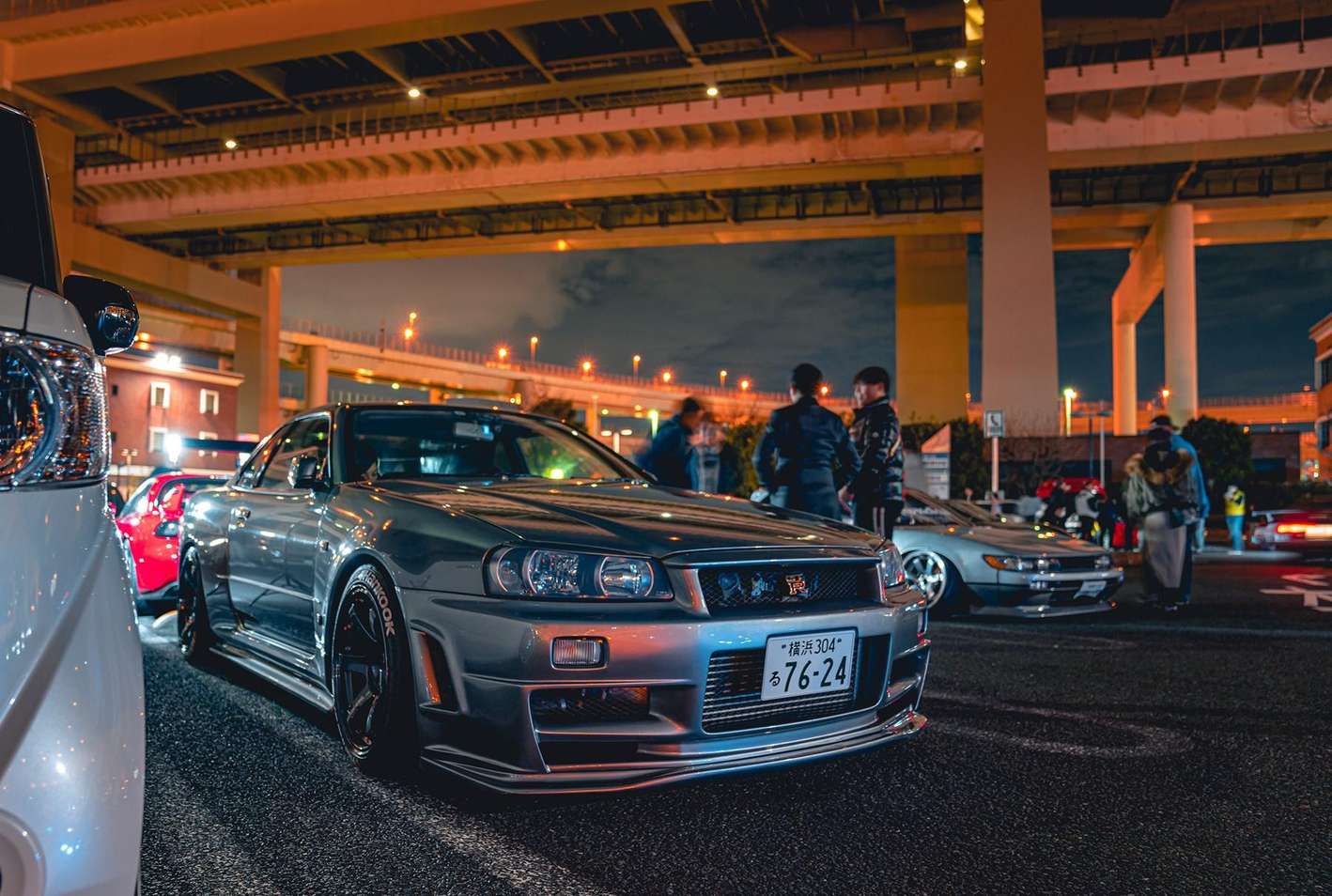
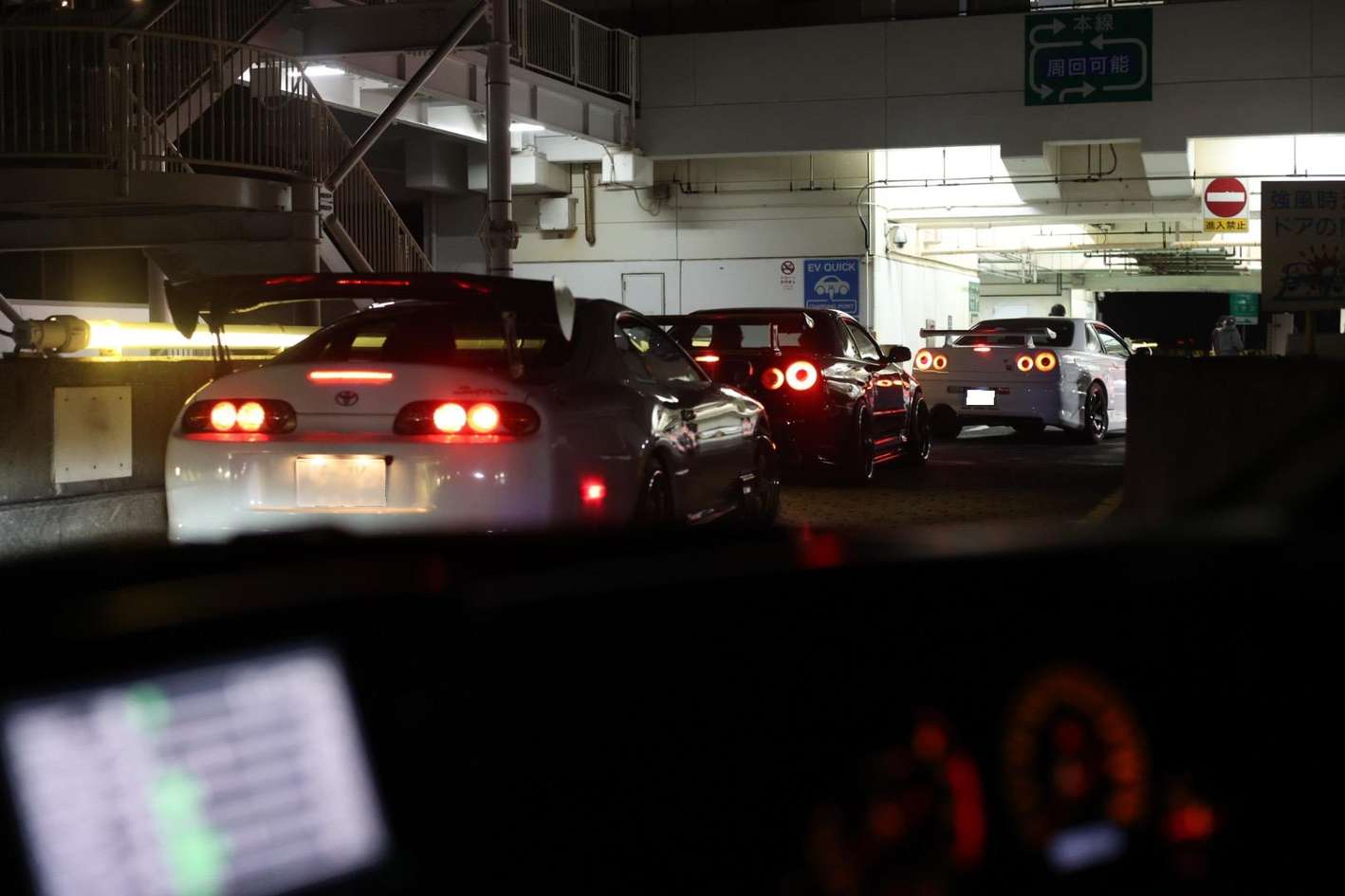
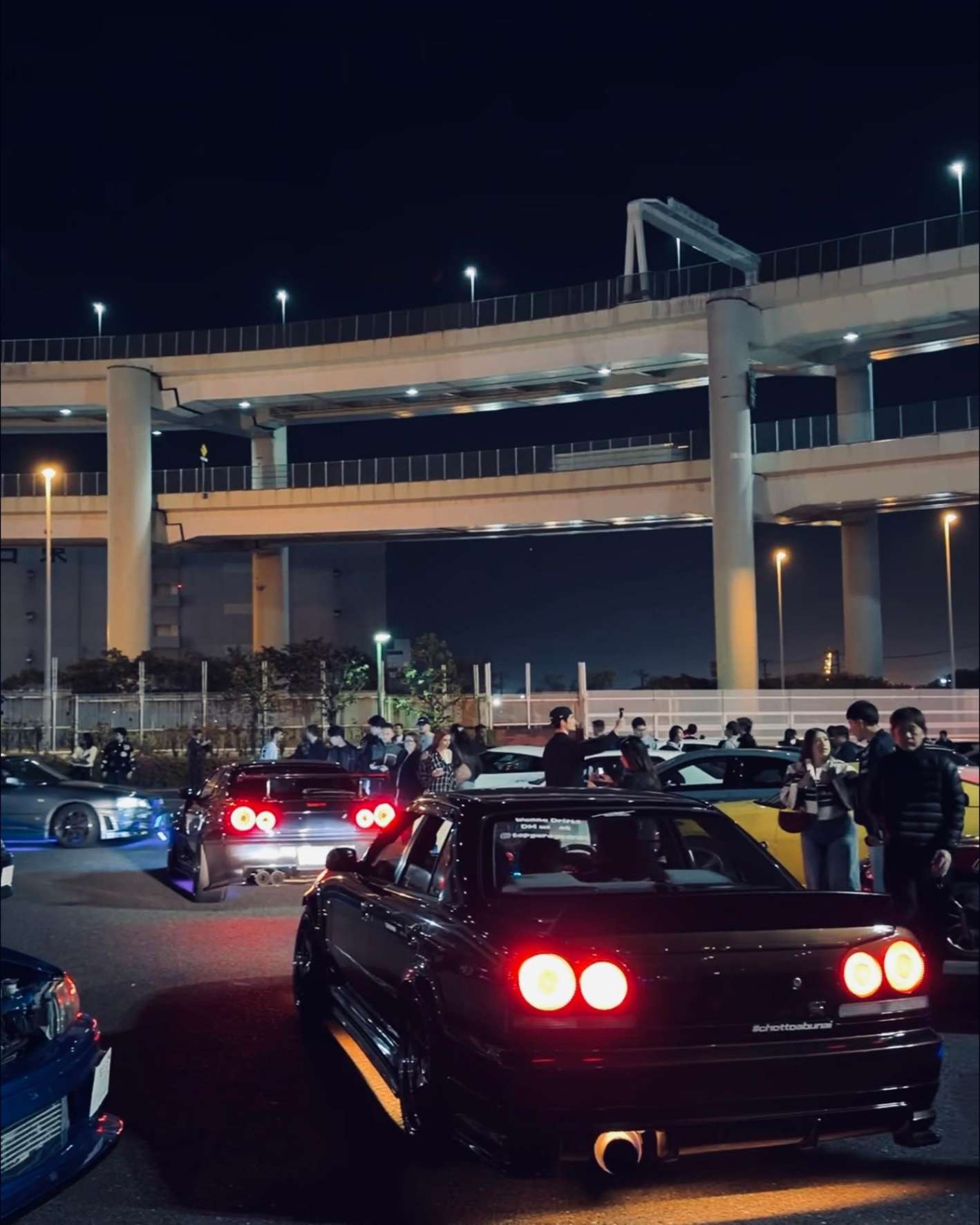
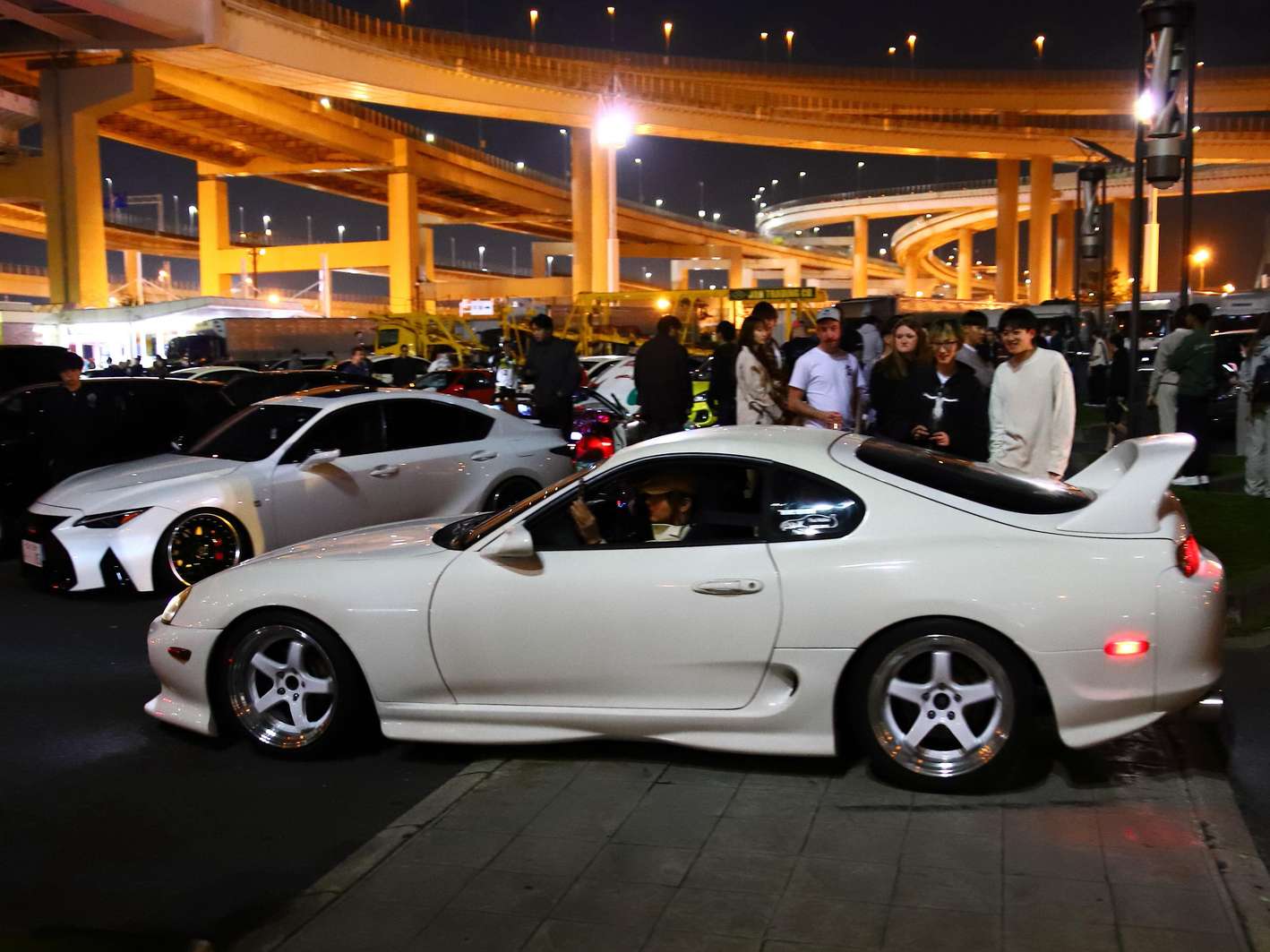
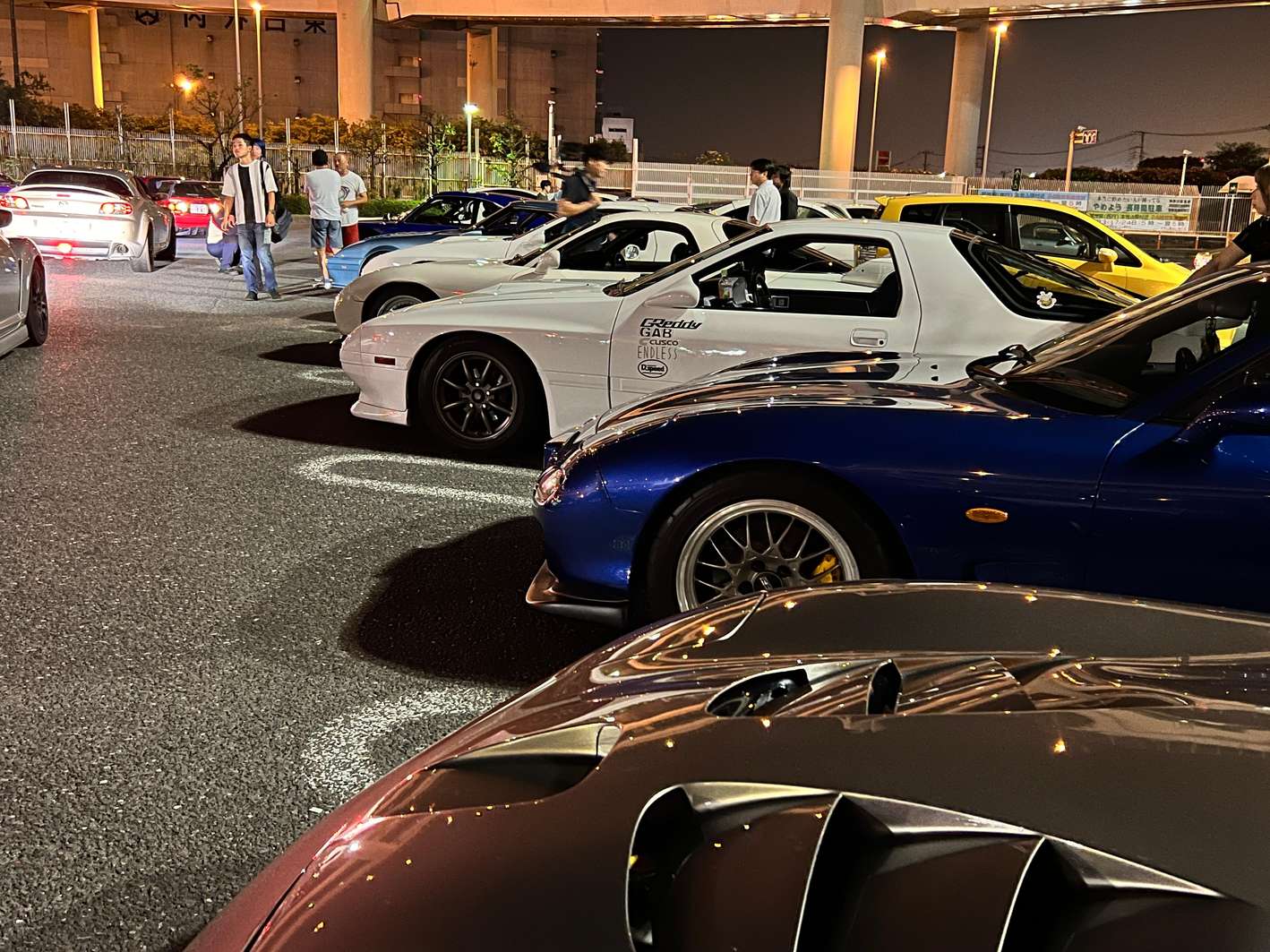
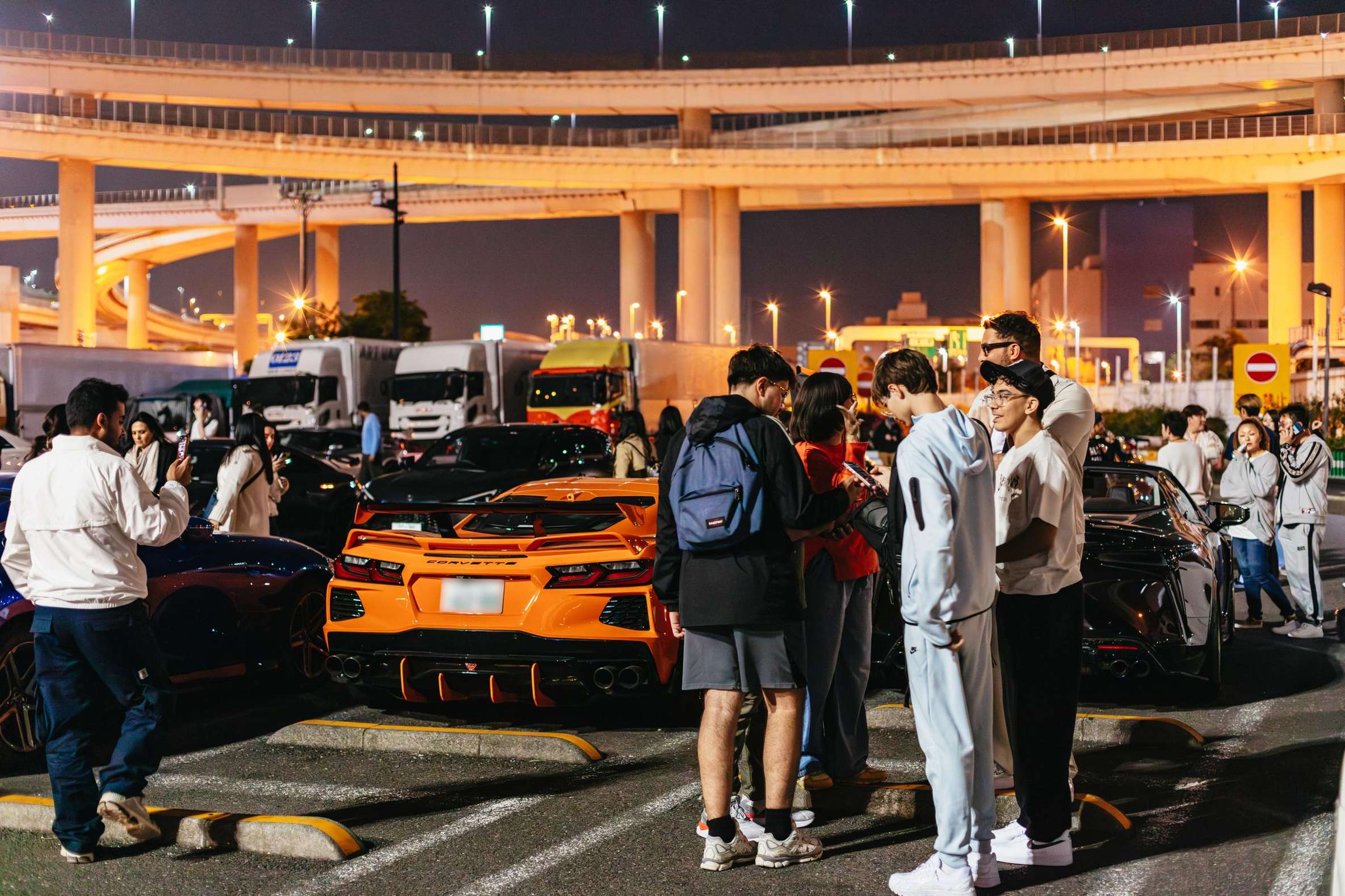
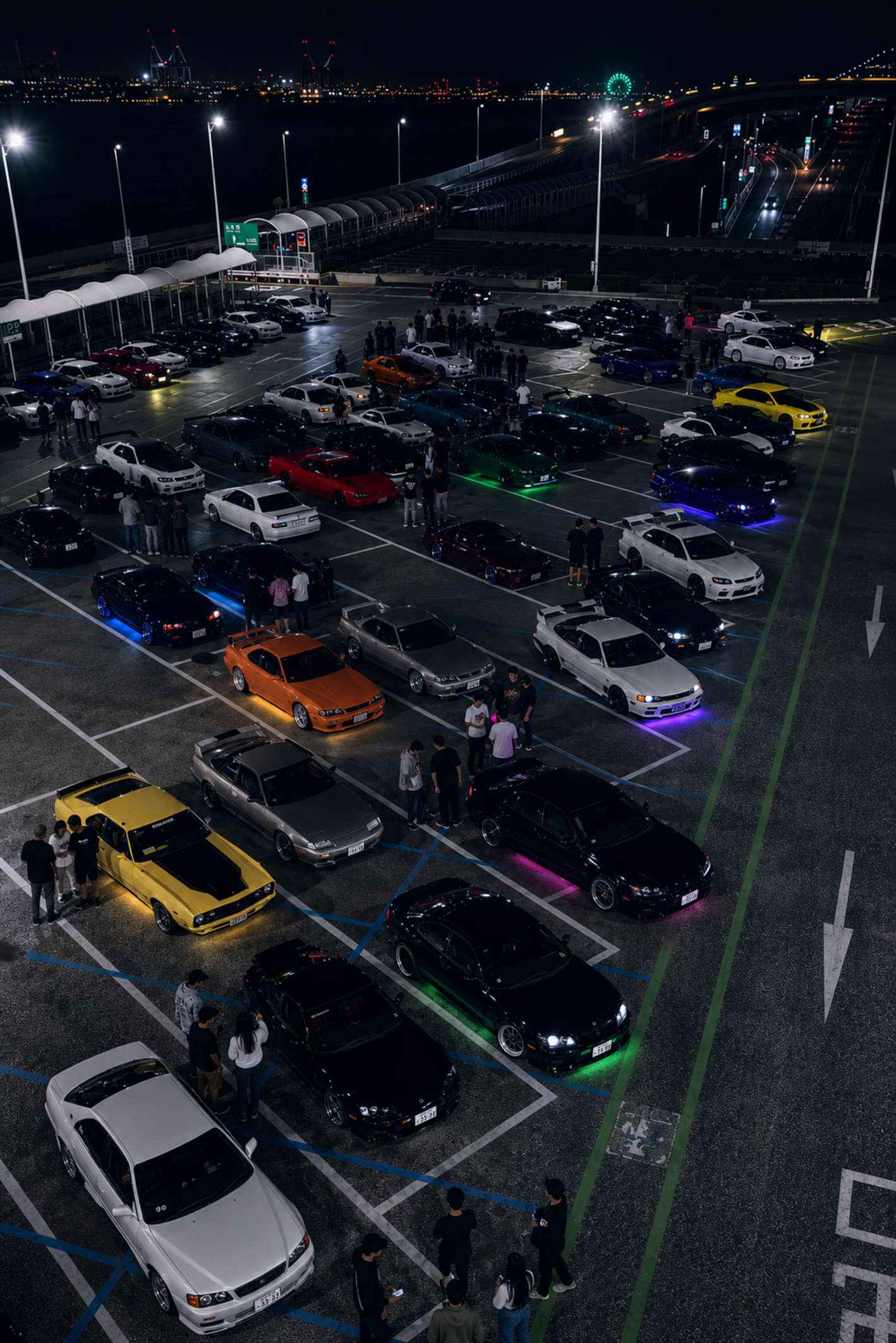
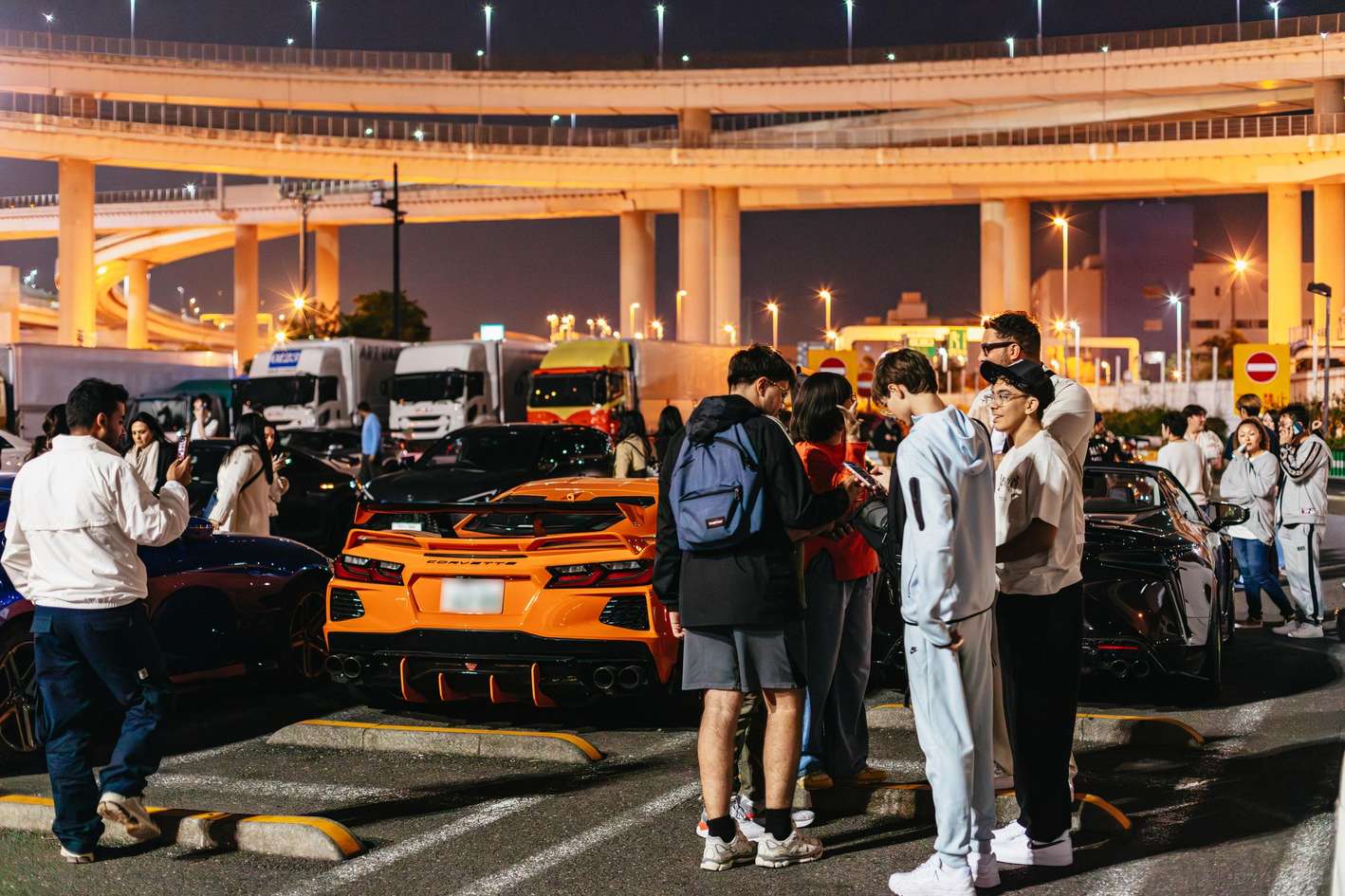
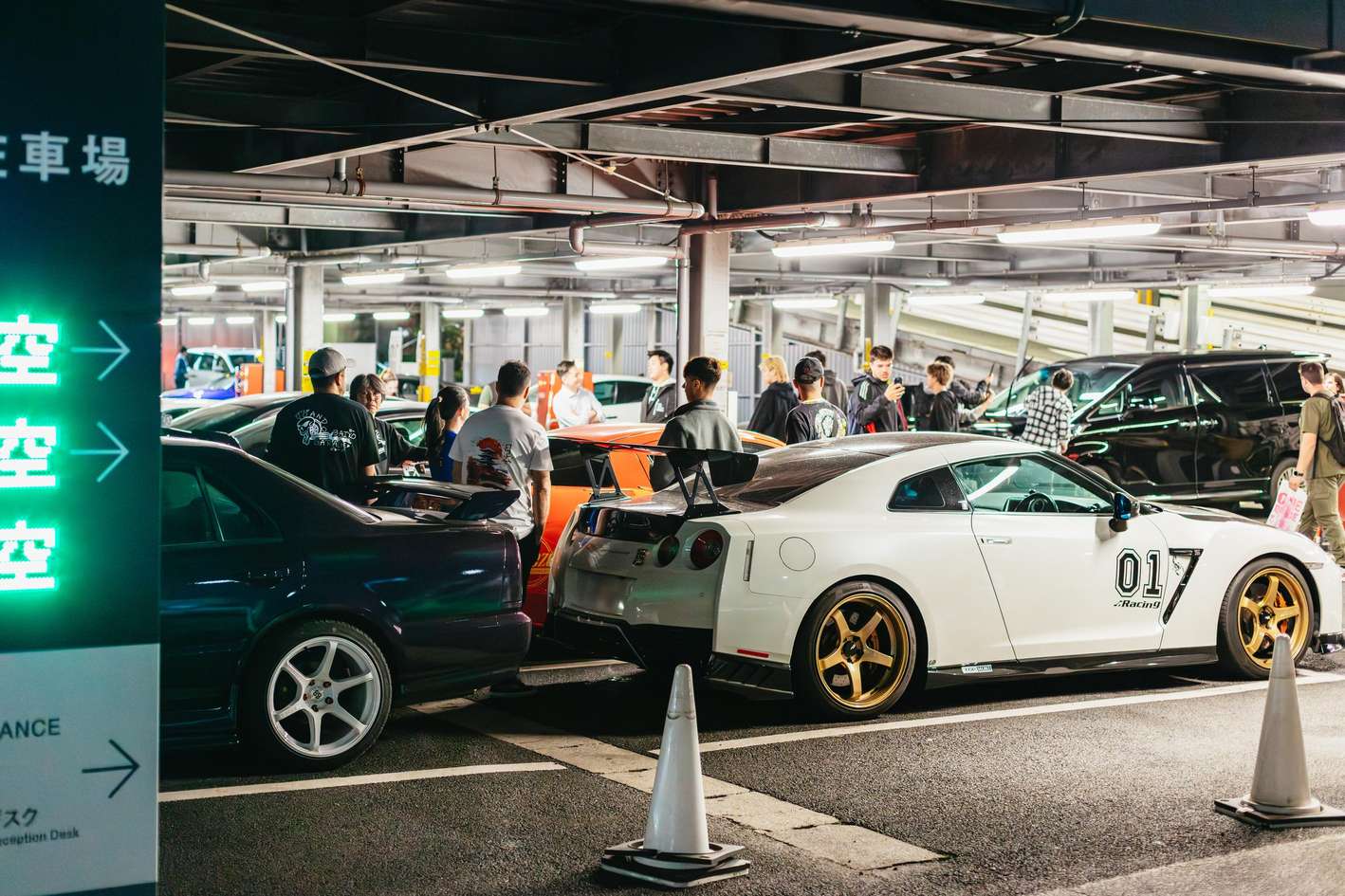
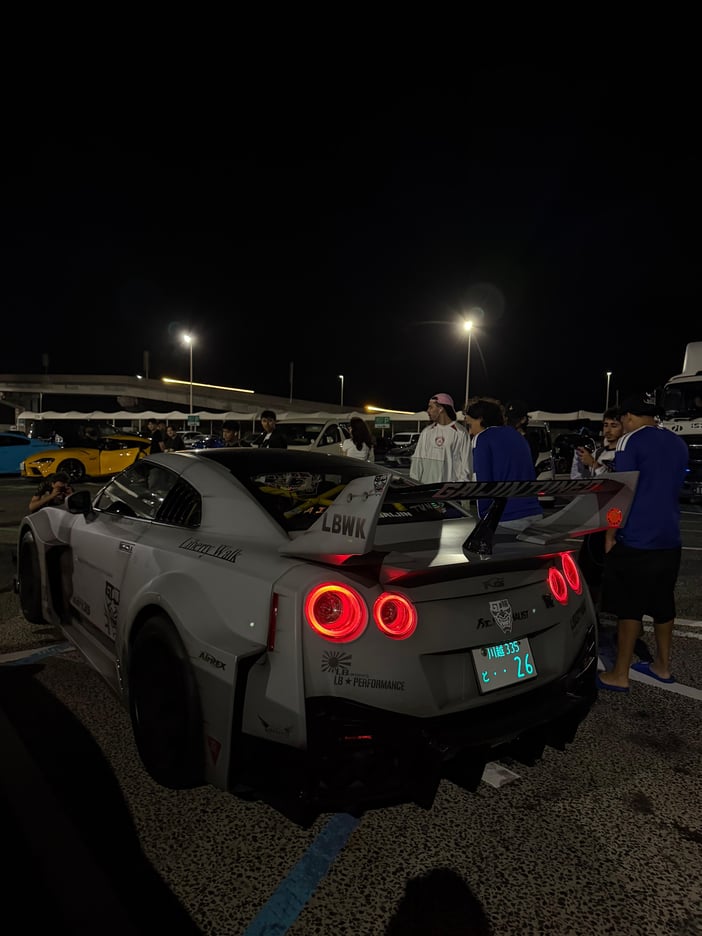
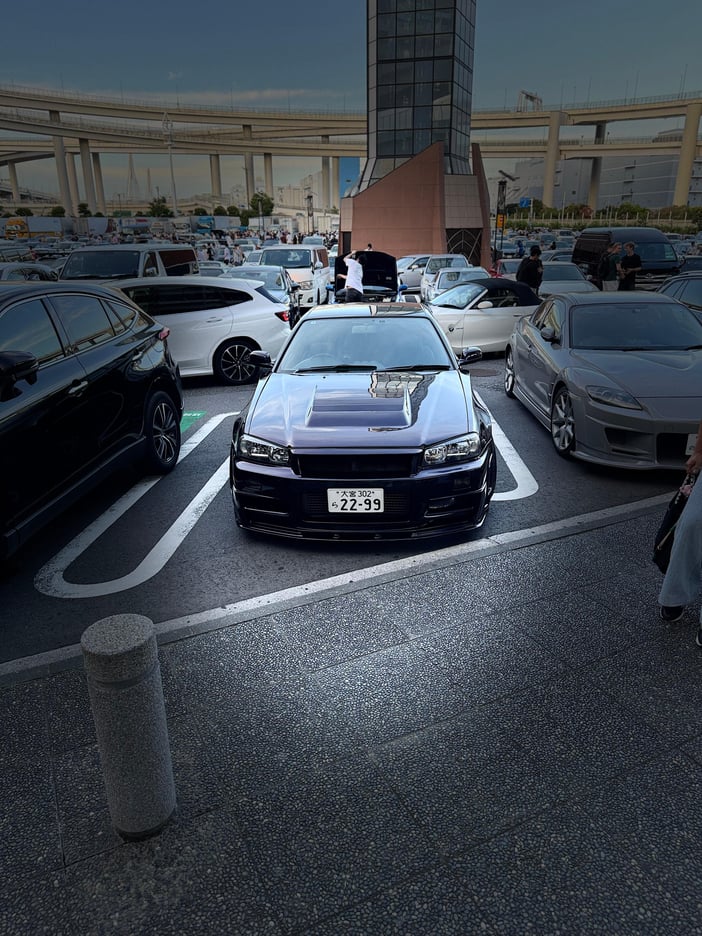
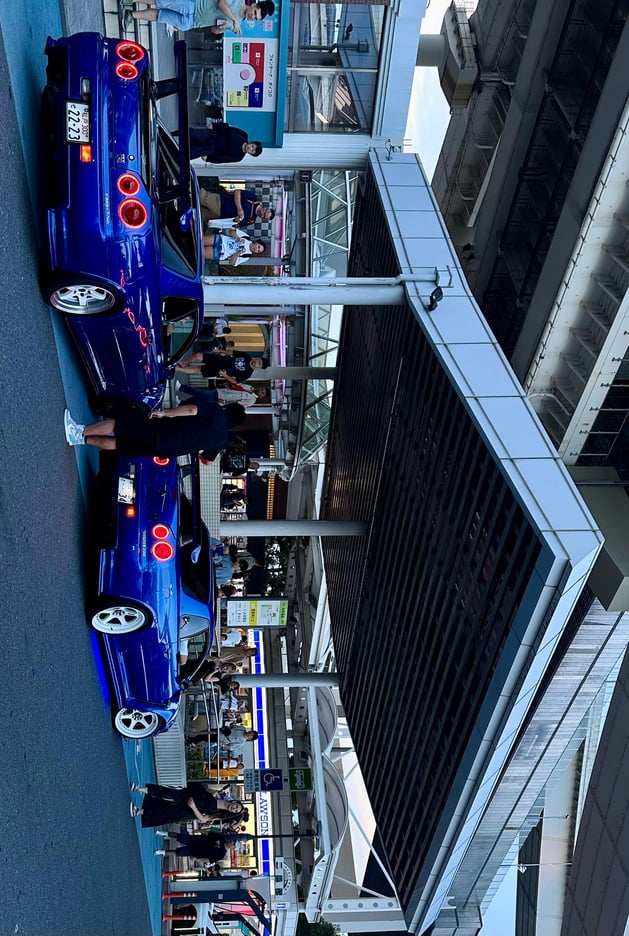
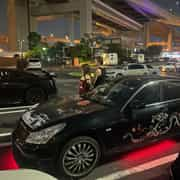
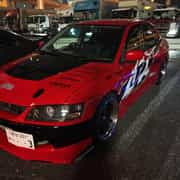
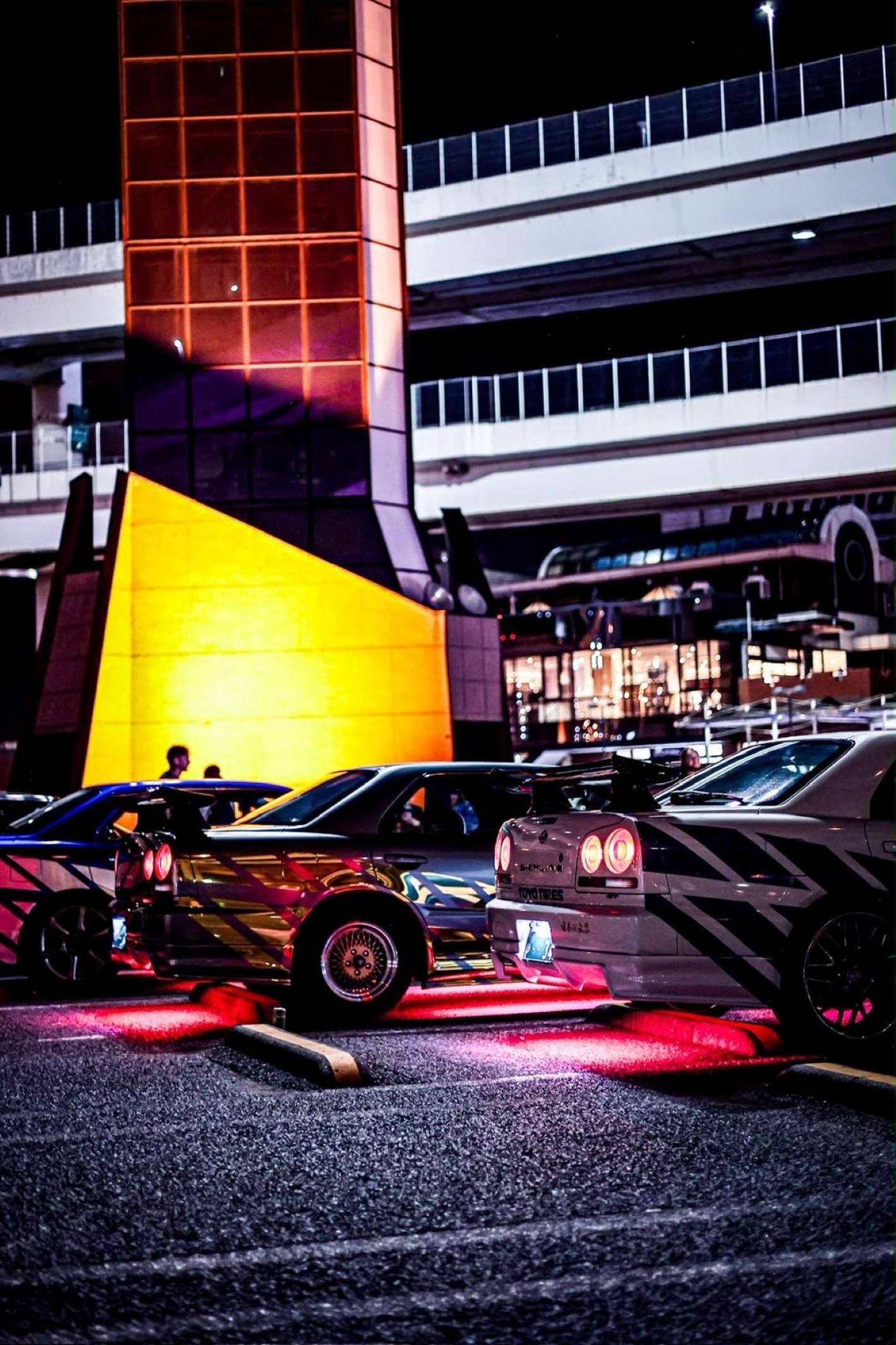
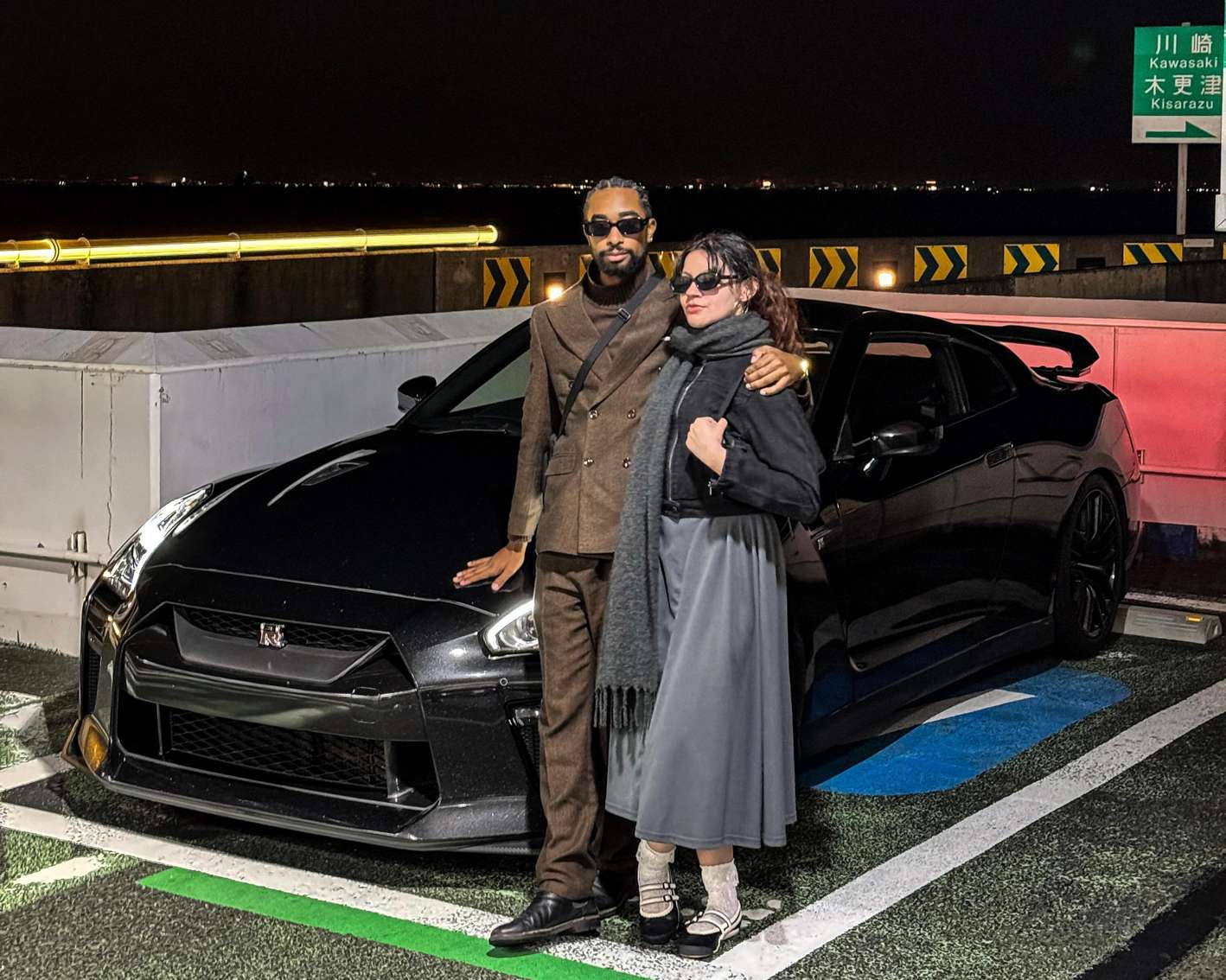
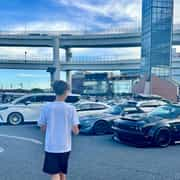
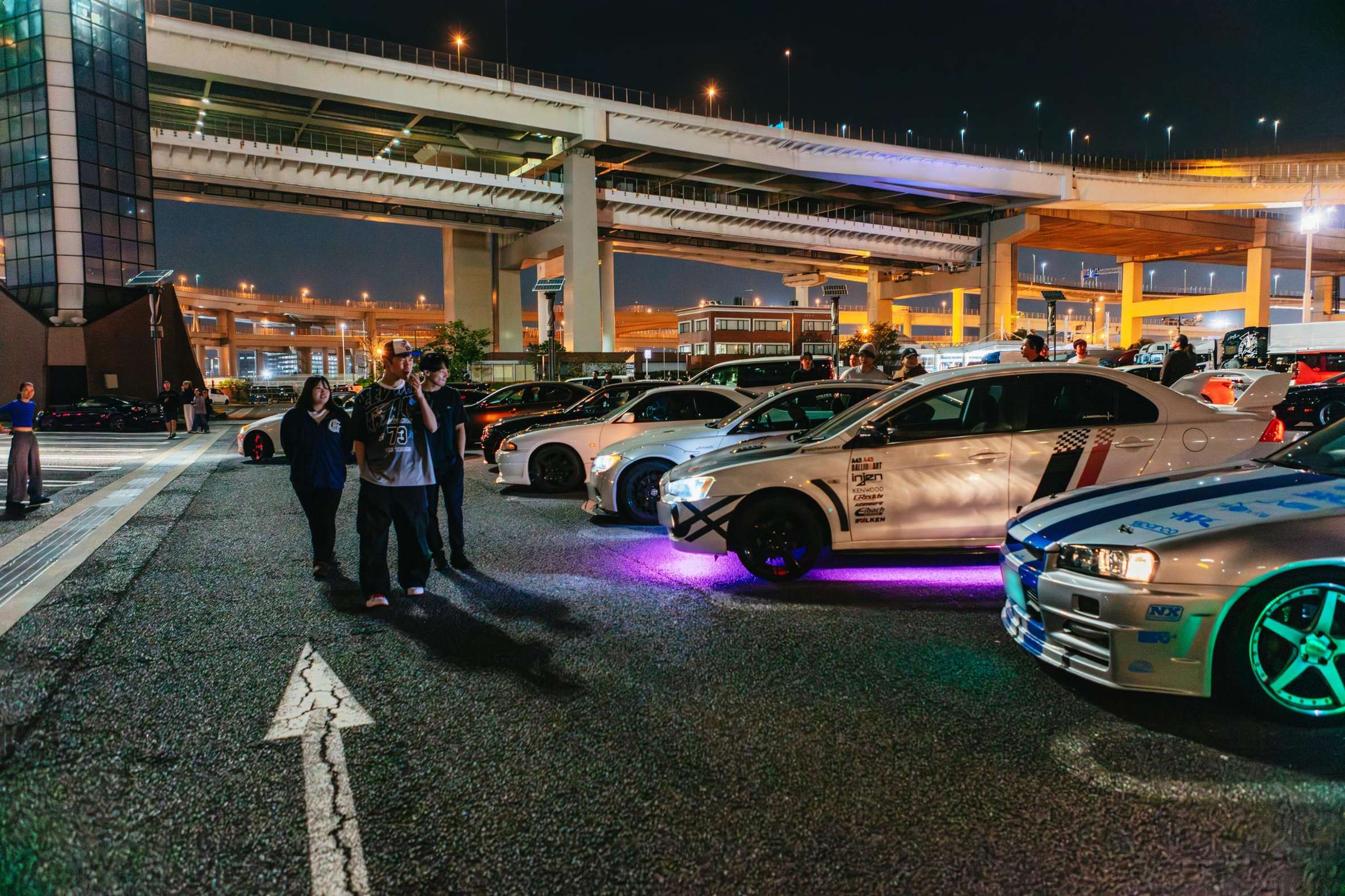
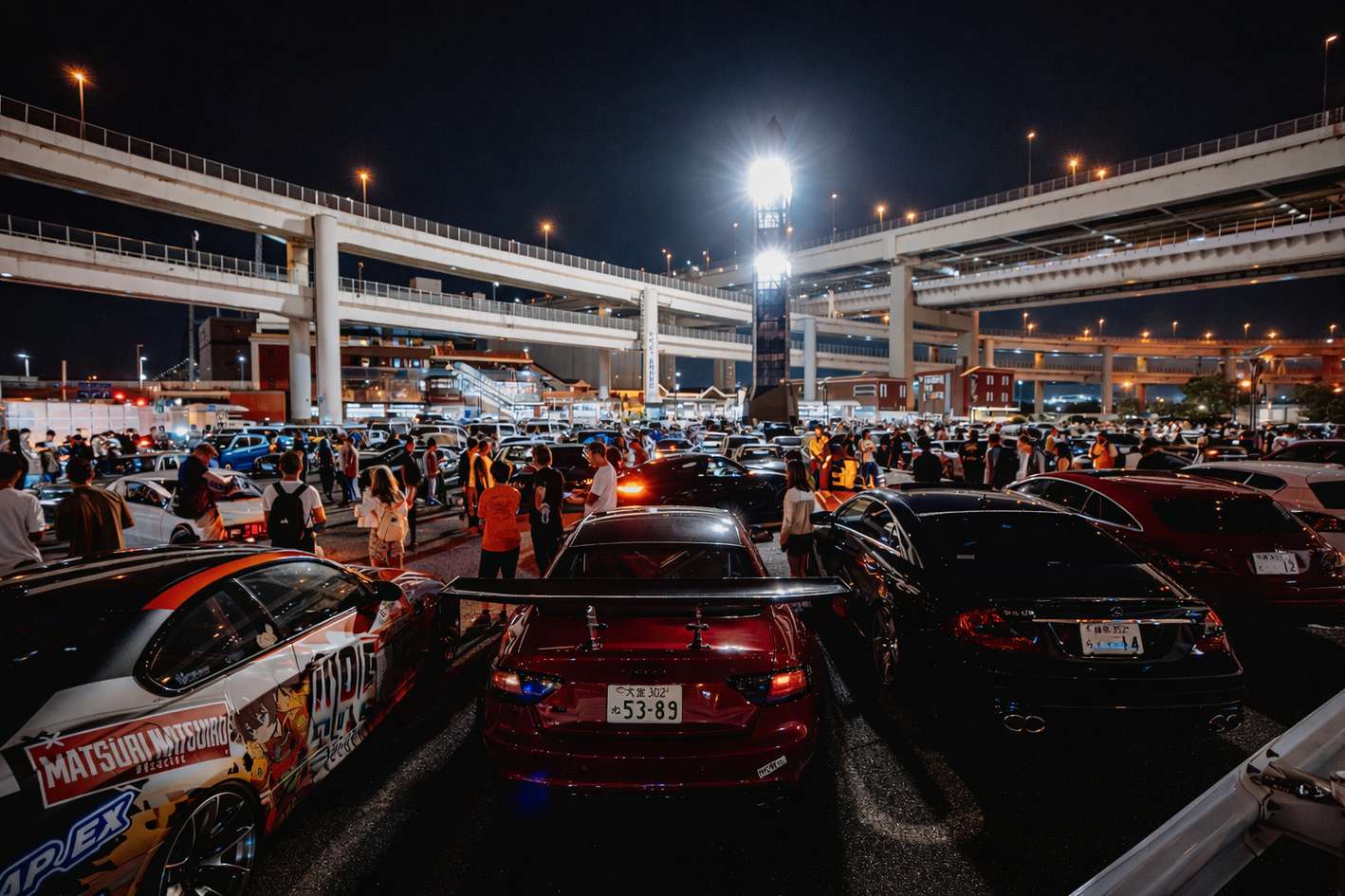
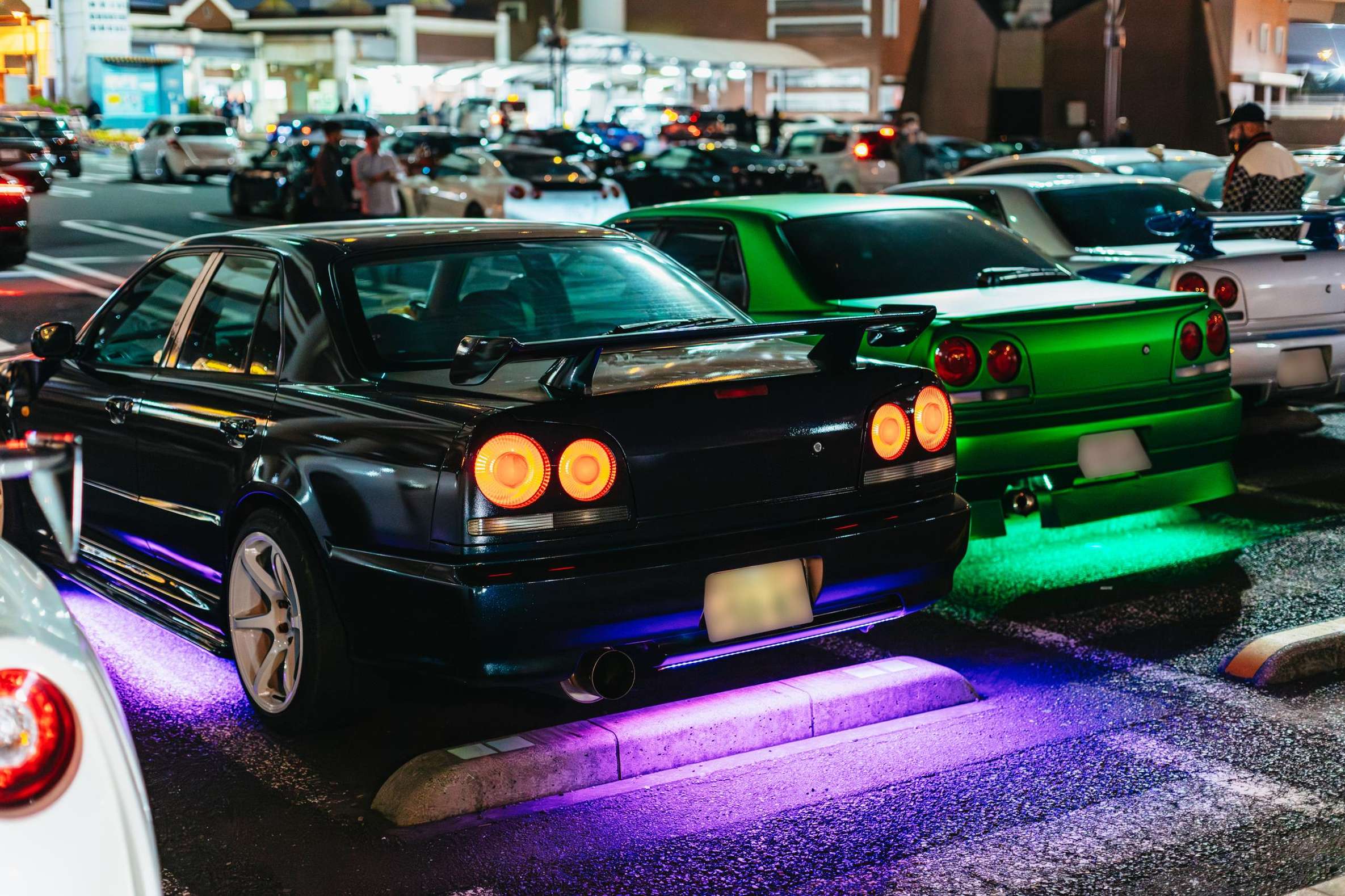
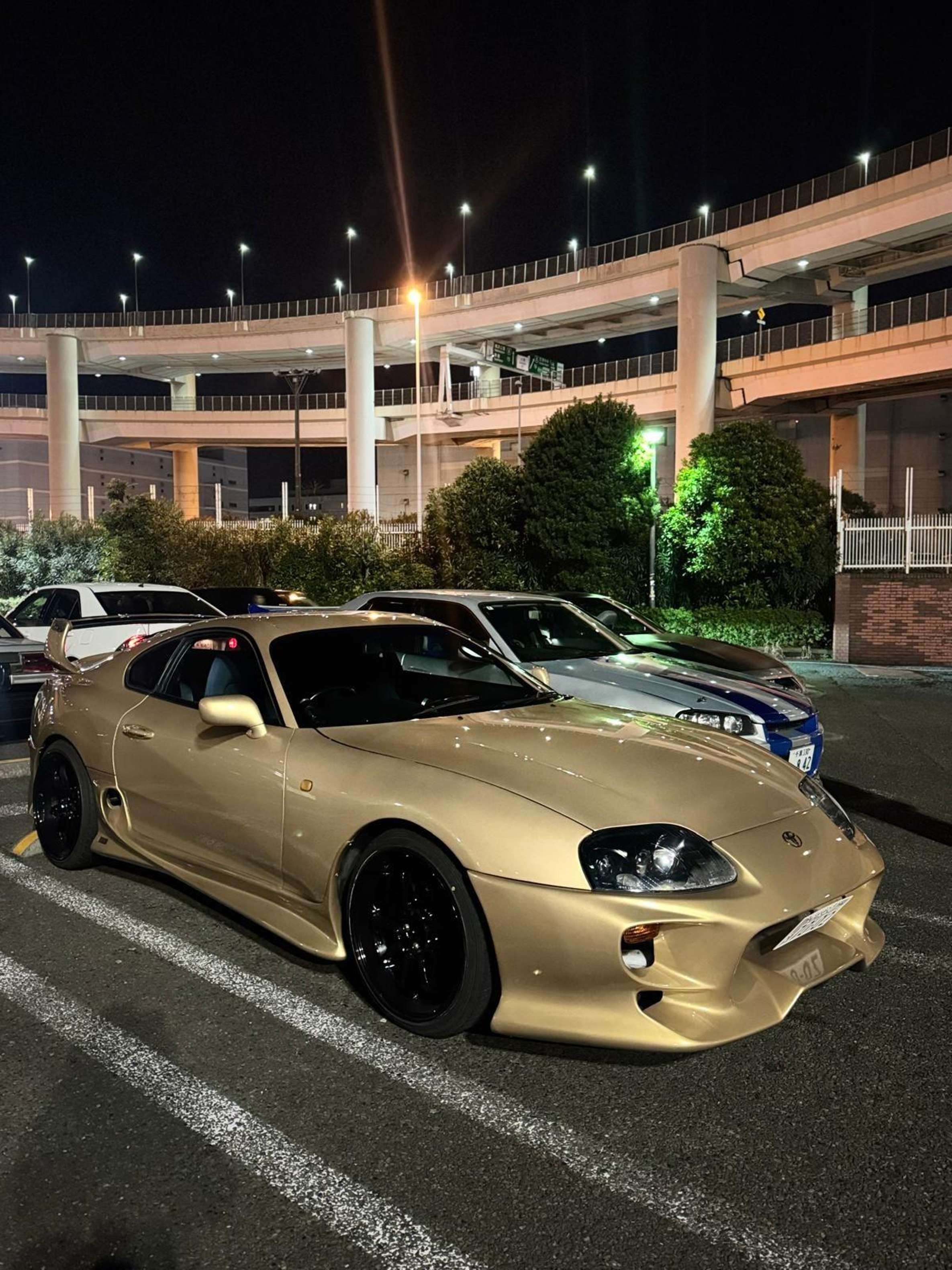
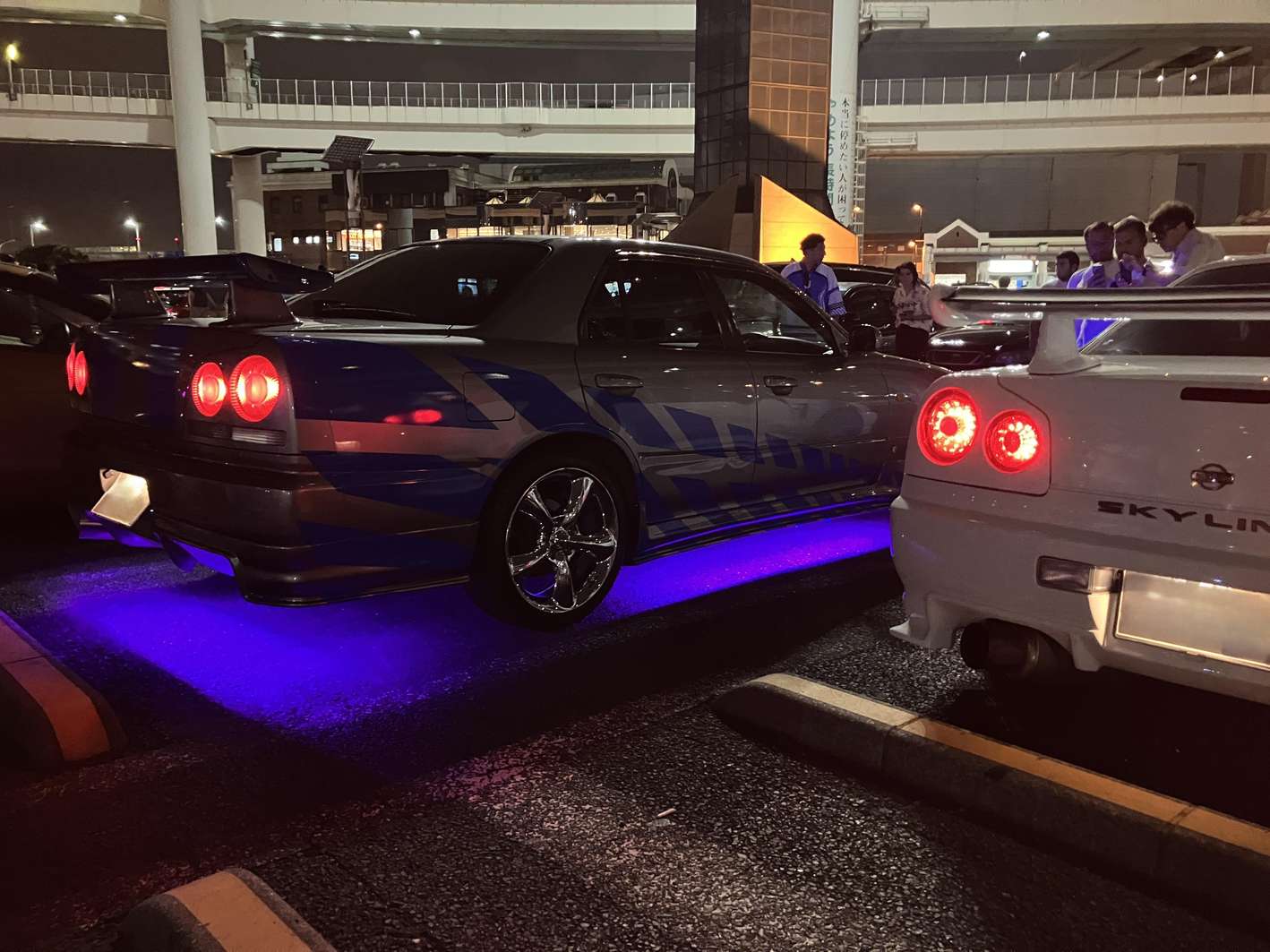
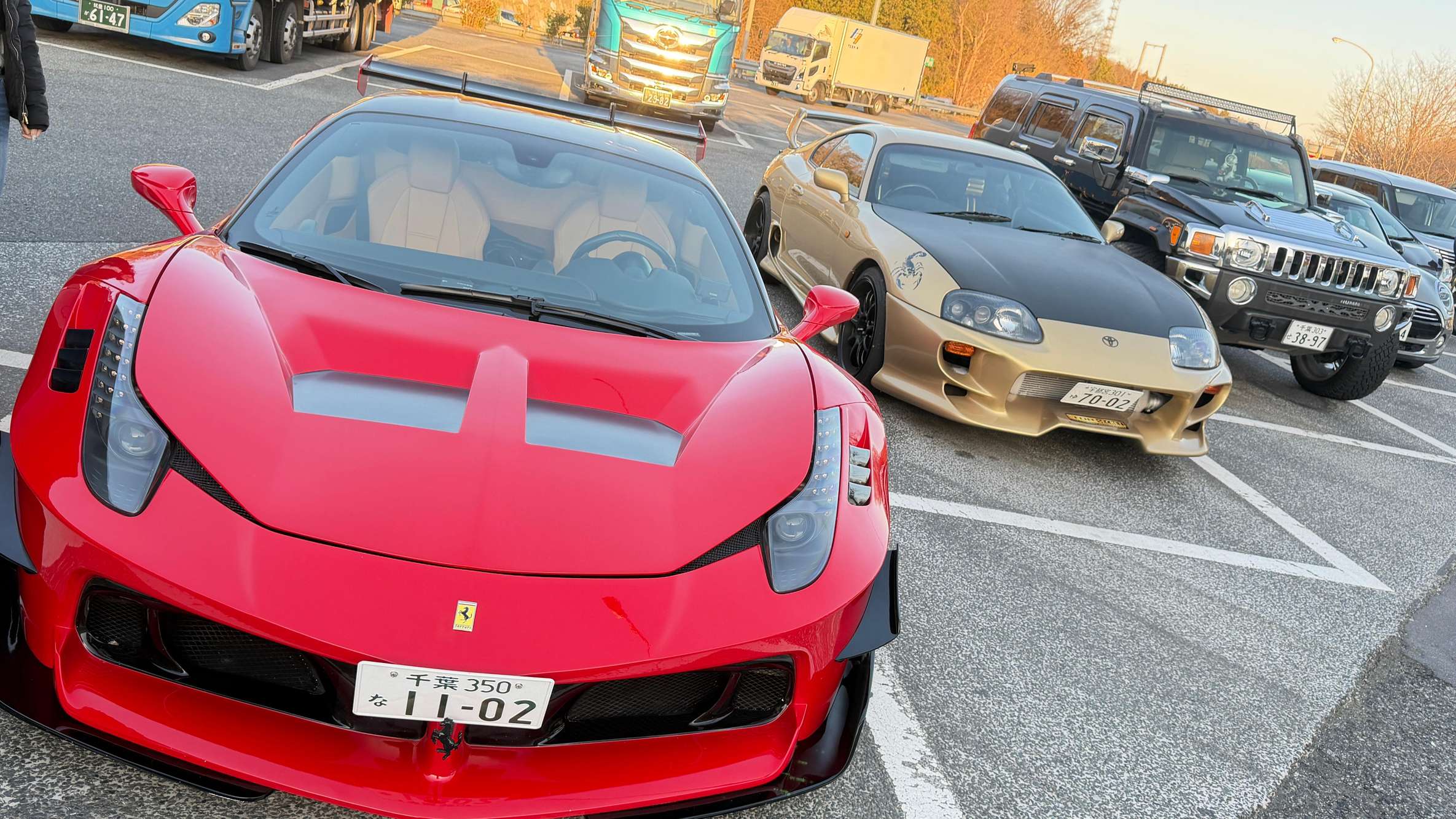
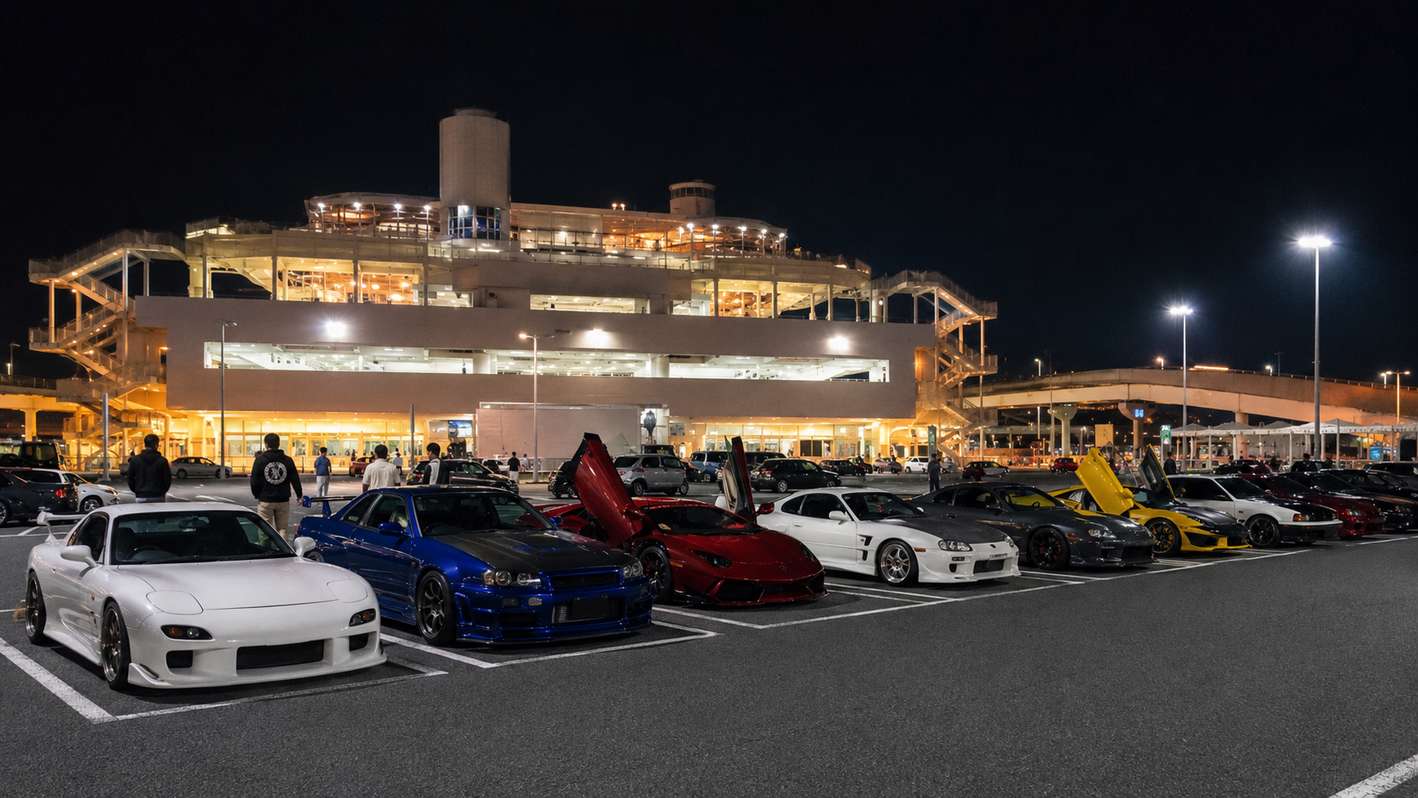
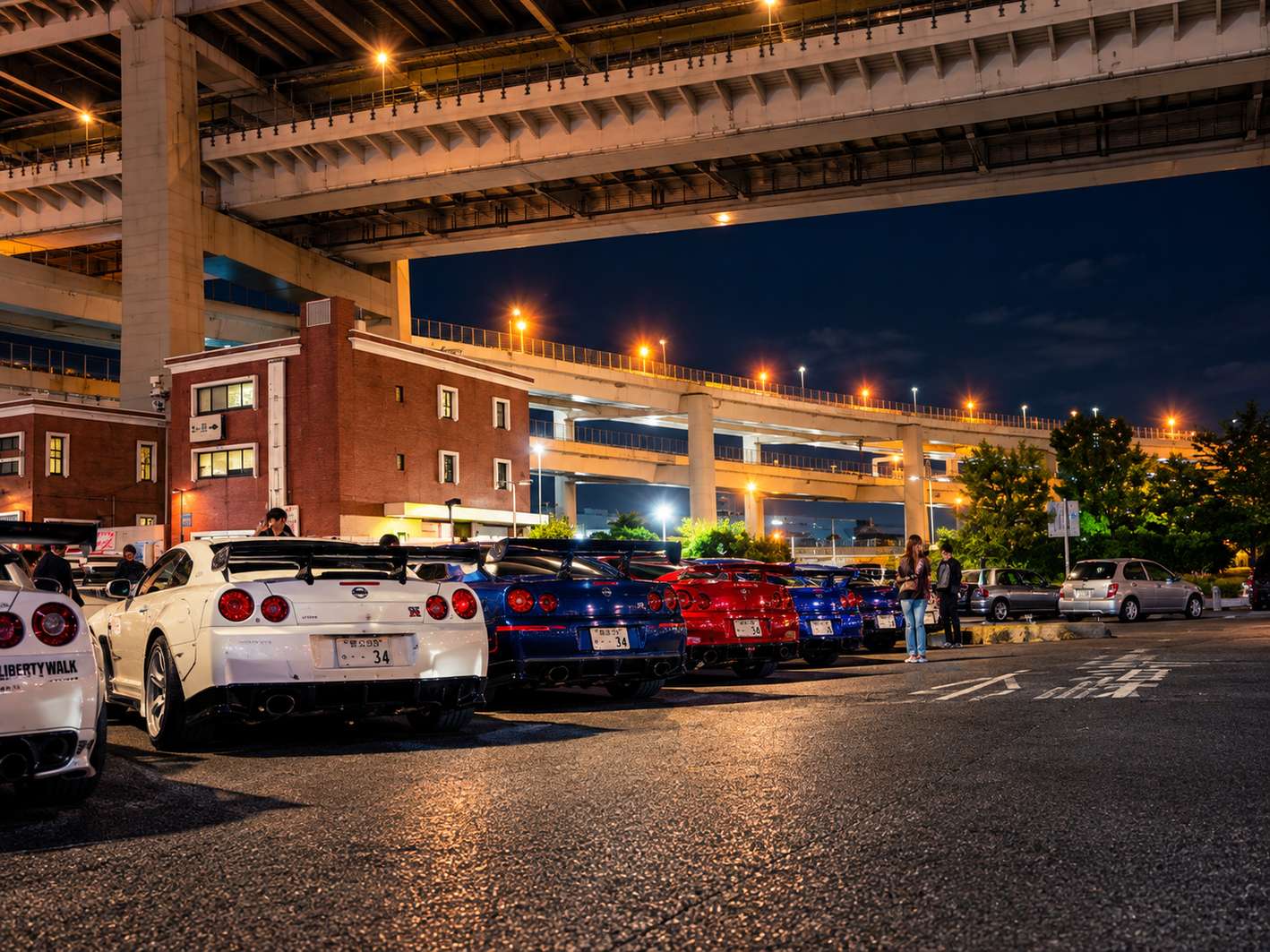
From there the route runs down a long spiral off-ramp to the Daikoku Parking Area, the highway rest stop where modified Skylines, Supras and EVOs gather freely, with an hour to walk the rows and talk to owners.
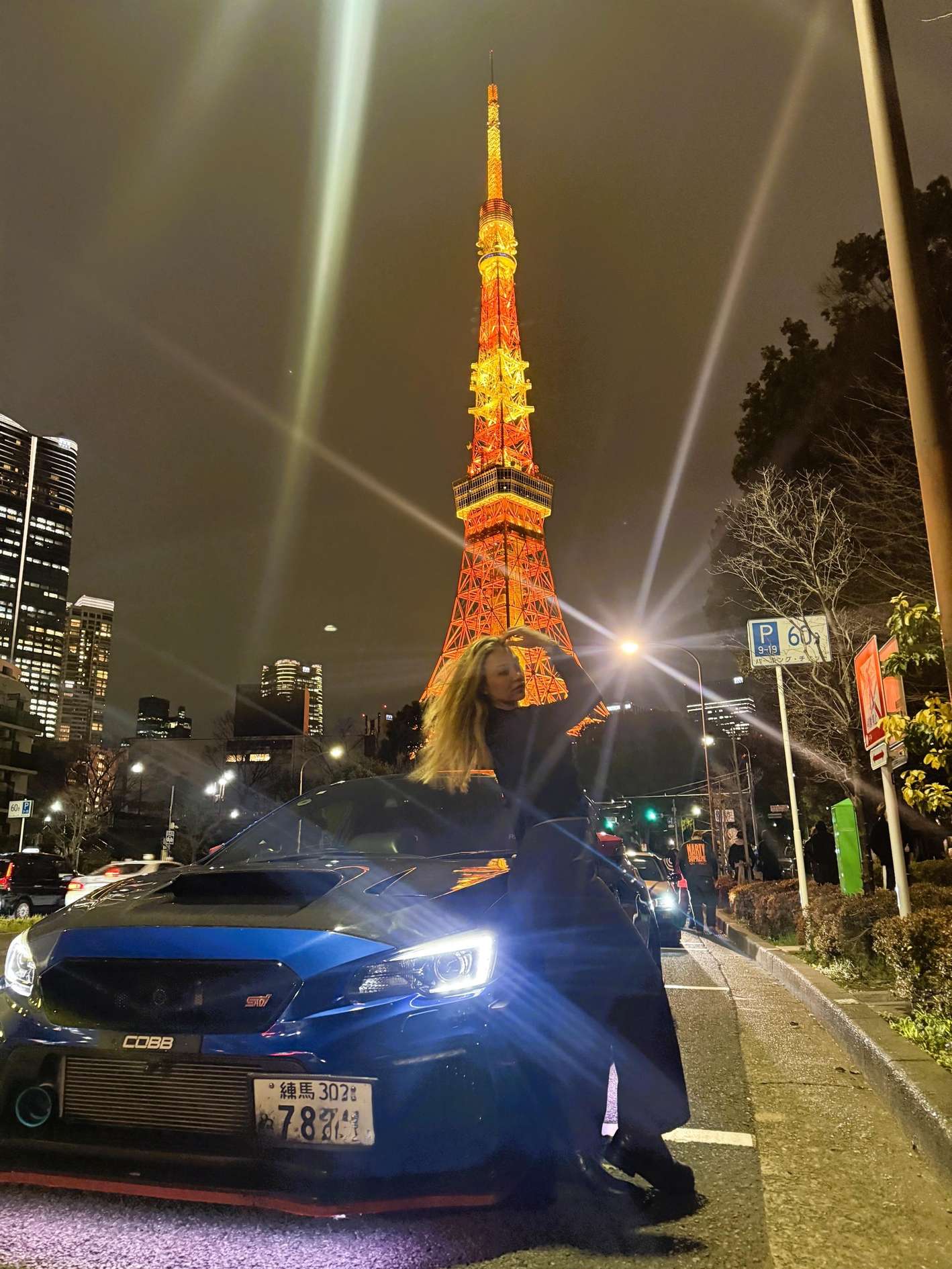
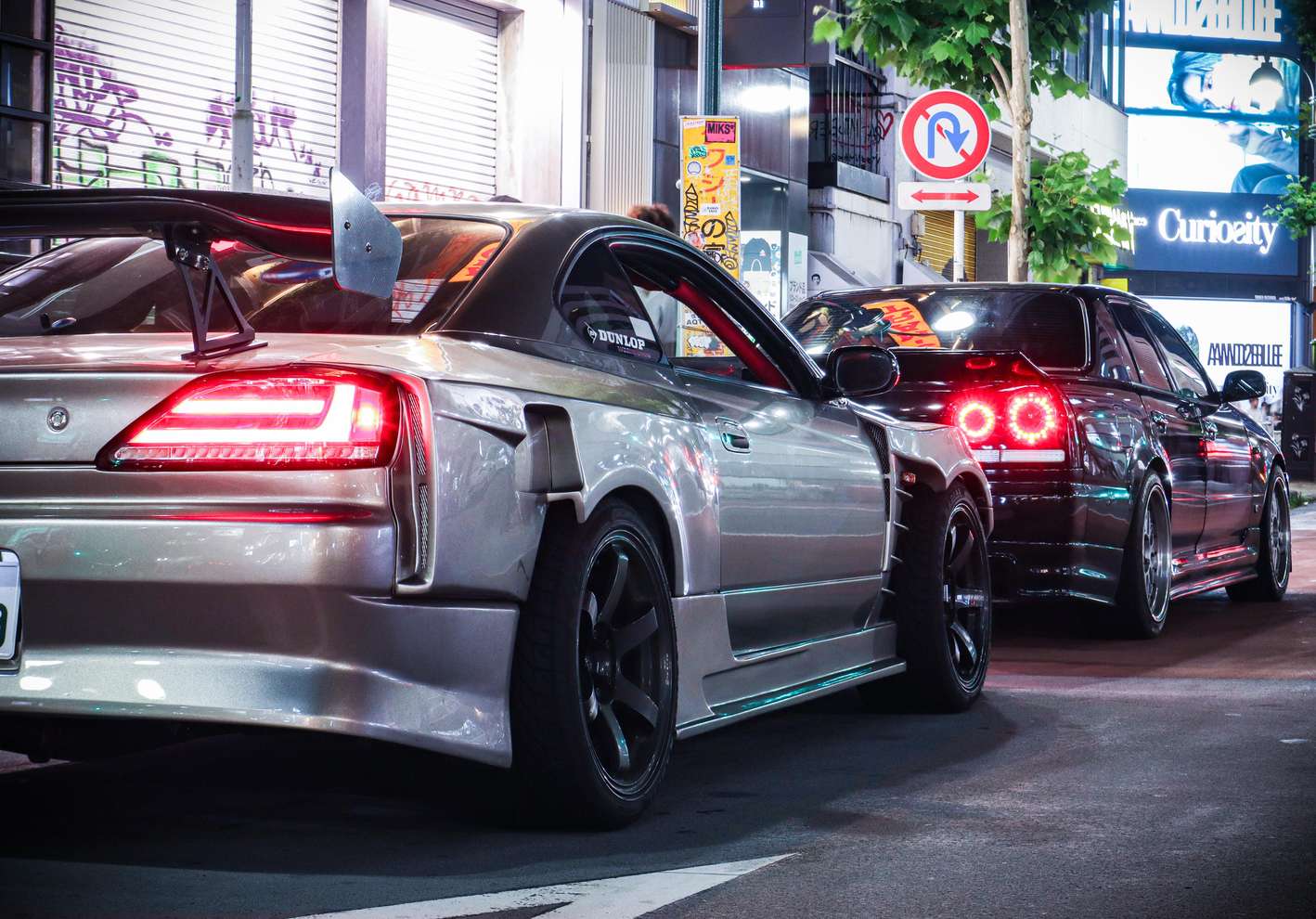
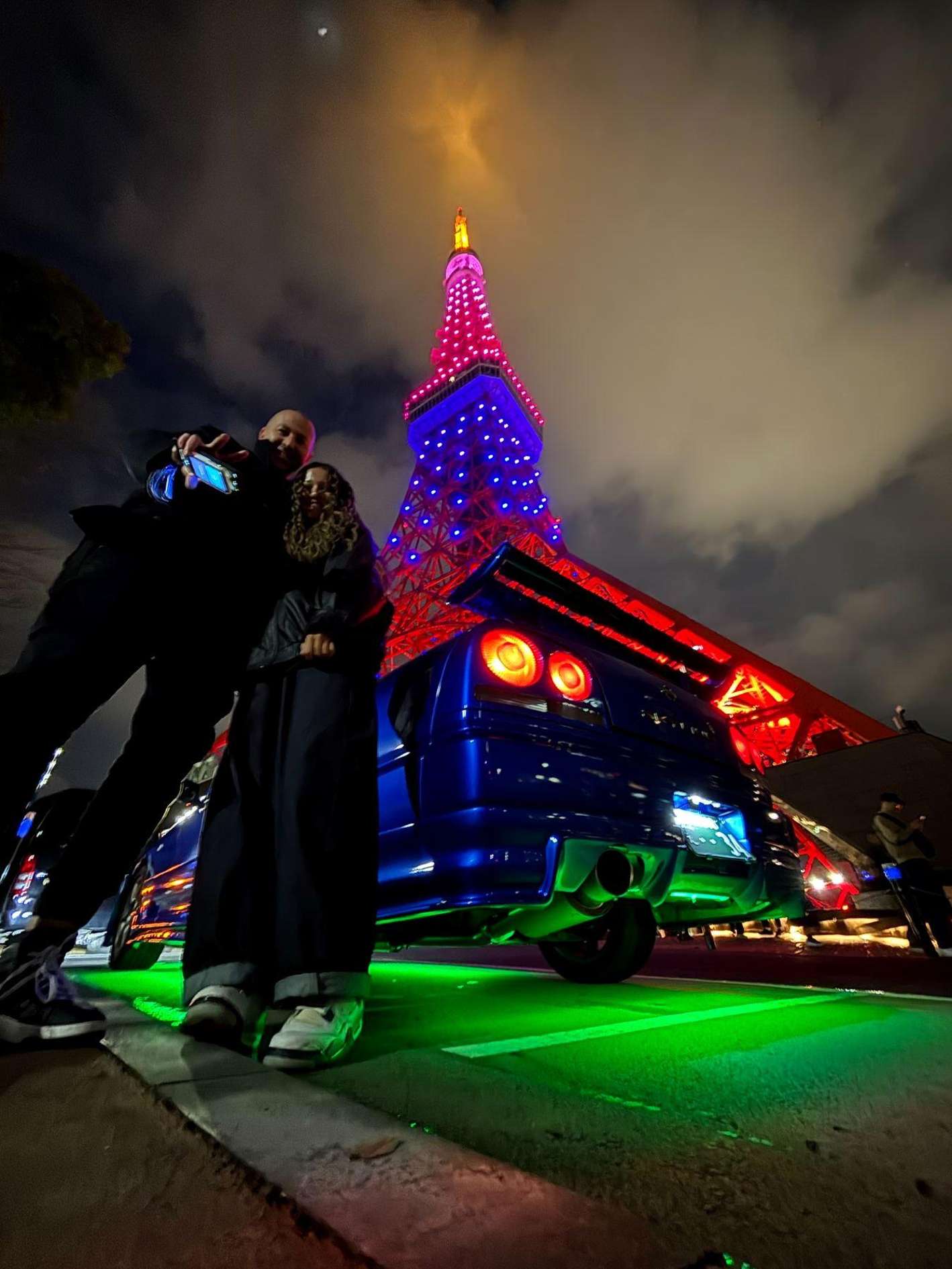
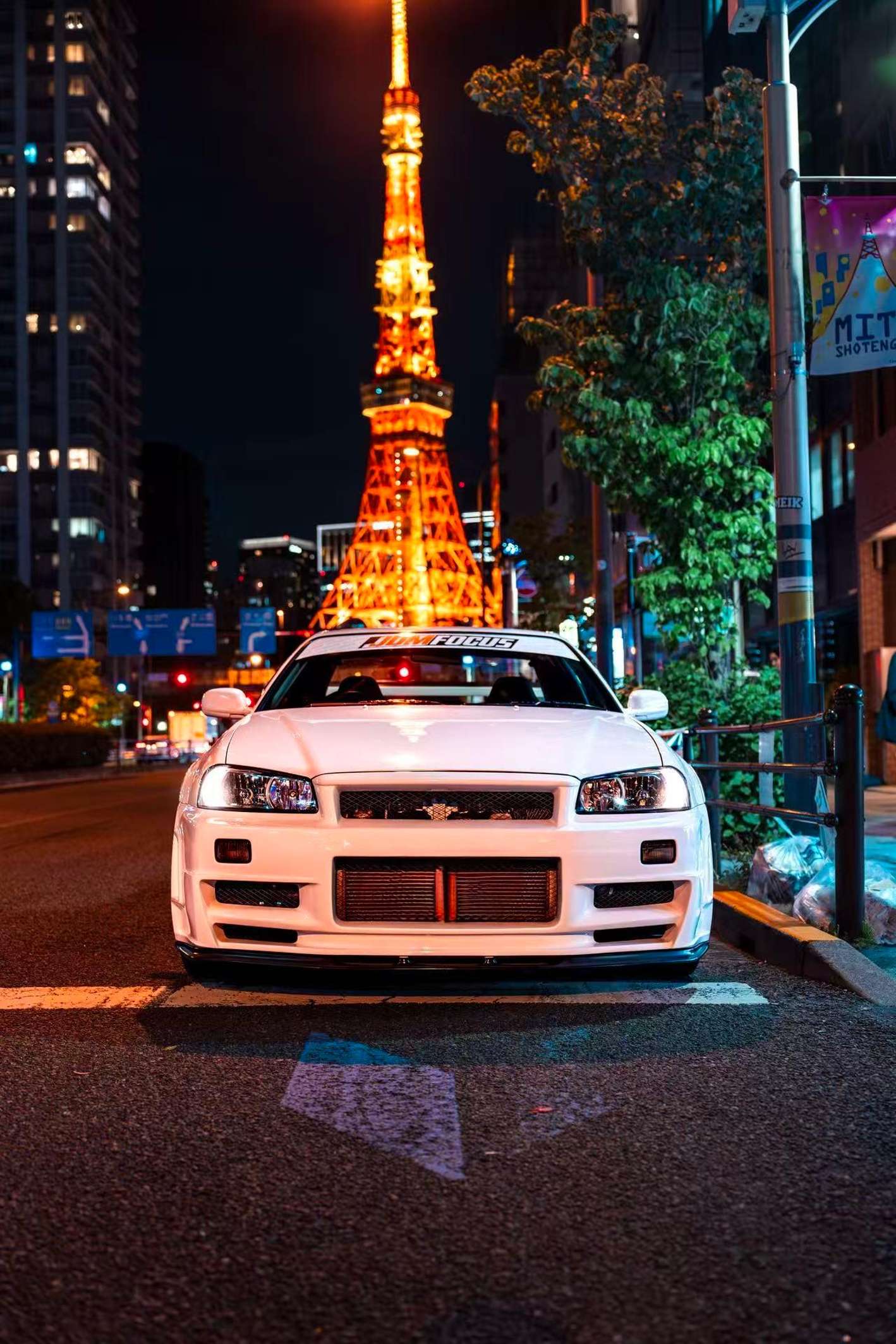
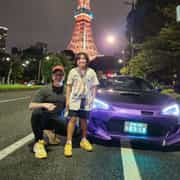
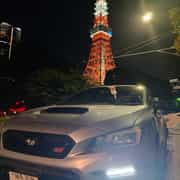
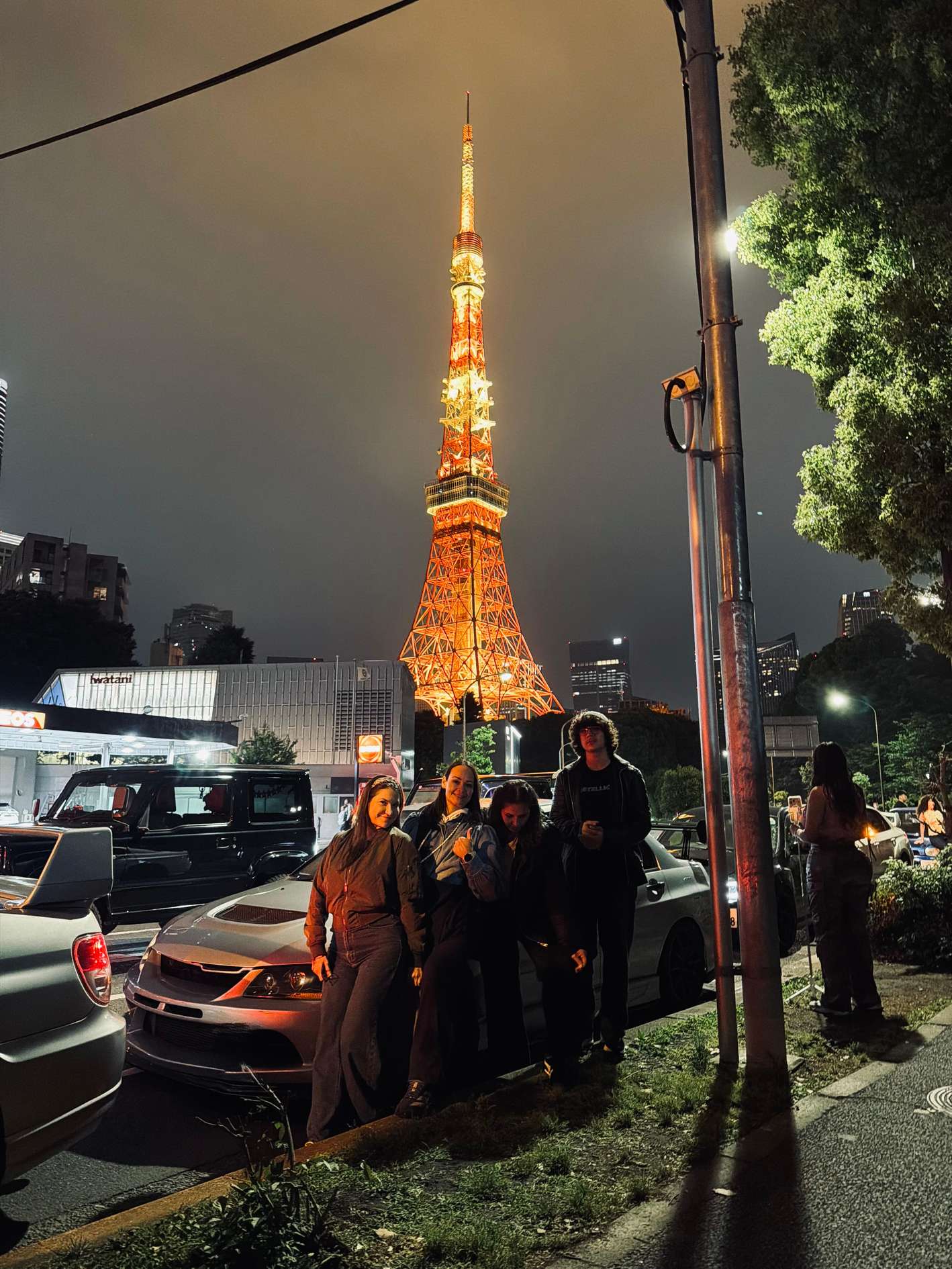
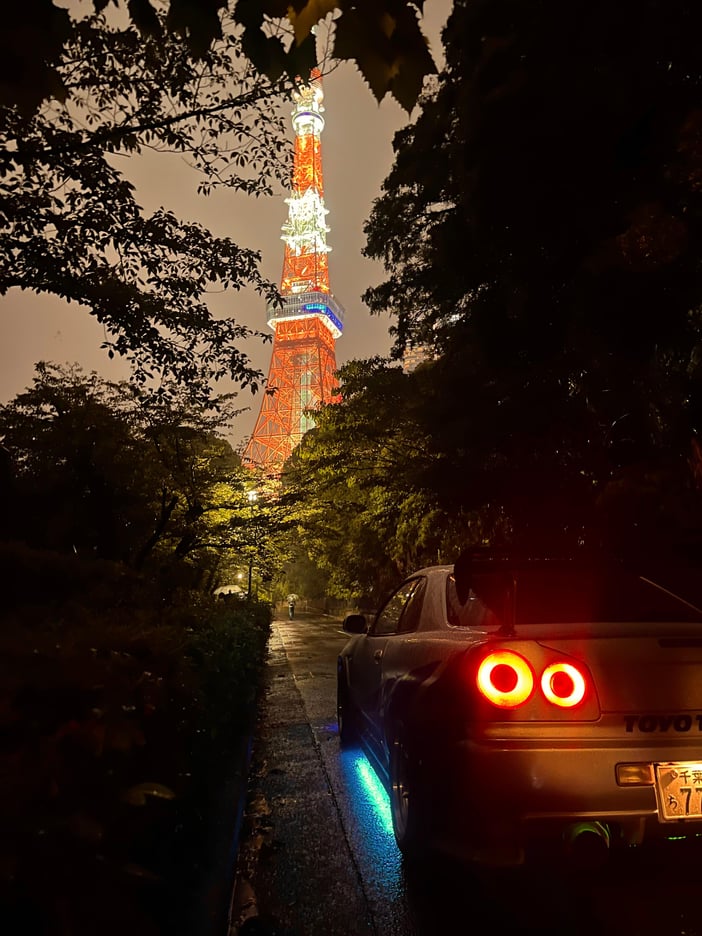
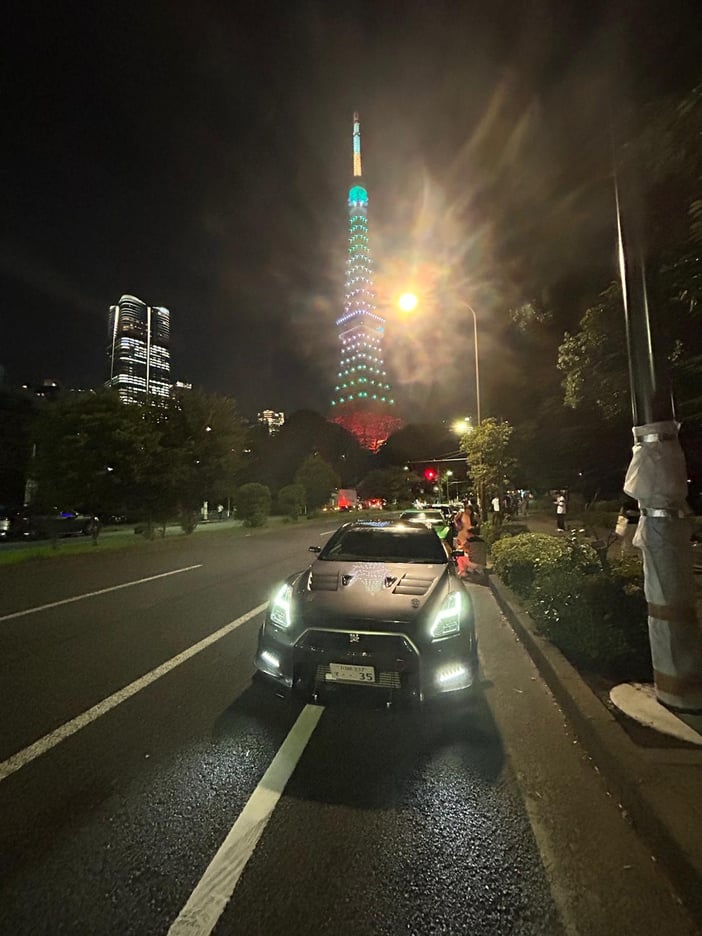
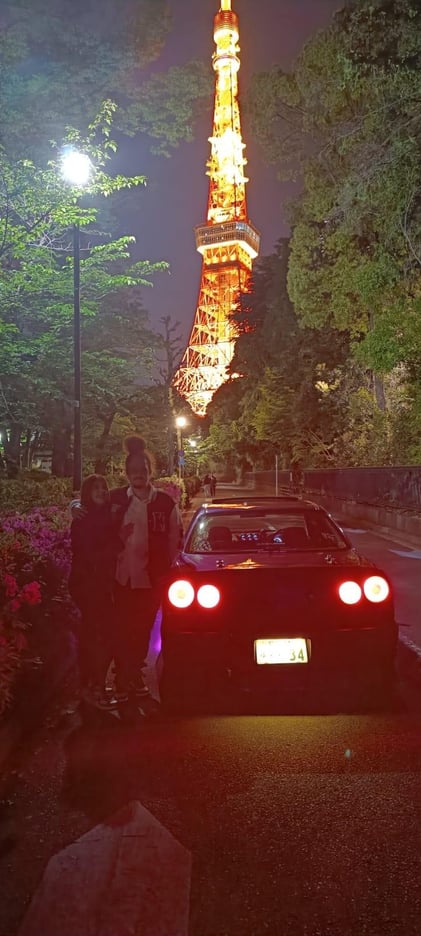
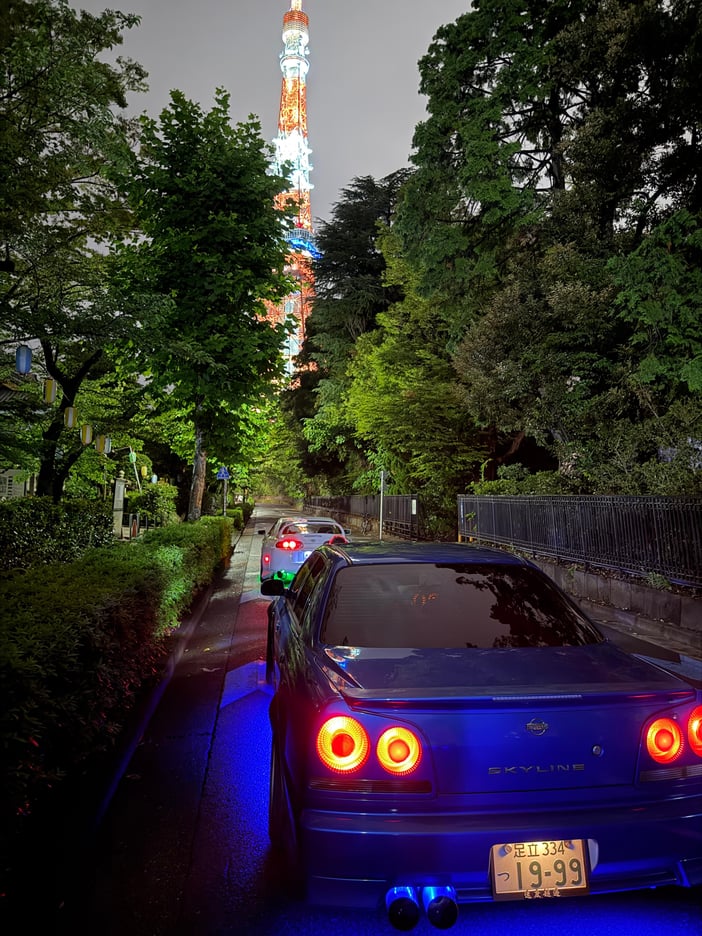
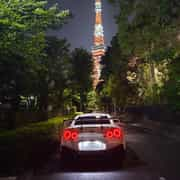
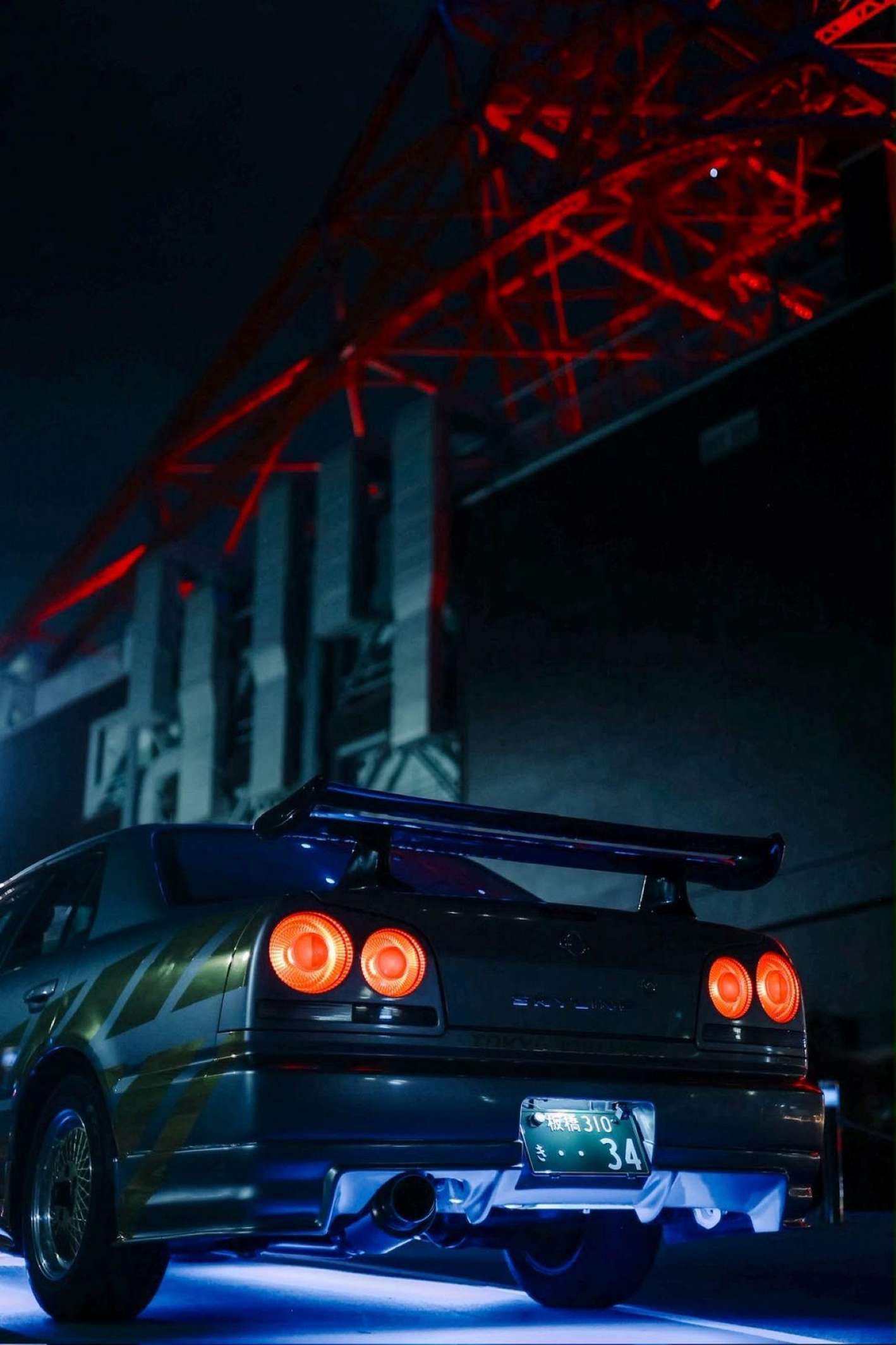
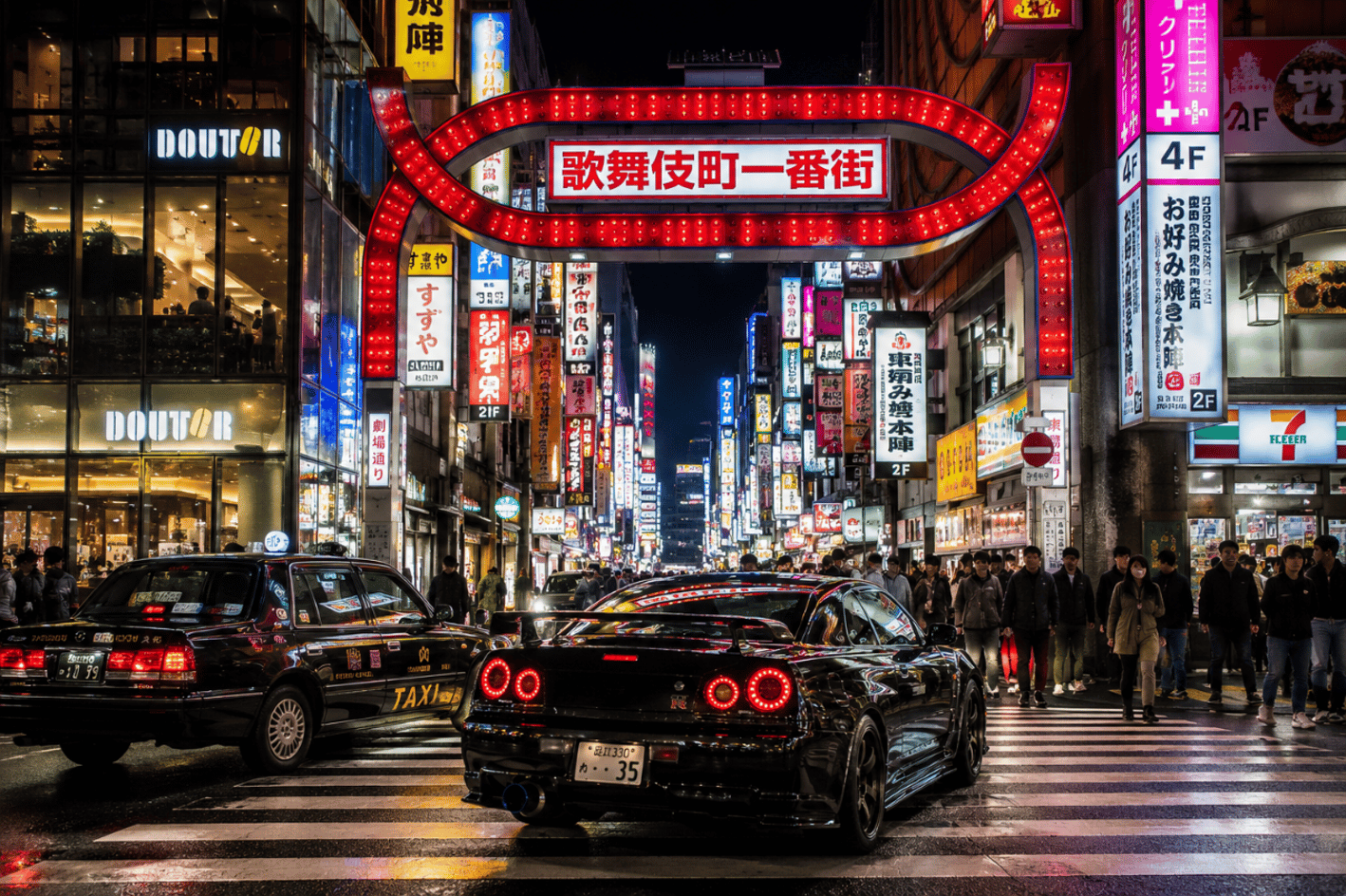
After Daikoku comes a 20-minute photo stop at Tokyo Tower, a pass through Shibuya's neon streets, and a drop-off at your hotel or any spot in central Tokyo. Every ride includes a driver, fuel and expressway tolls, and you travel as a passenger, so no driving permit is needed.
Meeting point3 places, depending on your optionThe tour finishes back at the Shibuya cafe where you checked in, with the simulators still running.Street View2autobacs Shinonome· 30 minThe largest car-supply shop in Tokyo, three floors of tuning parts, gear and books. Half an hour to browse and pick up souvenirs.3Daikoku Parking Area· 60 minJapan's most famous car meet, reached by a long spiral off-ramp from the expressway. An hour among modified Skylines, Supras and EVOs; entry is free.4Tokyo Tower· 20 minA 20-minute photo stop beneath the lit tower, with your driver taking souvenir pictures of you with the car.5Shibuya City· 10 minA ten-minute drive through Shibuya's neon streets on the way back into central Tokyo.From this tourDrop-off4 places, depending on your optionA drop-off point in central Shibuya, a short walk from the station and the crossing.Street View
Where the other tours go
Tokyo Drift Ⅲ: Fast·Furious Daikoku PA Modified JDM Car Ride
Drop-off at accommodation inside Tokyo central area.Exclusive selection of JDM sports carsProfessional drivers/guides available in English, Portuguese, Japanese, SpanishFuel and toll feesStops at iconic sightseeing spots
Not included
Personal expensesWe cannot guarantee that your driver/guide will be fluent in a foreign language such as German, Italian, French, or ArabicEach driver only takes three people, and there are many daily customers. Some Japanese speak basic English for the tour, not for a long conversation where personal topics or curiosities about random subjects come up
How to book your spot at a street meet up tonight
01
Pick the right night
Check the calendar first. Weekend meets start earlier and police sometimes clear highway lots on Friday and Saturday, so pick a date when you can go with the flow.
Pro tipFriday and Saturday crowds are the liveliest, and if Daikoku closes early your driver reroutes to Umihotaru PA across the bay, so the night is never wasted
RecommendedBook a date early in your trip, so a reschedule or full cancellation still leaves you a second chance
02
Choose your option
This tour runs four options. The main ride lasts about four hours with stops at Daikoku PA, A-PIT Autobacs and Tokyo Tower. The Midnight Run cuts to three hours and skips sightseeing, and a Sunday morning option chases the exotics meet.
Common mistakeBooking the Sunday morning option for one person. It requires two tickets, so travel solo and you will need a companion or a different option
Pro tipPick the Midnight Run if you care more about highway miles than photo stops, since it drops the tower and shopping and keeps the Wangan speed run
03
Book and pay
Select your date, option and number of guests, then pay through the marketplace. Cancellation is free up to 24 hours before the start, so you can lock a seat early without risk.
Pro tipHold a weekday seat the moment your flights are fixed. The fleet carries up to 150 customers a day at three or four riders per car, and good slots go first
ImportantThis is a passenger ride with a professional driver, so no international driving permit or Japanese licence is needed
04
Watch for confirmation
After payment you get a booking confirmation, then the operator may message you before the start time with updates. Activate your WhatsApp notifications so nothing slips past you.
RecommendedSend a message about the car you like most when you book. You cannot choose a specific model, but drivers try to match your pick from the fleet
Pro tipThe tour has no hotel pickup, so confirmation is the moment to plan your subway route to the meeting point
05
Show up ready
Meet at the start point in central Tokyo and show your voucher on your phone, no printout needed. Wear comfortable shoes and clothes for standing around an open parking lot, and bring your passport or ID card.
ImportantBring a physical passport or ID. Tours check identification before you board
RecommendedPack a light jacket even in warmer months. Meets run at night on open bayside lots where the sea wind bites
Most reviewers praise their driver or guide by name, calling them friendly, skilled and happy to talk cars all night.
Best surprise
Many travelers who knew little about cars said the night drive and the meets won them over anyway.
Most common wish
Several reviewers wished the night had lasted longer, especially when police ended the meet early.
Spend a night in a modified JDM at the meet lot
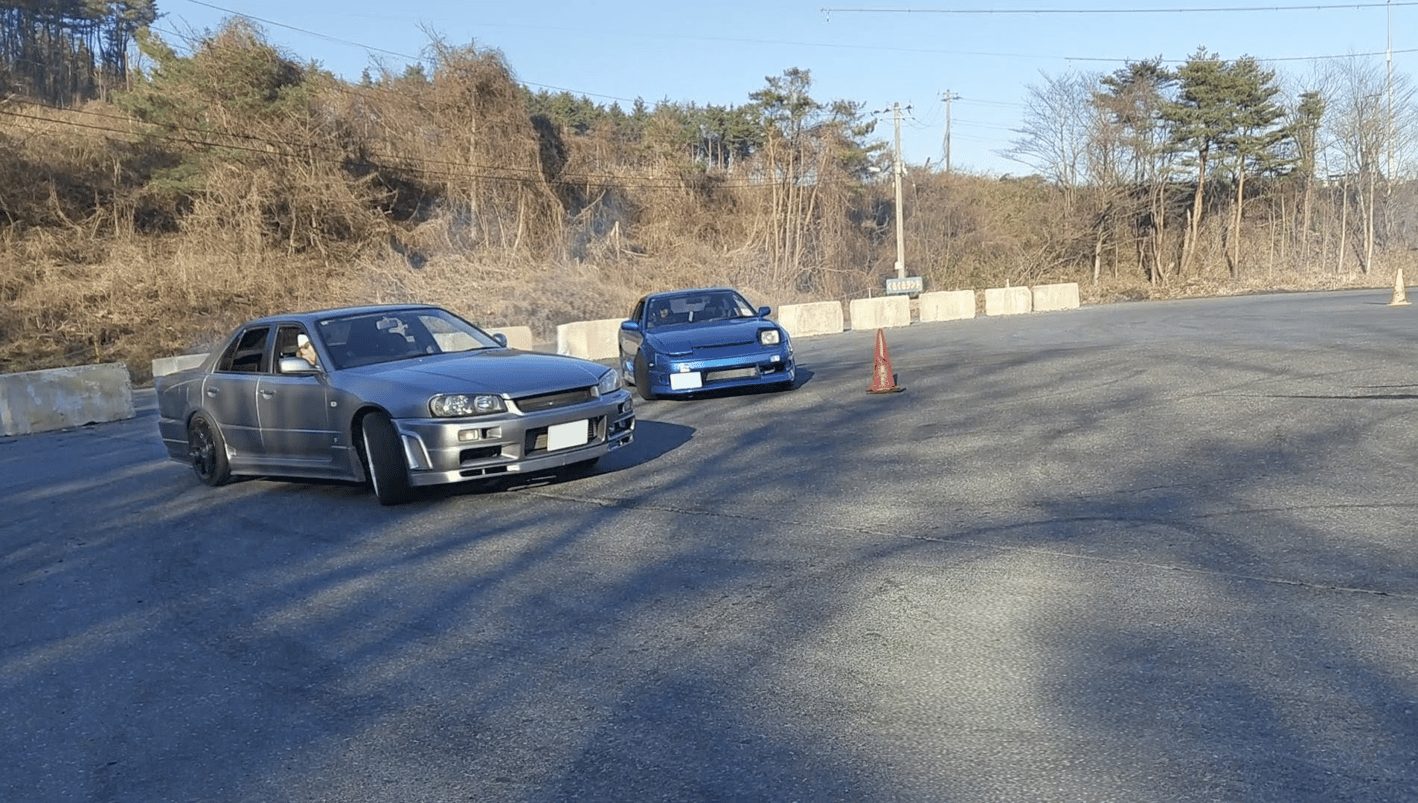
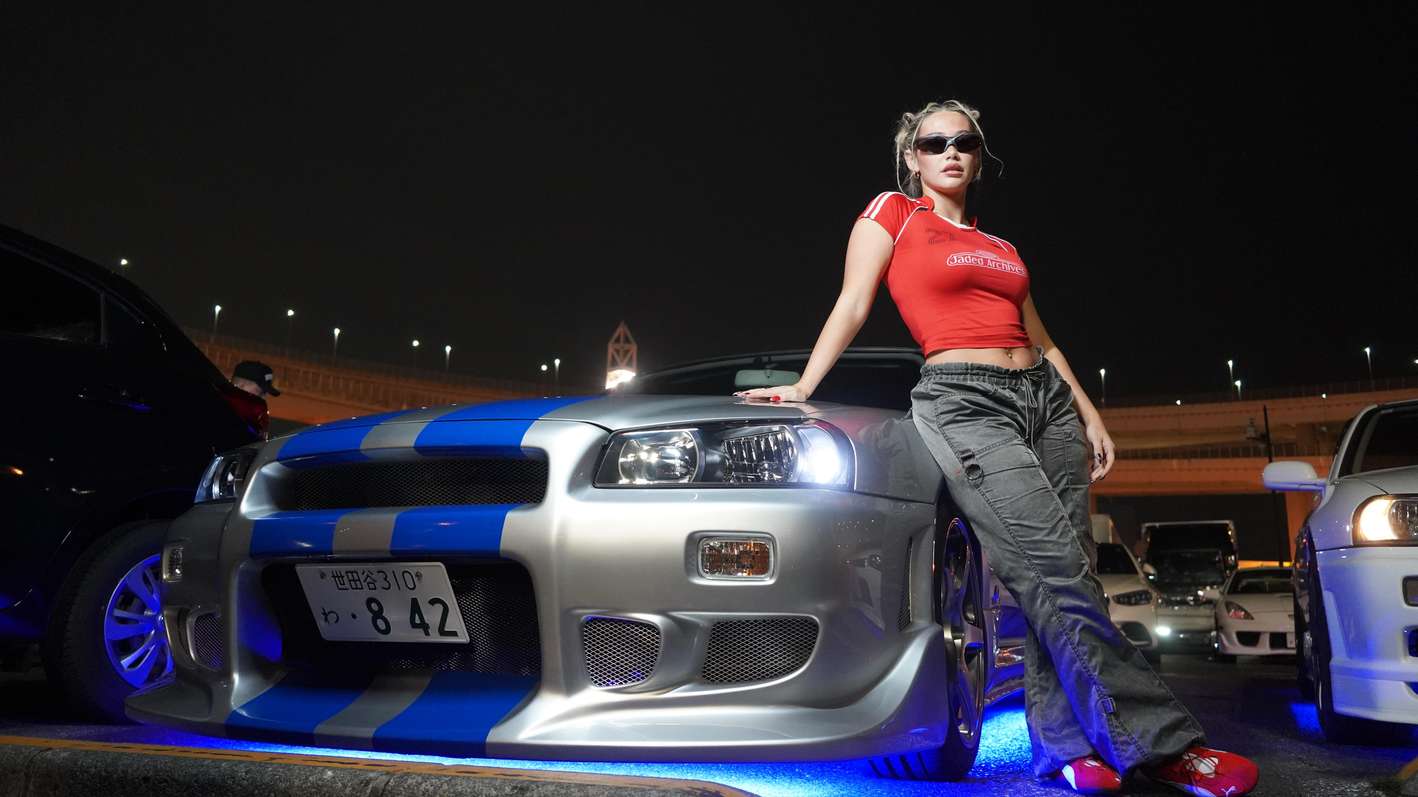
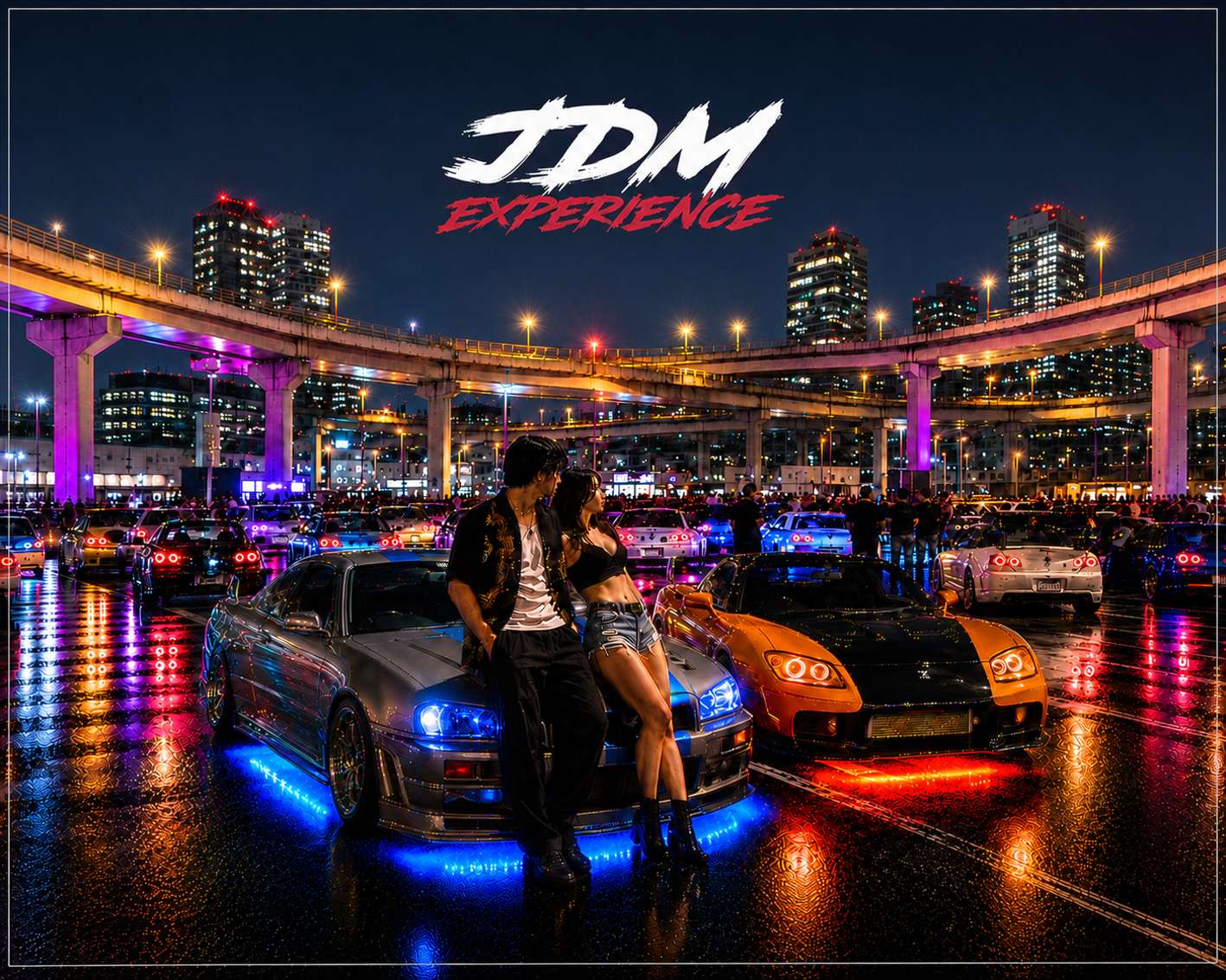
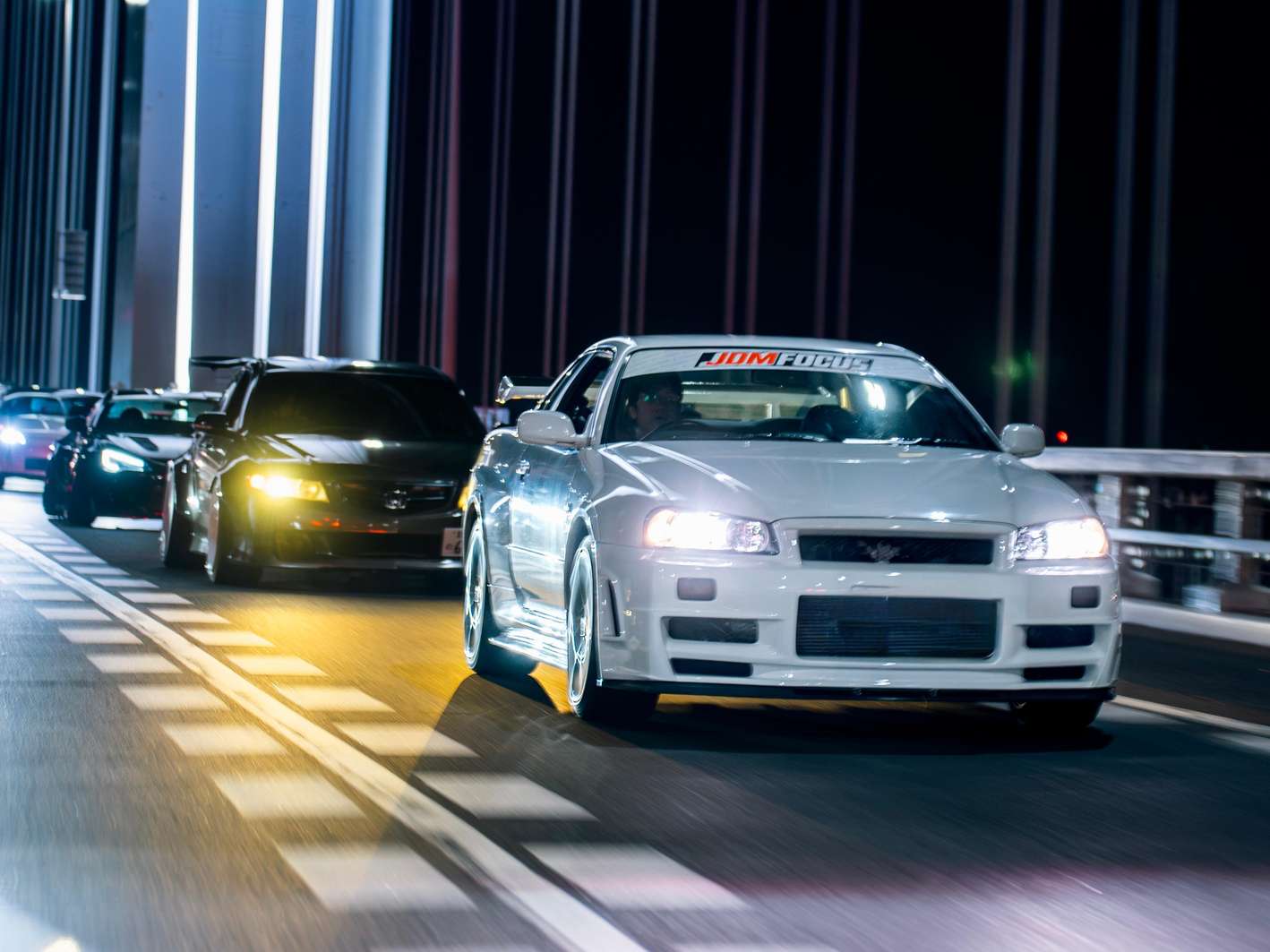
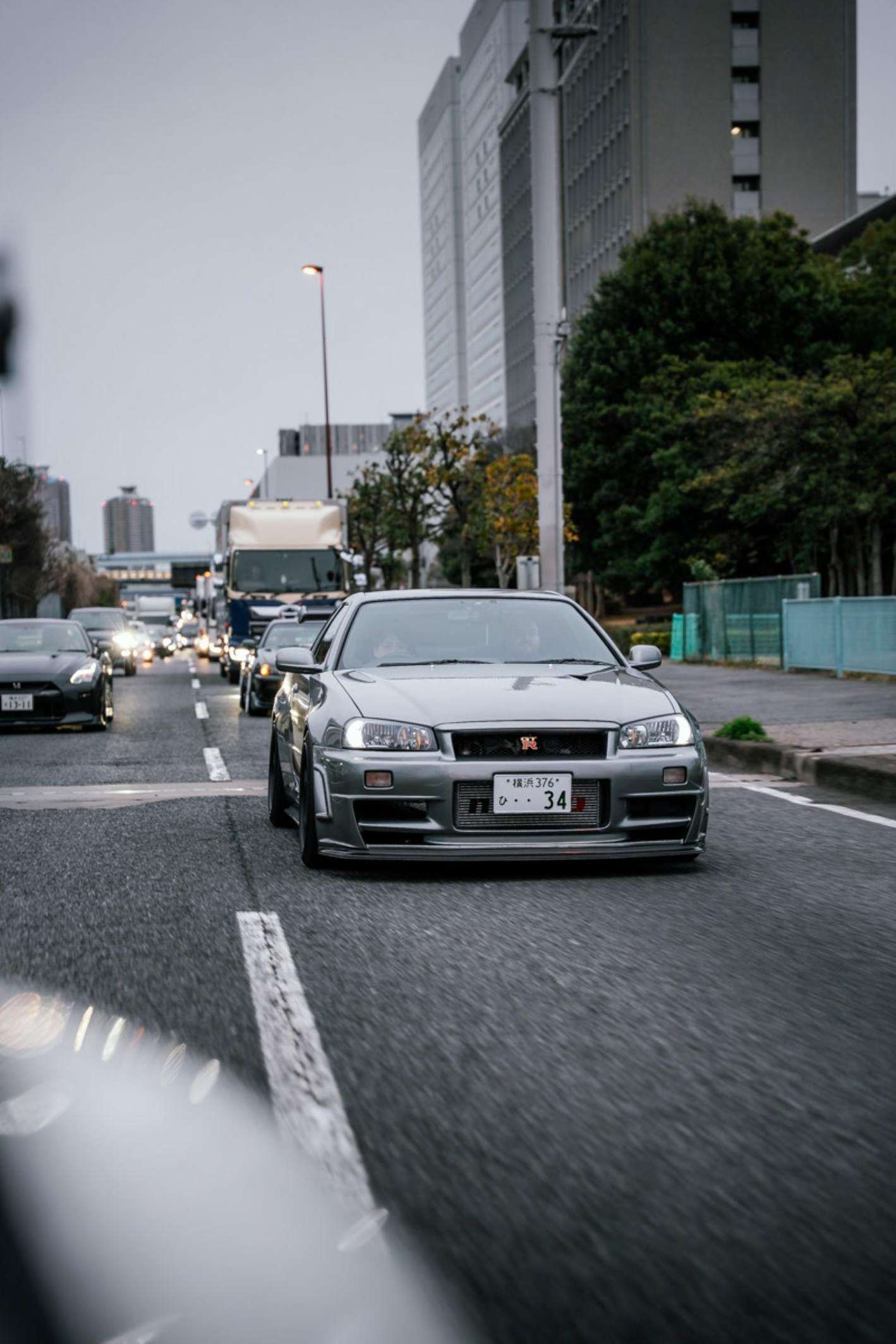
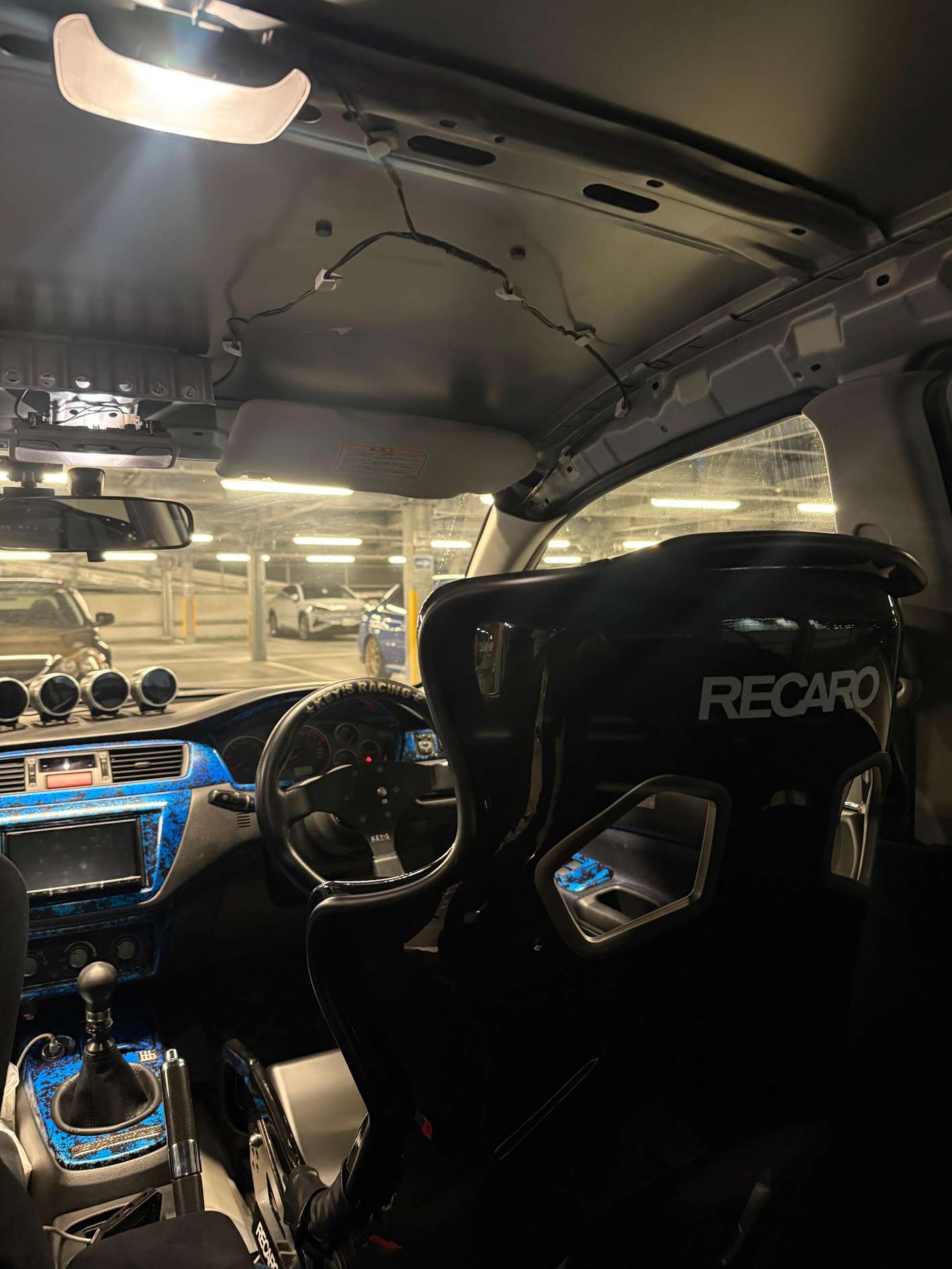
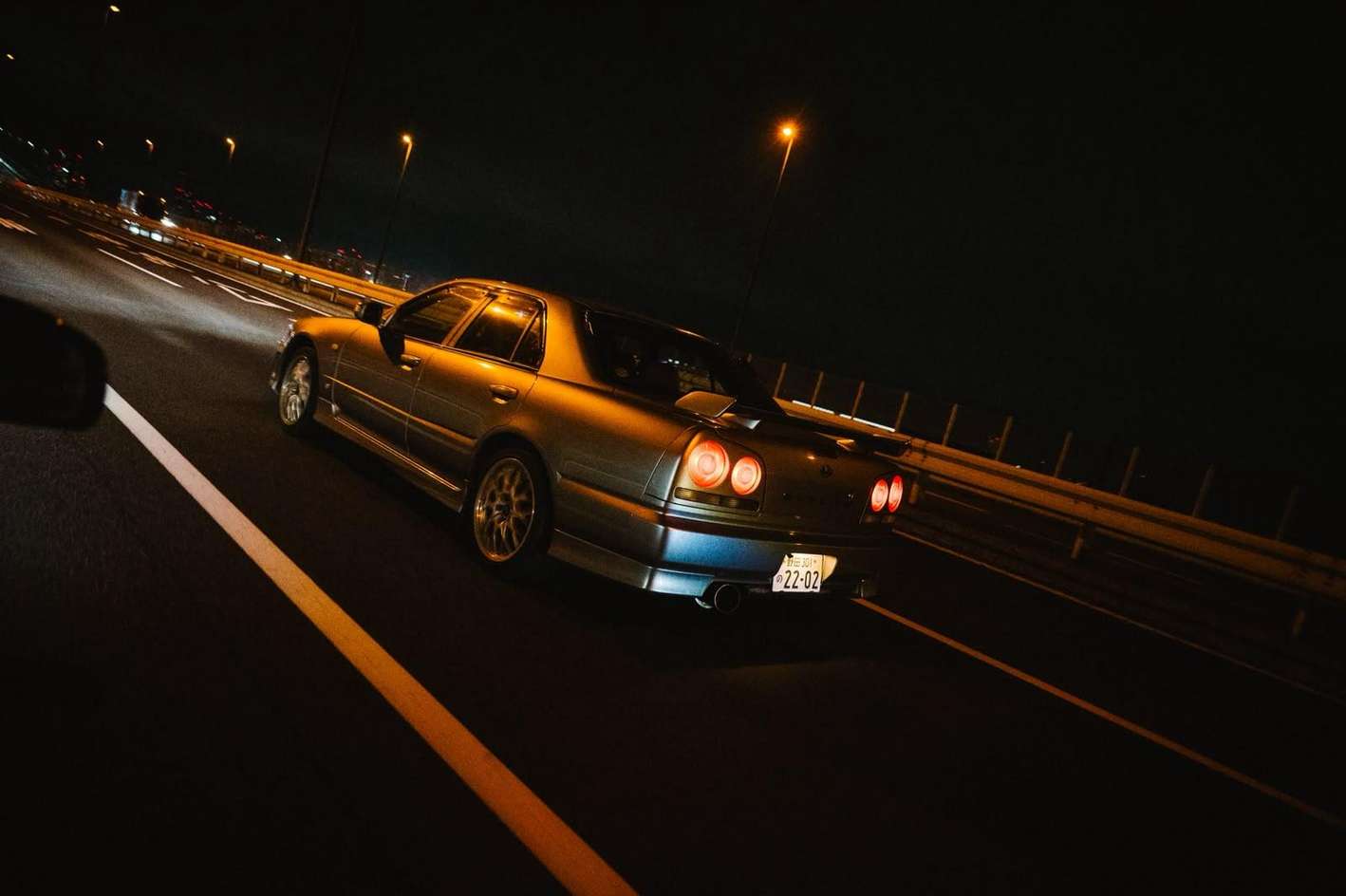
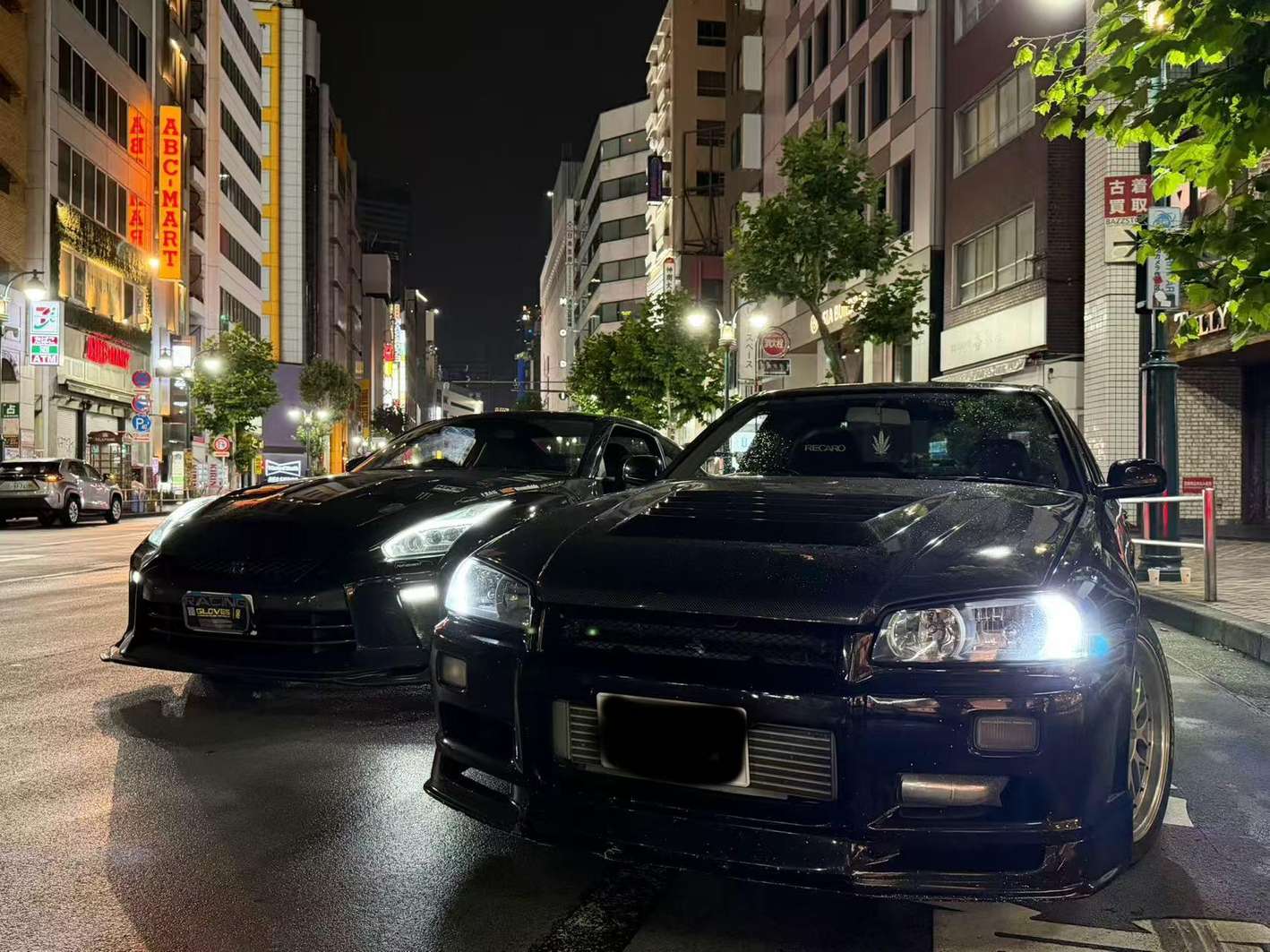
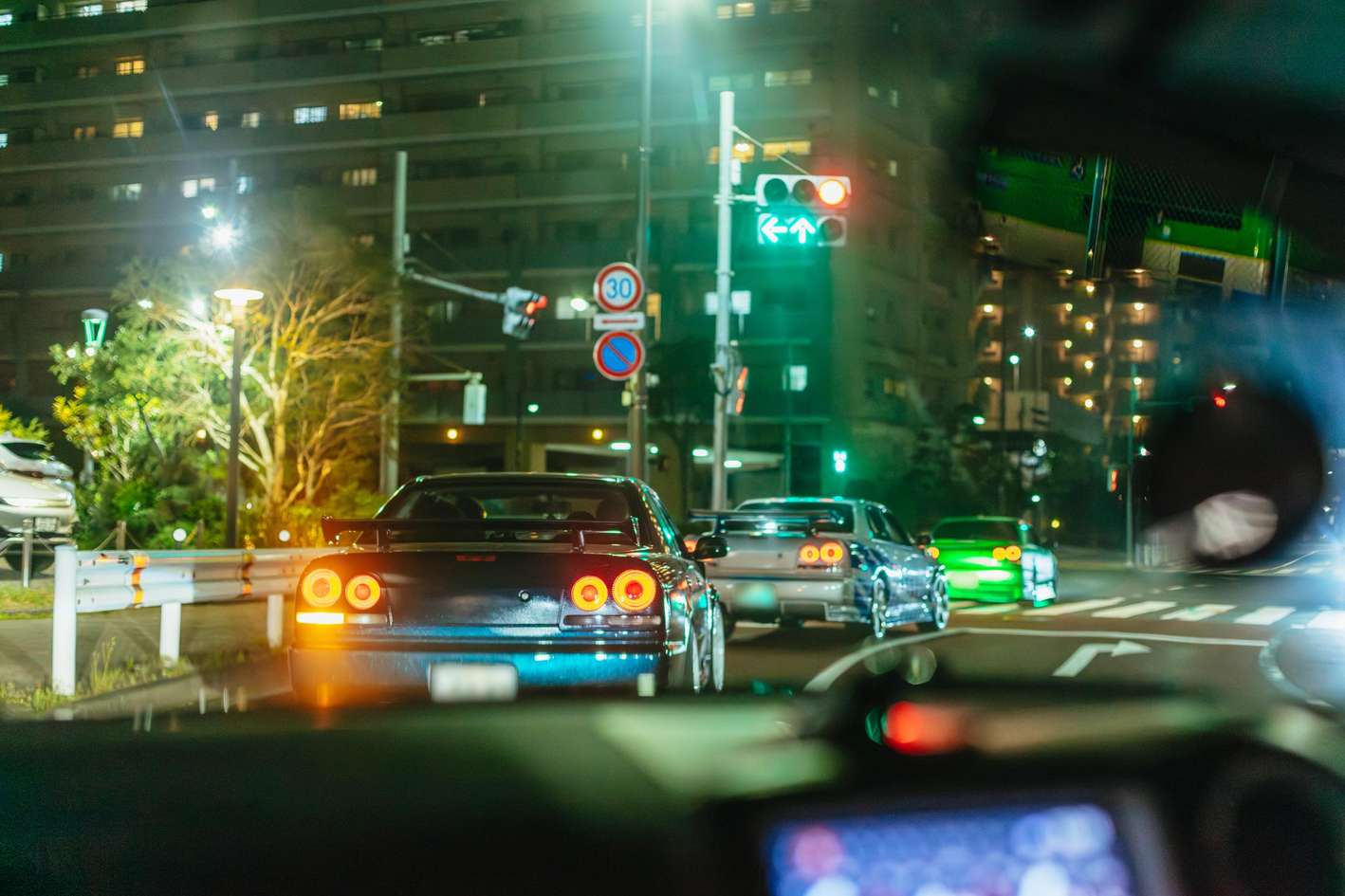
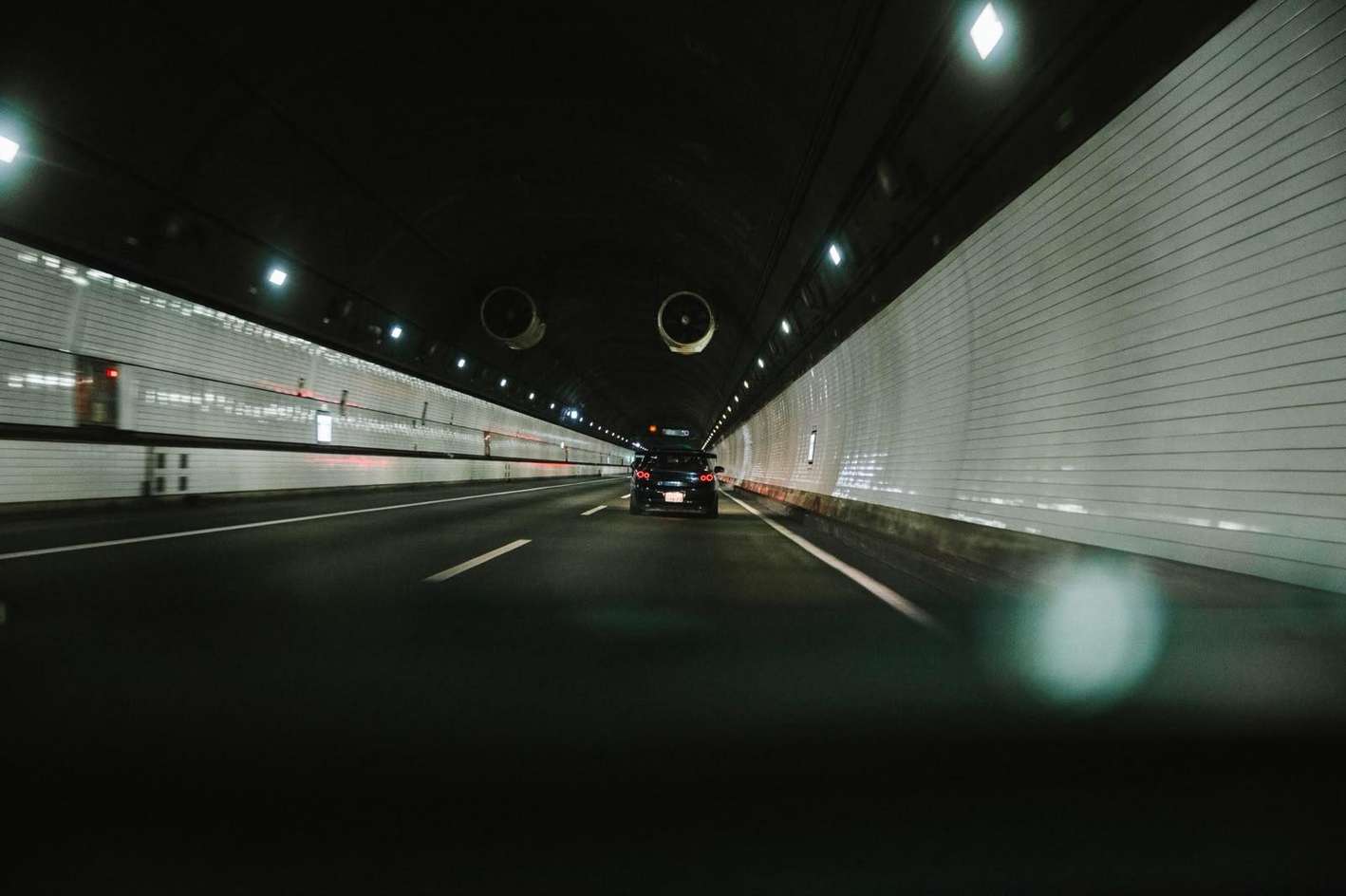
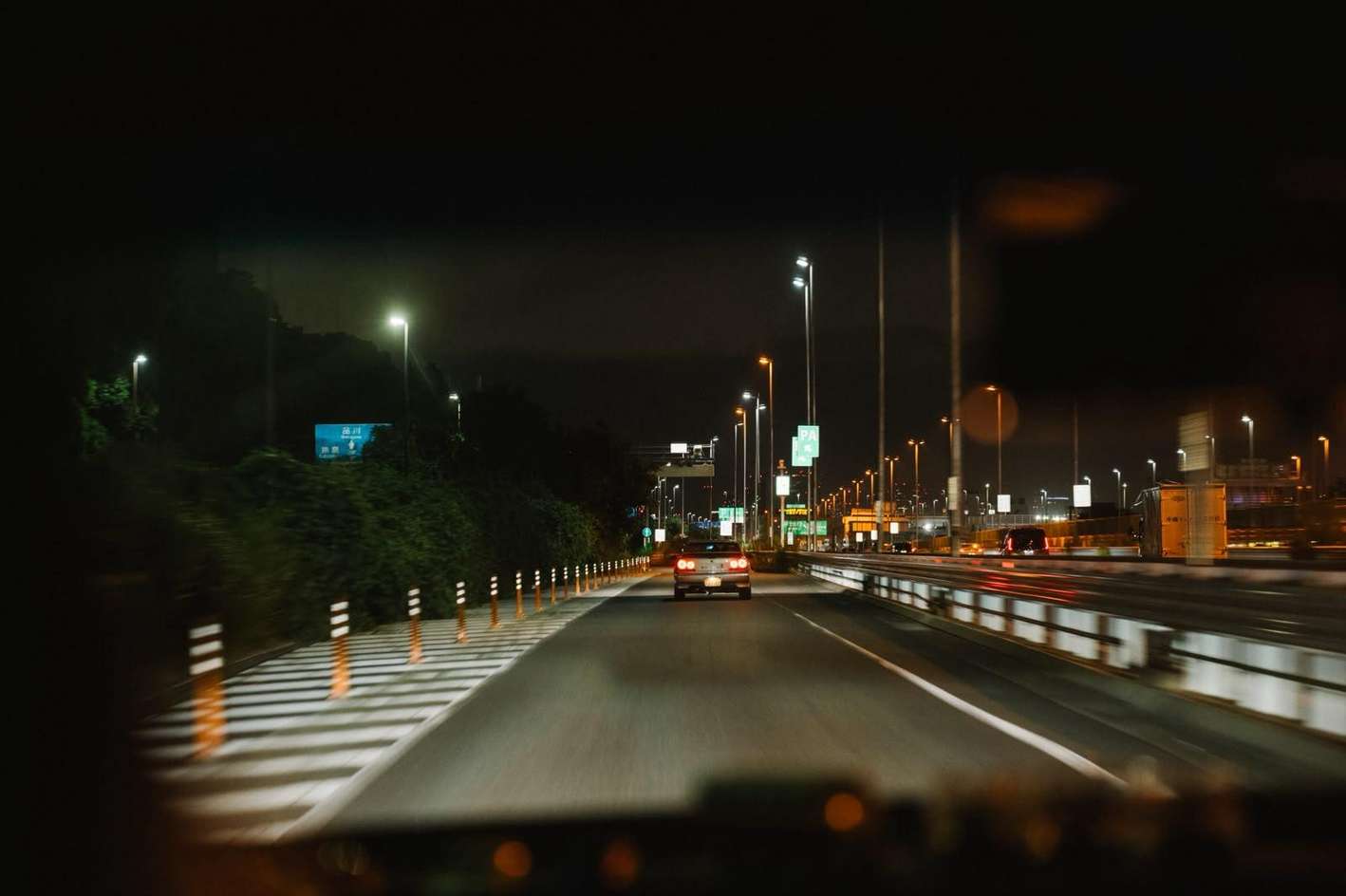
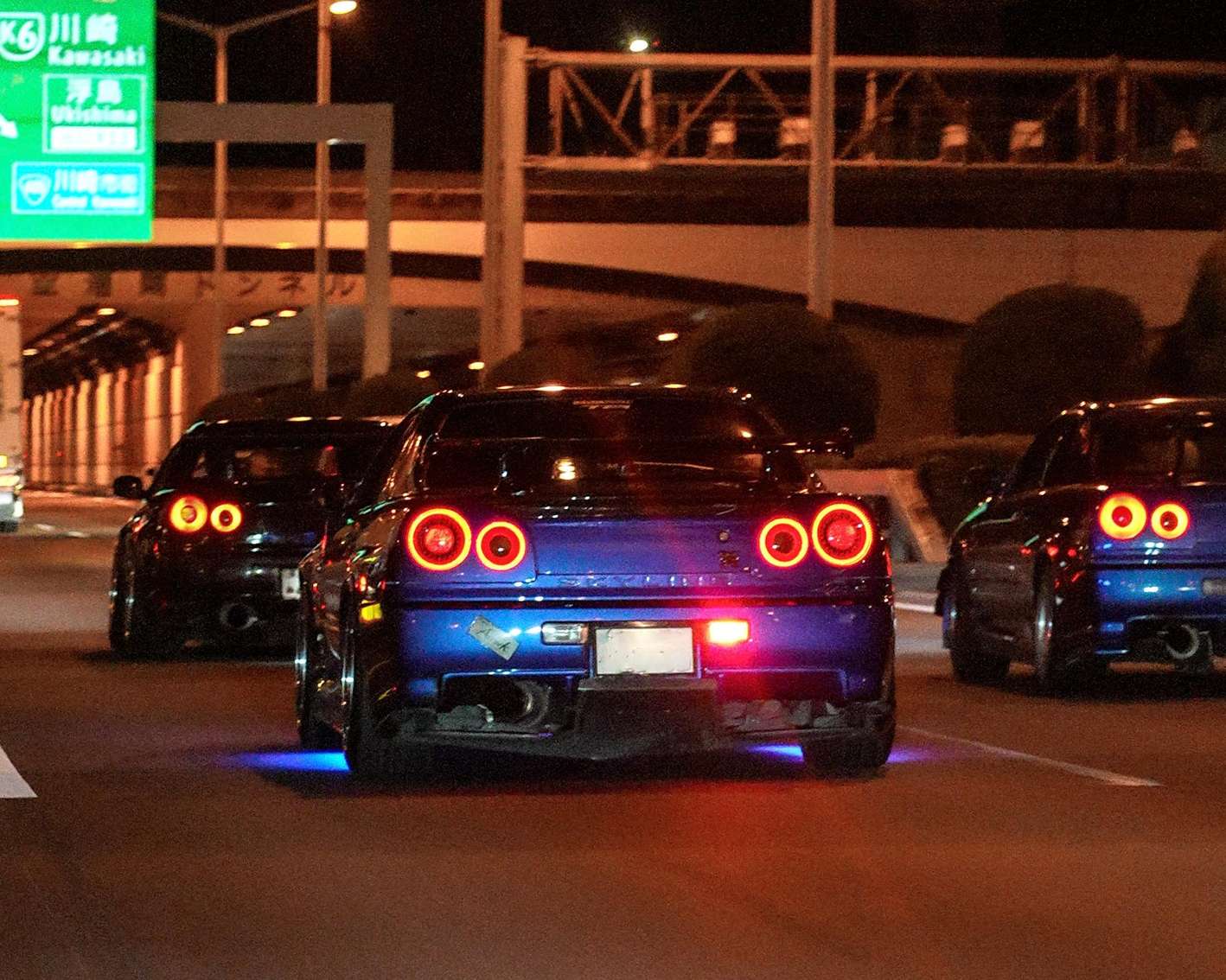
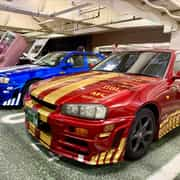
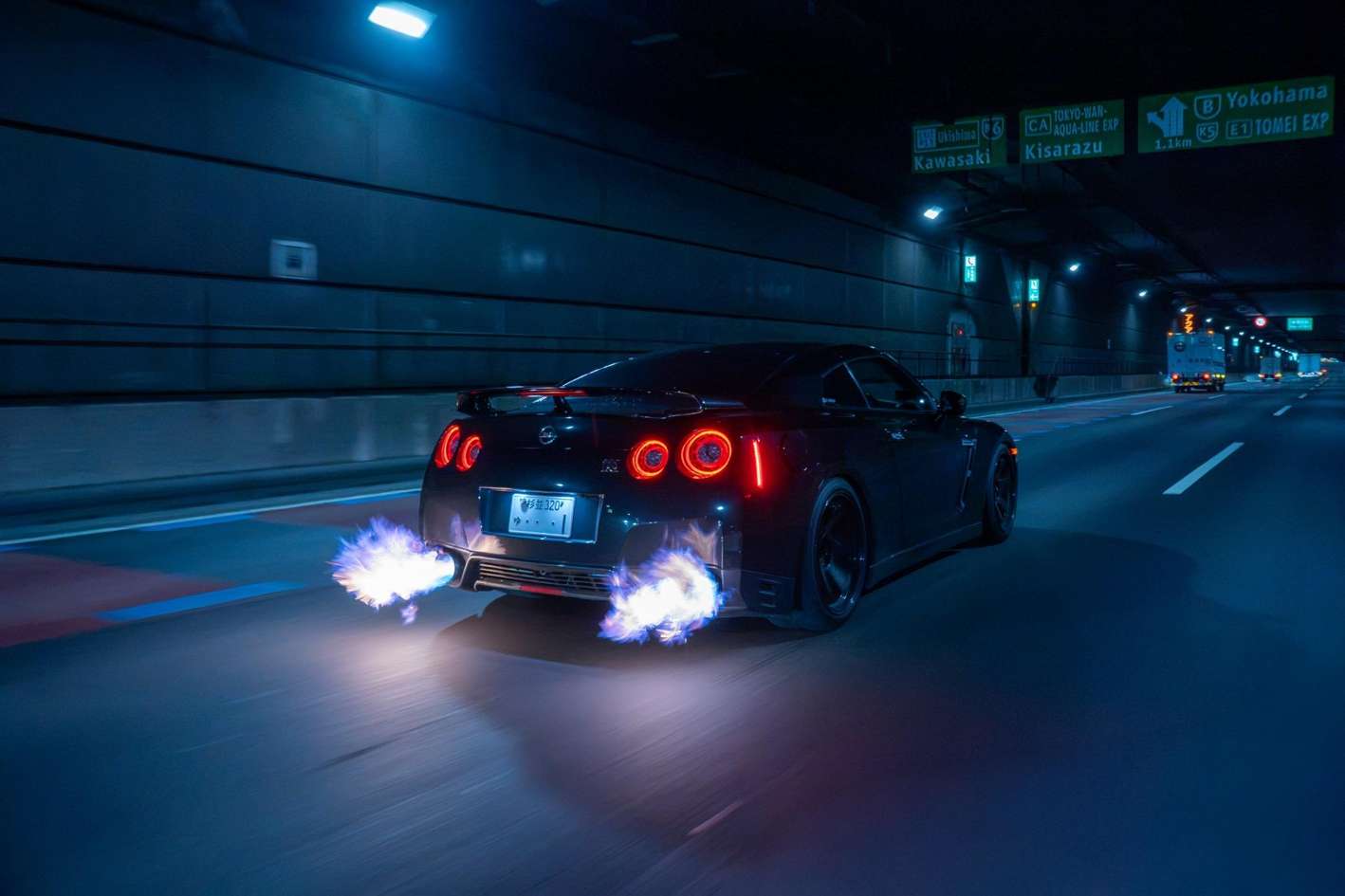
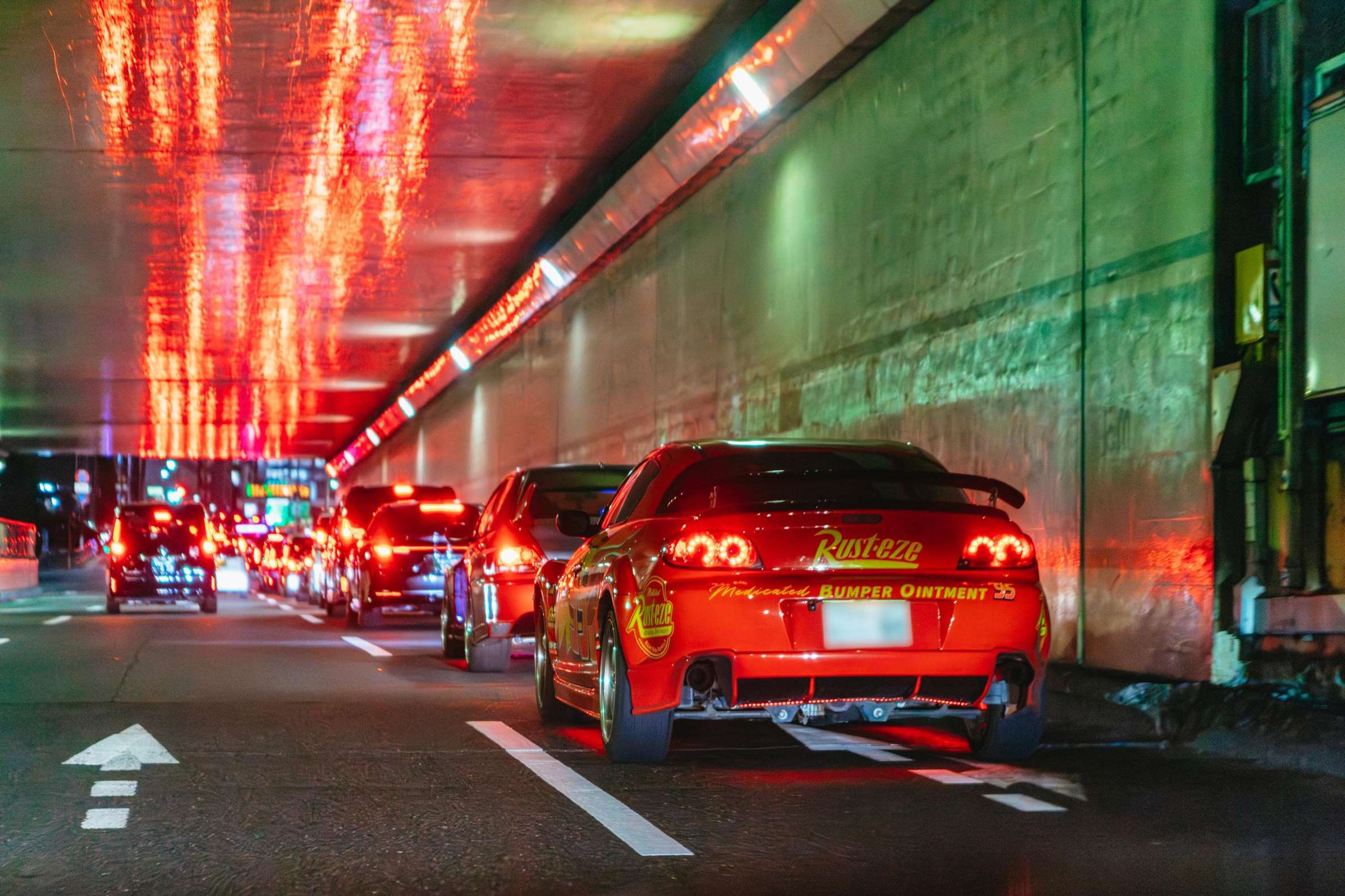
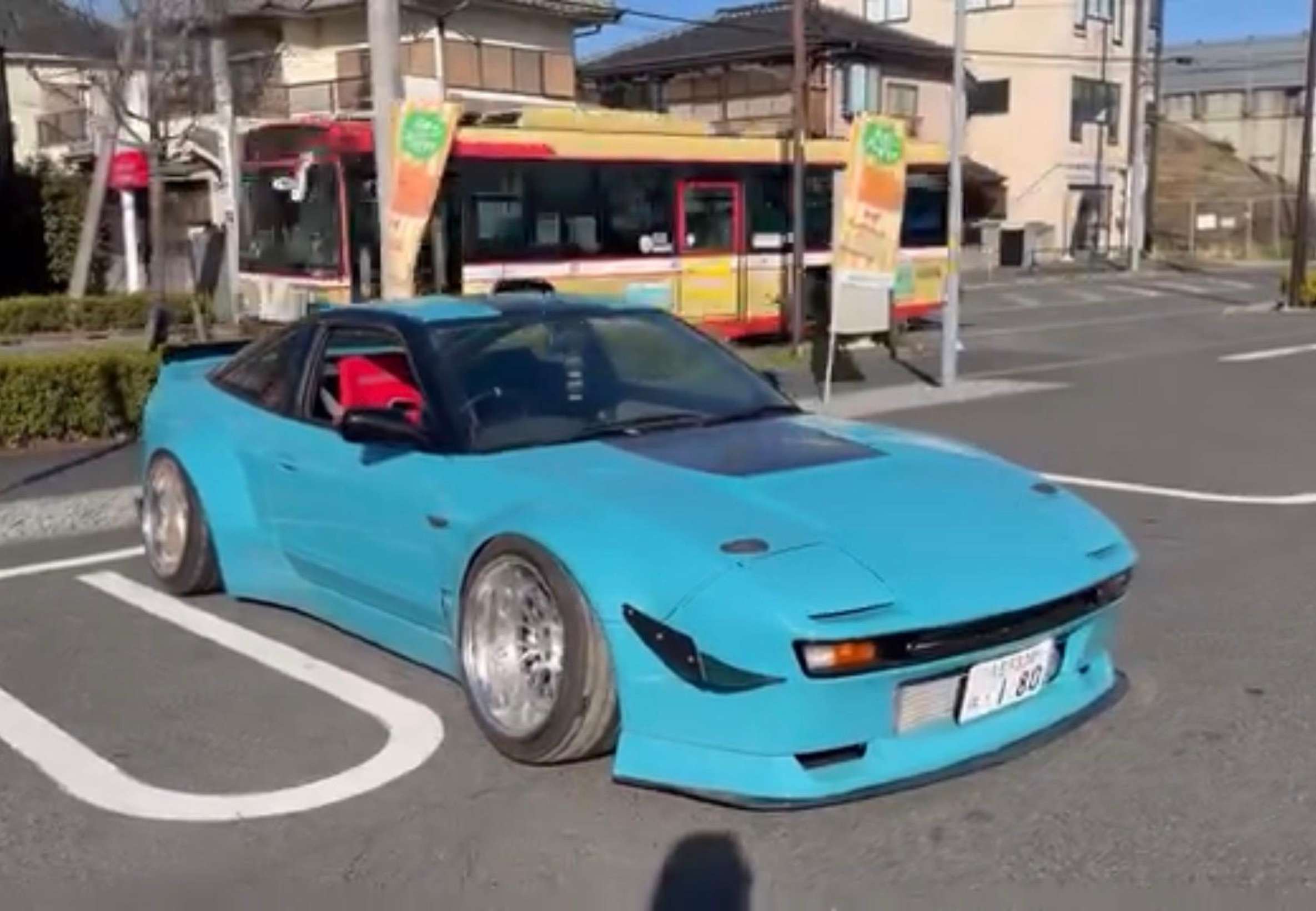
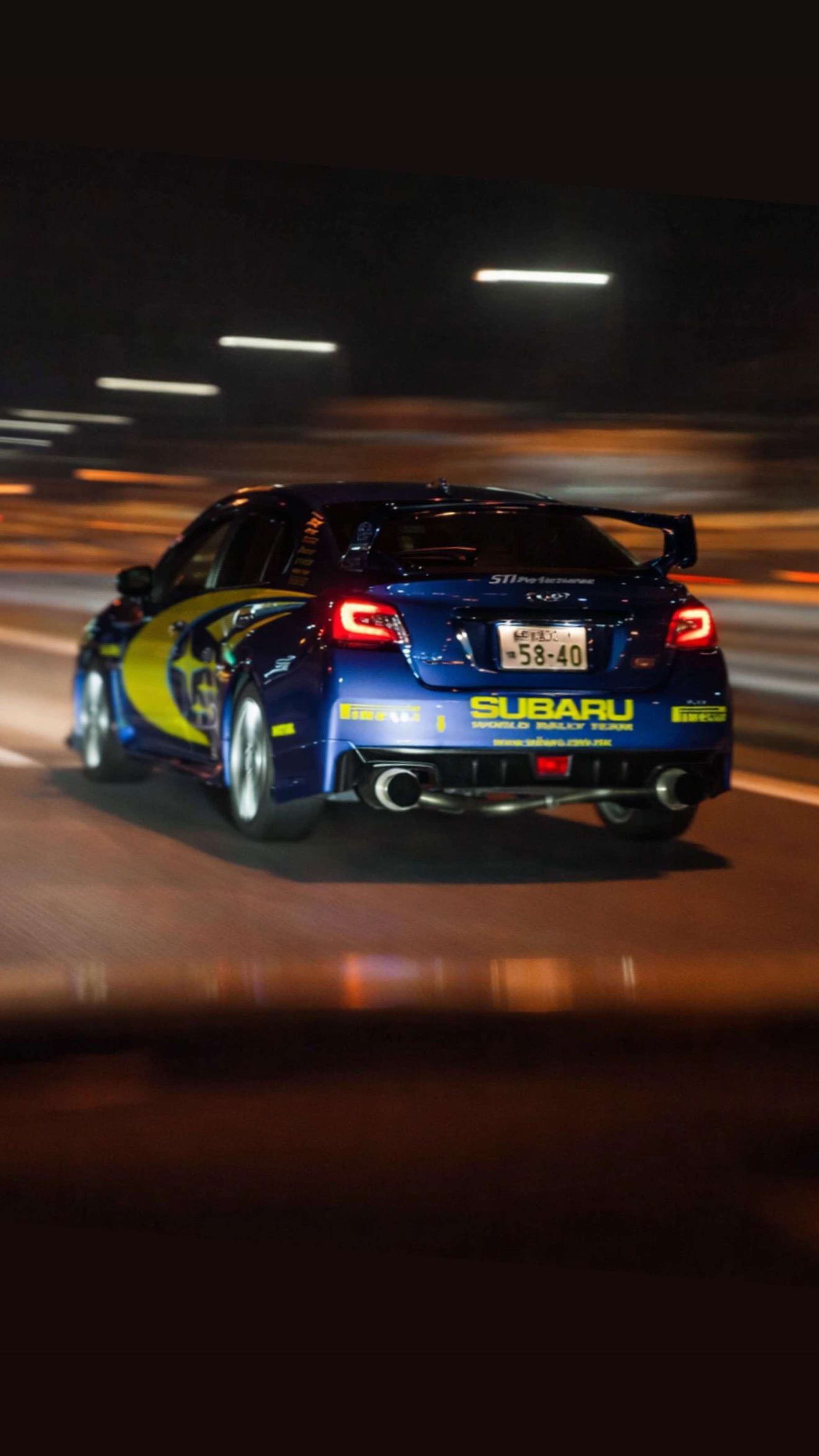
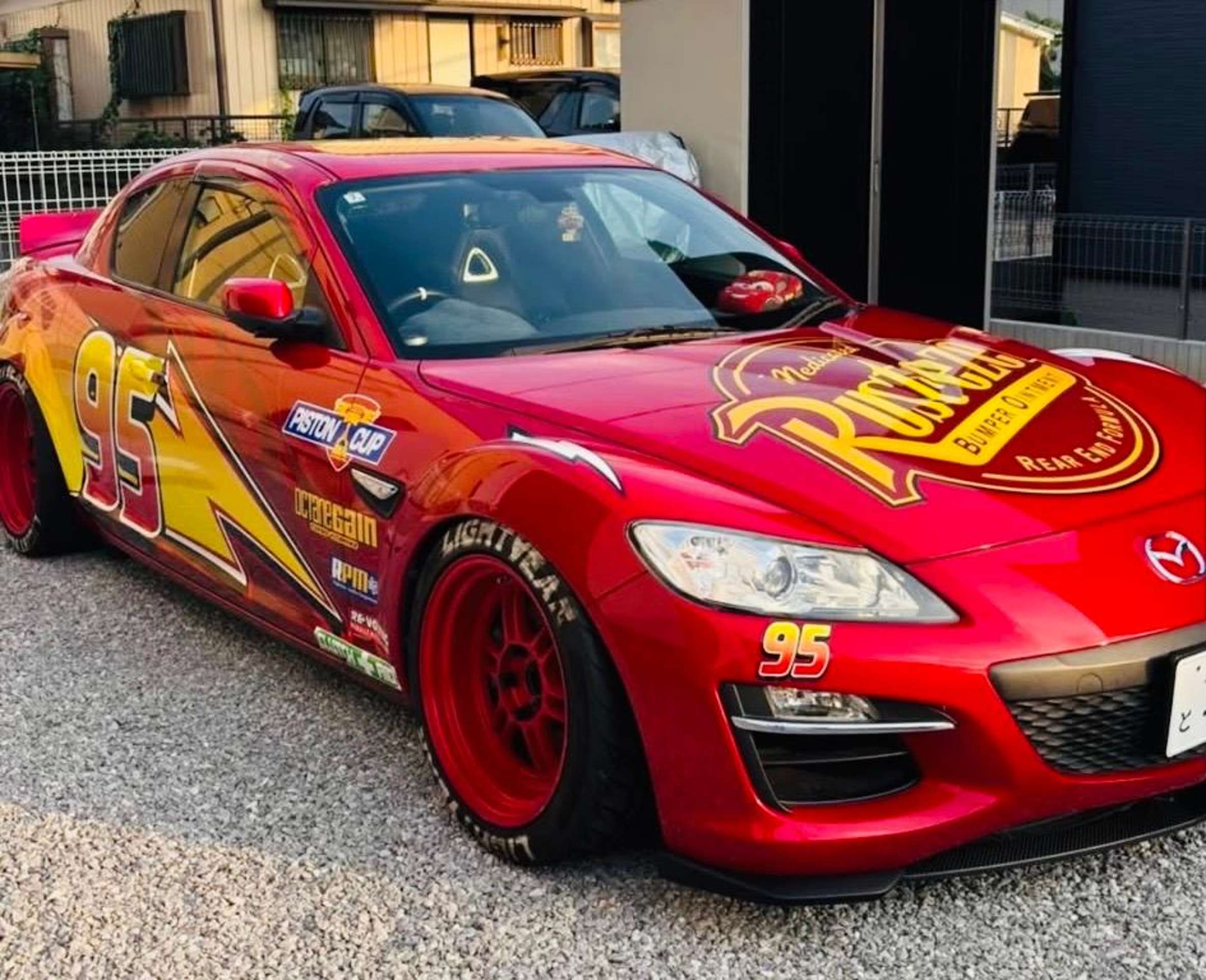
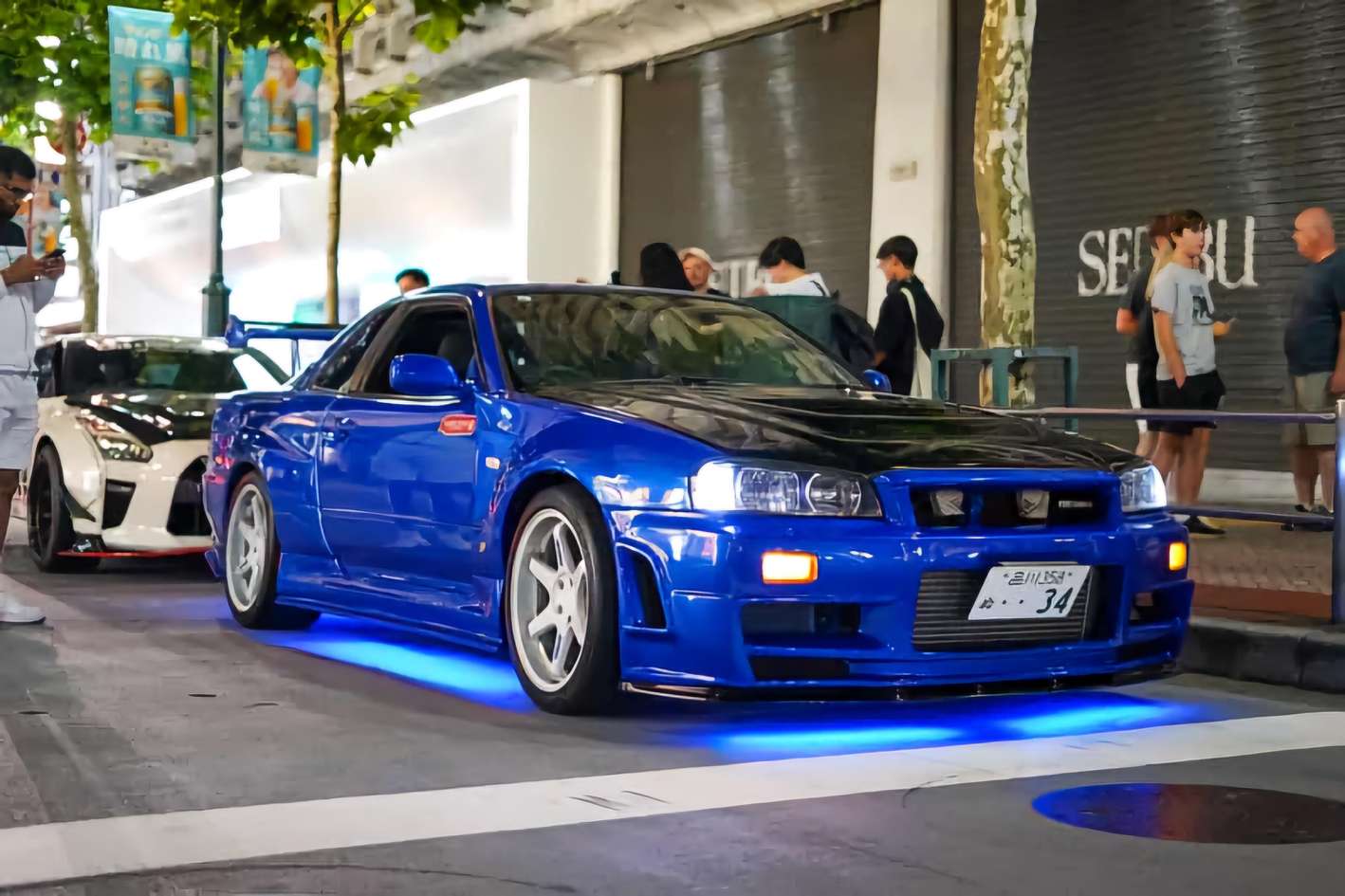
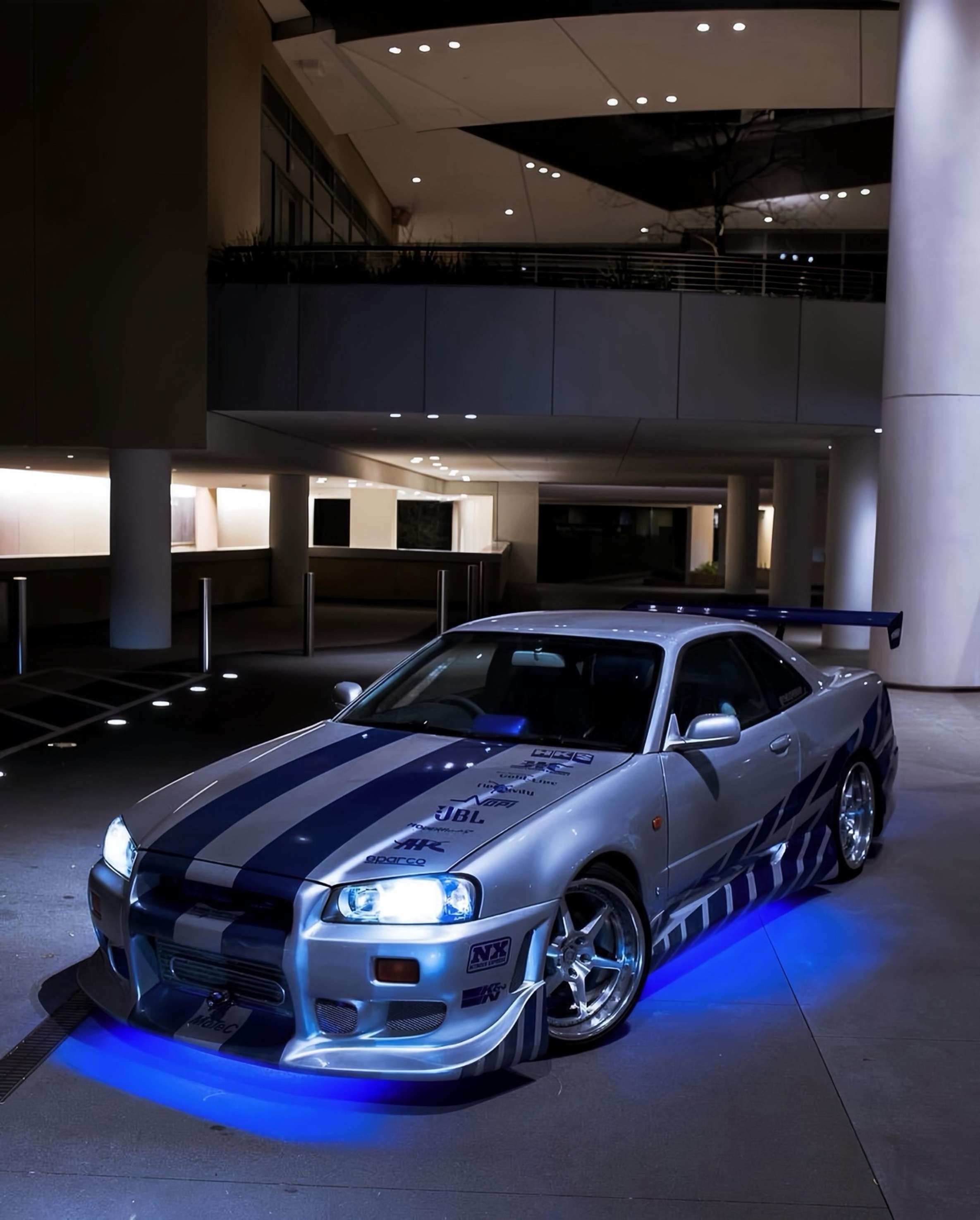
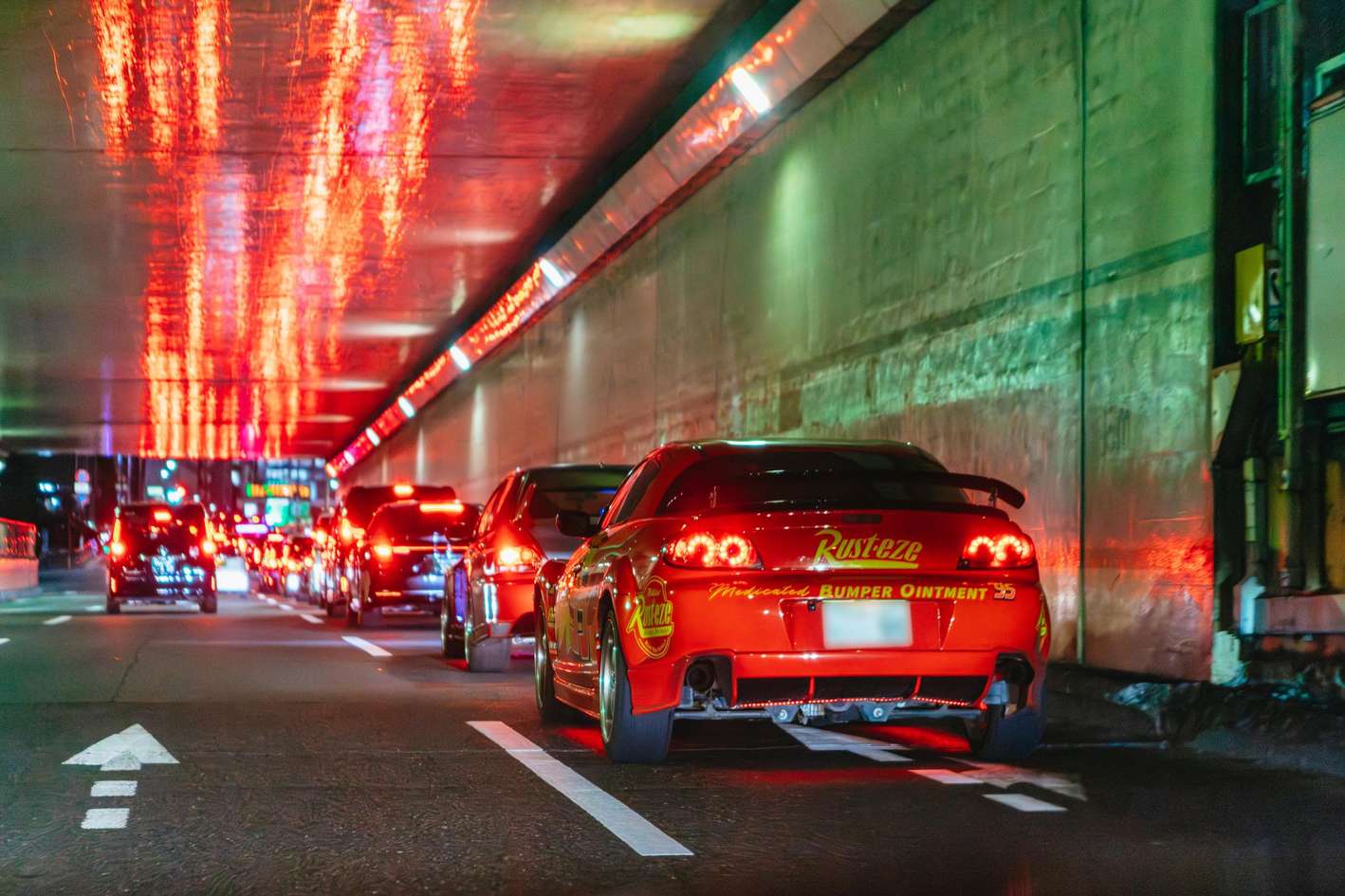
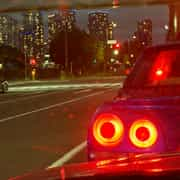
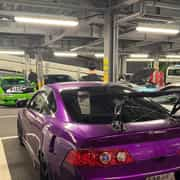
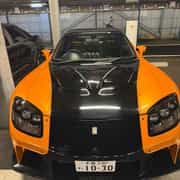
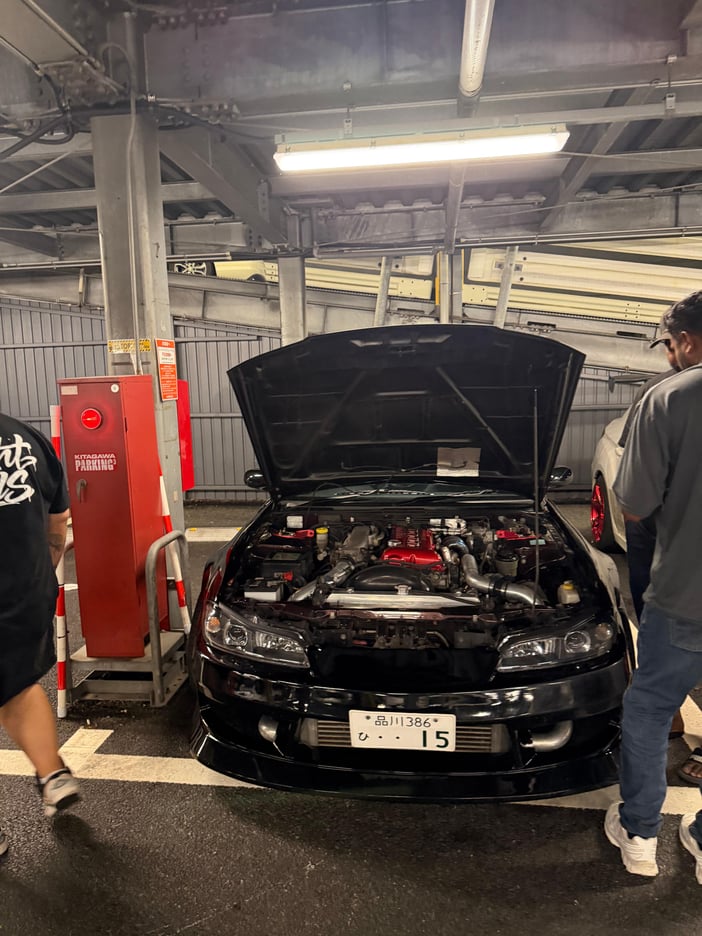
Some tours split the night between sightseeing and the meet. This one keeps the spotlight on the cars themselves: you spend the evening in a heavily modified Skyline ER34, Evo, RX-7, Supra A80 or Silvia S15, riding the C1 Loop and Wangan Route out to Daikoku PA.
It suits travelers who want more hours in a tuned machine and fewer landmark stops along the way.
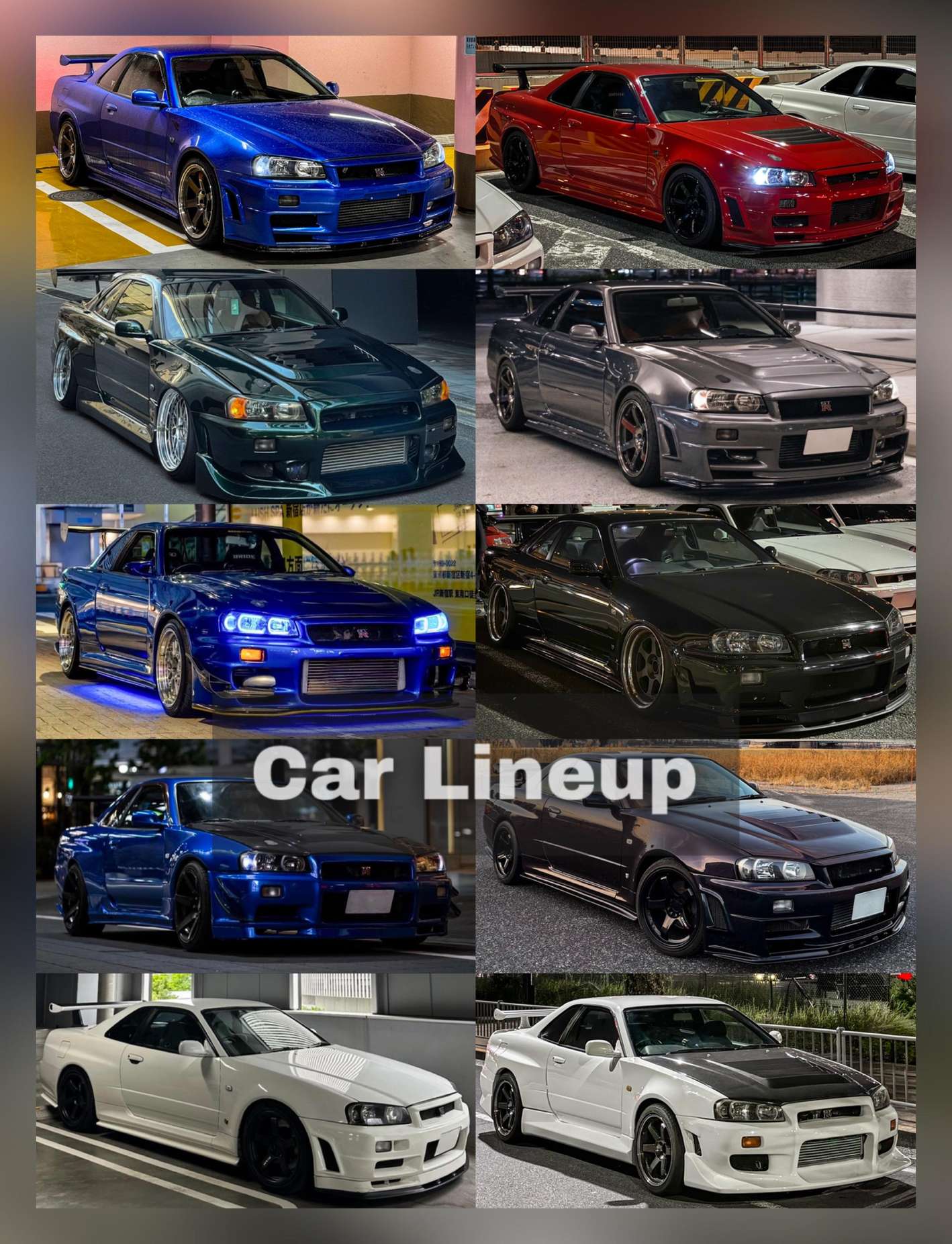
A fleet of real tuner buildsFour ride options cover everything from rally-bred Subarus to three generations of GT-R.
Trusted by 1,500 travelersClose to 1,500 guests rate this ride 4.7, and tolls, fuel and a driver-photographer come included.
Hotel drop-off sortedThe Midnight Bayshore Run option includes free hotel drop-off no matter where you stay in Tokyo.
Free cancellation up to 24 hours ahead lets you hold a date while you plan the rest of the trip.
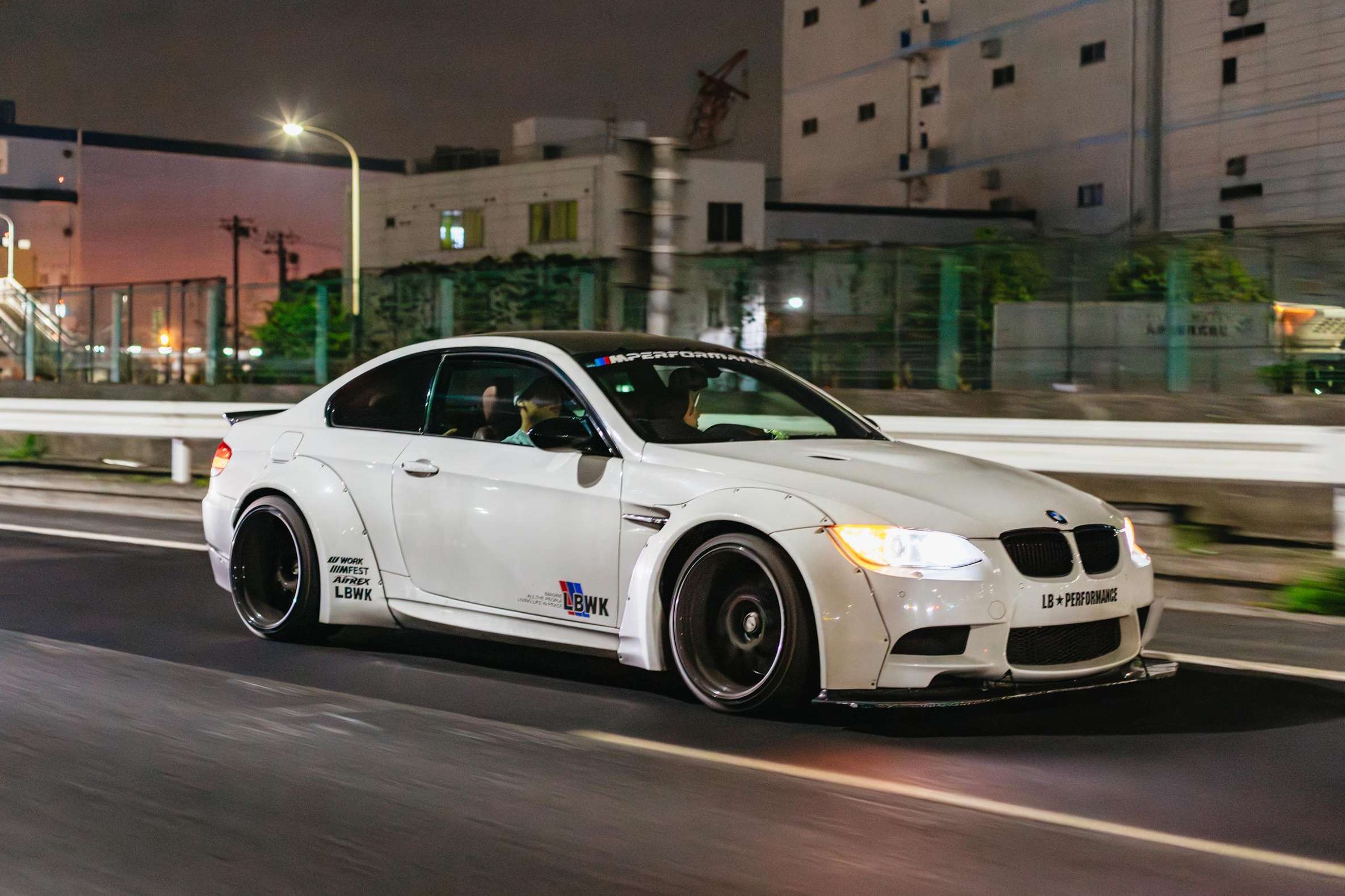
A night cruise in a modified Tokyo Drift car, with stops at Shibuya Crossing, the C1 Loop, and the Daikoku PA car meet. You choose between midnight speed runs, Sunday morning exotics, or daytime drives, all riding shotgun with an enthusiast driver. Best if you want the movie sites and the scene in one evening.
Riding a real JDM car through Tokyo's night highways suits visitors who want the full package: expressway cruising, photo stops at Tokyo Tower, and a walk around the meet itself. Options range from a guided three-hour run to a twelve-hour drift day at Ebisu Circuit, where you learn donuts and figure-8s on a closed course.
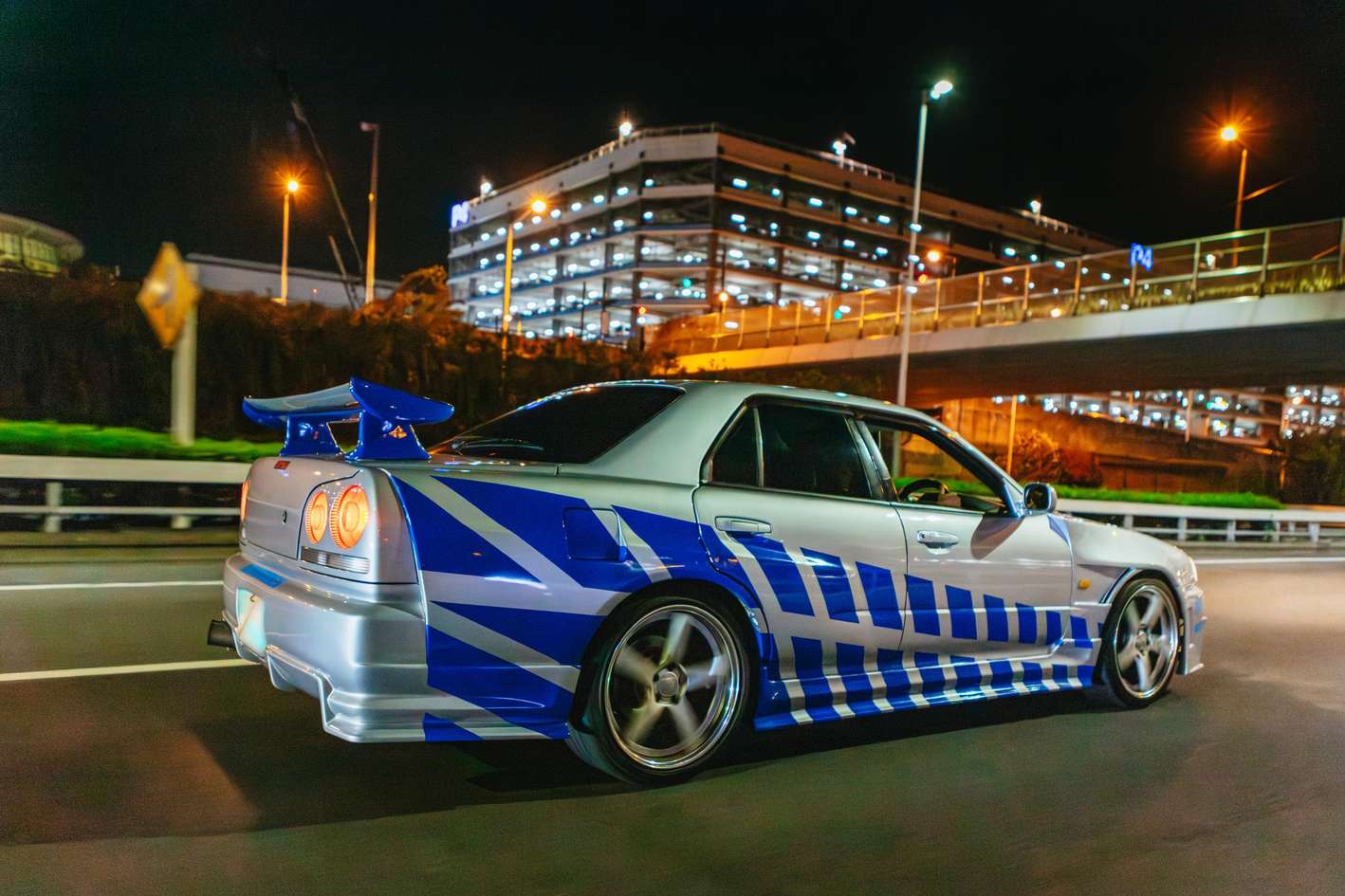
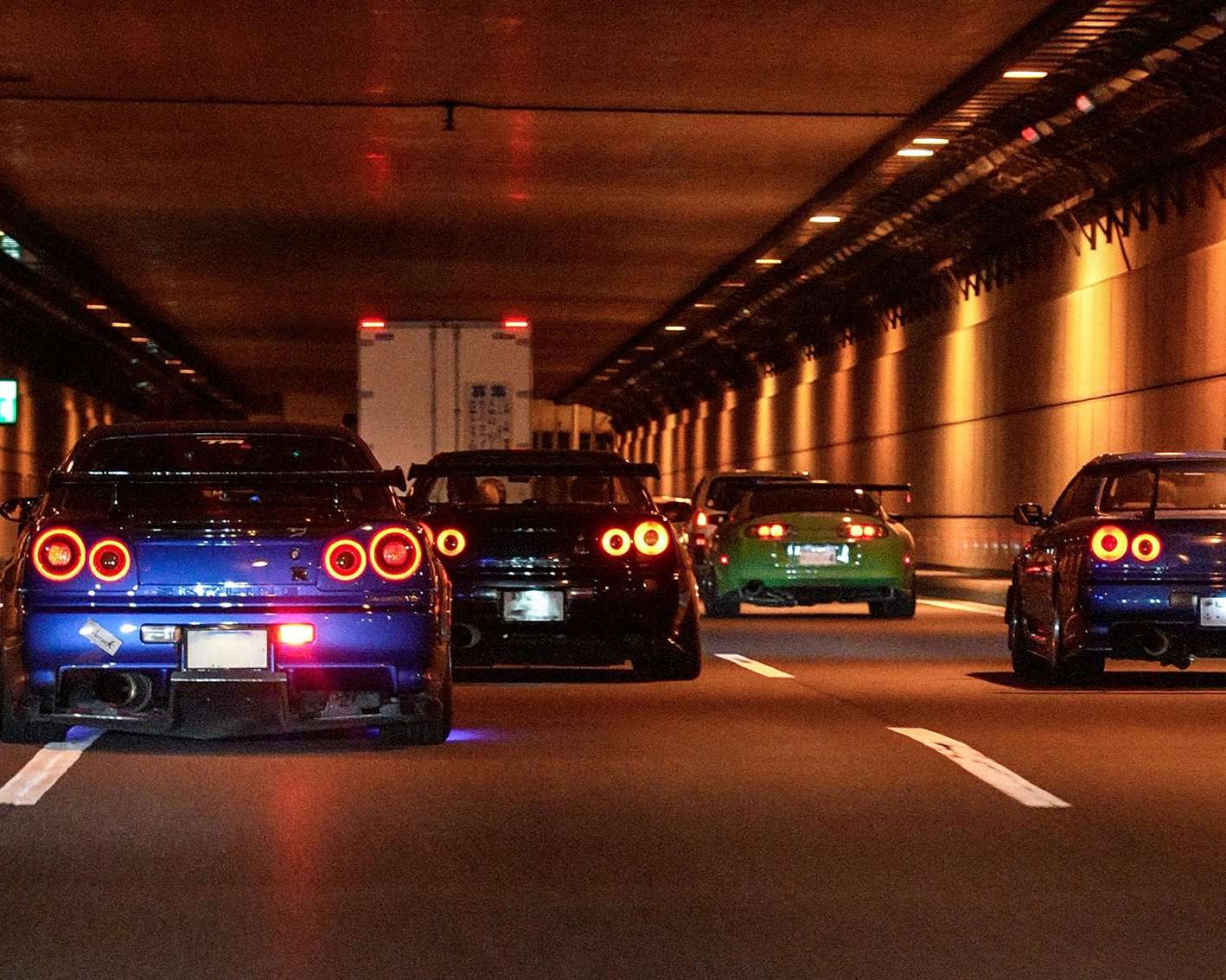
A private R34 Skyline drive to Daikoku PA puts one car and one driver at your group's disposal, with hotel pickup and a route shaped around your requests. You can pick a 550 or 700 horsepower GT-R, add Umihotaru PA or Tokyo Tower, and cruise alongside a convoy of other R34s when one runs.
Most of these night tours include hotel pickup and drop-off, and nearly all offer it. Drivers usually return you to your hotel or any spot you choose in central Tokyo, so you never have to plan your own way home.
Choosing a car
On shared tours you generally cannot pick your exact car; you ride whatever the fleet assigns that night. Some operators ask which model you like most, and a few private plans let you request or guarantee a specific car such as an R34 Skyline or a GT-R.
Sharing
Shared rides put you in the car with other JDM fans, usually three guests per car. Large groups may be split across two cars that drive and park together, or you can book a private option to keep one vehicle to yourselves.
What is included
Toll fees and fuel are covered in the tour price on most of these night runs, and entry to the parking area itself is free. Guides handle photos along the way, and some drop you off anywhere in central Tokyo.
On board rulesCan stop the day
No smoking, no food or drink in the cars, and no alcohol before or during the ride; heavy intoxication can end your night.
Timing and crowds
Cars start gathering around 6 to 7 pm on Friday and Saturday, and police often close the lot between 7:30 pm and 9:15 pm on those nights. Weeknights stay calmer with smaller turnouts and few closures, and rain thins the crowd without shutting the lot.
Tipping
Japan does not expect tips, so you can simply thank your driver and leave it there. If you want to offer something anyway, hand the money inside an envelope, the local way, at the end of the night.
02
BookingHow far ahead, and what happens if plans change
2
Booking ahead
Weekend night slots sell out fastest, and some options limit daily capacity or run on a small fleet. Book a few days ahead for Friday or Saturday, and check the booking calendar for same-day availability if plans come together late.
Cancellation
Most tours let you cancel up to 24 hours in advance for a full refund, so you can lock in a night early and still change your mind. If severe weather forces an operator to cancel, you get an alternative date or your money back.
03
Before you goPapers, health, what to bring
2
DocumentsCan stop the day
Bring a physical passport or ID card; every tour requires it and a phone photo may not pass. You need no driving licence or international permit because a professional driver handles the wheel on a passenger tour.
Health limits
Bucket seats, roll cages, and firm suspensions rule some people out: most sports car tours decline pregnant women and guests with heart or back problems, and several cap weight or height. Rear seats in 2+2 coupes are cramped, so taller passengers should ask for the front.
04
During the tourWhat is expected of you
1
Meet etiquette
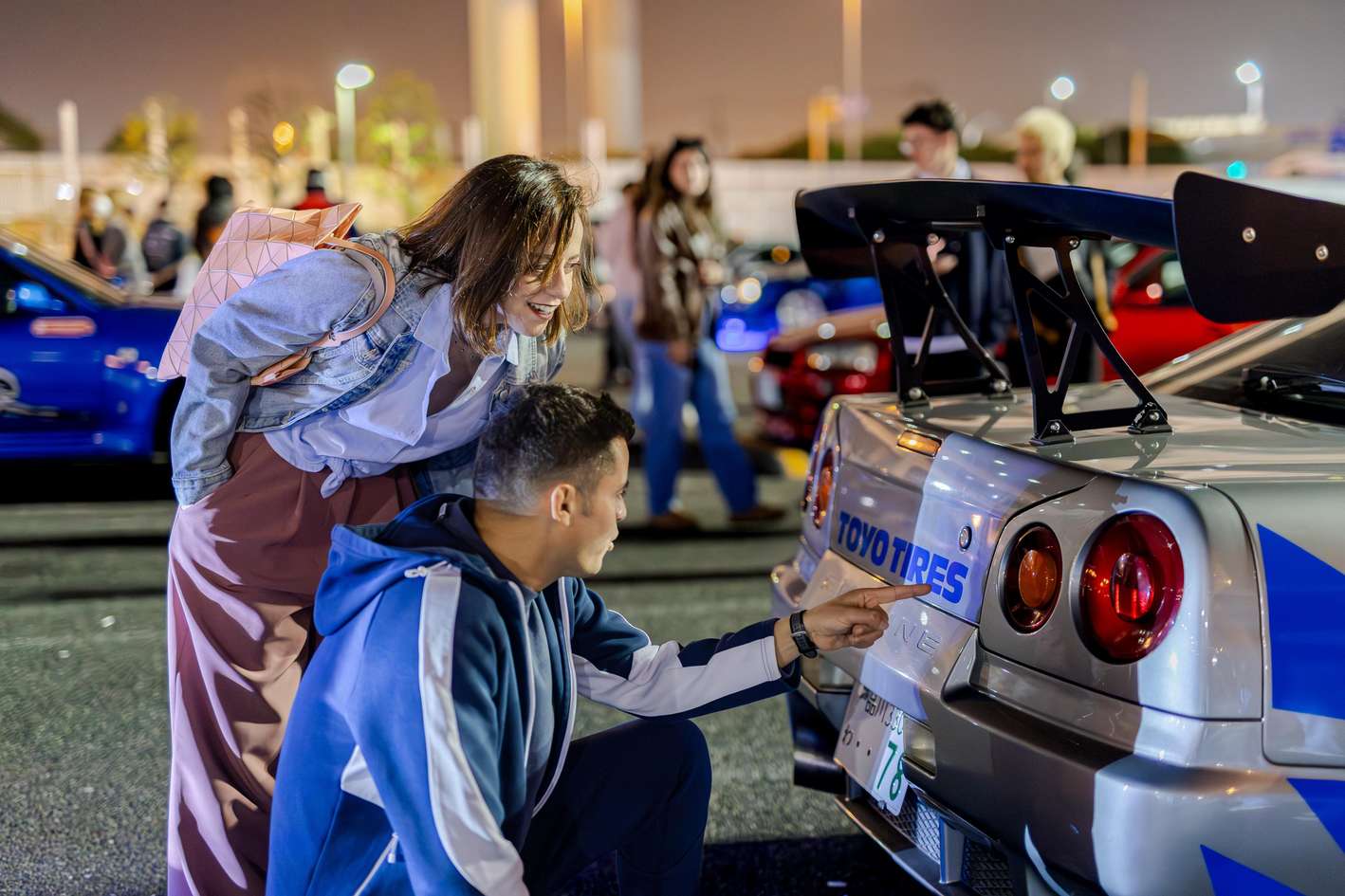
Never touch, lean on, or sit in a car without the owner's permission, and keep watches and buckles off the paint. Ask before photographing interiors or faces, skip close-ups of license plates, and follow staff or police instructions at once.
A JDM car meet in Tokyo - nights, spots and how to go
The scene is real: owners gather most nights on a highway island in Tokyo Bay, engines idling, builds on display. Two decisions shape your night, which day you go and how you get there.
Yokohama· 35.66° N, 139.70° E
If you only remember three things
1
Book a guided ride-along: no trains, no taxi rank, no walking in, no permit needed from the passenger seat.
2
Pick your night on purpose: Fridays and Saturdays are the biggest and close earliest, weeknights are calmer, Sunday mornings bring classics in daylight.
3
Pack layers and your passport: winter bayside nights feel near freezing, and tours check ID at the start.
Is a Japanese street meet worth your evening?
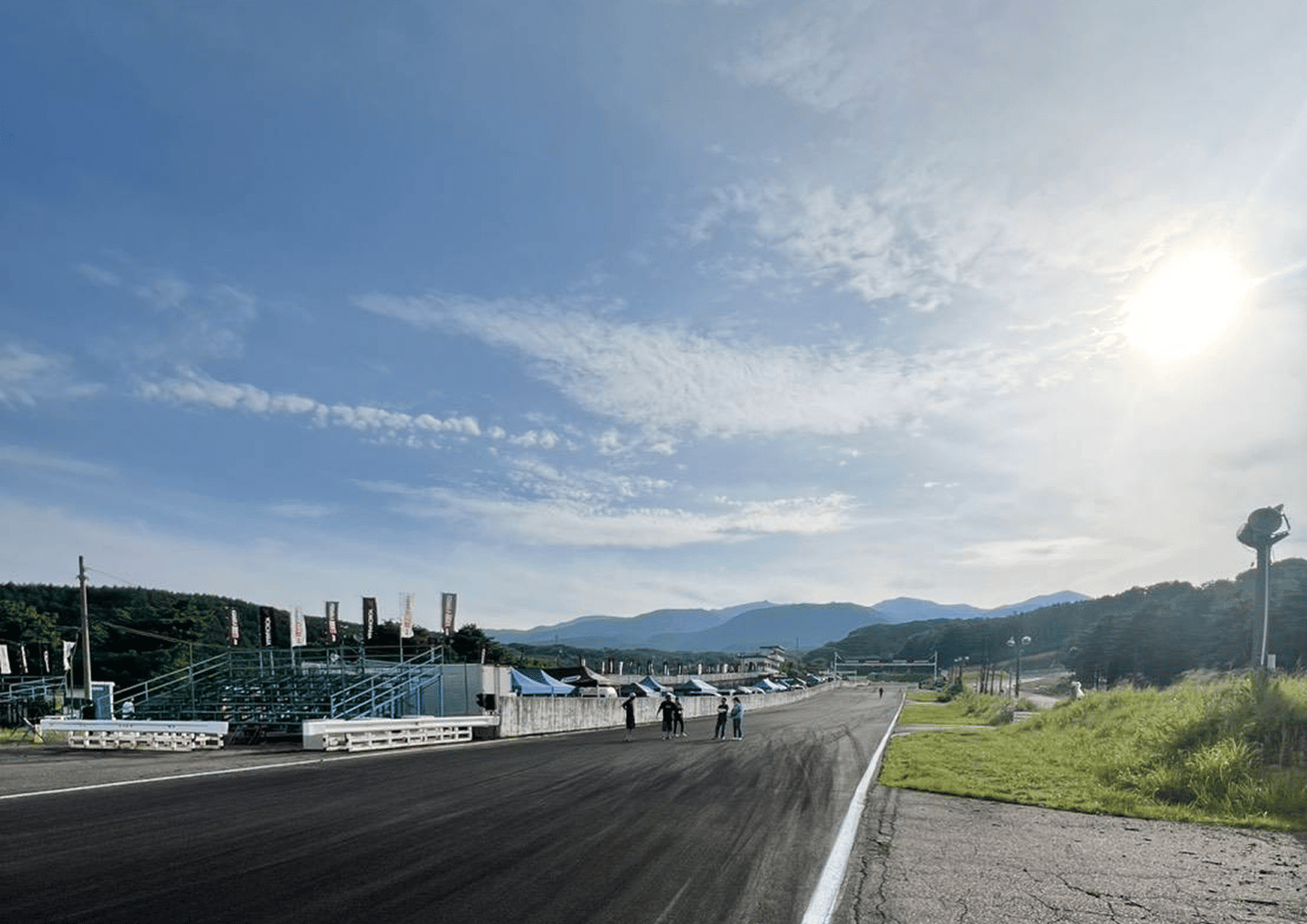
The first thing to settle is what this actually is. There is no gate, no ticket and no organizer. A meet like Daikoku PA is a working highway rest stop where owners show up with their own cars, park, and stay near their builds to talk.
Engines idle, photos happen, and by sunrise the lot is empty again. What you see changes night by night, because nobody books the lineup.
That is the appeal and the honest caveat in one. A commercial expo such as Tokyo Auto Salon sells certainty: elite builds, ordered halls, tickets in advance. A street gathering sells the opposite, the real thing, and it cannot be followed on Instagram or bought as an entry.
Some nights the lot is packed with tuned Skylines, some nights a shutdown or a downpour thins it out. Regulars treat that as part of the sport.
Nobody races either. Street drifting is illegal on Japanese public roads, and what happens at these lots is static displays plus highway cruising, conversations with owners, and the sound of forty turbo cars idling around you. People come for the machines and the talk.
What people wrongly assume
MythTokyo meets are staged tourist shows with a fixed lineup
Reality
They are spontaneous gatherings at public rest stops, and what appears changes every single night
MythYou will see street drifting like in the movies
Reality
Public-road drifting is illegal in Japan; meets are static displays and highway cruising, and asking a driver to rev or drift can get the lot closed
MythJDM means one specific car type
Reality
It stands for Japanese Domestic Market, cars built for Japan's home market
The upshot for your evening: you are visiting a subculture at its own hangout, and the people beside the cars are the owners themselves.
Tour for this
Tokyo Drift JDM Daikoku Car Meet Tour: GT-R, Silvia & Chaser4.9★ (171) · 3 hours · Hotel pickup · Free cancellation
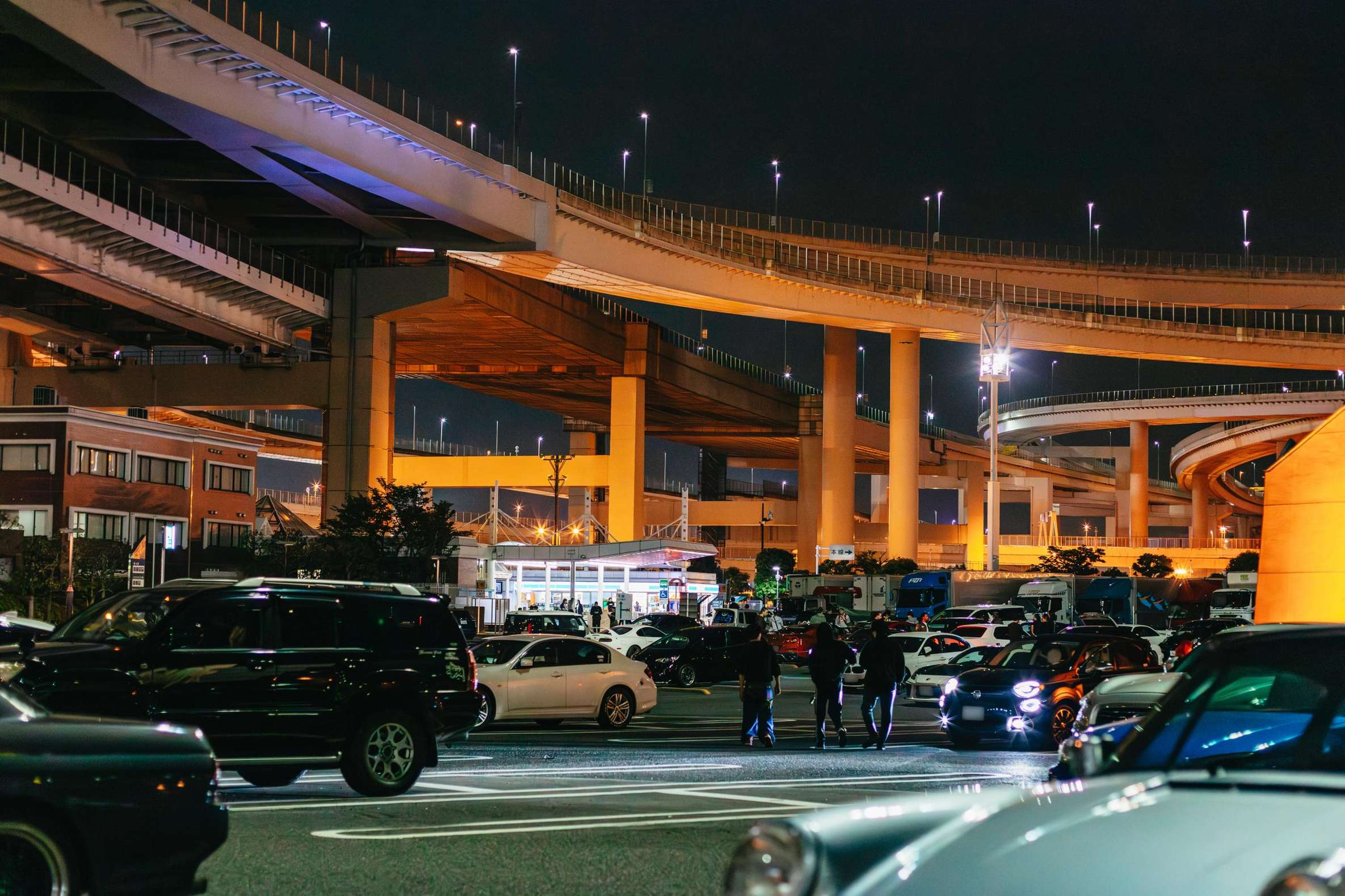
Daikoku PA sits first, and the approach alone is worth the trip. Drivers drop off the expressway down a long circular ramp, one of several spiral ramps engineered to cram a full junction onto a cramped waterfront pier.
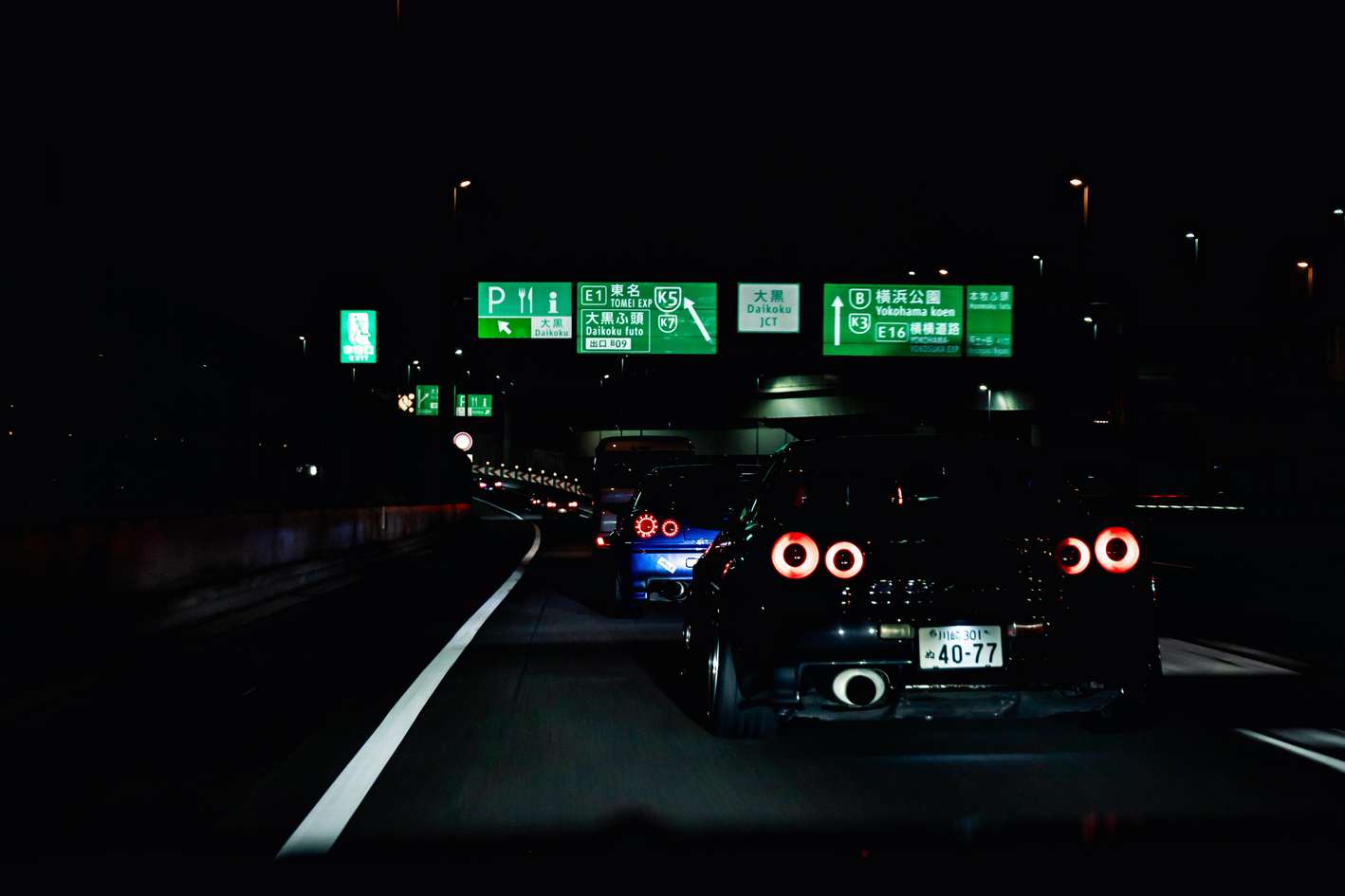
You reach it off the Bayshore Route or the K5 Daikoku Line, and the lot below has become the most famous gathering point in the country.
Tatsumi No. 1 PA is the photographer's pick. It sits roughly five stories above ground, so the skyline of tower blocks on the Koto-ku islands rises behind the cars in a way no ground-level lot can match.
Umihotaru PA stages meets in the middle of Tokyo Bay on the Aqua-Line, and it peaks on Friday and Saturday nights between 8:30 pm and midnight, busiest around 9 pm as crowds drift over after Daikoku closes early.
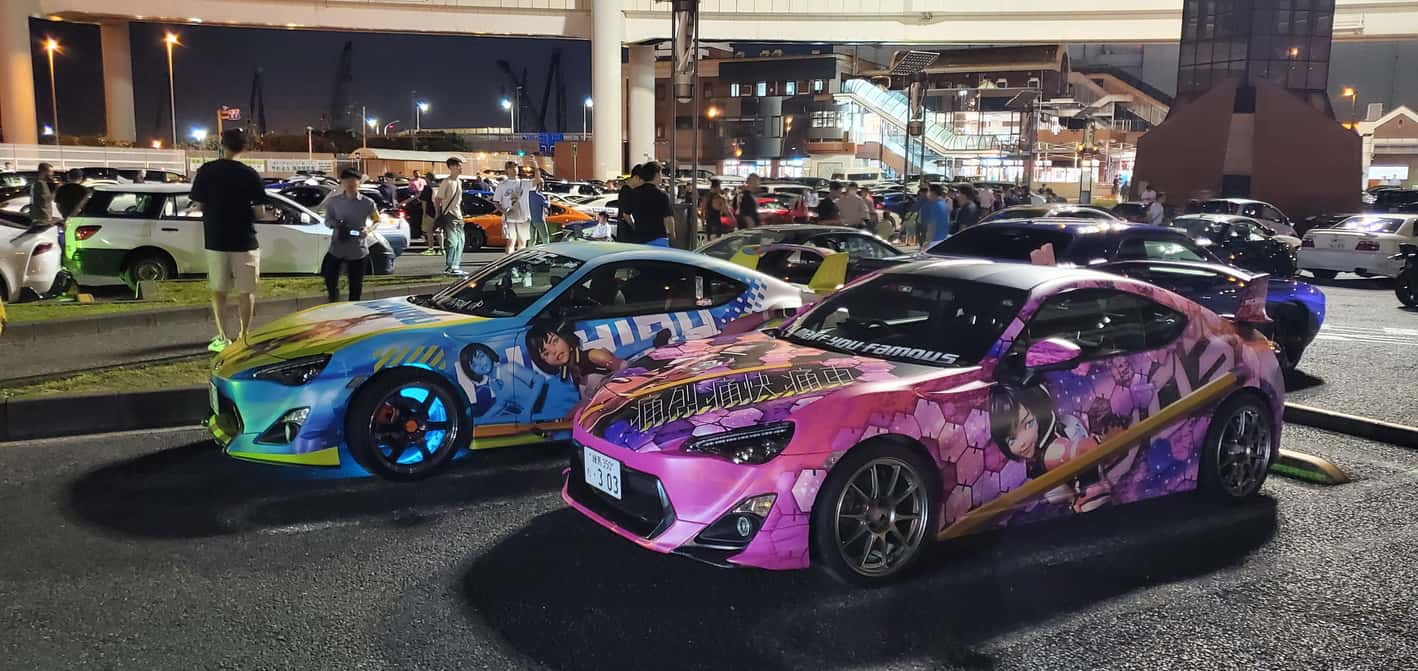
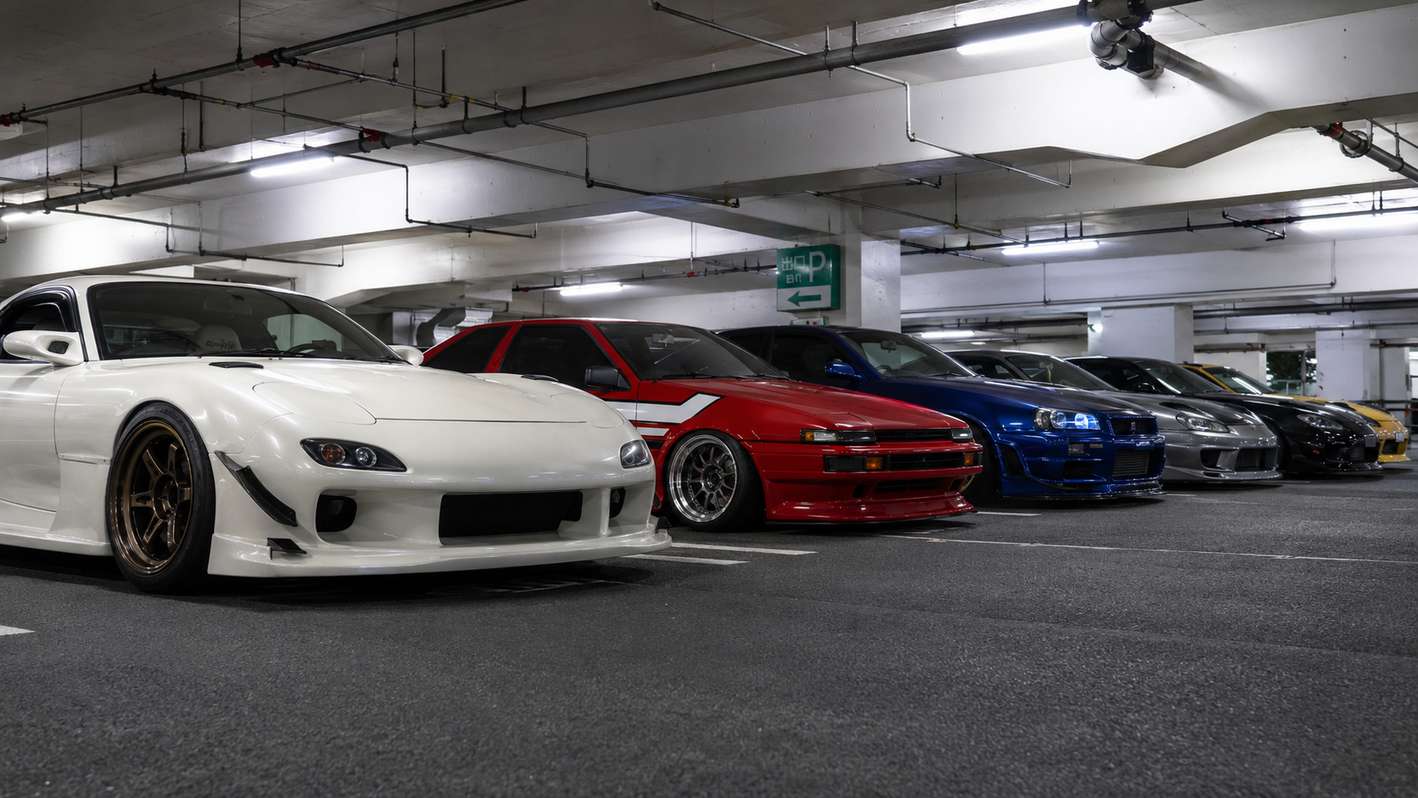
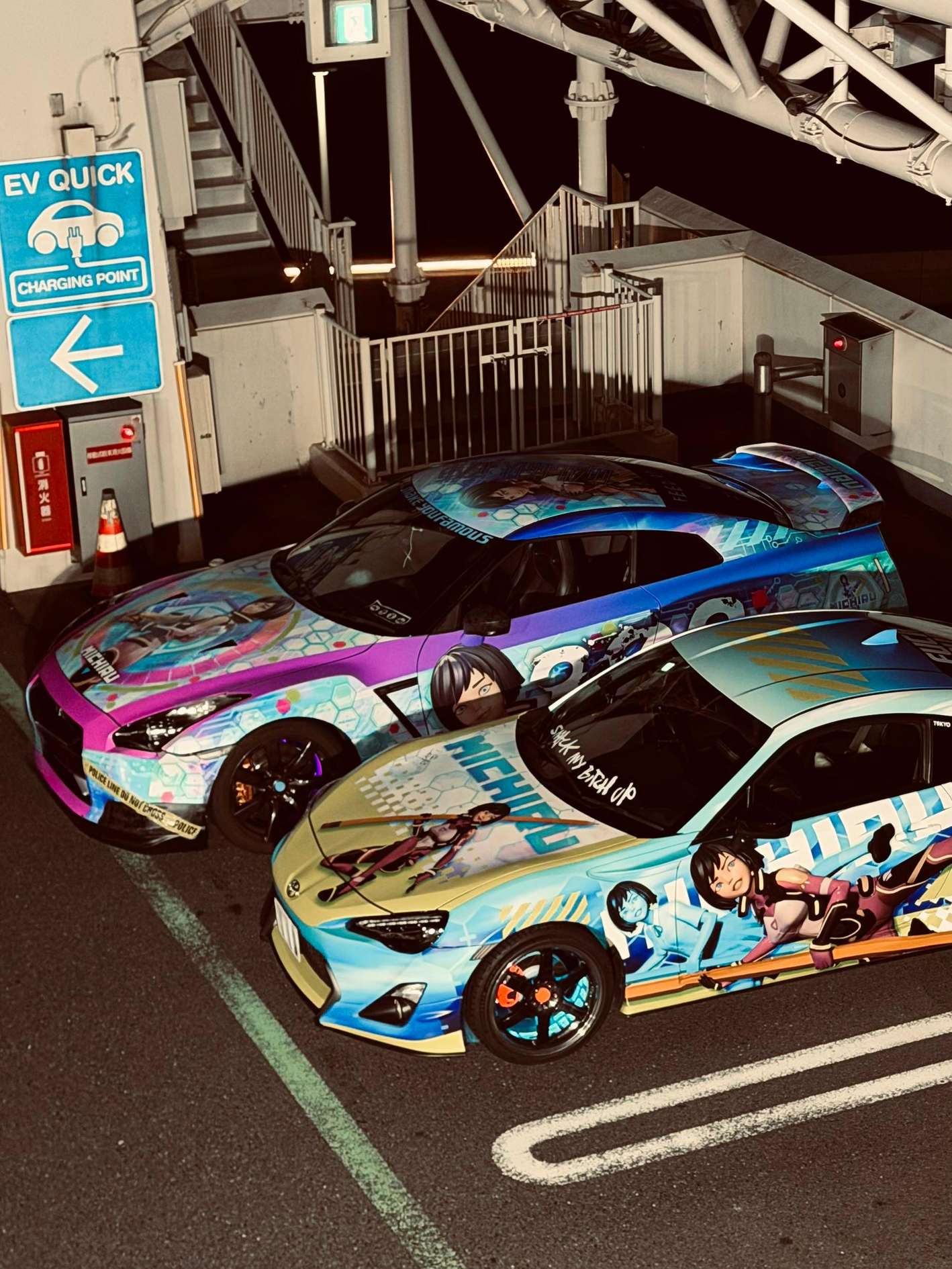
Closer in, Akihabara UDX is an underground garage beside Akihabara Station where you can walk in free of charge, best on weekend afternoons from 2 pm when 20 to 50 itasha fill the decks.
Shibuya Carjack takes over the streets near Tower Records on Saturday nights around 9 pm. Daikanyama T-Site is Tokyo's answer to Cars & Coffee, a themed Sunday morning meet of about 50 cars.
Match the spot to the mood: Daikoku for scale, Tatsumi for the view, Akihabara if you want it on foot.
Tour for this
Tokyo JDM Legends: Daikoku PA & Modified Car Experience4.9★ (93) · 4 hours · Free cancellation
The evening has a shape, and it is worth knowing before you plan around it. On Friday and Saturday the first modified cars roll in between 5 and 6 pm around sunset, and the main wave gathers from 7 pm onward.
Crowd density peaks an hour or two after that, so the window where the lot is at its fullest runs roughly from 8 to 10 pm.
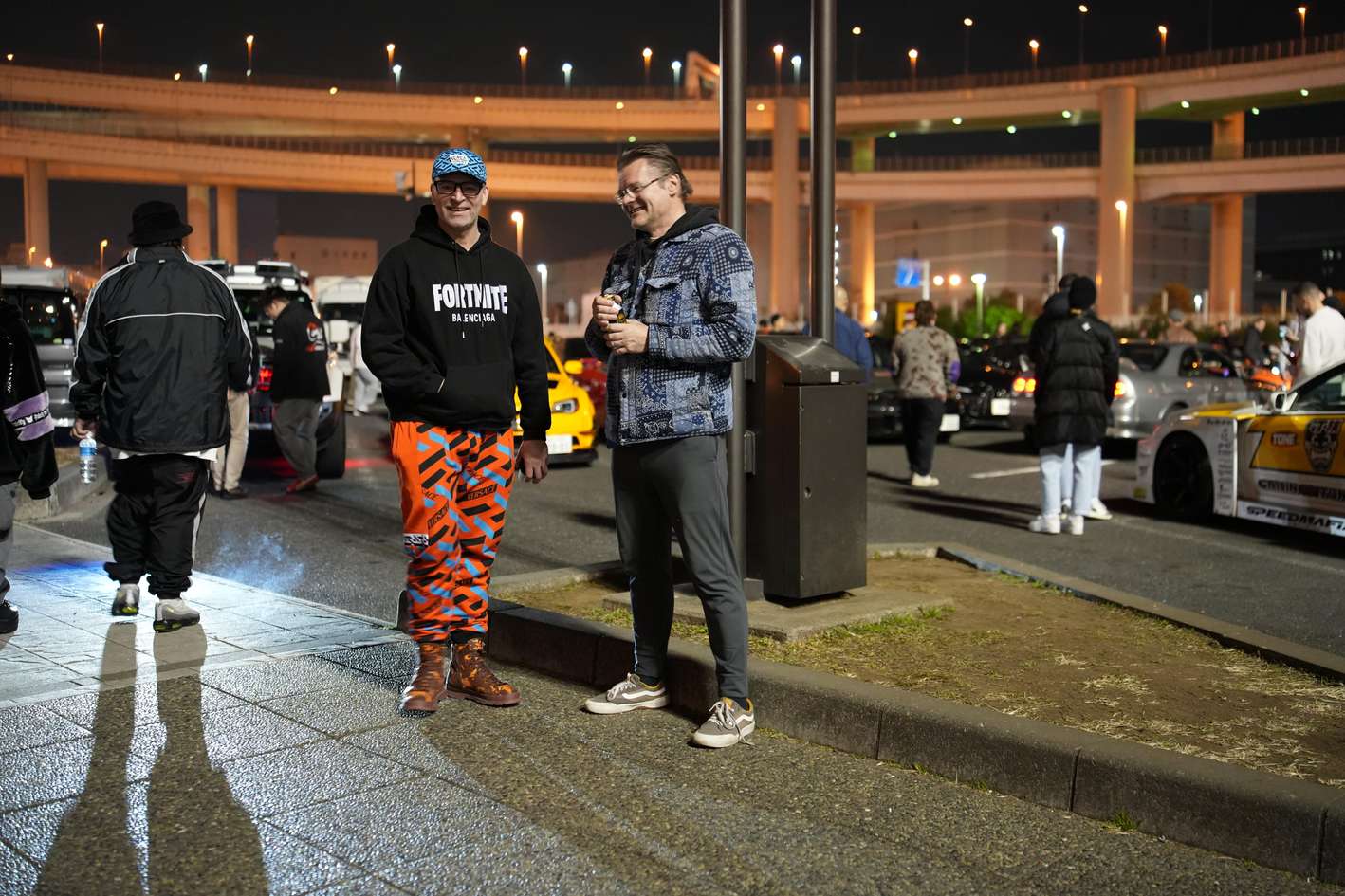
A typical visit lasts 1 to 1.5 hours, and that is enough. You walk the rows, owners stand by their builds happy to talk, engines idle, and the sound of a straight-piped turbo car starting up travels the whole deck. This is a conversation scene; people talk cars, and volume stays low.
You will not go hungry while you wander. Expressway rest stops like Daikoku run food shops, 24-hour convenience stores and hot vending machines, so a coffee and a warm snack sit ten steps from the GT-Rs.
Daikoku car meet visit and clearance timing
1 to 1.5 hourstypical visit duration
1 to 2 hourstime until peak crowd
1 to 2 hoursbefore police clear weekend meets
Those three numbers decide your plan: aim to arrive before the peak, budget about ninety minutes on the ground, and if it is a weekend, expect the lot to thin well before midnight.
Tour for this
Tokyo: Fast & Furious Daikoku JDM Night Tour - EVO,WRX&More4.9★ (543) · 4 hours · Hotel pickup · Free cancellation
Friday and Saturday are the nights that look like the videos: the biggest crowds, the highest-energy modified turnout, and the loudest atmosphere. They are also the nights police close the lot early, most often somewhere between 7:30 and 9:15 pm.
Weeknights flip the trade: Monday to Thursday bring smaller turnouts and a quiet, relaxed vibe where the lot rarely fills, and closures are rare.
Recent visitors on a Monday and a Thursday described decent, fairly populated meets; one June weeknight visitor found it dull. Weeknights are a coin you can call, but the odds favor you.
Sunday morning is the third option, and the most underrated. Between 6 and 10 am, peaking 8 to 10, vintage Japanese classics and European supercars gather in calm daylight, owners mingle before their weekend drives, and there is essentially no risk of a police shutdown.
Sat: the busiest. Autobacs hosts daytime tuning fairs between 10 am and 5 pm, whereas expressway meets gather from 5 pm until police closures.
Bar height: how busy each day is, from very quiet to the busiestThe busiest: Sat
Tap a day to read it.
Read that against your own trip: if your only free evening is a Friday, go early and expect a possible reroute; if you can keep a weeknight or a Sunday morning, you trade volume for reliability.
Tour for this
Private JDM Night Group Tour to Daikoku PA Car Meet5.0★ (8) · 4 hours · Hotel pickup · Free cancellation
Rain cancels nothing, and that surprises people. The meets are informal, so there is no schedule to cancel; the lots stay open and guided tours run as planned through ordinary rain.
What changes is who shows up. Exotics and pristine show cars stay home, and the lot thins to committed regulars and local tuner cars. On wet pavement, some enthusiasts say the reflections make the photos better.
The month matters more than the day. From March through October Tokyo averages 12 to 14 wet days a month, peaking in May and June, which works out to roughly two evenings in five getting rain through spring and autumn. Winter is drier, with 5 to 6 wet days monthly.
Tour demand and weather conditions by month in Tokyo
April: 5 out of 5 for how busy it gets. Peak tour season arrives with mild evenings, heavy crowds, and about twelve rainy days that can thin out exotic cars.
HighestMar to May, Nov
In betweenJan, Jun to Jul
LowestFeb, Aug to Oct, Dec
Darker: a higher how busy it gets score, out of 5
Tap a month to read it.
January: 26.4 dry days. Cold nights near freezing bring crisp, mostly dry weather with steady tour demand and reliable turnouts.
HighestNov to Jan22.8 to 26.4 days
In betweenFeb22.2 days
LowestMar to Oct15.6 to 19 days
Darker months: higher, from 15.6 to 26.4 days
Tap a month to read it.
May: rain on 14.8 days. Popular for tours with pleasant evening temperatures, though rain peaks at nearly fifteen wet days.
HighestMar to Oct12 to 14.8 days
LowestNov to Feb4.6 to 7.2 days
Darker months: higher, from 4.6 to 14.8 days
Tap a month to read it.
March: 5.6 windy days. Spring temperatures begin rising as tour demand picks up, though rainfall increases to around twelve days.
HighestFeb to May4 to 5.6 days
In betweenJan, Aug, Nov2.4 to 3.6 days
LowestJun to Jul, Sep to Oct, Dec0.6 to 1.8 days
Darker months: higher, from 0.6 to 5.6 days
Tap a month to read it.
August: lows around 25°C. Peak summer heat and early typhoon risks lead to quieter tour bookings and sparse turnouts during storm warnings.
HighestJun to Sep19.2 to 25 °C
In betweenApr to May, Oct to Nov8.5 to 14.5 °C
LowestDec to Mar0 to 5.5 °C
Darker months: higher, from 0 to 25 °C
Tap a month to read it.
A typhoon warning is the line that changes everything: turnout collapses, lots empty, and operators adjust routes or reschedule, with an alternative date or a full refund when they cancel.
If your dates fall in the wetter months, book a tour that runs rain or shine and treat a quiet lot as the trade-off for keeping your date.
Tour for this
Tokyo: Fast and the Furious Tokyo Drift III JDM Car Tour4.8★ (880) · 3 hours - 1 day · Free cancellation
Daikoku PA sits inside an expressway interchange on a pier in the bay, and that geography is the whole logistics story. There is no railway station, no bus stop, no taxi rank and no pedestrian walkway.
The gates are locked and fenced; walking in or out is illegal and dangerous, and people have been fined and imprisoned for climbing the fences.
A taxi can legally drop you at Tatsumi PA, though many drivers refuse to enter a parking area at all, so you would need to agree in advance on waiting, tolls and the meter.
But at Daikoku the return trip is the trap: cabs are not permitted to pick up passengers inside, rideshare apps find no drivers there, and visitors who arrive without a pre-arranged ride back risk standing on a highway island at 1 am. Trains stopped running hours before.
This is the problem the tours exist to solve. A guided ride delivers you there and guarantees the trip home, dropping you at central Tokyo or your hotel.
Guided tours from Tokyo budget about an hour each way; a private car manages the run in roughly 40 to 50 minutes when roads are clear, stretching past an hour in the Friday evening rush.
How each way of getting there rates
Guided tourRound-trip transport guaranteed, and most drop you back at your hotel in central Tokyo
Easy
Metered taxiPossible for a drop-off if the driver agrees in advance to enter, wait and run the meter, plus tolls and a late-night surcharge; pickups from inside Daikoku are not allowed
Difficult
Self-driveFull control, but tolls, ETC rules and finding the right ramp are on you
Moderate
On foot or by trainDaikoku has no pedestrian access at all; entering on foot is illegal and dangerous
No access
That table is the whole decision in four lines. If you value your midnight, the top row is the one worth booking.
Tour for this
Tokyo: JDM Performance Car Tour with Planned Daikoku Stop5.0★ (659) · 3 hours · Free cancellation
Two decisions shape your night: who drives, and who shares the car. On a ride-along a professional enthusiast drives while you sit in the passenger seat or back, and no driving licence or International Driving Permit is needed.
Self-drive convoys hand you the wheel, with a lead pace car and two-way radios managing the group, but tolls and fuel usually come out of your pocket, while most guided tours include both.
Private versus shared is the other fork. A private tour reserves the vehicle for your group with flexible stops; shared rides put you alongside other fans, which many people count as half the fun. One operator caps its chauffeured cars at three guests each, four in the Chaser.
Check the honest caveats before you pay. Only select private plans guarantee a specific model; on shared rides a swap for maintenance or scheduling is possible.
Rear buckets in 2+2 coupes are tight for tall or heavy passengers, and some tours enforce weight and height limits. Some Japanese drivers speak enough English to run the tour, and translation apps carry longer conversations.
How to choose a JDM night tour
Check
Why it matters
Our pick
Who drives and licence needs
Passengers on chauffeured tours need no permit at all
Every ride on this page is chauffeured, so you ride the whole night
Tolls and fuel
Surprise costs add up on self-drive
Fuel and expressway tolls are included in the price
Group size and rear-seat space
Rear buckets in 2+2 coupes are tight for adults
Small groups, three riders per car, and a 6-hour private option for a relaxed pace
Guaranteed model
Shared rides can swap cars at short notice
Private plans let you book the R34 Skyline specifically
Pickup and drop-off
Getting back is the real logistics risk
Hotel pickup and drop-off included
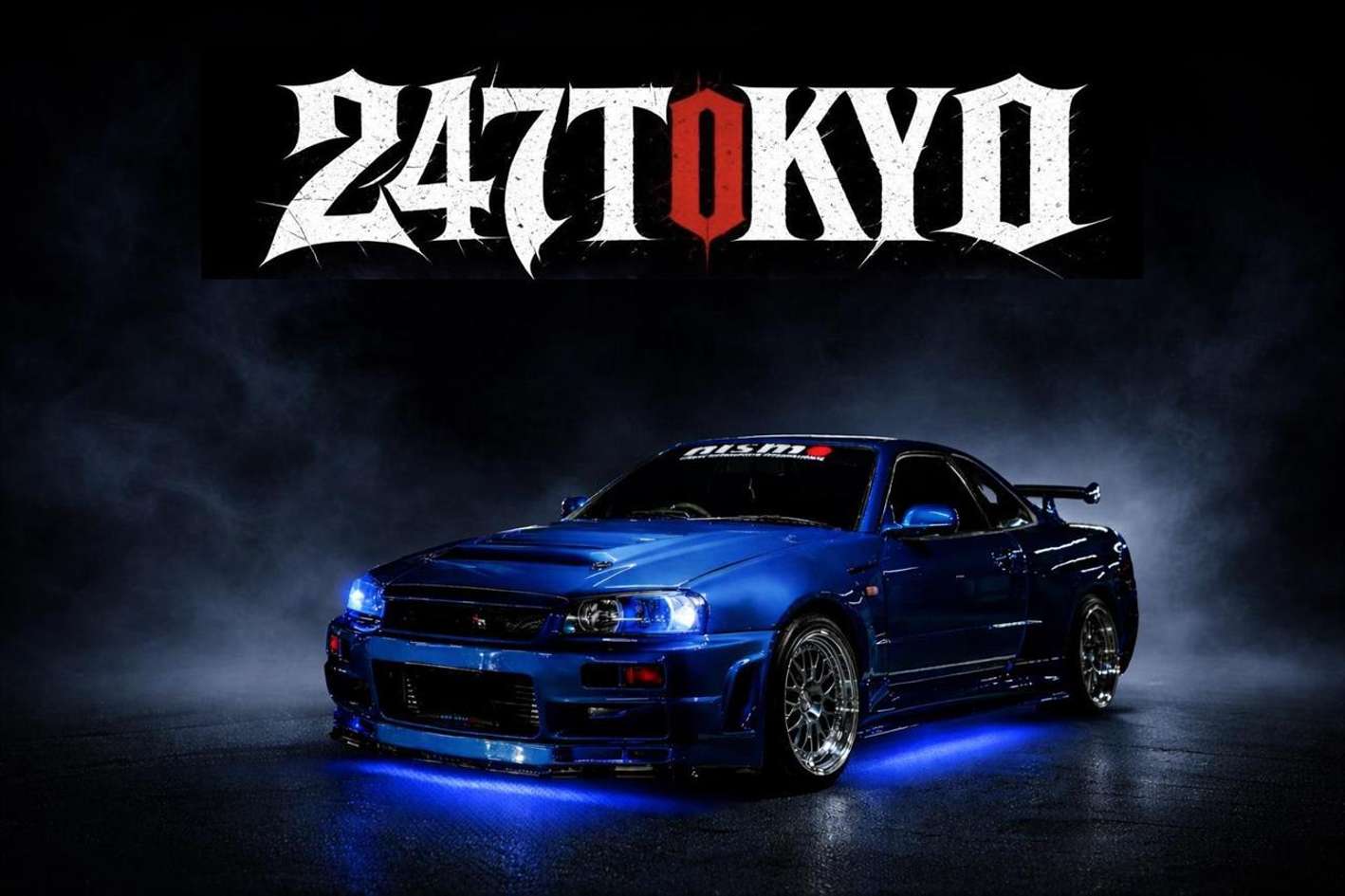
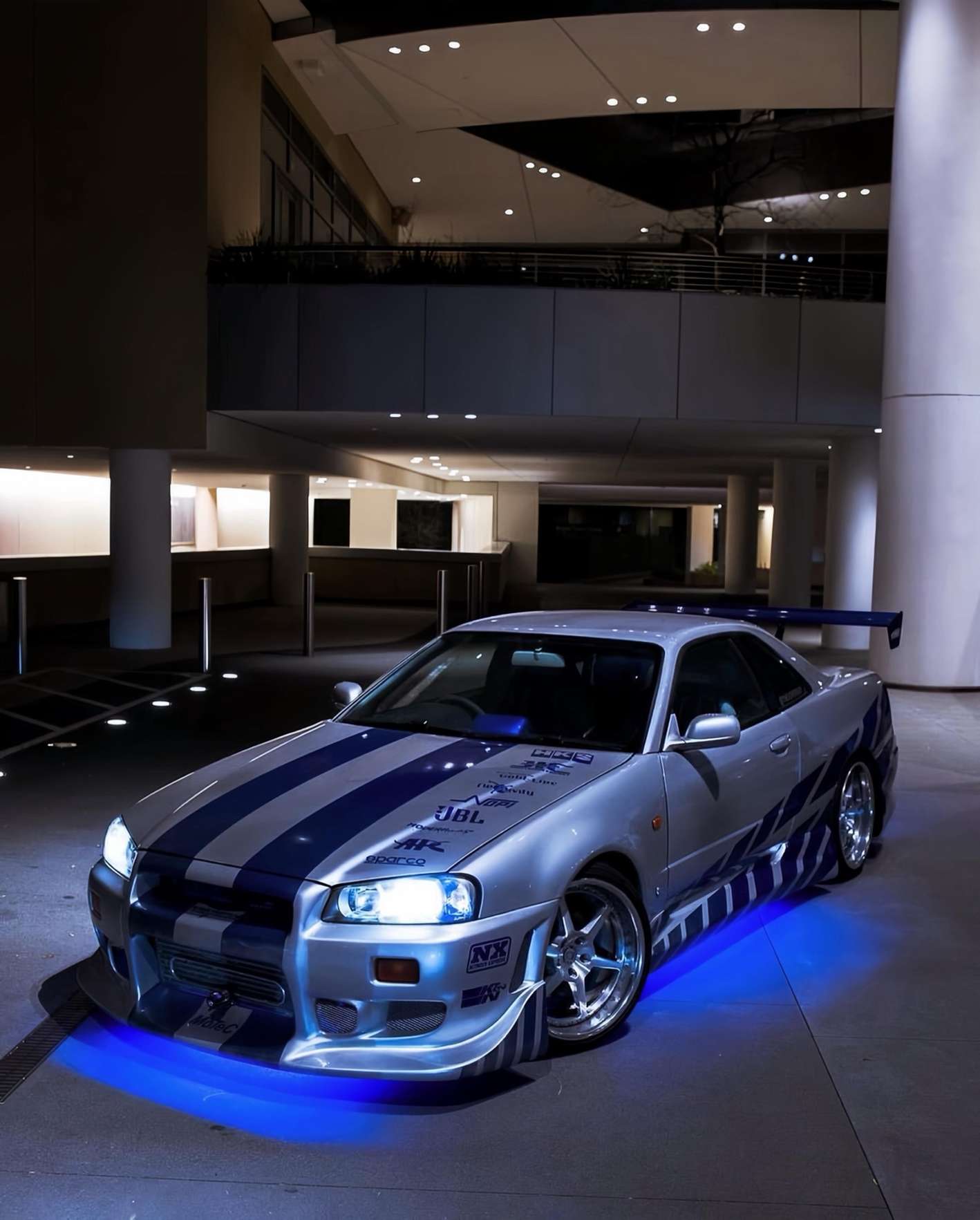
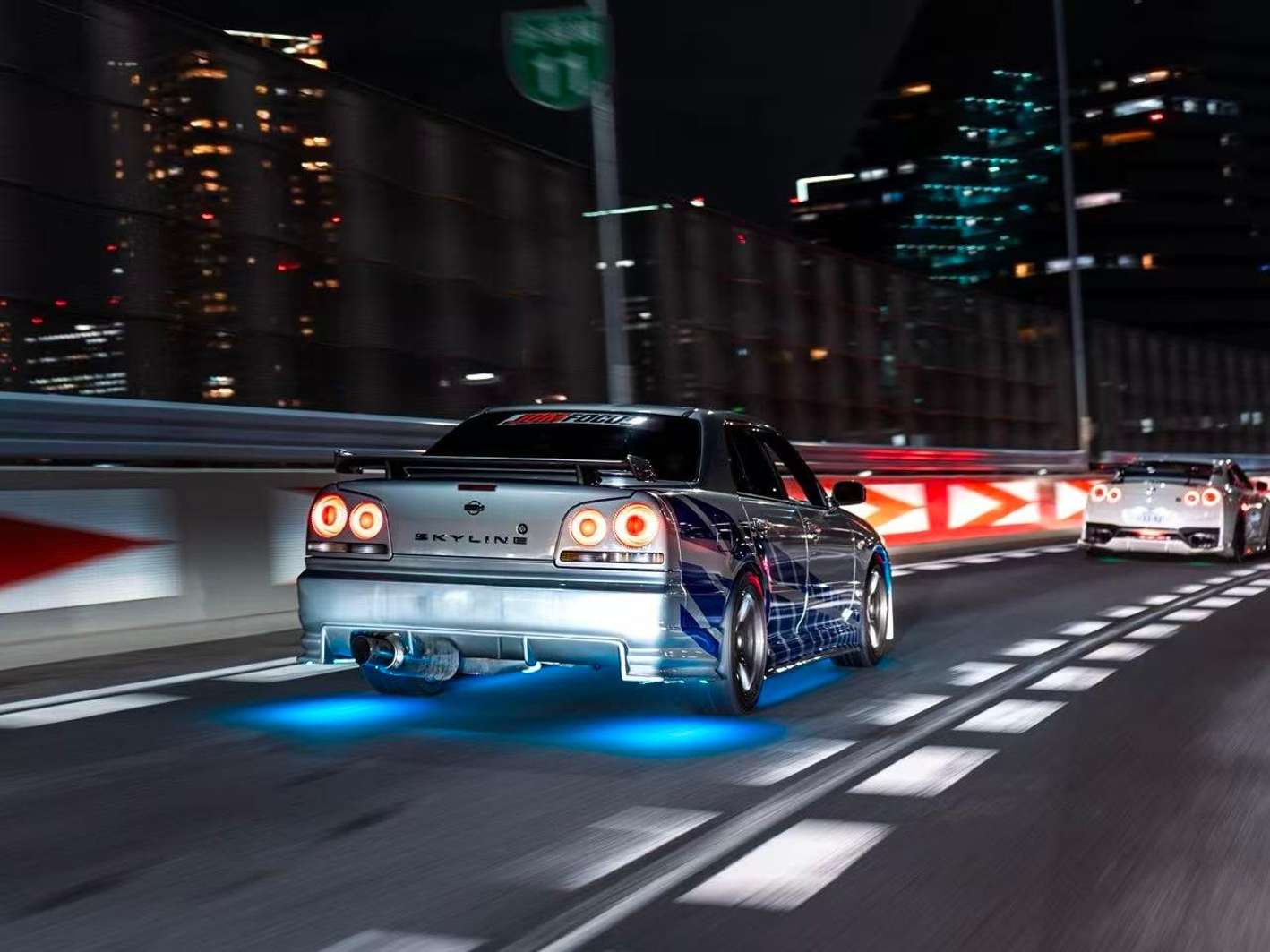
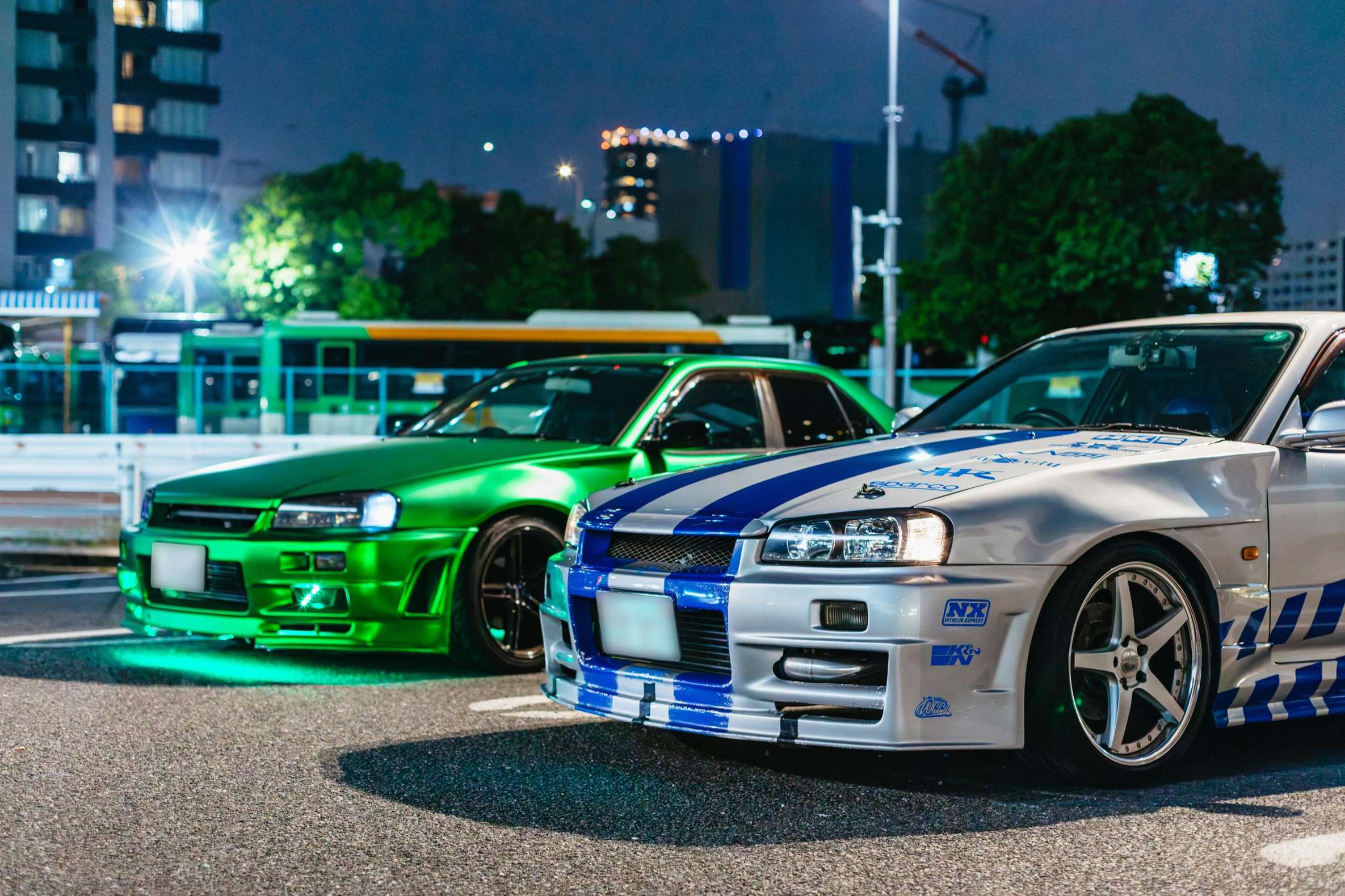
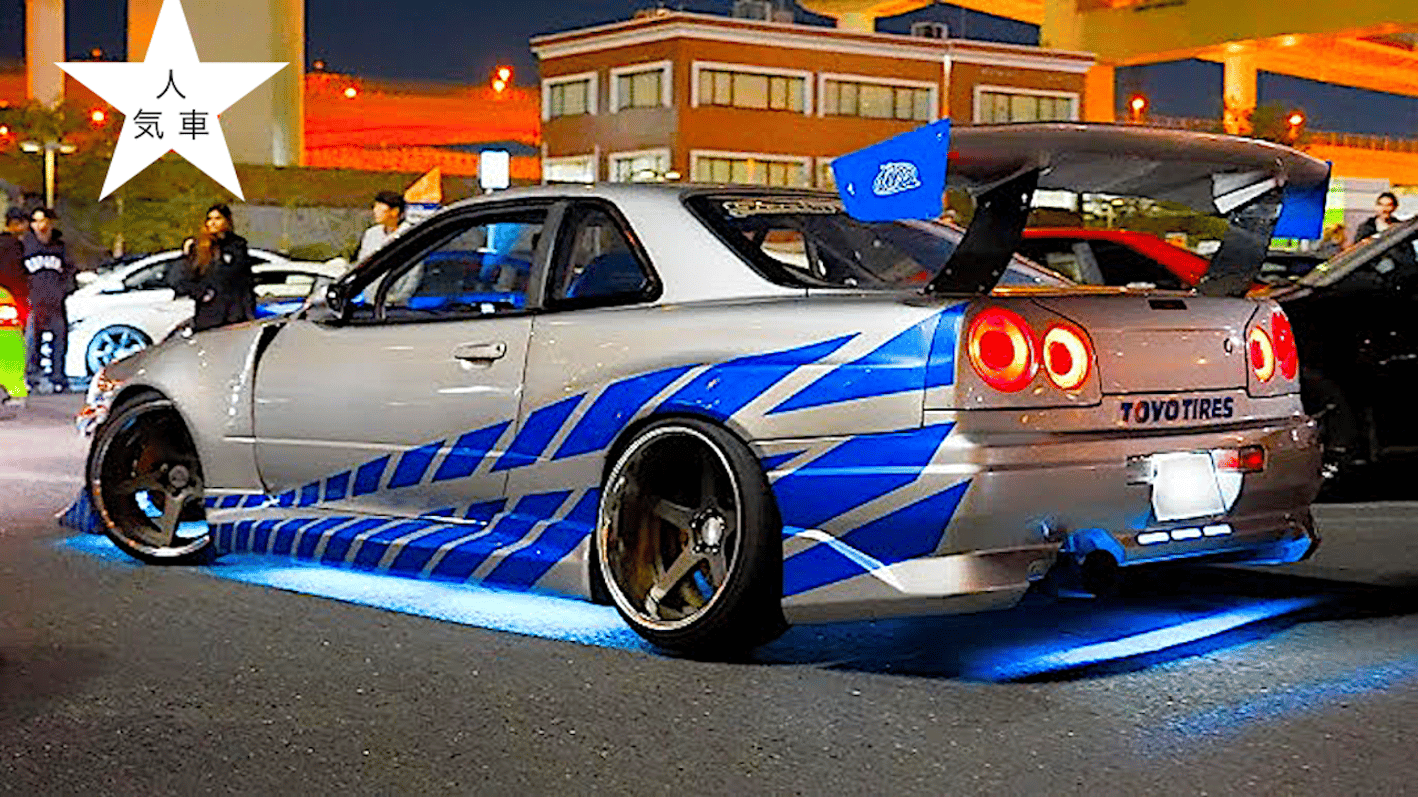
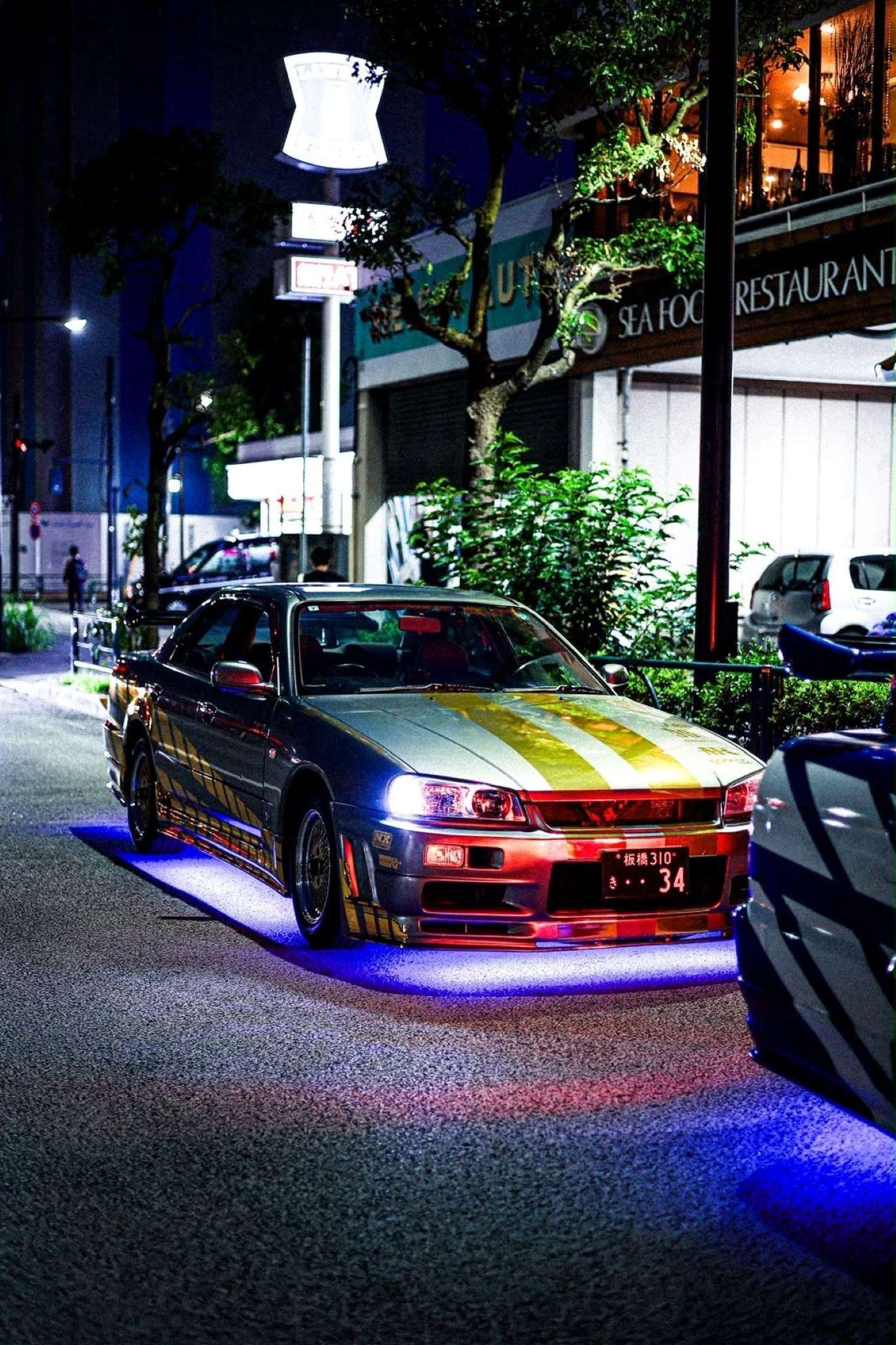
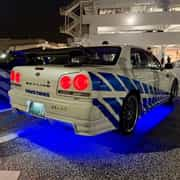
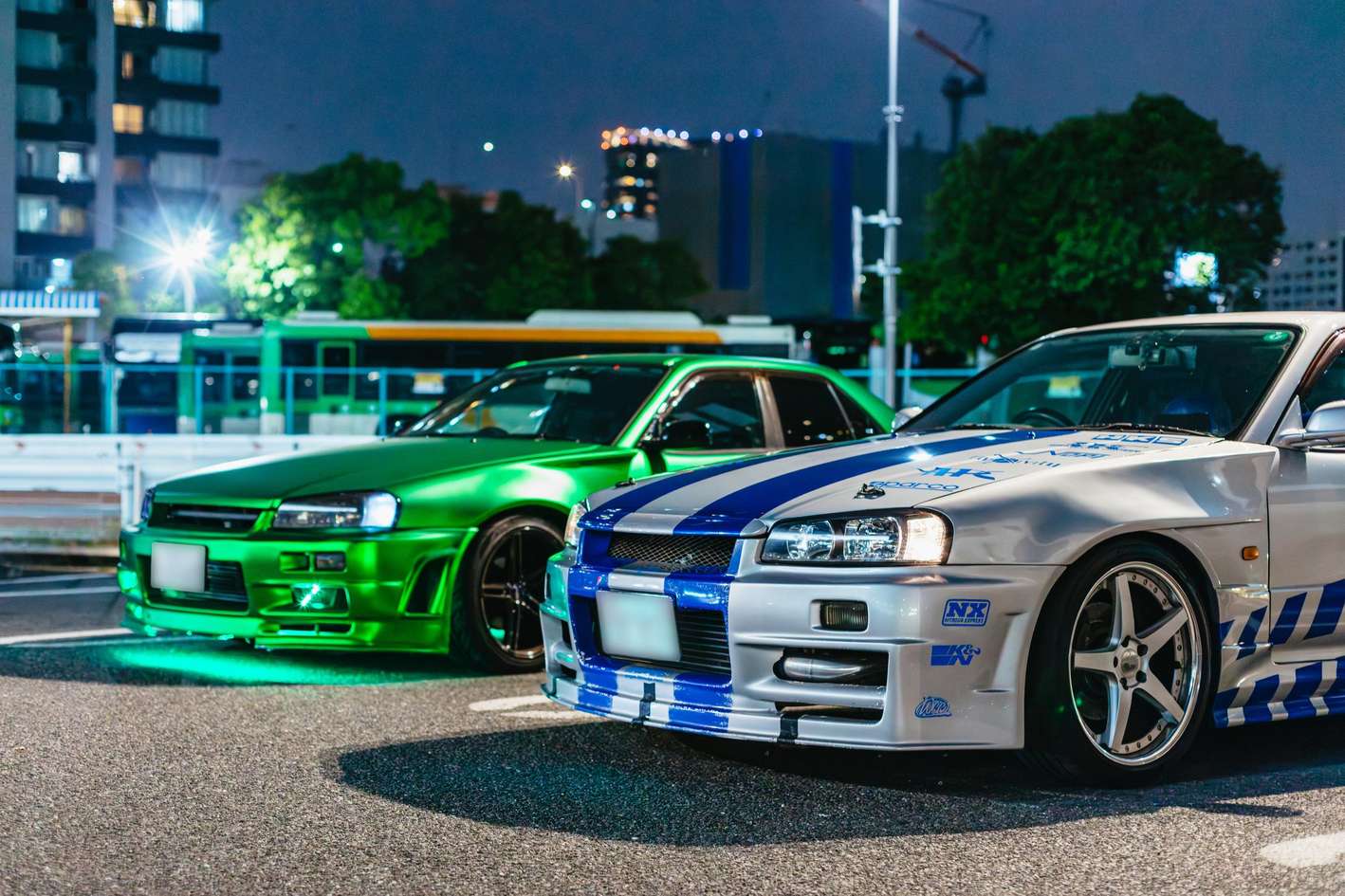
The Tokyo: JDM R34 Skyline drive & Daikoku PA car meet tour answers that checklist cleanly: a private or group ride in a Brian O'Conner-styleR34, rolling video of the cruise, and a driver handling the expressway while you watch the bay.
Tour for this
Tokyo: JDM R34 Skyline drive & Daikoku PA car meet4.9★ (267) · 3 - 6 hours · Hotel pickup · Free cancellation
The list is short, and getting it right is mostly about the cold and the concrete. Bring your physical passport or ID card, since tours check identification at the start.
Wear comfortable shoes for an evening on foot across open parking decks, and skip anything with loose sleeves or long hems if there is any chance you end up behind a wheel.
The sea wind is what you dress against.
Summer nights still justify a light jacket out on the bayside, and winter is the real test: nights at Daikoku drop between 1 and 5 degrees Celsius, and sea wind on open concrete makes it feel close to freezing while you stand around for an hour or two.
ImportantLayers beat one bulky coat Compact clothing makes getting in and out of low sports car seats far easier, and winter bayside nights at Daikoku feel close to freezing between 1 and 5 degrees
There is a second reason to go light on the outerwear: low sports car seats punish bulky coats, and you will be climbing in and out of bucket seats all night. Rain gear earns its place in the wetter months.
Tour for this
Tokyo Drift 5.0 Real Fast & Furious Experience5.0★ (140) · 3 - 4 hours · Hotel pickup · Free cancellation
Etiquette at these meets runs on consequences; there are no signs, and the lot closes when someone breaks the code. Never touch, sit on, lean on or step on a car, and keep metal watch bracelets off the paint.
Exterior photos are usually fine without asking; interiors, engine bays and faces need permission first, and license plates deserve the same courtesy. If an owner declines, accept it and move on.
Keep your voice down. The lot is a working rest stop where truckers and families sleep in their cabs, and loud stereos or shouting count as nuisance triggers. Buy a coffee from the shop while you are there; the small gesture is part of why owners tolerate the crowds.
The one rule with real teeth: never ask a driver to rev, burn out or drift. It is illegal, it draws police immediately, and it can shut the entire lot for everyone. When staff or officers speak, comply and leave promptly.
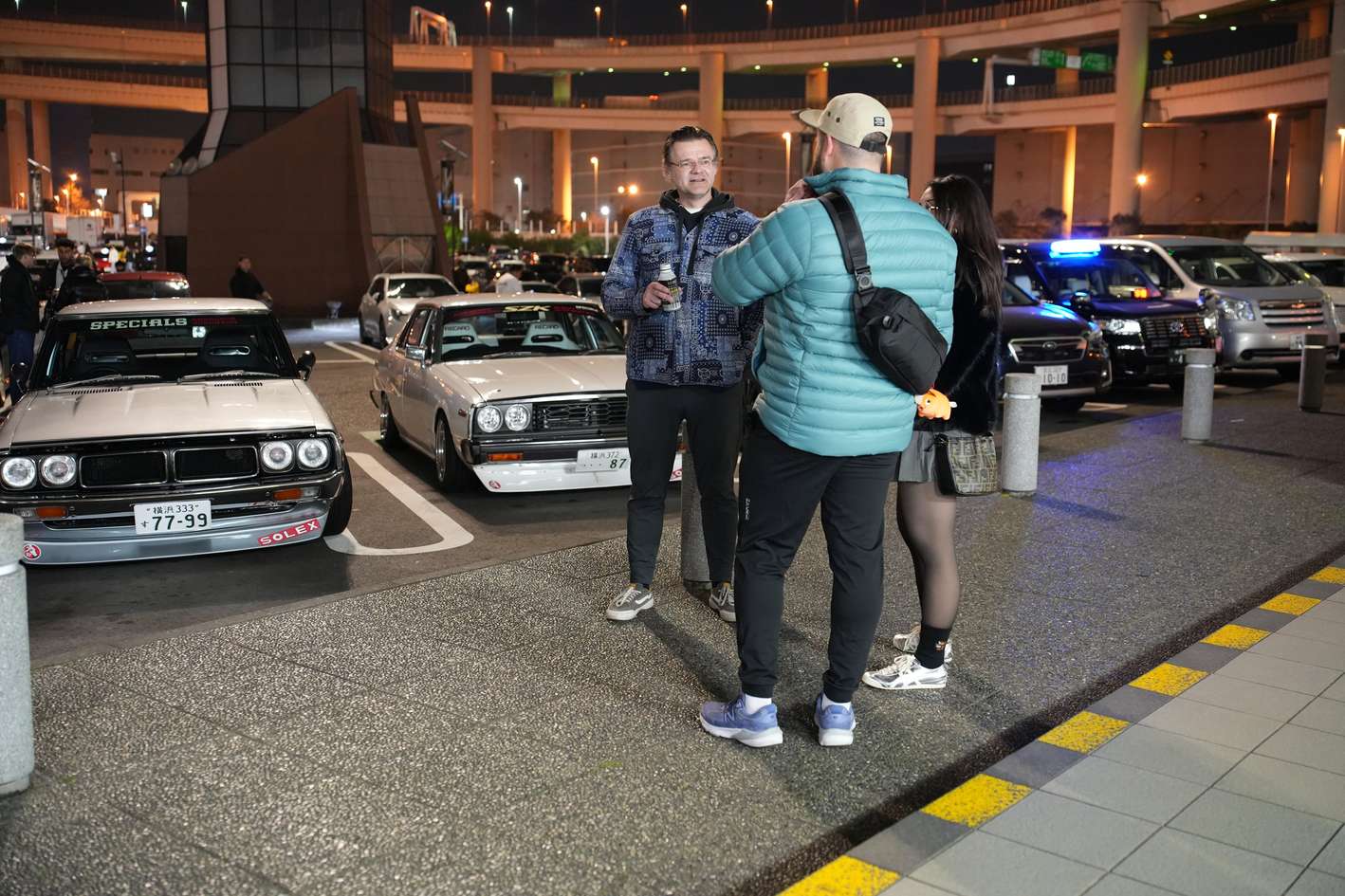
Owners reward respect. Most stay near their builds and talk freely with visitors who ask nicely, and translation apps carry the conversation when words run out.
A traveler's note
Highly recommend! NTHANH TUNG arrived on time and drove excitingly. Daikoku Futo had unique custom cars I'd never see otherwise, fun car shop stop, beautiful photos at Tokyo Tower, and drop-off at my hotel.
That welcome is the norm, and it is earned. A visitor who asks before photographing and keeps the noise down gets the conversations the lot is actually about.
Tour for this
Tokyo Drift Daikoku Car Meet: GT-R R35, R34, R33, Silvia, GT86, Supra4.9★ (175) · 3.5 hours · Free cancellation
The lot itself is the easy part. Daikoku PA is a brightly lit public highway rest stop with 24-hour convenience stores and hot vending machines, staffed and busy with ordinary drivers grabbing food between runs.
Watching and photographing cars is not a crime, and people who go regularly, including solo women, describe feeling completely safe and welcome on night tours alone.
Two habits keep it that way. Stay inside the designated walkways rather than cutting across lanes, and leave promptly when staff or police ask.
The genuinely risky behavior is outside the lot: entering on foot along the expressway or over the fences is dangerous and punishable, which is another reason a guided ride with a driver who knows the ramps is the calm way in.
Solo travelers have one more reason to book rather than improvise: the tour guarantees the ride home, and standing solo on a highway island after the last train is the one scenario with no good fix.
Tour for this
Tokyo: JDM Night Run in EVO, WRX & Skyline to Daikoku4.9★ (1,056) · 3 - 4 hours · Hotel pickup · Free cancellation
Sooner or later on a weekend night you will hear it: a loudspeaker announcement from police, and the lot begins to empty. This is built into how the scene works.
These meets are unauthorized gatherings at working rest stops with no permit, so police disperse them when noise, overcrowding or blocked truck parking trigger complaints, and heavy revving accelerates the closure. On Friday and Saturday the shutdown often lands between 7:30 and 9:15 pm.
Treat it as a plot twist, not a ruined night. When Daikoku closes, the cars simply move, and most head across the bay to Umihotaru PA on the Aqua-Line, where the migrated crowd keeps weekend meets running to midnight.
Others go to Tatsumi Dai-ichi PA or occasionally Shibaura PA. Guided tours handle this without drama; knowledgeable drivers reroute to Umihotaru or a covered stop like A-PIT Autobacs, and one operator even schedules its weekend runs to skip Daikoku during the closure window entirely.
If the night changes on you
If this happens
What happens then
Heavy rain thins the turnout
Tours still run as scheduled, and some divert to covered stops like Umihotaru PA
A typhoon or highway closure forces a cancel
You get an adjusted route, another date or a full refund
Police clear Daikoku over loudspeakers
Everyone clears out peacefully and the convoy diverts to Umihotaru, Tatsumi or A-PIT Autobacs
Daikoku is closed when you arrive
Drivers reroute to an active backup meet the same night
Every row ends the same way: the night continues. A closure costs you the venue, never the experience, and your driver knows where the scene moved.
Tour for this
Tokyo: Daikoku Car parking area night Meet & Experience JDM5.0★ (5) · Valid 1 day · Hotel pickup · Free cancellation
If you want the wheel, the paperwork comes first. Drivers from Geneva Convention countries need an International Driving Permit issued under the 1949 Convention, plus your original passport and home licence. Licence holders from Switzerland, Germany, France, Belgium, Monaco, Taiwan or Austria need an official Japanese translation from JAF instead of an IDP.
The car drives on the right-hand side, so the gear shift moves to your left hand while the pedals stay in the usual order. Wear closed, secure shoes; flip-flops and backless sandals are prohibited when driving, and loose sleeves or long hems are a bad idea at a manual shifter.
Mind the rules of the road. The Wangan Route limit is 80 km/h, cameras flash from roughly 40 km/h over, and Japan runs a zero-tolerance alcohol law: any alcohol while driving is prohibited. Departure timing decides your evening.
Leave central Tokyo between 4:30 and 5 pm on a weekend to arrive before the 7:30 pm shutdown window, or 7:30 pm on a weeknight to catch the 8 pm peak; after 8 pm you beat the commuter jam entirely.
Tolls are distance-based for ETC users, and some entrances take no cash at all. While you are out this way, the bayfront has its own slower pleasures:
Those stops fill a daytime window before the meet, which is exactly the gap a self-drive day leaves. Weigh the paperwork, the tolls and the timing against handing the night to a driver who knows every ramp, and many people conclude the passenger seat is where the fun is.
Driving yourself
Rent a car in TokyoCompare cars from the rental companies in one search, then pick yours.
A Tokyo car meet is real, free to enter and unlike anything a motor show can stage. The whole experience comes down to two choices: the night you pick and how you get there.
Book a guided ride, aim for the hours when the lot is full, and let a closure or a quiet Tuesday be part of the story rather than a disappointment.
Go ifYou want to stand among real modified Skylines, Supras and EVOs rather than museum glassYou can ride on a weeknight or a Sunday morning, when meets run calm and reliableYou are happy to let an enthusiast handle the expressway while you ride along
Skip ifYou expect staged drifting or a guaranteed fixed car lineup every nightYou cannot handle hours standing on open concrete in wind or coldYou want a late-evening start on a Friday, when closures land early
Our pick to book
Tokyo: Fast & Furious Tokyo Drift III Experience4.8★ (6,369) · 3 - 4 hours · Free cancellation
The things visitors ask before they book a night at Japan's most famous parking lot.
Yokohama2026
The lot fills fast with fender to fender Skylines and Supras, sea wind off the bay. Pick your night and book a ride with a return trip built in.
What does JDM mean?
JDM stands for Japanese Domestic Market. Among overseas fans it has come to mean cars built or modified to Japanese home-market specs, from Skylines to Supras.
What actually happens at a Tokyo car meet?
Cars arrive, owners socialize near their builds, engines idle, and people photograph and talk. Meets are static displays and highway cruising, not races or parties.
Is there drifting at the meets?
No. Street drifting is illegal on Japanese public roads, and the gatherings at parking areas are about parked builds and cruising. Real drifting happens legally at closed circuits.
Can you walk or take a bus into Daikoku PA?
No. The parking area sits inside an expressway interchange with locked pedestrian gates and no bus stops, so access is only by car. Guided tours handle the drive for you.
Can you take a taxi there and back?
A taxi can drop you off, though many drivers refuse to enter the lot and wait. Returning is the harder part: cabs cannot pick up passengers inside Daikoku PA, so book a tour with round-trip transport.
Why do police close the meets early on weekends?
Crowds, noise, and blocked truck parking bring enforcement. Excessive revving and disruptive behavior accelerate closures. If police announce a dispersal over loudspeakers, everyone clears out peacefully.
Is a weeknight visit worth it?
Often yes. Most recent visitors describe decent, fairly full Monday and Thursday meets, though turnout varies. Weeknights also run more relaxed, with police closures rare.
Are the meets official events with a schedule?
No. They are informal gatherings in public rest stops, with no organizer, permit, or posted calendar. The lineup of cars changes night by night, which is part of the appeal.
Is a Tokyo car meet staged for tourists?
It is the opposite. These are real parking lots where enthusiasts gather on their own. Commercial expos like Tokyo Auto Salon are the staged, ticketed side of the scene.
What is the etiquette around the cars?
Never touch, lean on, or enter a car without the owner's permission, and keep watches with metal bands away from the paint. Ask before close-up photos of interiors or people, and keep noise down.
Can I talk to the car owners?
Usually yes. Owners stay near their cars and enjoy chatting with respectful visitors. Many speak little English, so translation apps help, and compliments about the build go a long way.
Are there car meets I can reach on foot in central Tokyo?
Yes. You can watch modified cars for free at the Akihabara UDX garage near the station, catch Shibuya Carjack on Saturday nights around 9 pm, or join a Sunday morning gathering at Daikanyama T-Site, Tokyo's version of Cars and Coffee.
Ride a real JDM on a Tokyo night out
Join a convoy of Skylines and EVOs to the Daikoku Parking Area meet, and cancel free up to 24 hours before.


 Your best match